
How Do You Learn Best?
Learn by Listening
Start with the 3-minute audio summary to get the key facts and narrative highlights quickly.
Learn by Reading
Immerse yourself in the 10-minute visual lesson for a comprehensive understanding of the topic.
Learn by Reviewing
Jump directly to the key facts, timeline, and vocabulary lists to build a solid foundation of details.
Learn by Doing
Challenge yourself! Jump straight into the interactive games to learn by trial, error, and discovery.
Audio Library
As one of our featured lessons, this topic includes premium audio guides.
Unlock the Wizard's Cram Session
This powerful audio study guide is a Pro-exclusive feature. Upgrade to Memory Wizards Pro to access this and all of our premium learning tools.
Upgrade to ProThe Man Who Had All the Luck in 10 Minutes
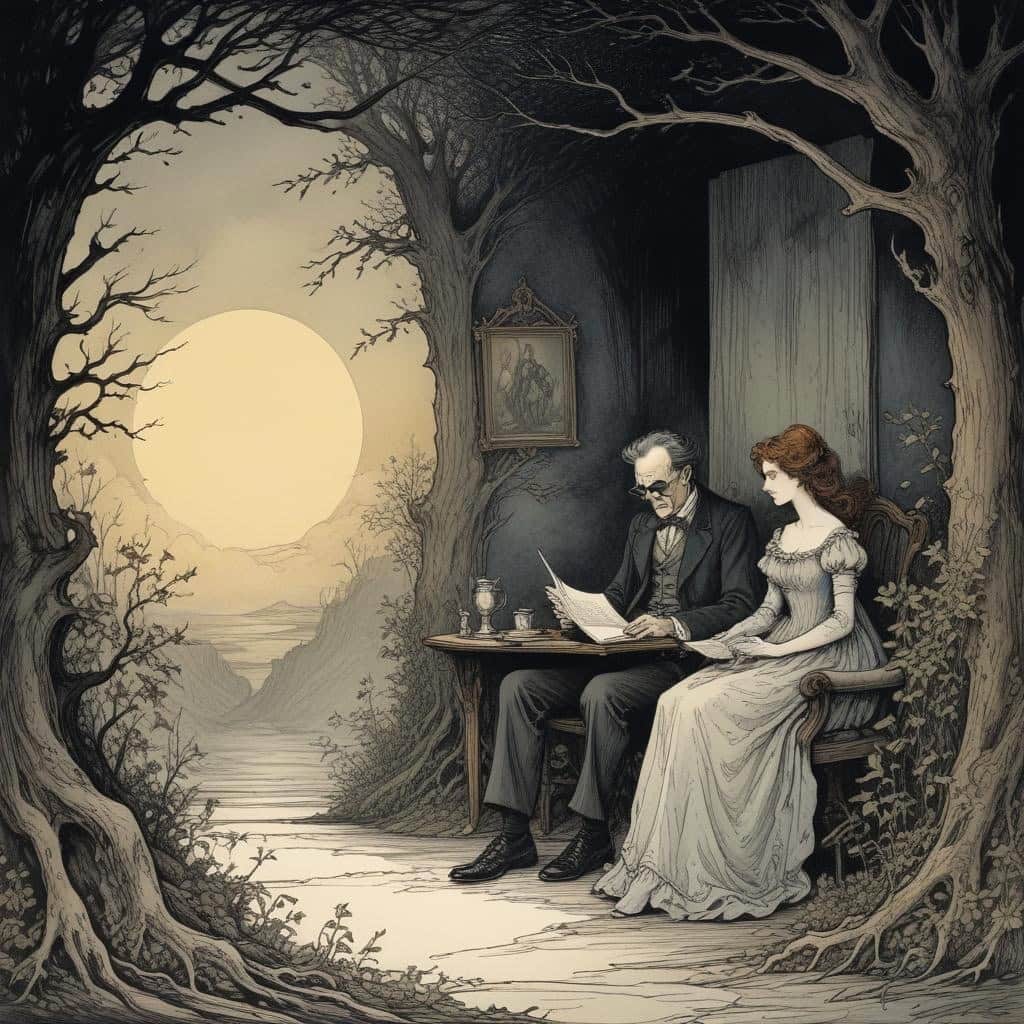
Introduction
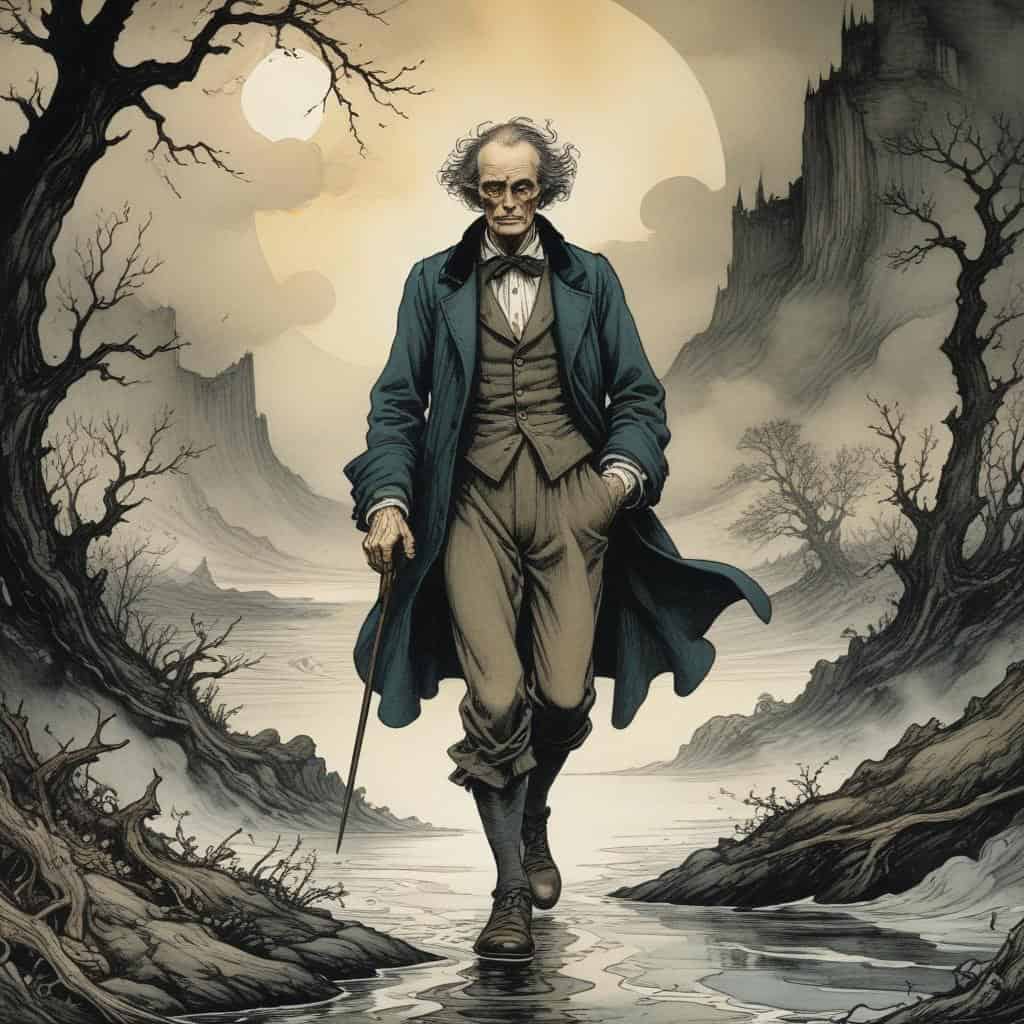

David Beeves

Amos Beeves

Pat Beeves

Gus Beaver
Young David Began His Journey
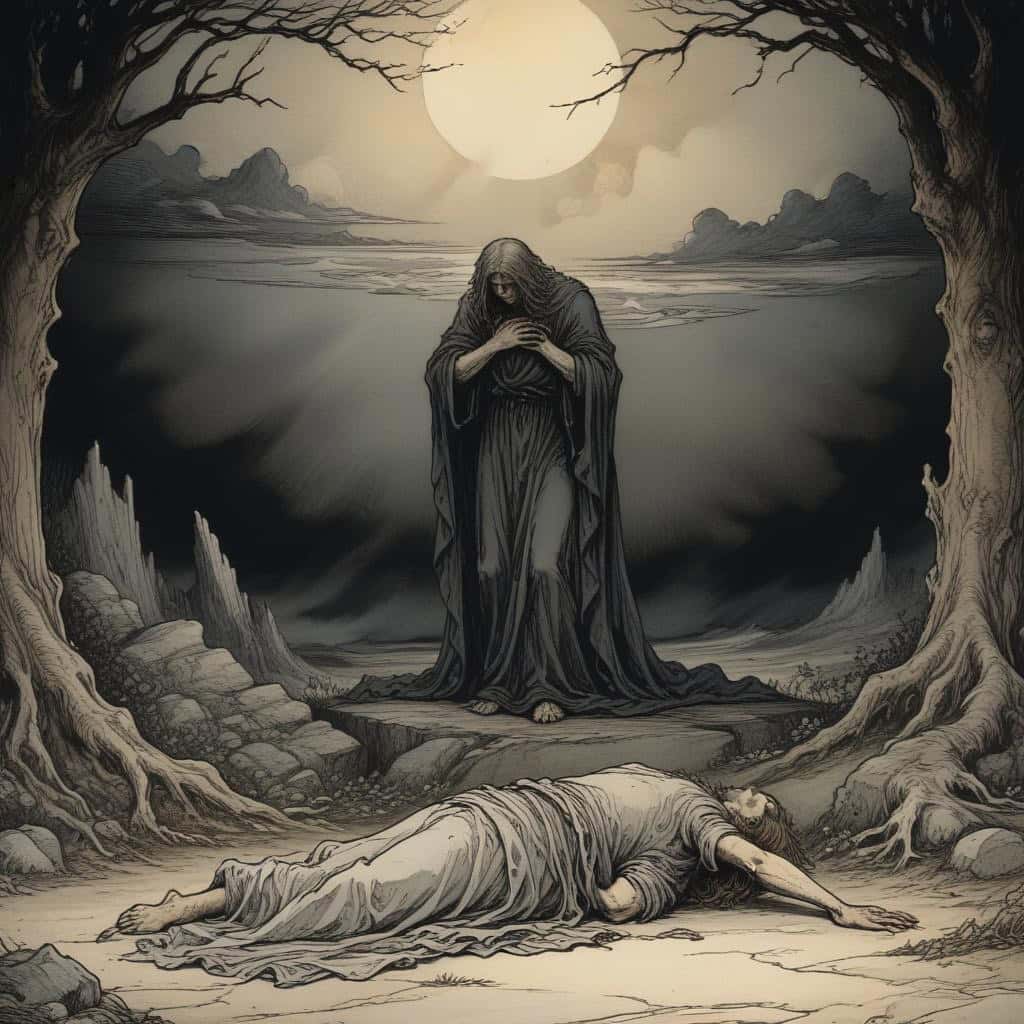
Davids Father Dies Unexpectedly
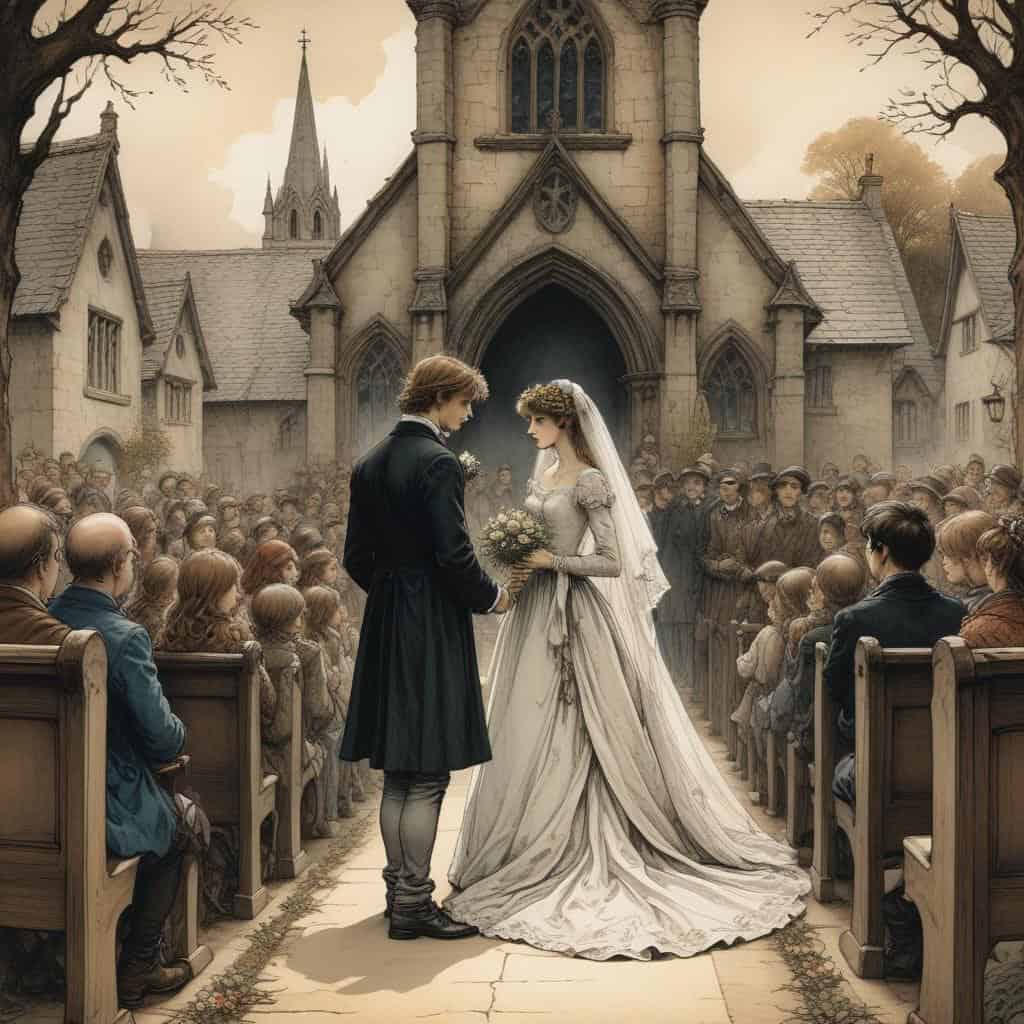
David Marries His Childhood Sweetheart
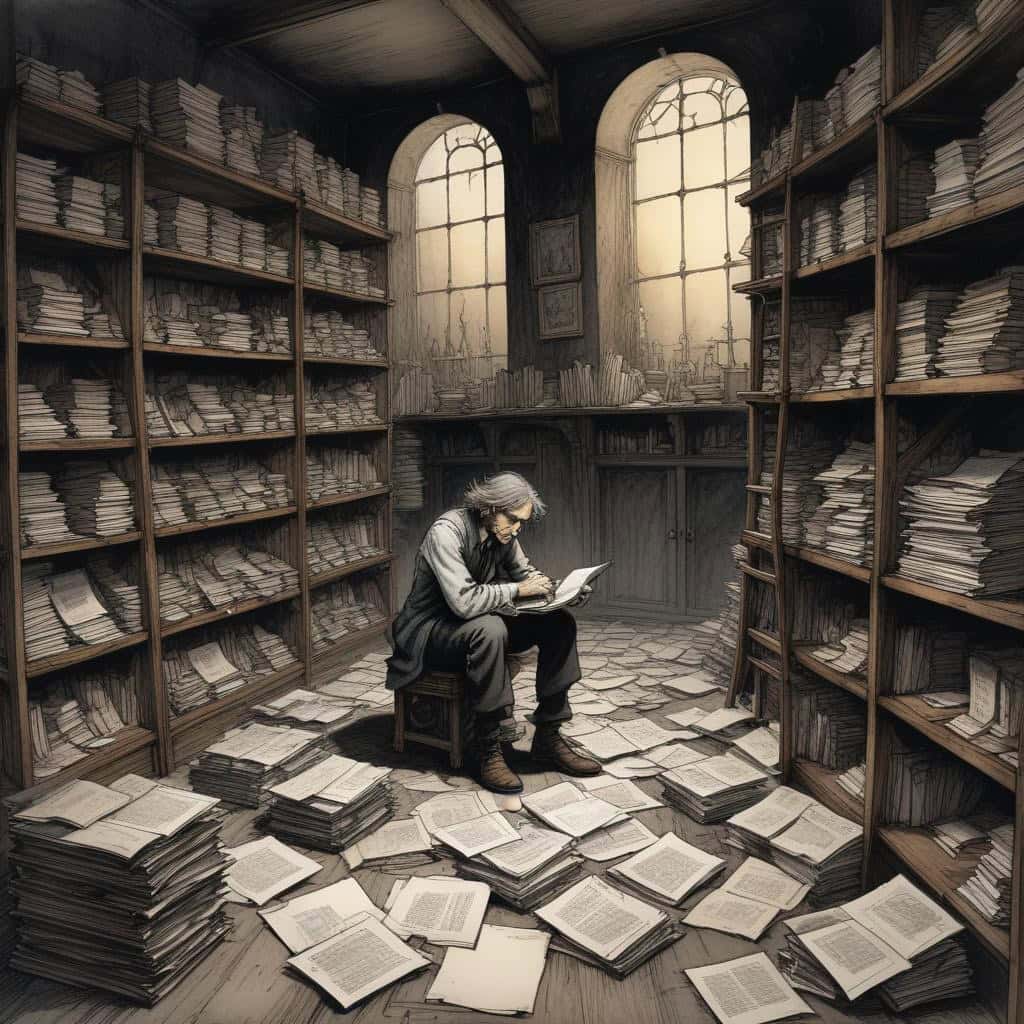
Davids Business Struggles Continue
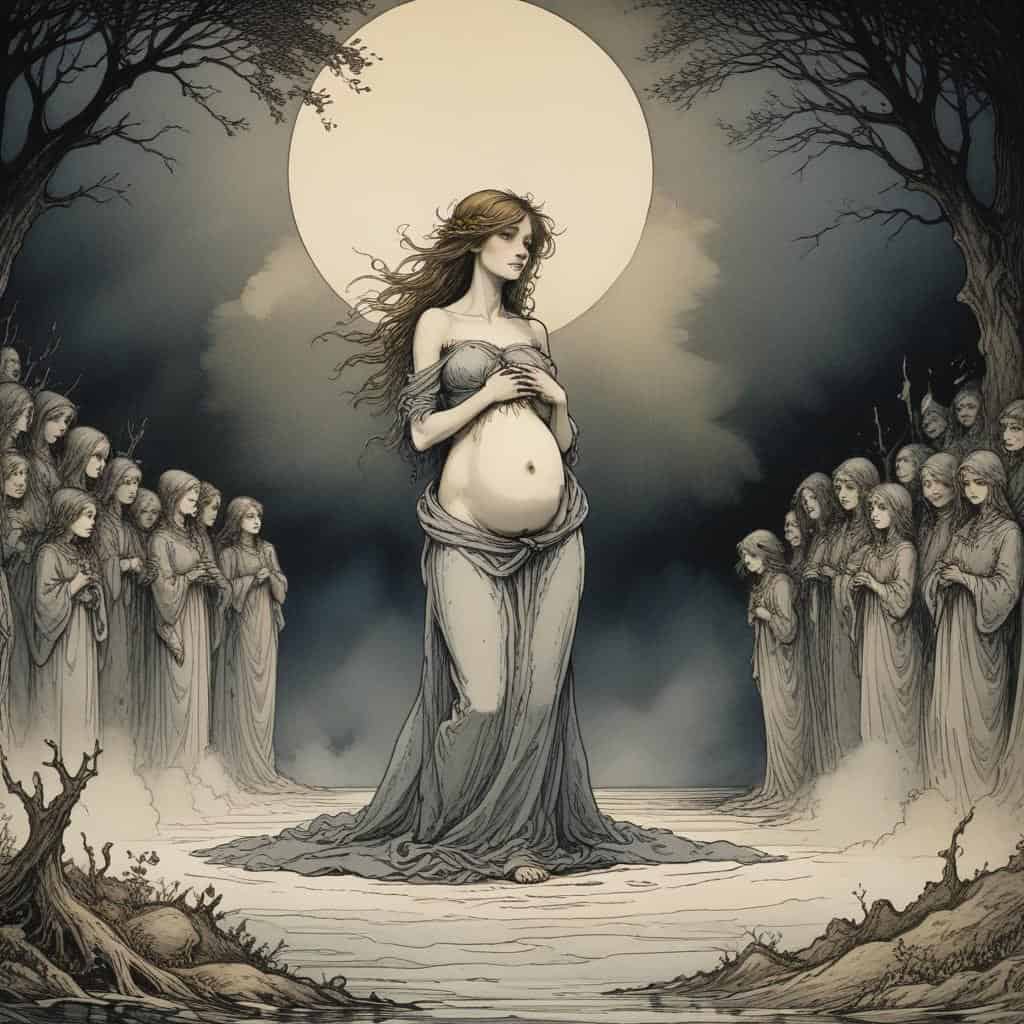
Davids Wife Becomes Pregnant
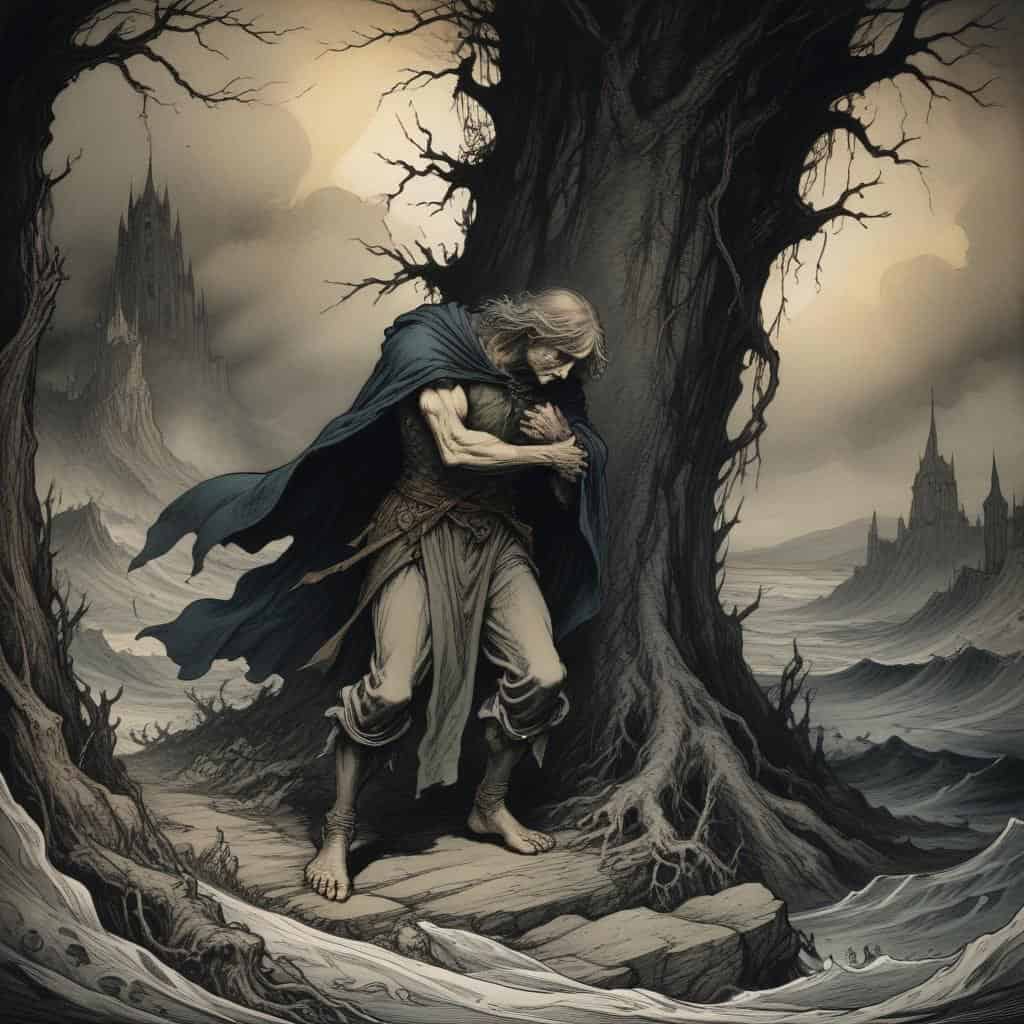
David Saves a Mans Life
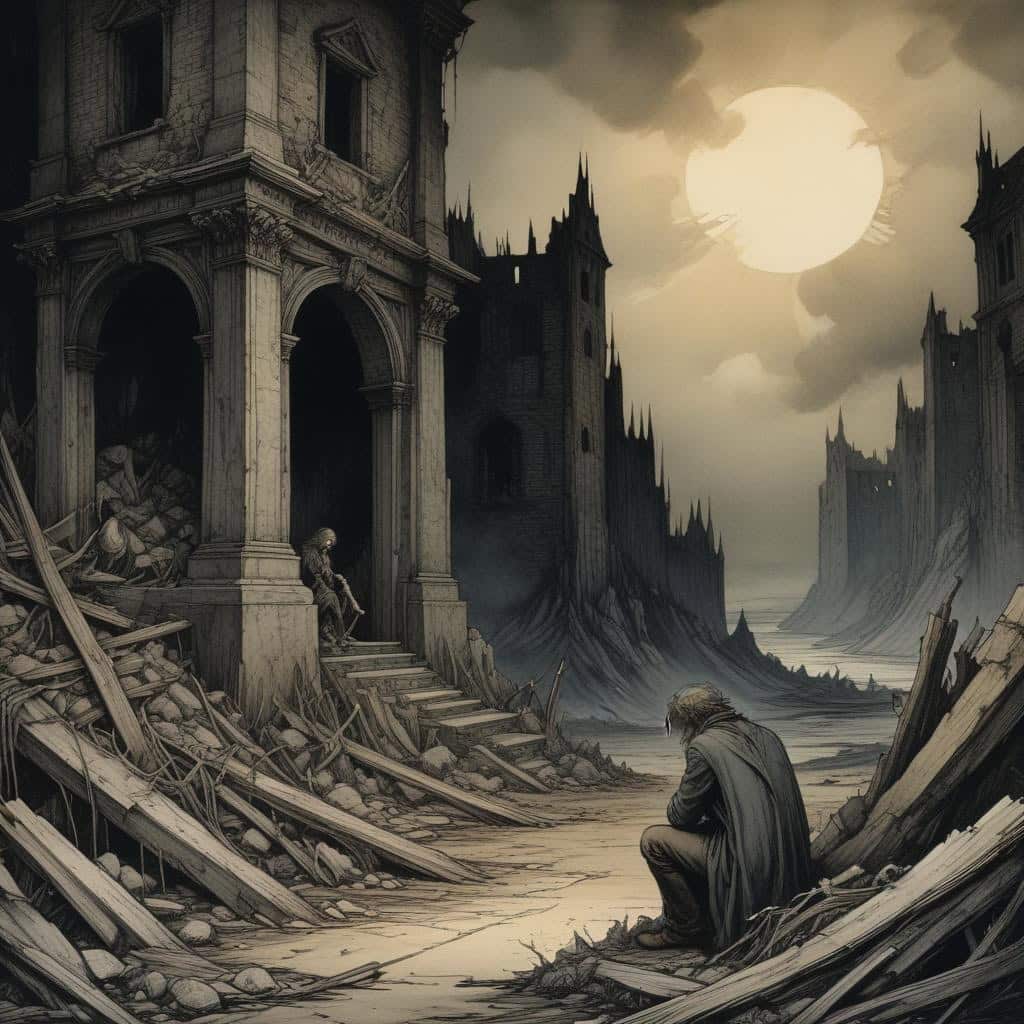
David Loses Everything
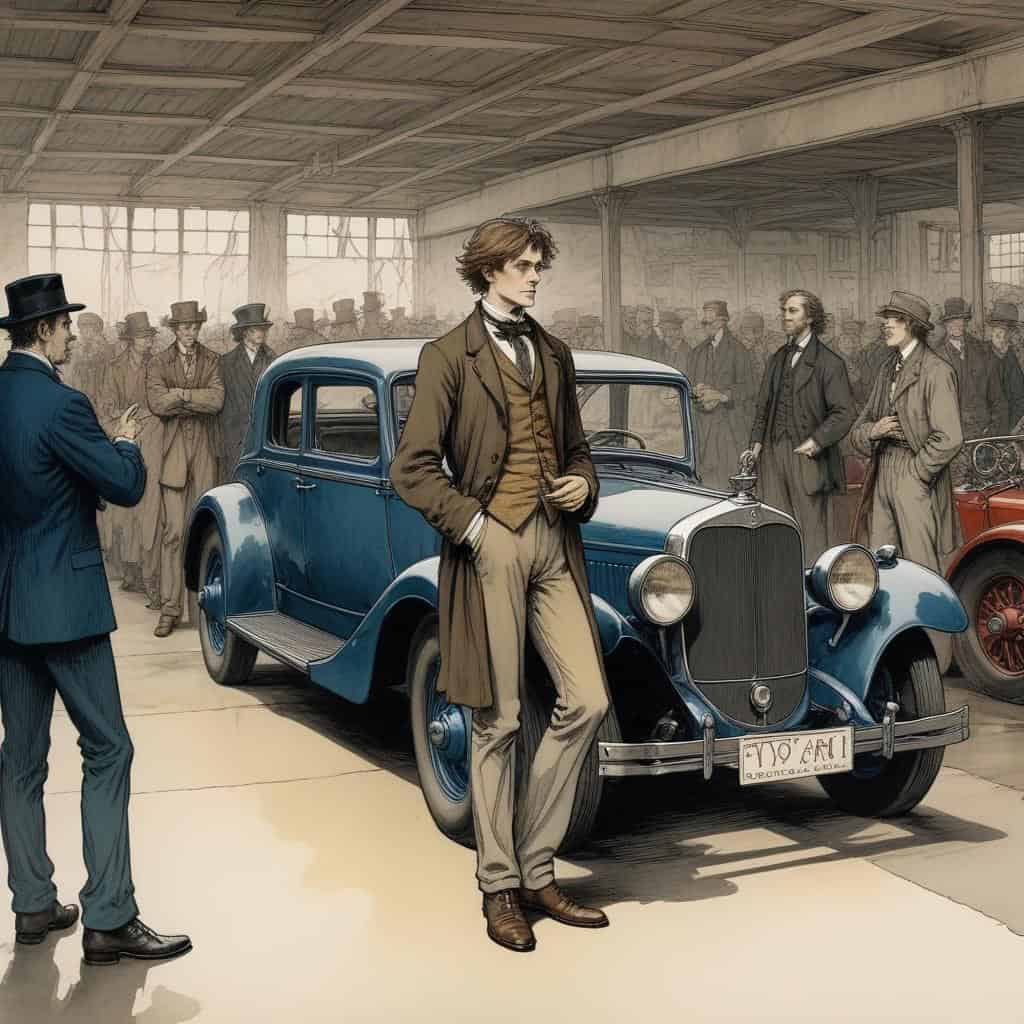
Davids Brother-in-law Offers Him a Job
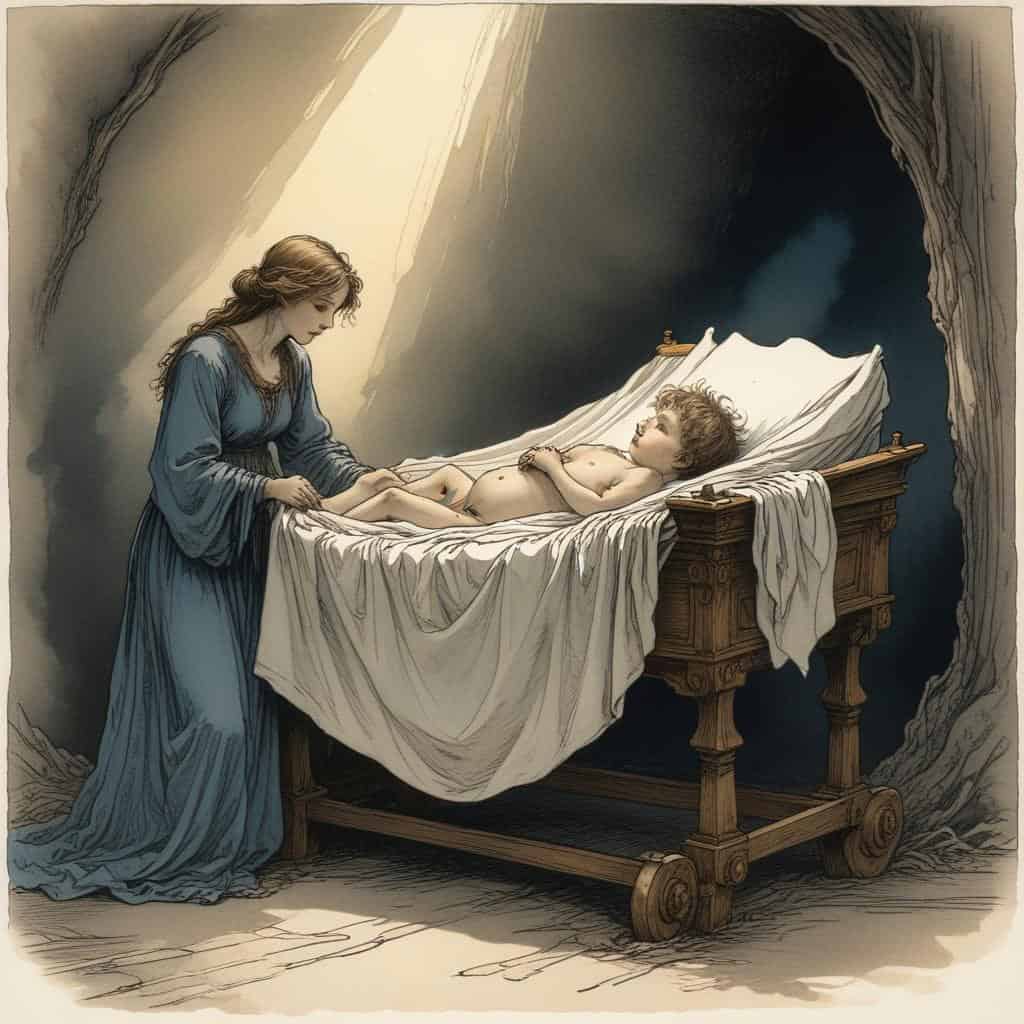
Davids Son is Born
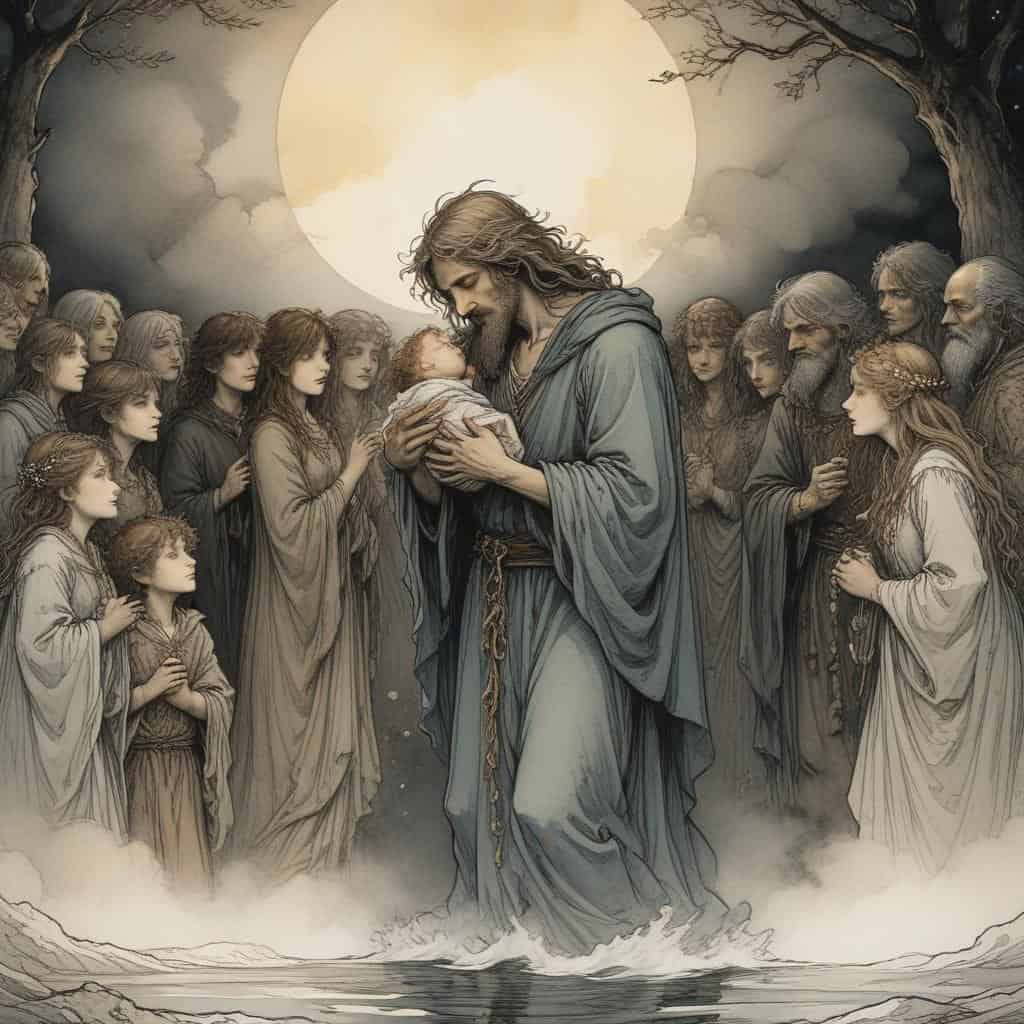
David Learns the True Meaning of Luck

Lesson Details & Resources
In a Nutshell
- What: The Man Who Had All the Luck by Arthur Miller
- When: Written in the 1940s
- Who: David Beeves
- Theme: The role of fate and luck in one's life
List of Characters in The Man Who Had All the Luck
-

David Beeves
David Beeves - Main character who seems to have all the luck
-

Pat Beeves
Pat Beeves - David's wife
-

Gus Davis
Gus Davis - David's friend and mentor
-
Amos Beeves
Amos Beeves - David's father
-

Hester Beeves
Hester Beeves - David's mother
-

Gus Davis
Shory - A mechanic who works for David
-

Shory
Louie - A neighbor of the Beeves family
-

Louie
Augustus Beeves - David's brother
-

Augustus Beeves
Andrew Falk - A young man who works for David
-

Andrew Falk
Clarence Beeves - David's son
-

Clarence Beeves
Hester - David's sister
-

Hester
Christine - A girl who is interested in David
-

Christine
Lester - A friend of David's
-

Lester
Dr. Bayliss - The town doctor
-
Dr. Bayliss
Gus Davis - A mysterious figure who seems to bring bad luck
Timeline of The Man Who Had All the Luck
David Beeves wins a large sum of money in a raffle.
David's brother, Amos Beeves, dies in a car accident.
David's father, Andrew Beeves, dies of a heart attack.
David Beeves marries Hester.
David and Hester have a son, Gus.
David Beeves starts a successful business.
David Beeves' business fails, causing financial ruin.
David's son, Gus, dies in a car accident.
David Beeves contemplates suicide.
David Beeves questions his own luck and the concept of fate.
David Beeves meets a stranger who shares his own story of incredible luck.
David Beeves gains a new perspective on life and luck.
Vocabulary List
- Luck
- The main theme of the novel is luck and how it affects the protagonist's life.
- Success
- The protagonist's success is largely attributed to his luck.
- Fate
- The idea of fate plays a significant role in the story.
- Destiny
- The protagonist questions whether his destiny is predetermined or if he can control his own fate.
- Fortune
- The protagonist's good fortune leads to jealousy and resentment from those around him.
- Opportunity
- The protagonist is presented with numerous opportunities throughout the story.
- Chance
- The protagonist's success is often seen as a result of chance rather than skill or hard work.
- Blessing
- Some characters view the protagonist's luck as a blessing, while others see it as a curse.
- Misfortune
- The protagonist's luck eventually turns to misfortune, leading to a reversal of his fortunes.
- Prosperity
- The protagonist's luck leads to a period of prosperity, but it is short-lived.
Key Facts
This is the information used in the fact matching game
- - The Man Who Had All the Luck is a play written by Arthur Miller.
- - It was first performed on Broadway in 1944.
- - The play revolves around the character of David Beeves, a young man who seems to have an uncanny streak of good luck.
- - David's luck begins to change when he marries his childhood sweetheart, Hester.
- - The play explores themes of fate, free will, and the role luck plays in one's life.
- - Arthur Miller wrote this play before his more famous works like Death of a Salesman and The Crucible.
- - The Man Who Had All the Luck received mixed reviews upon its initial run and was not commercially successful.
- - Despite its initial reception, the play has gained recognition and has been revived in various productions over the years.
- - The title of the play is ironic, as David's supposed luck often brings him misfortune and challenges.
- - The story takes place in a small Midwestern town during the 1930s.
- - David's father, Andrew Beeves, plays a significant role in the play as a voice of reason and wisdom.
- - The play explores the concept of the American Dream and how it can be elusive, even for those who seemingly have everything.
- - David's luck is contrasted with the struggles of his brother, Amos, who faces numerous setbacks and failures.
- - The play delves into the themes of jealousy and the resentment that can arise from others' success.
- - The Man Who Had All the Luck reflects Miller's own experiences growing up during the Great Depression.
- - The play raises questions about the nature of success and whether it is purely a result of luck or personal efforts.
- - The character of David undergoes a journey of self-discovery as he grapples with the idea of luck and its impact on his life.
- - The Man Who Had All the Luck explores the fragility of happiness and how easily it can be shattered.
- - Arthur Miller revised the play in 1958, making significant changes to the original script.
- - The play serves as a precursor to Miller's later works, which often delve into the struggles of the common man and the American Dream.
Analysis & Significance
Impact on Literature
Arthur Miller’s play “The Man Who Had All the Luck” is a powerful exploration of the American Dream and the concept of fate. Its unique blend of realism and symbolism has influenced generations of playwrights, challenging them to delve deeper into the complexities of human desire and destiny.
Enduring Themes
The themes of success, luck, and the role of fate in shaping one’s life are timeless and continue to resonate with modern audiences. The play’s examination of the consequences of ambition and the price of success remains relevant in a society obsessed with achievement and the pursuit of happiness.
Cultural Significance Today
“The Man Who Had All the Luck” continues to be a staple in theatrical productions and has been adapted for radio and television. Its exploration of the American Dream and the fragility of human existence has cemented its legacy as a thought-provoking and enduring piece of literature that still captivates audiences today.
The Man Who Had All the Luck Games


Take Your Learning Offline
Want a convenient, print-ready study guide for this lesson? Become a Memory Wizards Pro member to unlock the downloadable " Memory Scrolls" for this topic and our entire library!
- ✓ Complete Vocabulary Lists
- ✓ Key Facts & Timelines
- ✓ Beautifully Formatted for Print & Mobile