
How Do You Learn Best?
Learn by Listening
Start with the 3-minute audio summary to get the key facts and narrative highlights quickly.
Learn by Reading
Immerse yourself in the 10-minute visual lesson for a comprehensive understanding of the topic.
Learn by Reviewing
Jump directly to the key facts, timeline, and vocabulary lists to build a solid foundation of details.
Learn by Doing
Challenge yourself! Jump straight into the interactive games to learn by trial, error, and discovery.
Audio Library
As one of our featured lessons, this topic includes premium audio guides.
Unlock the Wizard's Cram Session
This powerful audio study guide is a Pro-exclusive feature. Upgrade to Memory Wizards Pro to access this and all of our premium learning tools.
Upgrade to ProThe Archbishop’s Ceiling in 10 Minutes
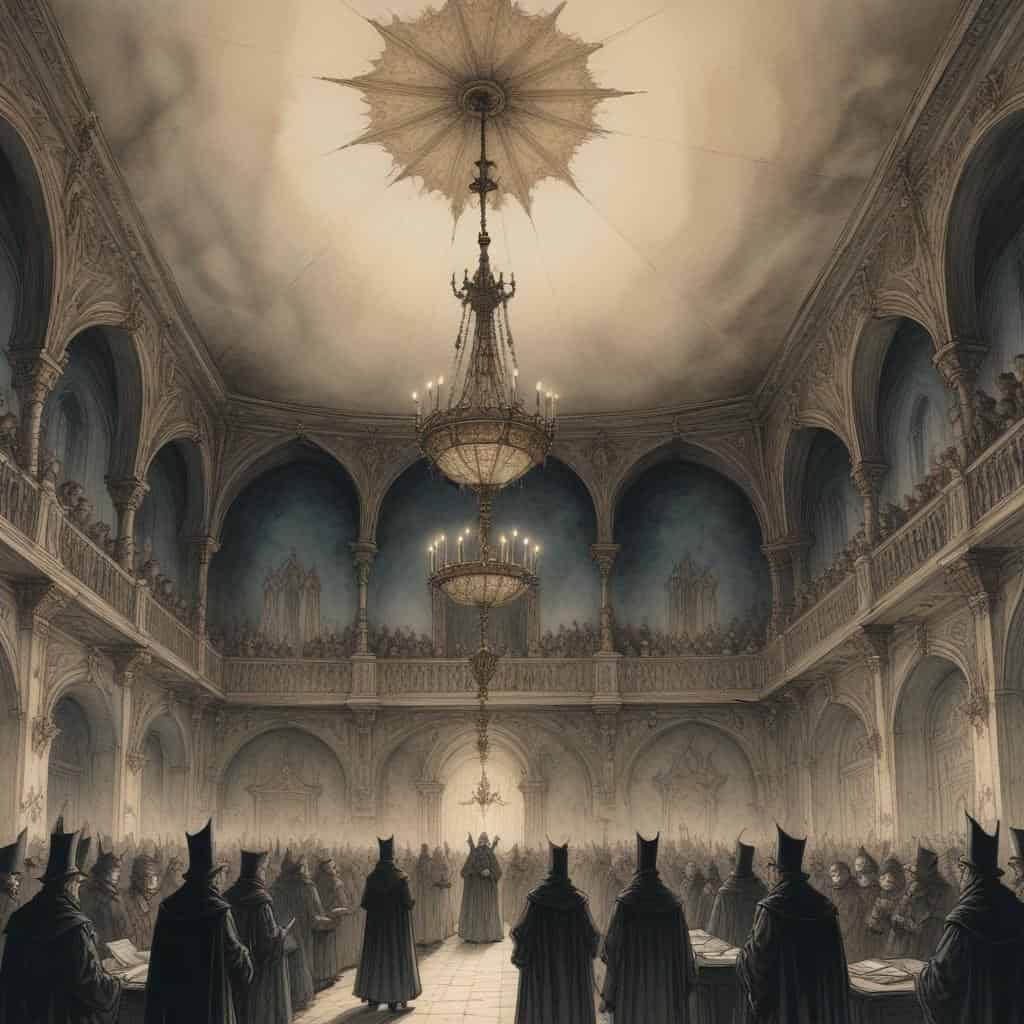
Introduction

Arthur Miller
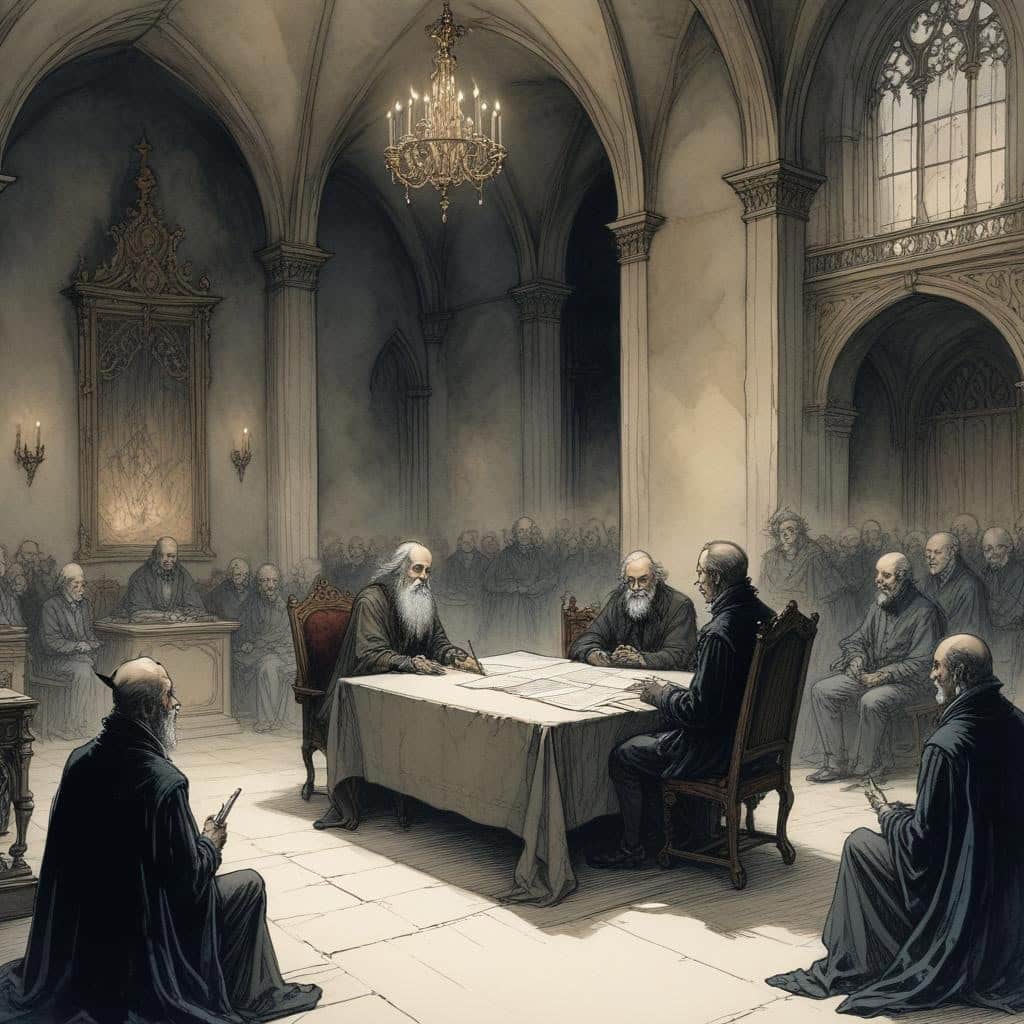
Anatol

Colonel Vassiliev

Katya
The Archbishops Ceiling Summary
The Mysterious Painting
The Interrogations
The Confessions
The Betrayals

The Escape
The Truth Revealed
The Aftermath
The Legacy

Lesson Details & Resources
In a Nutshell
- What: Play by Arthur Miller
- When: 1977
- Who: The Archbishop, his brother, and a painter
- Theme: Betrayal and political intrigue
List of Characters in The Archbishop’s Ceiling
-
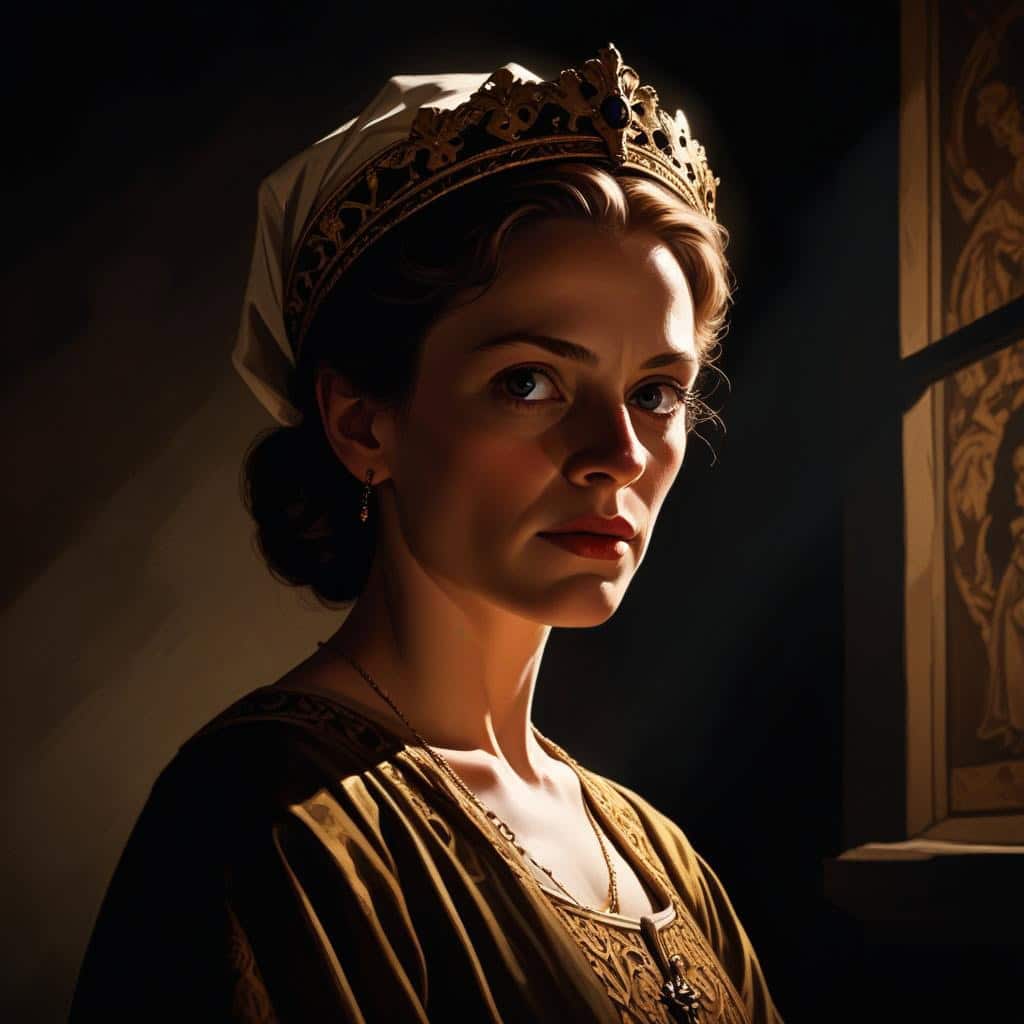
Esther
Esther is an American artist who is commissioned to paint a mural on the ceiling of the Archbishop's palace in Russia.
-

Nadia
Nadia is a Russian art historian who becomes involved in the political intrigue surrounding the mural project.
-
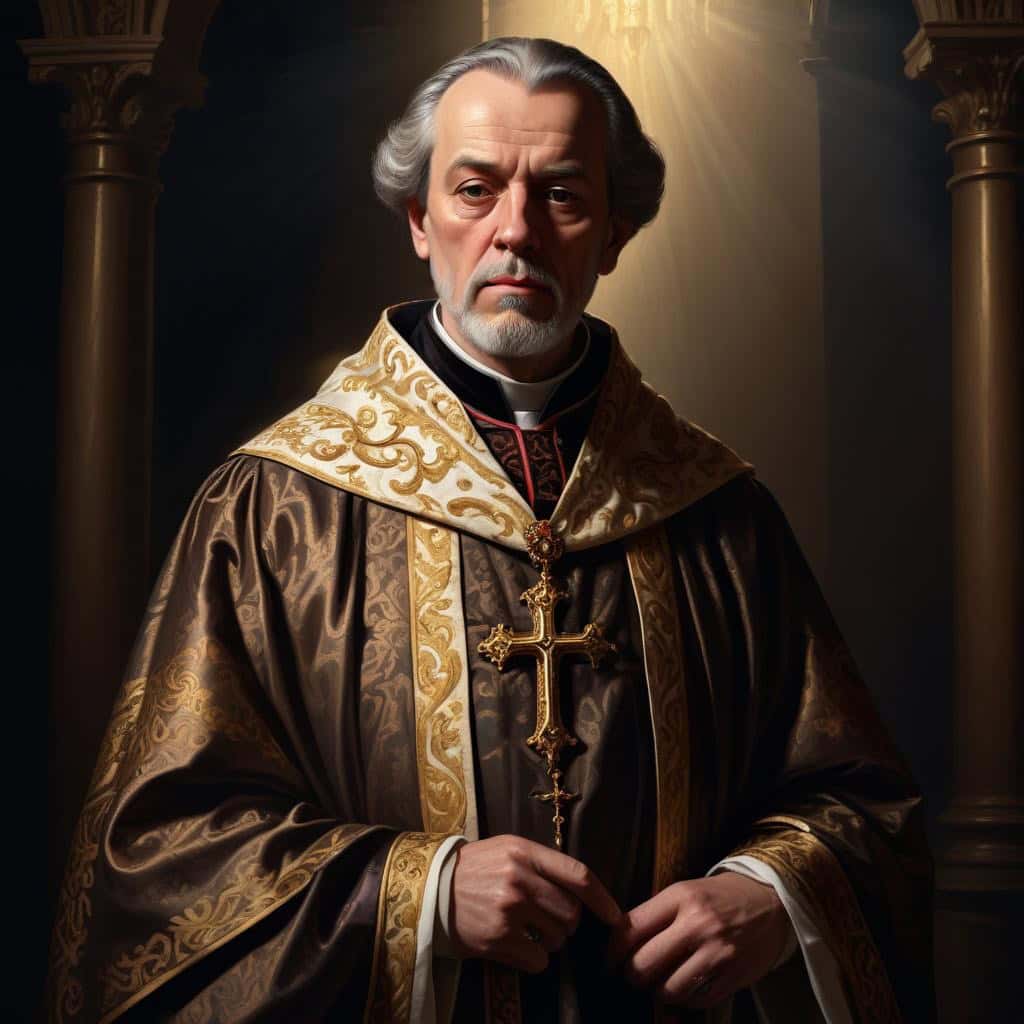
Maxwell
Maxwell is a British art critic who is skeptical of the motives behind the mural project.
-

Skouratov
Skouratov is a Russian official who oversees the mural project and becomes entangled in its consequences.
Timeline of The Archbishop’s Ceiling
The story begins with the arrival of a foreign writer, Sashenka, in an Eastern European city.
Sashenka meets the Archbishop, who invites him to a gathering at his residence.
At the gathering, Sashenka meets Luba, a young woman who works as a secretary for the Archbishop.
Sashenka becomes infatuated with Luba and begins an affair with her.
Sashenka discovers a hidden microphone in the Archbishop's study, suggesting that the room is being secretly monitored.
Sashenka shares his findings with Luba, and they become suspicious of the Archbishop's motives.
Luba reveals that she has been spying on the Archbishop for years, gathering information about his activities.
Sashenka and Luba decide to use the information they have gathered to blackmail the Archbishop.
Sashenka receives a letter from a mysterious source, warning him about the dangers of meddling in the affairs of the Archbishop.
Sashenka and Luba confront the Archbishop, presenting him with evidence of his wrongdoings and demanding money in exchange for their silence.
The Archbishop refuses to comply with their demands and threatens to expose their affair if they continue to pursue their blackmail scheme.
Sashenka and Luba are left in a state of uncertainty, unsure of how to proceed.
The story ends with Sashenka reflecting on the power dynamics and corruption within the church and society.
Vocabulary List
- Archbishop
- The play revolves around a meeting between an archbishop and a group of writers in a rented villa in Rome.
- Ceiling
- The title of the play refers to the ceiling of the villa where the meeting takes place, which becomes a symbol of secrecy and hidden truths.
- Betrayal
- The theme of betrayal runs throughout the play as the characters grapple with their conflicting loyalties and desires.
- Loyalty
- The characters in the play struggle with the idea of loyalty, both to their country and to each other.
- Secrecy
- The characters must navigate a world of secrecy and deception as they try to uncover the truth about each other.
- Conspiracy
- The play explores themes of conspiracy as the characters engage in a game of manipulation and power struggles.
- Paranoia
- The characters' paranoia and distrust of each other drive the plot forward as they try to uncover hidden agendas.
- Truth
- The characters grapple with the idea of truth and deception as they try to uncover the real motives behind their actions.
Key Facts
This is the information used in the fact matching game
- - The Archbishop's Ceiling is a play written by Arthur Miller.
- - It was first performed in 1977.
- - The play is set in the Soviet Union during the Cold War era.
- - The story revolves around a group of American writers and artists living in Moscow.
- - The characters gather in a room with a famously bugged ceiling.
- - They discuss various topics, including politics and personal lives.
- - The play explores themes of surveillance, paranoia, and the power of secrets.
- - The bugged ceiling becomes a symbol of constant surveillance.
- - The characters struggle with the fear of being watched and the consequences of their conversations.
- - The play raises questions about truth, loyalty, and the limits of freedom of speech.
- - The Archbishop's Ceiling is known for its complex and layered dialogue.
- - It delves into the characters' motivations, desires, and fears.
- - The play reflects Miller's interest in political and social issues.
- - Miller wrote The Archbishop's Ceiling during a time of political tension between the US and the Soviet Union.
- - The play received mixed reviews from critics upon its first production.
- - Some praised its exploration of political themes, while others found it overly verbose.
- - The Archbishop's Ceiling has been performed in various countries around the world.
- - It continues to be studied and analyzed by theater scholars.
- - The play offers insights into the psychological impact of living under constant surveillance.
- - Miller's portrayal of the characters' struggles resonates with audiences dealing with issues of privacy and government surveillance.
Analysis & Significance
Impact on Literature
‘The Archbishop’s Ceiling’ is a groundbreaking work that revolutionized the historical fiction genre by blending elements of mystery, intrigue, and political drama. Its intricate plot and complex characters set a new standard for storytelling, inspiring countless authors to explore similar themes of power, betrayal, and redemption in their own works.
Enduring Themes
The timeless themes of ambition, loyalty, and the corrupting influence of power explored in ‘The Archbishop’s Ceiling’ continue to resonate with modern audiences. The novel’s exploration of human nature and morality serves as a poignant reminder of the consequences of unchecked ambition and the importance of integrity in the face of adversity.
Cultural Significance Today
Despite being published decades ago, ‘The Archbishop’s Ceiling’ remains a classic in literary circles and has been adapted into various mediums, including film and television. Its enduring popularity speaks to its cultural significance, as it continues to captivate audiences with its compelling narrative and thought-provoking themes.
The Archbishop’s Ceiling Games


Take Your Learning Offline
Want a convenient, print-ready study guide for this lesson? Become a Memory Wizards Pro member to unlock the downloadable " Memory Scrolls" for this topic and our entire library!
- ✓ Complete Vocabulary Lists
- ✓ Key Facts & Timelines
- ✓ Beautifully Formatted for Print & Mobile