
How Do You Learn Best?
Learn by Listening
Start with the 3-minute audio summary to get the key facts and narrative highlights quickly.
Learn by Reading
Immerse yourself in the 10-minute visual lesson for a comprehensive understanding of the topic.
Learn by Reviewing
Jump directly to the key facts, timeline, and vocabulary lists to build a solid foundation of details.
Learn by Doing
Challenge yourself! Jump straight into the interactive games to learn by trial, error, and discovery.
Audio Library
As one of our featured lessons, this topic includes premium audio guides.
Unlock the Wizard's Cram Session
This powerful audio study guide is a Pro-exclusive feature. Upgrade to Memory Wizards Pro to access this and all of our premium learning tools.
Upgrade to ProIncident at Vichy in 10 Minutes
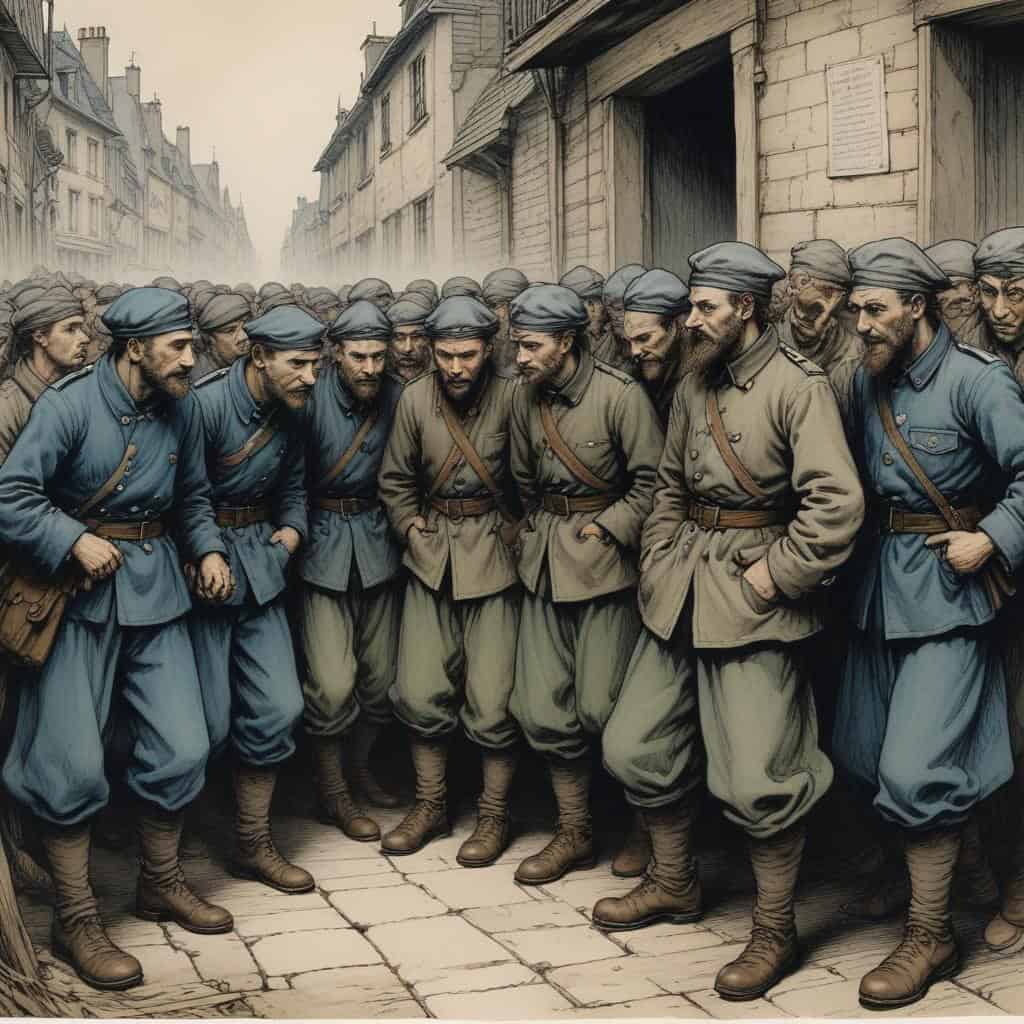
Introduction

Major Von Berg

Bayard

Lebeau

Monceau
An Unexpected Encounter
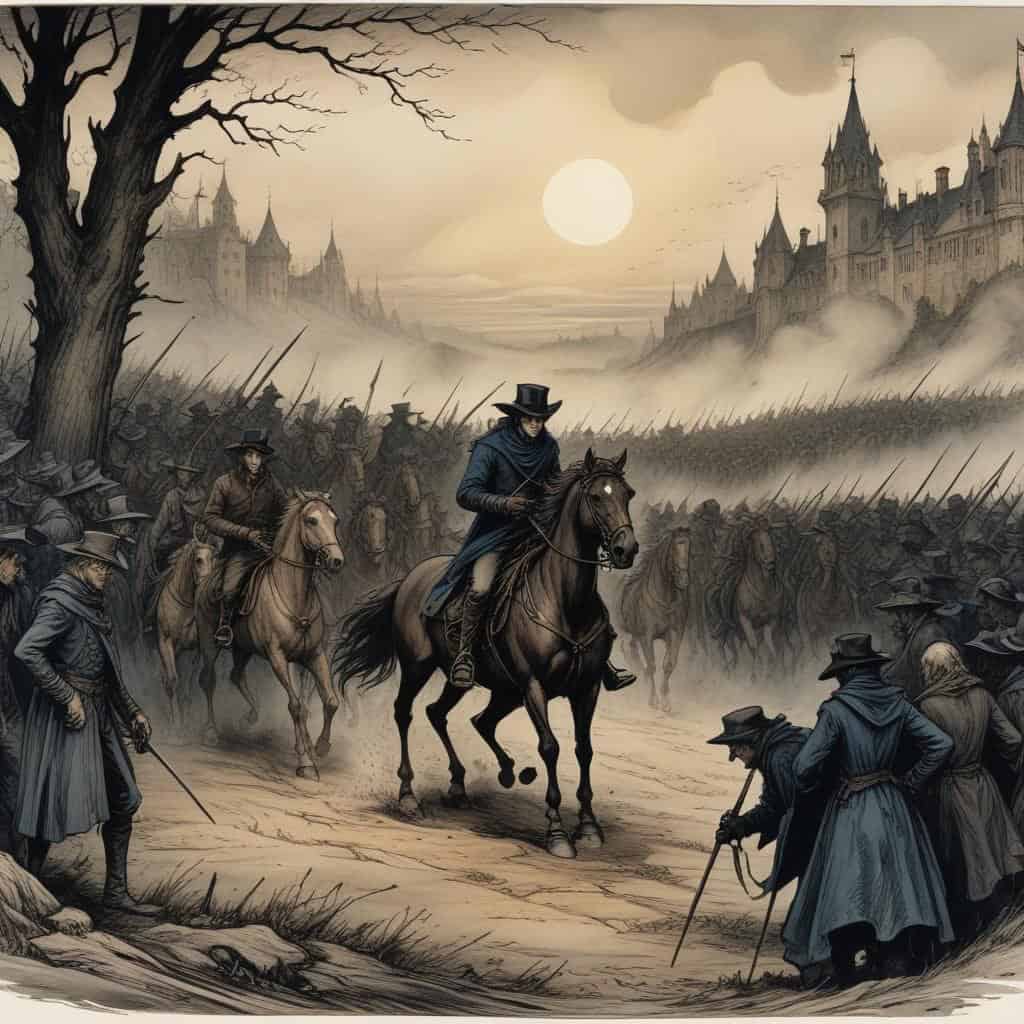
The Roundup
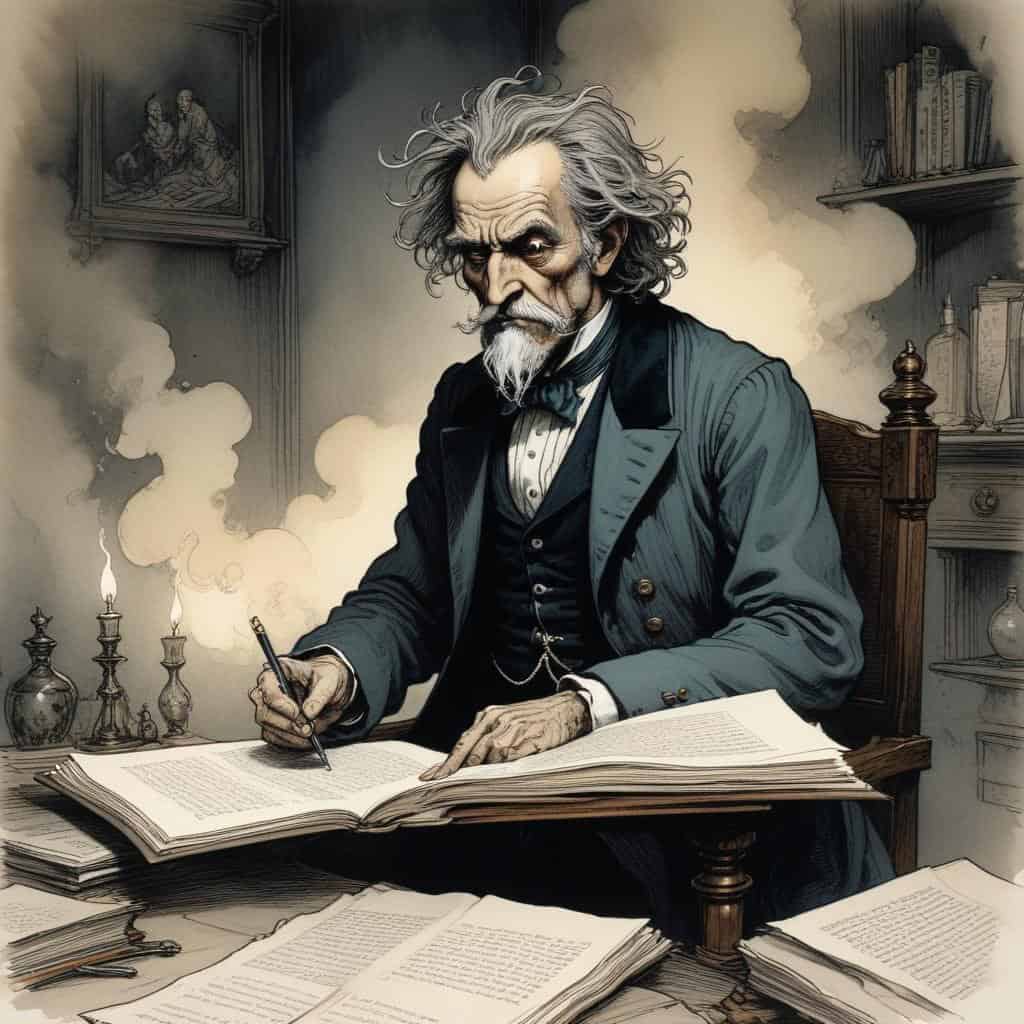
The Doctors Dilemma
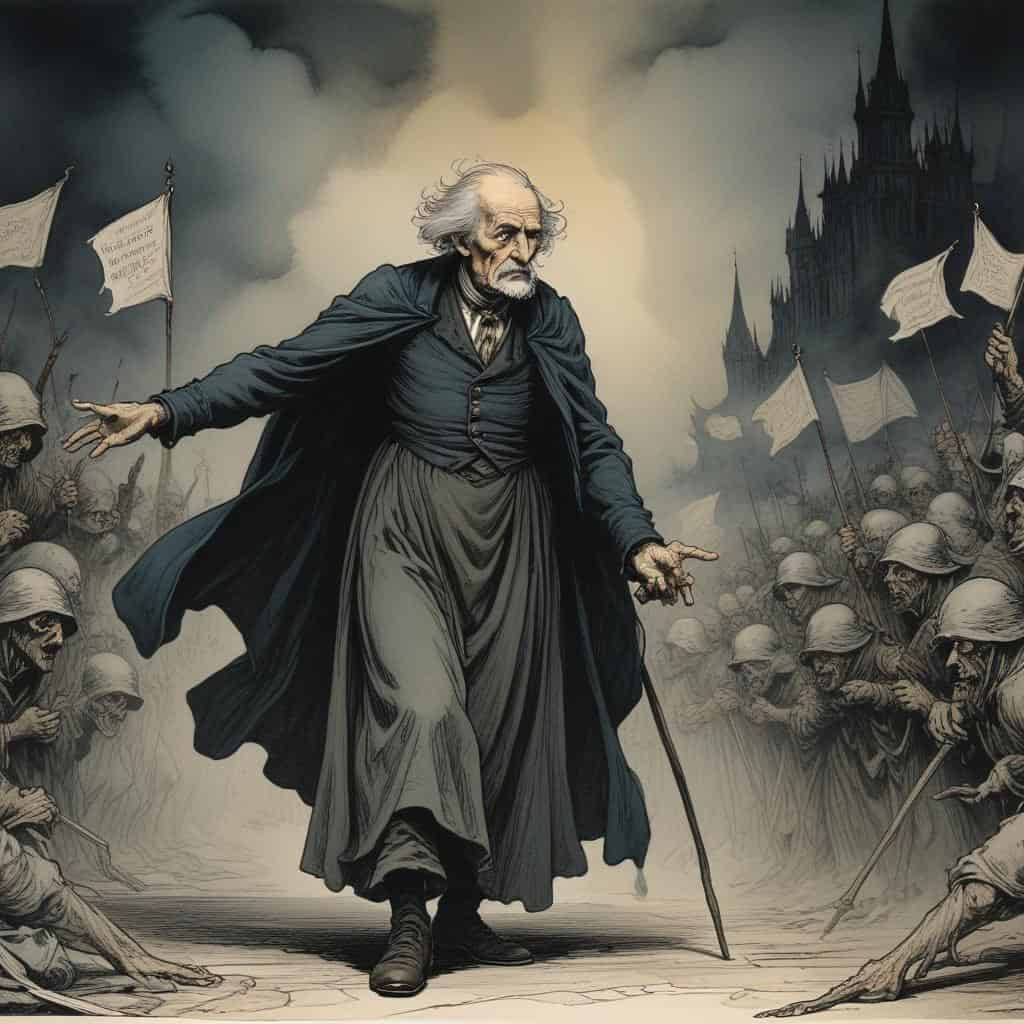
The Old Jew
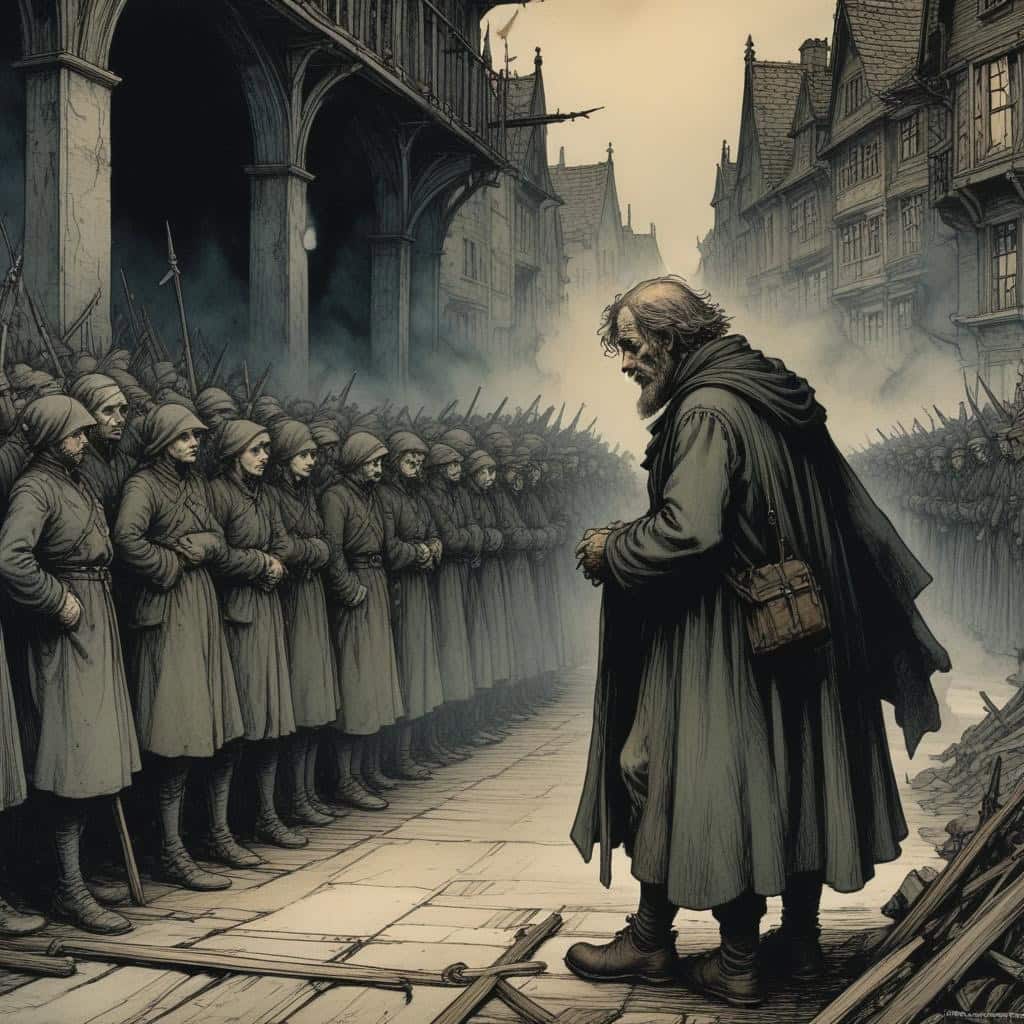
The Painters Revelation
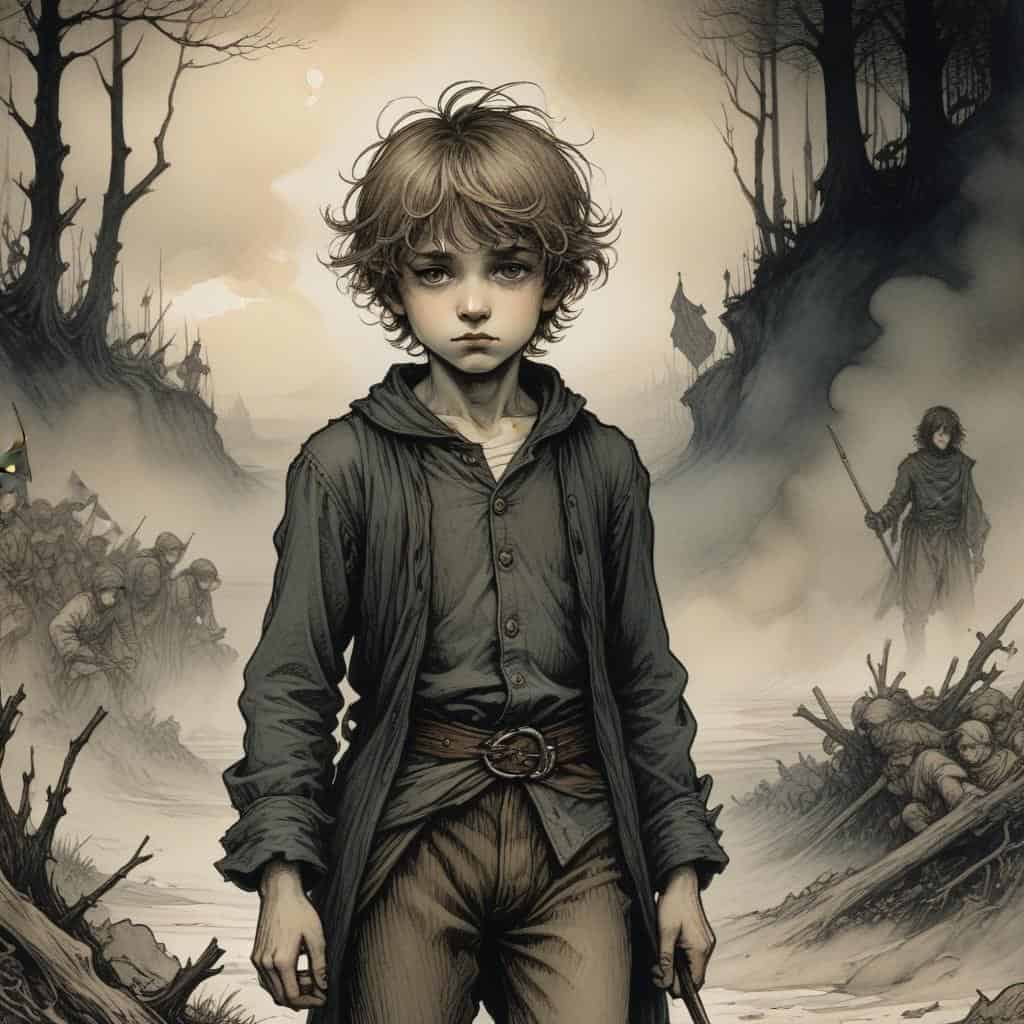
The Young Boy
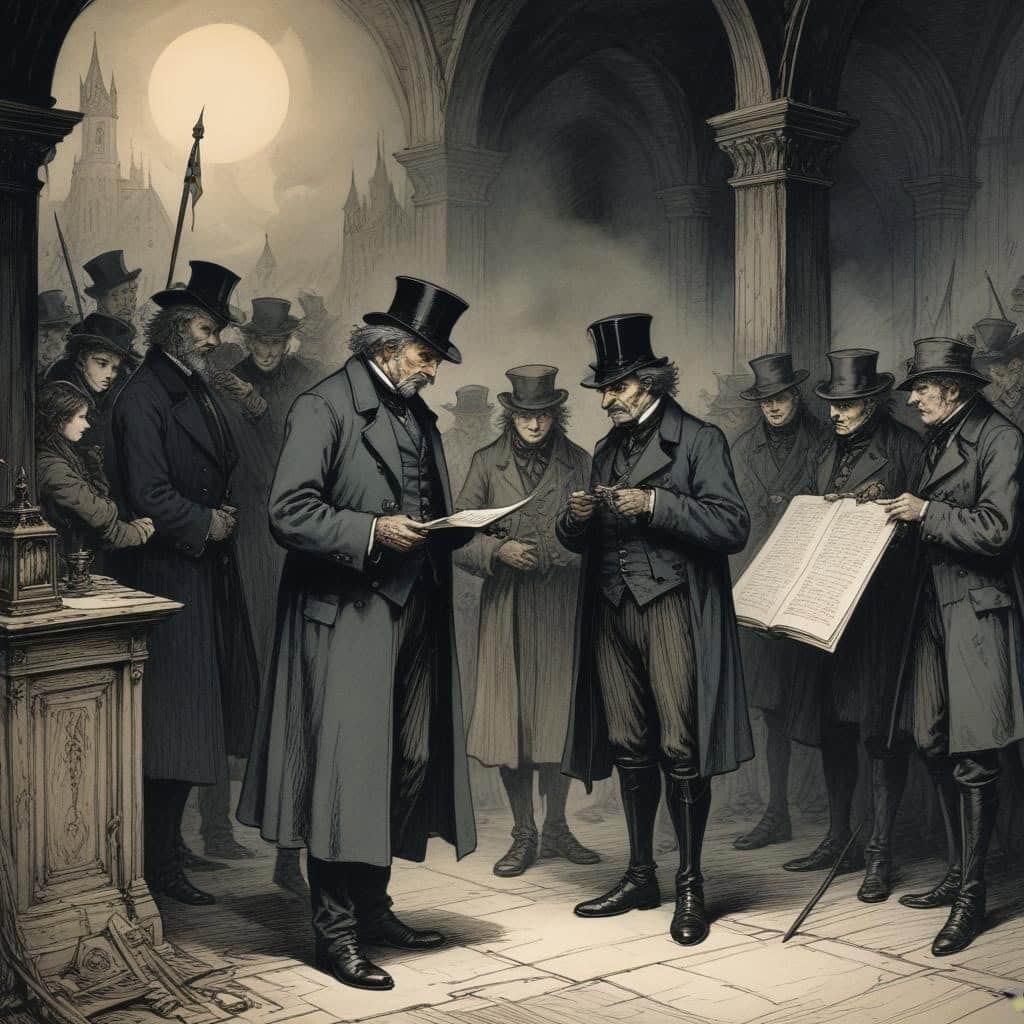
The Inspectors Inspection
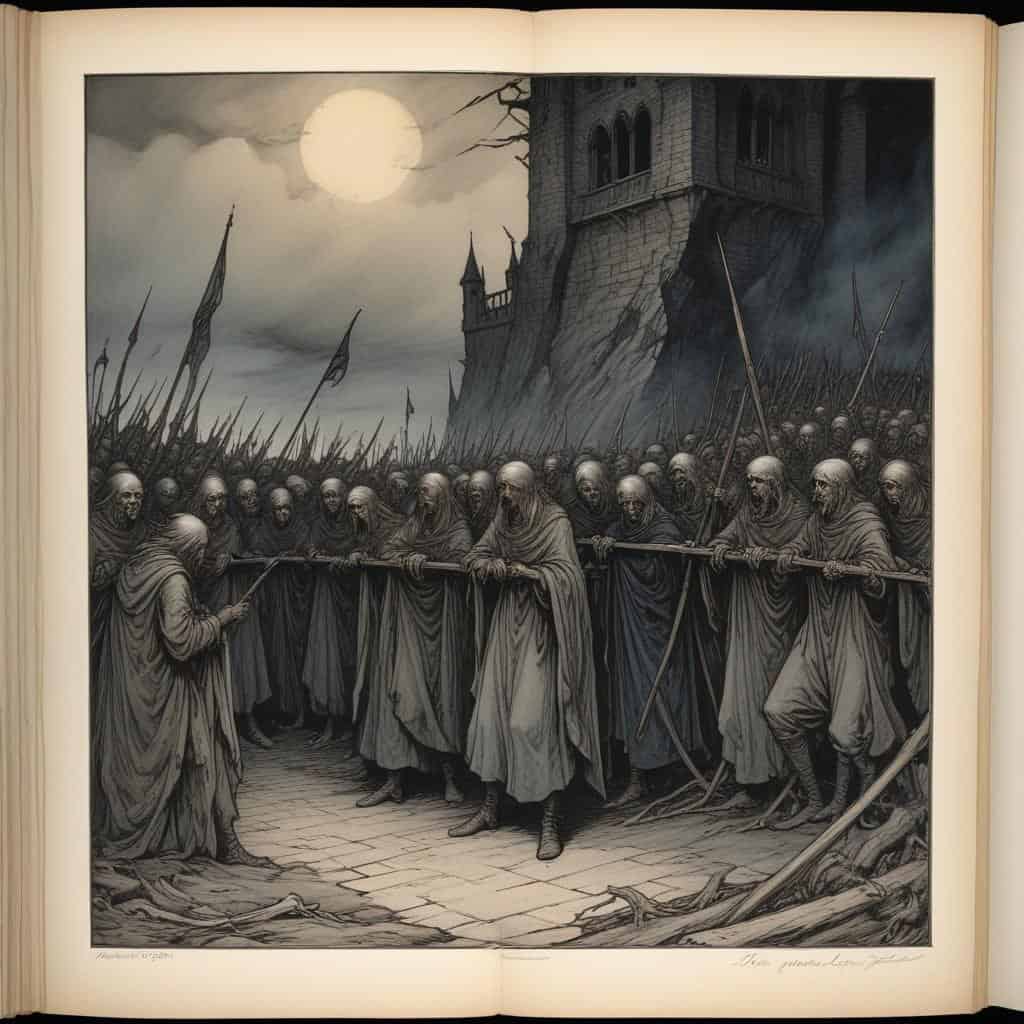
The Reveal
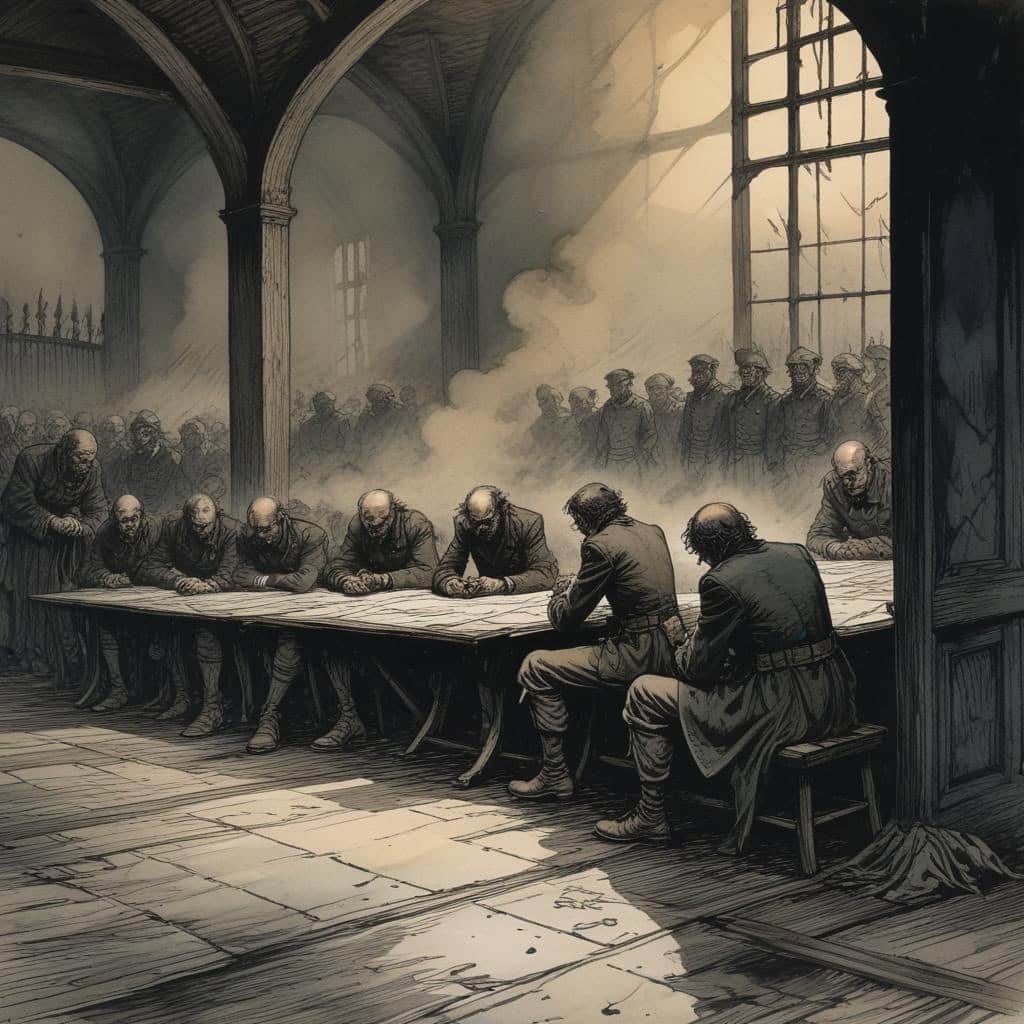
The Aftermath
A Call to Action
Lesson Details & Resources
In a Nutshell
- What: A play by Arthur Miller
- When: Written in 1964
- Who: Bayard, Lebeau, Von Berg
- Theme: The examination of guilt, complicity, and betrayal in the face of Nazi occupation
List of Characters in Incident at Vichy
-
Leduc
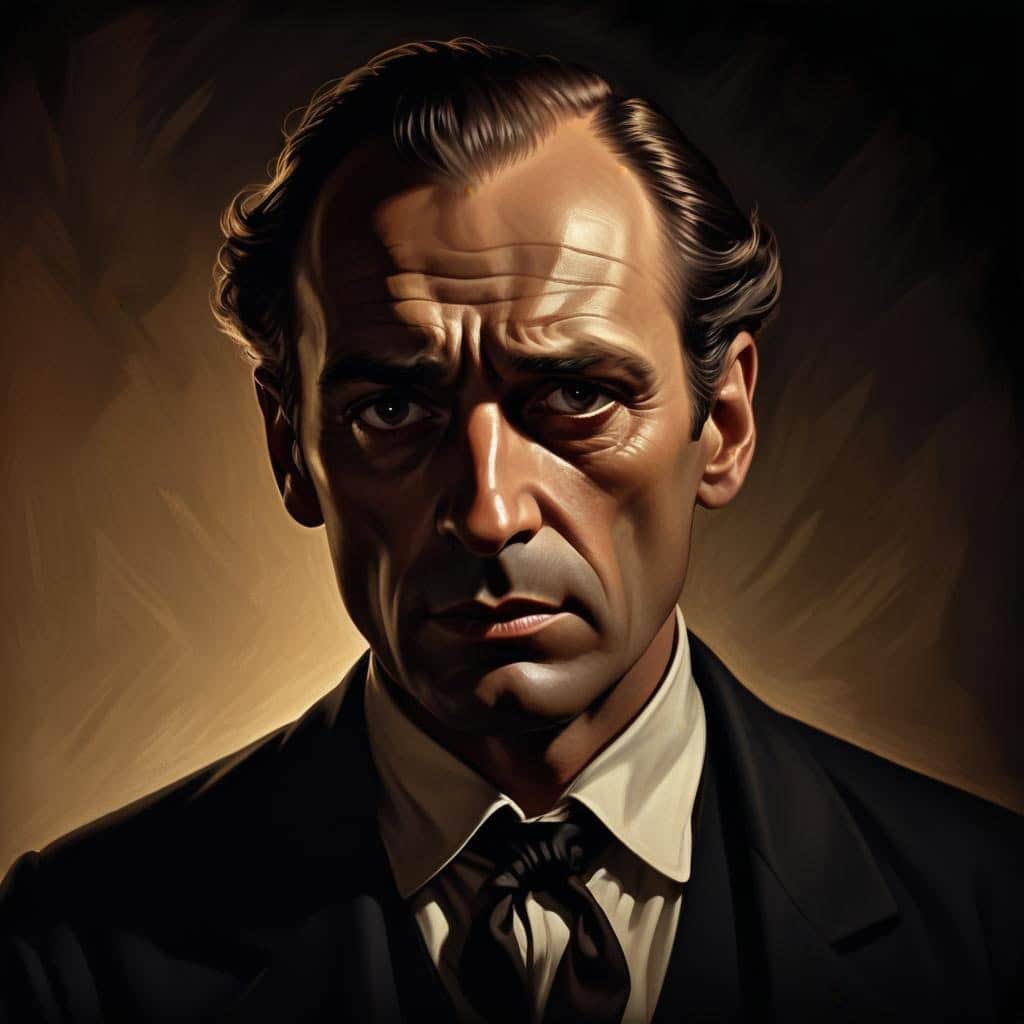
Leduc is a socialist electrician who is arrested and interrogated by the Nazis.
-
Von Berg
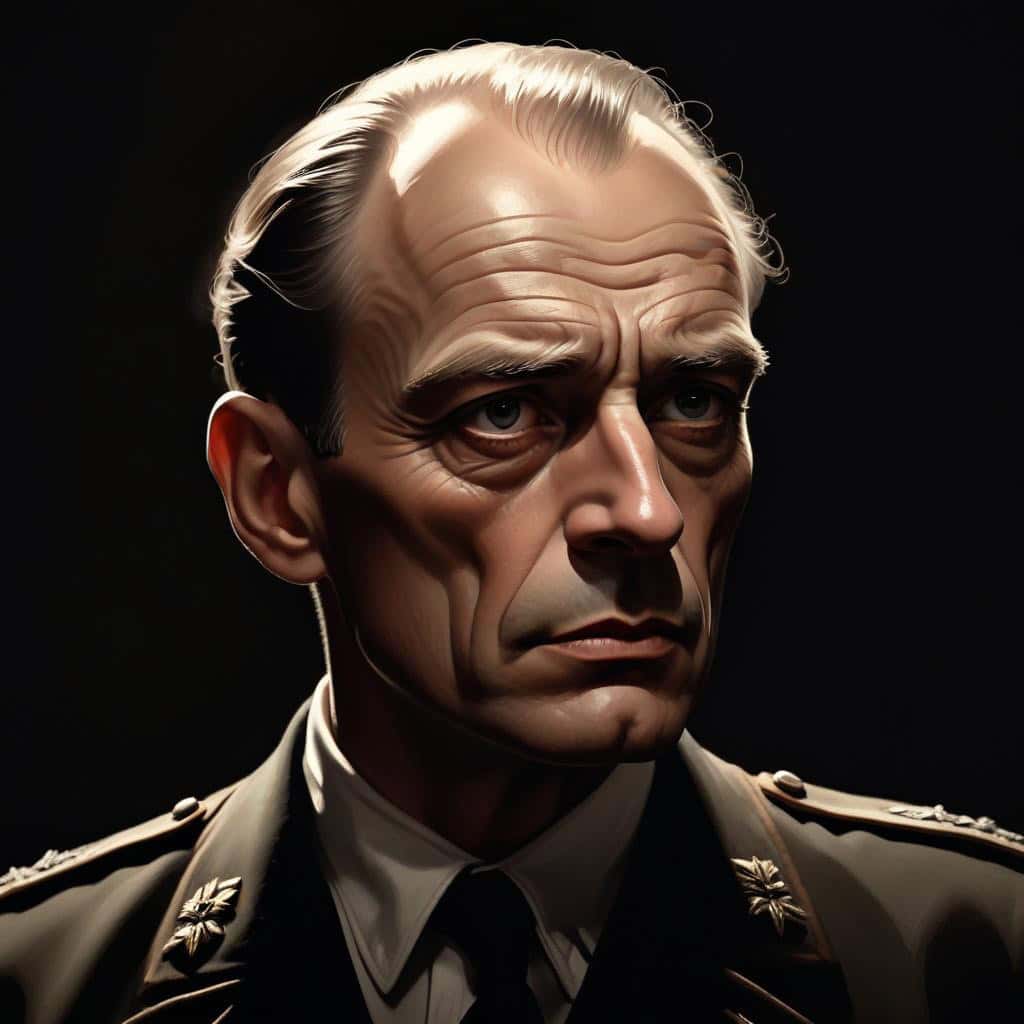
Von Berg is an Austrian prince who is also arrested and questioned by the Nazis.
-
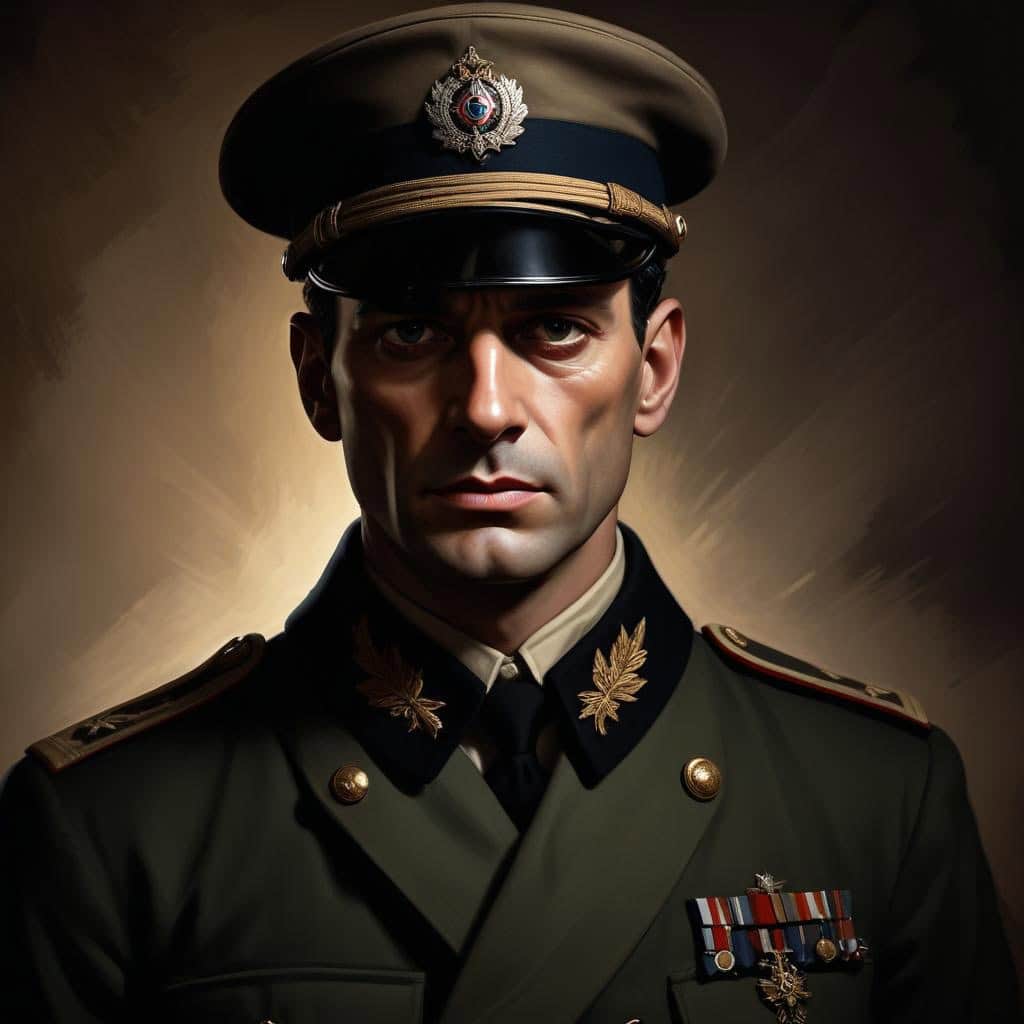
Bayard
Bayard is a French businessman who is brought in for questioning.
-
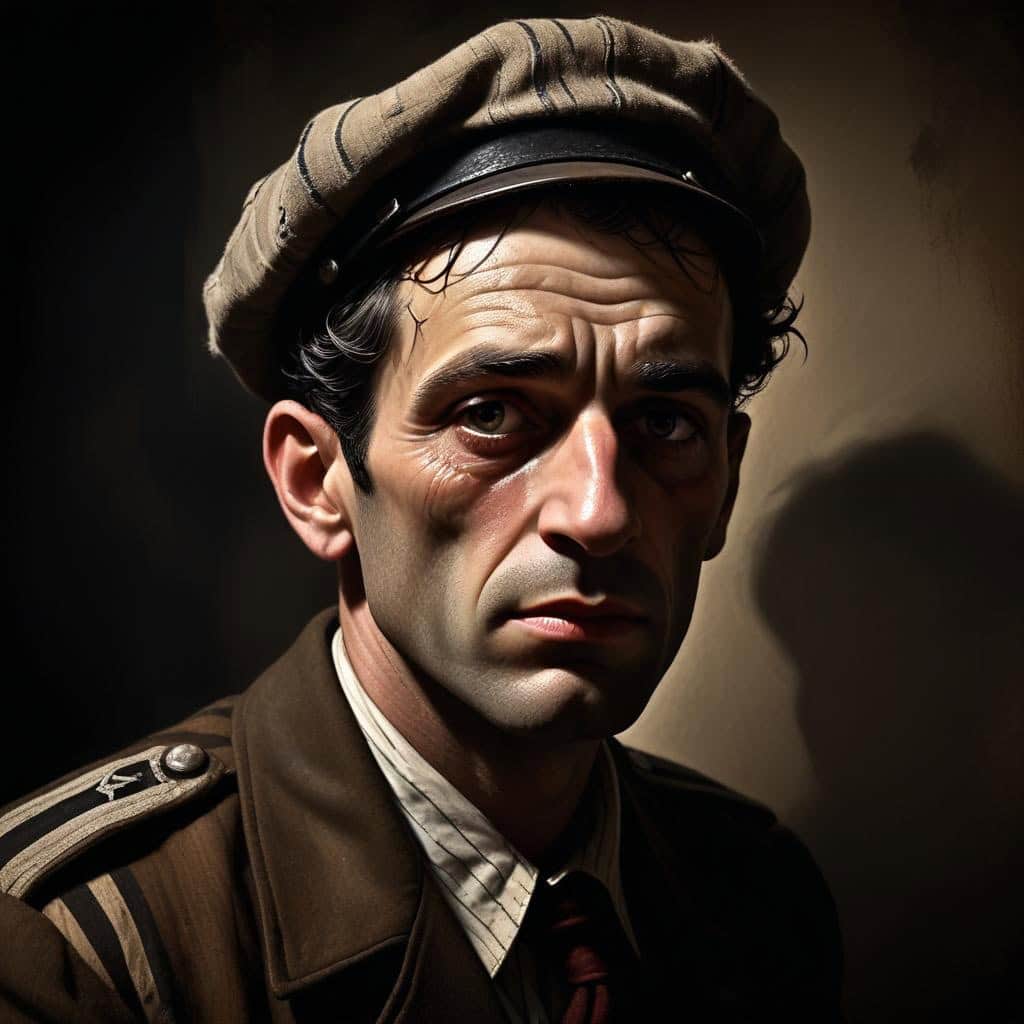
Lebeau
Lebeau is a Jewish painter who is detained by the Nazis.
-
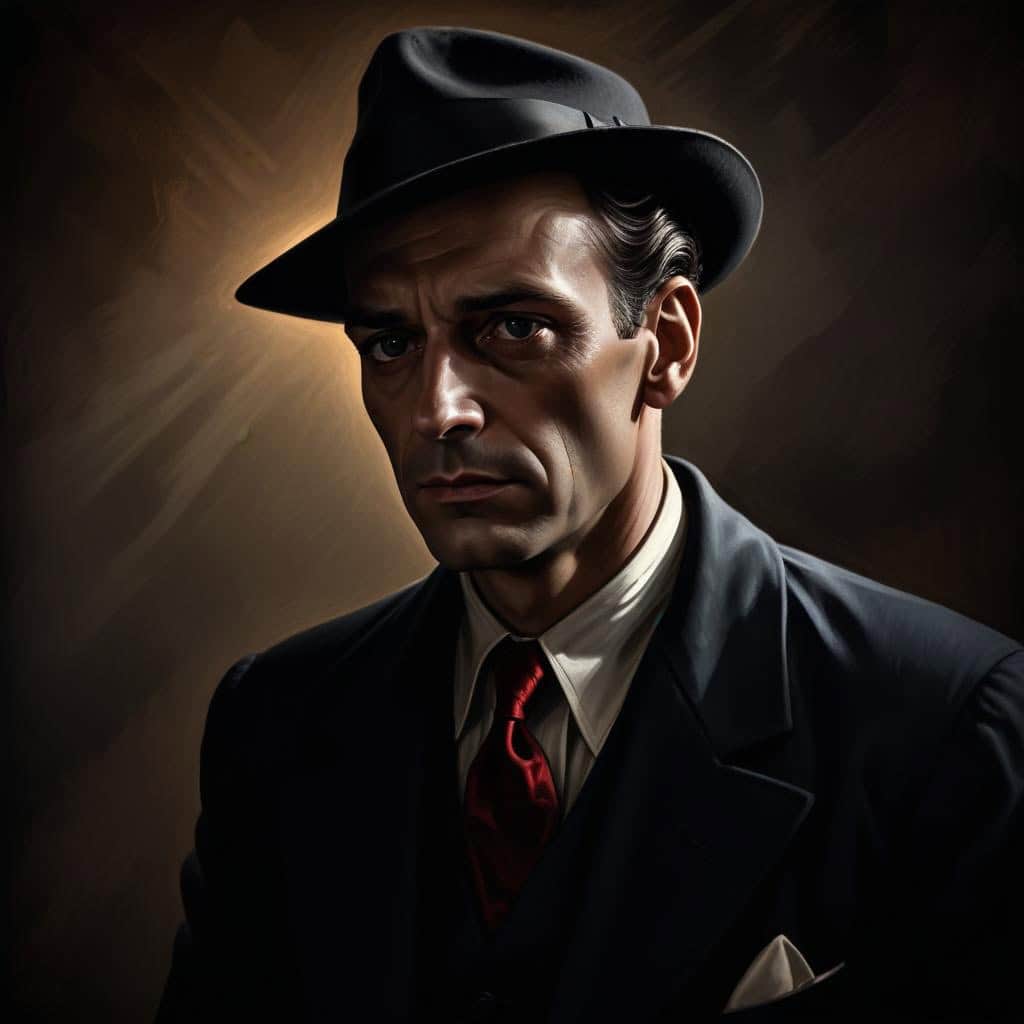
Marchand
Marchand is a psychiatrist who is also questioned by the Nazis.
-
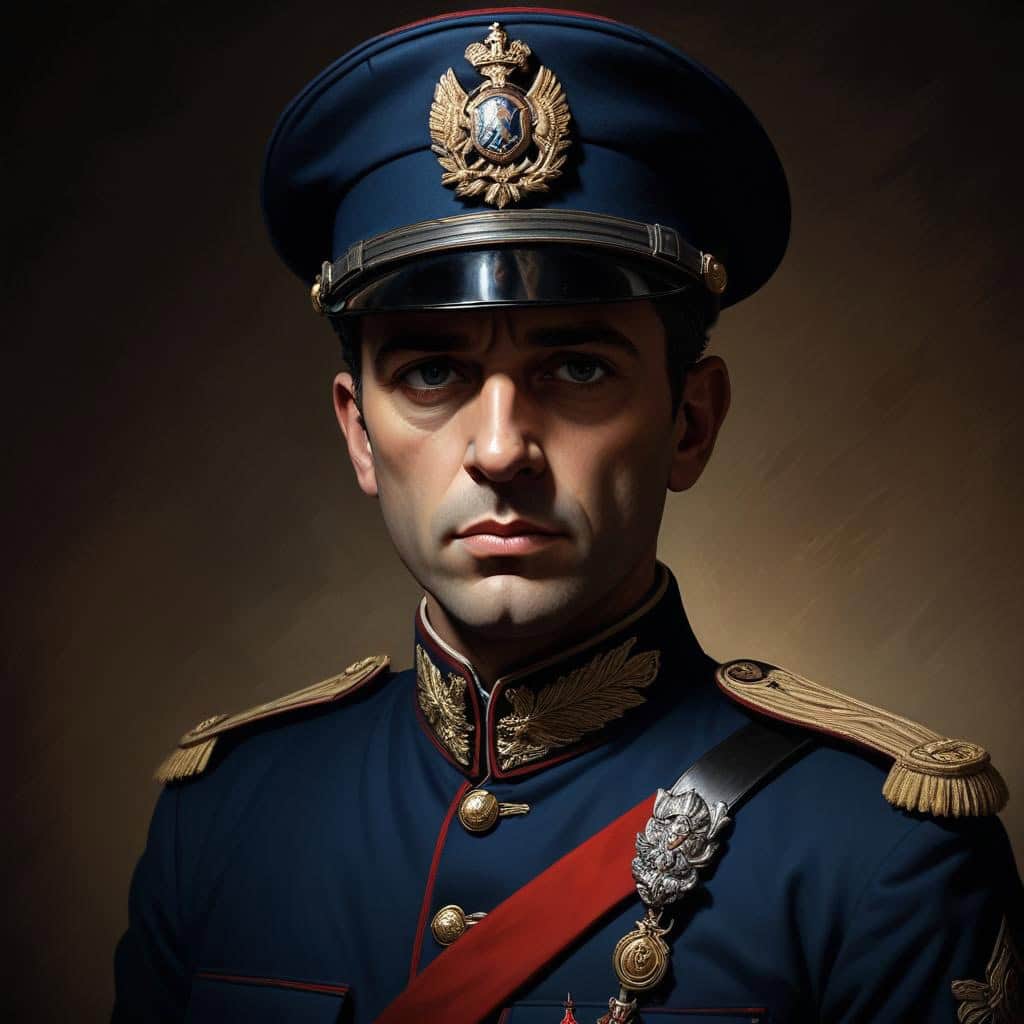
Monceau
Monceau is a young man who is taken into custody for unknown reasons.
-
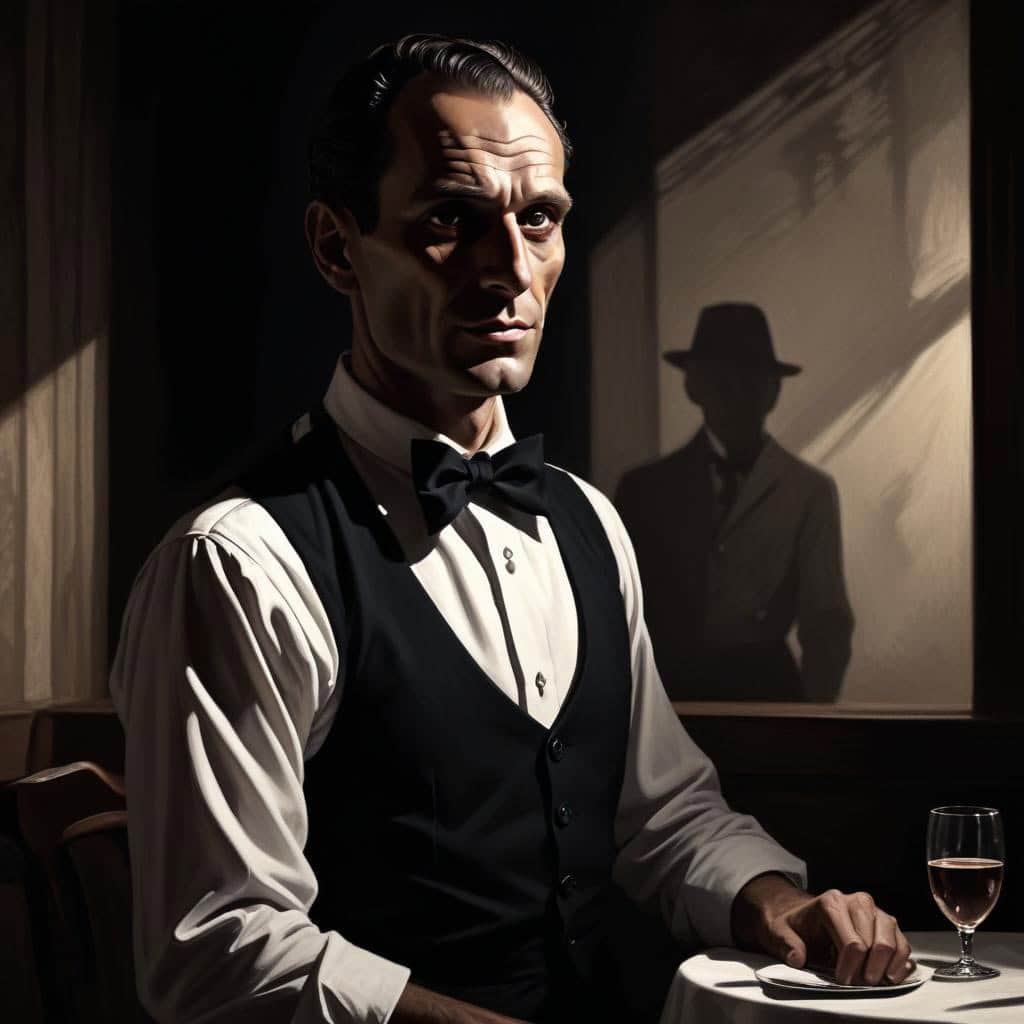
Waiter
The Waiter is a mysterious figure who works at the hotel where the detainees are held.
-
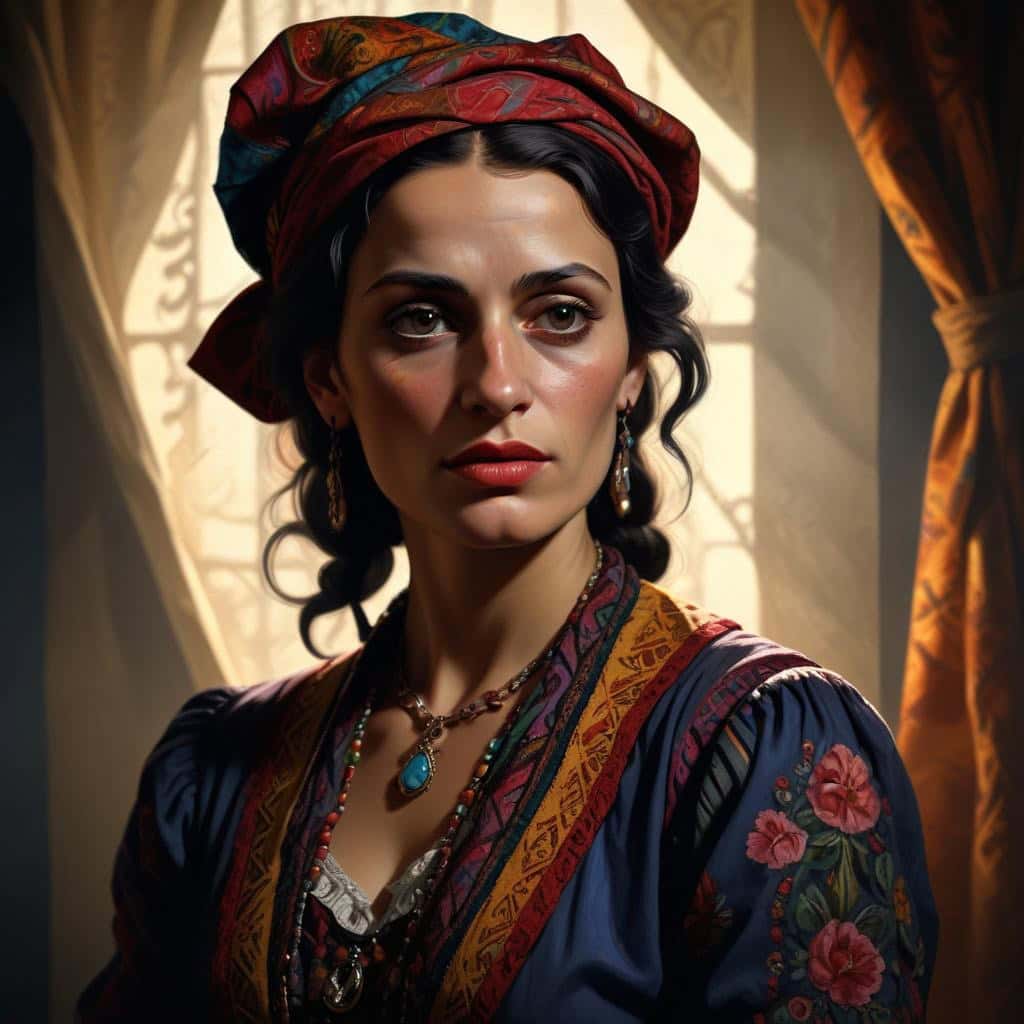
Gypsy
The Gypsy is a woman who is detained along with the other characters.
Timeline of Incident at Vichy
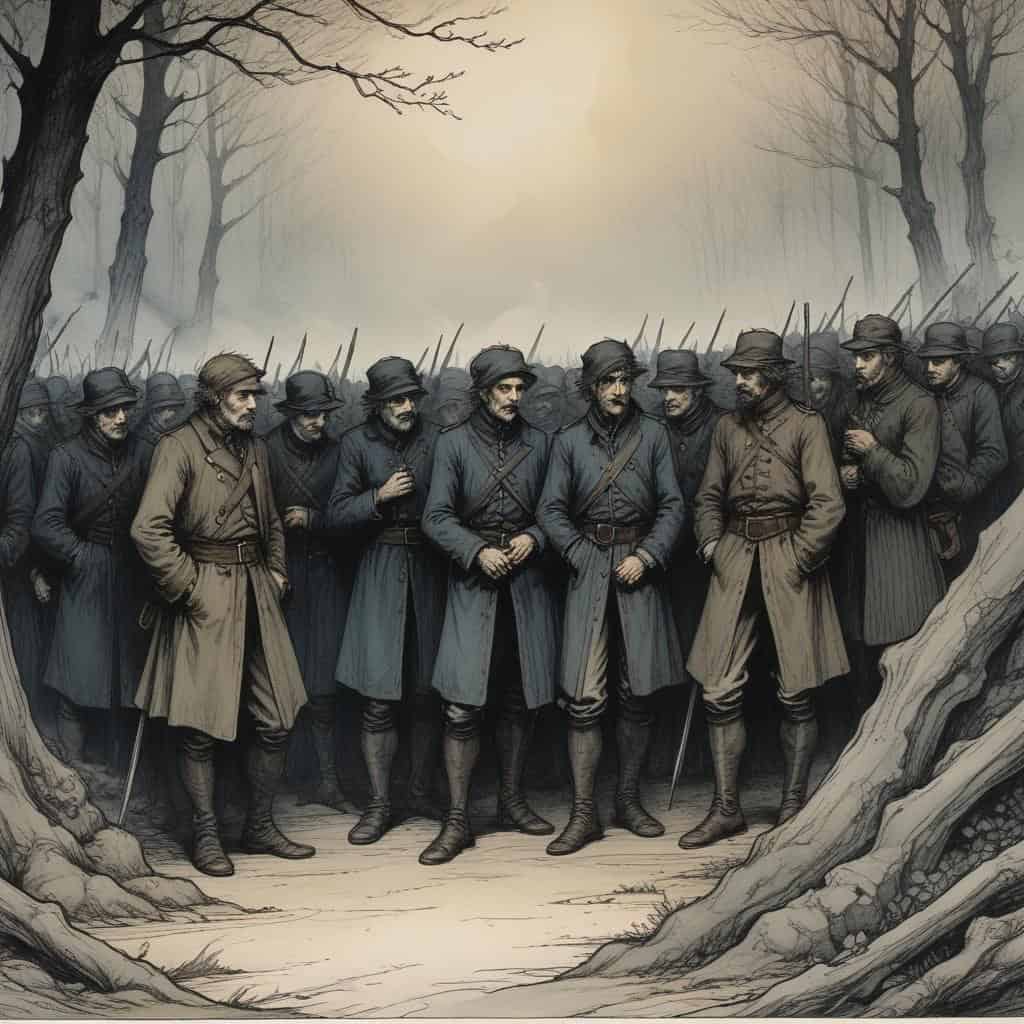
A group of men are waiting in a police station in Vichy, France during World War II.
They engage in conversations while waiting for their documents to be checked by the police.
The Major arrives and explains that they are suspected of being Jewish and are being questioned.
The men express shock and disbelief at the accusations.
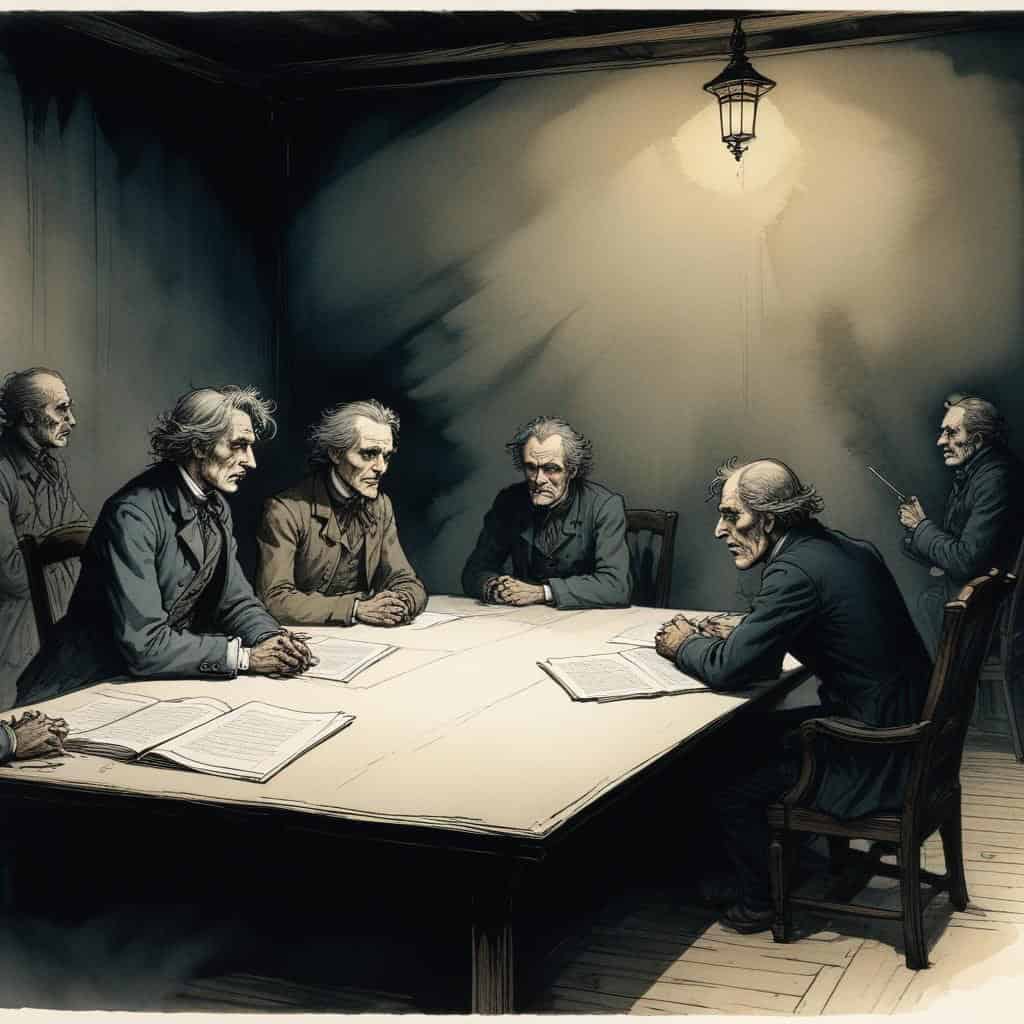
The interrogations begin, with each man being called into a private room.
Each man is questioned about his background, religion, and other personal details.
The men start to realize the severity of the situation and the potential consequences.
The Professor is called in for questioning and reveals that he has converted to Christianity.
The Gypsy is called in and tries to convince the others that they should escape.
The Waiter is called in and admits to having a Jewish grandmother.
The Old Jew is called in and confesses to being Jewish.
The Boy is called in and denies being Jewish but is still suspected.
The Guard reveals that he has been helping Jewish people escape.
The Major informs the men that they are free to go as they have all been cleared.
The men express relief and gratitude, but also guilt for leaving others behind.
The Leduc stays behind and reveals that he is Jewish, sacrificing himself to protect the others.
The men leave the police station, contemplating the moral implications of what they witnessed.
Vocabulary List
- Vichy
- The setting of the play where the characters are detained and interrogated by Nazi officers.
- Gestapo
- The Nazi secret police force responsible for carrying out arrests and interrogations.
- Holocaust
- The systematic genocide of six million Jews by the Nazis during World War II.
- Anti-Semitism
- Prejudice, discrimination, or hostility towards Jewish people.
- Deportation
- The forced removal of individuals from their homes to another location, often to concentration camps.
- Collaboration
- Cooperation with the enemy, often in exchange for personal gain or protection.
- Resistance
- Opposition to the Nazi regime, often through acts of sabotage or defiance.
- Identity
- The characteristics or qualities that distinguish one person from another, often questioned or challenged in times of crisis.
- Ethical dilemma
- A situation in which a person must choose between conflicting moral principles.
- Injustice
- Violation of the rights or dignity of individuals, often perpetrated by those in positions of power.
Key Facts
This is the information used in the fact matching game
- - Incident at Vichy is a play written by Arthur Miller in 1964.
- - The play is set in Vichy, France, during World War II.
- - It takes place in a detention room where several men have been brought in for questioning.
- - The characters in the play come from different backgrounds and professions.
- - The central theme of the play is the persecution of Jews during the Holocaust.
- - The play explores the moral dilemmas faced by the characters as they confront their own prejudices.
- - The characters discuss and debate the nature of evil and the responsibility of individuals in the face of injustice.
- - The play raises questions about identity, loyalty, and the power of authority.
- - The characters grapple with their own fears and anxieties as they await their fate.
- - The play delves into the psychological effects of living in a society consumed by fear and hatred.
- - The dialogue is filled with intense conversations and philosophical debates.
- - The play reflects on the dehumanizing effects of discrimination and prejudice.
- - The characters share personal stories and experiences that shed light on the larger historical context.
- - The play explores the complexities of human nature and the capacity for both cruelty and compassion.
- - Incident at Vichy was not initially well-received by critics but has gained recognition over time.
- - The play raises important ethical questions about the role of individuals in times of crisis.
- - It highlights the dangers of remaining silent in the face of injustice.
- - The play emphasizes the importance of empathy and understanding in combating prejudice.
- - Incident at Vichy serves as a powerful reminder of the atrocities of the Holocaust and the need to confront and learn from history.
- - It continues to be performed and studied as a significant work in Miller's oeuvre.
Analysis & Significance
Impact on Literature
“Incident at Vichy” by Arthur Miller has had a significant impact on literature by addressing complex moral and ethical dilemmas in the face of adversity. The play’s exploration of issues such as individual responsibility, prejudice, and the abuse of power continues to inspire thought-provoking discussions in contemporary storytelling.
Enduring Themes
The timeless themes of fear, betrayal, and the struggle for humanity in the face of inhumanity in “Incident at Vichy” still resonate with modern audiences. The play’s examination of human nature and the choices individuals make in times of crisis remains relevant in today’s society, making it a powerful and enduring work of literature.
Cultural Significance Today
“Incident at Vichy” holds cultural significance today as a poignant reminder of the atrocities of the past and the importance of standing up against injustice. The play’s legacy lives on through various adaptations and revivals, continuing to shed light on the dark chapters of history and the enduring power of human resilience in the face of oppression.
Incident at Vichy Games


Take Your Learning Offline
Want a convenient, print-ready study guide for this lesson? Become a Memory Wizards Pro member to unlock the downloadable " Memory Scrolls" for this topic and our entire library!
- ✓ Complete Vocabulary Lists
- ✓ Key Facts & Timelines
- ✓ Beautifully Formatted for Print & Mobile