
How Do You Learn Best?
Learn by Listening
Start with the 3-minute audio summary to get the key facts and narrative highlights quickly.
Learn by Reading
Immerse yourself in the 10-minute visual lesson for a comprehensive understanding of the topic.
Learn by Reviewing
Jump directly to the key facts, timeline, and vocabulary lists to build a solid foundation of details.
Learn by Doing
Challenge yourself! Jump straight into the interactive games to learn by trial, error, and discovery.
Audio Library
As one of our featured lessons, this topic includes premium audio guides.
Unlock the Wizard's Cram Session
This powerful audio study guide is a Pro-exclusive feature. Upgrade to Memory Wizards Pro to access this and all of our premium learning tools.
Upgrade to ProThe Crucible in 10 Minutes
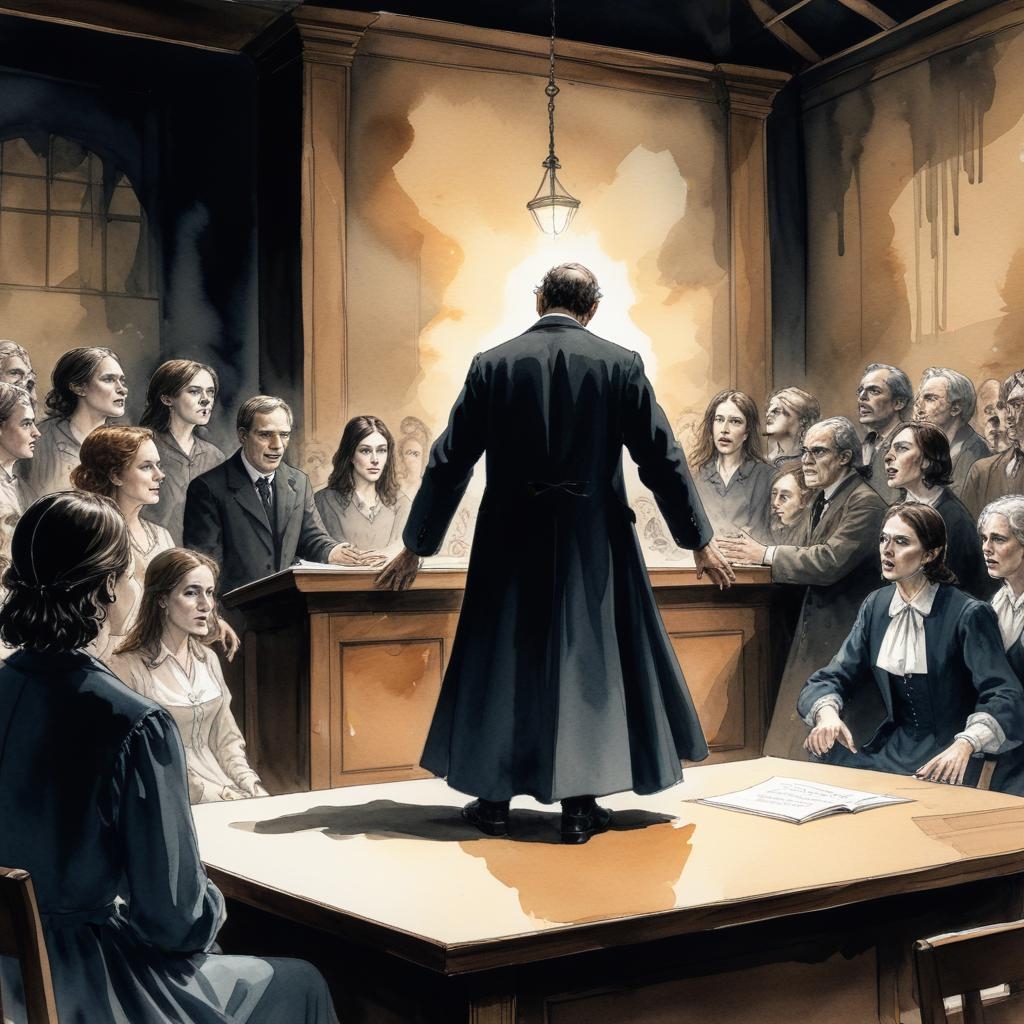
Introduction
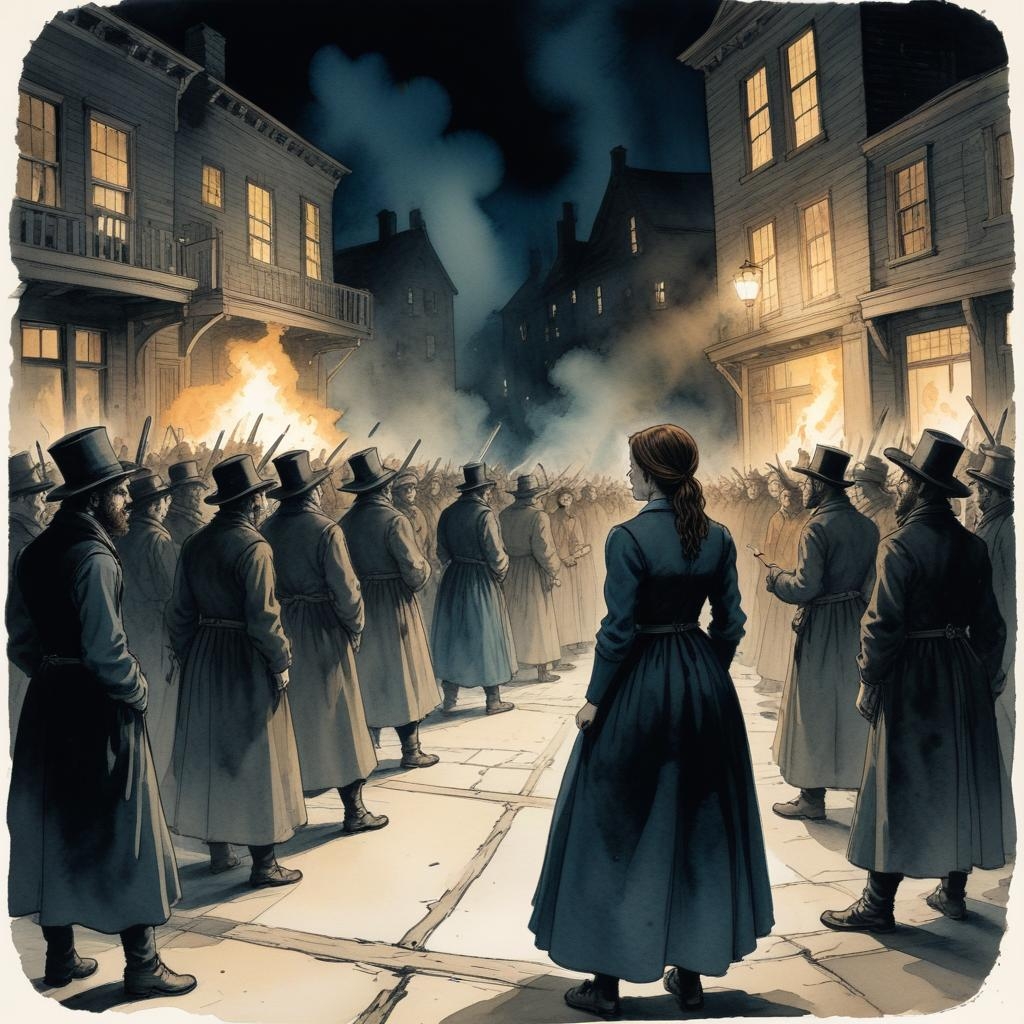
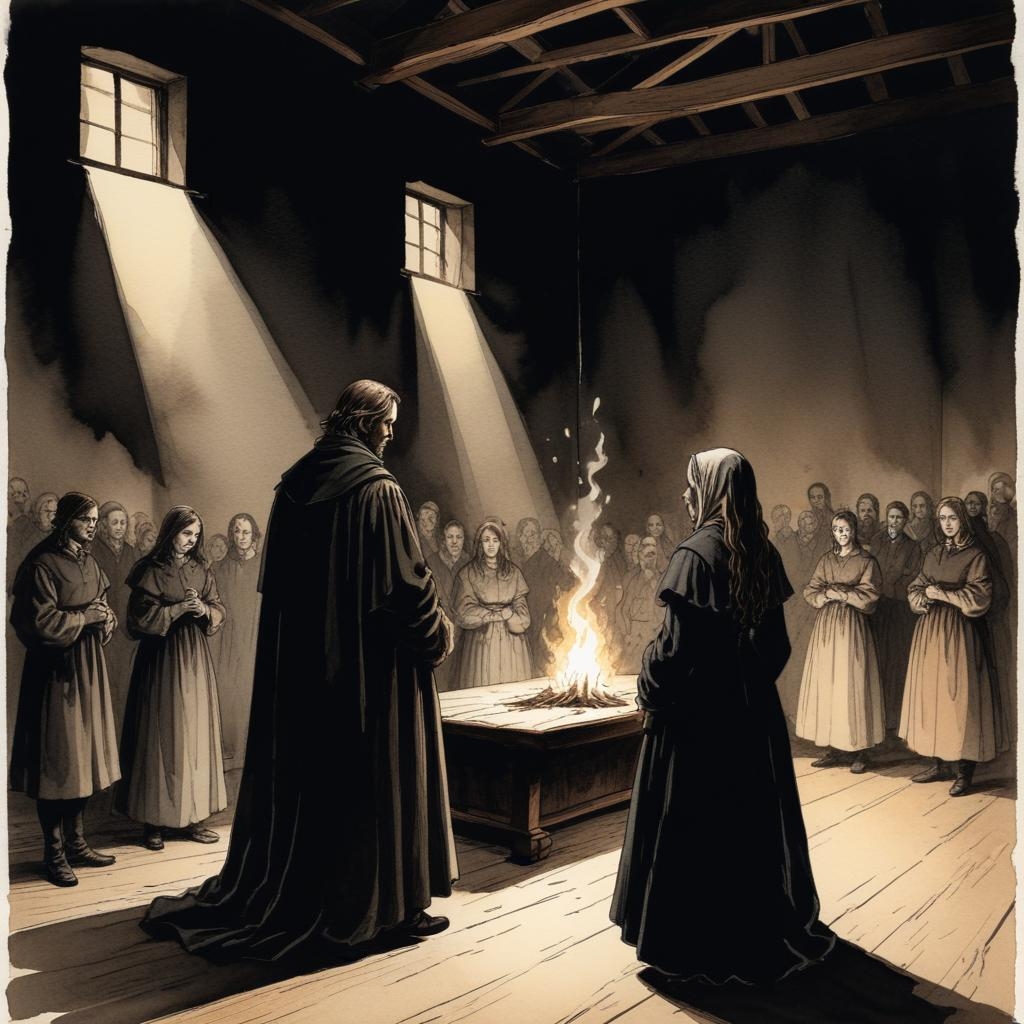

John Proctor
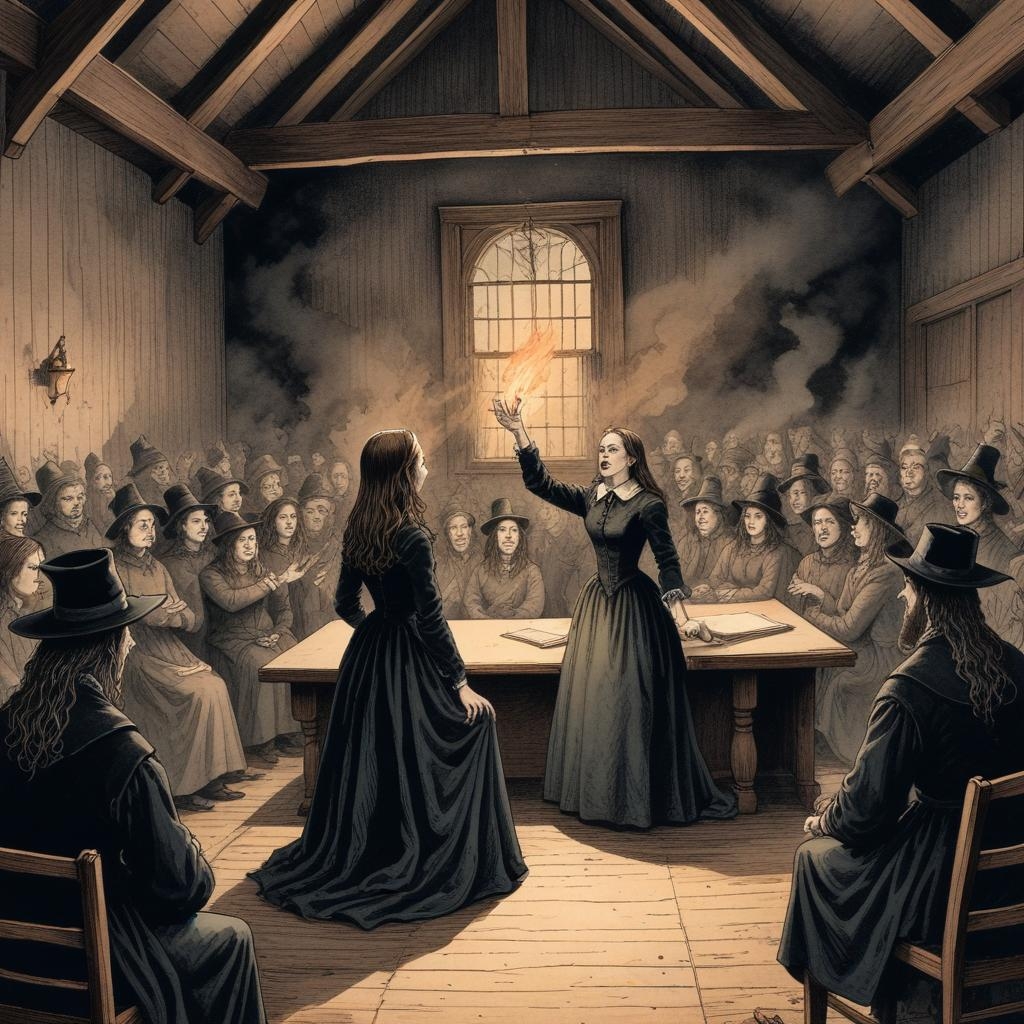
Abigail Williams

Reverend Parris

Elizabeth Proctor
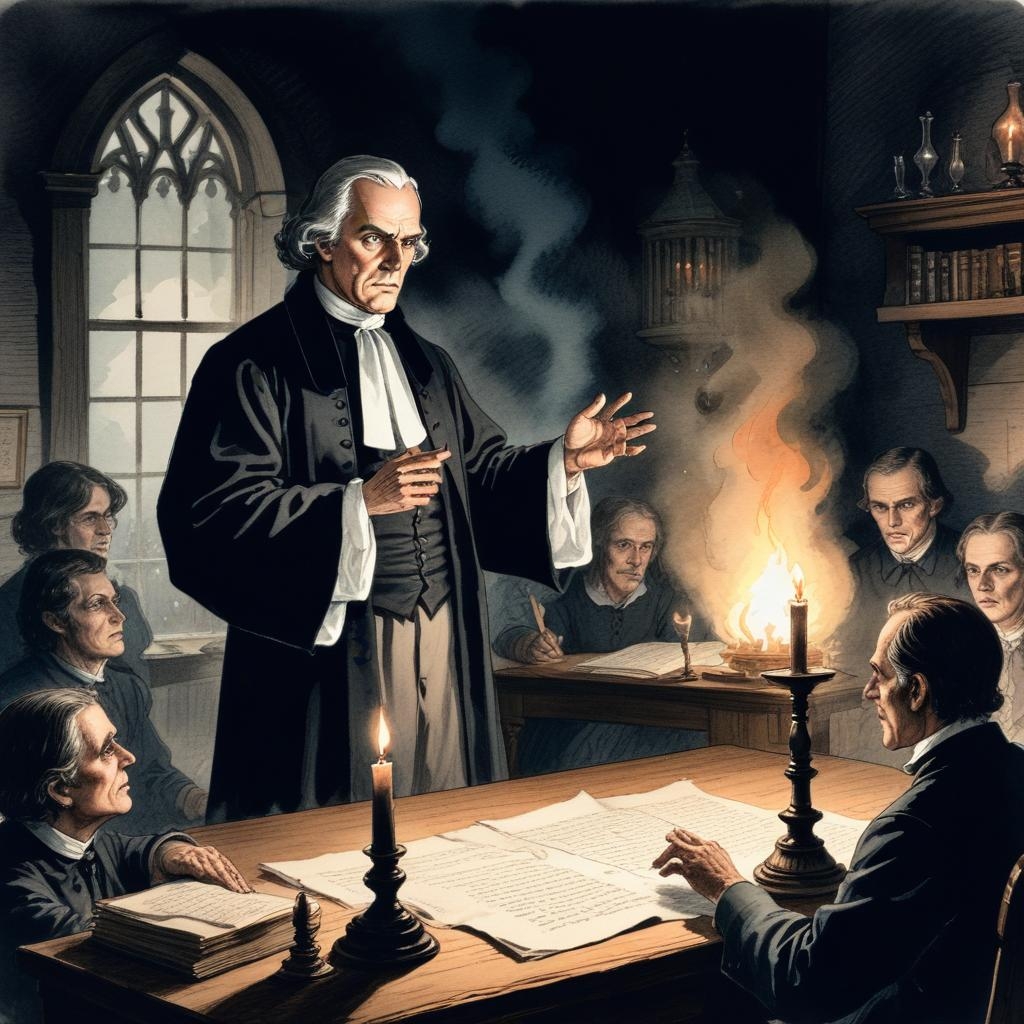
Reverend Hale
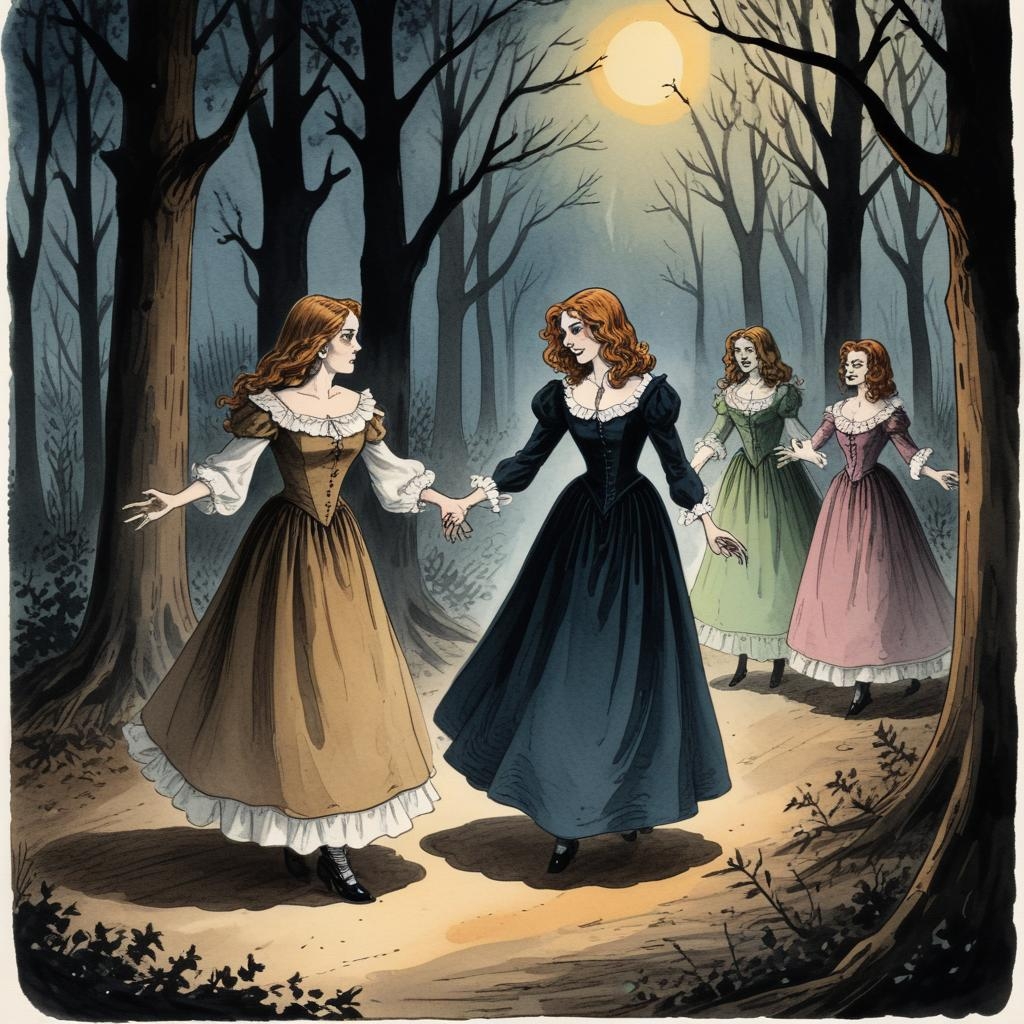
The Girls Mysterious Behavior
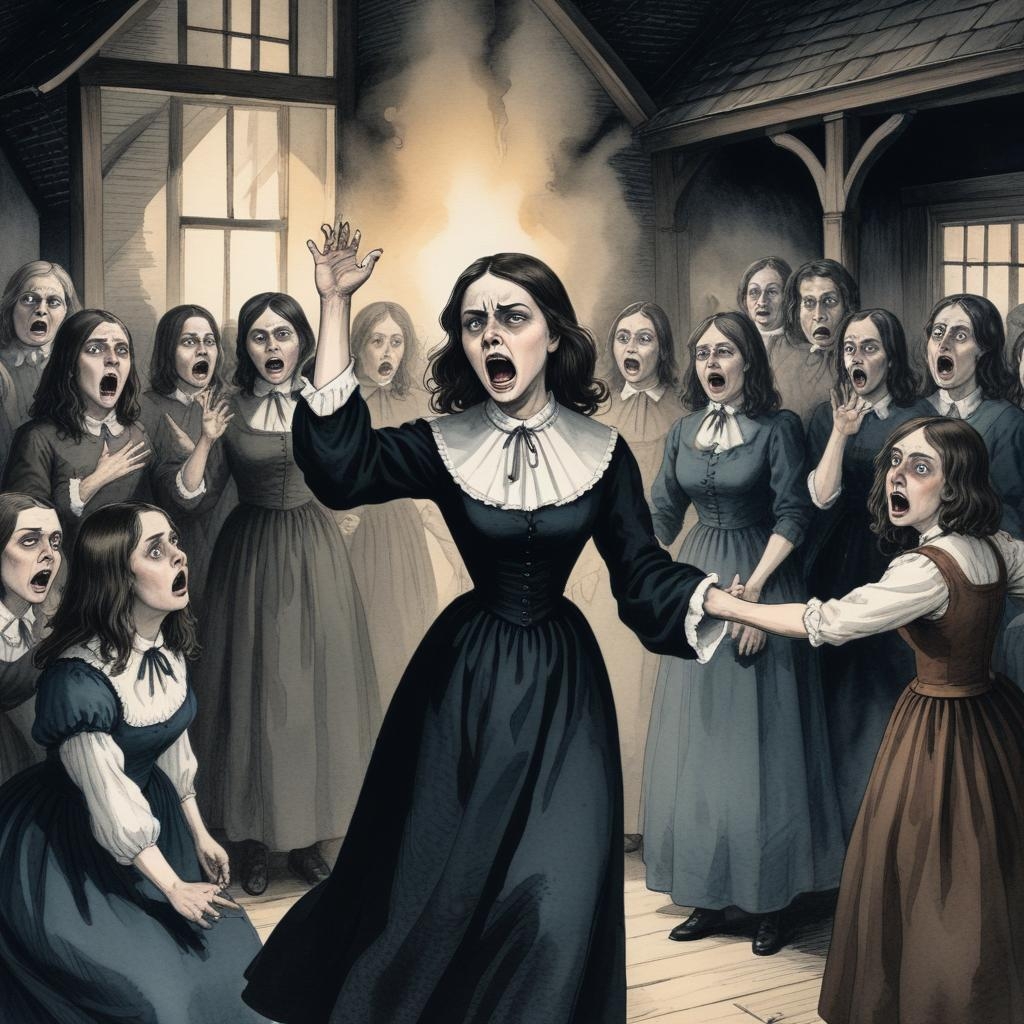
Accusations of Witchcraft
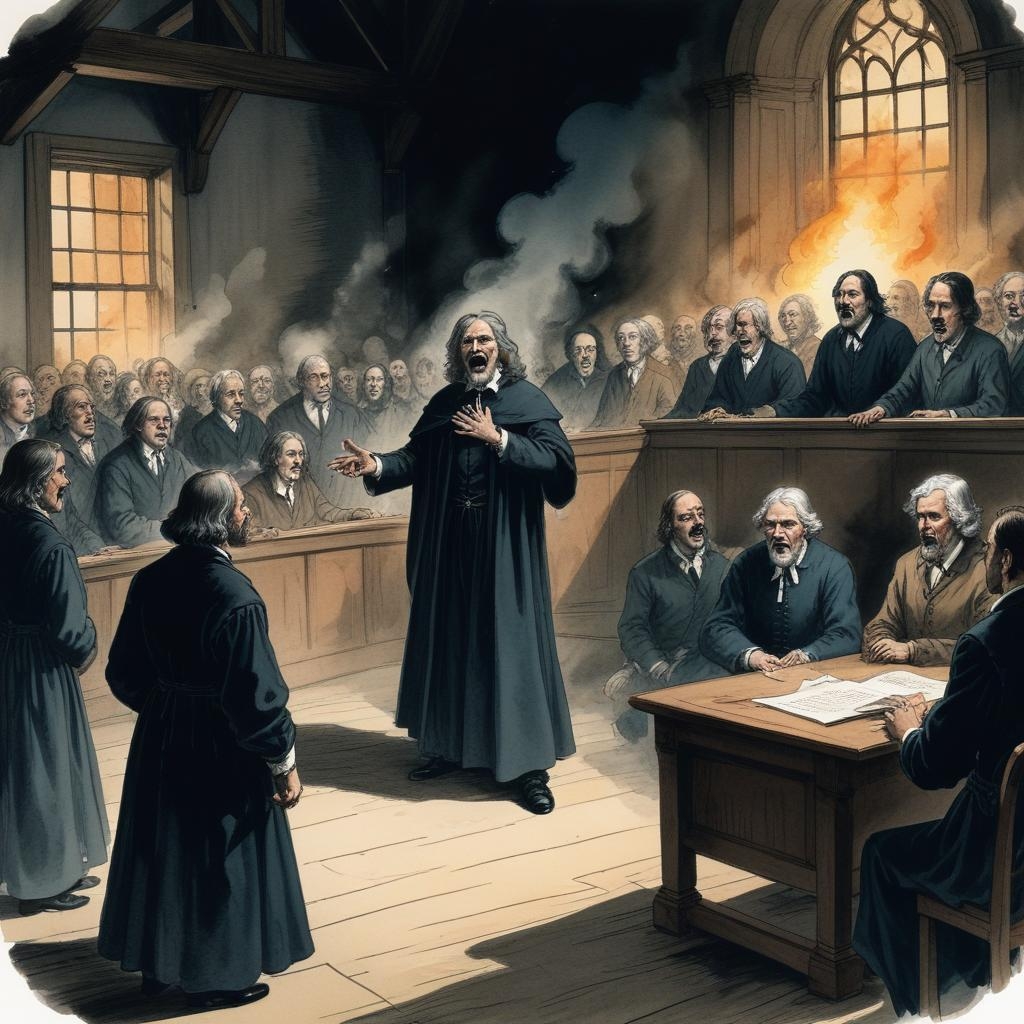
The Trial Proceedings
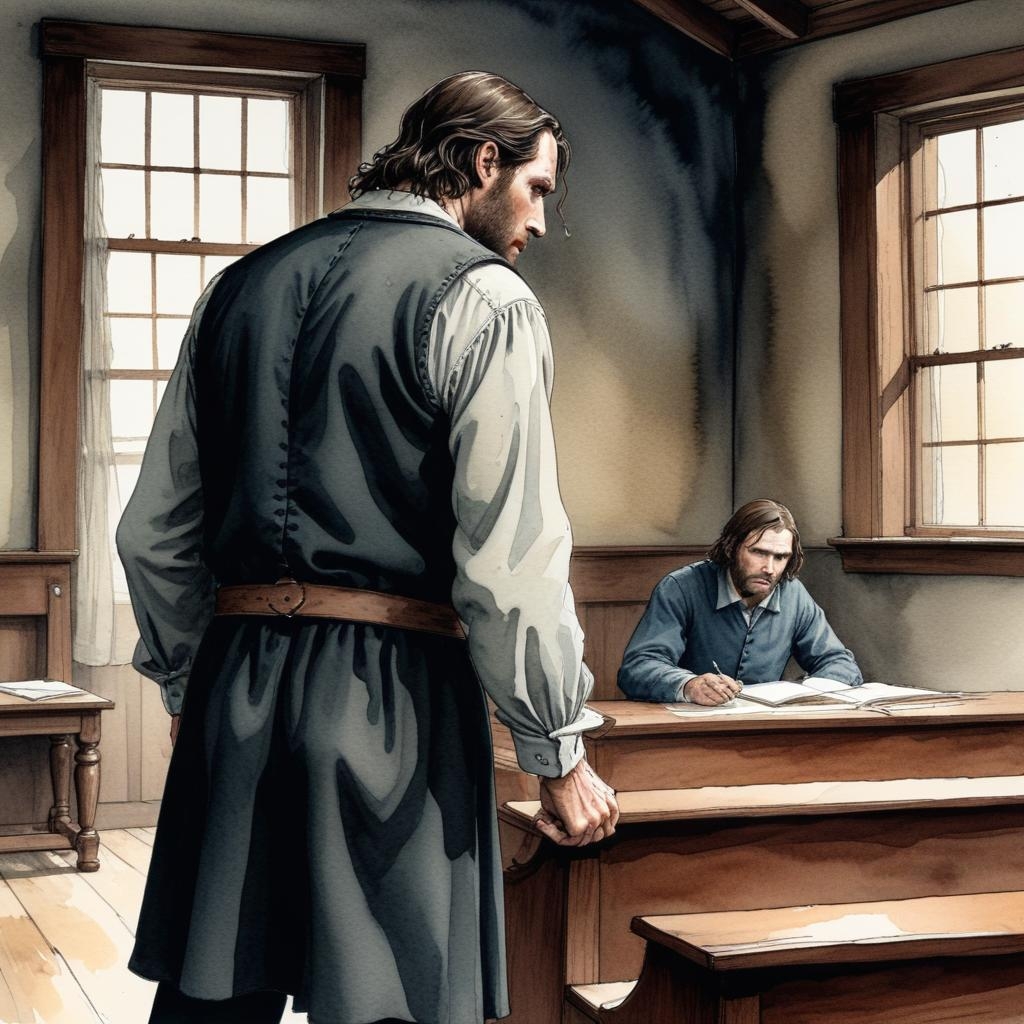
John Proctors Confession
The Aftermath of the Trials
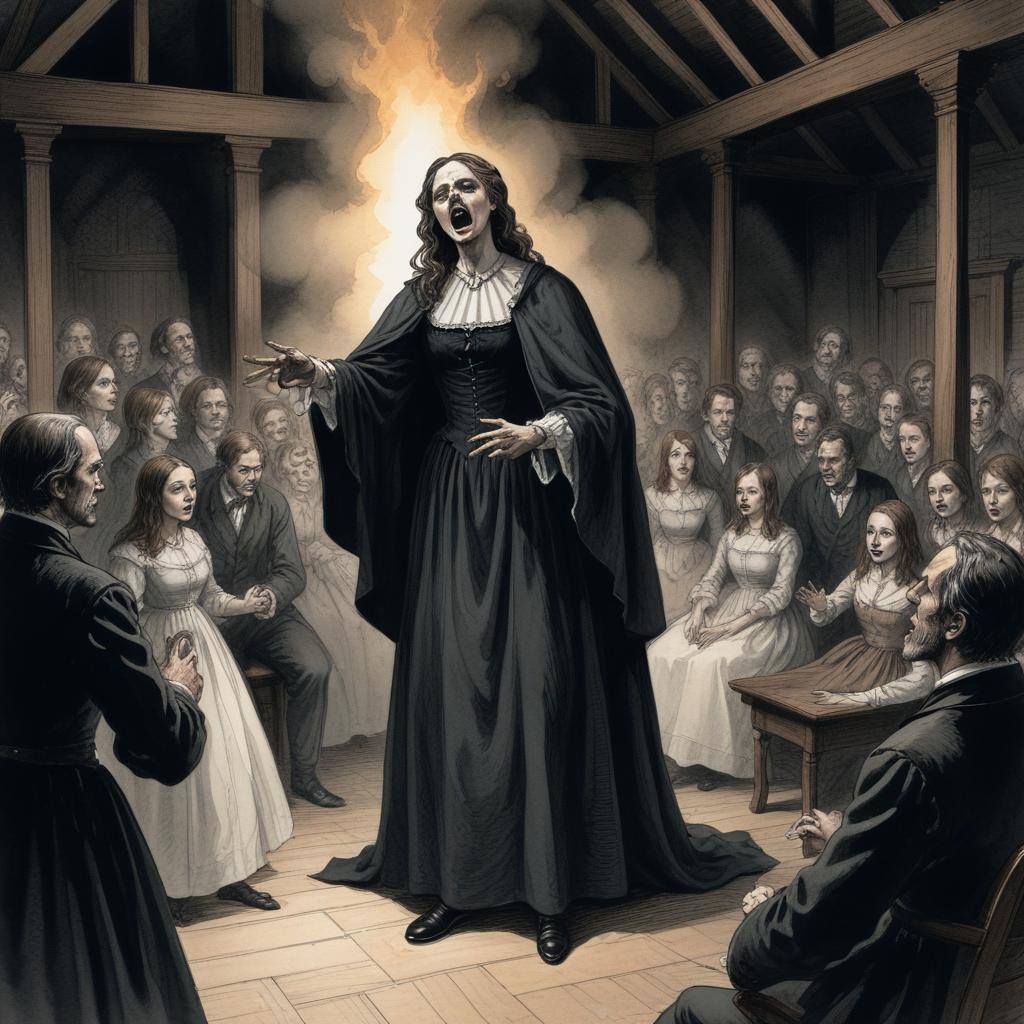
The Theme of Hysteria
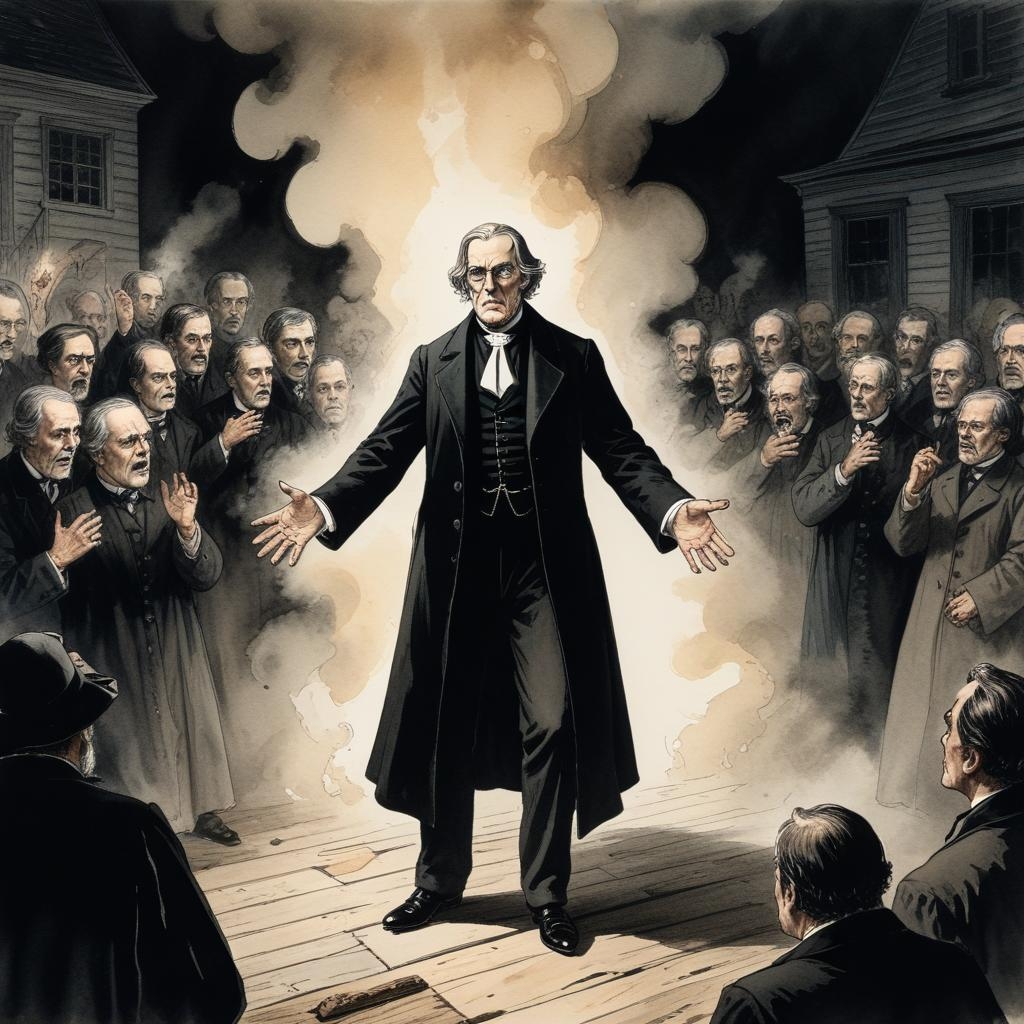
Reverend Hales Crisis of Conscience
The Role of Abigail Williams
The Impact on the Proctor Family
The Legacy of The Crucible
Lesson Details & Resources
In a Nutshell
- What: Play by Arthur Miller
- When: Written in the 1950s
- Who: John Proctor, Abigail Williams, Reverend Parris
- Theme: Mass hysteria and the dangers of religious extremism
List of Characters in The Crucible
-
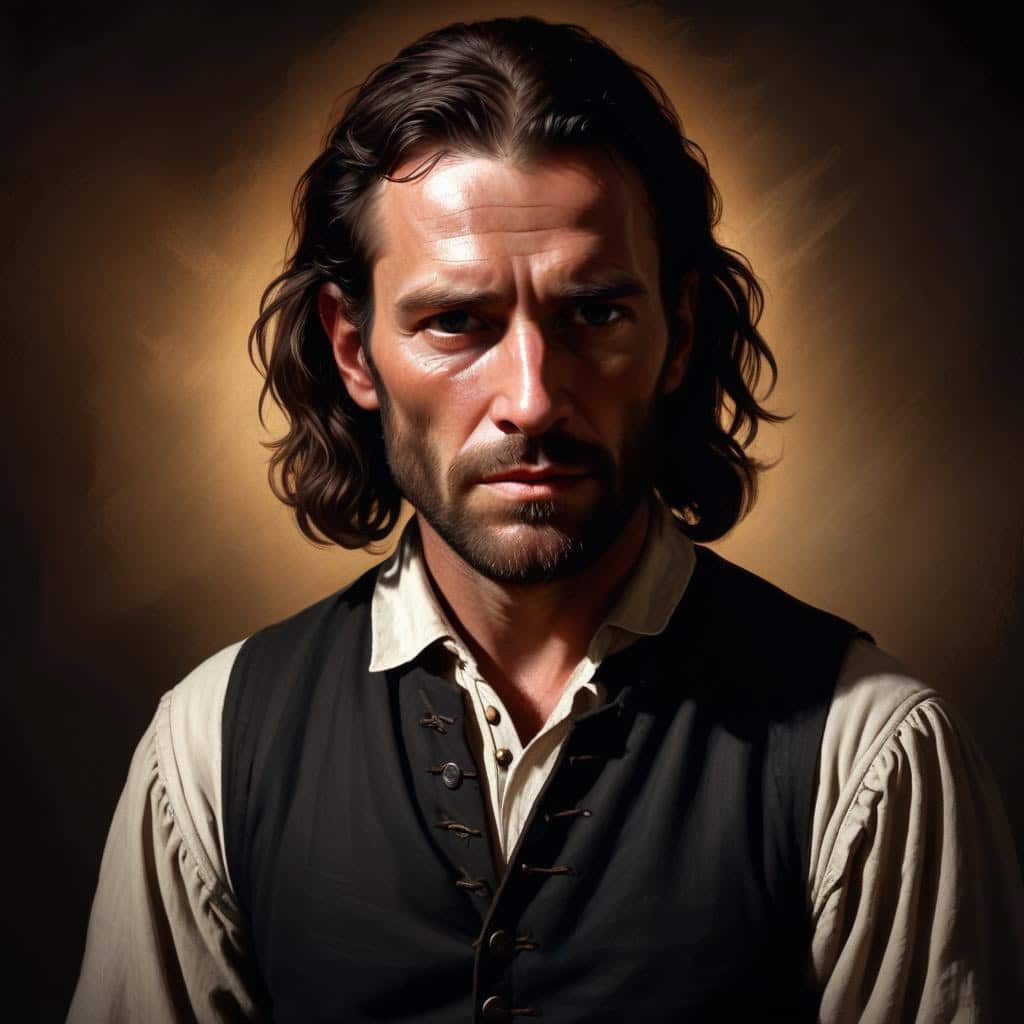
John Proctor
John Proctor is a farmer who is accused of witchcraft.
-
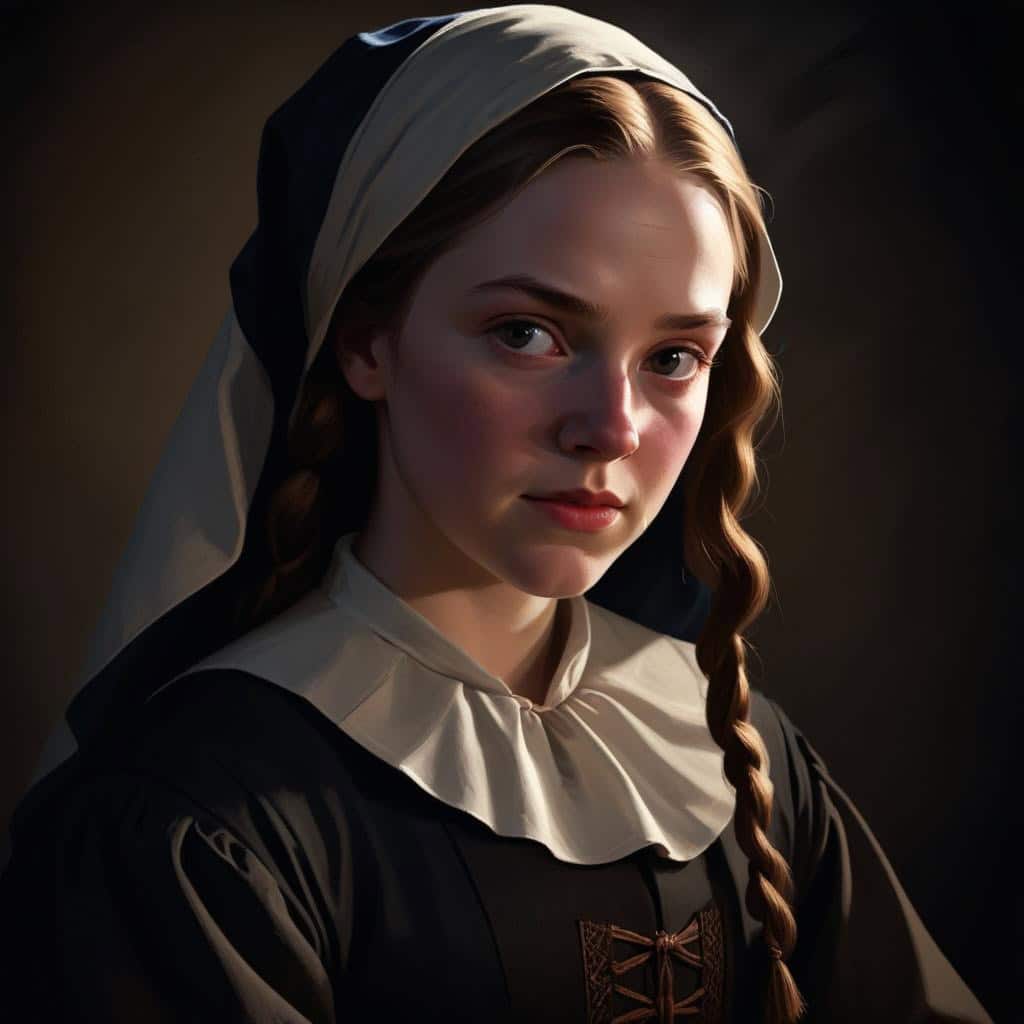
Abigail Williams
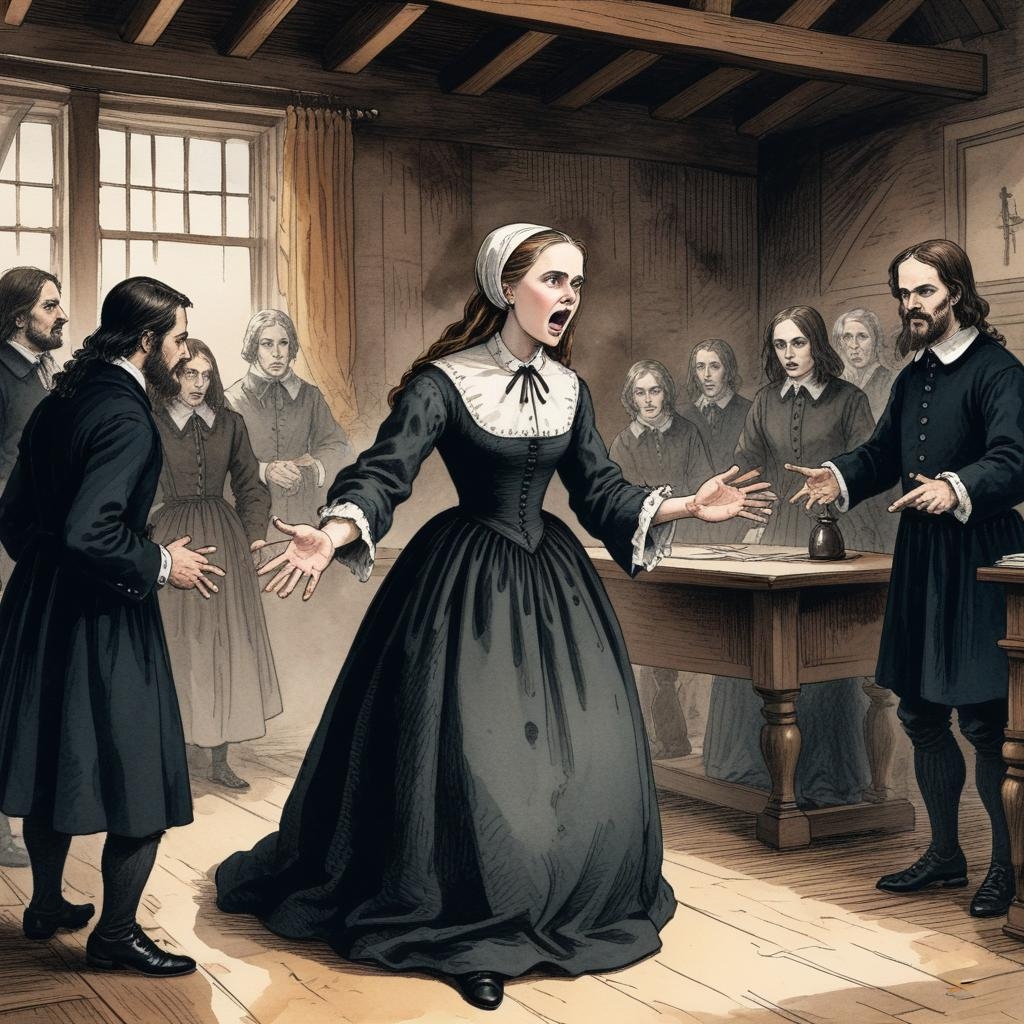
Abigail Williams is the main instigator of the witch trials.
-
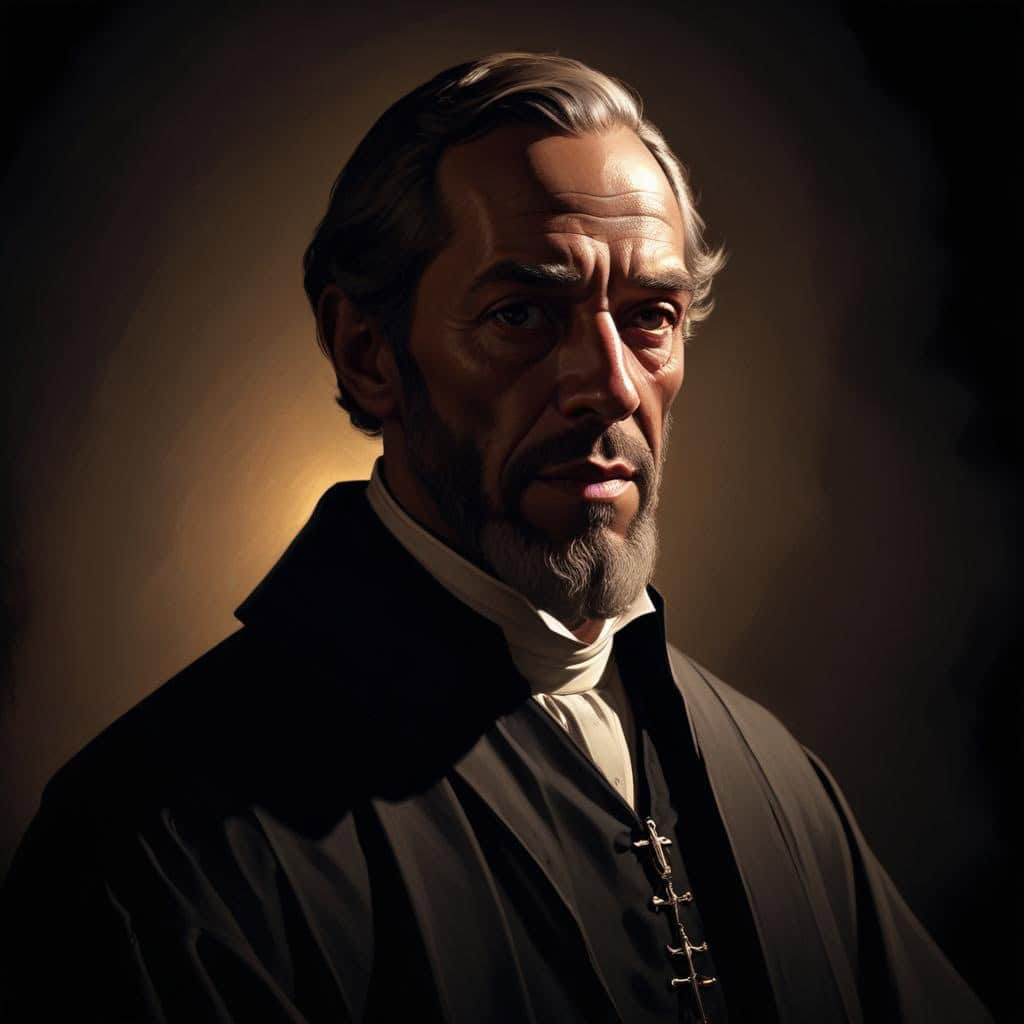
Reverend Parris
Reverend Parris is the minister of Salem who is concerned with his reputation.
-
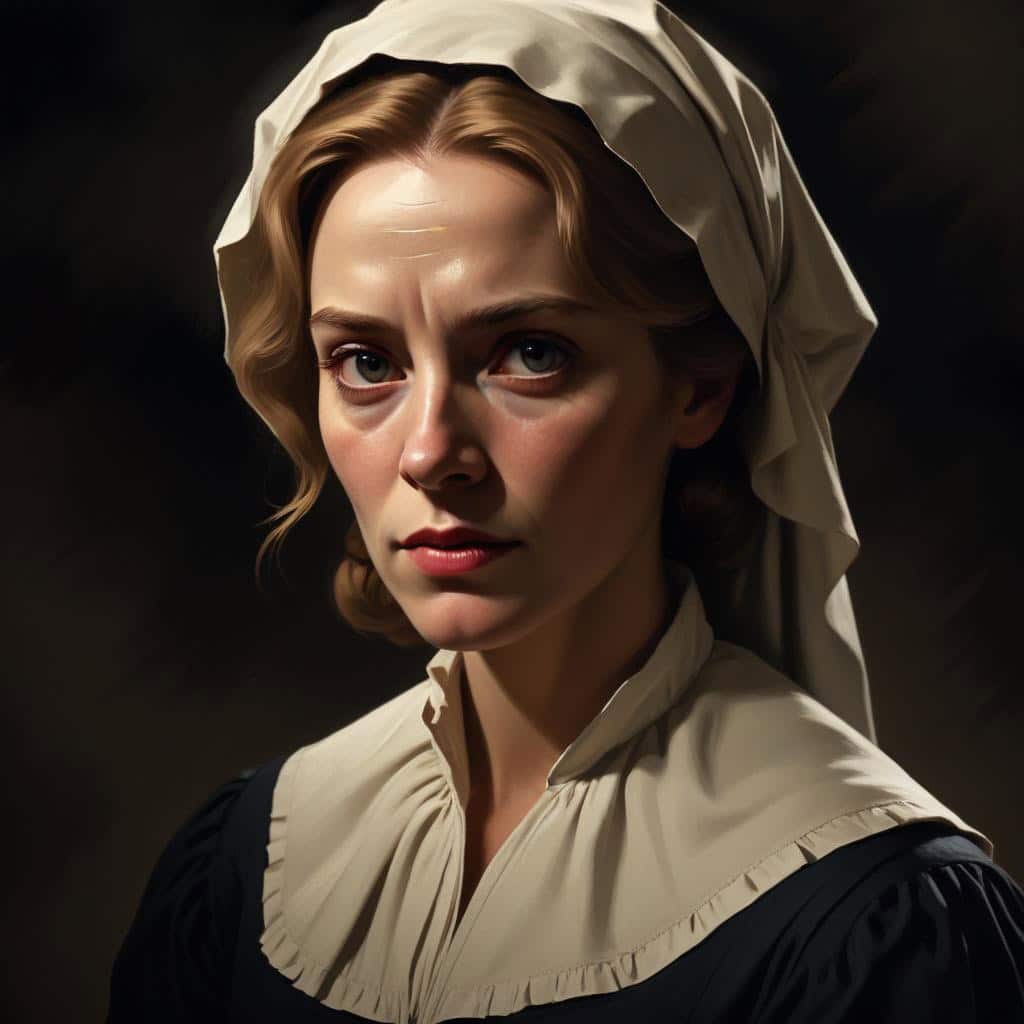
Elizabeth Proctor
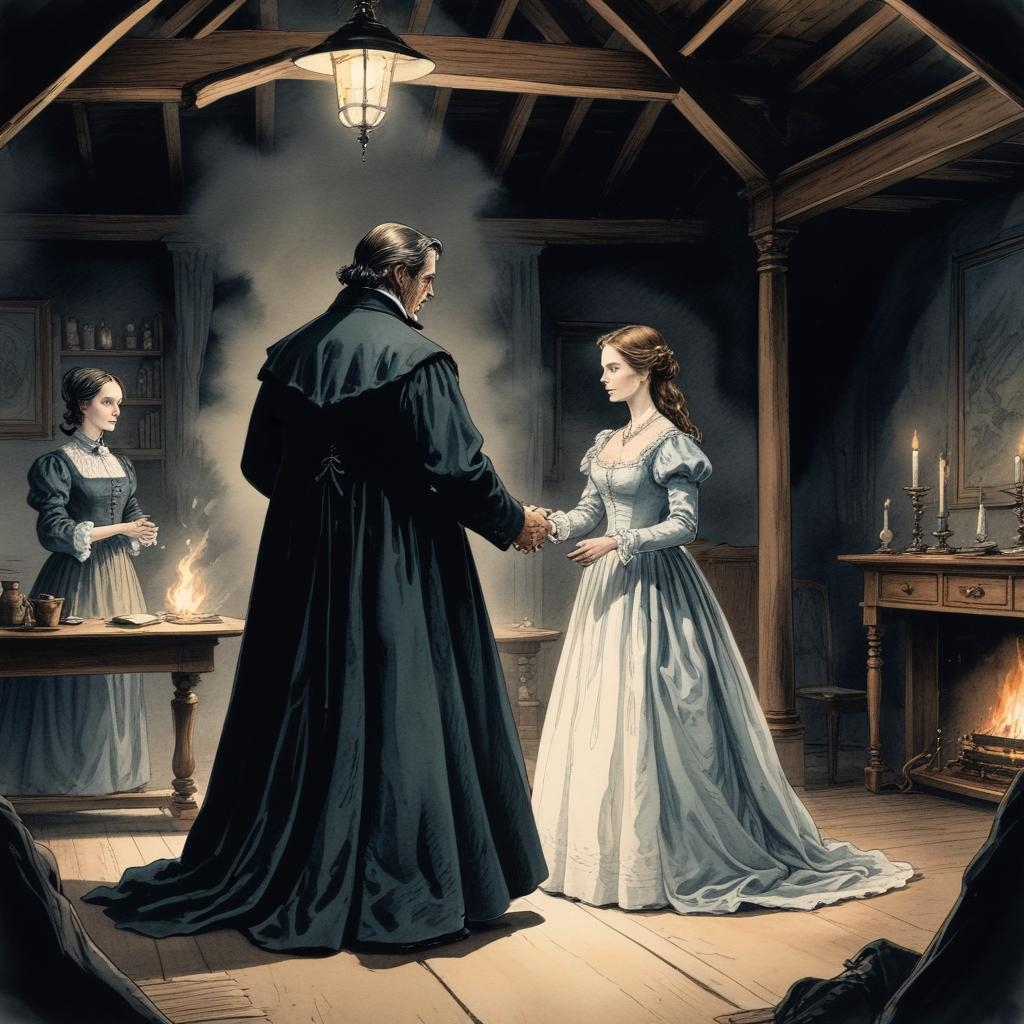
Elizabeth Proctor is John Proctor's wife who is accused of witchcraft.
-
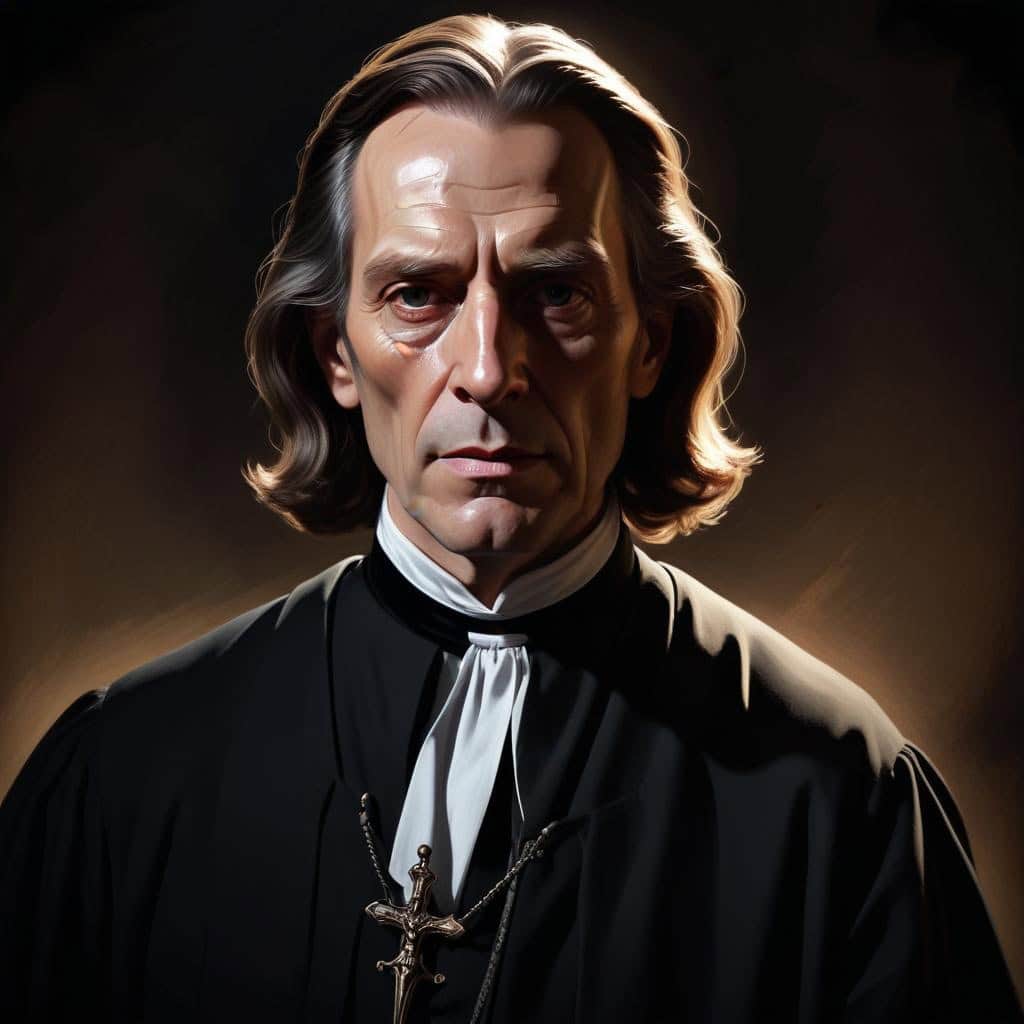
Reverend Hale
Reverend Hale is a witchcraft expert who later regrets his involvement in the trials.
-
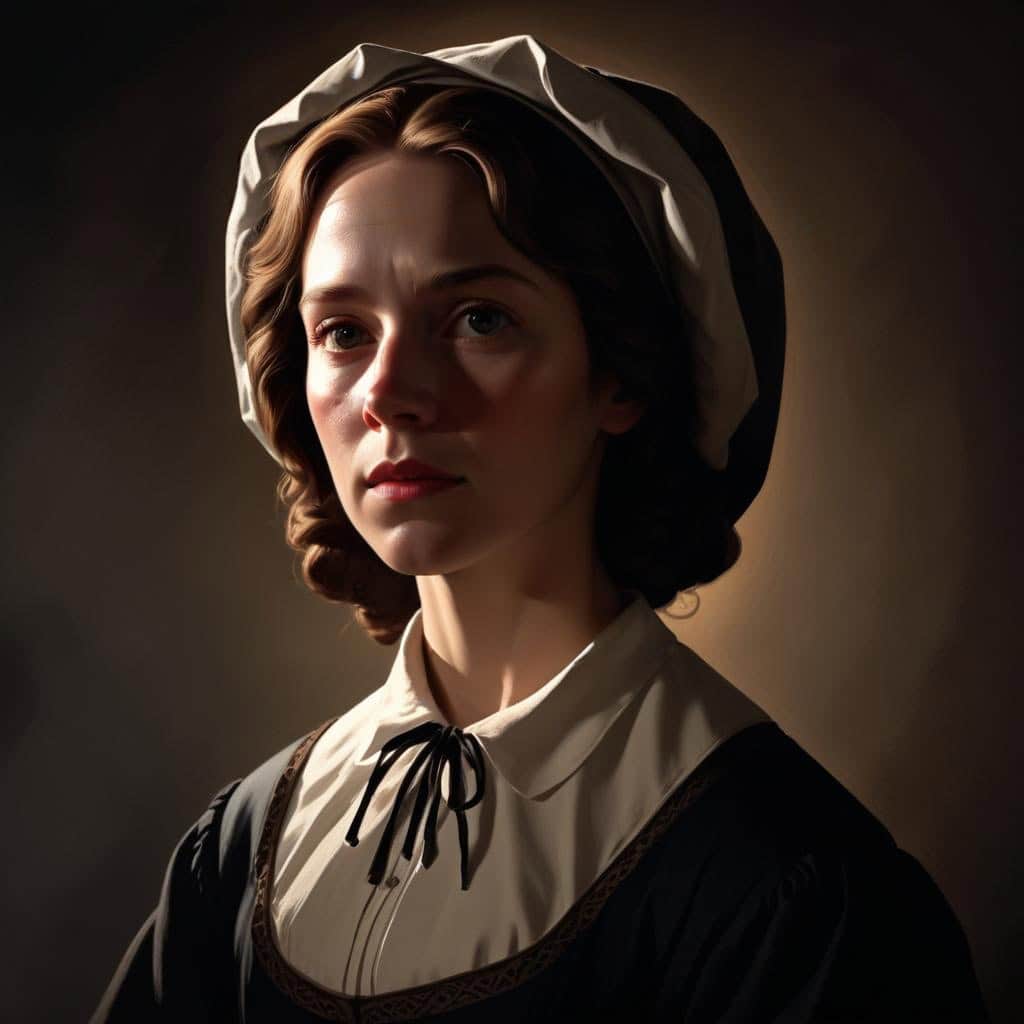
Mary Warren
Mary Warren is a servant who gets caught up in the accusations.
-

Tituba
Tituba is a slave from Barbados who is accused of witchcraft.
-
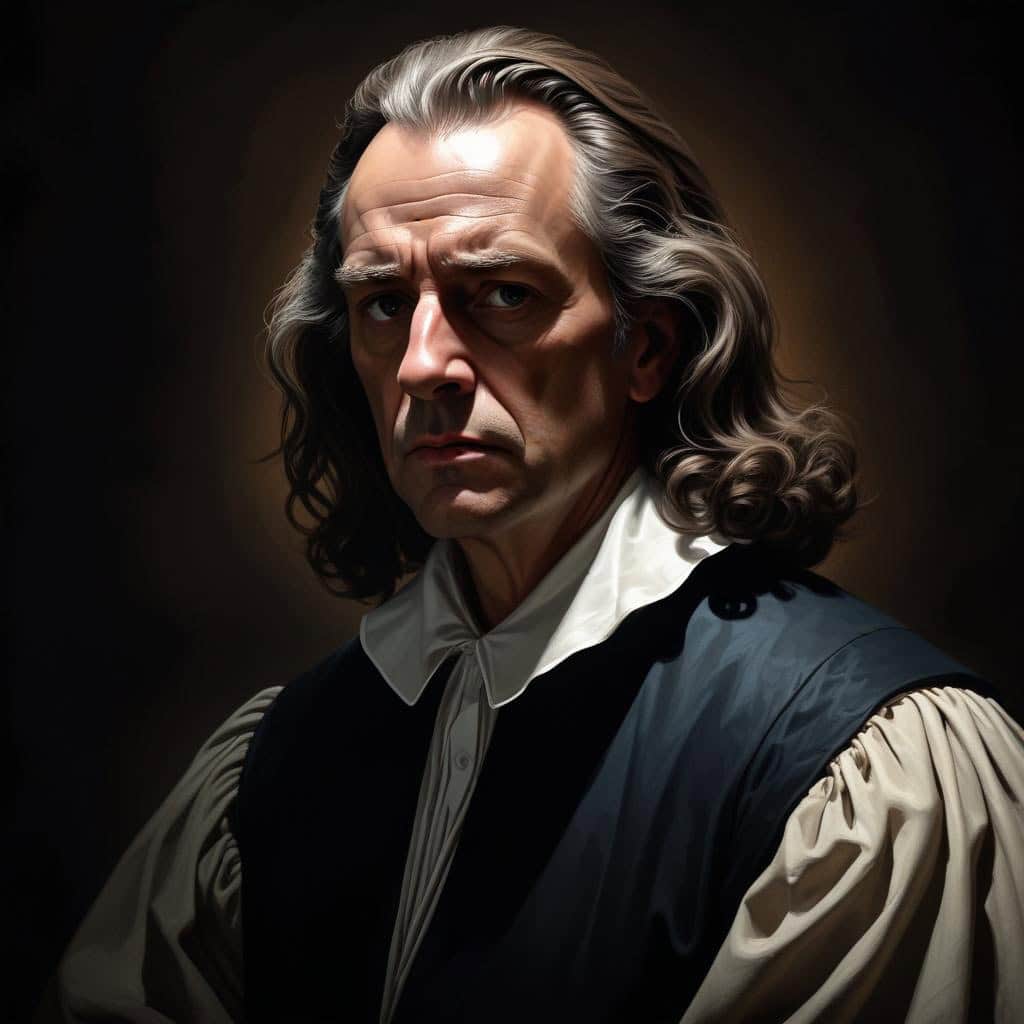
Judge Danforth
Judge Danforth is the head judge of the witch trials.
-
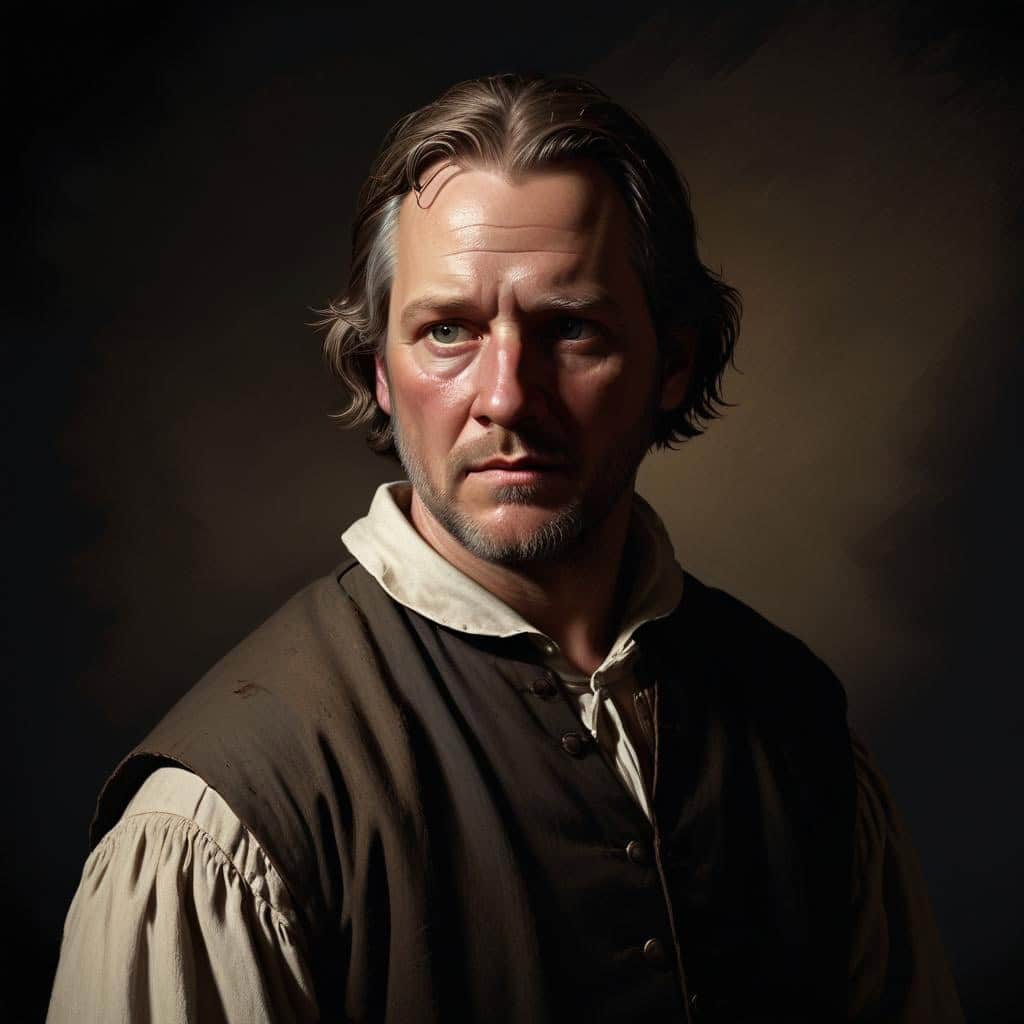
Giles Corey
Giles Corey is a farmer who is pressed to death for refusing to enter a plea.
-
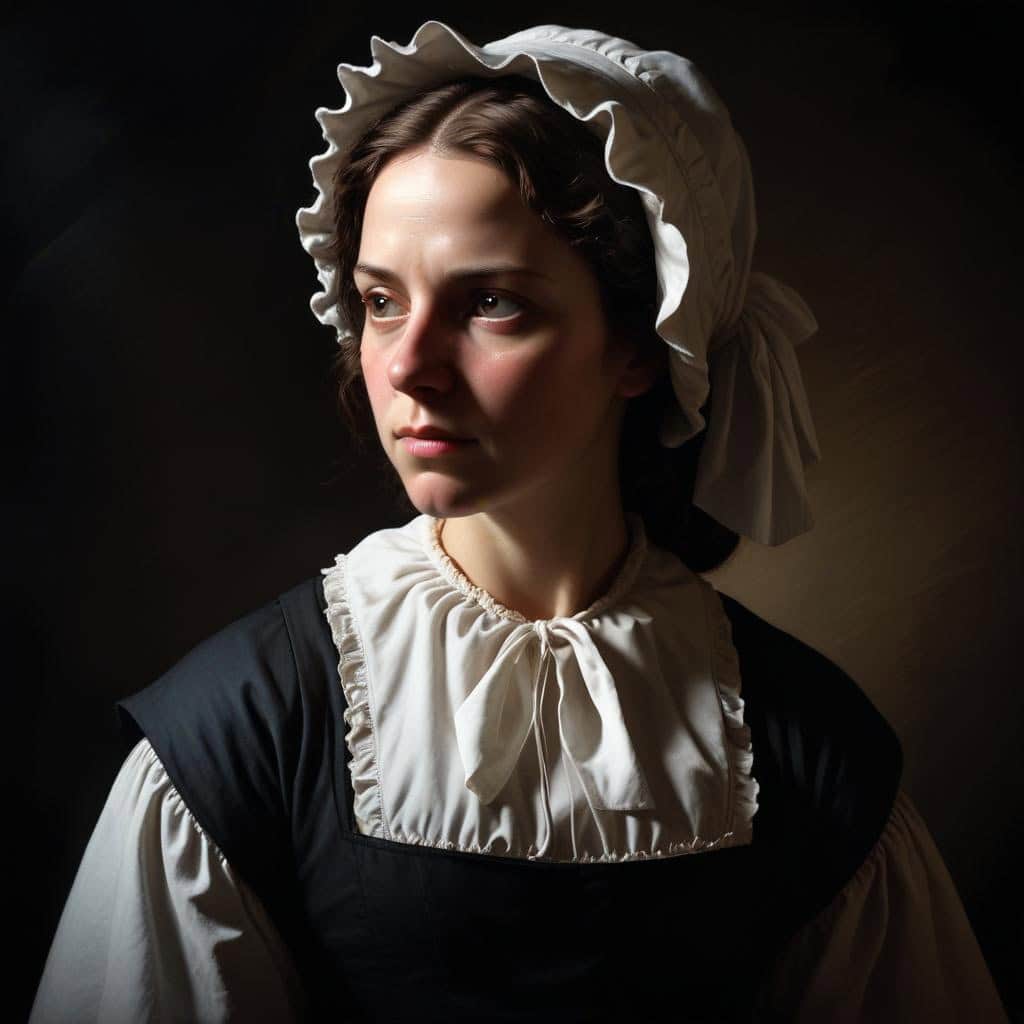
Rebecca Nurse
Rebecca Nurse is a respected member of the community who is accused of witchcraft.
Timeline of The Crucible
Reverend Parris discovers his daughter Betty and niece Abigail dancing in the woods with other girls
Rumors of witchcraft begin to spread in Salem
Reverend Hale, an expert on witchcraft, arrives in Salem to investigate the accusations
Abigail accuses Tituba, a slave from Barbados, of being a witch and causing her to dance
Tituba confesses to witchcraft and accuses others in the community
Abigail and the other girls start accusing people of witchcraft to divert attention from themselves
John Proctor and his wife Elizabeth are accused of witchcraft
Proctor admits to having an affair with Abigail, trying to discredit her
Proctor and others attempt to convince the court that the accusations are false
Mary Warren, a servant, confesses that the girls were pretending and accuses Abigail of lying
Abigail and the girls turn against Mary, accusing her of witchcraft
Proctor is arrested and put on trial
Proctor refuses to falsely confess and is sentenced to death
Proctor's wife Elizabeth is given the opportunity to save his life by lying, but she chooses to tell the truth
Proctor is hanged, and his friends vow to honor his memory by speaking out against the injustice of the trials.
Vocabulary List
- Witchcraft
- The town of Salem becomes obsessed with the idea of witchcraft, leading to mass hysteria and accusations.
- Hysteria
- The hysteria surrounding accusations of witchcraft causes chaos and fear in the town of Salem.
- Persecution
- The characters in The Crucible face persecution and punishment for their alleged involvement in witchcraft.
- Integrity
- John Proctor struggles to maintain his integrity and moral values in the face of the witch trials.
- Vengeance
- Abigail Williams seeks vengeance against Elizabeth Proctor by accusing her of witchcraft.
- Guilt
- Many characters in The Crucible experience guilt over their actions and decisions during the witch trials.
- Sacrifice
- John Proctor ultimately sacrifices his own life in order to protect his name and reputation.
Key Facts
This is the information used in the fact matching game
- -The Crucible is a play written by Arthur Miller in 1953.
- -It is set in the Puritan community of Salem, Massachusetts in 1692.
- -The story is based on the real-life Salem witch trials.
- -The play explores themes of mass hysteria, religious fanaticism, and the abuse of power.
- -The protagonist is John Proctor, a farmer who is accused of witchcraft.
- -Abigail Williams, a young girl, is the main instigator of the witchcraft hysteria.
- -The play begins with a group of girls being caught dancing in the woods.
- -John Proctor had an affair with Abigail, which adds tension to the story.
- -Many innocent people are accused and executed during the trials.
- -The trials were fueled by fear and a desire for vengeance.
- -Puritans believed that witchcraft was a serious sin that must be punished.
- -Many characters falsely confess to witchcraft to save their lives.
- -John Proctor ultimately chooses to die instead of falsely admitting to witchcraft.
- -The character of Reverend Parris is a controversial figure in the play.
- -Elizabeth Proctor, John's wife, is accused of witchcraft by Abigail.
- -Giles Corey is pressed to death for refusing to enter a plea in court.
- -The play serves as an allegory for McCarthyism and the Red Scare in the 1950s.
- -Arthur Miller wrote The Crucible as a response to the political climate of his time.
- -The play has been widely performed and studied in schools around the world.
- -The Crucible continues to be relevant today, exploring themes of fear, intolerance, and the dangers of unchecked power.
Analysis & Significance
Impact on Literature
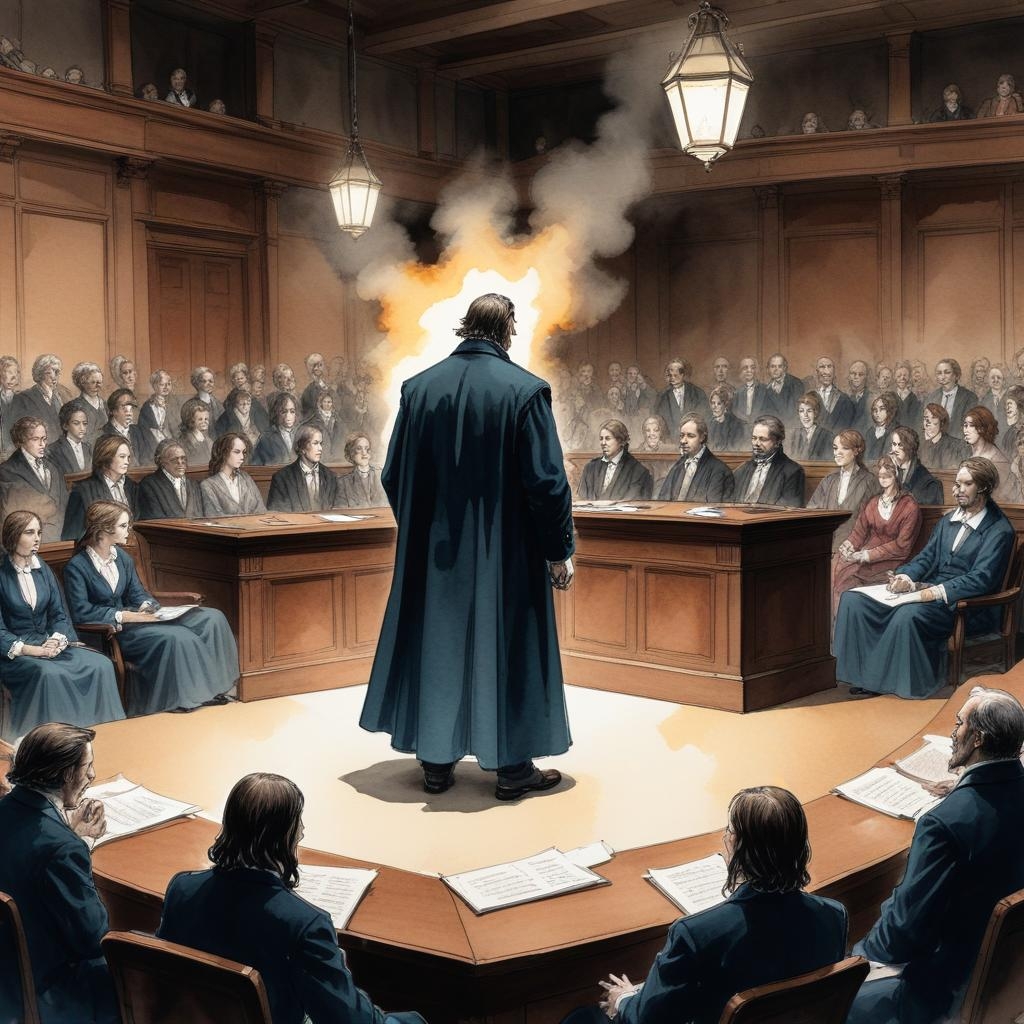
“The Crucible” by Arthur Miller has had a significant impact on literature by highlighting the dangers of mass hysteria and the consequences of false accusations. The play’s exploration of fear, power, and betrayal continues to influence storytelling, especially in works that examine societal tensions and the complexities of human nature.
Enduring Themes
The timeless themes of justice, truth, and morality in “The Crucible” still resonate with modern audiences today. The play’s exploration of how fear can lead to irrational behavior and the importance of standing up for one’s beliefs remain relevant in a world where misinformation and manipulation are prevalent.
Cultural Significance Today
“The Crucible” remains culturally significant today for its commentary on the dangers of unchecked authority and the importance of individual integrity. The play has been adapted into various forms, including film and television, and continues to be studied and performed in schools and theaters around the world, solidifying its place in literary and theatrical history.
The Crucible Games


Take Your Learning Offline
Want a convenient, print-ready study guide for this lesson? Become a Memory Wizards Pro member to unlock the downloadable " Memory Scrolls" for this topic and our entire library!
- ✓ Complete Vocabulary Lists
- ✓ Key Facts & Timelines
- ✓ Beautifully Formatted for Print & Mobile
Dive Deeper

The Crucible Audiobook
The Crucible audiobook is a thrilling story set in the town of Salem during the witch trials. This audiobook is perfect for anyone who loves history or drama. You'll be on the edge of your seat as you listen to the story unfold. With vivid descriptions and captivating characters, you'll feel like you're right in the middle of the action. Whether you're listening in the car or at home, this audiobook is sure to keep you entertained for hours. Don't miss out on this gripping tale!
View on Amazon
The Crucible Movie
"The Crucible" movie is a thrilling drama starring Daniel Day-Lewis, Winona Ryder, and Paul Scofield. Set in Salem, Massachusetts in the 17th century, the movie follows the story of a group of girls who are accused of witchcraft. As fear and hysteria spread throughout the town, the characters must navigate through lies and deceit to uncover the truth. With powerful performances from the cast, this movie will keep you on the edge of your seat until the very end.
View on AmazonTo help us keep Memory Wizards running and create more magical learning content, we are a participant in the Amazon Associates Program. If you make a purchase through the links on this page, we may earn a small commission at no extra cost to you. We only recommend resources we believe in.