
How Do You Learn Best?
Learn by Listening
Start with the 3-minute audio summary to get the key facts and narrative highlights quickly.
Learn by Reading
Immerse yourself in the 10-minute visual lesson for a comprehensive understanding of the topic.
Learn by Reviewing
Jump directly to the key facts, timeline, and vocabulary lists to build a solid foundation of details.
Learn by Doing
Challenge yourself! Jump straight into the interactive games to learn by trial, error, and discovery.
Audio Library
As one of our featured lessons, this topic includes premium audio guides.
Unlock the Wizard's Cram Session
This powerful audio study guide is a Pro-exclusive feature. Upgrade to Memory Wizards Pro to access this and all of our premium learning tools.
Upgrade to ProBroken Glass in 10 Minutes
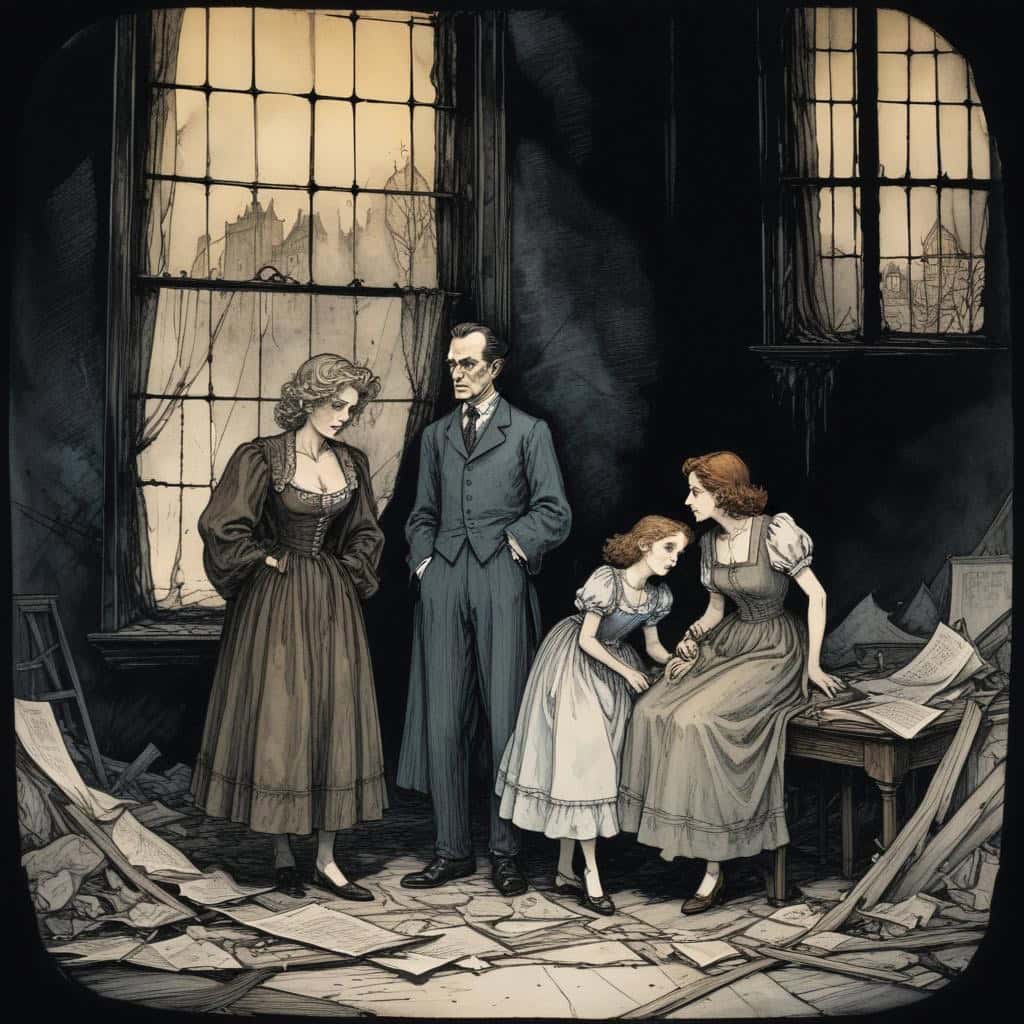
Introduction
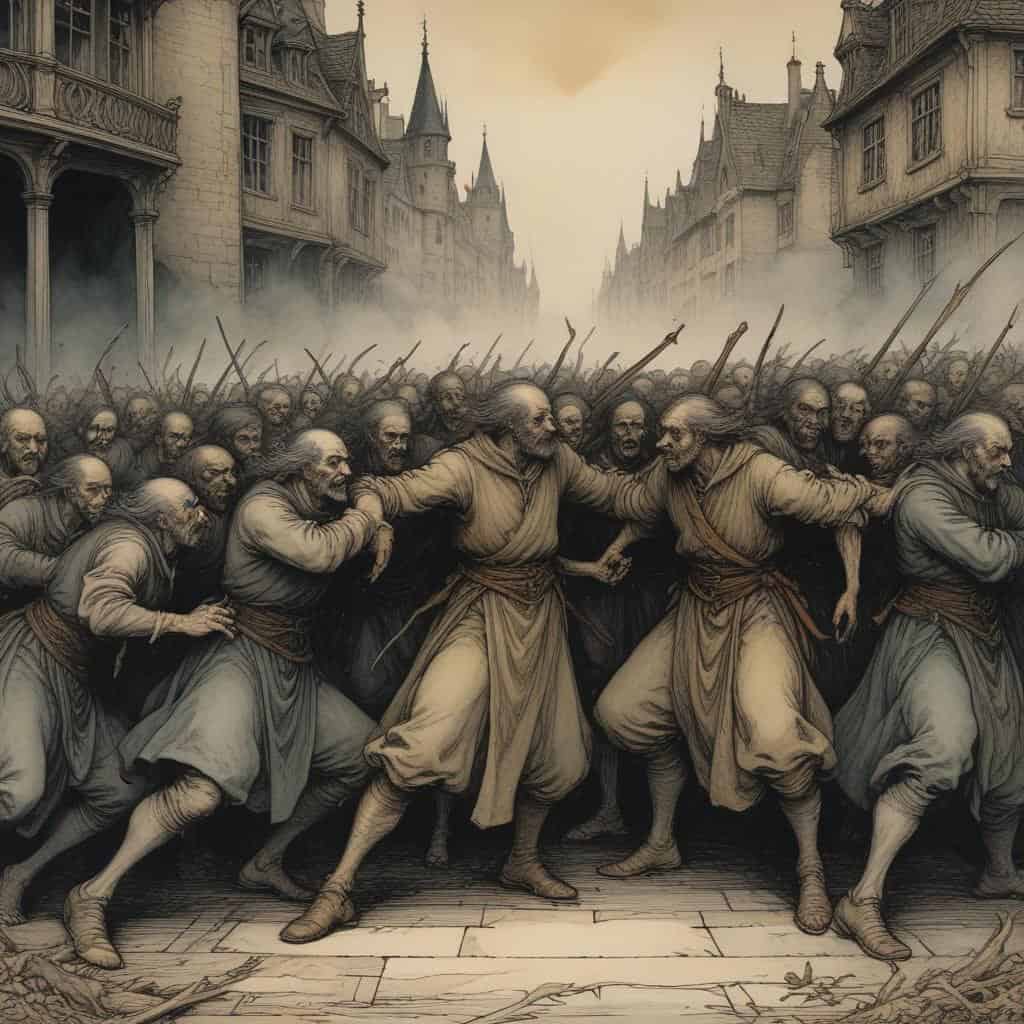


Philip Gellburg

Sylvia Gellburg

Dr. Harry Hyman

Margaret Hyman

Stanton Case

1. Opening Scene
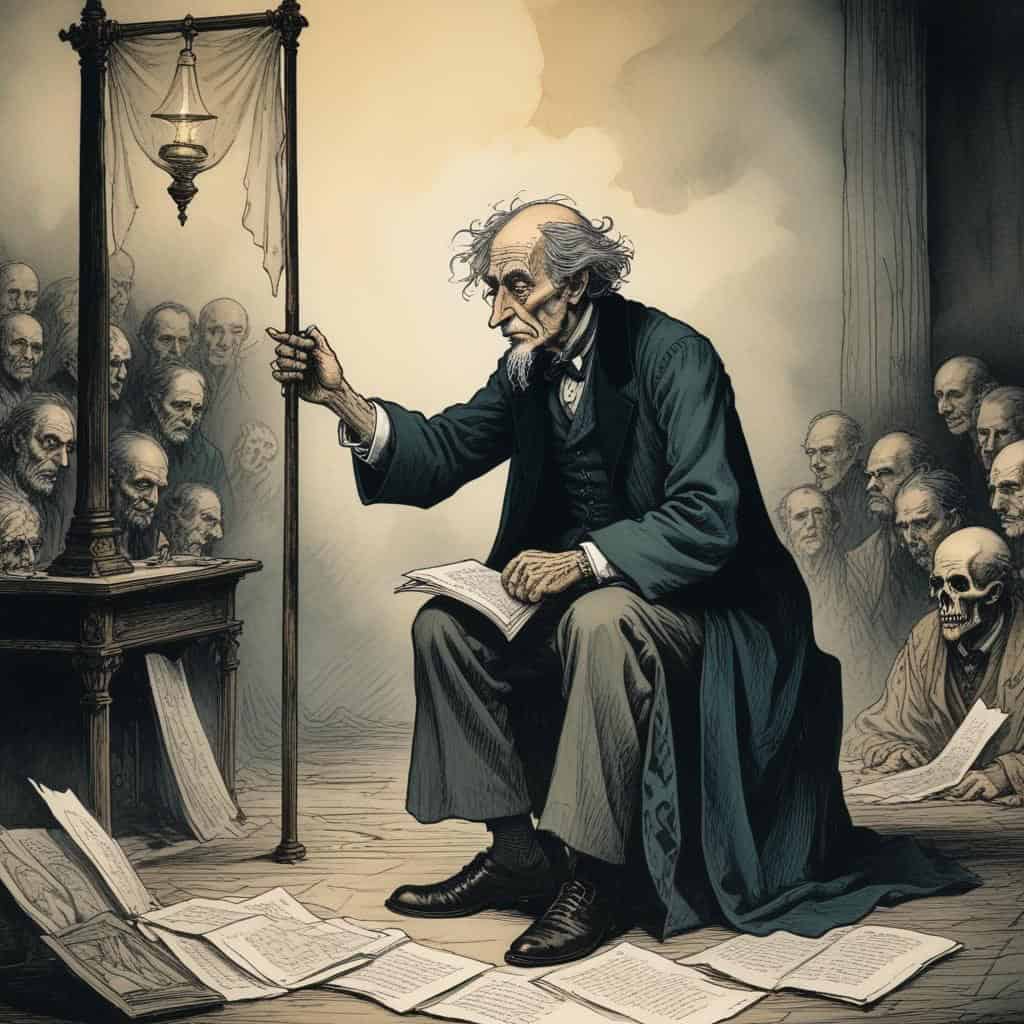
2. Dr. Hymans Investigation

3. Philips Guilt
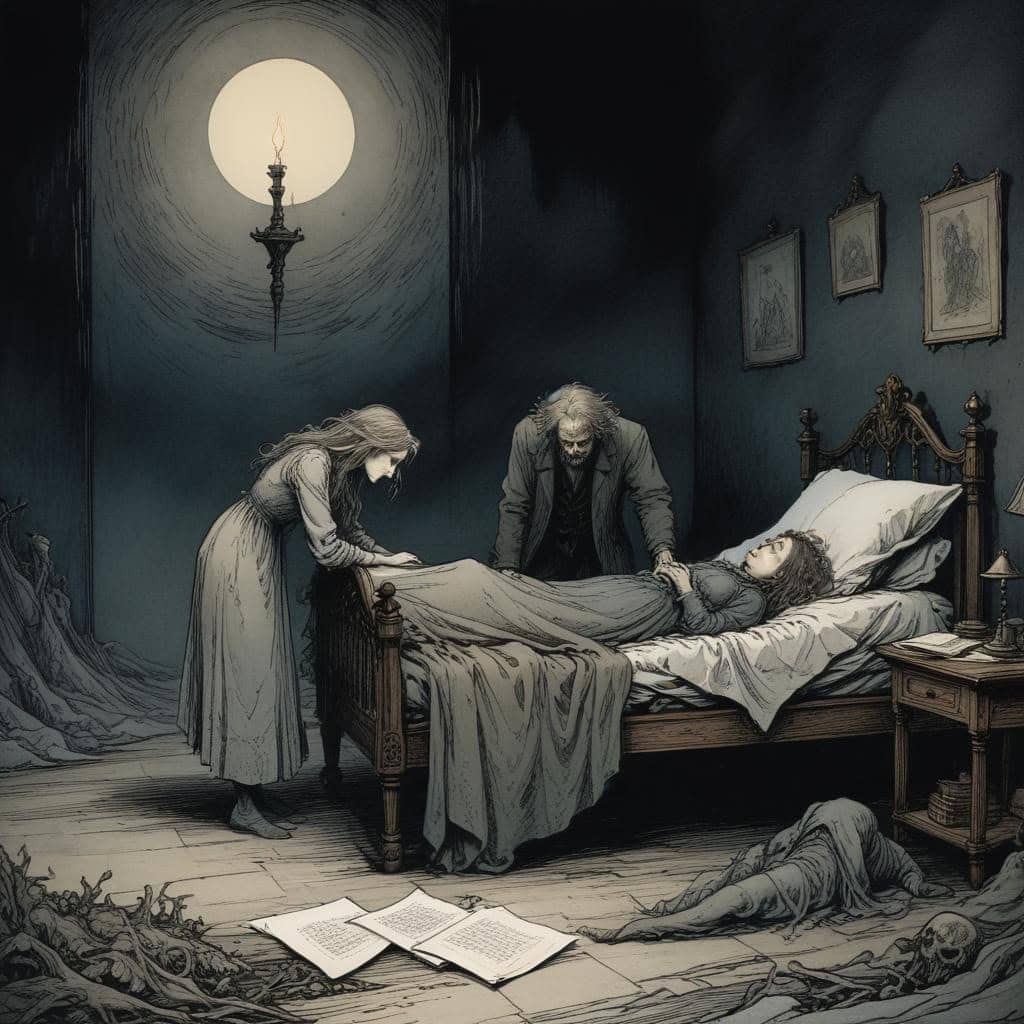
4. The Mystery Deepens
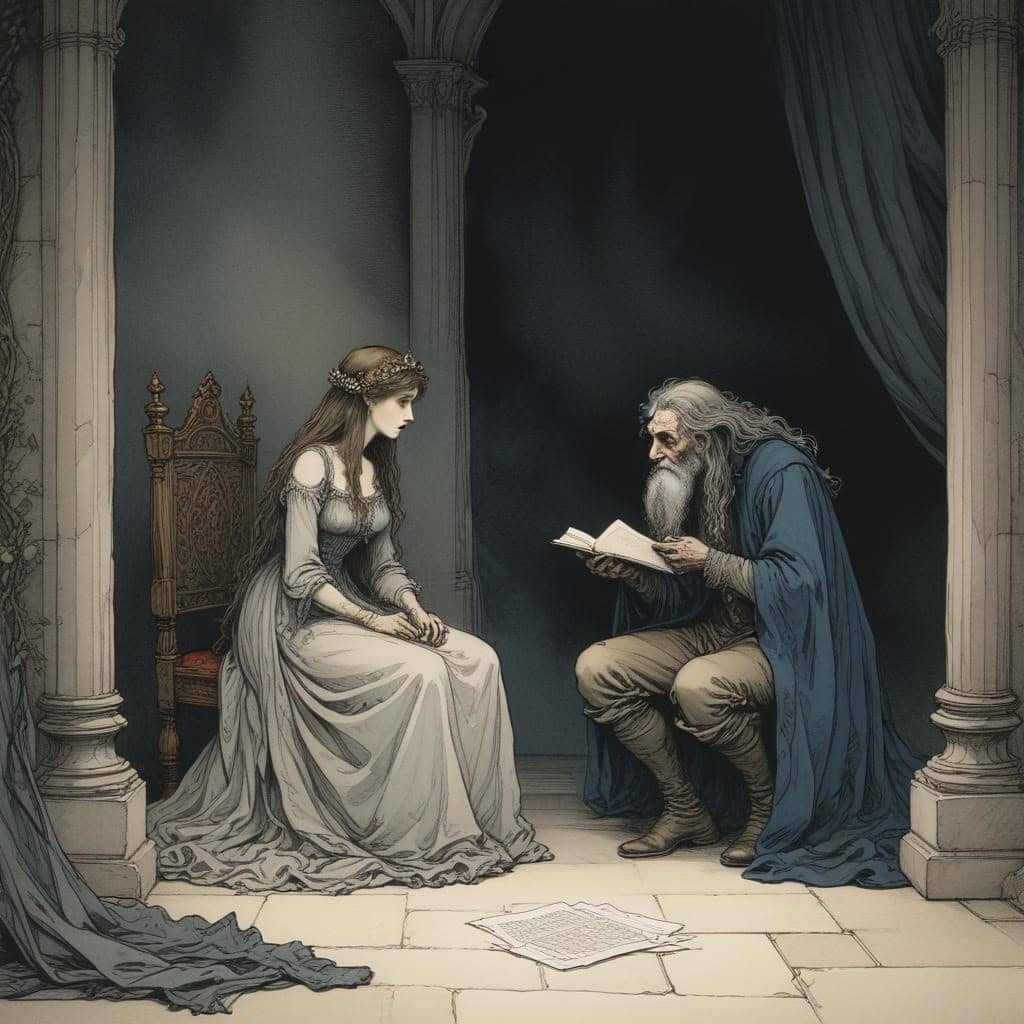
5. The Truth Revealed

6. Philips Awakening

7. Sylvias Transformation

8. Dr. Hymans Role

9. Resolution and Redemption
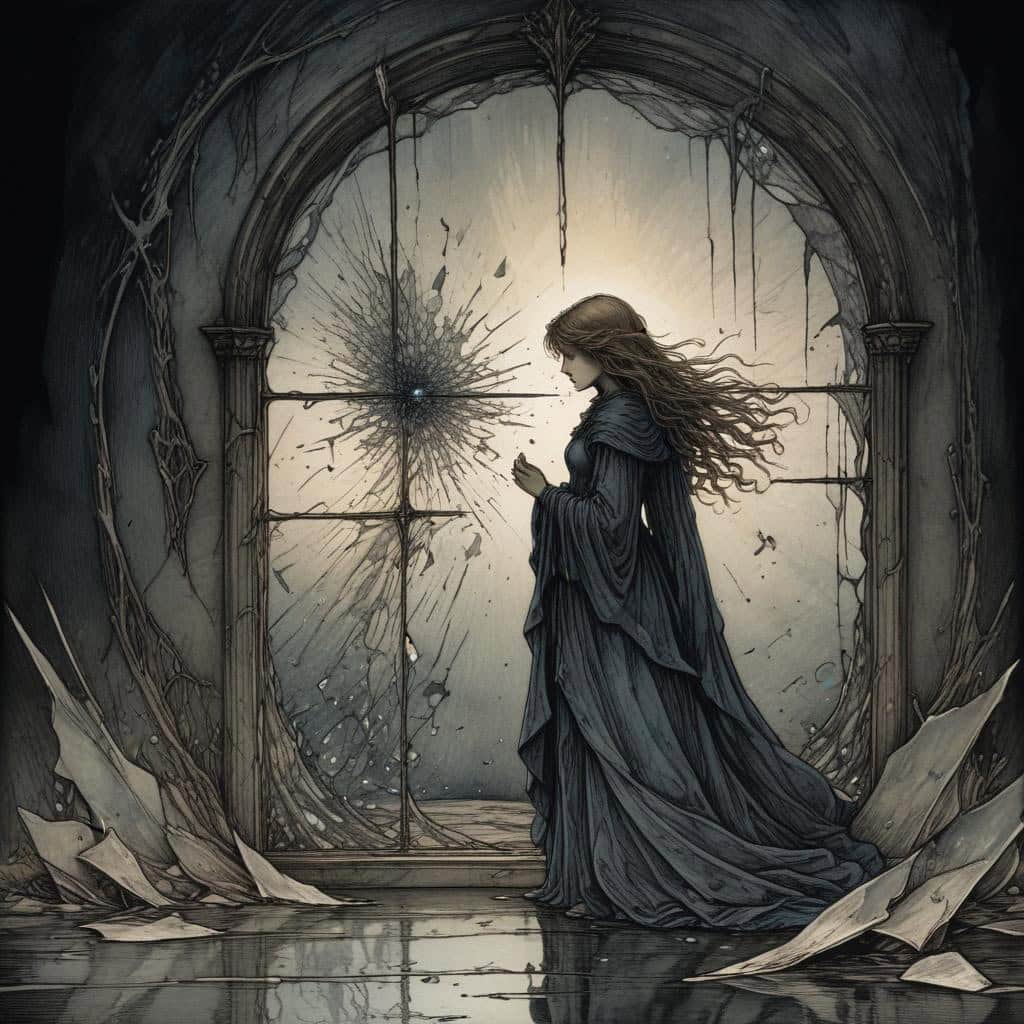
10. Themes and Symbolism

Lesson Details & Resources
In a Nutshell
- What: 'Broken Glass' by Arthur Miller
- When: Written in the 1990s
- Who: Sylvia Gellburg, Phillip Gellburg, Dr. Harry Hyman
- Theme: The play explores themes of identity, self-deception, and the impact of historical events on personal lives.
List of Characters in Broken Glass
-
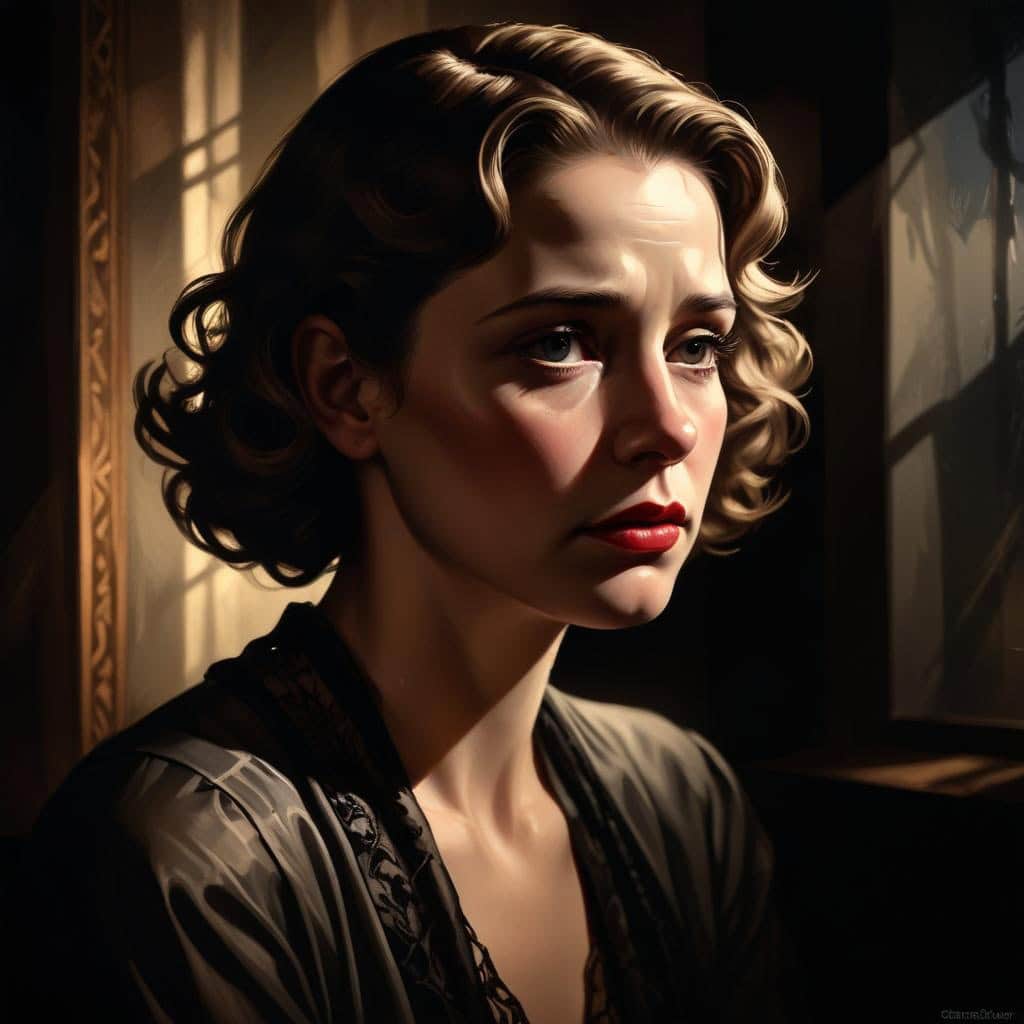
Sylvia Gellburg
Sylvia Gellburg struggles with feelings of inadequacy and self-doubt after a traumatic event causes her to lose feeling in her legs.
-

Philip Gellburg
Philip Gellburg is a successful businessman who is emotionally distant from his wife Sylvia.
-

Harriet
Harriet is Sylvia's outspoken mother who is concerned about her daughter's well-being.
-
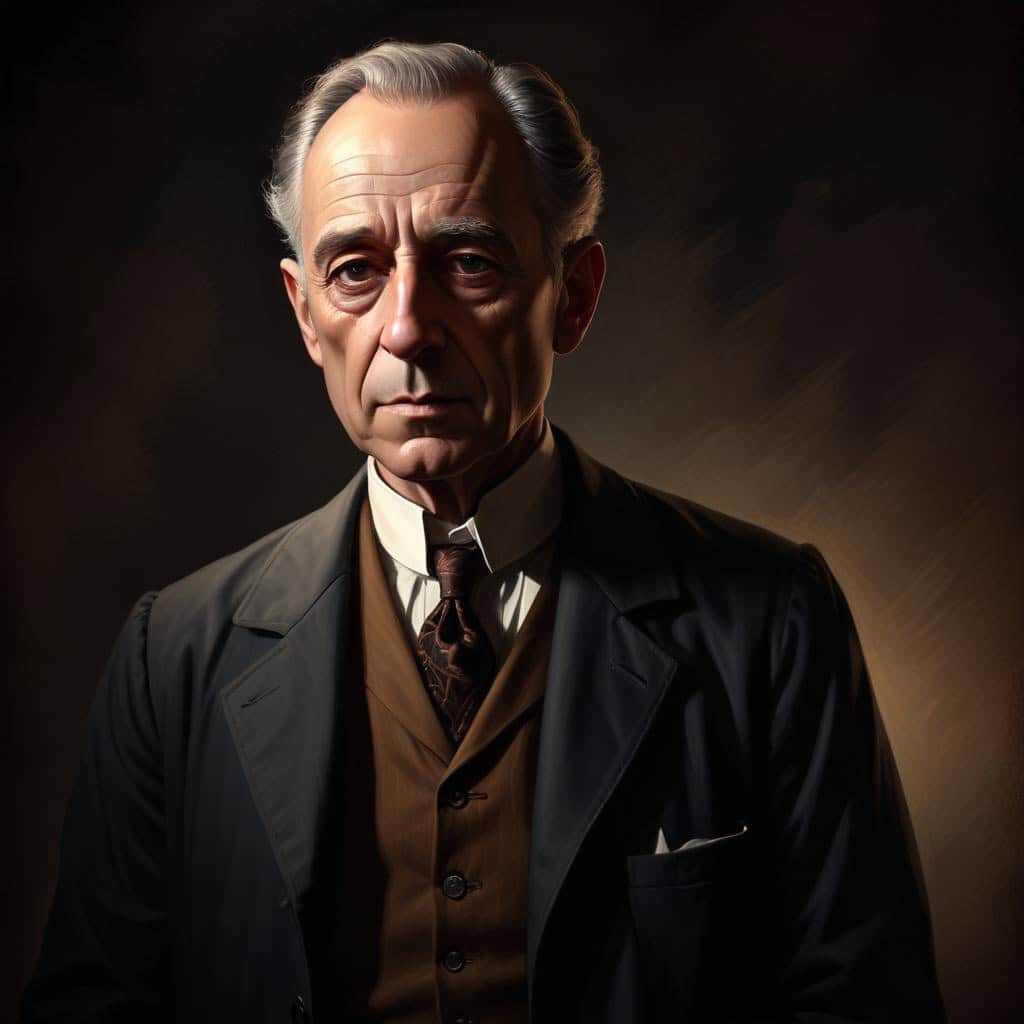
Dr. Harry Hyman
Dr. Harry Hyman is a psychiatrist who tries to help Sylvia come to terms with her physical and emotional paralysis.
-
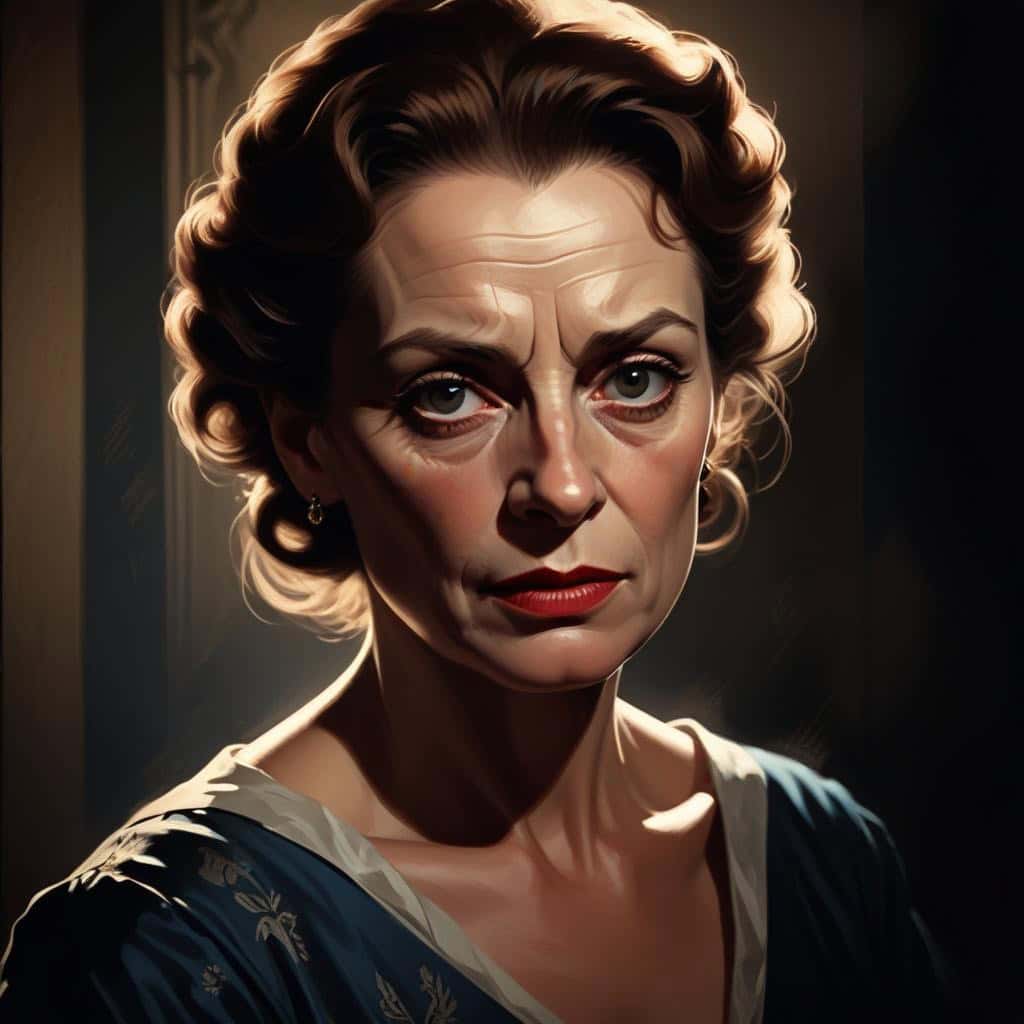
Margaret Hyman
Margaret Hyman is Dr. Hyman's wife who also tries to support Sylvia in her recovery.
Timeline of Broken Glass
A crowd gathers outside the apartment building of the Gellburgs in Brooklyn.
The sound of breaking glass is heard from inside the apartment.
Harriet, the Gellburgs' neighbor, calls the police.
Harriet enters the Gellburgs' apartment and finds Sylvia, the Gellburgs' housekeeper, in a state of shock.
Dr. Harry Hyman arrives at the apartment in response to Harriet's phone call.
Dr. Hyman examines Sylvia and determines that she has cut her hand on a broken glass.
Dr. Hyman questions Sylvia about what happened, but she is unable to give a coherent response.
Harriet reveals to Dr. Hyman that Sylvia is recently married to Philip Gellburg, a Jewish man.
Dr. Hyman suspects that Sylvia's breakdown may be caused by repressed fears and anxieties related to her marriage.
Dr. Hyman attempts to reach Philip Gellburg by phone but is unable to reach him.
Harriet informs Dr. Hyman that Sylvia's breakdown may be related to Kristallnacht, a violent anti-Semitic event that occurred in Nazi Germany.
Dr. Hyman decides to stay with Sylvia until Philip returns home.
Dr. Hyman and Sylvia engage in a conversation about her fears and anxieties.
Philip Gellburg arrives home and is surprised to find Dr. Hyman in the apartment.
Philip reveals to Dr. Hyman that Sylvia's breakdown is likely a result of his own self-loathing as a Jewish man.
Dr. Hyman questions Philip about his views on being Jewish and his relationship with Sylvia.
Sylvia, Philip, and Dr. Hyman engage in a heated argument about their individual fears and identities.
Sylvia expresses her frustration with Philip's self-hatred and his inability to accept their Jewish heritage.
The argument between Sylvia, Philip, and Dr. Hyman escalates, with each character revealing their own personal struggles and conflicts.
The play ends with Sylvia and Philip sitting in silence, contemplating the broken glass and the shattered state of their relationship.
Vocabulary List
Key Facts
This is the information used in the fact matching game
- - Broken Glass is a play written by Arthur Miller.
- - The play is set in Brooklyn, New York, in 1938.
- - The protagonist is Sylvia Gellburg, a Jewish woman in her 30s.
- - Sylvia suddenly becomes paralyzed from the waist down, and doctors are unable to determine the cause.
- - Her husband, Philip Gellburg, is a successful businessman.
- - Sylvia's paralysis coincides with the events of Kristallnacht, a night of violent anti-Jewish attacks in Nazi Germany.
- - Philip is emotionally distant from Sylvia and struggles to understand her condition.
- - Dr. Harry Hyman is Sylvia's physician, who becomes increasingly obsessed with her case.
- - Dr. Hyman suspects Sylvia's paralysis is psychosomatic and attempts to uncover the psychological roots of her condition.
- - Harriet is Sylvia's sister, who encourages Sylvia to explore her feelings and confront her fears.
- - Harriet introduces Sylvia to a young man named Billy, who lost his legs in a childhood accident.
- - Billy's resilience and positive outlook inspire Sylvia to confront her own fears and emotions.
- - The play explores themes of identity, assimilation, the power of fear, and the effects of discrimination.
- - As the play progresses, tensions rise between Sylvia and Philip, exposing the cracks in their marriage.
- - The Gellburgs' marriage is further strained when Philip's boss fires him for being Jewish.
- - Sylvia's condition begins to improve as she confronts her fears and experiences a newfound sense of empowerment.
- - The play ends with Sylvia defiantly walking, symbolizing her liberation from fear and emotional paralysis.
- - Broken Glass premiered on Broadway in 1994 and was nominated for a Tony Award for Best Play.
- - Arthur Miller wrote the play in response to the rise of anti-Semitism in the 1990s.
- - Broken Glass explores the psychological and emotional impacts of oppression and the importance of self-realization.
Analysis & Significance
Impact on Literature
‘Broken Glass’ has had a significant impact on literature by challenging traditional narrative structures and offering a unique exploration of memory and perception. Its innovative approach to storytelling has inspired other writers to experiment with form and perspective, pushing the boundaries of what is possible in fiction.
Enduring Themes
The themes of trauma, identity, and the unreliability of memory explored in ‘Broken Glass’ continue to resonate with modern audiences. The novel’s examination of how past experiences shape our present selves and the ways in which we construct our own narratives remains relevant in today’s society.
Cultural Significance Today
‘Broken Glass’ has left a lasting legacy in literature and has been adapted into various forms, including stage plays and films. Its exploration of memory and the complexities of human relationships has made it a timeless classic that continues to be studied and celebrated in academic and artistic circles. Its influence can be seen in contemporary works that explore similar themes of memory and identity.
Broken Glass Games


Take Your Learning Offline
Want a convenient, print-ready study guide for this lesson? Become a Memory Wizards Pro member to unlock the downloadable " Memory Scrolls" for this topic and our entire library!
- ✓ Complete Vocabulary Lists
- ✓ Key Facts & Timelines
- ✓ Beautifully Formatted for Print & Mobile