
How Do You Learn Best?
Learn by Listening
Start with the 3-minute audio summary to get the key facts and narrative highlights quickly.
Learn by Reading
Immerse yourself in the 10-minute visual lesson for a comprehensive understanding of the topic.
Learn by Reviewing
Jump directly to the key facts, timeline, and vocabulary lists to build a solid foundation of details.
Learn by Doing
Challenge yourself! Jump straight into the interactive games to learn by trial, error, and discovery.
Audio Library
As one of our featured lessons, this topic includes premium audio guides.
Unlock the Wizard's Cram Session
This powerful audio study guide is a Pro-exclusive feature. Upgrade to Memory Wizards Pro to access this and all of our premium learning tools.
Upgrade to ProAfter the Fall in 10 Minutes

Introduction



Quentin

Louise

Maggie

Holga
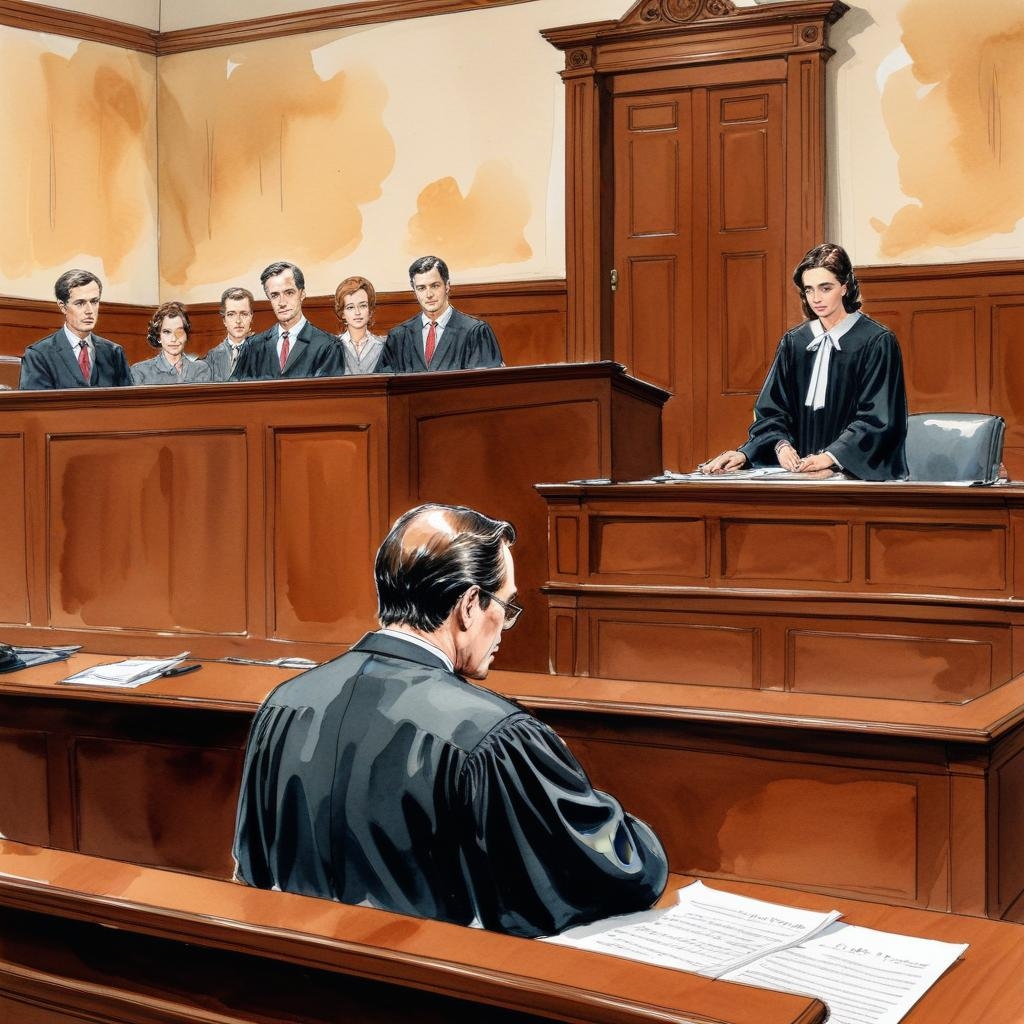
1. Quentins Divorce

2. Meeting Maggie

3. Maggies Past
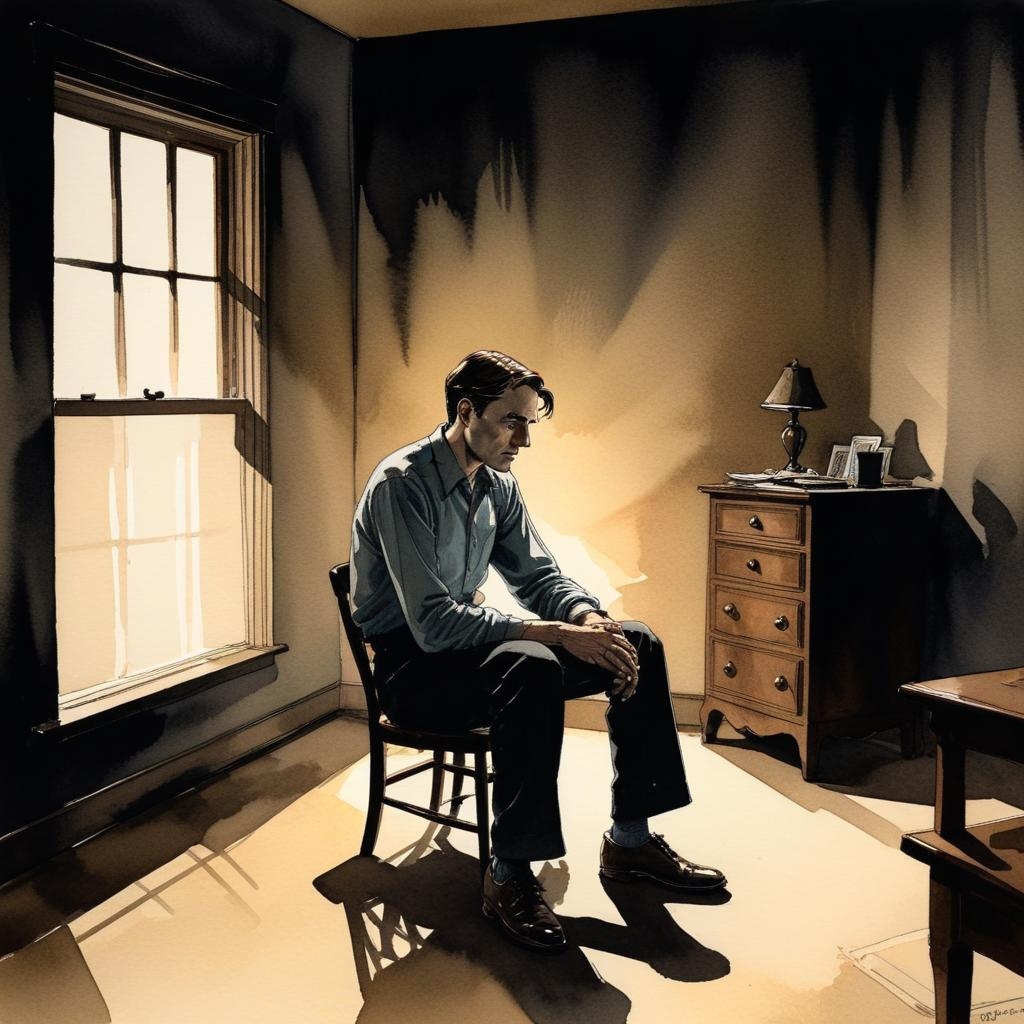
4. Guilt and Self-Reflection
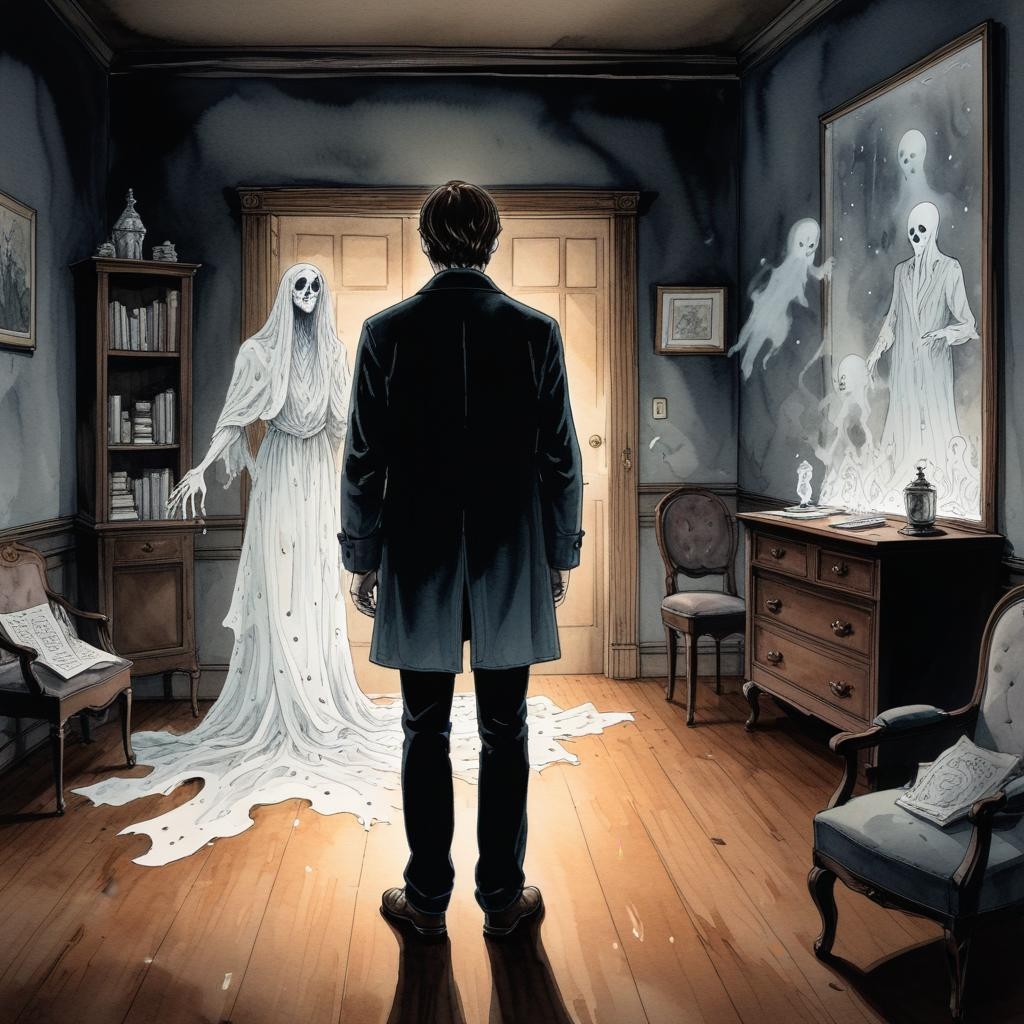
5. Confronting the Truth
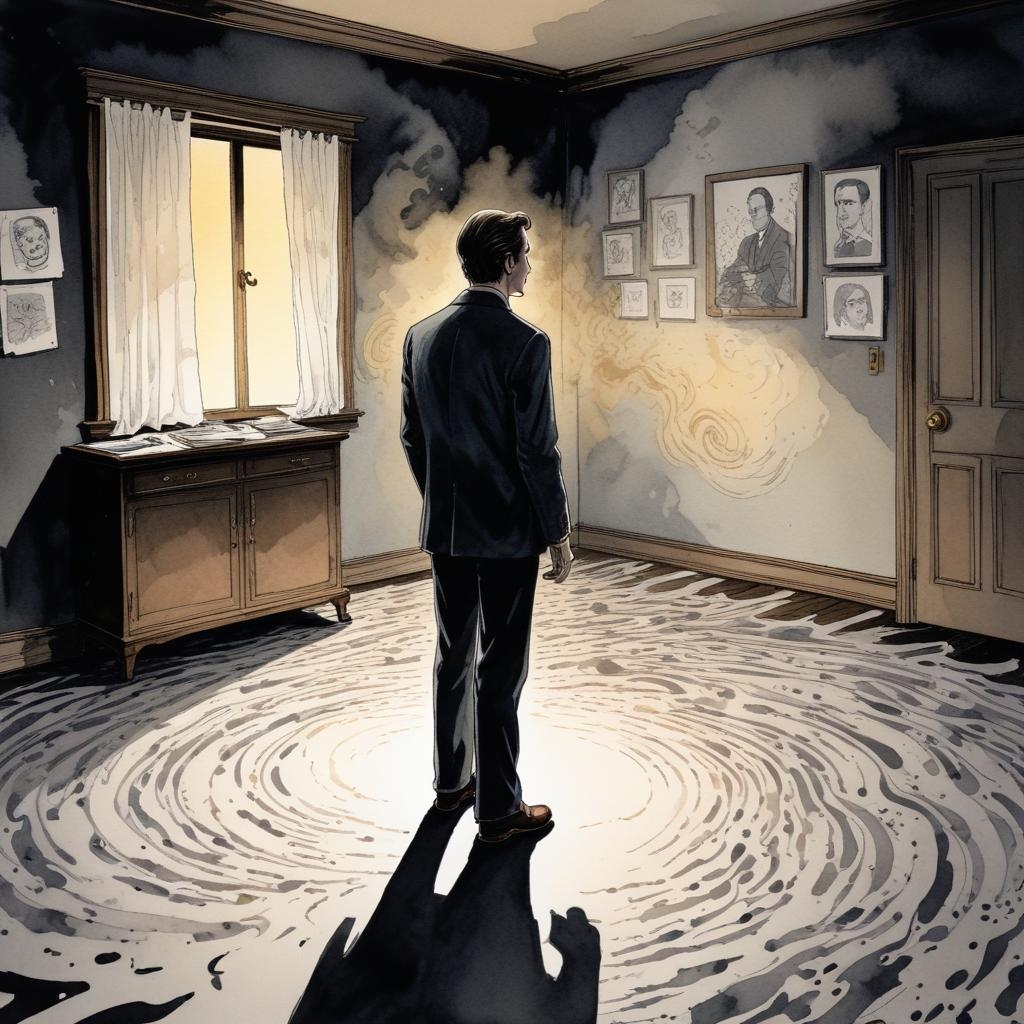
6. Facing the Consequences

7. Maggies Tragic End

8. Seeking Redemption

9. Closure and Healing

10. Moving Forward

Lesson Details & Resources
In a Nutshell
- What: Play ‘After the Fall’ by Arthur Miller
- When: Written in the mid-20th century
- Who: Main characters include Quentin, Louise, and Maggie
- Theme: Psychological exploration of guilt, trauma, and personal responsibility
List of Characters in After the Fall
-

Quentin
Quentin is a young man struggling to come to terms with the aftermath of a tragic event
-

Louise
Louise is Quentin's mother, who is trying to support her son while dealing with her own grief
-

Elkins
Elkins is a family friend who offers support to Quentin and his mother
-

Dr. Simon
Dr. Simon is a psychiatrist who tries to help Quentin work through his trauma
-

Mrs. Elkins
Mrs. Elkins is Elkins' wife, who also tries to help Quentin and his mother
-

Sylvia
Sylvia is Quentin's girlfriend, who is also dealing with the fallout of the tragic event
-

Mrs. Simon
Mrs. Simon is Dr. Simon's wife, who offers support and guidance to Quentin and his mother
-

Mr. Simon
Mr. Simon is Dr. Simon's father, who has his own struggles with the past
Timeline of After the Fall
Quentin is in a hospital bed, recovering from a fall.
Quentin's wife, Louise, visits him in the hospital.
Louise reveals that she has been having an affair with a man named Holga.
Quentin reflects on his life and marriage, feeling betrayed and disillusioned.
Dr. Speiser, Quentin's doctor, enters the room and discusses his condition.
Quentin recalls the moment of his fall, describing how he was trying to catch a falling leaf.
Quentin and Louise argue about their relationship and the choices they have made.
Quentin expresses his desire to leave his wife and start a new life.
Louise pleads with Quentin to forgive her and stay together.
Quentin contemplates suicide but decides against it.
Quentin and Louise begin to reconcile and express their love for each other.
Quentin reflects on the idea of starting over and rebuilding their relationship.
Vocabulary List
- Cataclysmic
- The cataclysmic event of the stock market crash in 1929.
- Desolation
- The desolation of the characters after the collapse of the family business.
- Betrayal
- The betrayal of ideals and values that occurs in the aftermath of the financial crisis.
- Redemption
- The search for redemption and hope in a world shattered by economic collapse.
- Illusion
- The illusion of the American Dream and its impact on the characters' lives.
- Resilience
- The resilience of the characters as they strive to rebuild their lives after the fall.
- Guilt
- The guilt felt by the characters for their role in the family's downfall.
- Denial
- The denial of reality and the consequences of their actions that the characters struggle with.
- Isolation
- The isolation and alienation experienced by the characters as they confront their personal demons.
- Disillusionment
- The disillusionment with society and themselves that the characters grapple with.
- Hopelessness
- The overwhelming sense of hopelessness that pervades the characters' lives in the aftermath of the collapse.
Key Facts
This is the information used in the fact matching game
- - After the Fall is a play written by Arthur Miller.
- - It was first performed in 1964.
- - The play is a semi-autobiographical account of Miller's own experiences.
- - The story follows the character of Quentin, a successful lawyer.
- - Quentin reflects on his past relationships and personal struggles.
- - The play explores themes of guilt, responsibility, and the human condition.
- - It delves into the aftermath of World War II and its impact on individuals.
- - Quentin's failed marriage to his ex-wife, Louise, is a central focus of the story.
- - The play also examines Quentin's relationship with Maggie, a troubled singer.
- - Maggie's character is inspired by Miller's former wife, Marilyn Monroe.
- - Miller explores the complexities of love and the challenges of maintaining a relationship.
- - The play incorporates elements of memory and flashback sequences.
- - Quentin's guilt over his perceived failures haunts him throughout the story.
- - After the Fall received mixed reviews upon its initial release.
- - Some critics praised its introspective nature, while others found it self-indulgent.
- - The play's controversial depiction of the character based on Marilyn Monroe sparked debate.
- - Despite the initial reception, After the Fall has gained recognition over time.
- - It is considered one of Miller's most personal and introspective works.
- - The play has been adapted and performed in various countries around the world.
- - After the Fall continues to be studied and analyzed for its psychological depth and exploration of human relationships.
Analysis & Significance
Impact on Literature
‘After the Fall’ has had a significant impact on literature by challenging traditional narratives and exploring the complexities of memory and perception. The fragmented structure of the work forces readers to reconsider their understanding of truth and reality, paving the way for experimental storytelling techniques in modern literature.
Enduring Themes
The themes of guilt, redemption, and the fallibility of memory in ‘After the Fall’ continue to resonate with modern audiences. The exploration of how past experiences shape one’s present identity and the struggle to come to terms with one’s own past mistakes are universal themes that continue to captivate readers across generations.
Cultural Significance Today
‘After the Fall’ remains culturally significant today for its profound exploration of memory and trauma. The work has inspired numerous adaptations in various art forms, including theater and film, further solidifying its place as a classic in literary history. Its enduring relevance in discussions of memory and personal responsibility ensures that ‘After the Fall’ will continue to be studied and appreciated for years to come.
After the Fall Games


Take Your Learning Offline
Want a convenient, print-ready study guide for this lesson? Become a Memory Wizards Pro member to unlock the downloadable " Memory Scrolls" for this topic and our entire library!
- ✓ Complete Vocabulary Lists
- ✓ Key Facts & Timelines
- ✓ Beautifully Formatted for Print & Mobile