
At a Glance - Infographic
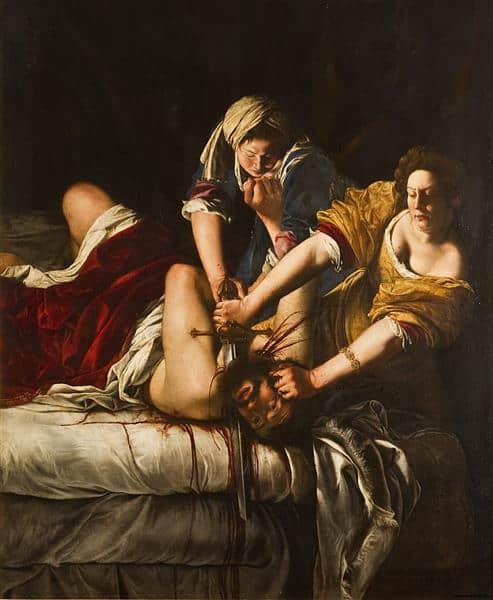
A powerful depiction of Judith beheading Holofernes in a violent act of revenge
How Do You Learn Best?
Learn by Listening
Start with the 3-minute audio summary to get the key facts and narrative highlights quickly.
Learn by Reading
Immerse yourself in the 10-minute visual lesson for a comprehensive understanding of the topic.
Learn by Reviewing
Jump directly to the key facts, timeline, and vocabulary lists to build a solid foundation of details.
Learn by Doing
Challenge yourself! Jump straight into the interactive games to learn by trial, error, and discovery.
Deconstructing the Masterpiece
Violent Action
The forceful act of Judith beheading Holofernes is captured in a dramatic and brutal manner, showcasing the intensity of the moment.
Empowerment of Women
Judith's assertive posture and focused expression challenge traditional gender roles, emphasizing female strength and agency.
Gory Realism
The visceral depiction of blood and gore adds a sense of realism and horror to the scene, heightening the emotional impact on the viewer.
Audio Library
As one of our featured lessons, this topic includes premium audio guides.
Unlock the Wizard's Cram Session
This powerful audio study guide is a Pro-exclusive feature. Upgrade to Memory Wizards Pro to access this and all of our premium learning tools.
Upgrade to ProA Guide to Artemisia Gentileschi: The Pioneering Baroque Artist in 10 Minutes
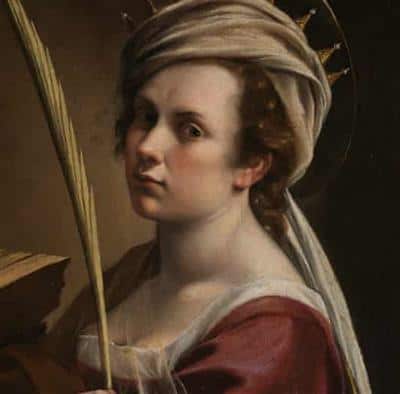
Early Life and Training
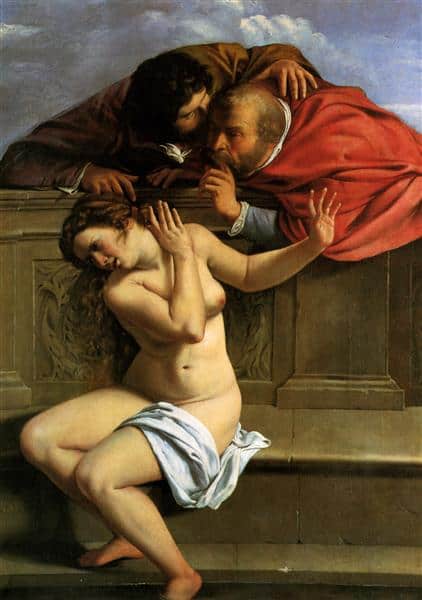
Tragic Event
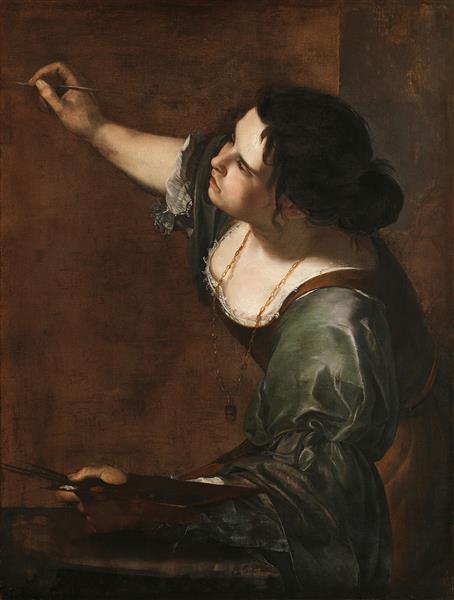
Success in Florence
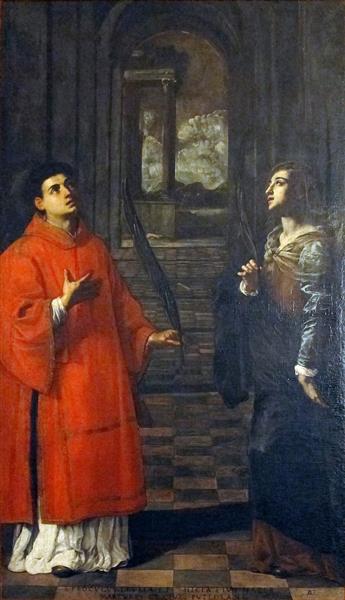
Return to Rome
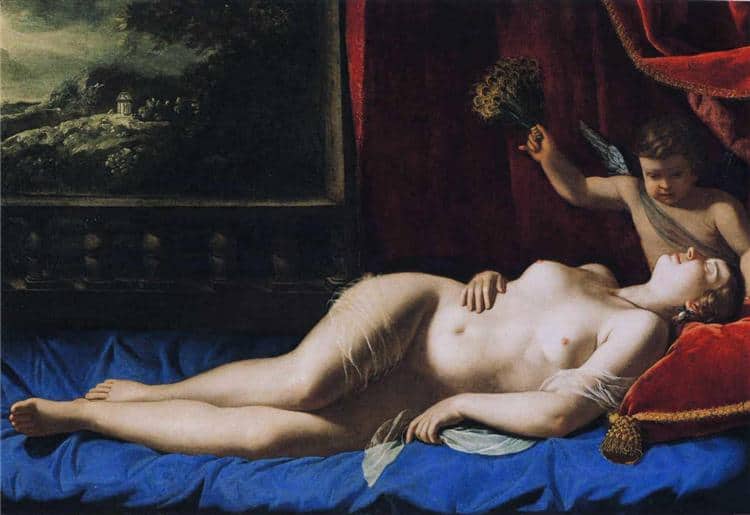
Influence and Legacy
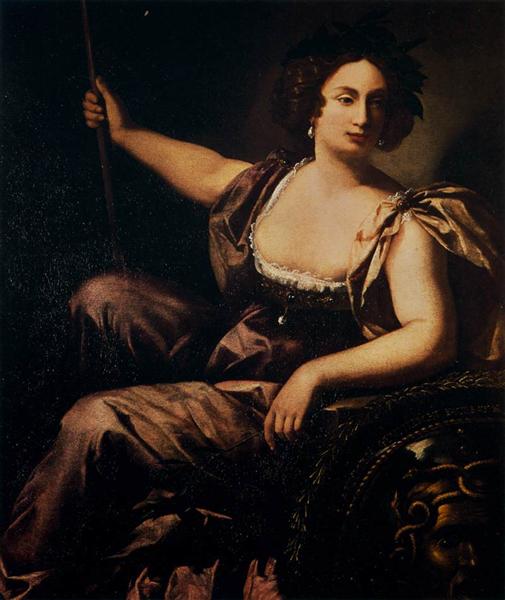
Recognition and Rediscovery
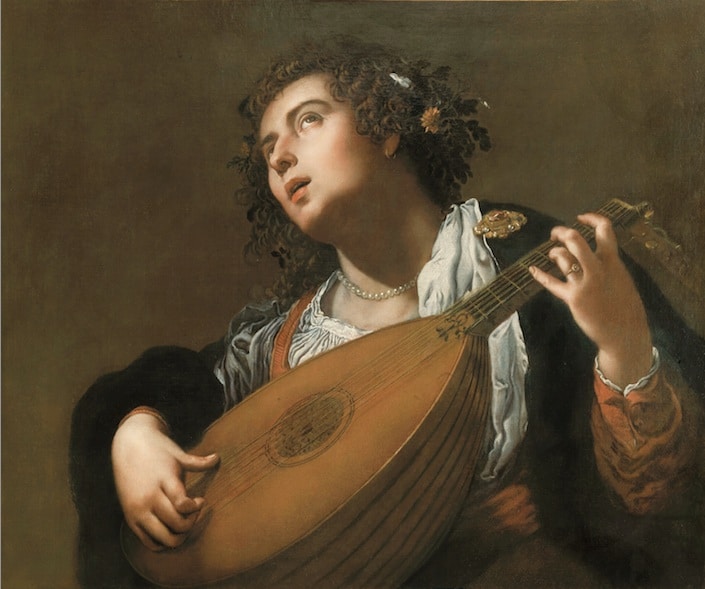
Personal Life and Family
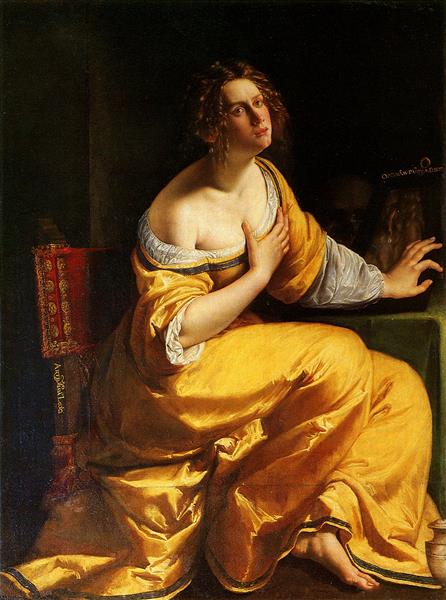
Artistic Style
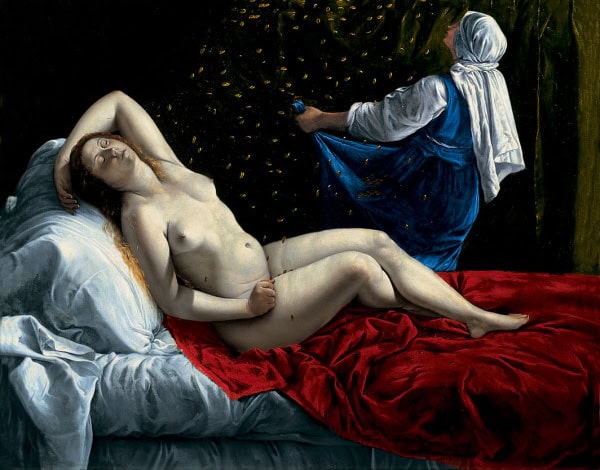
Final Years and Death
Lesson Details & Resources
In a Nutshell
- When: 17th century
- Characteristics: Baroque, dramatic, naturalistic
- Key Artists: Artemisia Gentileschi, Caravaggio, Rembrandt
- Major Work: Judith Slaying Holofernes
Vocabulary List
- Caravaggio
- Artemisia Gentileschi was heavily influenced by the dramatic lighting and intense realism of Caravaggio's paintings.
- Judith
- One of Artemisia Gentileschi's most famous paintings is 'Judith Slaying Holofernes', depicting the biblical story of Judith beheading the Assyrian general.
- Female artist
- Artemisia Gentileschi was a pioneering female artist in a male-dominated art world.
- Violence
- Many of Artemisia Gentileschi's paintings depict scenes of violence and struggle.
- Feminism
- Artemisia Gentileschi's work is often seen as a feminist statement, challenging traditional gender roles.
- Rape
- Artemisia Gentileschi's personal experience of rape is thought to have influenced her depiction of strong, vengeful women in her paintings.
- Emotion
- Artemisia Gentileschi's paintings are known for their intense emotional expression.
- Realism
- Artemisia Gentileschi's paintings are characterized by their realistic depiction of human anatomy and emotion.
- Dramatic lighting
- Artemisia Gentileschi often used chiaroscuro, or dramatic lighting, in her paintings to create a sense of drama and intensity.
- Heroine
- Artemisia Gentileschi's paintings often feature strong, heroic women as their central figures.
- Allegory
- Artemisia Gentileschi's paintings often contain allegorical elements, with symbolic meanings hidden within the composition.
- Power
- Artemisia Gentileschi's paintings often explore themes of power and agency.
- Danaë
- Artemisia Gentileschi painted a famous version of the mythological scene of Danaë and the shower of gold.
- Portrait
- Artemisia Gentileschi was also a skilled portrait painter, capturing the likeness and personality of her subjects.
- Jael
- Artemisia Gentileschi painted a powerful portrayal of the biblical figure Jael, who killed the Canaanite general Sisera.
- Sculpture
- Artemisia Gentileschi's father, Orazio Gentileschi, was a well-known painter and sculptor who influenced her artistic style.
- History painting
- Artemisia Gentileschi was known for her historical and biblical paintings, which often depicted scenes of violence and heroism.
- Academy
- Artemisia Gentileschi was one of the few female artists to be admitted to the prestigious Accademia di Arte del Disegno in Florence.
- Workshop
- Artemisia Gentileschi ran a successful workshop in Rome, where she trained other artists and assistants.
- Influence
- Artemisia Gentileschi's work has had a lasting influence on the depiction of women in art and popular culture.
Timeline of A Guide to Artemisia Gentileschi: The Pioneering Baroque Artist
Artemisia Gentileschi is born in Rome, Italy
Artemisia begins her artistic training under her father, Orazio Gentileschi
Artemisia's first known painting, 'Susanna and the Elders', is completed
Artemisia is raped by Agostino Tassi, a painter who was hired by her father as her tutor
Artemisia's trial against Tassi begins
Artemisia moves to Florence, Italy
Artemisia becomes the first woman to be accepted into the Accademia delle Arti del Disegno in Florence
Artemisia marries Pierantonio Stiattesi
Artemisia gives birth to her daughter, Prudentia
Artemisia's most famous painting, 'Judith Slaying Holofernes', is completed
Artemisia moves to Venice, Italy
Artemisia returns to Naples, Italy
Artemisia becomes the court painter to King Philip IV of Spain
Artemisia moves to London, England
Artemisia's husband, Pierantonio, dies
Artemisia moves back to Naples
Artemisia's father, Orazio, dies
Artemisia's death
Posthumous recognition of Artemisia's talent and influence on Baroque art
Key Facts
This is the information used in the fact matching game
- Artemisia Gentileschi was an Italian Baroque painter known for her powerful and dramatic works.
- Artemisia Gentileschi was one of the first women artists to achieve recognition in the male-dominated world of art.
- Artemisia Gentileschi was trained by her father, Orazio Gentileschi, who was also a painter.
- Artemisia Gentileschi's most famous painting is 'Judith Slaying Holofernes', a powerful and violent depiction of the biblical story.
- Artemisia Gentileschi often featured strong and heroic women in her paintings, reflecting her own experiences as a woman artist.
- Artemisia Gentileschi's work is characterized by intense emotion, rich colors, and dynamic compositions.
- Artemisia Gentileschi was influenced by Caravaggio's use of chiaroscuro, or the contrast between light and dark.
- Artemisia Gentileschi's personal life, including her rape trial, has been the subject of much scholarship and speculation.
- Artemisia Gentileschi was the first woman to be admitted to the Accademia di Arte del Disegno in Florence.
- Artemisia Gentileschi's work was highly regarded during her lifetime and she received commissions from prominent figures, including royalty.
- Artemisia Gentileschi's paintings often depict scenes of violence and revenge, reflecting her own struggles and experiences.
- Artemisia Gentileschi's work has been rediscovered and reevaluated in recent years, leading to greater recognition and appreciation for her contributions to art history.
- Artemisia Gentileschi's unique perspective as a woman artist in a male-dominated field has inspired feminist art historians and scholars.
- Artemisia Gentileschi's paintings often feature dynamic poses and gestures that convey a sense of movement and drama.
- Artemisia Gentileschi's work has been compared to that of other Baroque artists, such as Caravaggio and Rembrandt, for its emotional intensity and realism.
- Artemisia Gentileschi's paintings have been featured in major art exhibitions and museums around the world, solidifying her reputation as a significant artist.
- Artemisia Gentileschi's legacy as a pioneering woman artist continues to inspire and influence contemporary artists and scholars.
- Artemisia Gentileschi's works are prized by collectors and art enthusiasts for their emotional depth and technical skill.
- Artemisia Gentileschi's paintings often explore themes of power, violence, and justice, reflecting the turbulent political and social climate of her time.
- Artemisia Gentileschi's paintings have been studied for their innovative use of perspective and composition, breaking with traditional Baroque conventions.
Analysis & Significance
Historical Context
Artemisia Gentileschi was a Baroque painter who lived in Italy during the 17th century. She was one of the few successful female artists of her time, overcoming the societal barriers that restricted women from pursuing careers in the arts. The Baroque period was characterized by dramatic lighting, intense emotions, and a focus on realism, which influenced Gentileschi’s work.
Defining Characteristics
Gentileschi’s paintings often featured strong, dynamic female figures, reflecting her own experiences as a woman in a male-dominated society. Her use of chiaroscuro, or the contrast between light and dark, created a sense of drama and emotion in her works. Gentileschi was also known for her vivid depictions of violence and revenge, which set her apart from other artists of her time.
Lasting Influence
Artemisia Gentileschi’s legacy lies in her ability to challenge gender norms and pave the way for future generations of female artists. Her powerful portrayals of women have inspired feminist art movements and continue to resonate with audiences today. Gentileschi’s emphasis on realism and emotion also had a lasting impact on the development of Baroque art, influencing subsequent artists such as Caravaggio and Rembrandt.
A Guide to Artemisia Gentileschi: The Pioneering Baroque Artist Games


Take Your Learning Offline
Want a convenient, print-ready study guide for this lesson? Become a Memory Wizards Pro member to unlock the downloadable " Memory Scrolls" for this topic and our entire library!
- ✓ Complete Vocabulary Lists
- ✓ Key Facts & Timelines
- ✓ Beautifully Formatted for Print & Mobile