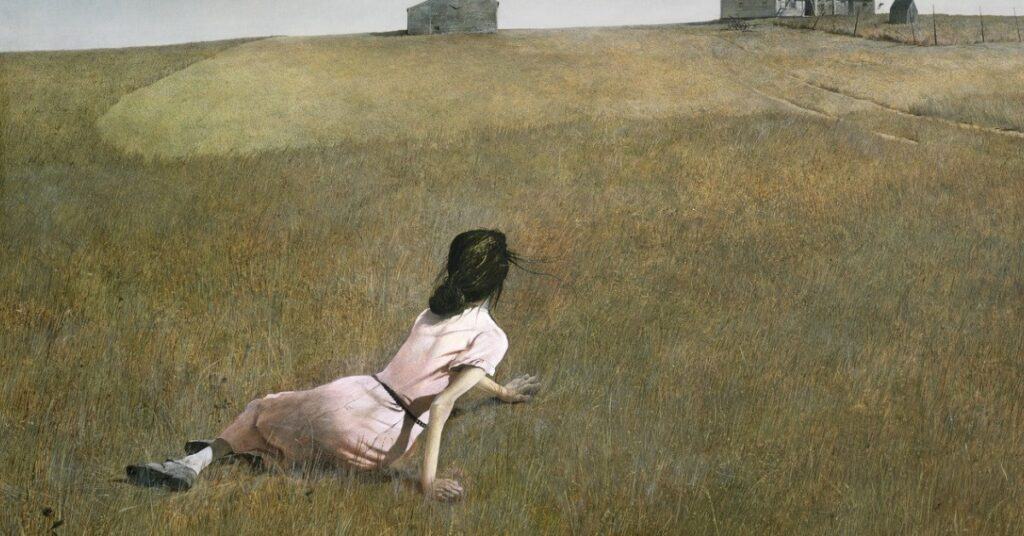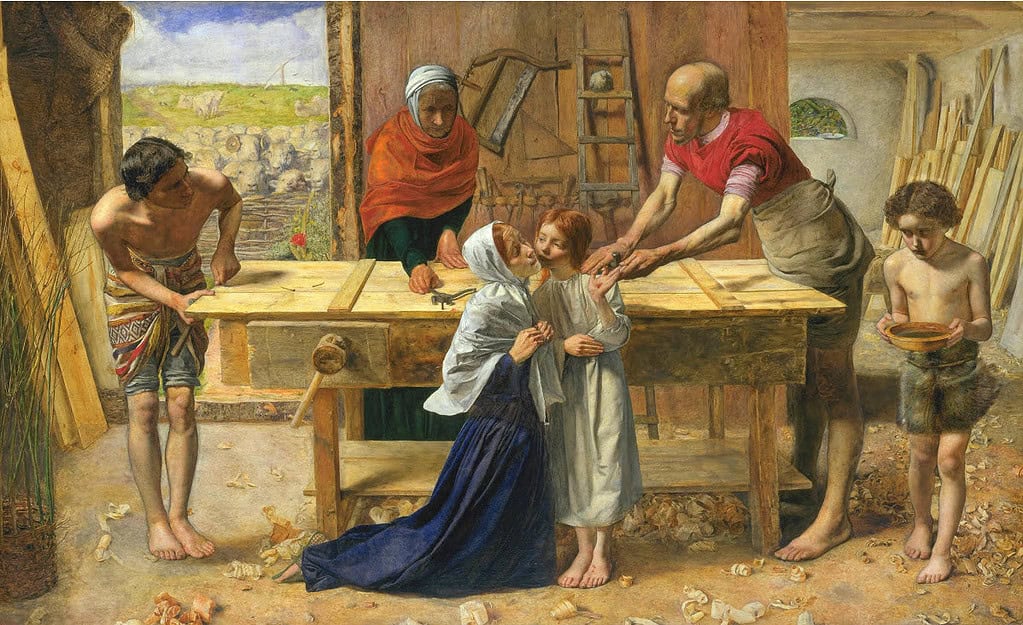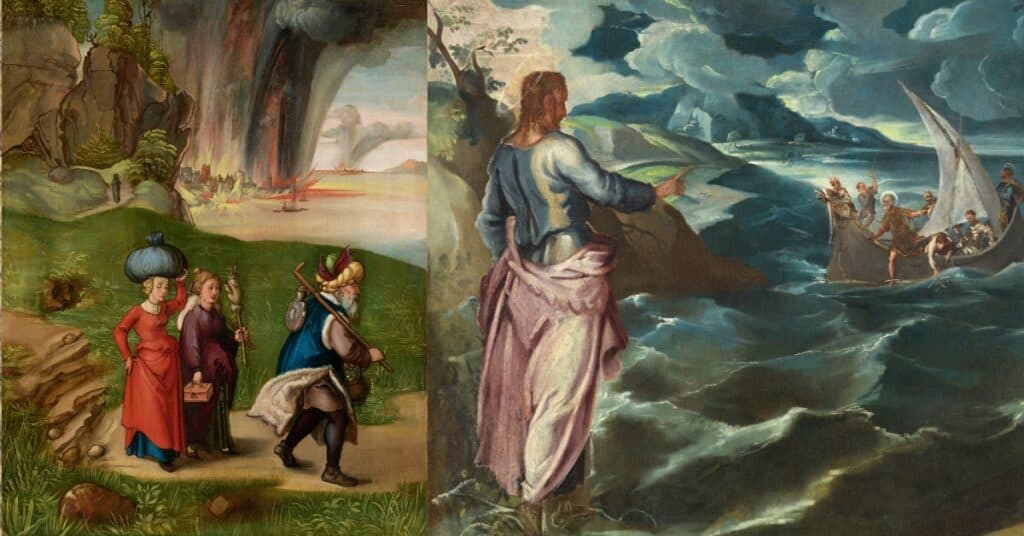
Art history is filled with diverse styles that have evolved over centuries. From the intricate details of Renaissance art to the bold colors of Abstract Expressionism, each style offers a unique glimpse into its time’s cultural and artistic movements. In this listicle, we will explore 10 essential art history styles that have impacted art.
Understanding these different styles will help you appreciate and interpret works of art with a deeper level of insight. Whether you are a seasoned art enthusiast or just beginning to explore the art world, knowing these key styles will help you navigate the vast landscape of art history with confidence and understanding.
List of 10 Art History Styles
1. Renaissance
The Renaissance period began in Italy in the 14th century and is known for its focus on humanism and realism in art. Artists like Leonardo da Vinci and Michelangelo created masterpieces that showcased a newfound interest in the human form and perspective. This style also emphasized using light and shadow to create depth in paintings.
2. Baroque
Baroque art originated in the 17th century and is characterized by its dramatic use of light and shadow, vivid colors, and ornate details. Artists like Caravaggio and Rembrandt created emotionally charged works that often depicted religious or mythological scenes. Baroque art is known for its grandeur and opulence.
3. Rococo
Rococo art flourished in the 18th century and is characterized by its light-hearted and playful style. Artists like Jean-Honoré Fragonard created ornate, whimsical works and often depicted scenes of love and leisure. Rococo art is known for its pastel colors, delicate brushwork, and decorative motifs.
4. Neoclassicism
Neoclassicism emerged in the late 18th century as a reaction against the excesses of the Rococo style. Artists like Jacques-Louis David sought to revive the ideals of ancient Greece and Rome in their art. Neoclassical art is characterized by its emphasis on simplicity, order, and rationality and its focus on historical and mythological subjects.
5. Romanticism
Romanticism, which emerged in the late 18th century, was a reaction against the rationalism of the Enlightenment. Artists like Eugène Delacroix and Caspar David Friedrich created works emphasizing emotion, imagination, and the sublime. Romantic art is known for its dramatic landscapes, exotic subjects, and intense emotional expression.
6. Realism
Realism emerged in the mid-19th century and sought to depict the world without idealization or embellishment. Artists like Gustave Courbet and Édouard Manet painted scenes of everyday life with honesty and accuracy. Realist art is known for its attention to detail, naturalistic lighting, and social commentary.
7. Impressionism
Impressionism, which emerged in France in the 1870s, sought to capture the fleeting effects of light and color in outdoor scenes. Artists like Claude Monet and Edgar Degas used loose brushwork and vibrant colors to create works that were more about capturing a moment than a realistic representation. Impressionist art is known for its emphasis on atmosphere and mood.
8. Post-Impressionism
Post-Impressionism, which emerged in the late 19th century, built upon the innovations of Impressionism but sought to push the boundaries of form and color. Artists like Vincent van Gogh and Paul Cézanne experimented with bold colors, expressive brushwork, and abstract compositions. Post-Impressionist art is known for its emotional intensity and subjective interpretation of reality.
9. Cubism
Cubism, which emerged in the early 20th century, sought to simultaneously depict objects from multiple viewpoints, breaking them down into geometric shapes and planes. Artists like Pablo Picasso and Georges Braque created fragmented and abstract works, challenging traditional representation ideas. Cubist art is known for its use of multiple perspectives and fractured forms.
10. Surrealism
Surrealism, which emerged in the 1920s, aimed to explore the unconscious mind and tap into the power of dreams and the imagination. Artists like Salvador Dalí and René Magritte created strange, fantastical, and often illogical works. Surrealist art is known for its dreamlike imagery, unexpected juxtapositions, and subconscious exploration.
Conclusion
Art history has diverse styles that have shaped how we perceive and create art. From the detailed realism of the Renaissance to the bold colors of Impressionism, each style tells a unique story about the time and culture in which it was created. Understanding these different styles allows us to appreciate the rich tapestry of artistic expression throughout history.
Whether you’re a budding artist or simply an art enthusiast, familiarizing yourself with these 10 art history styles is essential to developing a deeper appreciation for the world of art. Each style offers a glimpse into the minds of the artists who pioneered them and the societies that influenced their work. By exploring these styles, we can gain a greater understanding of the evolution of art and its enduring impact on our world.