Virtue Ethics

What defines true moral excellence in a world of conflicting values?

How Do You Learn Best?

Note: You can explore any or all of these paths in any order you prefer!

Audio Library

As one of our featured lessons, this topic includes premium audio guides.

🔒

Unlock the Audio Summary

This free audio lesson is available exclusively for Logged in Memory Wizards members. Please sign up for a free account or log in to access this content.

Sign Up Log In
🔒

Unlock the Wizard's Cram Session

This powerful audio study guide is a Pro-exclusive feature. Upgrade to Memory Wizards Pro to access this and all of our premium learning tools.

Upgrade to Pro

Virtue Ethics in 10 Minutes

Introduction

Introduction

Virtue ethics is a branch of philosophy that focuses on an individual's character and moral values when determining what is right or wrong. Unlike other ethical theories that emphasize rules or consequences, virtue ethics places importance on developing virtuous traits such as honesty, compassion, and courage.

In this comprehensive overview of virtue ethics, we will delve into the origins of this ethical theory, explore key concepts and principles, and examine how it differs from other ethical perspectives. By understanding the essence of virtue ethics, we can gain insight into how individuals can lead a morally virtuous life.

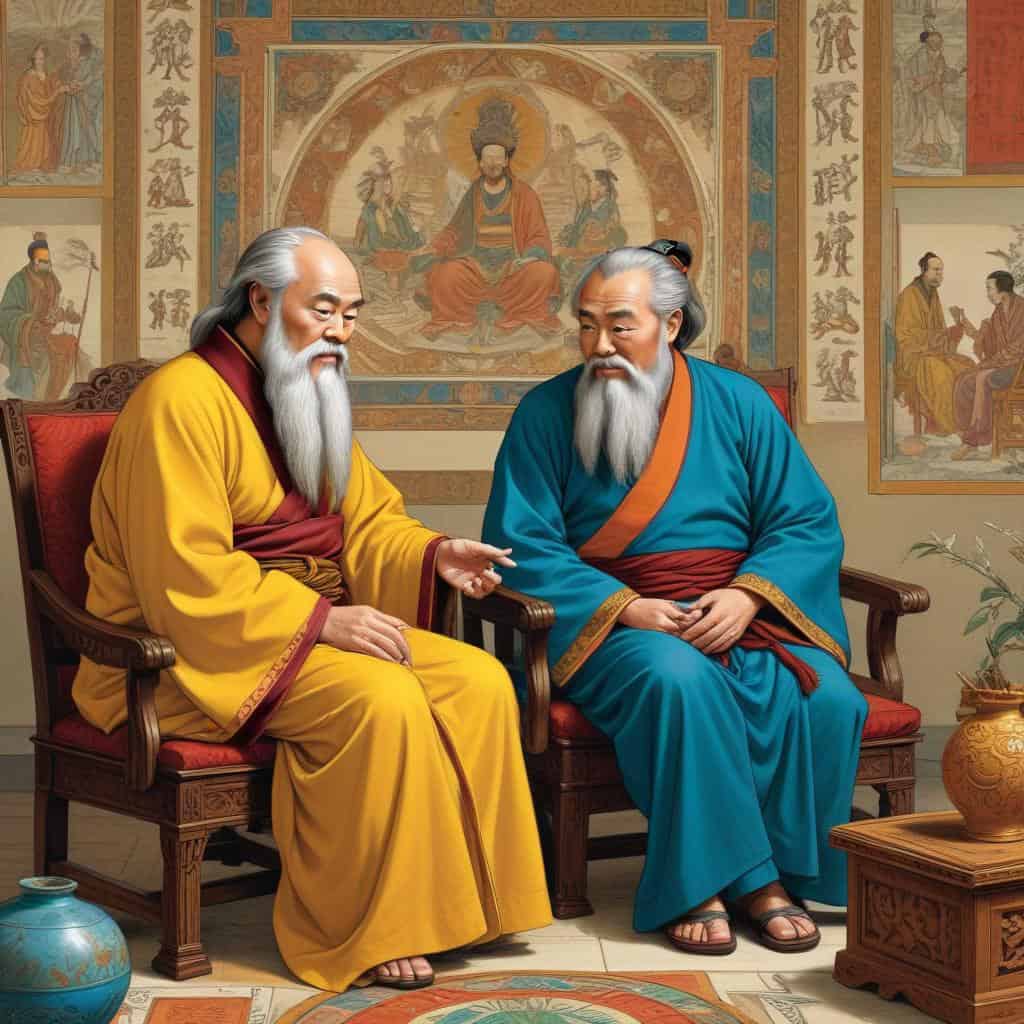
Throughout history, philosophers such as Aristotle and Confucius have contributed to the development of virtue ethics, shaping our understanding of what it means to be a virtuous person. By examining their teachings and insights, we can grasp the significance of cultivating virtues and applying them in our daily lives.

Aristotle

Aristotle

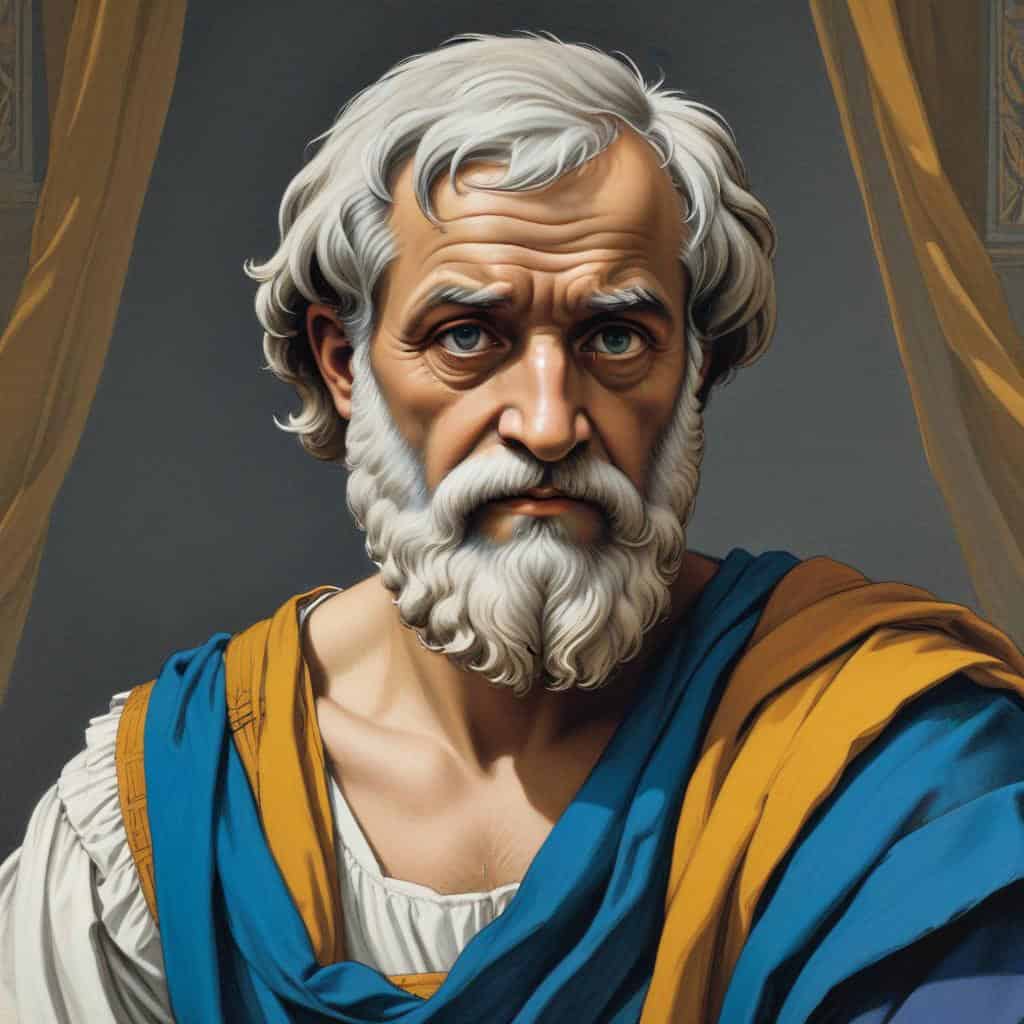
Aristotle was a Greek philosopher who is considered the father of virtue ethics. He believed that moral virtue is a disposition to behave in the right manner and that it is developed through practice and habit.

Confucius

Confucius

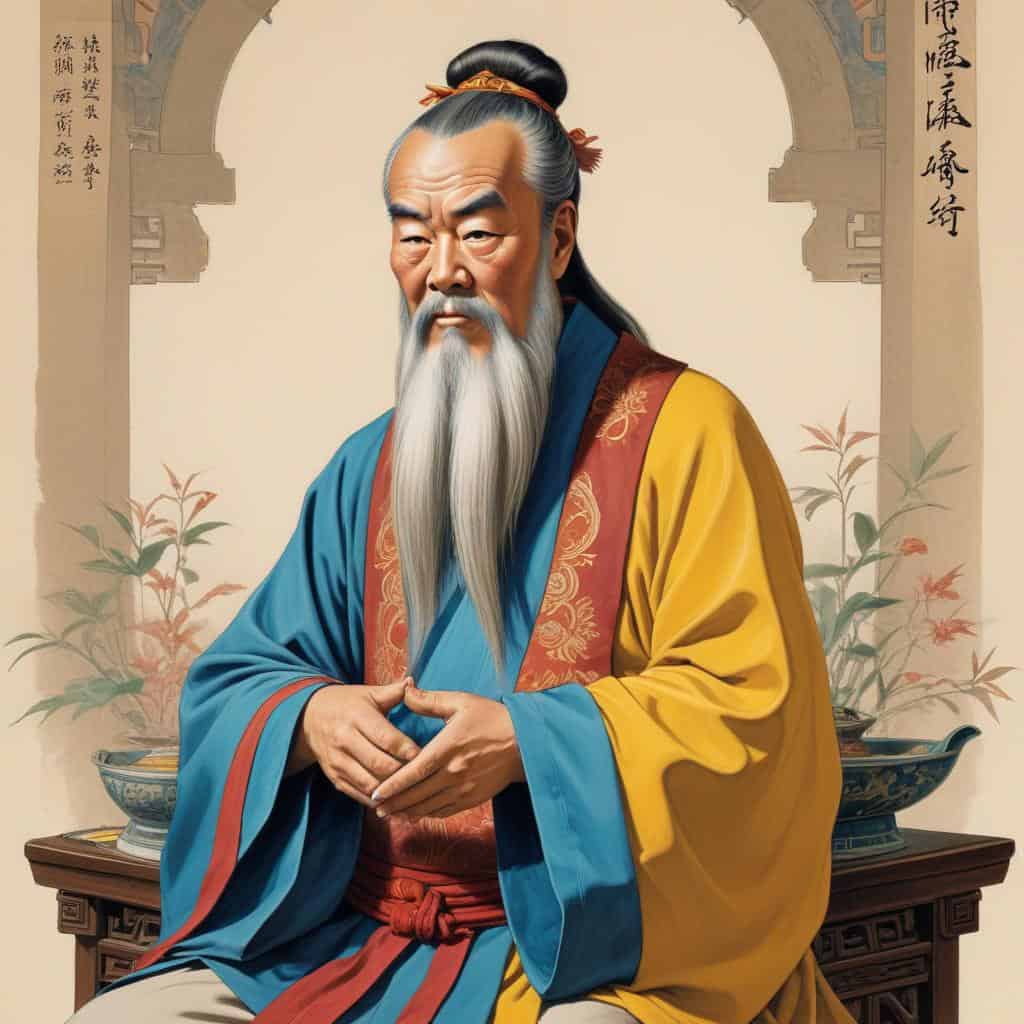
Confucius was a Chinese philosopher who emphasized the importance of cultivating virtues such as benevolence, righteousness, and propriety. He believed that individuals should strive to become morally virtuous in order to create a harmonious society.

Socrates

Socrates

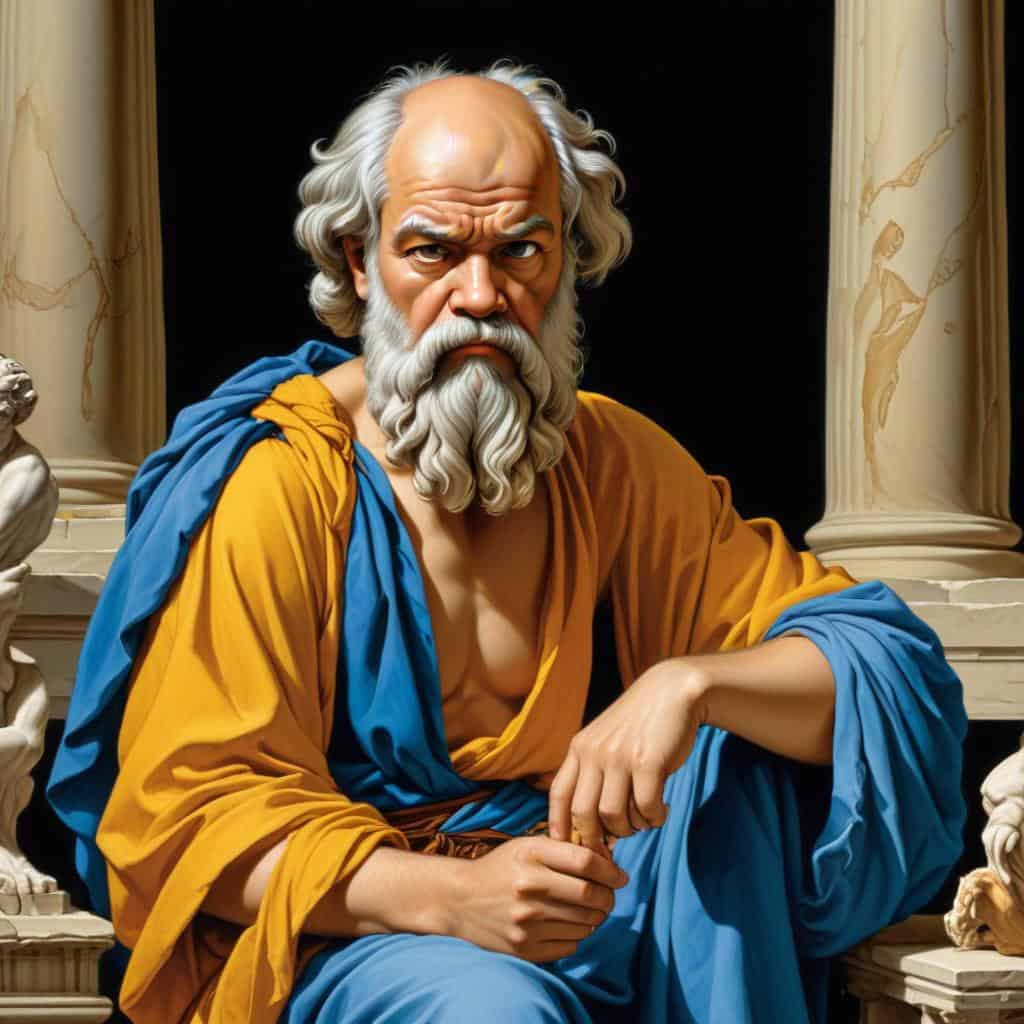
Socrates was a Greek philosopher who believed that knowledge of the good is the key to living a virtuous life. He emphasized the importance of self-examination and questioning one's beliefs in order to develop moral virtues.

Thomas Aquinas

Thomas Aquinas

Thomas Aquinas was a medieval philosopher who integrated Aristotelian ethics with Christian theology. He believed that virtues are essential for living a moral life and that they are infused in individuals through divine grace.

Alasdair MacIntyre

Alasdair MacIntyre

Alasdair MacIntyre is a contemporary philosopher who has made significant contributions to the field of virtue ethics. He argues that virtues are tied to social practices and traditions, and that moral reasoning should be rooted in a community's shared values.

The Origins of Virtue Ethics

The Origins of Virtue Ethics

Virtue ethics is a branch of philosophy that focuses on the moral character of individuals. It originated in ancient Greece with the teachings of Aristotle, who believed that virtues are essential for living a good life.

Key Concepts of Virtue Ethics

Key Concepts of Virtue Ethics

Virtue ethics emphasizes the importance of developing virtuous character traits, such as courage, honesty, and generosity. Unlike other ethical theories, virtue ethics does not focus on rules or consequences, but rather on the moral character of individuals.

The Role of Virtues in Decision-Making
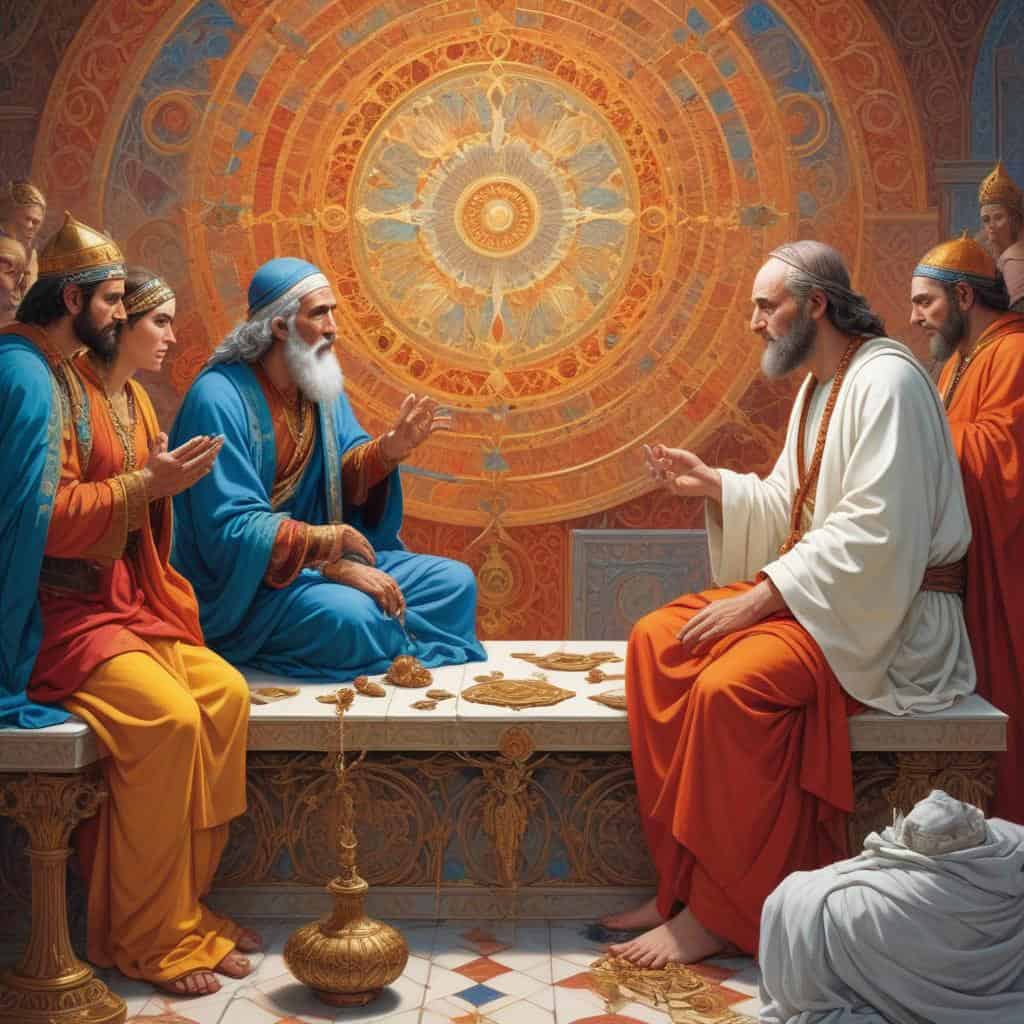
The Role of Virtues in Decision-Making

In virtue ethics, the focus is on how individuals can cultivate virtues to make morally sound decisions. By developing virtuous character traits, individuals are better equipped to navigate ethical dilemmas and act in accordance with their values.

Critiques of Virtue Ethics

Critiques of Virtue Ethics

One critique of virtue ethics is that it can be subjective, as different cultures and individuals may have varying definitions of what constitutes a virtuous character trait. Additionally, some critics argue that virtue ethics does not provide clear guidelines for ethical decision-making.

Modern Applications of Virtue Ethics

Modern Applications of Virtue Ethics
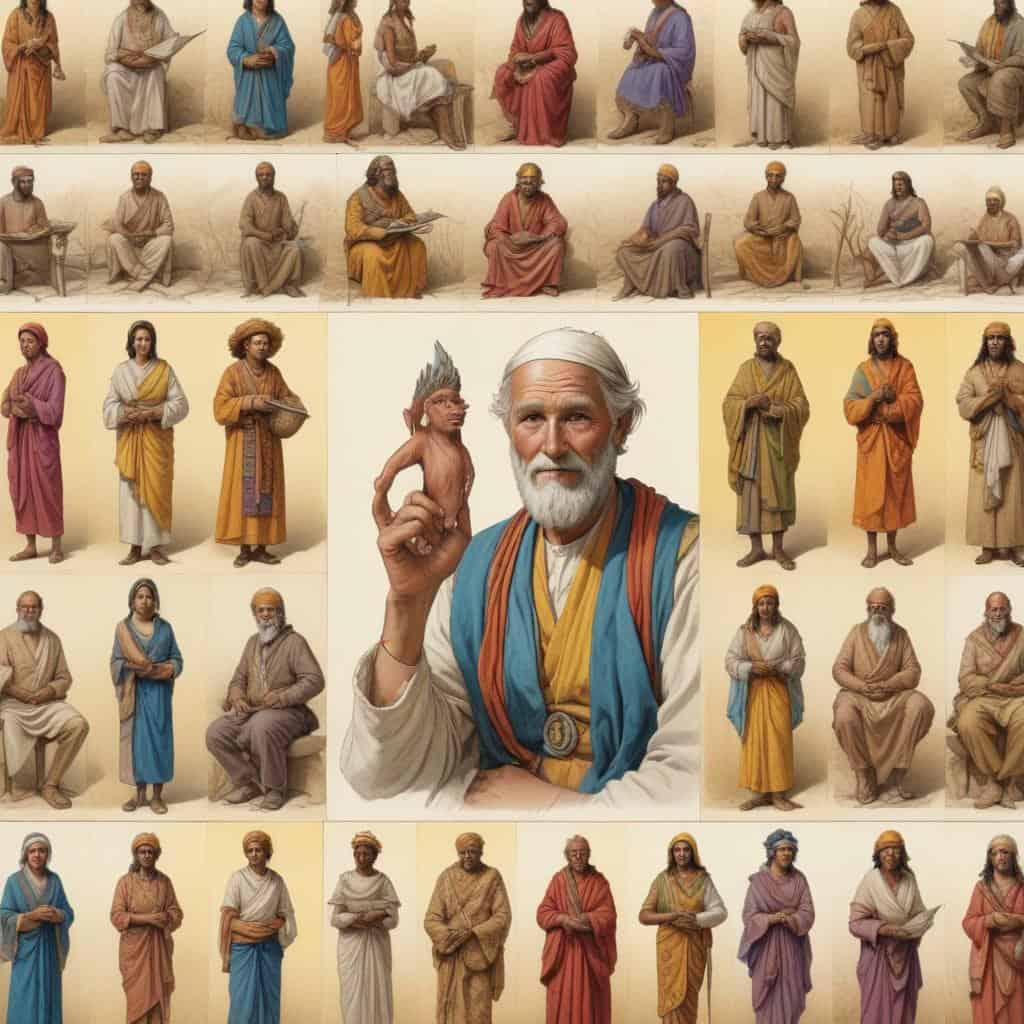
Despite its critiques, virtue ethics remains a relevant and influential ethical theory in modern times. Many contemporary philosophers and ethicists continue to explore the role of virtues in moral reasoning and ethical decision-making.

Examples of Virtue Ethics in Practice

Examples of Virtue Ethics in Practice

One example of virtue ethics in practice is the concept of moral exemplars, individuals who embody virtuous character traits and serve as role models for others. By studying moral exemplars, individuals can learn how to cultivate virtues in their own lives.

Comparisons with Other Ethical Theories

Comparisons with Other Ethical Theories

Unlike deontological ethics, which focuses on rules and duties, virtue ethics emphasizes the importance of moral character. Similarly, virtue ethics differs from utilitarianism, which prioritizes the consequences of actions over the moral character of individuals.

The Influence of Virtue Ethics on Society

The Influence of Virtue Ethics on Society

Virtue ethics has had a significant impact on various aspects of society, including education, politics, and business. By emphasizing the importance of virtues in decision-making, virtue ethics encourages individuals to strive for excellence and moral integrity.

Challenges and Opportunities for Virtue Ethics

Challenges and Opportunities for Virtue Ethics
As society continues to evolve, virtue ethics faces new challenges and opportunities. By engaging in ongoing dialogue and reflection, philosophers and ethicists can further explore the implications of virtue ethics in a rapidly changing world.

Virtue ethics, as explored in this article, emphasizes the importance of cultivating good character traits and virtues in order to lead a moral and fulfilling life. By focusing on the development of virtues such as courage, honesty, and compassion, individuals are encouraged to make ethical decisions based on their own internal moral compass.

Overall, virtue ethics offers a unique perspective on morality that differs from other ethical theories. It invites individuals to reflect on their own character and values, ultimately guiding them towards becoming better, more virtuous people in both their personal and professional lives.

1 / 19

Lesson Details & Resources

In a Nutshell

  • Concept: A moral theory that emphasizes the role of character and virtue in ethical decision-making.
  • Thinkers: Aristotle, 4th Century BC.
  • Central Question: How can individuals cultivate virtuous character traits to guide their actions?
  • Core Implication: The focus should be on developing virtuous habits rather than following strict rules or maximizing outcomes.

Timeline of Virtue Ethics

4th century BC

Aristotle's Nichomachean Ethics is written

3rd century BC

Stoic philosophy emphasizes the importance of virtue

13th century

Thomas Aquinas incorporates Aristotle's virtue ethics into Christian theology

17th-18th century

Virtue ethics falls out of favor during the Enlightenment period

18th century

David Hume critiques virtue ethics in his work

20th century

Virtue ethics experiences a revival in the 20th century

1981

Alasdair MacIntyre publishes 'After Virtue'

1986

Martha Nussbaum publishes 'The Fragility of Goodness'

21st century

Virtue ethics becomes a prominent ethical theory in contemporary philosophy

1958

Philippa Foot introduces the concept of 'natural normativity' in virtue ethics

1999

Rosalind Hursthouse publishes 'On Virtue Ethics'

1980s

Virtue ethics is applied to environmental ethics by J. Baird Callicott

ongoing debate

Virtue ethics is critiqued for its lack of a clear decision-making process

ongoing debate

Virtue ethics is compared and contrasted with other ethical theories such as deontology and consequentialism

ongoing debate

Virtue ethics is applied to professional ethics, such as business ethics and medical ethics

ongoing research

Virtue ethics is explored in relation to emotions and moral psychology

ongoing research

Virtue ethics is used in discussions of character education and moral development

ongoing debate

Virtue ethics is critiqued for its potential cultural bias and lack of universal principles

ongoing research

Virtue ethics continues to be a topic of interest and debate in contemporary philosophy

Vocabulary List

Virtue Ethics
Virtue ethics focuses on developing good character traits, such as honesty, courage, and compassion, in order to make ethical decisions.
Virtue
Courage, honesty, and kindness are often seen as virtues in virtue ethics.
Eudaimonia
Virtue ethics argues that living a virtuous life leads to eudaimonia, or true happiness.
Phronesis
In virtue ethics, phronesis is considered essential for making virtuous choices in specific situations.
Aristotle
Aristotle believed that cultivating virtues through habit and practice leads to a virtuous character.

Key Facts

This is the information used in the fact matching game

    No key facts found.

Analysis & Significance

The Core Argument

At the heart of Virtue Ethics lies the belief that ethical behavior is not simply a matter of following rules or maximizing outcomes, but rather cultivating virtuous character traits. According to this approach, individuals should strive to develop qualities like courage, honesty, and compassion, which will guide their actions in a morally admirable direction.

Criticisms and Counterarguments

One of the main criticisms of Virtue Ethics is that it lacks a clear set of universal rules or principles to guide moral decision-making. Critics argue that relying on individual character traits can lead to moral relativism and subjectivity. Additionally, some question the practicality of cultivating virtues in a world where external factors and circumstances play a significant role in ethical dilemmas.

Modern Relevance

In today’s complex and interconnected world, Virtue Ethics offers a valuable perspective on how individuals can navigate moral challenges. By focusing on the development of virtuous character traits, individuals can cultivate qualities that are essential for personal growth and ethical decision-making. In a society that often values external success over internal values, Virtue Ethics reminds us of the importance of character development and integrity in our actions.

Virtue Ethics Games

Was This Lesson Helpful?

Please log in or sign up to rate this lesson. 

Take Your Learning Offline

Want a convenient, print-ready study guide for this lesson? Become a Memory Wizards Pro member to unlock the downloadable " Memory Scrolls" for this topic and our entire library!

  • ✓ Complete Vocabulary Lists
  • ✓ Key Facts & Timelines
  • ✓ Beautifully Formatted for Print & Mobile
Upgrade to Pro

You must be logged in to provide feedback. Please log in or create a free account.

Scroll to Top