The Unmoved Mover

What force sets all things in motion?

How Do You Learn Best?

Note: You can explore any or all of these paths in any order you prefer!

Audio Library

As one of our featured lessons, this topic includes premium audio guides.

🔒

Unlock the Audio Summary

This free audio lesson is available exclusively for Logged in Memory Wizards members. Please sign up for a free account or log in to access this content.

Sign Up Log In
🔒

Unlock the Wizard's Cram Session

This powerful audio study guide is a Pro-exclusive feature. Upgrade to Memory Wizards Pro to access this and all of our premium learning tools.

Upgrade to Pro

The Unmoved Mover in 10 Minutes

Introduction
Introduction

Have you ever wondered about the concept of the Unmoved Mover in philosophy? This intriguing idea has been debated and discussed by philosophers for centuries. In this article, we will provide a brief overview of the Unmoved Mover, exploring its origins, significance, and implications.

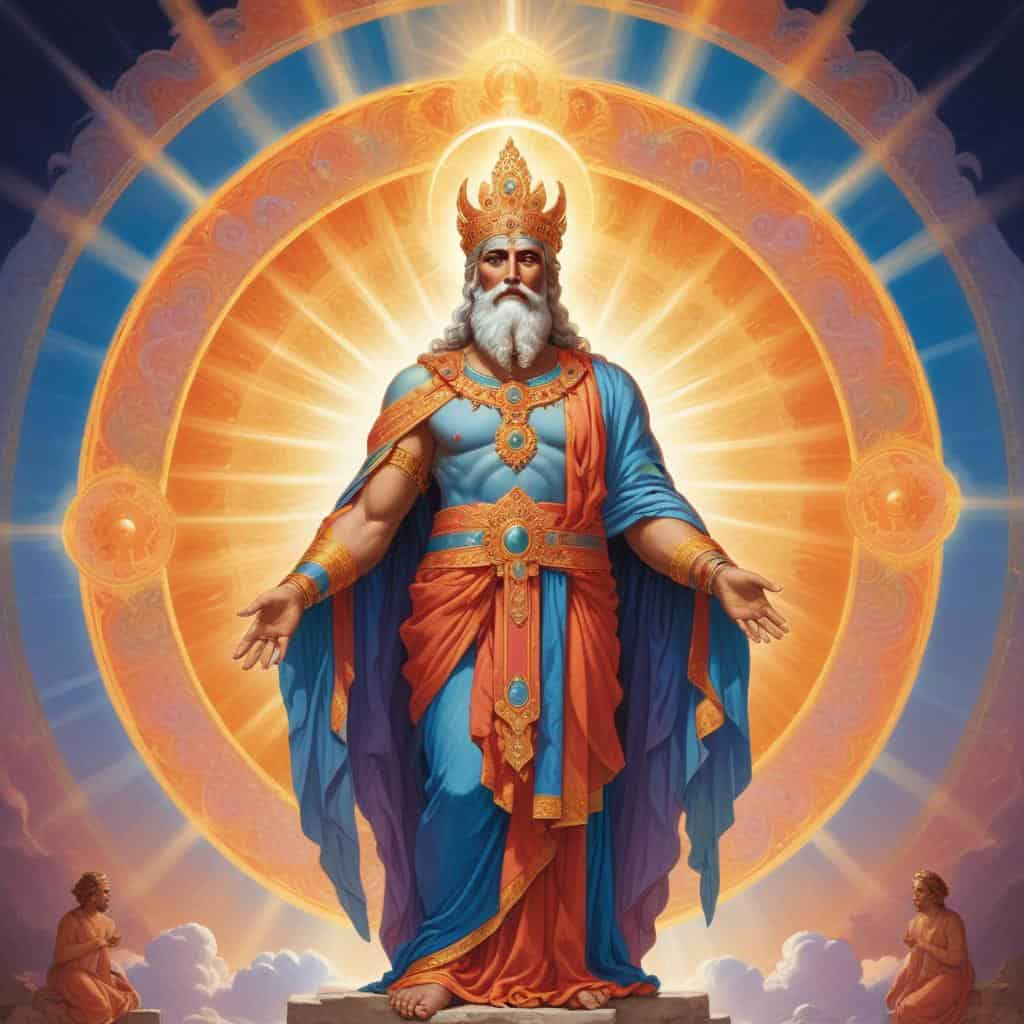
The Unmoved Mover is a key concept in Aristotle's philosophy, referring to a divine being that sets the universe in motion without being moved itself. This idea has had a profound influence on Western thought and theology, shaping our understanding of causality and the existence of a higher power.

By delving into the Unmoved Mover, we can gain a deeper insight into the nature of existence and the origins of the universe. Through examining this concept, we can explore questions of metaphysics, theology, and the fundamental principles that govern our world.

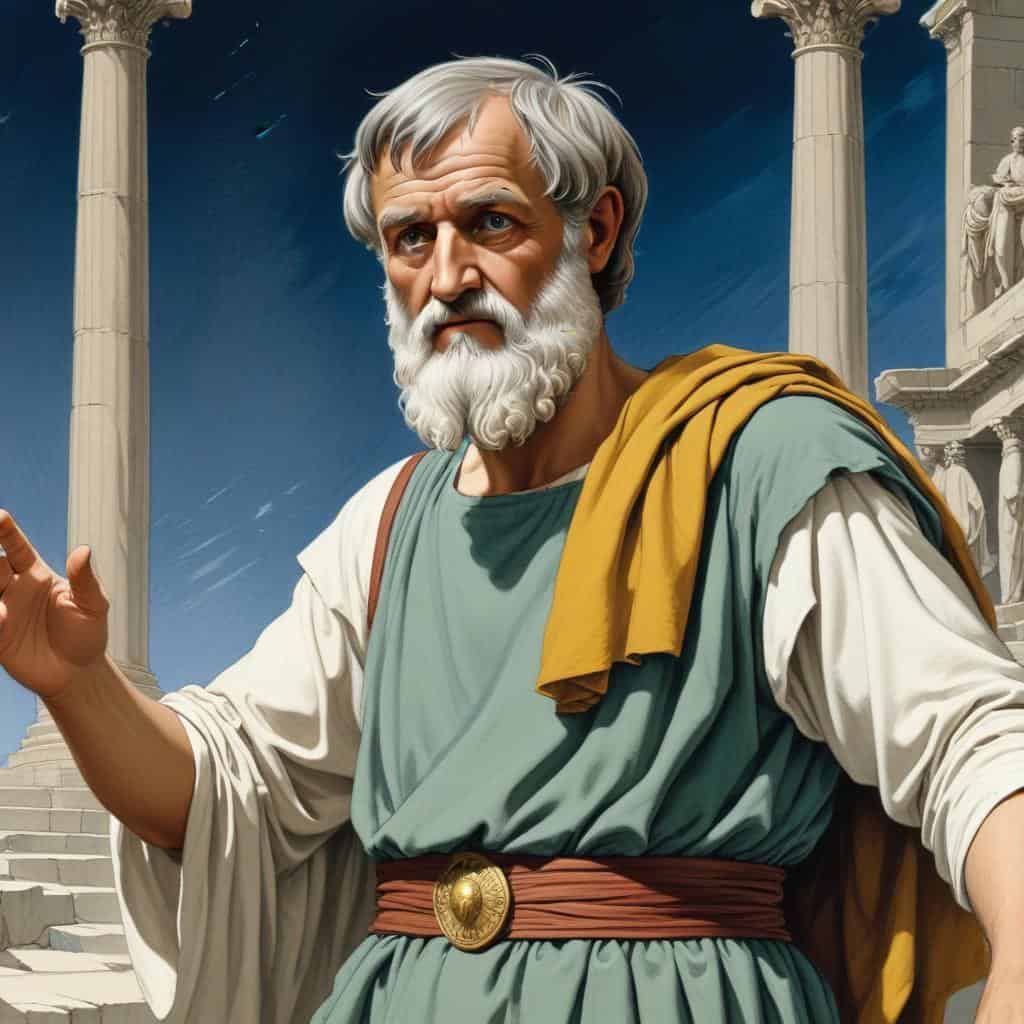
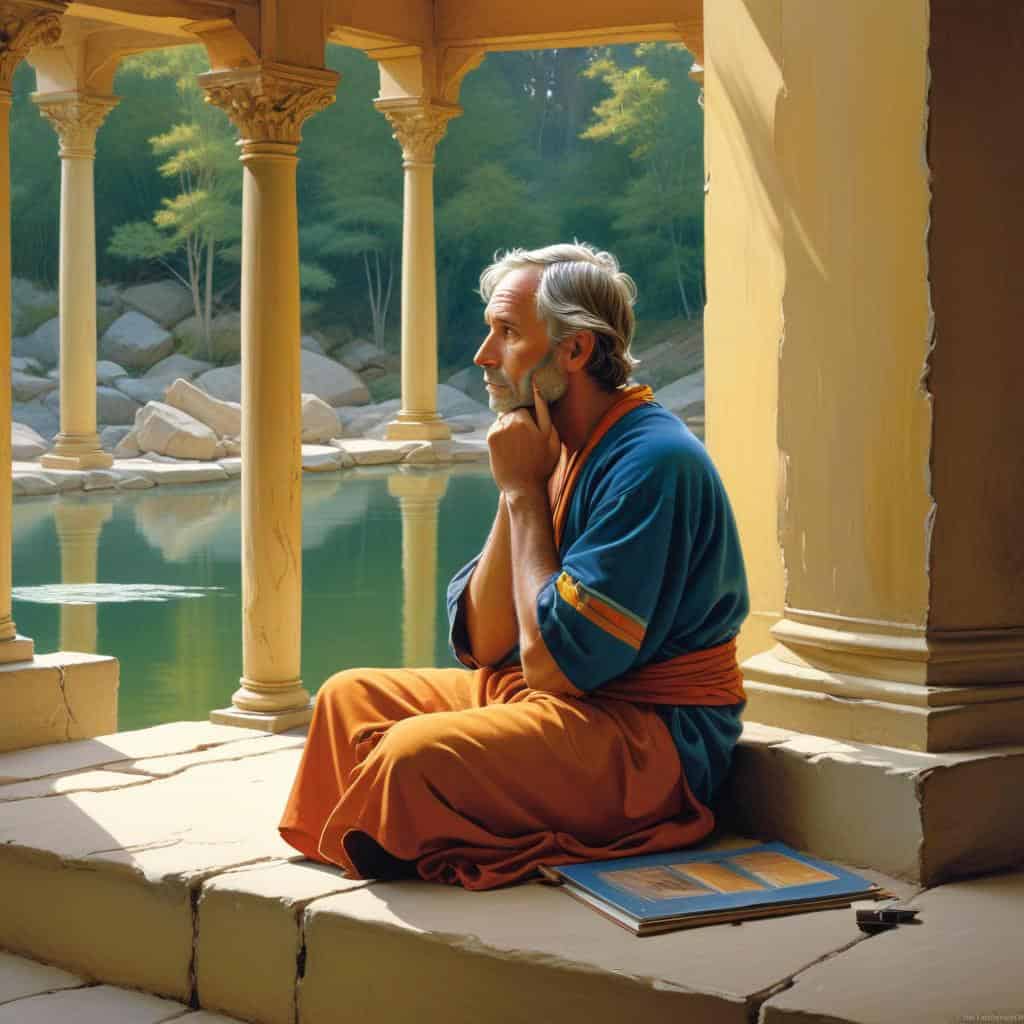
Aristotle

Aristotle

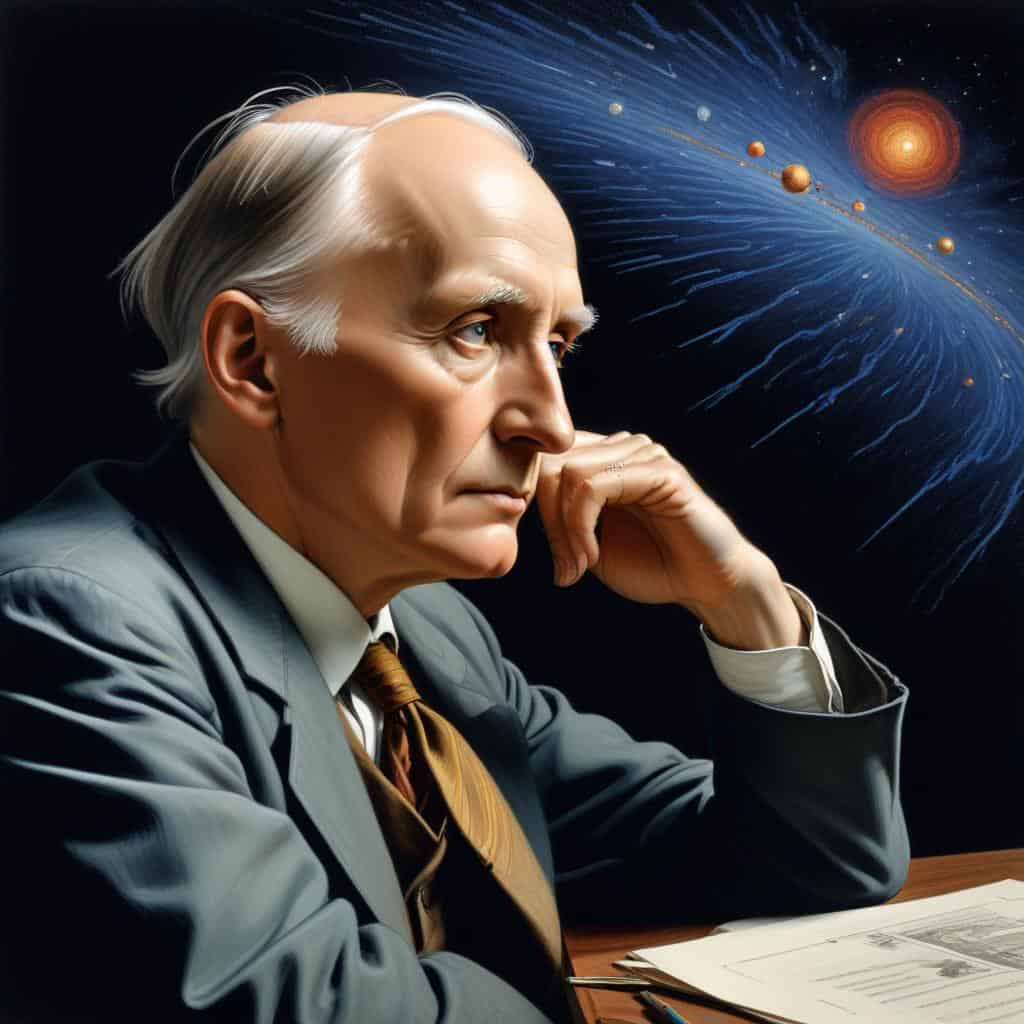
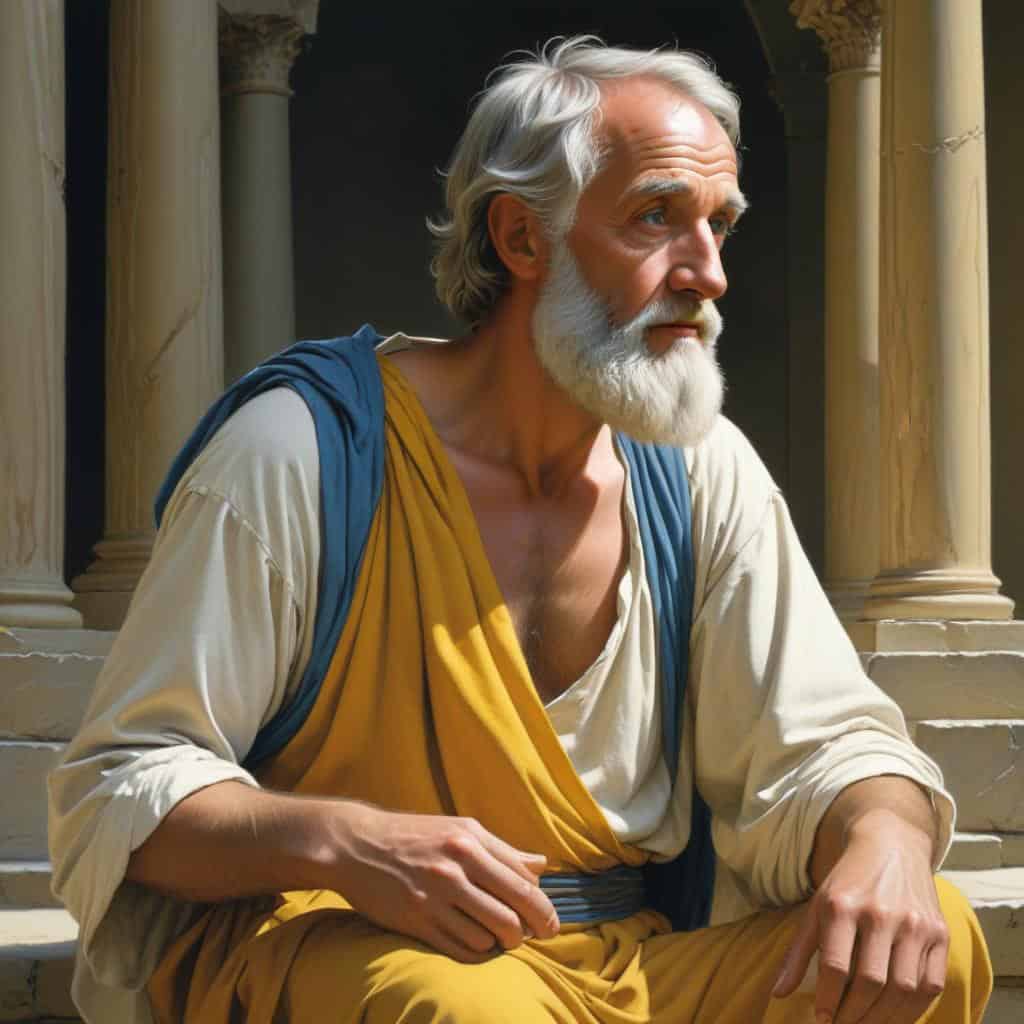
Ancient Greek philosopher who first introduced the concept of the Unmoved Mover in his work Metaphysics. Aristotle believed that the Unmoved Mover is the ultimate cause of all motion and change in the universe.

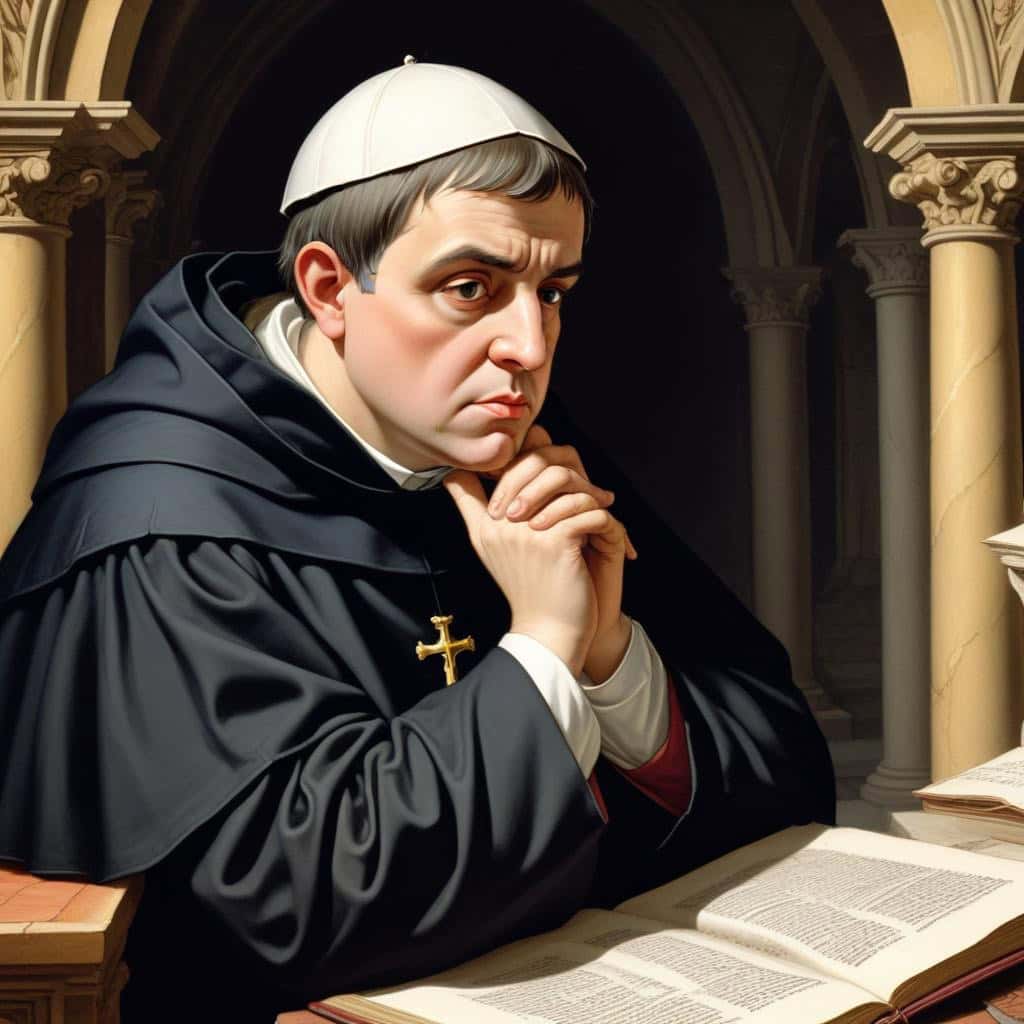
Thomas Aquinas

Thomas Aquinas

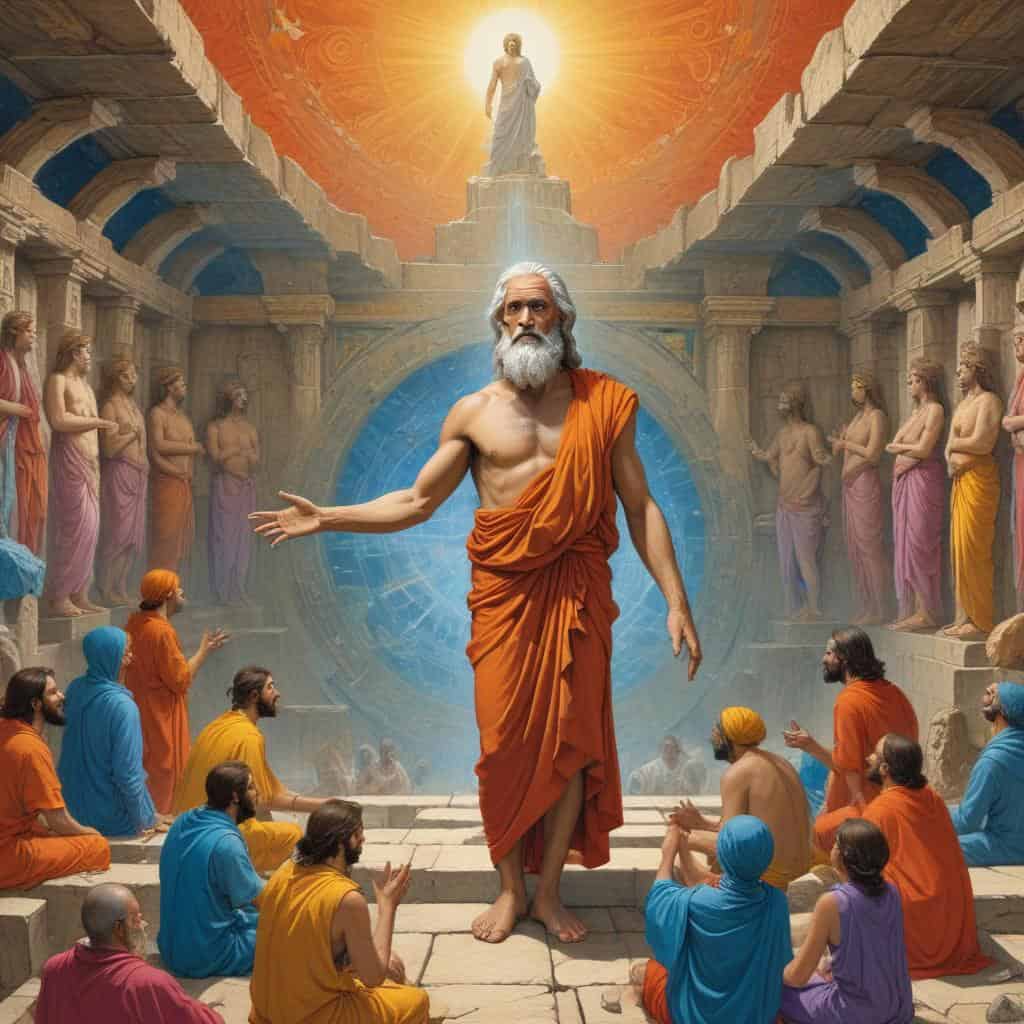
Medieval philosopher and theologian who adopted and expanded upon Aristotle's concept of the Unmoved Mover in his writings. Aquinas argued that the Unmoved Mover is the necessary being that sustains the existence of all things.

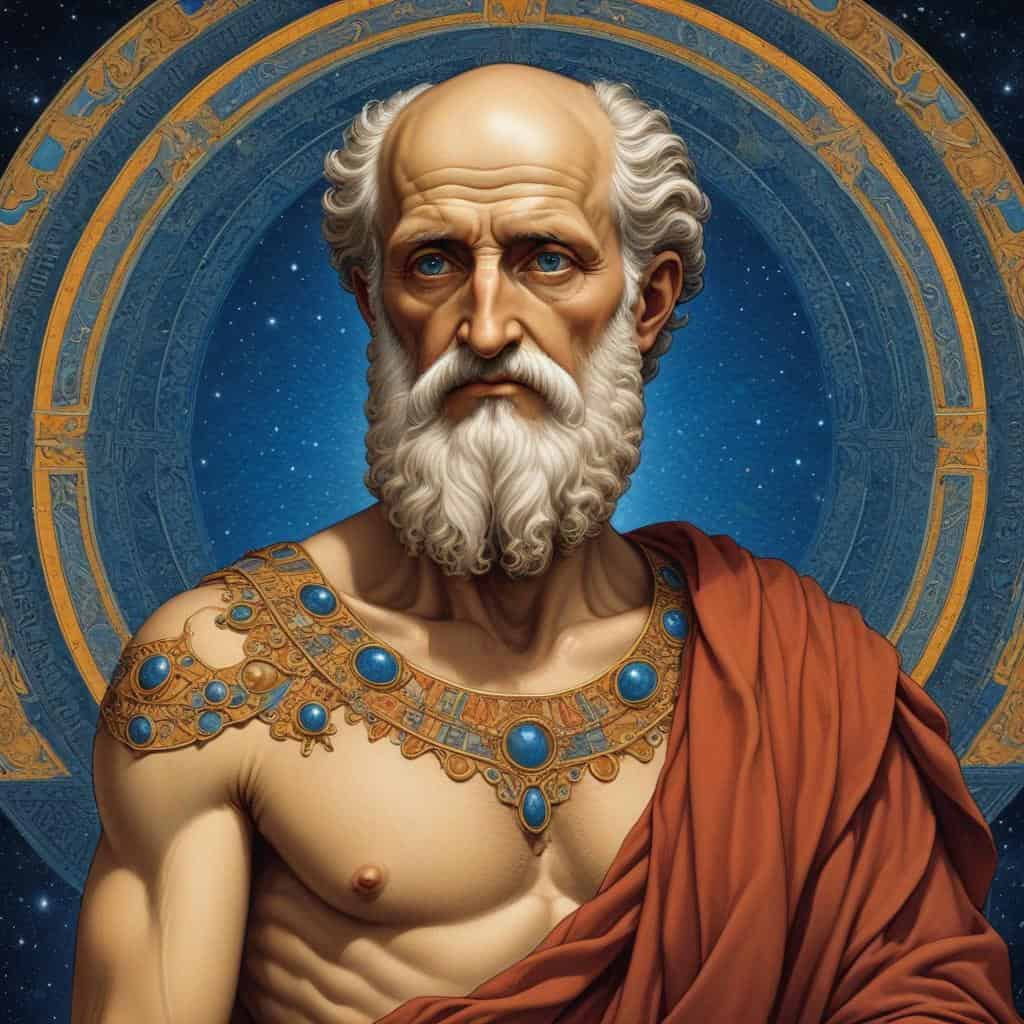
Plotinus

Plotinus

Neoplatonic philosopher who further developed the idea of the Unmoved Mover as the source of all existence and perfection. Plotinus viewed the Unmoved Mover as the ultimate reality that transcends the physical world.

Alfred North Whitehead

Alfred North Whitehead

20th-century philosopher who incorporated the concept of the Unmoved Mover into his process philosophy. Whitehead argued that the Unmoved Mover is not a static entity but a dynamic force that drives the unfolding of the universe.

The Unmoved Mover Philosophy

The Unmoved Mover Philosophy

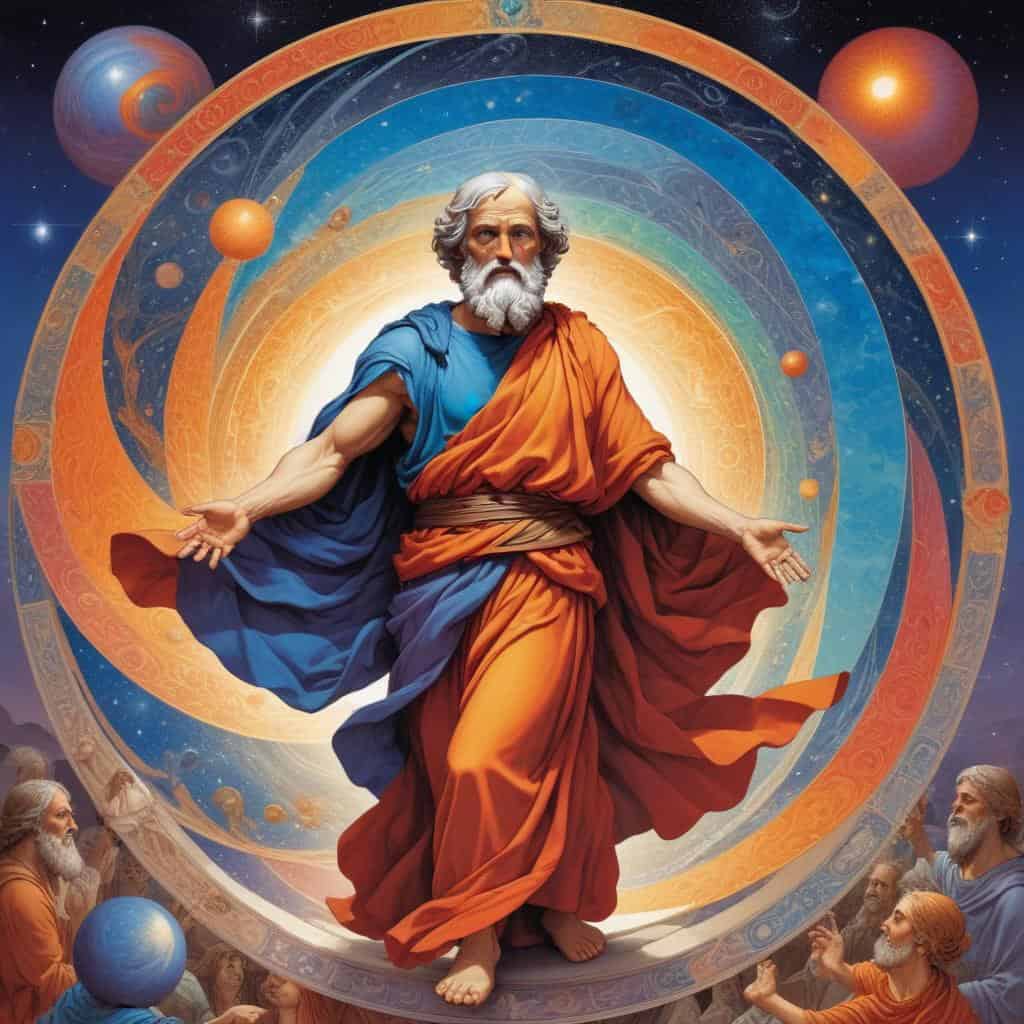
The concept of the Unmoved Mover is a key idea in the philosophy of Aristotle. According to Aristotle, the Unmoved Mover is a necessary being who is responsible for setting the universe in motion.

The Prime Mover

The Prime Mover

Aristotle believed that the Unmoved Mover is pure actuality and has no potentiality. In other words, the Unmoved Mover is perfect and unchanging, unlike anything in the physical world.

Cause of Motion

Cause of Motion

The Unmoved Mover is seen as the ultimate cause of all motion and change in the universe. It is the source of all movement and existence, without being moved or changed itself.

Perfect Being

Perfect Being

Aristotle described the Unmoved Mover as a perfect and eternal being. It is not subject to time or change, and it exists outside of the physical world.

Contemplation

Contemplation

The Unmoved Mover is said to engage in contemplation and self-reflection, rather than being actively involved in the world. It is a purely intellectual being, contemplating its own perfection.

Uncaused Cause

Uncaused Cause

The Unmoved Mover is considered the uncaused cause, as it is the ultimate explanation for the existence of everything else in the universe. It is the starting point for all motion and change.

God-like Being

God-like Being

Some philosophers have equated the Unmoved Mover with the concept of God, as it shares many attributes with traditional religious conceptions of a deity. However, Aristotle's Unmoved Mover is a purely philosophical concept.

Metaphysical Principle

Metaphysical Principle

The idea of the Unmoved Mover serves as a metaphysical principle in Aristotle's philosophy. It provides a basis for understanding the nature of existence and the ultimate cause of all things.

Philosophical Influence

Philosophical Influence

The concept of the Unmoved Mover has had a significant influence on Western philosophy and theology. It has sparked debates and discussions about the nature of God, existence, and the origins of the universe.

Continued Debate

Continued Debate

Despite its ancient origins, the concept of the Unmoved Mover continues to be a topic of debate and discussion among philosophers and theologians. It raises questions about the nature of reality and the existence of a higher power.

In conclusion, the concept of the Unmoved Mover in philosophy serves as a foundational idea in understanding the existence of a first cause or ultimate source of motion in the universe. Through the examination of this principle, philosophers have grappled with questions about the nature of reality and the existence of God.

By exploring the Unmoved Mover, we are challenged to contemplate the idea of an eternal, unchanging being that sets the universe in motion. Whether one agrees or disagrees with this concept, the Unmoved Mover remains a significant topic of discussion and debate in philosophical circles.

1 / 19

Lesson Details & Resources

In a Nutshell

  • Concept: The Unmoved Mover is a philosophical concept that refers to a transcendent, immaterial, and eternal being that initiates and sustains motion in the universe.
  • Thinkers: Aristotle, 4th Century BC
  • Central Question: What is the ultimate source of motion and change in the world?
  • Core Implication: The existence of an eternal, unchanging, and perfect being as the ultimate cause of all motion and change in the universe.

Timeline of The Unmoved Mover

350 BC

Aristotle introduces the concept of the Unmoved Mover in his work Metaphysics

13th century

Thomas Aquinas incorporates the Unmoved Mover into his philosophical system in Summa Theologica

1641

Rene Descartes critiques the concept of the Unmoved Mover in his Meditations on First Philosophy

1710

Gottfried Wilhelm Leibniz discusses the Unmoved Mover in his work Theodicy

1781

Immanuel Kant criticizes the concept of the Unmoved Mover in his Critique of Pure Reason

1883-1885

Friedrich Nietzsche rejects the idea of the Unmoved Mover in his work Thus Spoke Zarathustra

1927

Martin Heidegger discusses the Unmoved Mover in his work Being and Time

1943

Jean-Paul Sartre critiques the concept of the Unmoved Mover in his work Being and Nothingness

1929

Alfred North Whitehead incorporates the Unmoved Mover into his process philosophy in Process and Reality

1967

Jacques Derrida deconstructs the idea of the Unmoved Mover in his work Of Grammatology

2006

Richard Dawkins criticizes the concept of the Unmoved Mover in his book The God Delusion

Vocabulary List

The Unmoved Mover
Aristotle's belief in The Unmoved Mover as the ultimate source of all movement and change in the universe.
Prime Mover
The Prime Mover is a central concept in Aristotelian philosophy and theology.
First Cause
The concept of a First Cause is often used to argue for the existence of a higher power or deity.
Motion
According to Aristotle, all motion in the universe is ultimately caused by The Unmoved Mover.

Key Facts

This is the information used in the fact matching game

    No key facts found.

Analysis & Significance

The Core Argument

The concept of the Unmoved Mover, as articulated by Aristotle, posits that there must be a prime mover who initiates all motion and change in the universe without being moved itself. This prime mover is the ultimate cause of all existence and sets the universe in motion through its own perfection and immutability.

Criticisms and Counterarguments

Critics of the Unmoved Mover argue that this concept is based on outdated metaphysical assumptions and lacks empirical evidence. They question the necessity of a transcendent being to explain the existence of the universe, proposing alternative explanations that do not require a prime mover to account for motion and change.

Modern Relevance

Despite the criticisms, the idea of the Unmoved Mover continues to be relevant in modern discussions about the nature of causality, determinism, and free will. It raises important questions about the origins of the universe, the nature of existence, and the limits of human understanding in a world shaped by complex and interconnected forces.

The Unmoved Mover Games

Was This Lesson Helpful?

Please log in or sign up to rate this lesson. 

Take Your Learning Offline

Want a convenient, print-ready study guide for this lesson? Become a Memory Wizards Pro member to unlock the downloadable " Memory Scrolls" for this topic and our entire library!

  • ✓ Complete Vocabulary Lists
  • ✓ Key Facts & Timelines
  • ✓ Beautifully Formatted for Print & Mobile
Upgrade to Pro

You must be logged in to provide feedback. Please log in or create a free account.

Scroll to Top