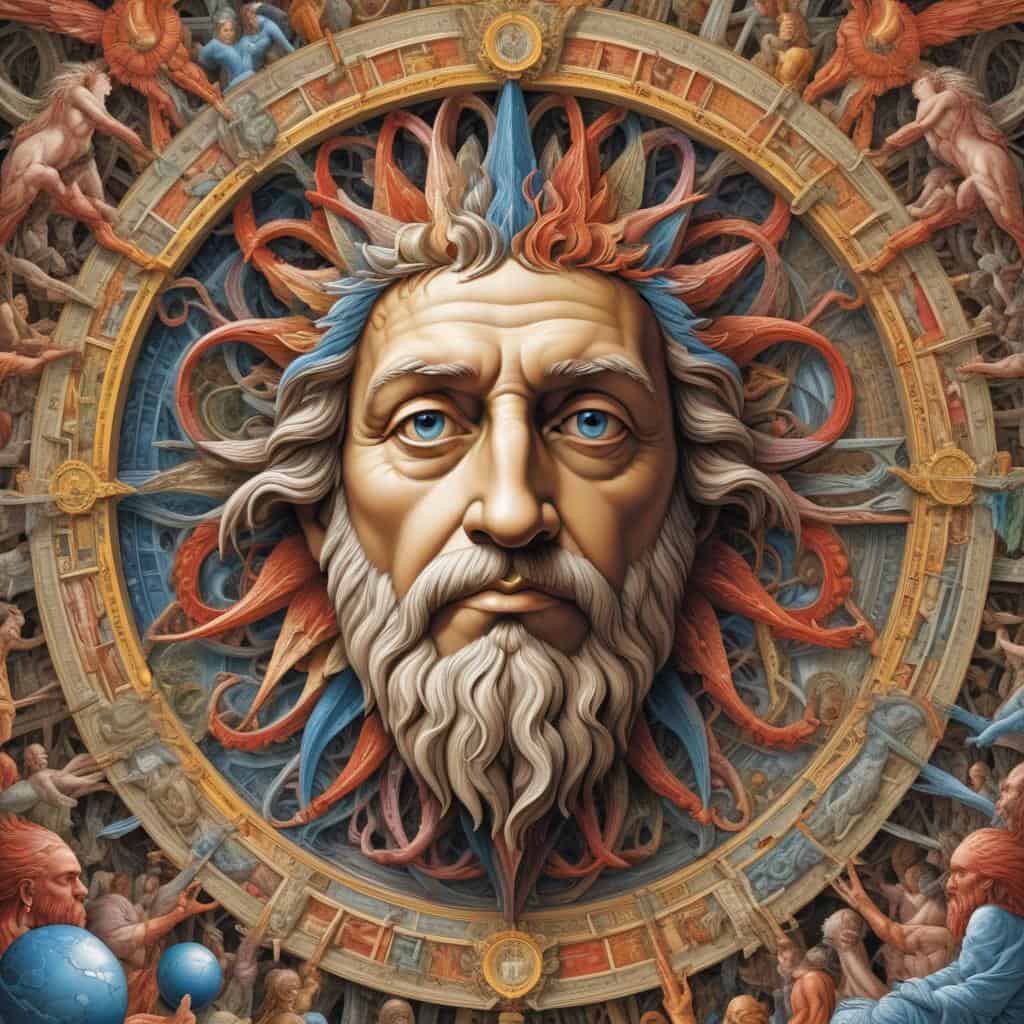
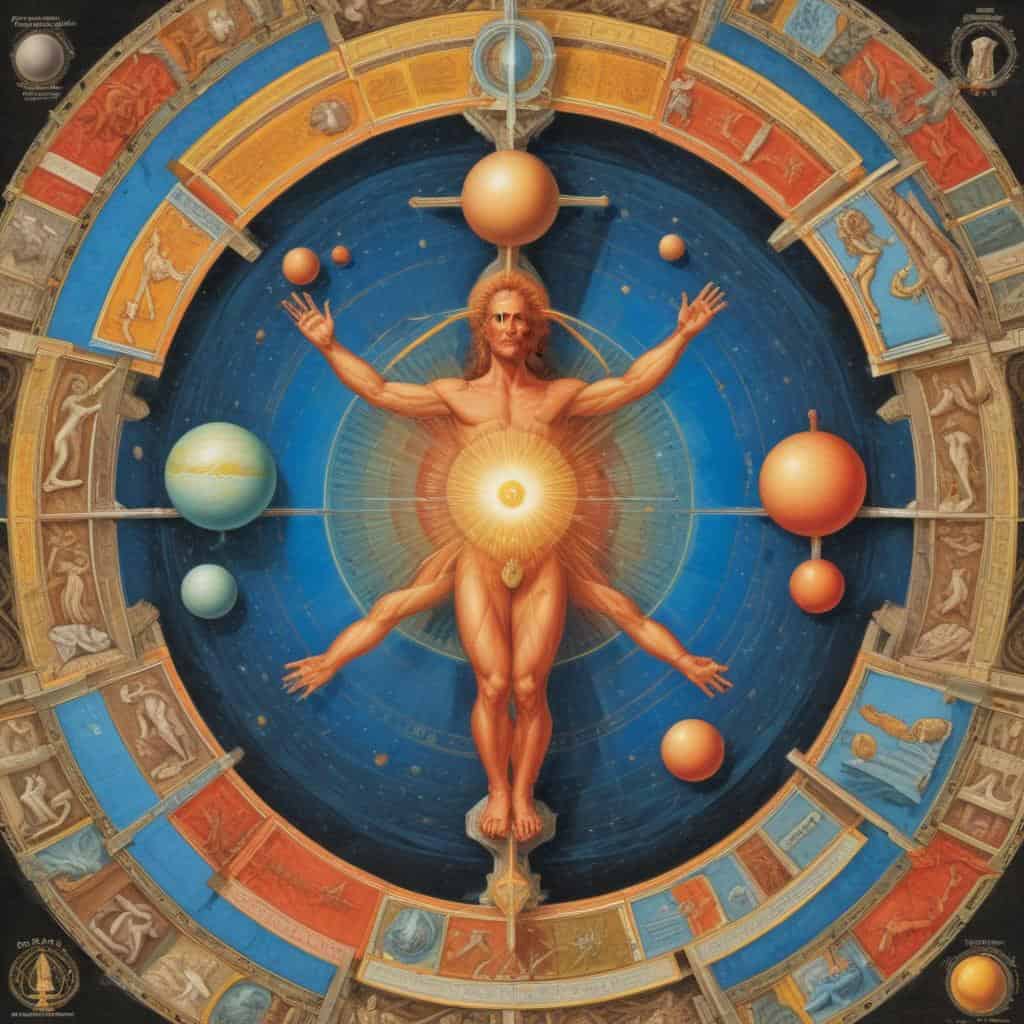
The Theory Of Forms

What if our reality is just a shadow of true perfection?

How Do You Learn Best?

Note: You can explore any or all of these paths in any order you prefer!

Audio Library

As one of our featured lessons, this topic includes premium audio guides.

🔒

Unlock the Audio Summary

This free audio lesson is available exclusively for Logged in Memory Wizards members. Please sign up for a free account or log in to access this content.

Sign Up Log In
🔒

Unlock the Wizard's Cram Session

This powerful audio study guide is a Pro-exclusive feature. Upgrade to Memory Wizards Pro to access this and all of our premium learning tools.

Upgrade to Pro

The Theory Of Forms in 10 Minutes

Introduction
Introduction

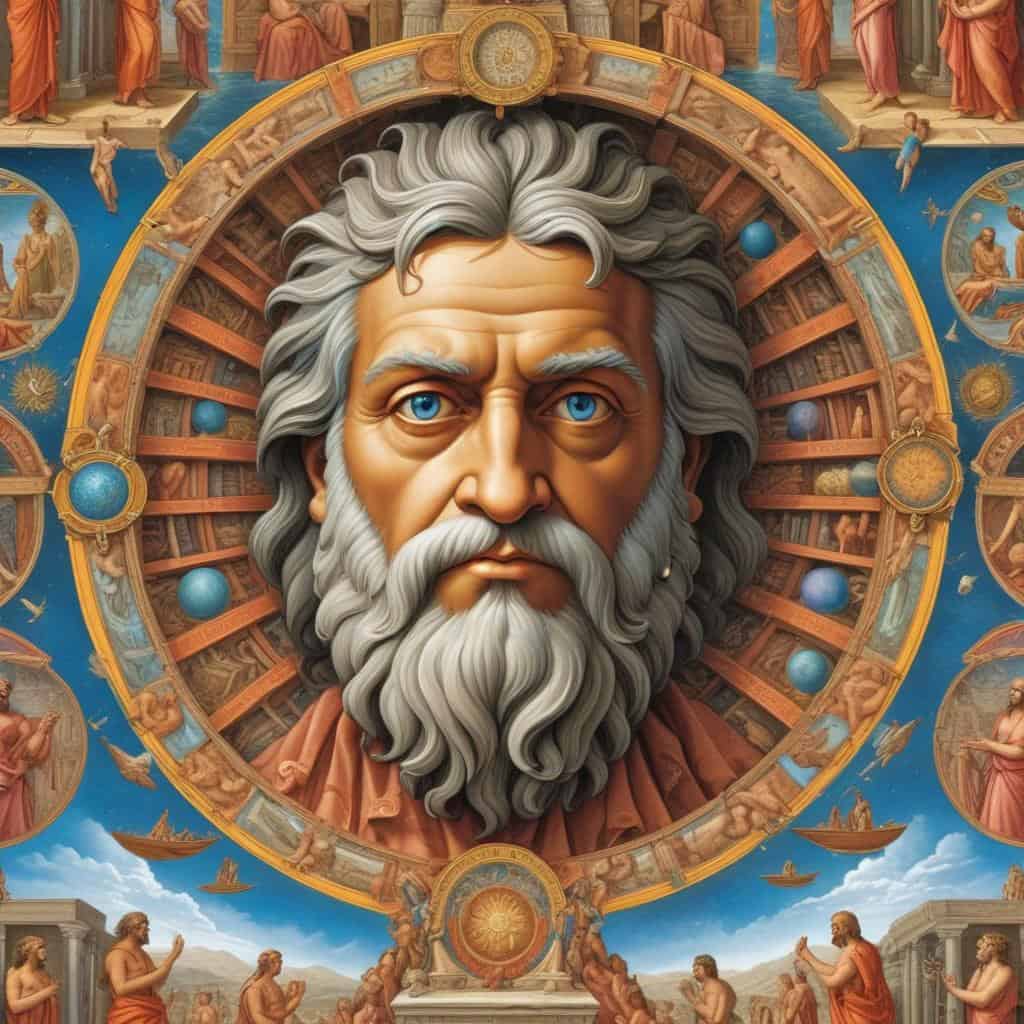
Plato's Theory of Forms is a fundamental concept in philosophy that has intrigued scholars for centuries. This theory delves into the realm of abstract entities known as Forms, which are said to be the true essence of reality. In this concise overview, we will explore the key ideas and principles behind Plato's Theory of Forms, shedding light on its complexities and implications.

By decoding the mysteries of Plato's Theory of Forms, we can gain a deeper understanding of his philosophical teachings and the nature of existence itself. This summary article aims to unravel the secrets of Plato's Ideals in a simplified manner, making this complex topic more accessible to readers of all backgrounds. Join us on this journey as we navigate through the depths of Plato's Theory of Forms and uncover the significance of these timeless concepts.

Whether you're new to the world of philosophy or a seasoned scholar, delving into Plato's Theory of Forms can be a rewarding intellectual pursuit. By unlocking the secrets of this theory, we can gain valuable insights into the nature of reality, knowledge, and the human experience. Join us as we explore the realm of Forms and unravel the mysteries of Plato's enduring philosophical legacy.

Socrates

Socrates

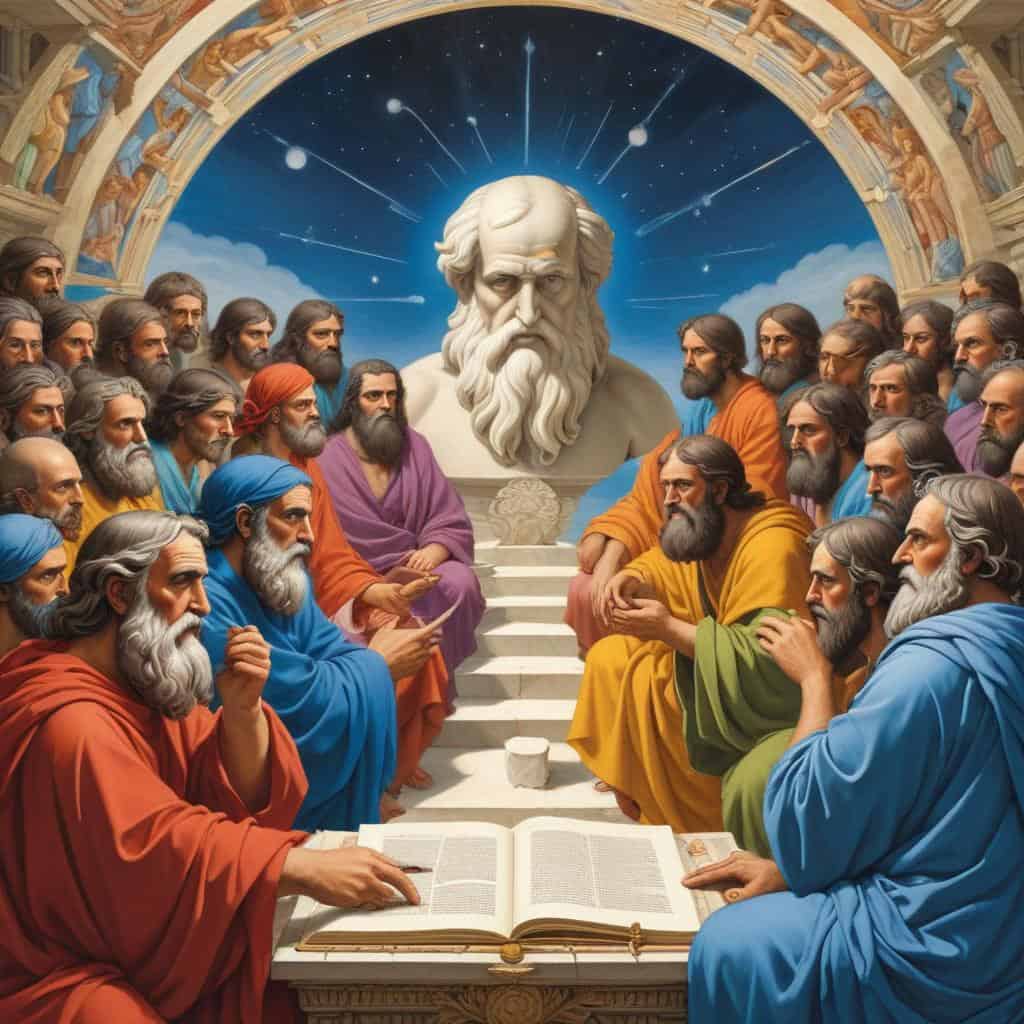
Socrates was a key figure in the development of Plato's Theory of Forms, as he often served as a mouthpiece for Plato's philosophical ideas in his dialogues.

Plato

Plato

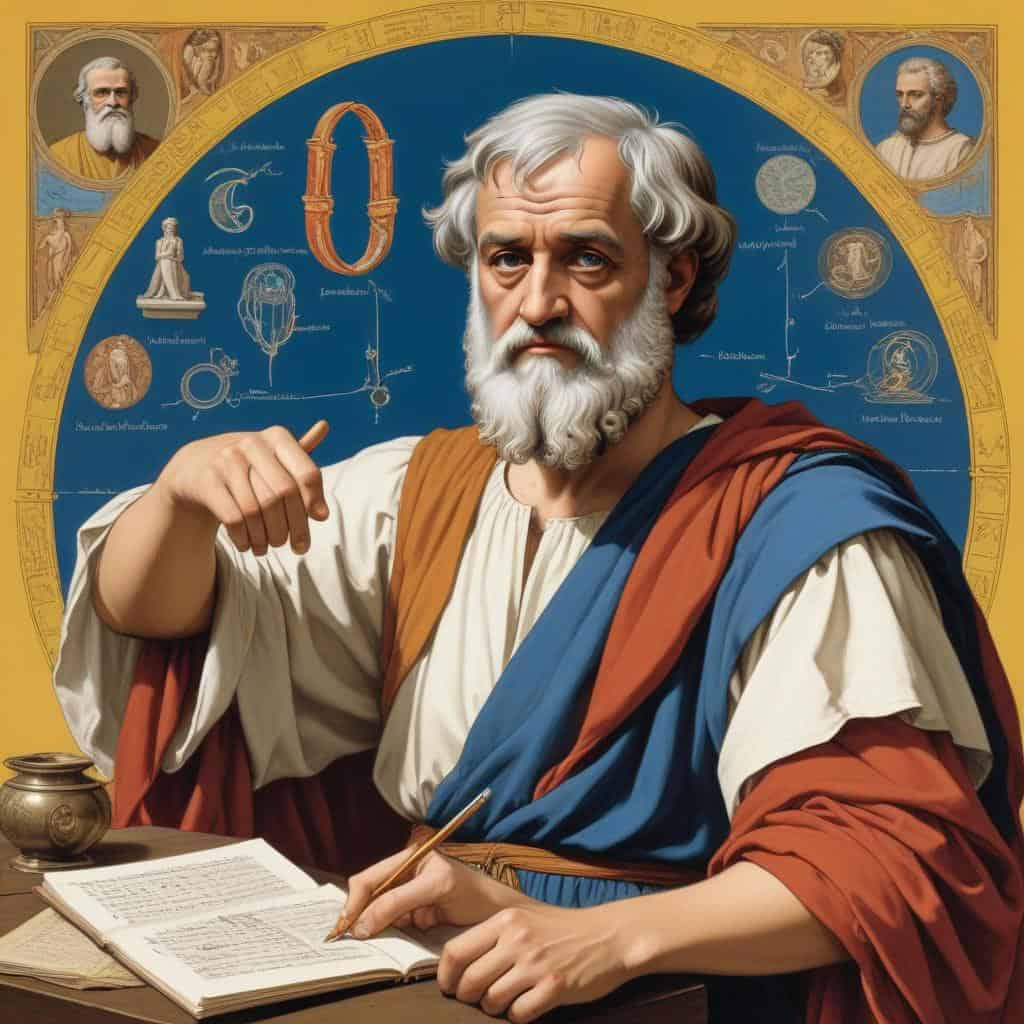
Plato was the ancient Greek philosopher who introduced the Theory of Forms, which posits that the material world is an imperfect reflection of a higher realm of ideal Forms or Ideas.

Aristotle

Aristotle

Aristotle was a student of Plato who critiqued the Theory of Forms, arguing that it was too removed from the empirical world and that forms could be found within individual objects.

Forms

Forms

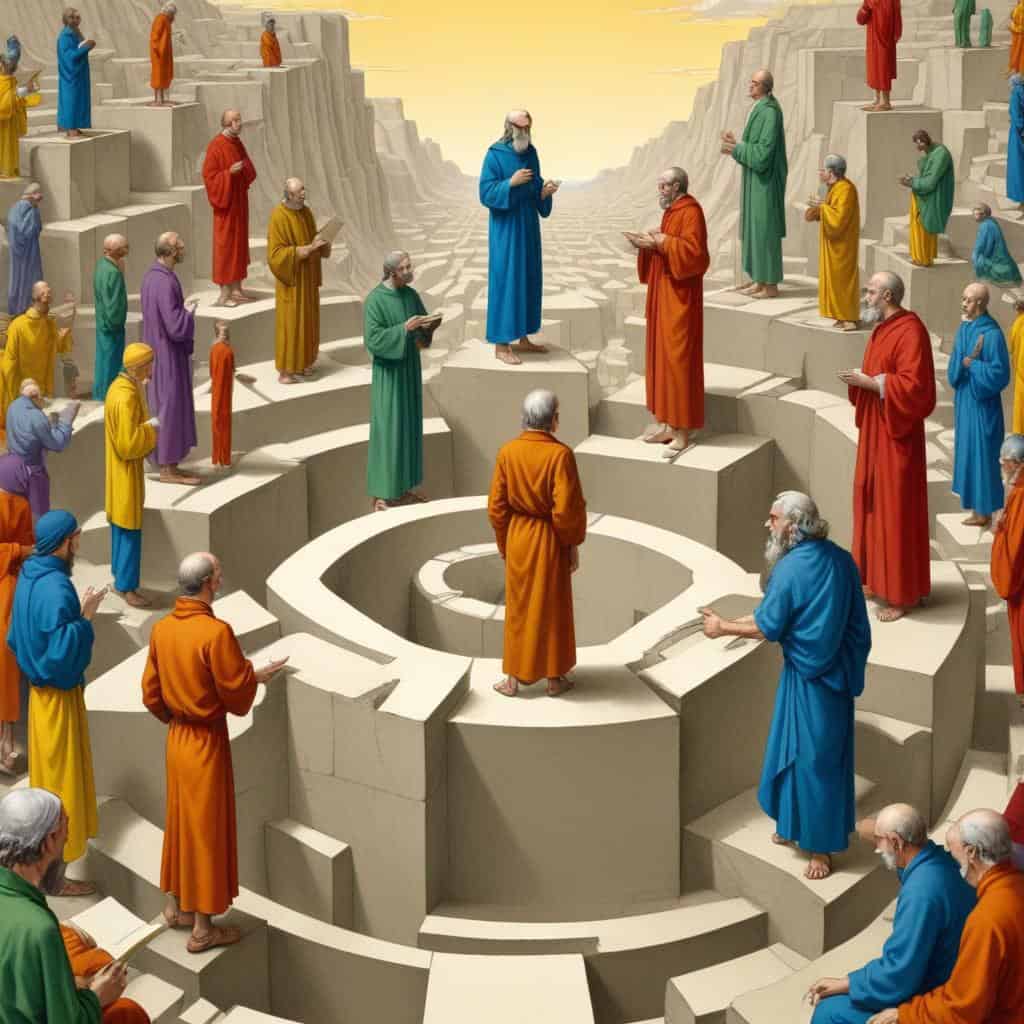
In Plato's Theory of Forms, Forms refer to the eternal, unchanging, and perfect essences or ideals that exist in a separate realm beyond the physical world.

Ideals

Ideals

Ideals in Plato's Theory of Forms represent the ultimate reality that transcends the material world, serving as the true source of knowledge and understanding.

1. The Birth of The Theory of Forms

1. The Birth of The Theory of Forms

Plato, the famous Greek philosopher, introduced The Theory of Forms in his work, The Republic. The theory suggests that there are abstract, universal concepts that exist outside of the physical world we perceive.

2. Understanding the Concept of Forms
2. Understanding the Concept of Forms

According to Plato, Forms are perfect, unchanging ideals that govern the material world. For example, the Form of Beauty is the essence of all beautiful things we see in the world.

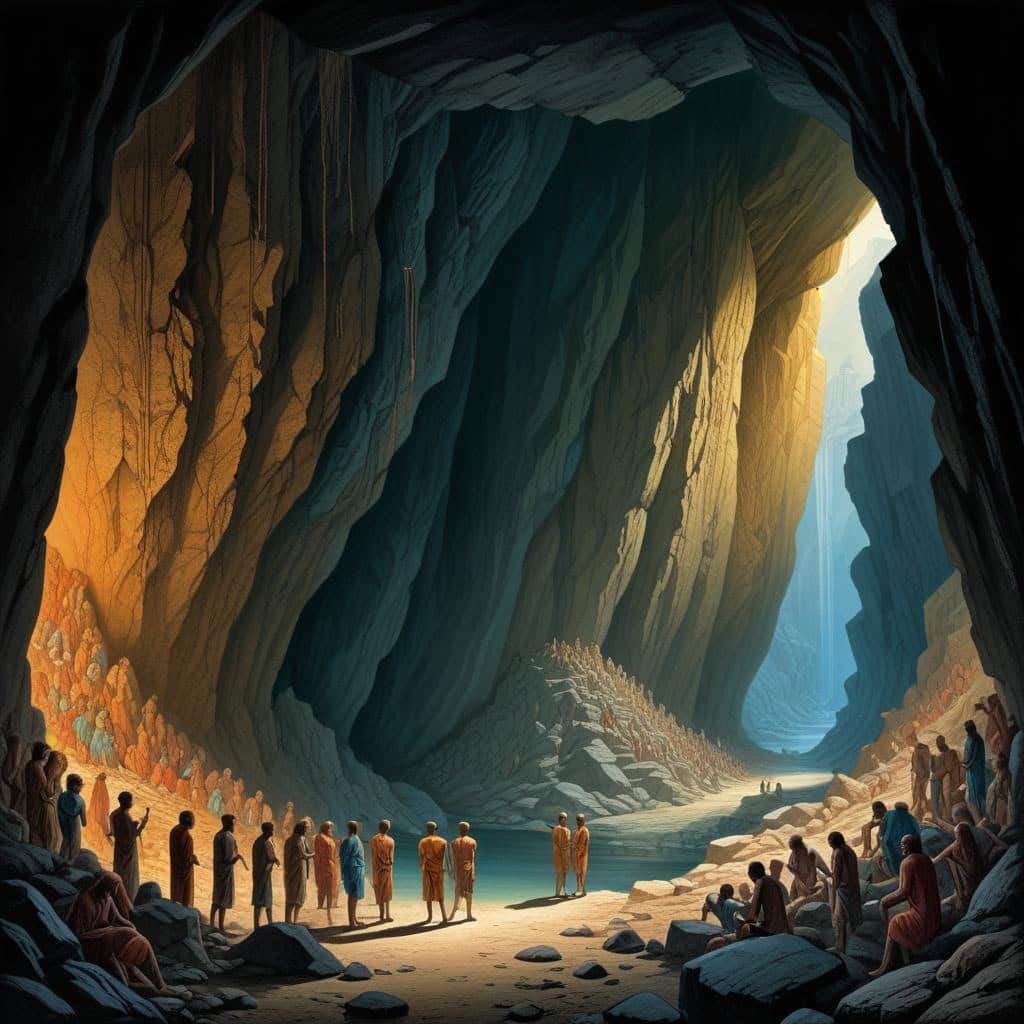
3. The Allegory of the Cave

3. The Allegory of the Cave

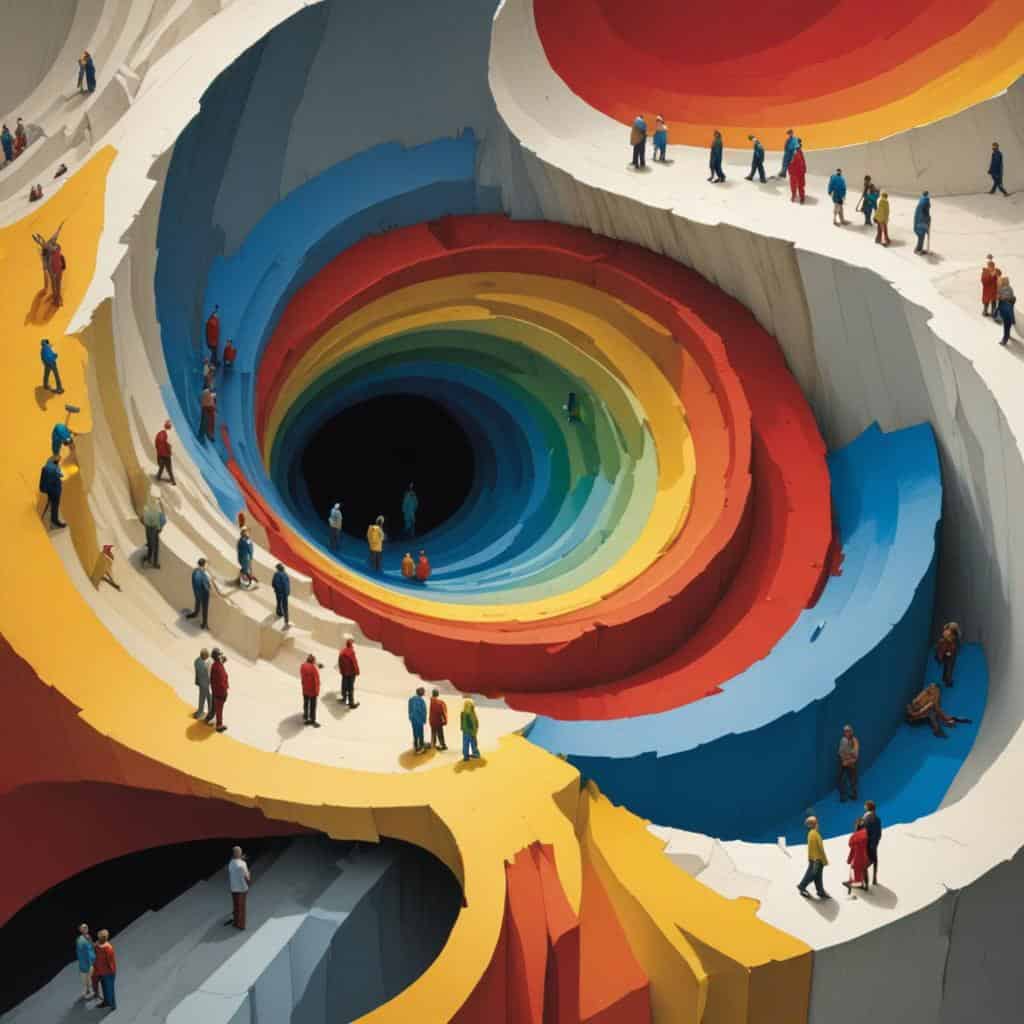
In Plato's allegory, prisoners are chained in a cave, only able to see shadows on the wall. This represents how humans are limited by their perception of reality and need to strive to understand the true Forms.

4. The Importance of Knowledge

4. The Importance of Knowledge

Plato believed that acquiring knowledge of the Forms was essential for leading a virtuous life. By understanding the Forms, individuals could strive towards the highest ideals of truth, beauty, and justice.

5. Criticisms of The Theory of Forms

5. Criticisms of The Theory of Forms

Some critics argue that the concept of Forms is too abstract and unverifiable. They question how one can access these perfect ideals beyond the physical world.

6. Influence on Western Philosophy

6. Influence on Western Philosophy

Despite criticisms, Plato's Theory of Forms has had a significant influence on Western philosophy. It laid the foundation for later philosophical movements and continues to be studied and debated today.

7. Forms in Modern Thought

7. Forms in Modern Thought

Contemporary philosophers and scholars still grapple with the concept of Forms in various fields, such as ethics, aesthetics, and metaphysics. The legacy of Plato's theory continues to shape intellectual discourse.

8. Application in Education

8. Application in Education

Plato's Theory of Forms has also had an impact on educational philosophy, emphasizing the importance of seeking knowledge and understanding abstract concepts. It has influenced teaching methods and curriculum development.

9. Seeking the Ideal

9. Seeking the Ideal

Through the exploration of The Theory of Forms, individuals are encouraged to seek the highest ideals in their lives and strive towards a more meaningful existence. The pursuit of truth, beauty, and justice becomes a noble endeavor.

10. The Legacy of Platos Theory

10. The Legacy of Platos Theory

Plato's Theory of Forms remains a cornerstone of philosophical thought, challenging individuals to question the nature of reality and strive towards a deeper understanding of the world around them. Its enduring legacy continues to inspire and provoke intellectual inquiry.

Overall, the Theory of Forms in philosophy is a complex but fascinating concept that delves into the realm of abstract ideas and the ultimate reality of the world. Plato's theory challenges us to think beyond the physical world and consider the eternal and unchanging nature of Forms. By understanding the basics of this theory, we can gain insight into the nature of knowledge, beauty, and truth.

In conclusion, Plato's Theory of Forms has left a lasting impact on the field of philosophy, inspiring centuries of debate and discussion. By unraveling the mysteries of Forms, we can begin to grasp the essence of reality and the interconnectedness of all things in the universe.

1 / 19

Lesson Details & Resources

In a Nutshell

  • Concept: A philosophical concept introduced by Plato.
  • Thinkers: Plato, 5th-4th Century BC.
  • Central Question: What is the true nature of reality?
  • Core Implication: The physical world is a mere reflection of the perfect, eternal Forms.

Timeline of The Theory Of Forms

No timeline events found.

Vocabulary List

Forms
In the Theory of Forms, Forms are the perfect, unchanging ideals that exist beyond the physical world.
Particulars
The Theory of Forms posits that particulars are imperfect copies of the perfect Forms.
Ideal
In Plato's philosophy, the Forms represent the ideal or perfect version of qualities like beauty or justice.
Mimesis
Plato believed that art was a mere imitation of reality, and therefore inferior to the true knowledge gained from understanding the Forms.
Epistemology
The Theory of Forms is a key aspect of Plato's epistemology, as it explores how humans can come to know the eternal truths of the Forms.

Key Facts

This is the information used in the fact matching game

    No key facts found.

Analysis & Significance

The Core Argument

The Theory of Forms, proposed by Plato, argues that the physical world we perceive is a mere shadow of a higher reality of perfect and eternal Forms. These Forms are the true essence of things, existing independently of our sensory experiences, and are the ultimate source of knowledge and truth.

Criticisms and Counterarguments

One major criticism of the Theory of Forms is its lack of empirical evidence, making it difficult to verify or falsify. Critics also argue that the idea of a separate realm of Forms raises questions about how we can access or understand these abstract entities. Additionally, some philosophers question the hierarchical nature of the Forms and how they are supposed to relate to the material world.

Modern Relevance

Despite its ancient origins, the Theory of Forms continues to be relevant in modern discussions on the nature of reality and knowledge. In an era of increasing skepticism and relativism, the concept of transcendent, universal truths offers a framework for grappling with moral and existential questions. Furthermore, the idea of striving towards perfection and ideal forms can inspire individuals and societies to pursue excellence and justice in a world filled with imperfections.

The Theory Of Forms Games

Was This Lesson Helpful?

Please log in or sign up to rate this lesson. 

Take Your Learning Offline

Want a convenient, print-ready study guide for this lesson? Become a Memory Wizards Pro member to unlock the downloadable " Memory Scrolls" for this topic and our entire library!

  • ✓ Complete Vocabulary Lists
  • ✓ Key Facts & Timelines
  • ✓ Beautifully Formatted for Print & Mobile
Upgrade to Pro

You must be logged in to provide feedback. Please log in or create a free account.

Scroll to Top