
Teleology And Final Cause
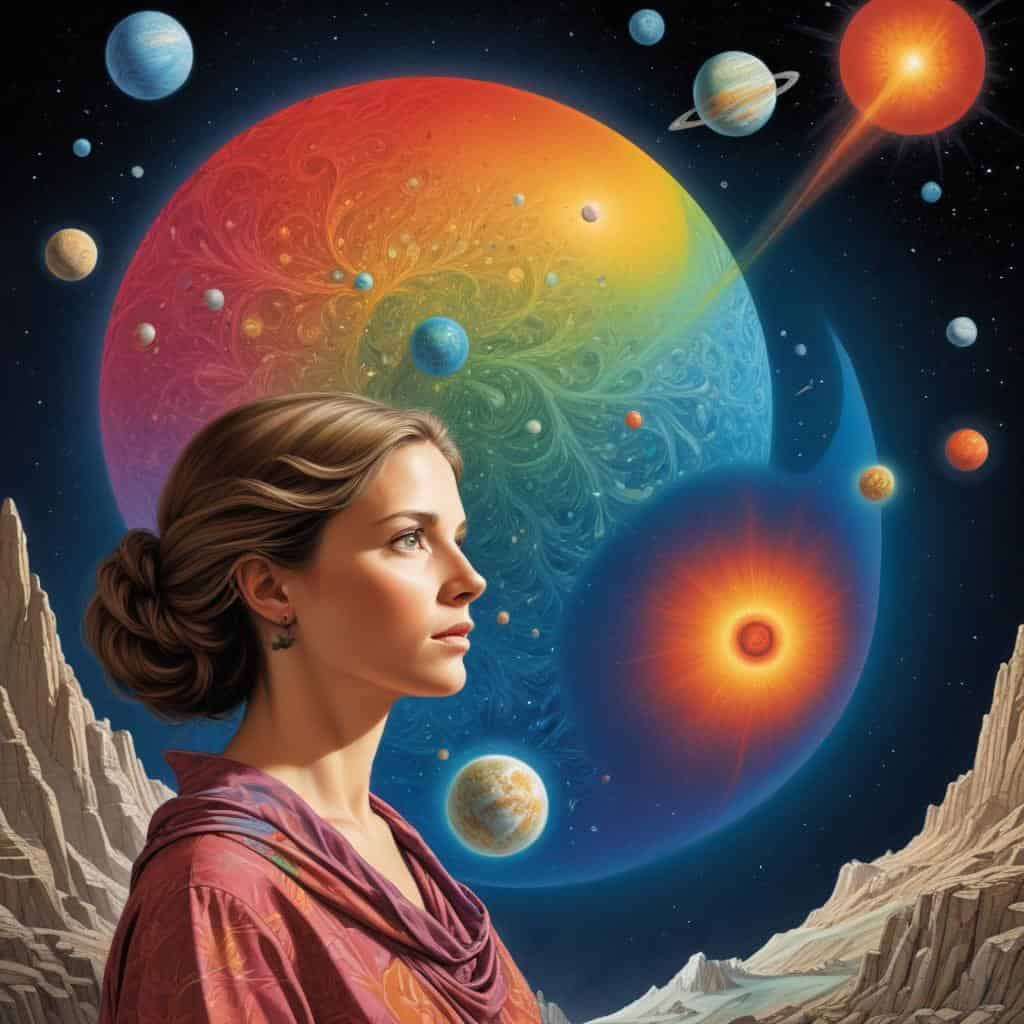
What drives the universe towards a purposeful end?
How Do You Learn Best?
Learn by Listening
Start with the 3-minute audio summary to get the key facts and narrative highlights quickly.
Learn by Reading
Immerse yourself in the 10-minute visual lesson for a comprehensive understanding of the topic.
Learn by Reviewing
Jump directly to the key facts, timeline, and vocabulary lists to build a solid foundation of details.
Learn by Doing
Challenge yourself! Jump straight into the interactive games to learn by trial, error, and discovery.
Audio Library
As one of our featured lessons, this topic includes premium audio guides.
Unlock the Wizard's Cram Session
This powerful audio study guide is a Pro-exclusive feature. Upgrade to Memory Wizards Pro to access this and all of our premium learning tools.
Upgrade to ProTeleology And Final Cause in 10 Minutes
Introduction

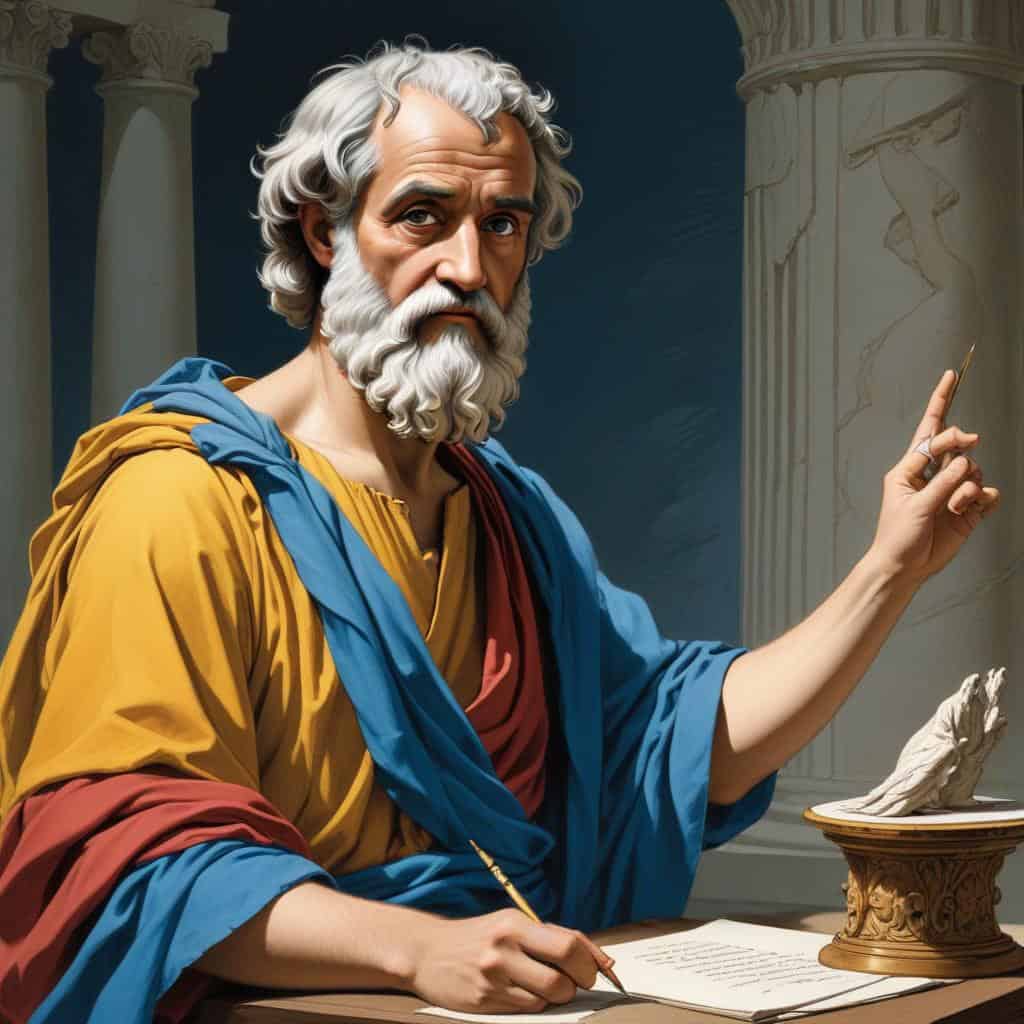
Aristotle
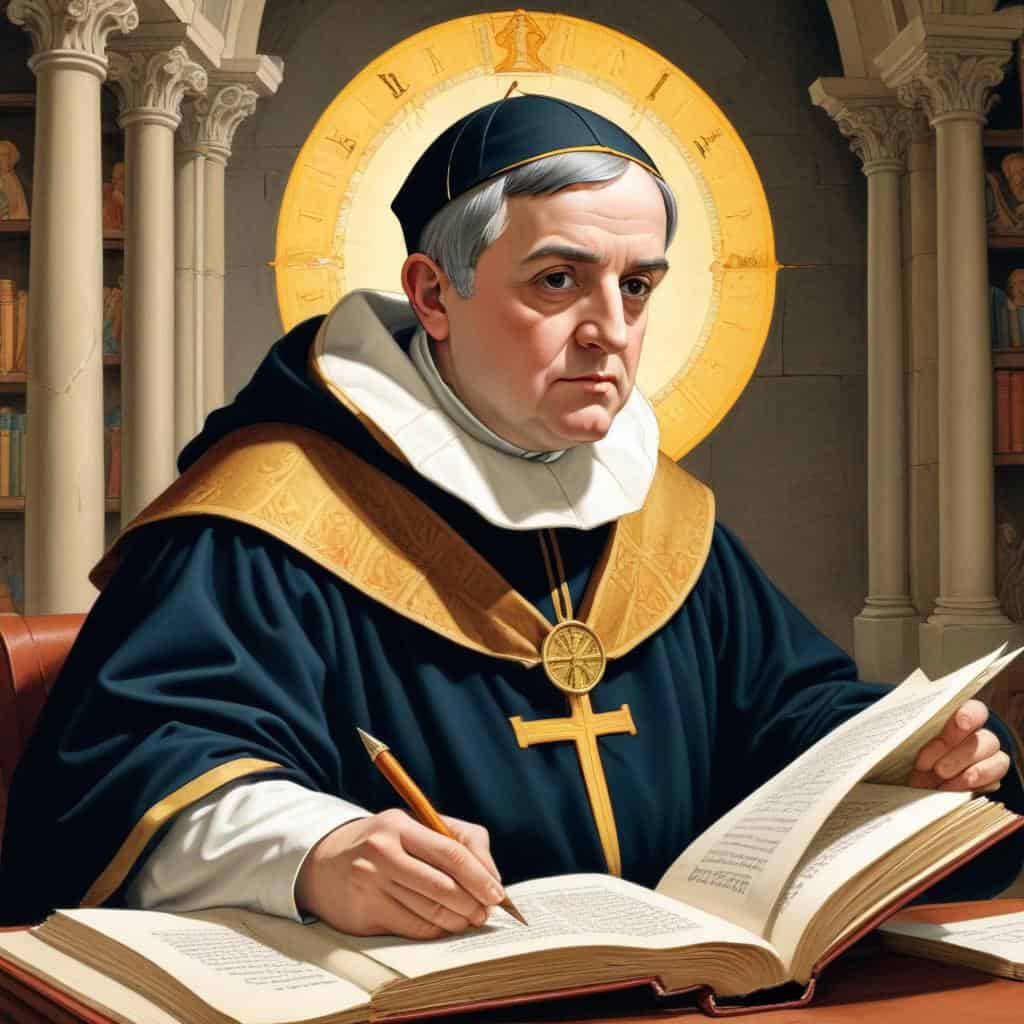
Thomas Aquinas
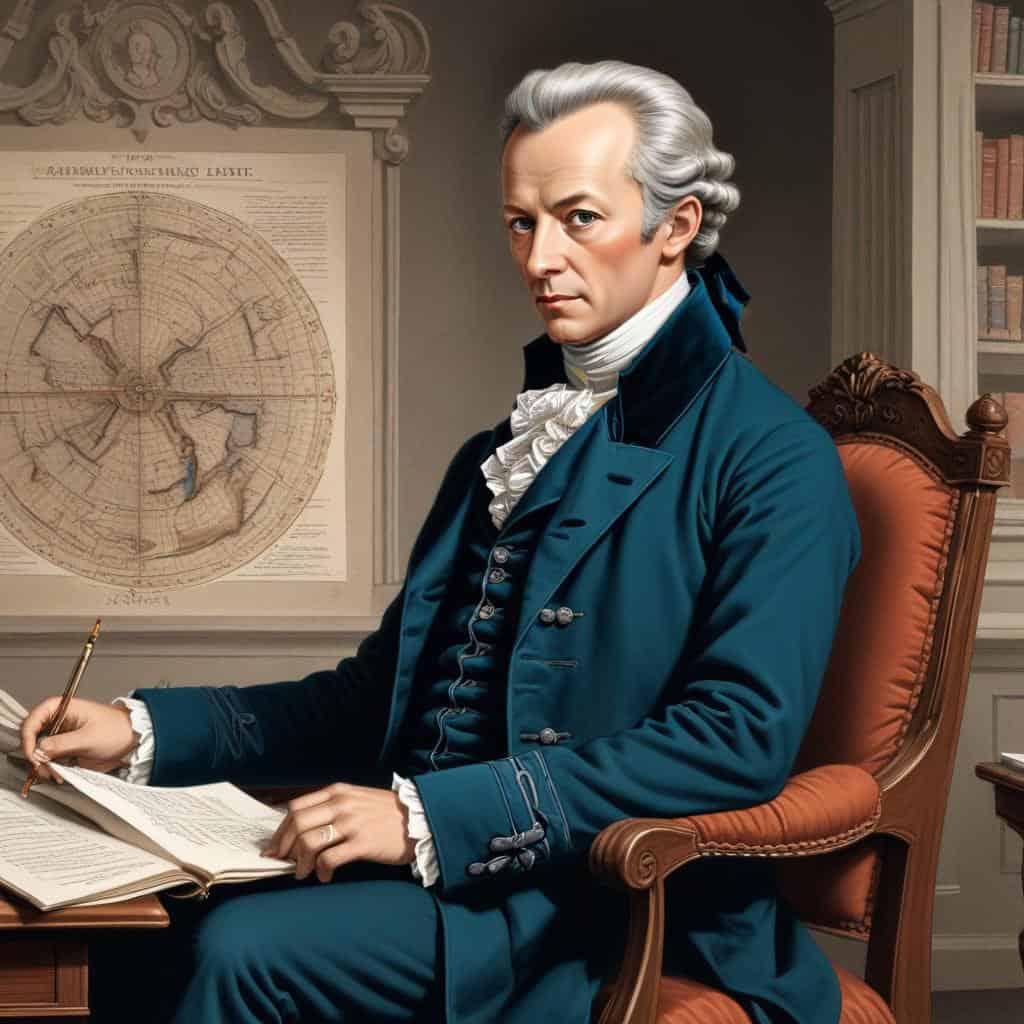
Immanuel Kant
1. What is Teleology?

2. The Concept of Final Cause
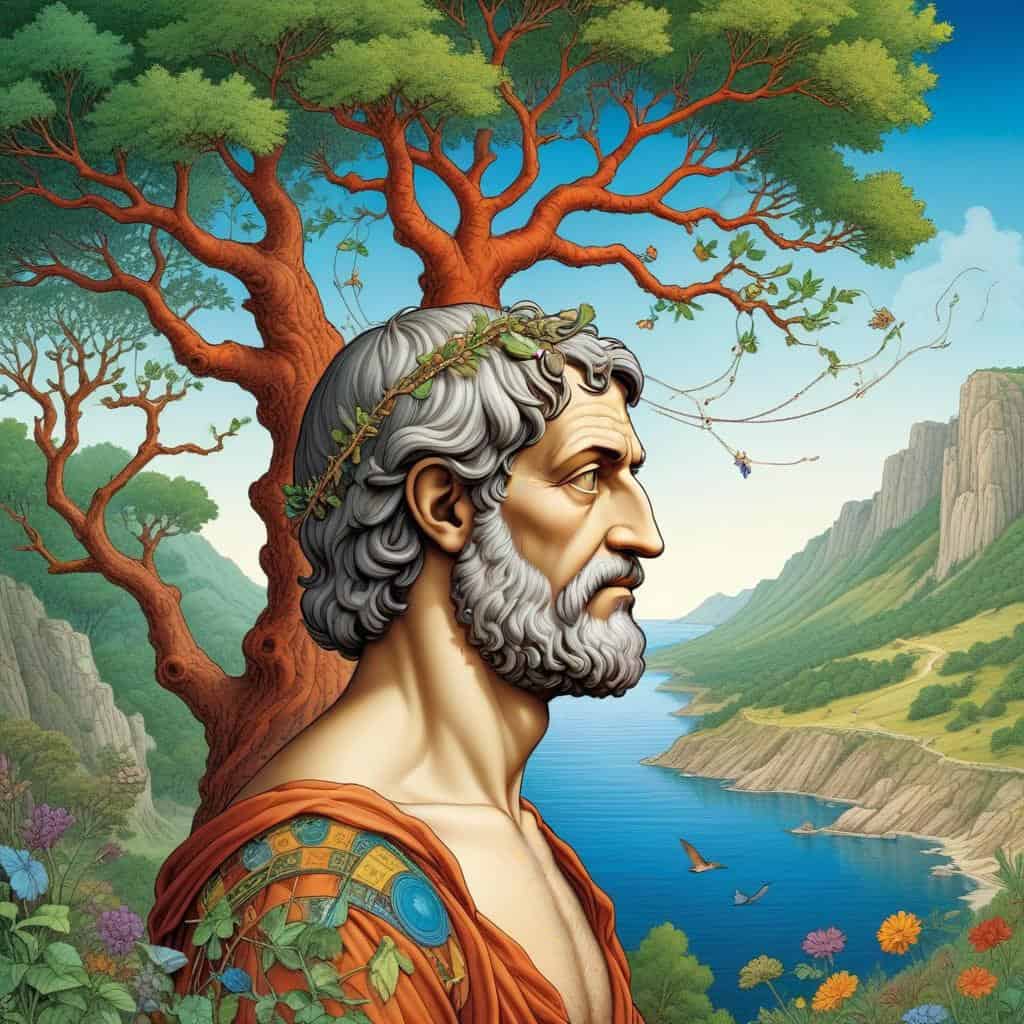
3. Aristotles View on Teleology

4. The Role of Teleology in Biology

5. Teleology in Ethics
6. Criticisms of Teleology
7. Modern Views on Teleology
8. Teleology and Intelligent Design
9. Teleology and the Universe
Lesson Details & Resources
In a Nutshell
- Concept: The idea that things have inherent purposes or goals towards which they strive.
- Thinkers: Aristotle, ancient Greek philosophy.
- Central Question: What is the ultimate purpose or goal of things in the world?
- Core Implication: The natural world is designed with a purpose and everything in it has a specific function to fulfill.
Timeline of Teleology And Final Cause
Aristotle introduces the concept of teleology in his work 'Physics'
Thomas Aquinas incorporates the idea of final cause into his philosophy in 'Summa Theologica'
Rene Descartes rejects teleology in favor of mechanistic explanations in 'Discourse on Method'
Gottfried Wilhelm Leibniz argues for a teleological view of the universe in 'Theodicy'
Immanuel Kant criticizes teleology as a form of anthropomorphism in 'Critique of Judgment'
Georg Wilhelm Friedrich Hegel incorporates teleological elements into his philosophy of history
Charles Darwin proposes a naturalistic explanation for the apparent design in nature in 'On the Origin of Species'
Alfred North Whitehead develops a process philosophy that includes teleological elements in 'Process and Reality'
Martin Heidegger critiques the concept of final cause in 'Being and Time'
Jacques Derrida deconstructs the idea of teleology in 'Of Grammatology'
Richard Dawkins popularizes the idea of biological evolution through natural selection in 'The Selfish Gene'
Jurgen Habermas argues for a communicative rationality that includes teleological elements in 'The Theory of Communicative Action'
Martha Nussbaum defends a neo-Aristotelian approach to ethics that includes teleological principles in 'The Fragility of Goodness'
Robert Nozick explores the role of teleology in his theory of rights in 'Anarchy, State, and Utopia'
Philip Kitcher advocates for a naturalistic teleology in biology in 'Living with Darwin'
Karen Barad incorporates teleological elements into her agential realism in 'Meeting the Universe Halfway'
Sean Carroll argues against teleology in the universe in 'The Big Picture'
Patricia Churchland criticizes teleological explanations in neuroscience in 'Brain-Wise'
Daniel Dennett explores the evolution of purpose in 'Darwin's Dangerous Idea'
John Searle critiques teleological explanations in his philosophy of mind
Vocabulary List
- Teleology
- In teleology, events are explained by their end goal or purpose.
- Final Cause
- Final cause in philosophy refers to the ultimate purpose or goal of an object or action.
- Purpose
- Purpose is often central to discussions of teleology and final cause in philosophy.
- End Goal
- Determining the end goal of a particular action or object is a key aspect of teleological reasoning.
- Intentionality
- Intentionality is closely related to teleology, as both involve the idea of directedness towards a goal or purpose.
- Design
- Discussions of teleology often involve considerations of design and the idea of an intelligent creator.
Key Facts
This is the information used in the fact matching game
- Teleology is the study of the purpose or design that serves as an end or goal in natural phenomena.
- Aristotle was one of the first philosophers to develop the concept of final causes, which are the purposes or goals of things in nature.
- The concept of teleology is often contrasted with mechanistic explanations that focus on efficient causes.
- The idea of final causes was central to the philosophy of Thomas Aquinas, who argued that all things in nature have an ultimate purpose.
- Teleology plays a significant role in discussions about evolution, with some arguing that natural selection can be seen as a form of teleological explanation.
- Immanuel Kant critiqued teleological explanations in his work, arguing that they were based on subjective human perspectives rather than objective reality.
- Teleology is often associated with the philosophy of biology, as it seeks to understand the purpose or function of biological phenomena.
- The concept of final causes can be traced back to ancient Greek philosophy, particularly the work of Plato and Aristotle.
- Some contemporary philosophers argue that teleological explanations have been largely replaced by scientific explanations based on causality and natural laws.
- Teleology has been a subject of debate in the philosophy of mind, with some arguing that mental states can be explained teleologically.
- Final causes are often seen as providing a sense of purpose and meaning to the natural world.
- The concept of teleology has been influential in fields such as psychology, ethics, and theology.
- Some argue that teleology is incompatible with a purely mechanistic view of the universe, as it implies the existence of purpose or design.
- Final causes are often seen as providing a way to explain the order and complexity found in nature.
- Teleology has been a subject of debate in the philosophy of science, with some arguing that it is a legitimate form of explanation while others reject it as unscientific.
- The concept of final causes has been influential in the development of theology, particularly in arguments for the existence of a divine creator.
- Some argue that teleology can provide a basis for ethical reasoning, as it implies a purpose or goal to human actions.
- Final causes are often used in arguments for the existence of intelligent design in the universe.
- The concept of teleology has been influential in the development of systems theory, as it seeks to understand the purpose or function of complex systems.
- Some philosophers argue that teleology is a necessary component of a comprehensive philosophical worldview, as it provides a basis for understanding the nature of reality.
Analysis & Significance
The Core Argument
Teleology and Final Cause are philosophical concepts that suggest that all things have a purpose or end goal towards which they are directed. This idea posits that there is an inherent design or intentionality in the natural world, guiding objects and organisms towards their ultimate fulfillment.
Criticisms and Counterarguments
Critics of teleology argue that attributing purpose or final cause to objects may be a human projection rather than an objective truth. They question whether there is indeed a predetermined end goal for everything in the universe, and challenge the notion that there is a grand design shaping the course of events.
Modern Relevance
In modern times, the concept of teleology and final cause can be seen in discussions surrounding ethics and technology. Questions about the ethical implications of artificial intelligence and genetic engineering often revolve around the idea of whether these advancements have a predetermined purpose or if they are simply human creations devoid of inherent meaning. Understanding teleology can help us navigate complex ethical dilemmas and contemplate the implications of our creations on society and the environment.
Teleology And Final Cause Games


Take Your Learning Offline
Want a convenient, print-ready study guide for this lesson? Become a Memory Wizards Pro member to unlock the downloadable " Memory Scrolls" for this topic and our entire library!
- ✓ Complete Vocabulary Lists
- ✓ Key Facts & Timelines
- ✓ Beautifully Formatted for Print & Mobile