
Substance And Accidents
What defines us more: our essence or our experiences?
How Do You Learn Best?
Learn by Listening
Start with the 3-minute audio summary to get the key facts and narrative highlights quickly.
Learn by Reading
Immerse yourself in the 10-minute visual lesson for a comprehensive understanding of the topic.
Learn by Reviewing
Jump directly to the key facts, timeline, and vocabulary lists to build a solid foundation of details.
Learn by Doing
Challenge yourself! Jump straight into the interactive games to learn by trial, error, and discovery.
Audio Library
As one of our featured lessons, this topic includes premium audio guides.
Unlock the Wizard's Cram Session
This powerful audio study guide is a Pro-exclusive feature. Upgrade to Memory Wizards Pro to access this and all of our premium learning tools.
Upgrade to ProSubstance And Accidents in 10 Minutes

Introduction
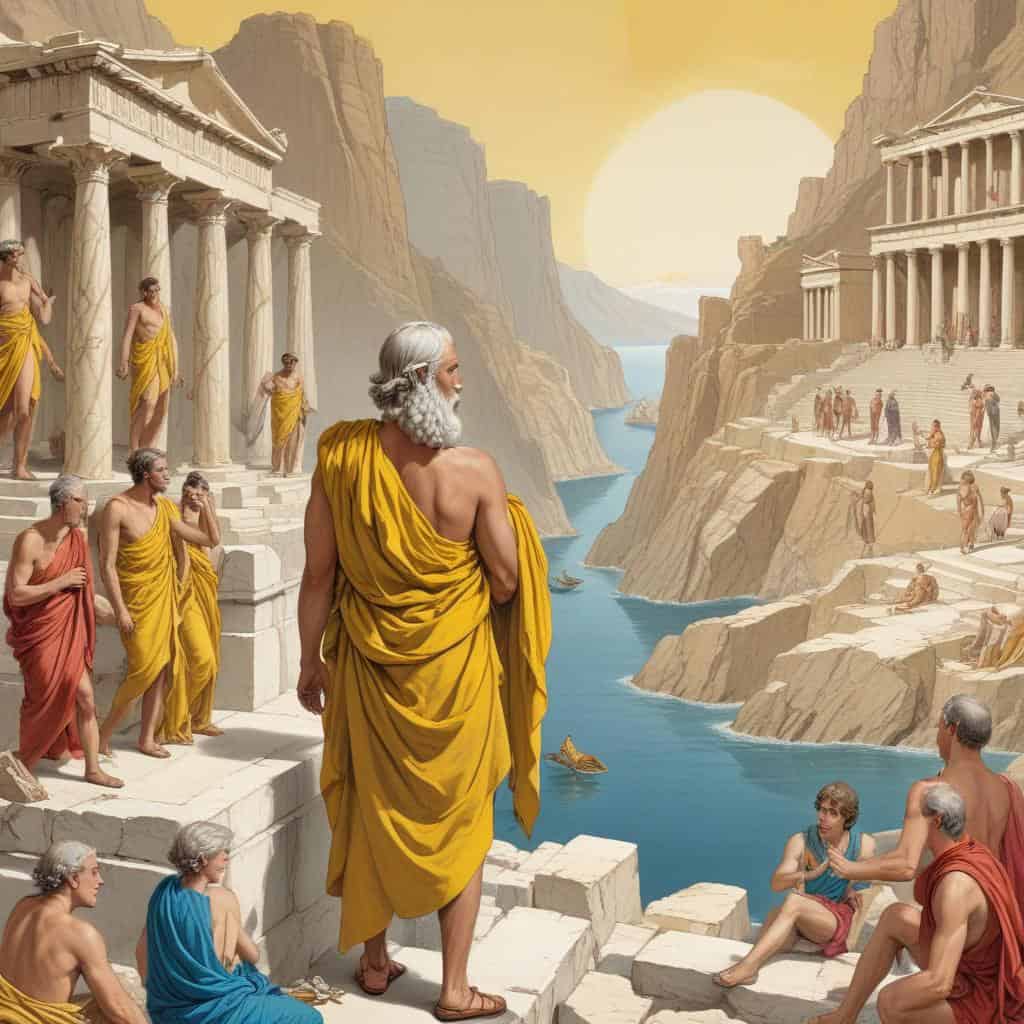

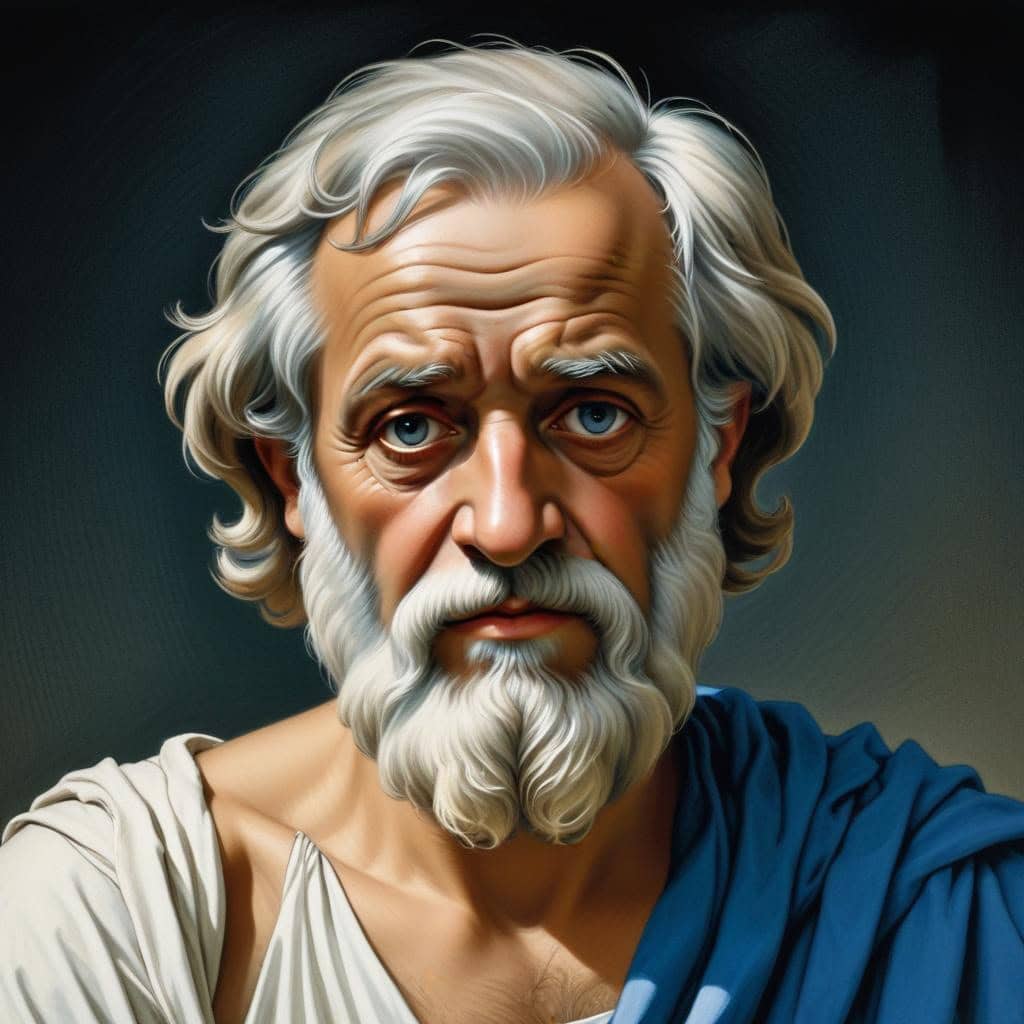
Aristotle

Rene Descartes

David Hume

Immanuel Kant

Introduction to Substance and Accidents
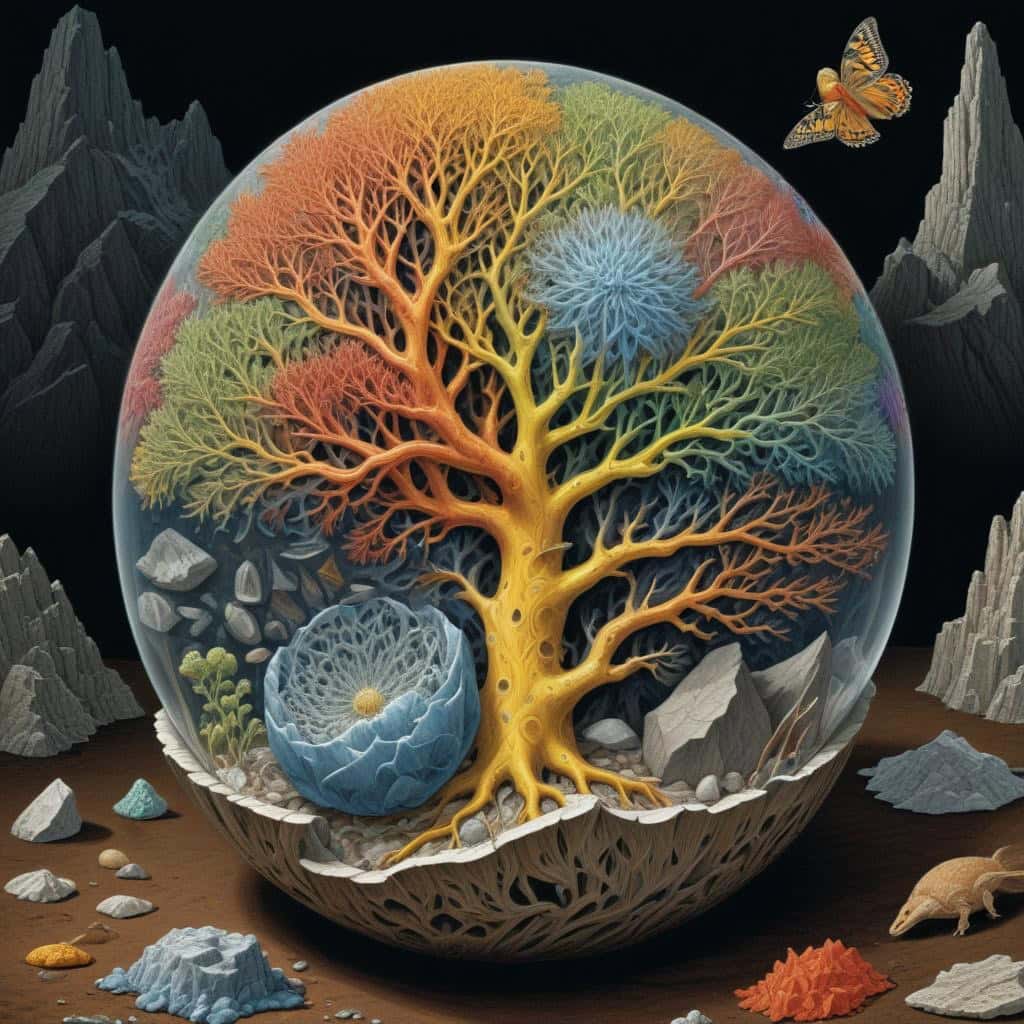
Definition of Substance

Definition of Accidents
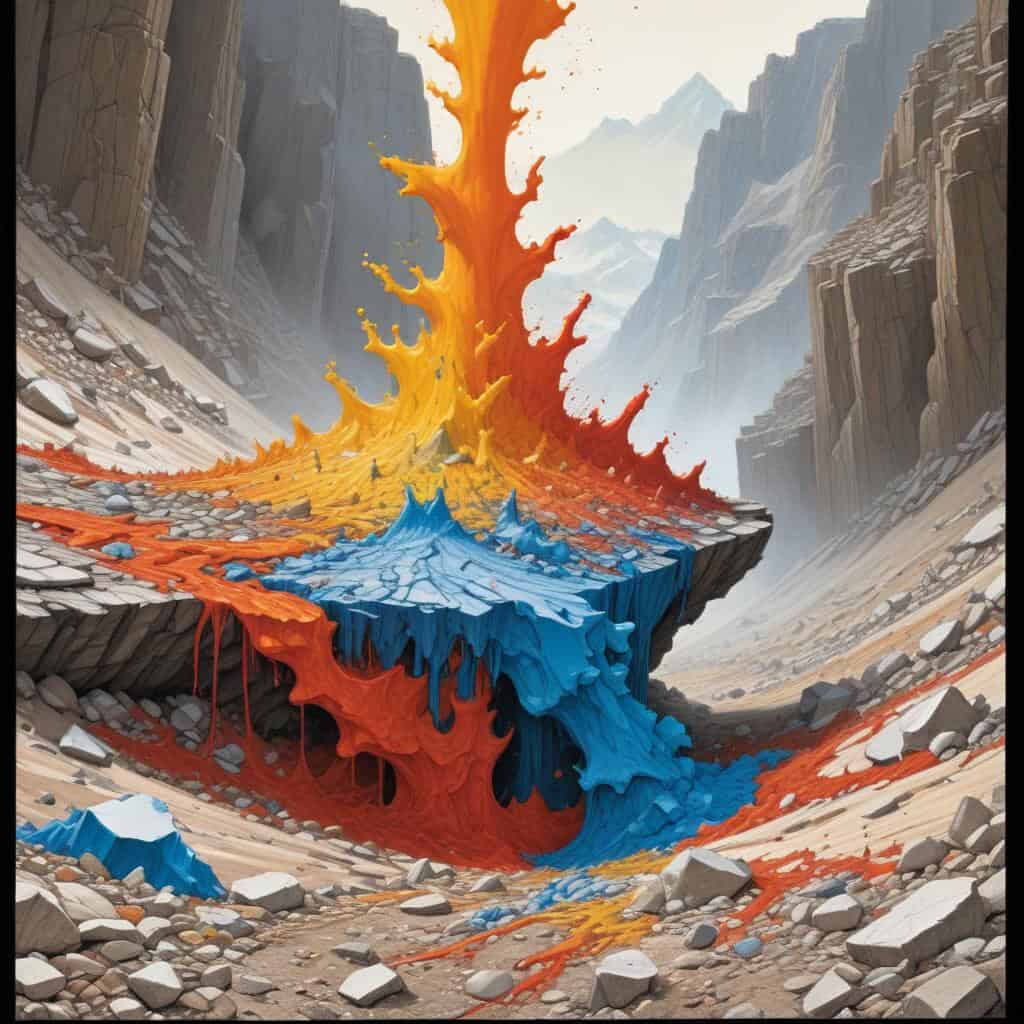
Relationship Between Substance and Accidents

Examples of Substance and Accidents

Philosophical Implications of Substance and Accidents

Historical Perspectives on Substance and Accidents

Modern Interpretations of Substance and Accidents

Lesson Details & Resources
In a Nutshell
- Concept: The philosophical concept that distinguishes between the essential nature of a thing (substance) and its non-essential qualities (accidents).
- Thinkers: Aristotle, 4th Century BC
- Central Question: What is the true nature of a thing and how do its properties relate to its essence?
- Core Implication: The essence of a thing is distinct from its accidental qualities, allowing for a deeper understanding of reality.
Timeline of Substance And Accidents
Aristotle introduces the concept of substance and accidents in his work 'Categories'
Thomas Aquinas further develops the concept of substance and accidents in his work 'Summa Theologica'
Descartes distinguishes between substance and accidents in his work 'Meditations on First Philosophy'
Leibniz proposes the theory of monads as the ultimate substances in his work 'Monadology'
Kant critiques the concept of substance and accidents in his work 'Critique of Pure Reason'
Hegel develops the idea of substance as self-relating in his work 'Science of Logic'
Bergson introduces the concept of duration as a primary substance in his work 'Creative Evolution'
Husserl explores the concept of substance in his phenomenological philosophy
Heidegger discusses the notion of Being as the fundamental substance in his work 'Being and Time'
Merleau-Ponty examines the role of the body as a primary substance in his work 'Phenomenology of Perception'
Deleuze proposes the concept of virtual as a non-substantial substance in his work 'Difference and Repetition'
Foucault critiques the notion of substance and accidents in his work 'The Order of Things'
Derrida deconstructs the binary opposition of substance and accidents in his work 'Of Grammatology'
DeLanda explores the concept of assemblages as dynamic substances in his work 'A New Philosophy of Society'
Meillassoux introduces the concept of hyper-chaos as a primary substance in his work 'After Finitude'
Harman develops the idea of object-oriented ontology, challenging traditional notions of substance and accidents
Bryant proposes the concept of onticology as a way to rethink substance and accidents in his work 'The Democracy of Objects'
Vocabulary List
- Substance
- In Aristotle's philosophy, substance is the primary principle of existence.
- Accidents
- In the philosophy of Descartes, accidents are the properties that can be separated from substances.
- Essence
- According to Plato, essence is the true nature of a thing that exists beyond its physical form.
- Inherence
- In Scholastic philosophy, inherence is used to explain the connection between the substance and its properties.
- Identity
- Identity plays a crucial role in determining the essence of a substance in philosophical discussions.
Key Facts
Analysis & Significance
The Core Argument
The concept of Substance and Accidents delves into the distinction between the essential nature of an object (substance) and its non-essential properties (accidents). This philosophical idea seeks to unravel the relationship between what an object fundamentally is and the attributes it may possess.
Criticisms and Counterarguments
Critics of Substance and Accidents argue that this distinction is arbitrary and fails to account for the interconnectedness of all aspects of an object. Additionally, some philosophers question the practicality of separating substance from accidents in the real world, as everything seems to be intertwined.
Modern Relevance
In modern times, the concept of Substance and Accidents can be applied to the debate surrounding personal identity and ethics. Understanding the core essence of individuals versus their transient characteristics can shed light on questions of authenticity, responsibility, and societal roles. This philosophical idea challenges us to reflect on what truly defines us as individuals in a world filled with changing circumstances.
Substance And Accidents Games


Take Your Learning Offline
Want a convenient, print-ready study guide for this lesson? Become a Memory Wizards Pro member to unlock the downloadable " Memory Scrolls" for this topic and our entire library!
- ✓ Complete Vocabulary Lists
- ✓ Key Facts & Timelines
- ✓ Beautifully Formatted for Print & Mobile