
The Nature Of The Soul
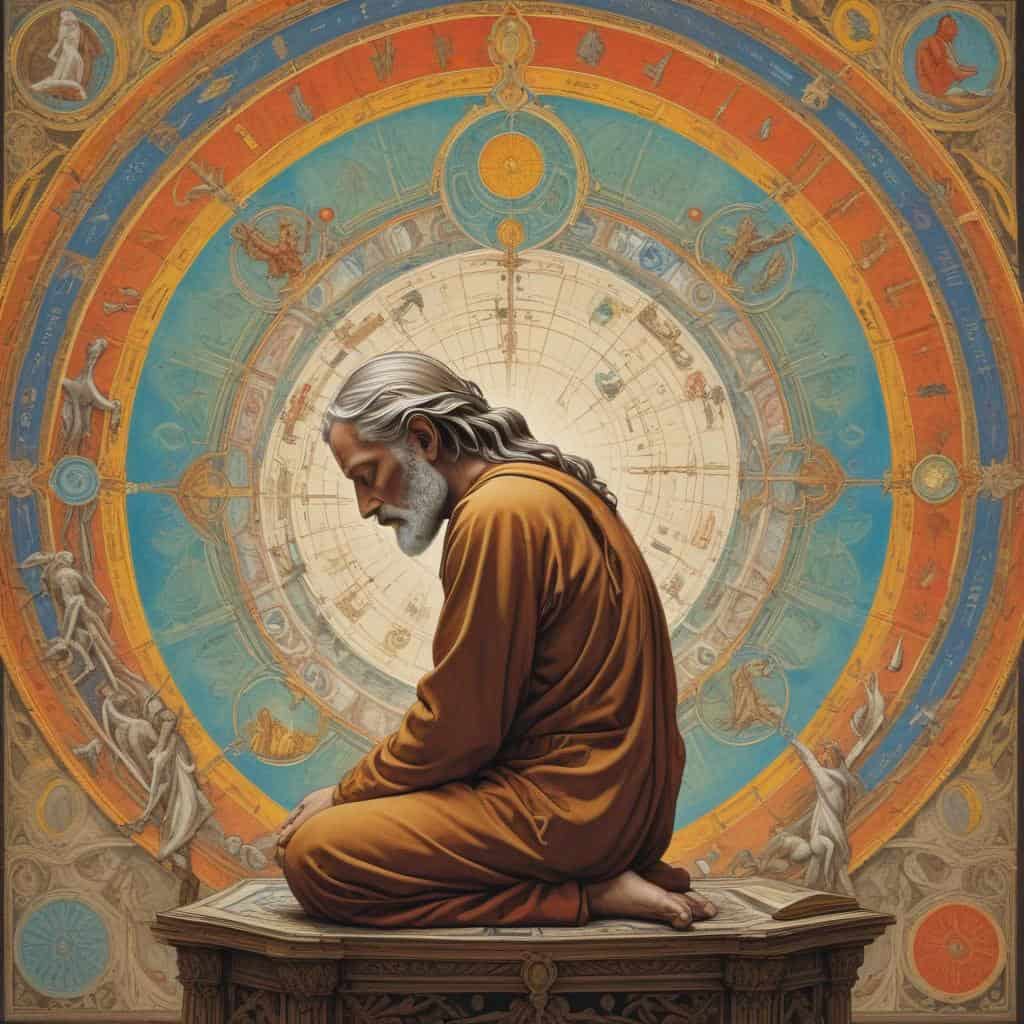
What defines the essence of our being?
How Do You Learn Best?
Learn by Listening
Start with the 3-minute audio summary to get the key facts and narrative highlights quickly.
Learn by Reading
Immerse yourself in the 10-minute visual lesson for a comprehensive understanding of the topic.
Learn by Reviewing
Jump directly to the key facts, timeline, and vocabulary lists to build a solid foundation of details.
Learn by Doing
Challenge yourself! Jump straight into the interactive games to learn by trial, error, and discovery.
Audio Library
As one of our featured lessons, this topic includes premium audio guides.
Unlock the Wizard's Cram Session
This powerful audio study guide is a Pro-exclusive feature. Upgrade to Memory Wizards Pro to access this and all of our premium learning tools.
Upgrade to ProThe Nature Of The Soul in 10 Minutes

Introduction



Plato
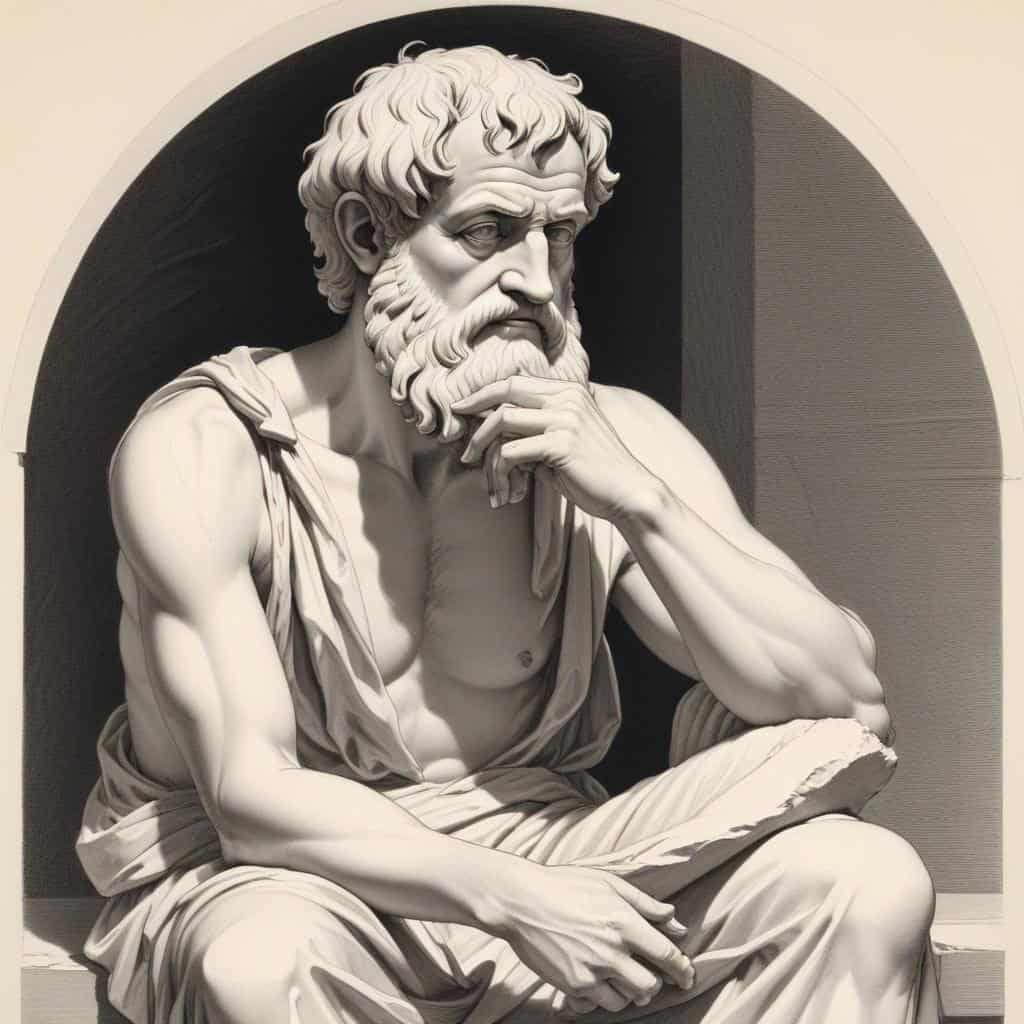
Aristotle

Descartes

St. Augustine
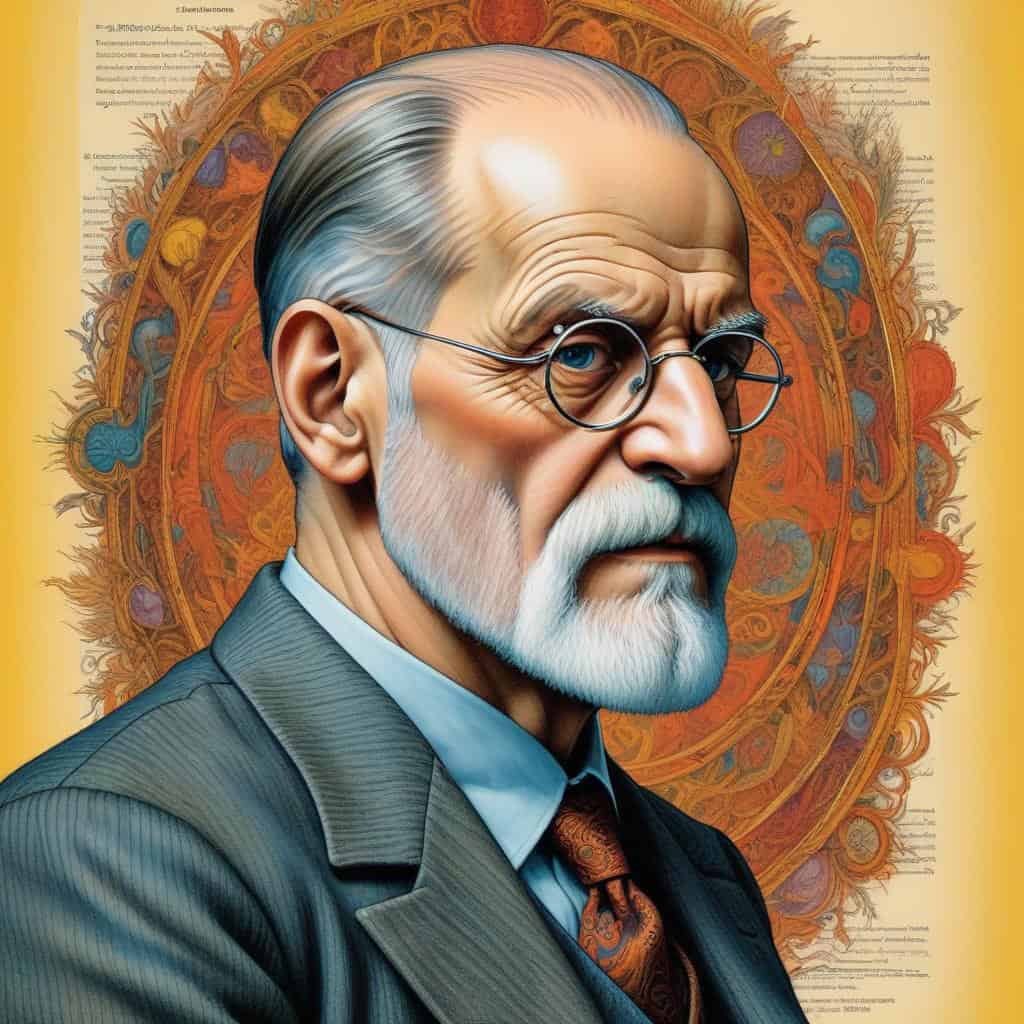
Sigmund Freud
The Origin of the Soul
The Immortality of the Soul

The Unity of the Soul and Body

The Nature of the Souls Essence

The Role of the Soul in Moral Decision Making

The Connection Between the Soul and Emotions

The Influence of Culture on the Perception of the Soul

The Search for Meaning in Life Through the Soul

The Evolution of Philosophical Thought on the Soul

The Endless Quest to Understand the Soul

Lesson Details & Resources
In a Nutshell
- Concept: The Nature of the Soul is the philosophical inquiry into the essence of the human soul.
- Thinkers: Plato & Aristotle, 4th Century BC.
- Central Question: What is the nature of the soul and its relationship to the body?
- Core Implication: The soul is immortal and separate from the physical body, leading to implications for ethics and the afterlife.
Timeline of The Nature Of The Soul
Vocabulary List
- Soul
- In philosophy, the soul is often considered the essence of a person's identity and consciousness.
- Immortality
- Many philosophical discussions on the nature of the soul revolve around the concept of immortality.
- Dualism
- Some philosophers argue for dualism, suggesting that the soul is distinct from the physical body.
- Consciousness
- The nature of consciousness is a key component in understanding the nature of the soul in philosophy.
- Transcendence
- The soul is often associated with transcendence, representing a higher, spiritual realm.
Key Facts
This is the information used in the fact matching game
- The soul is believed to be the essence of a person's being, encompassing their thoughts, emotions, and consciousness.
- In philosophy, the nature of the soul is often debated in terms of its immortality or mortality.
- Plato believed in the immortality of the soul, viewing it as eternal and unchanging.
- Aristotle, on the other hand, saw the soul as inseparable from the body and believed it was mortal.
- Descartes famously argued for the dualism of the mind and body, viewing the soul as a separate, non-physical entity.
- The concept of the soul is central to many religious beliefs, serving as the seat of morality and spirituality.
- Some philosophers argue that the soul is responsible for personal identity and continuity over time.
- The nature of the soul is often explored in relation to consciousness and the mind-body problem.
- Different philosophical traditions have varying views on the nature and purpose of the soul, such as in Eastern and Western philosophies.
- The soul is sometimes seen as the source of emotions and desires, influencing human behavior and decision-making.
- The concept of the soul has been a subject of philosophical inquiry since ancient times, with different interpretations and theories proposed over the centuries.
- Some philosophers argue that the soul is a necessary component for free will and moral responsibility.
- The nature of the soul is often linked to questions of existence, purpose, and the meaning of life.
- The soul is sometimes seen as the source of creativity, inspiration, and artistic expression.
- Philosophers have debated whether the soul is a unified entity or composed of multiple parts, each with its own function.
- The concept of the soul is not limited to humans, as some philosophical traditions also attribute souls to animals, plants, and even inanimate objects.
- The soul is often associated with the idea of a higher self or transcendental consciousness beyond the physical realm.
- Some philosophical traditions emphasize the importance of self-reflection and introspection to better understand the nature of the soul.
- The nature of the soul is a complex and multifaceted concept that continues to be explored and debated in philosophy, psychology, and religious studies.
Analysis & Significance
The Core Argument
The concept of the nature of the soul delves into the fundamental question of what constitutes the essence of an individual’s being. Philosophers have debated whether the soul is immortal, eternal, or merely a product of physical processes.
Criticisms and Counterarguments
One of the major criticisms of the concept of the soul is the lack of empirical evidence to support its existence. Materialistic philosophers argue that the soul is merely a byproduct of brain activity and consciousness, dismissing the idea of an immaterial essence separate from the body.
Modern Relevance
Despite advancements in neuroscience, the question of the soul remains relevant in discussions about consciousness, identity, and ethical decision-making. Understanding the nature of the soul can inform debates on issues such as artificial intelligence, end-of-life care, and personal responsibility in a rapidly changing world.
The Nature Of The Soul Games


Take Your Learning Offline
Want a convenient, print-ready study guide for this lesson? Become a Memory Wizards Pro member to unlock the downloadable " Memory Scrolls" for this topic and our entire library!
- ✓ Complete Vocabulary Lists
- ✓ Key Facts & Timelines
- ✓ Beautifully Formatted for Print & Mobile