
The Four Causes
What sparks the chain reaction of causality in our lives?
How Do You Learn Best?
Learn by Listening
Start with the 3-minute audio summary to get the key facts and narrative highlights quickly.
Learn by Reading
Immerse yourself in the 10-minute visual lesson for a comprehensive understanding of the topic.
Learn by Reviewing
Jump directly to the key facts, timeline, and vocabulary lists to build a solid foundation of details.
Learn by Doing
Challenge yourself! Jump straight into the interactive games to learn by trial, error, and discovery.
Audio Library
As one of our featured lessons, this topic includes premium audio guides.
Unlock the Wizard's Cram Session
This powerful audio study guide is a Pro-exclusive feature. Upgrade to Memory Wizards Pro to access this and all of our premium learning tools.
Upgrade to ProThe Four Causes in 10 Minutes

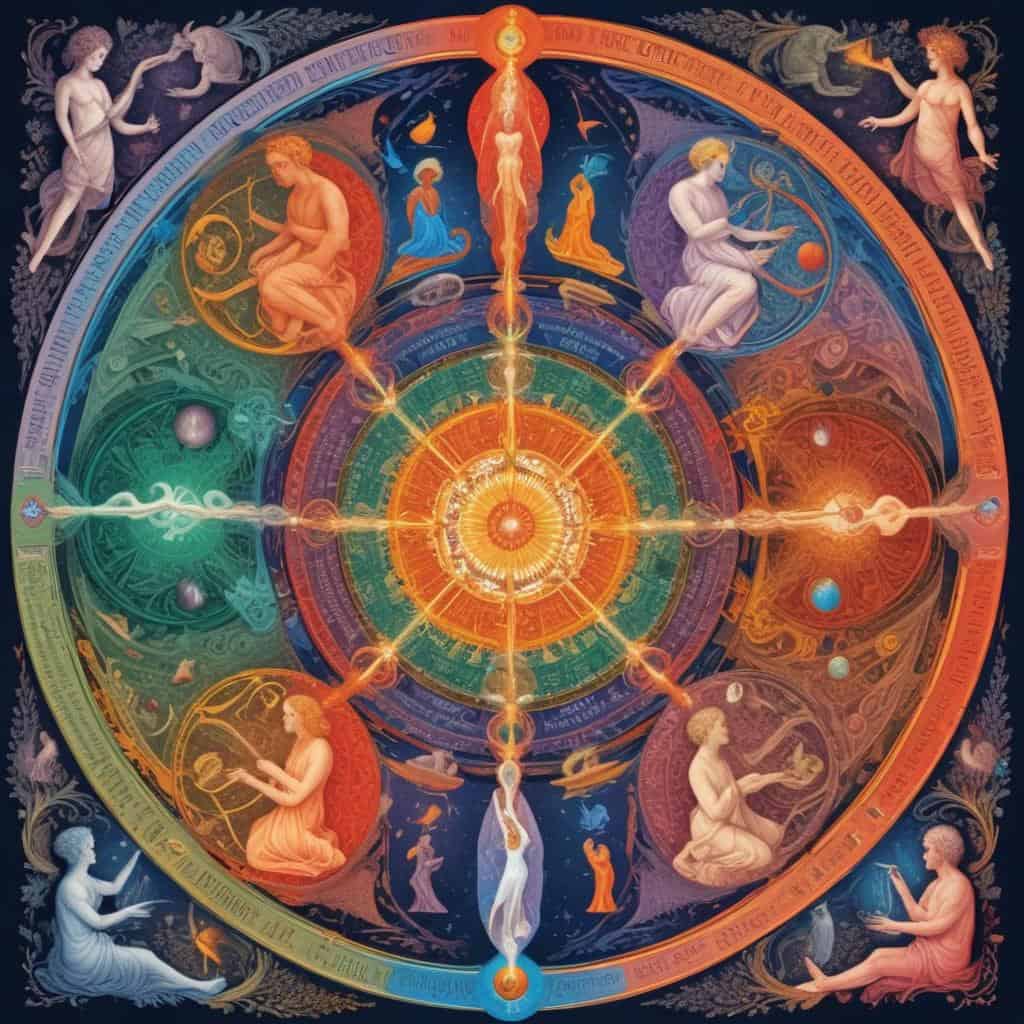
Introduction

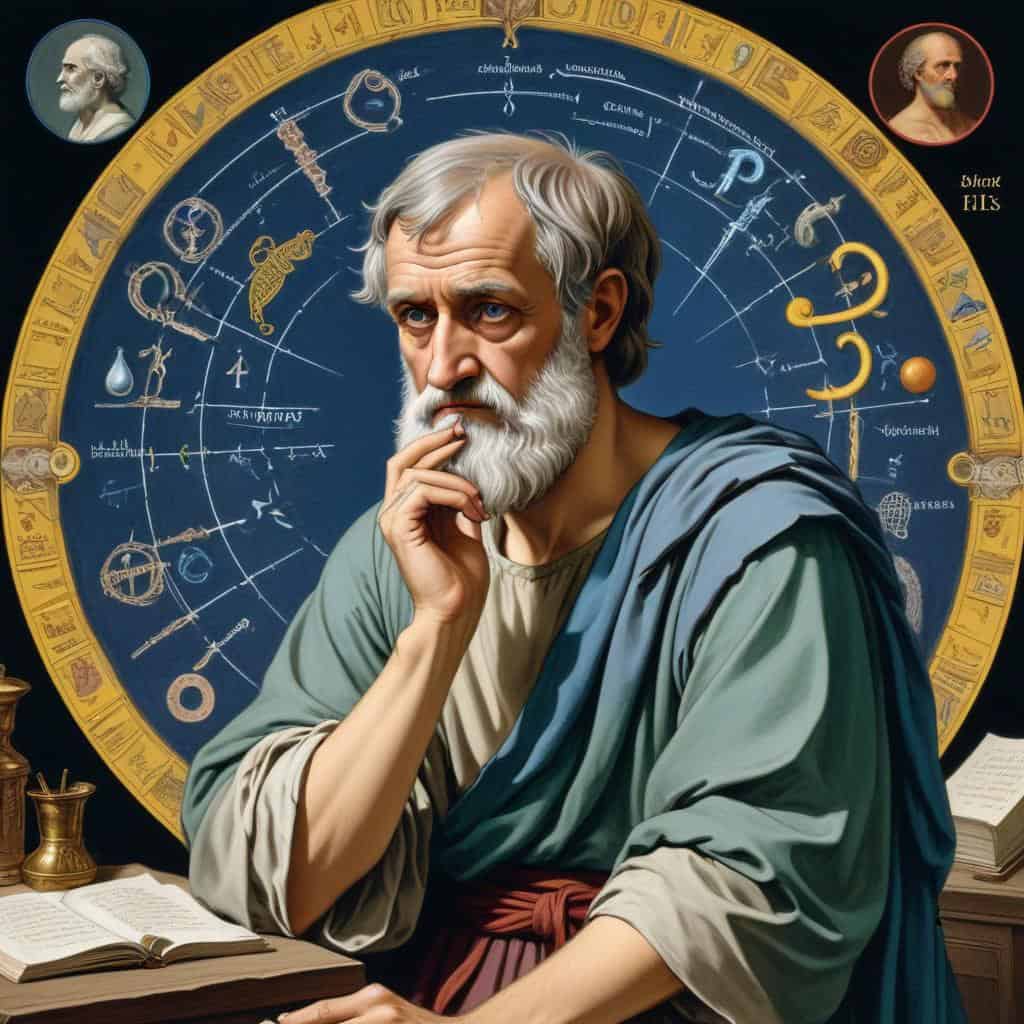
Aristotle

Thomas Aquinas

René Descartes
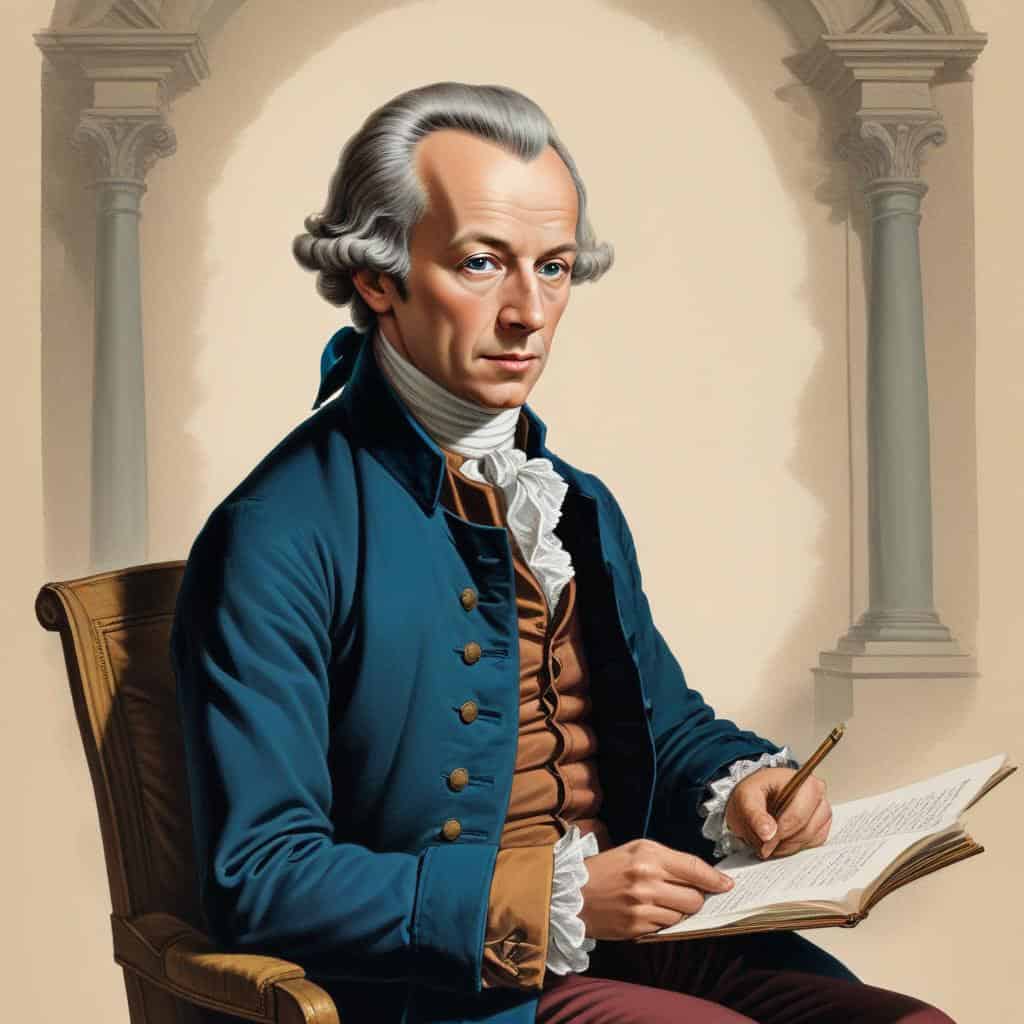
Immanuel Kant

The Material Cause
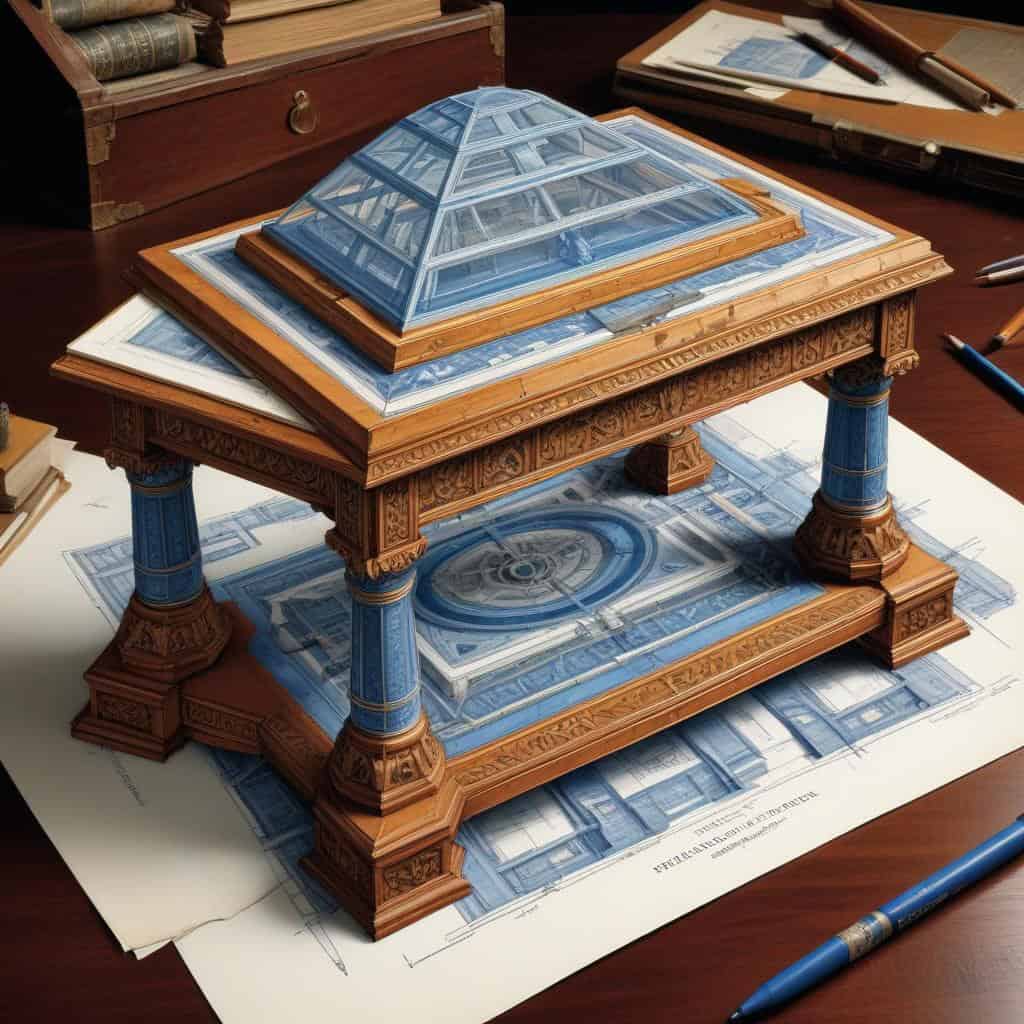
The Formal Cause

The Efficient Cause

The Final Cause
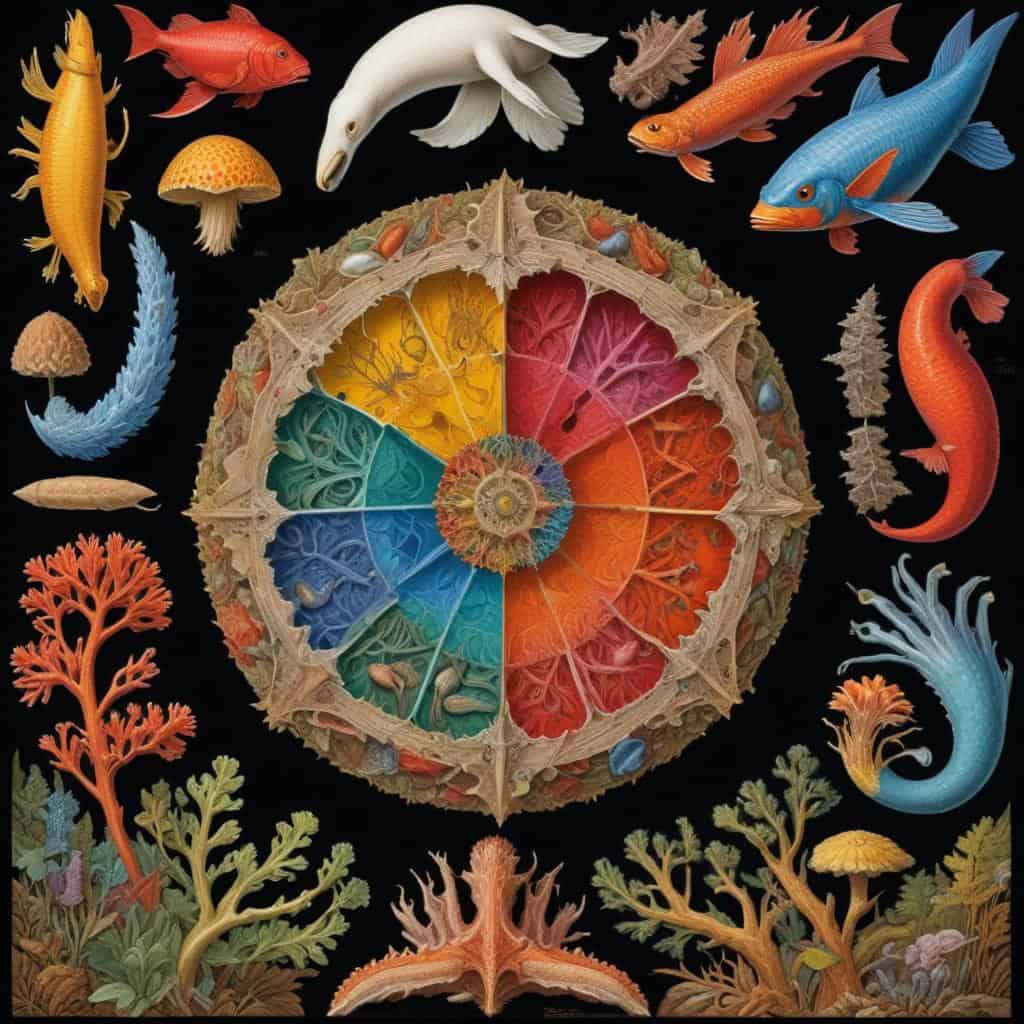
Understanding the Four Causes
Aristotles Contribution
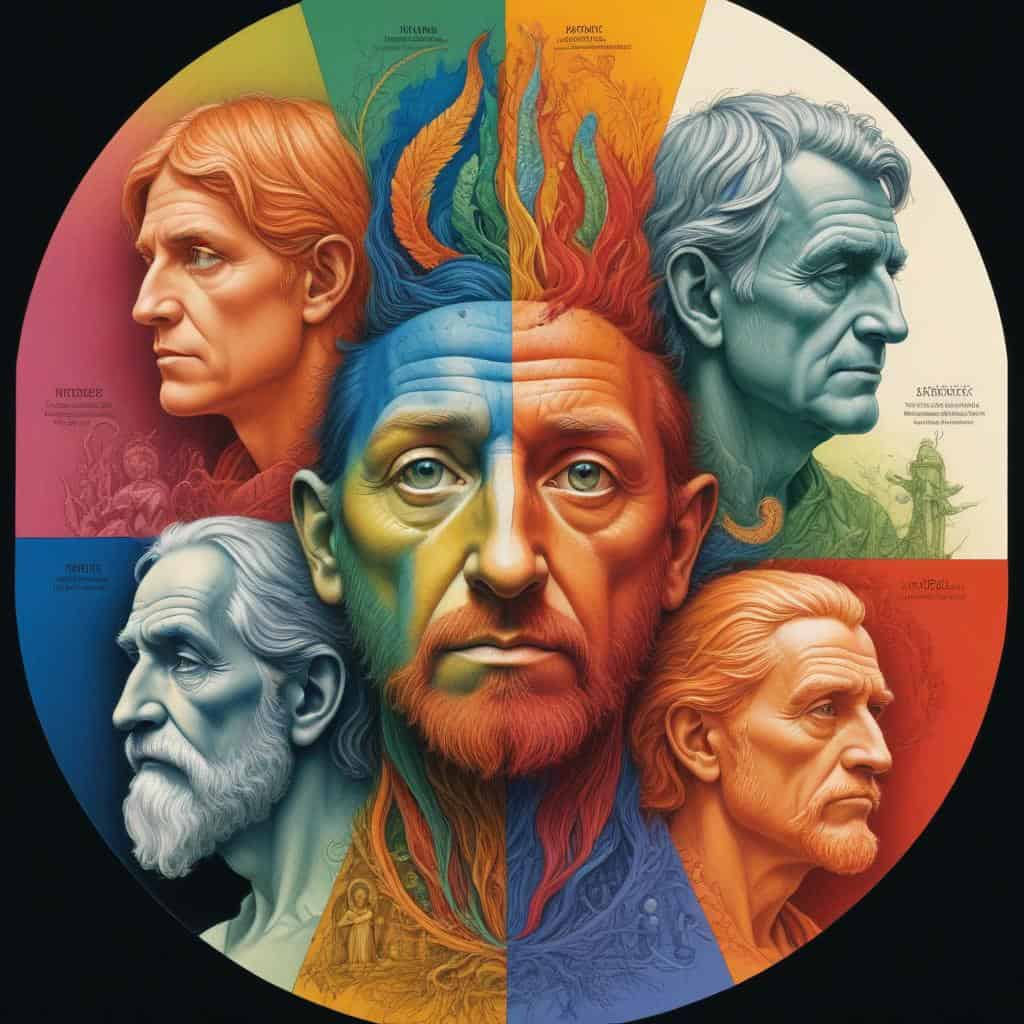
Application in Philosophy
Criticism and Debate
Continued Relevance


Lesson Details & Resources
In a Nutshell
- Concept: The Four Causes
- Thinkers: Aristotle, Ancient Greece
- Central Question: What are the different factors that contribute to the existence and nature of an object or event?
- Core Implication: Every object or event has four distinct causes: material, formal, efficient, and final causes.
Timeline of The Four Causes
Vocabulary List
Key Facts
This is the information used in the fact matching game
- The Four Causes are a key concept in Aristotle's philosophy, explaining why things exist and their purpose.
- The Four Causes consist of the material cause, formal cause, efficient cause, and final cause.
- The material cause refers to the physical substance from which something is made.
- The formal cause is the pattern or design that gives shape to the material cause.
- The efficient cause is the factor that brings about change or transformation in an object.
- The final cause is the ultimate purpose or goal for which something exists.
- Aristotle believed that understanding the Four Causes could help us understand the nature of reality and the reasons behind events.
- The Four Causes are used to explain both natural phenomena and human actions.
- The Four Causes provide a framework for analyzing the complexity of existence and the interconnectedness of different aspects of reality.
- Aristotle's concept of causality has had a significant influence on later philosophical and scientific thought.
- The Four Causes are a departure from earlier Greek philosophical ideas that focused mainly on material explanations for the existence of things.
- Aristotle's focus on the formal and final causes introduced a new dimension to philosophical inquiry.
- The Four Causes are often used to analyze the structure and function of objects, organisms, and systems in the natural world.
- The Four Causes can help us understand the reasons behind actions and events, providing insights into human behavior and motivation.
- Aristotle's concept of causality is holistic, emphasizing the interconnectedness of different aspects of reality.
- The Four Causes are a fundamental aspect of Aristotelian metaphysics and epistemology.
- Aristotle believed that understanding the Four Causes could lead to a deeper appreciation of the natural world and human existence.
- The Four Causes provide a comprehensive framework for explaining the diversity and complexity of reality.
- Aristotle's concept of causality has been interpreted and debated by philosophers and scholars throughout history.
- The Four Causes continue to be a relevant and influential concept in contemporary philosophy and scientific inquiry.
Analysis & Significance
The Core Argument
The concept of the Four Causes, as proposed by Aristotle, provides a framework for understanding the reasons behind the existence and nature of things. According to Aristotle, every object has four causes: the material cause, the formal cause, the efficient cause, and the final cause. These causes encompass the substance, shape, agent, and purpose of an object, respectively, and together they provide a comprehensive explanation for why something is the way it is.
Criticisms and Counterarguments
One of the main criticisms of the Four Causes is that it may oversimplify the complexity of causality in the natural world. Some philosophers argue that reducing the explanation of events to just four causes may overlook other important factors that contribute to the existence and behavior of objects. Additionally, the idea of a final cause, or purpose, has been questioned in a world where randomness and chaos seem to play a significant role.
Modern Relevance
The philosophical concept of the Four Causes continues to be relevant in modern times, especially in ethical discussions and decision-making processes. By considering the different causes behind an action or event, individuals can better understand the motivations and consequences involved. This concept can also be applied to personal growth and self-reflection, as it encourages individuals to delve deeper into the reasons behind their actions and choices, ultimately leading to a more thoughtful and intentional way of living.
The Four Causes Games


Take Your Learning Offline
Want a convenient, print-ready study guide for this lesson? Become a Memory Wizards Pro member to unlock the downloadable " Memory Scrolls" for this topic and our entire library!
- ✓ Complete Vocabulary Lists
- ✓ Key Facts & Timelines
- ✓ Beautifully Formatted for Print & Mobile