
How Do You Learn Best?
Learn by Reading
Immerse yourself in the 10-minute visual lesson for a comprehensive understanding of the topic.
Learn by Reviewing
Jump directly to the key facts, timeline, and vocabulary lists to build a solid foundation of details.
Learn by Doing
Challenge yourself! Jump straight into the interactive games to learn by trial, error, and discovery.
The Seagull by Anton Chekhov in 10 Minutes

Introduction



Nina Zarechnaya

Konstantin Treplyov

Irina Arkadina

Boris Trigorin

Piotr Sorin
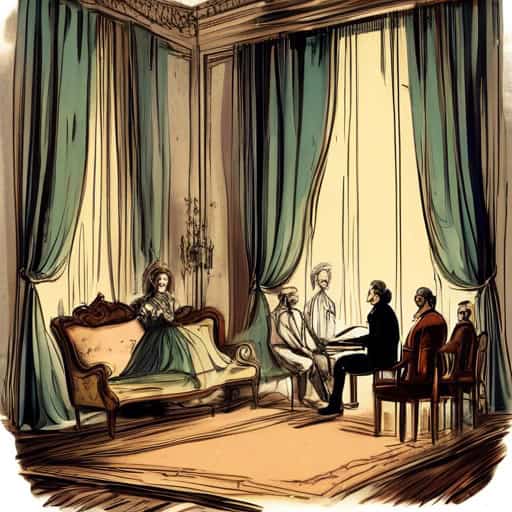
1. A Playwrights Unsuccessful Premiere

2. Love and Heartbreak
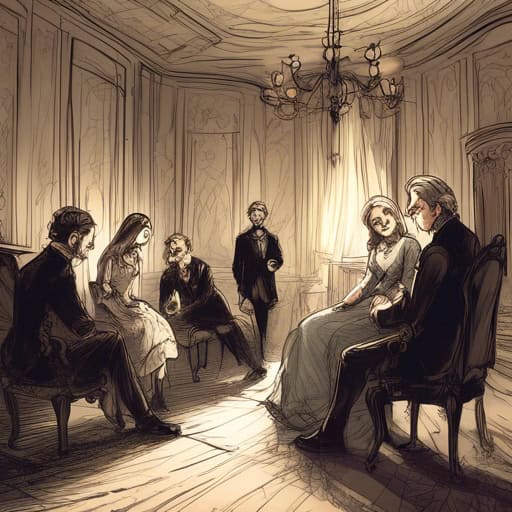
3. The Complex Relationships

4. Trigorins Temptation
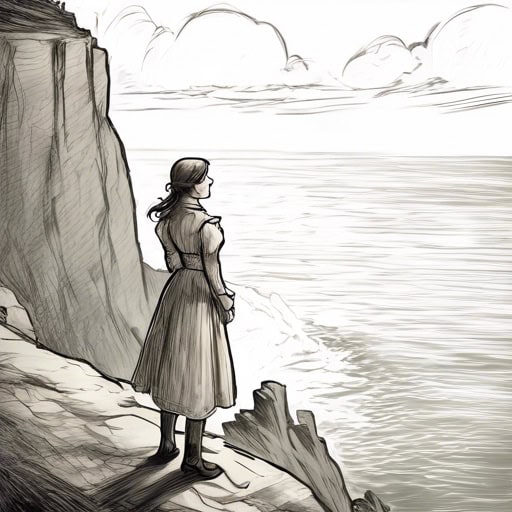
5. Ninas Descent

6. Konstantins Despair
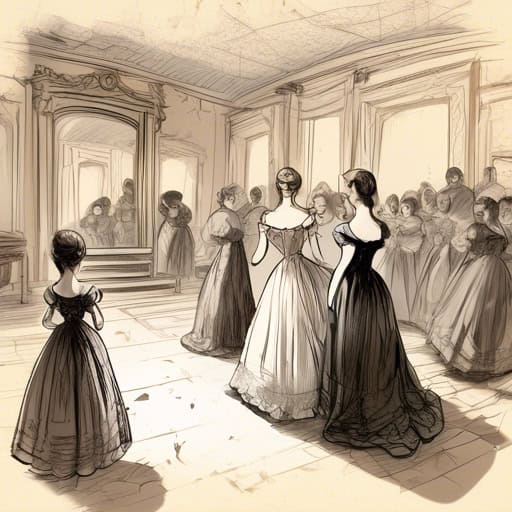
7. Irinas Self-Centeredness

8. Sorins Regrets

9. The Cycle of Misery

10. The Seagulls Symbolism
Lesson Details & Resources
In a Nutshell
- What: The Seagull by Anton Chekhov
- When: Written in the late 19th century
- Who: Main characters include Arkadina, Treplev, and Nina
- Theme: The struggle between artistic creativity and personal fulfillment
List of Characters in The Seagull by Anton Chekhov
-
Konstantin Treplev
Konstantin Treplev is a young aspiring playwright and the son of Arkadina.
-
Nina Zarechnaya
Nina Zarechnaya is a young, aspiring actress who becomes involved with Trigorin.
-
Arkadina
Arkadina is a famous actress and Konstantin's mother.
-
Trigorin
Trigorin is a successful writer who becomes involved with Nina.
-
Sorin
Sorin is Arkadina's brother and a retired civil servant.
-
Masha
Masha is Sorin's niece and in love with Konstantin.
-
Dorn
Dorn is a doctor and friend of the family.
Timeline of The Seagull by Anton Chekhov
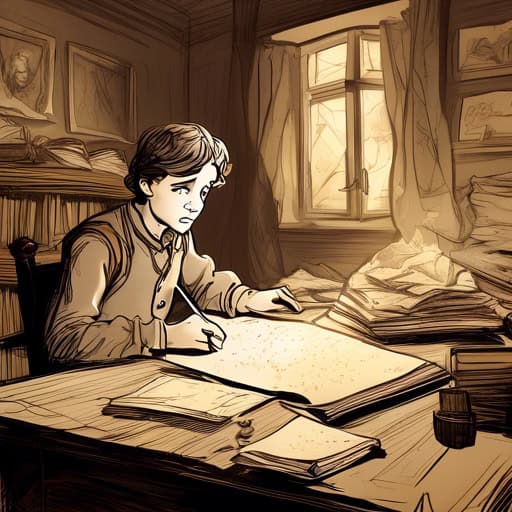
Konstantin Treplyov, a young and aspiring playwright, presents his new play to his mother, the famous actress Irina Arkadina, and her lover, the successful writer Boris Trigorin.
Nina Zarechnaya, a young girl from a neighboring estate, attends the performance and catches the eye of Trigorin.
Konstantin's play is poorly received by his mother and Trigorin, leading to feelings of rejection and inadequacy.
Nina becomes infatuated with Trigorin and expresses a desire to become an actress.
Trigorin, despite being in a relationship with Irina, starts an affair with Nina.
Konstantin, heartbroken and disillusioned, shoots himself in a failed suicide attempt.
Nina leaves her family and becomes an actress, but struggles to find success in her career.
Years pass, and the characters reunite at the estate for the summer. Konstantin is now a successful writer, but still harbors feelings for Nina.
Nina has fallen into obscurity and is struggling with poverty and despair.
Trigorin, feeling guilty about his affair with Nina and his role in Konstantin's suffering, offers to help her financially, but she refuses.
Konstantin confesses his love for Nina, but she rejects him, feeling that she has outgrown their past relationship.
The play ends with Nina leaving the estate, symbolizing the cyclical nature of love and loss in the characters' lives.
Vocabulary List
- Seagull
- The title of the play, symbolizing freedom and the characters' desires for artistic expression.
- Theatre
- The setting for much of the action in the play, where the characters come together to explore their relationships and desires.
- Stage
- The space where the characters perform their plays and reveal their innermost thoughts and feelings.
- Art
- A central theme in the play, as the characters struggle to find meaning and purpose in their creative pursuits.
- Love
- A complex and often destructive force in the play, driving the characters to make choices that have far-reaching consequences.
- Desire
- The driving force behind many of the characters' actions, as they seek fulfillment and meaning in their lives.
- Loneliness
- A pervasive feeling among the characters, who often feel isolated and disconnected from those around them.
- Betrayal
- A recurring theme in the play, as characters deceive and hurt one another in pursuit of their own desires.
- Tragedy
- A genre that Chekhov often explored in his work, as the characters in The Seagull grapple with their own personal and artistic struggles.
- Symbolism
- A key element in Chekhov's writing, as he uses objects and events to convey deeper meanings and themes.
- Realism
- A style of writing that Chekhov helped to pioneer, as he depicted everyday life and relationships with honesty and depth.
- Conflict
- A driving force in the play, as characters clash over their desires and beliefs, leading to moments of tension and drama.
Key Facts
This is the information used in the fact matching game
- The Seagull was first performed in 1896 at the Alexandrinsky Theatre in St. Petersburg, Russia.
- It is considered one of Chekhov's major plays and a classic of modern theatre.
- The play is set on a country estate in Russia and explores themes of love, art, and the passage of time.
- The character of Konstantin Treplyov is a young playwright who struggles with his own artistic ambitions and insecurities.
- Nina Zarechnaya is a young actress who becomes a source of inspiration and heartbreak for Konstantin.
- Arkadina is Konstantin's mother and a famous actress who is self-absorbed and dismissive of her son's artistic pursuits.
- The character of Trigorin is a successful writer who becomes romantically involved with Nina, causing tension and conflict within the group.
- The Seagull is known for its complex characters and shifting dynamics between them.
- Chekhov's use of subtext and understated dialogue in The Seagull influenced later playwrights and became a hallmark of his style.
- The Seagull was not well-received by audiences when it first premiered, but has since become a beloved and frequently performed play.
- Chekhov's emphasis on the everyday struggles and disappointments of his characters set him apart from other playwrights of his time.
- The Seagull is often seen as a commentary on the nature of art and the sacrifices that artists make in pursuit of their craft.
- The play's title refers to a symbol used by Konstantin in his own writing, representing his desire for freedom and creative expression.
- Chekhov's writing in The Seagull is known for its realism and attention to detail, capturing the nuances of human relationships and emotions.
- The Seagull is part of Chekhov's four major plays, which also include Uncle Vanya, Three Sisters, and The Cherry Orchard.
- Chekhov's influence on modern theatre can be seen in the works of playwrights like Tennessee Williams, Harold Pinter, and Tom Stoppard.
- The Seagull has been adapted into various film, television, and stage productions, showcasing its enduring popularity and relevance.
- The play's exploration of themes like unrequited love, jealousy, and the pursuit of artistic fulfillment continue to resonate with audiences today.
- Chekhov's ability to blend comedy and tragedy in The Seagull has been praised by critics and scholars for its depth and complexity.
- The Seagull is considered a seminal work in the development of modern drama and a testament to Chekhov's enduring legacy as a playwright.
Analysis & Significance
Impact on Literature
‘The Seagull’ by Anton Chekhov has had a lasting impact on literature, particularly in the realm of modern drama. Chekhov’s innovative use of subtext and naturalistic dialogue revolutionized the way characters and relationships were portrayed on stage, influencing countless playwrights and screenwriters to come.
Enduring Themes
Despite being written over a century ago, ‘The Seagull’ still resonates with modern audiences due to its exploration of universal themes such as unrequited love, artistic passion, and the search for meaning in life. Chekhov’s complex characters and nuanced storytelling continue to captivate readers and theatergoers alike.
Cultural Significance Today
‘The Seagull’ remains culturally significant today, with numerous adaptations and reinterpretations in various mediums. Its themes of jealousy, artistic integrity, and the struggle for recognition continue to be relevant in today’s society, making it a timeless classic that continues to be studied, performed, and celebrated around the world.
The Seagull by Anton Chekhov Games


Take Your Learning Offline
Want a convenient, print-ready study guide for this lesson? Become a Memory Wizards Pro member to unlock the downloadable " Memory Scrolls" for this topic and our entire library!
- ✓ Complete Vocabulary Lists
- ✓ Key Facts & Timelines
- ✓ Beautifully Formatted for Print & Mobile