
How Do You Learn Best?
Learn by Reading
Immerse yourself in the 10-minute visual lesson for a comprehensive understanding of the topic.
Learn by Reviewing
Jump directly to the key facts, timeline, and vocabulary lists to build a solid foundation of details.
Learn by Doing
Challenge yourself! Jump straight into the interactive games to learn by trial, error, and discovery.
The Grasshopper by Anton Chekhov in 10 Minutes
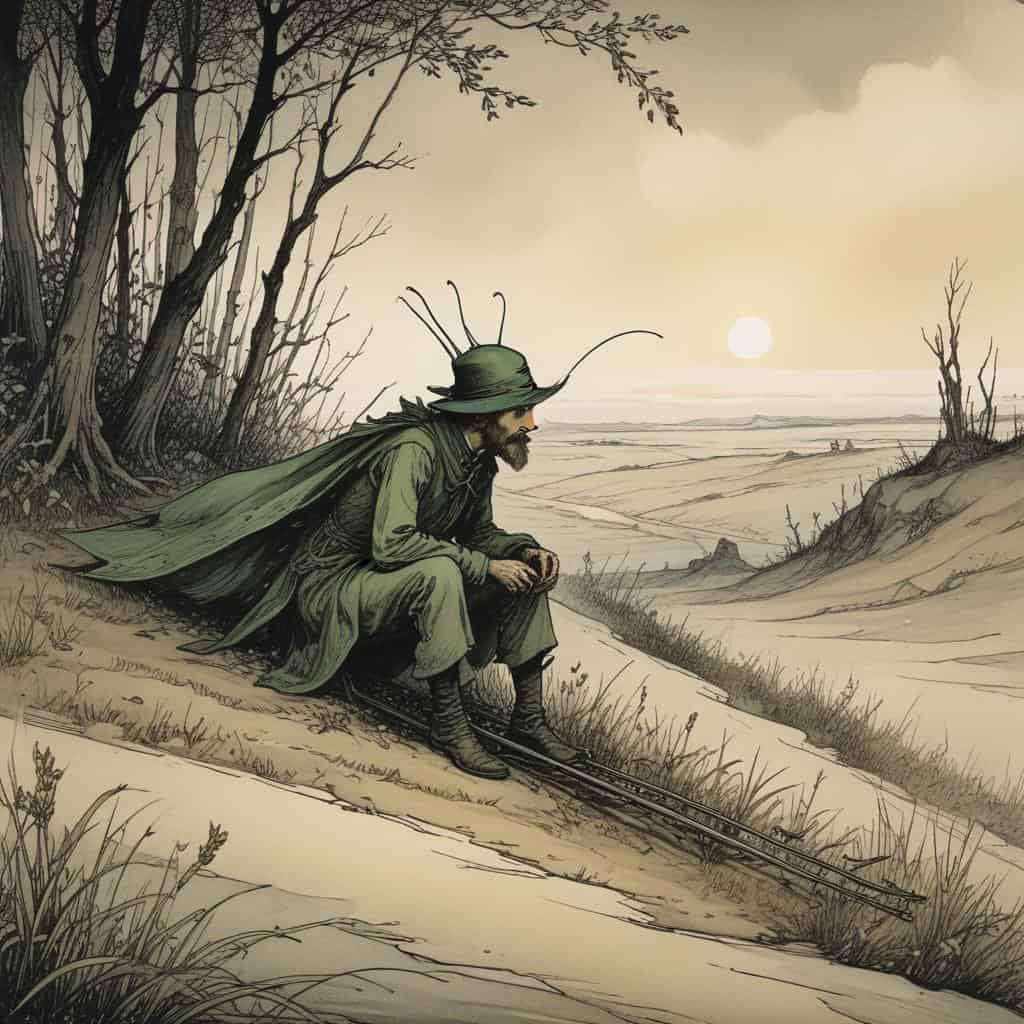
Introduction

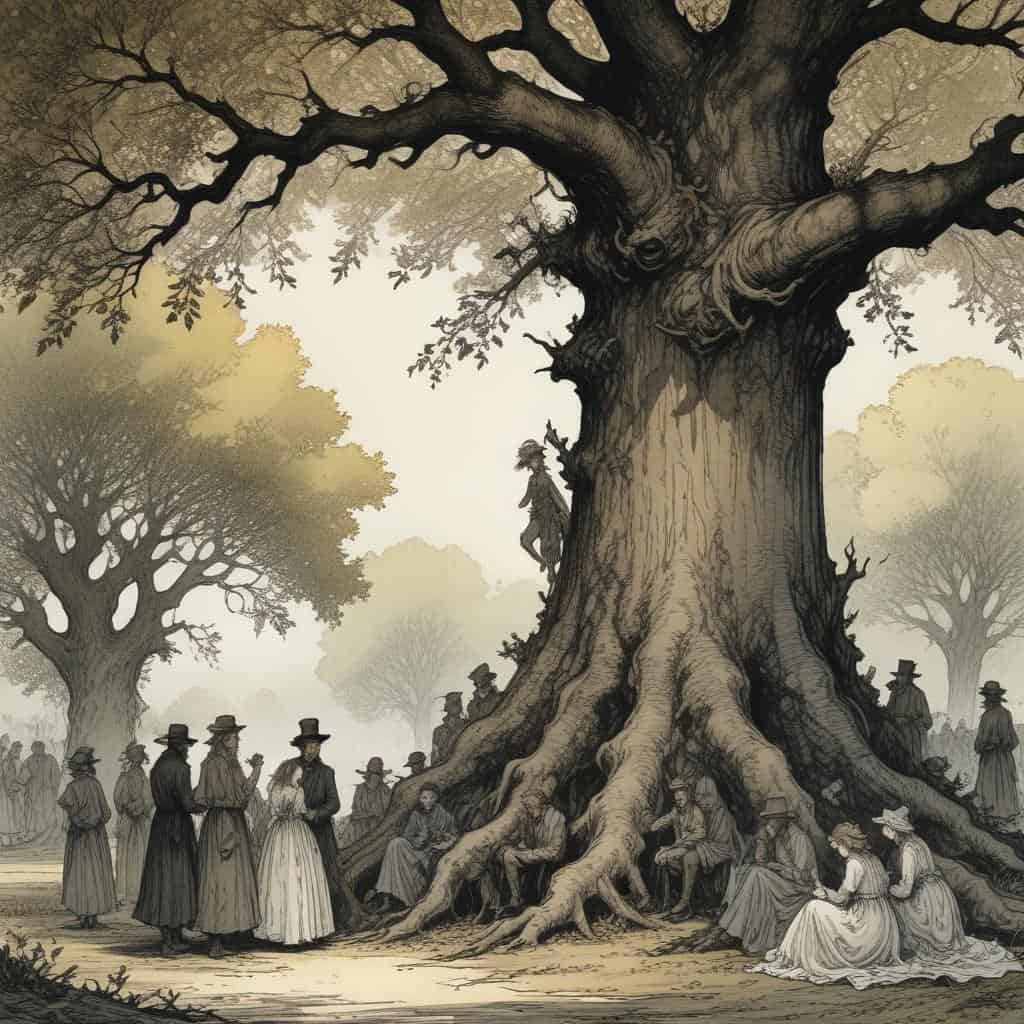

Nikolai Stepanovich
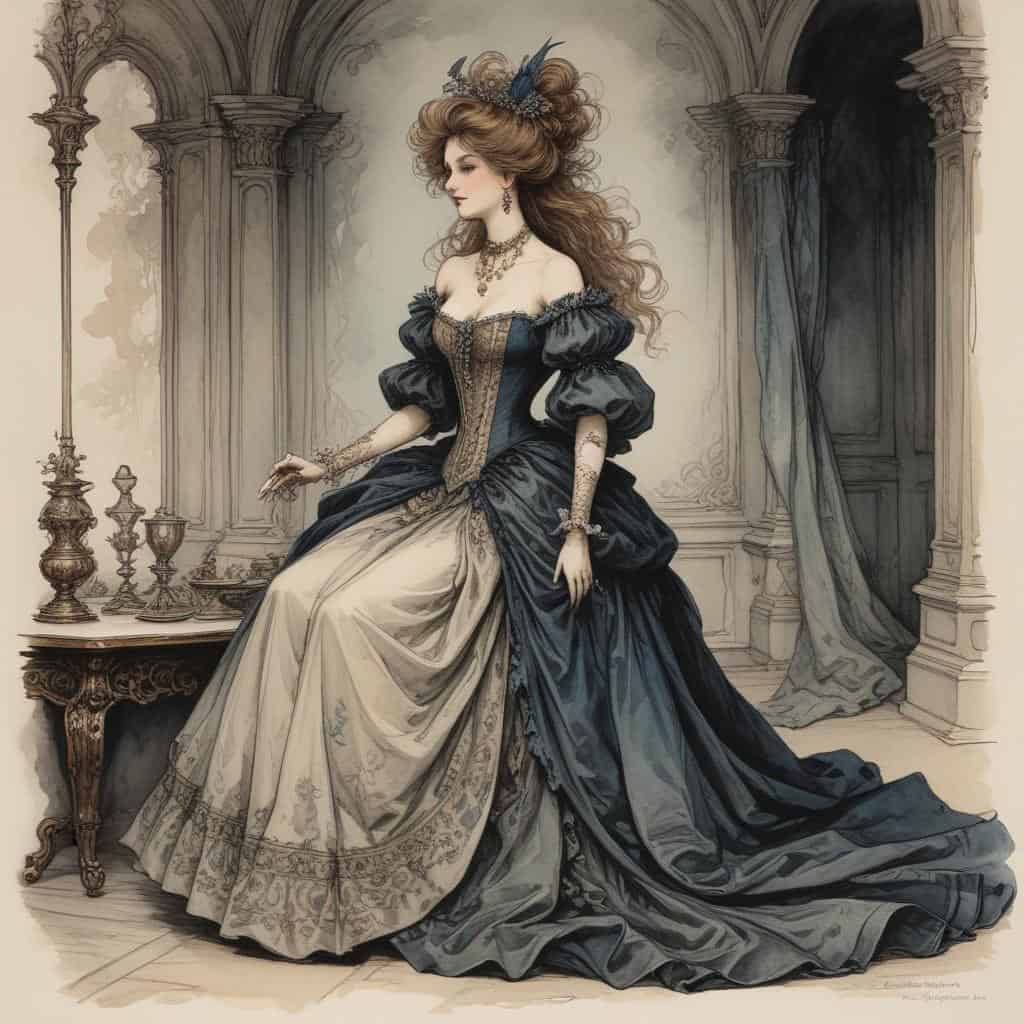
Olga Ivanovna

Maria Gavrilovna

Semyon Ivanovich
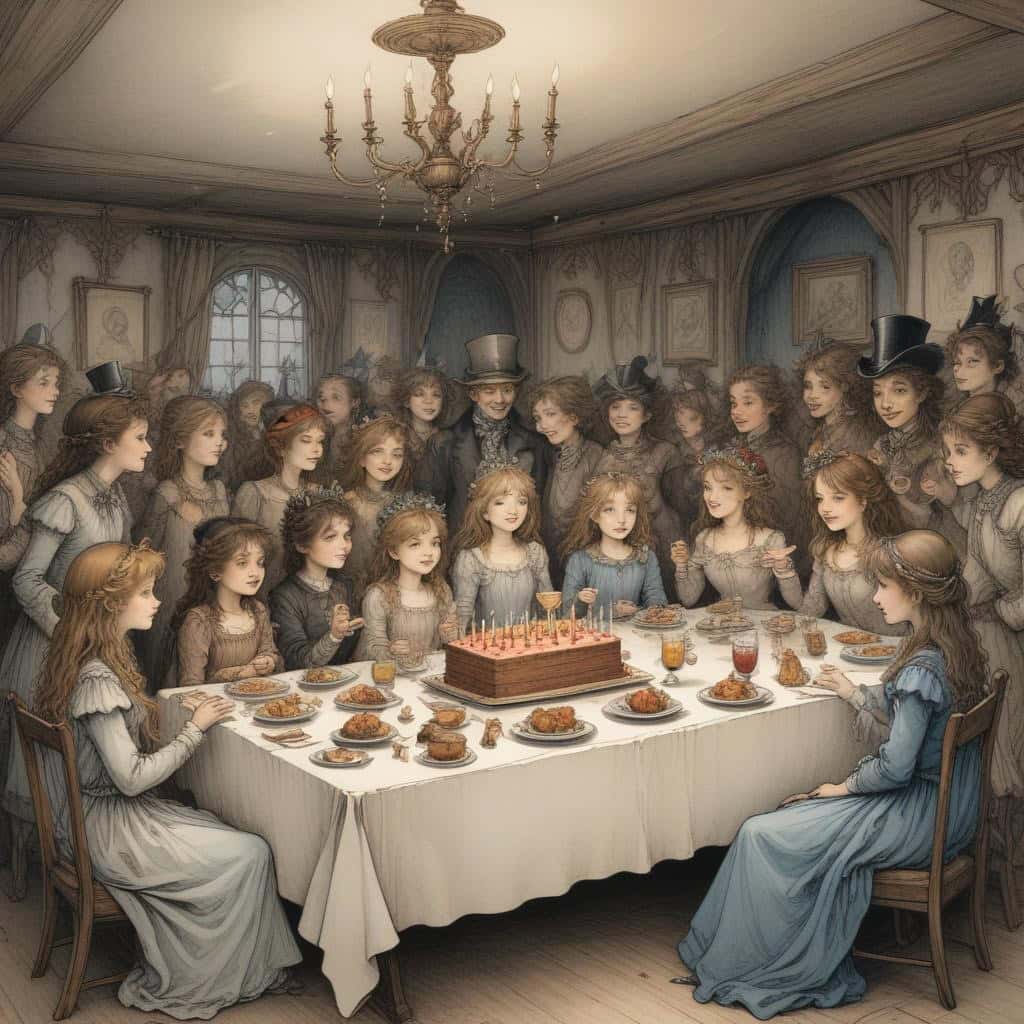
Annas Birthday Party

Sashas Gambling Debt

Sashas Scheme
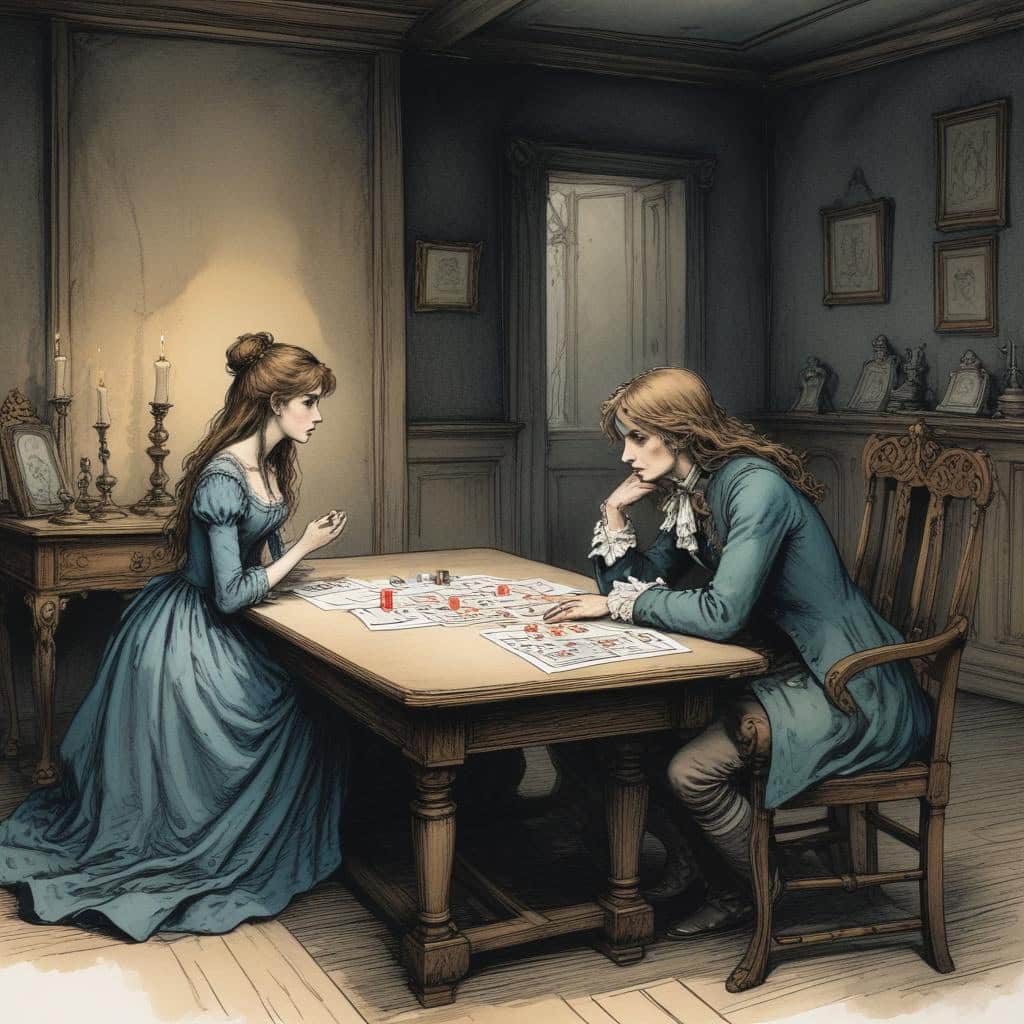
The Confession
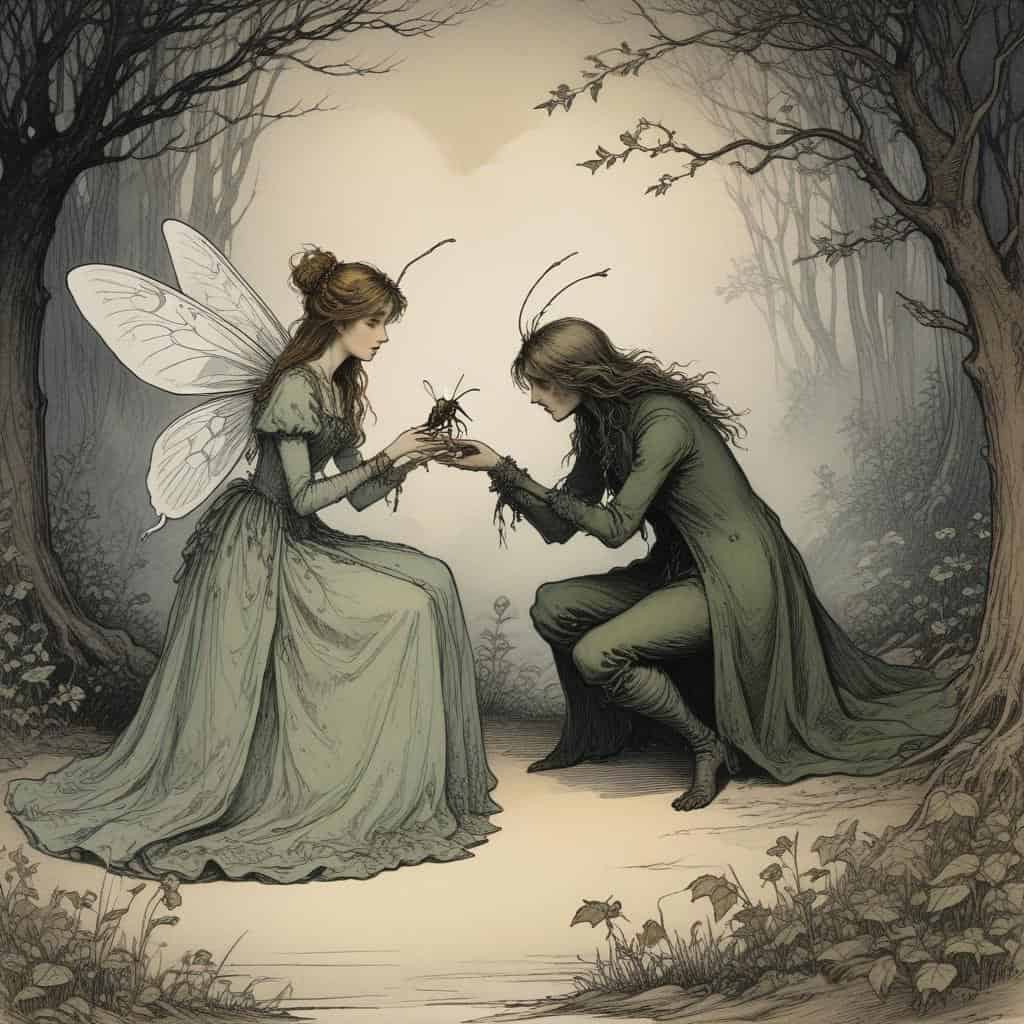
The Return of the Grasshopper
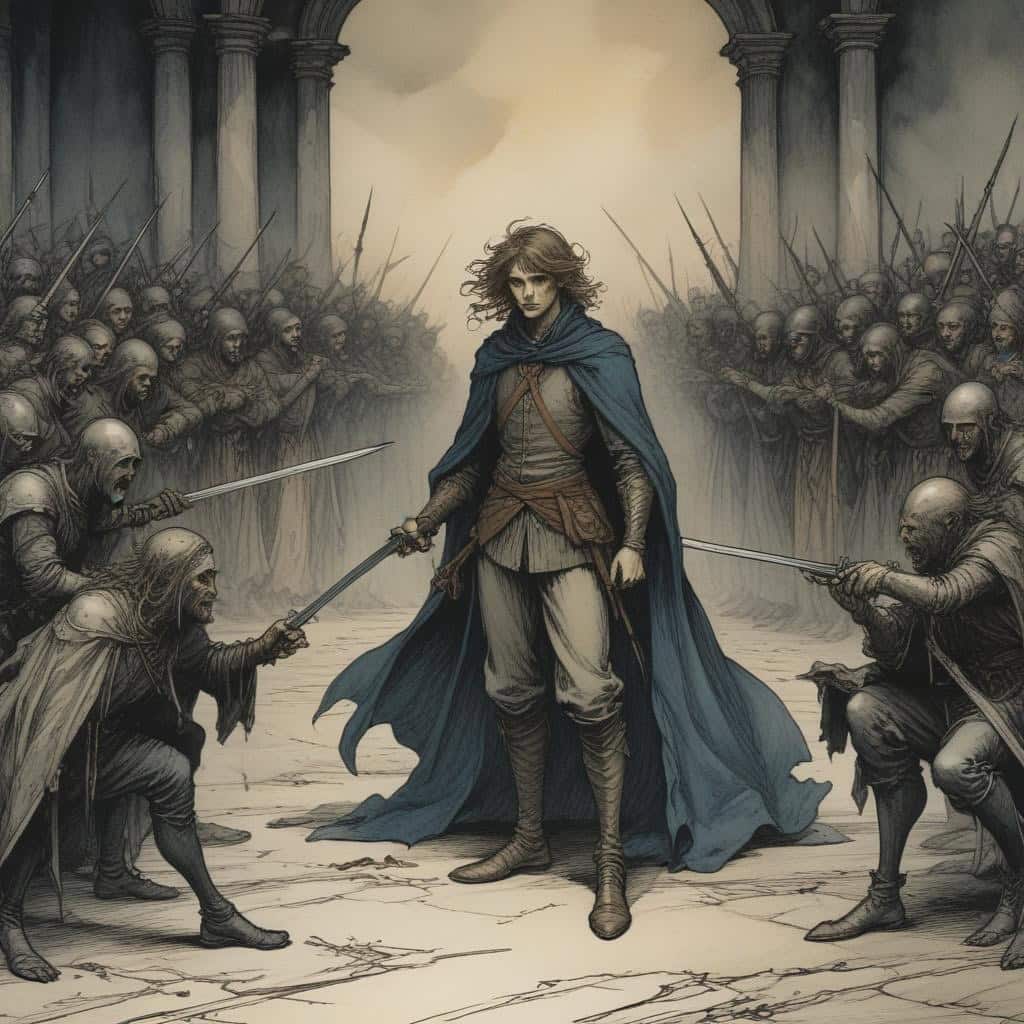
Sashas Betrayal

Annas Decision
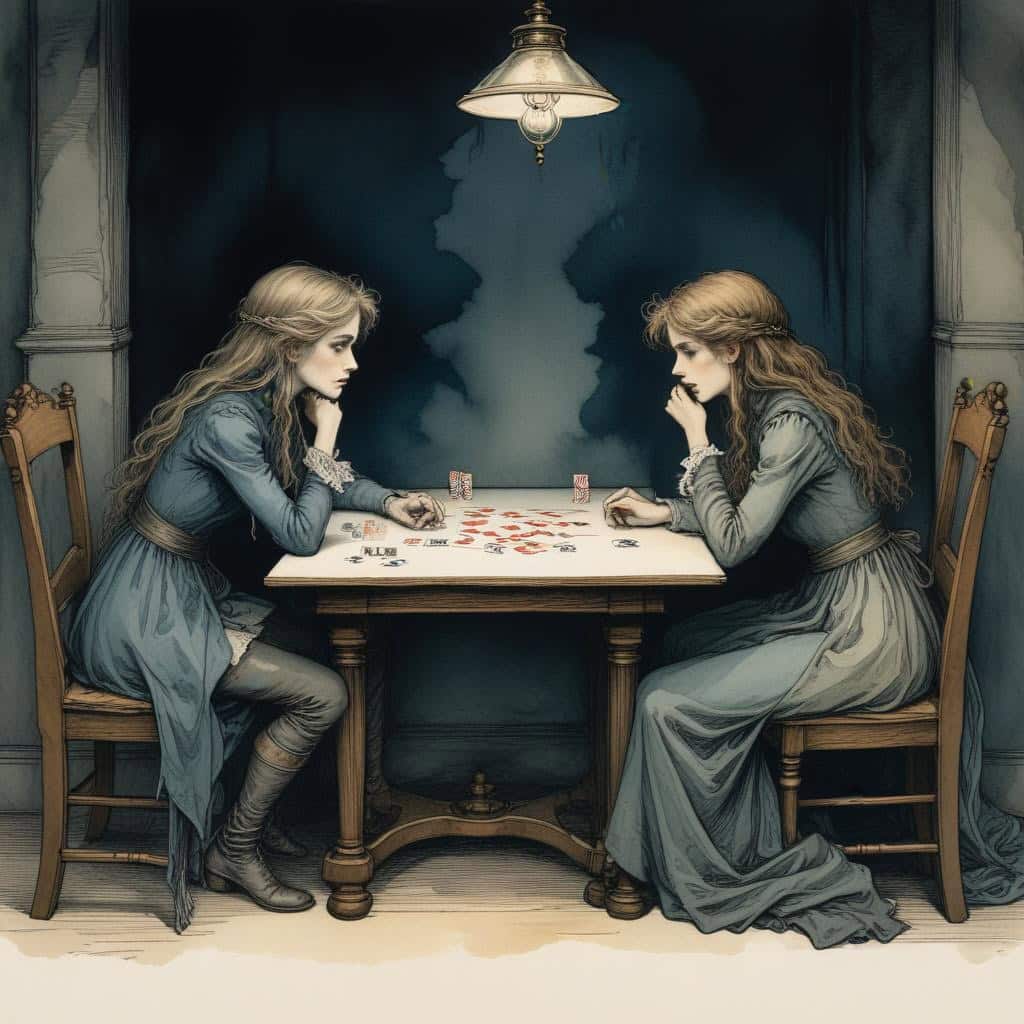
The Final Meeting

The Grasshoppers Symbolism
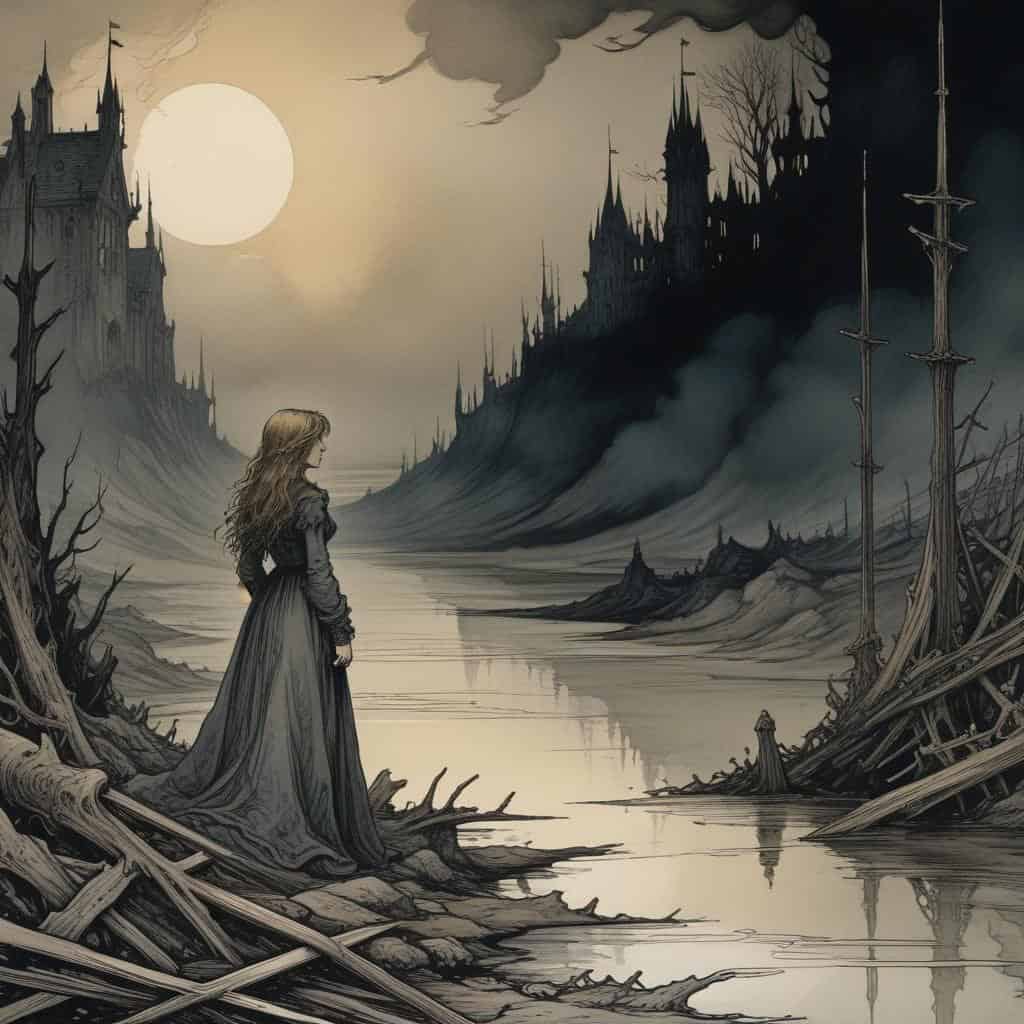
The Aftermath

Lesson Details & Resources
In a Nutshell
- What: The Grasshopper by Anton Chekhov
- When: Written in the late 19th century
- Who: Olga Semyonovna, Ryabovsky, and Kukin
- Theme: The pursuit of material wealth and social status
List of Characters in The Grasshopper by Anton Chekhov
-
Ivan Vassilievitch
Ivan Vassilievitch is a well-off landowner who is described as a good-natured and easy-going man.
-
Natasha
Natasha is Ivan Vassilievitch's daughter, who is engaged to Tchitchikov.
-
Masha
Masha is a young woman who is friends with Natasha and becomes involved in the drama surrounding Tchitchikov.
-
Tchitchikov
Tchitchikov is a mysterious and charming man who arrives in the town and captures the attention of the other characters.
Timeline of The Grasshopper by Anton Chekhov
Ivan Ivanych, a district doctor, receives a visit from the postmaster, who tells him a story about a grasshopper found in a bell jar.
The postmaster explains that the grasshopper was trapped in the jar by a young boy who wanted to keep it as a pet.
The boy eventually loses interest in the grasshopper and forgets to feed it, causing it to die.
The postmaster brings the dead grasshopper to Ivan Ivanych and asks him to preserve it in formaldehyde.
Ivan Ivanych becomes obsessed with the idea of preserving the grasshopper and spends hours carefully dissecting and preserving it.
Ivan Ivanych becomes increasingly isolated and withdrawn as he devotes all his time and energy to preserving the grasshopper.
Ivan Ivanych's wife becomes concerned about his behavior and tries to convince him to stop, but he refuses to listen.
Ivan Ivanych's health begins to deteriorate as he neglects his duties as a doctor and focuses solely on preserving the grasshopper.
Ivan Ivanych eventually dies from exhaustion and overwork, leaving behind the perfectly preserved grasshopper as his only legacy.
Vocabulary List
- Grasshopper
- The Grasshopper is the title of the short story by Anton Chekhov.
- Piano
- The Grasshopper features a character who plays the piano.
- Artist
- The main character of The Grasshopper is an artist.
- Wealth
- The Grasshopper explores themes of wealth and poverty.
- Society
- The Grasshopper delves into the complexities of society.
- Relationships
- The Grasshopper examines the dynamics of relationships.
- Ambition
- The Grasshopper touches on the theme of ambition.
- Regret
- Regret is a prominent emotion in The Grasshopper.
- Inspiration
- The Grasshopper explores the concept of artistic inspiration.
- Despair
- Despair is a recurring theme in The Grasshopper.
Key Facts
This is the information used in the fact matching game
- The Grasshopper was written by Anton Chekhov in 1892.
- The story follows the life of a young woman named Olga Ivanovna who becomes romantically involved with a wealthy older man.
- Chekhov's The Grasshopper is considered a work of literary realism.
- The Grasshopper is often praised for its psychological depth and complex characters.
- The story explores themes of love, materialism, and social status.
- Chekhov is known for his skill in portraying the nuances of human relationships.
- The Grasshopper is one of Chekhov's shorter works, but is still considered a masterpiece of short fiction.
- Chekhov was a Russian playwright and short story writer who is widely regarded as one of the greatest writers of short fiction in history.
- The Grasshopper is often analyzed for its commentary on societal norms and expectations.
- Chekhov's writing style is known for its economy of language and subtle use of symbolism.
- The Grasshopper has been adapted into various forms, including stage plays and films.
- Chekhov's works have had a lasting impact on the development of modern literature.
- The Grasshopper is often studied in literature courses for its exploration of complex themes and character development.
- Chekhov's writing is known for its blend of humor and melancholy, creating a unique and compelling narrative voice.
- The Grasshopper is set in late 19th-century Russia, providing a glimpse into the social and cultural norms of the time.
- Chekhov's ability to capture the complexities of human emotion and motivation is on full display in The Grasshopper.
- The Grasshopper has been praised for its nuanced portrayal of female characters and their struggles within a patriarchal society.
- Chekhov's characters in The Grasshopper are often seen as representative of broader societal issues and conflicts.
- The Grasshopper is a prime example of Chekhov's ability to blend social commentary with intimate character studies.
- Chekhov's use of irony and ambiguity in The Grasshopper adds layers of complexity to the story and its characters.
Analysis & Significance
Impact on Literature
‘The Grasshopper’ by Anton Chekhov has had a significant impact on literature, particularly in the realm of short stories. Chekhov’s mastery of character development and subtle storytelling techniques has set a standard for modern authors to aspire towards. His ability to capture the complexities of human nature in a concise yet profound manner has influenced countless writers across different genres.
Enduring Themes
The themes explored in ‘The Grasshopper’ continue to resonate with modern audiences. Chekhov delves into the themes of love, ambition, and the pursuit of happiness, all of which are timeless and universal. The complexities of human relationships and the intricacies of individual desires are portrayed with such depth and nuance that readers from all walks of life can relate to the characters and their struggles.
Cultural Significance Today
Chekhov’s work, including ‘The Grasshopper’, remains culturally significant today due to its enduring popularity and influence. The story has been adapted into various forms, including stage productions, films, and even ballets. Chekhov’s profound insights into the human condition continue to be celebrated and studied, ensuring that his legacy as a master storyteller lives on in the literary world.
The Grasshopper by Anton Chekhov Games


Take Your Learning Offline
Want a convenient, print-ready study guide for this lesson? Become a Memory Wizards Pro member to unlock the downloadable " Memory Scrolls" for this topic and our entire library!
- ✓ Complete Vocabulary Lists
- ✓ Key Facts & Timelines
- ✓ Beautifully Formatted for Print & Mobile