
How Do You Learn Best?
Learn by Reading
Immerse yourself in the 10-minute visual lesson for a comprehensive understanding of the topic.
Learn by Reviewing
Jump directly to the key facts, timeline, and vocabulary lists to build a solid foundation of details.
Learn by Doing
Challenge yourself! Jump straight into the interactive games to learn by trial, error, and discovery.
The Cherry Orchard by Anton Chekhov in 10 Minutes
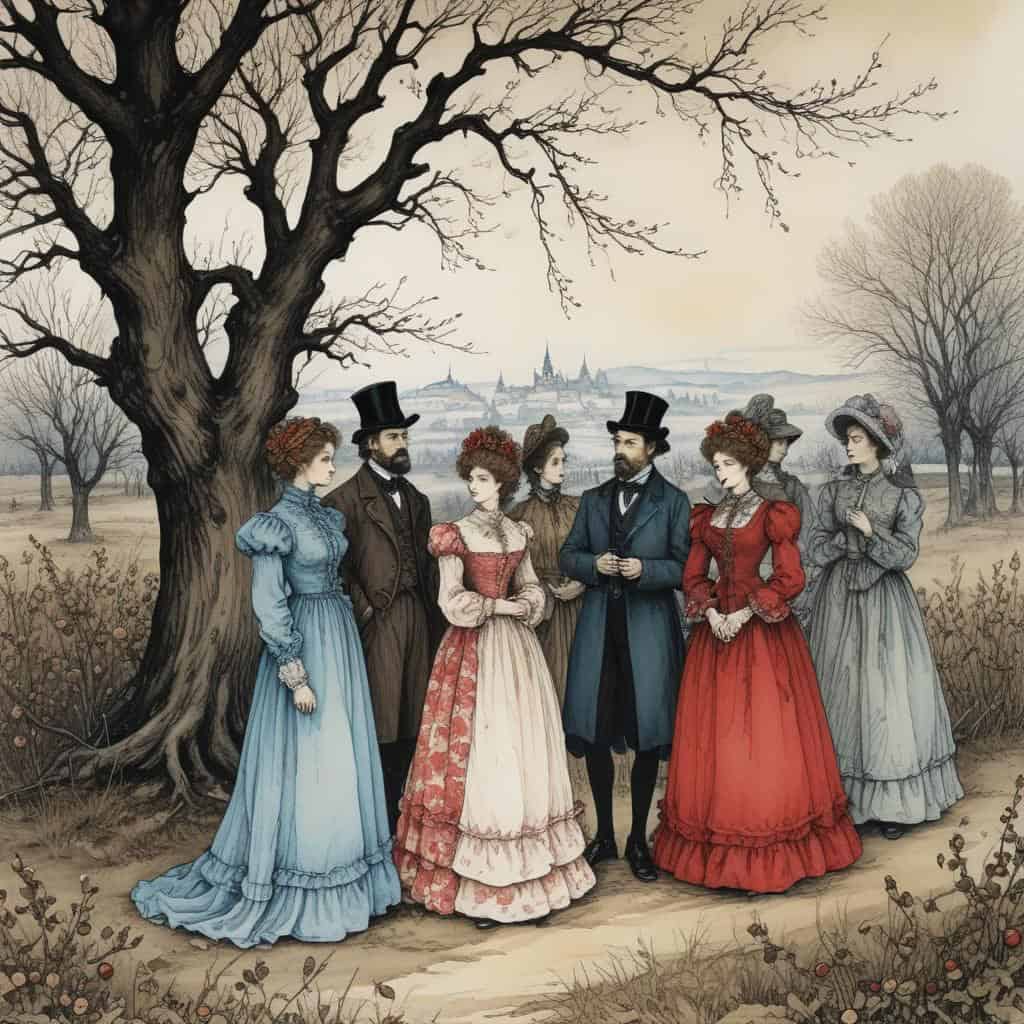
Introduction
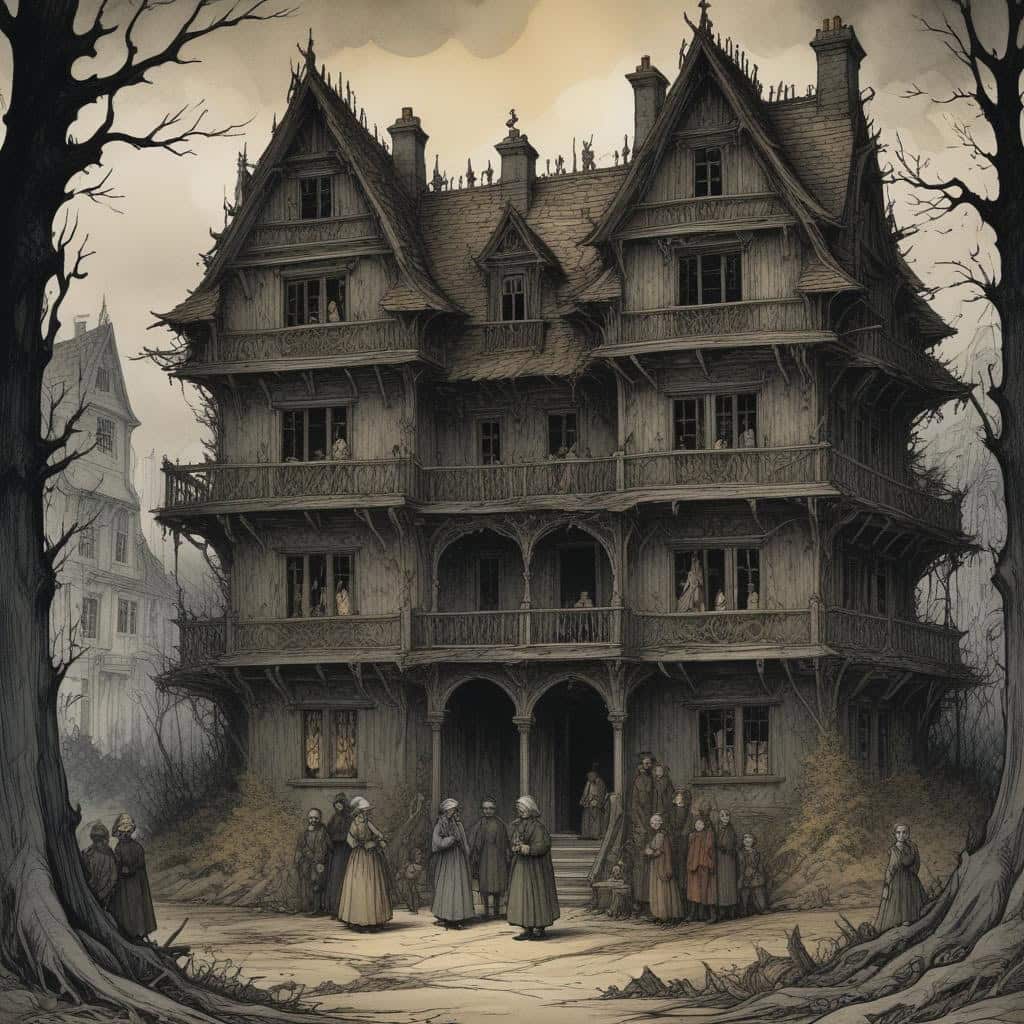
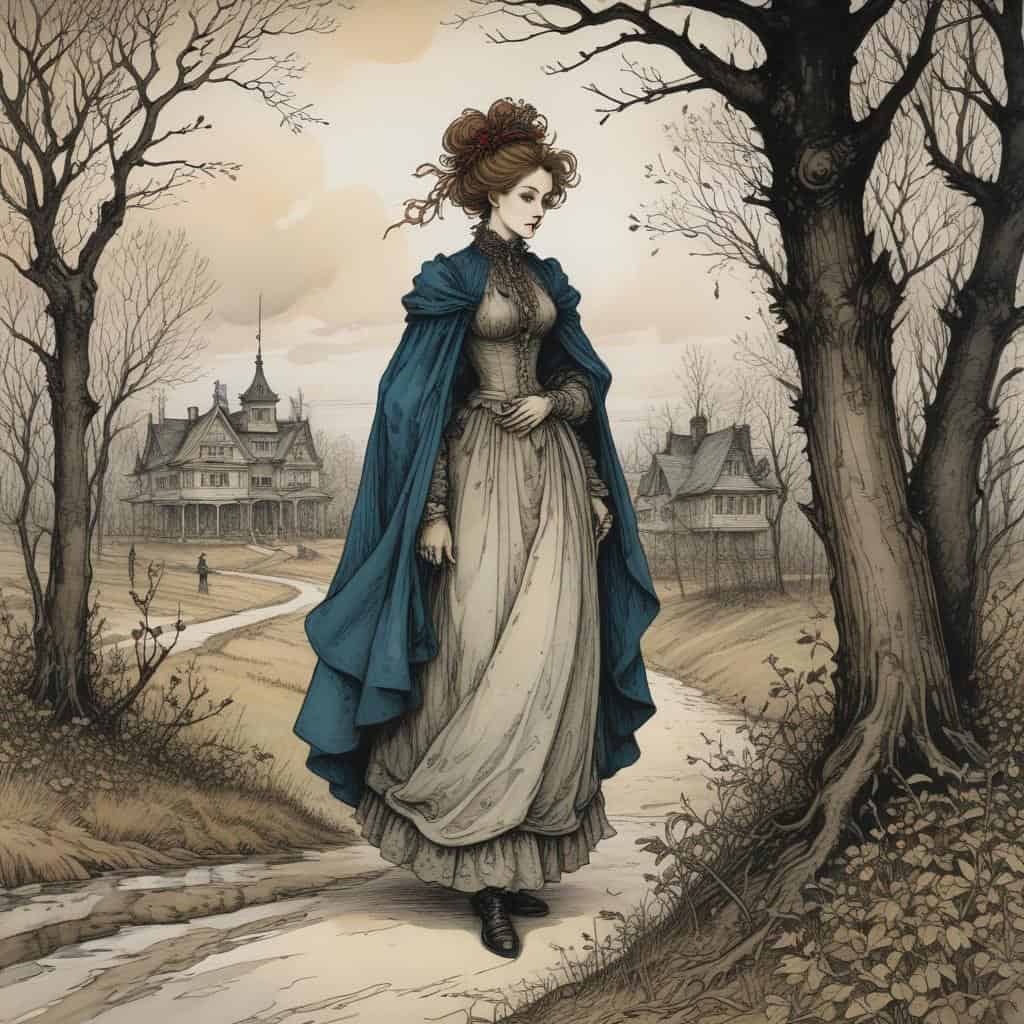

Madame Lyubov Andreyevna Ranevskaya

Yermolai Alexeyitch Lopakhin

Peter Trofimov

Anya Ranevskaya

Charlotta Ivanovna
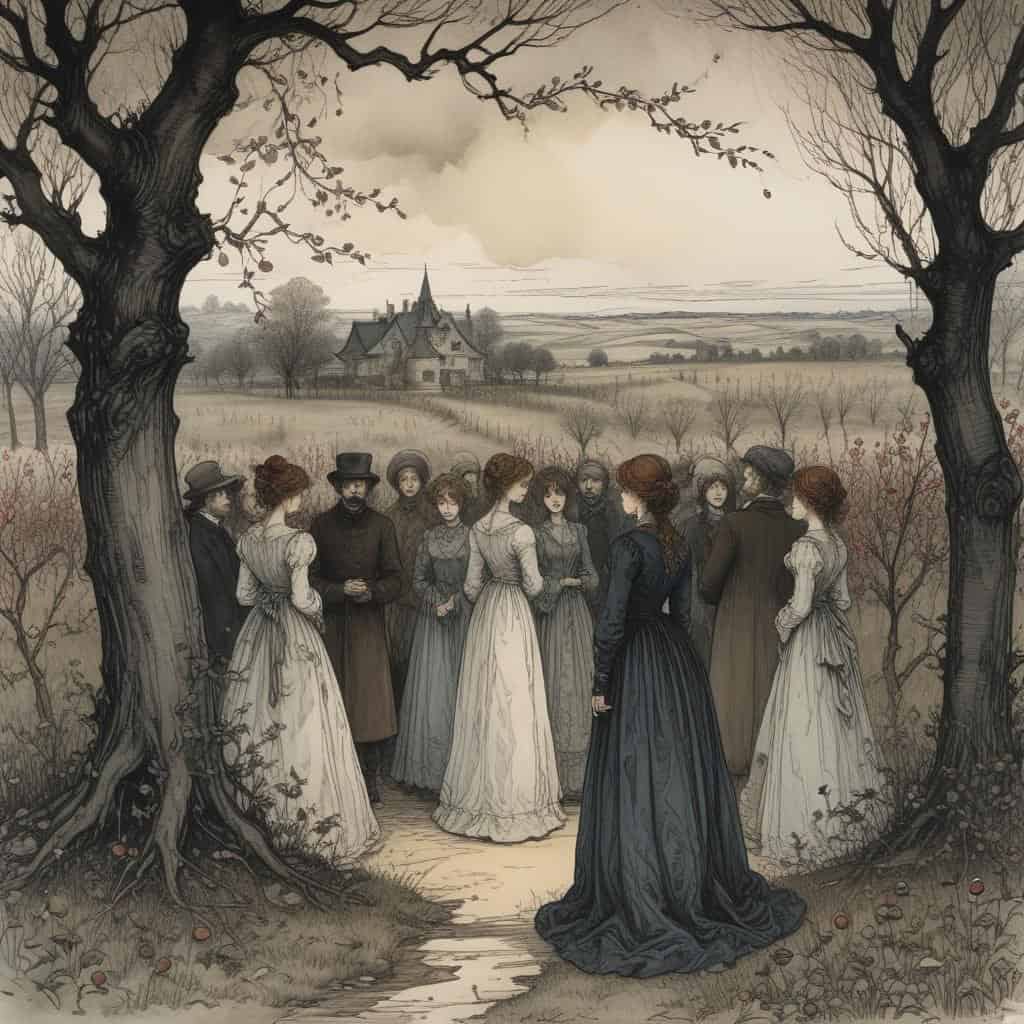
The Cherry Orchard: A Bittersweet Summary
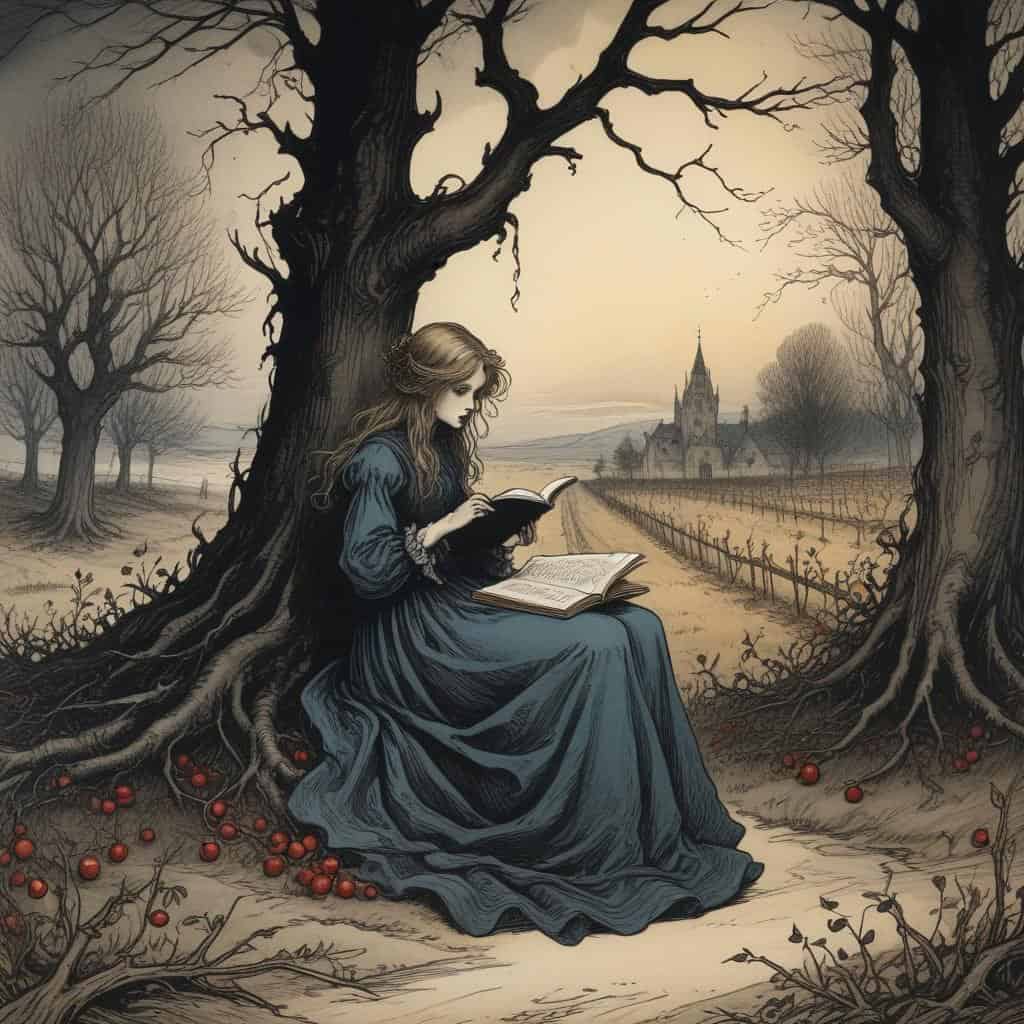
1. Financial Troubles

2. Romance and Tragedy
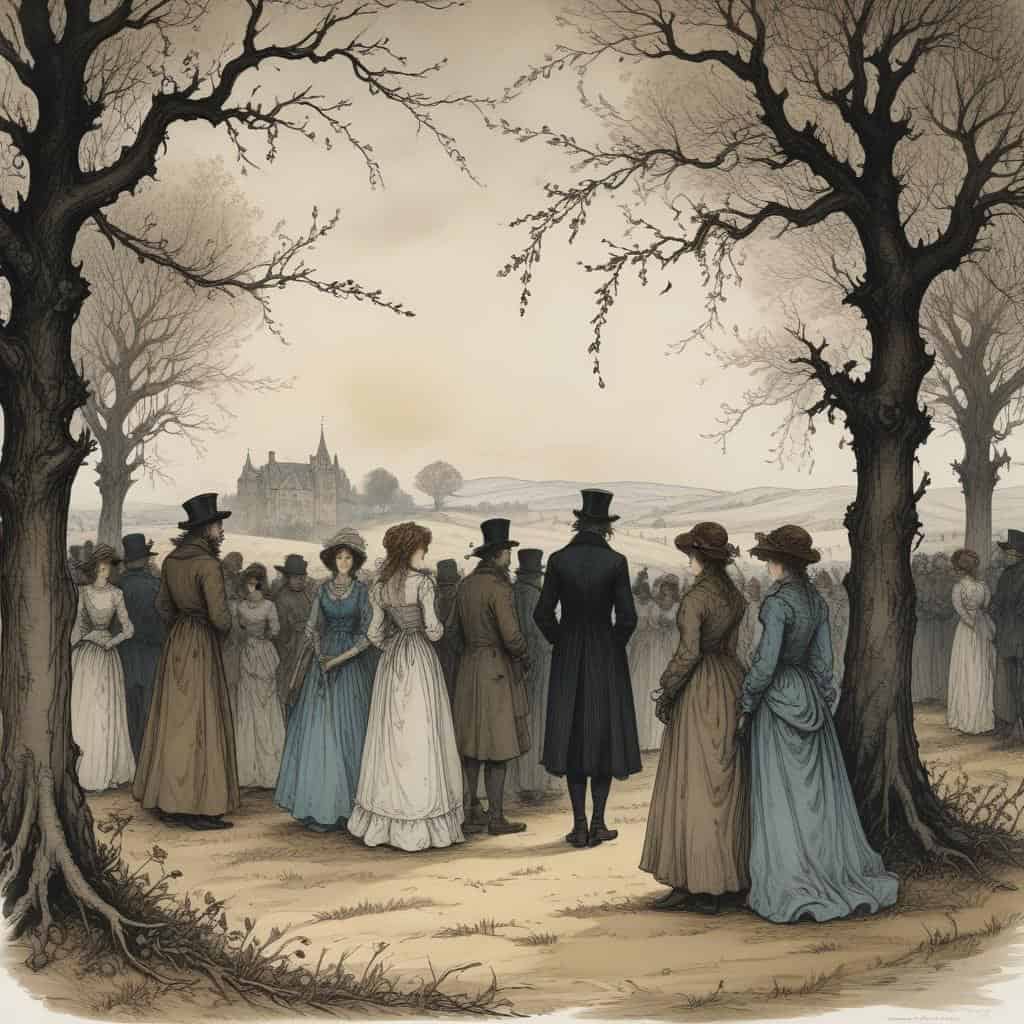
3. The Auction
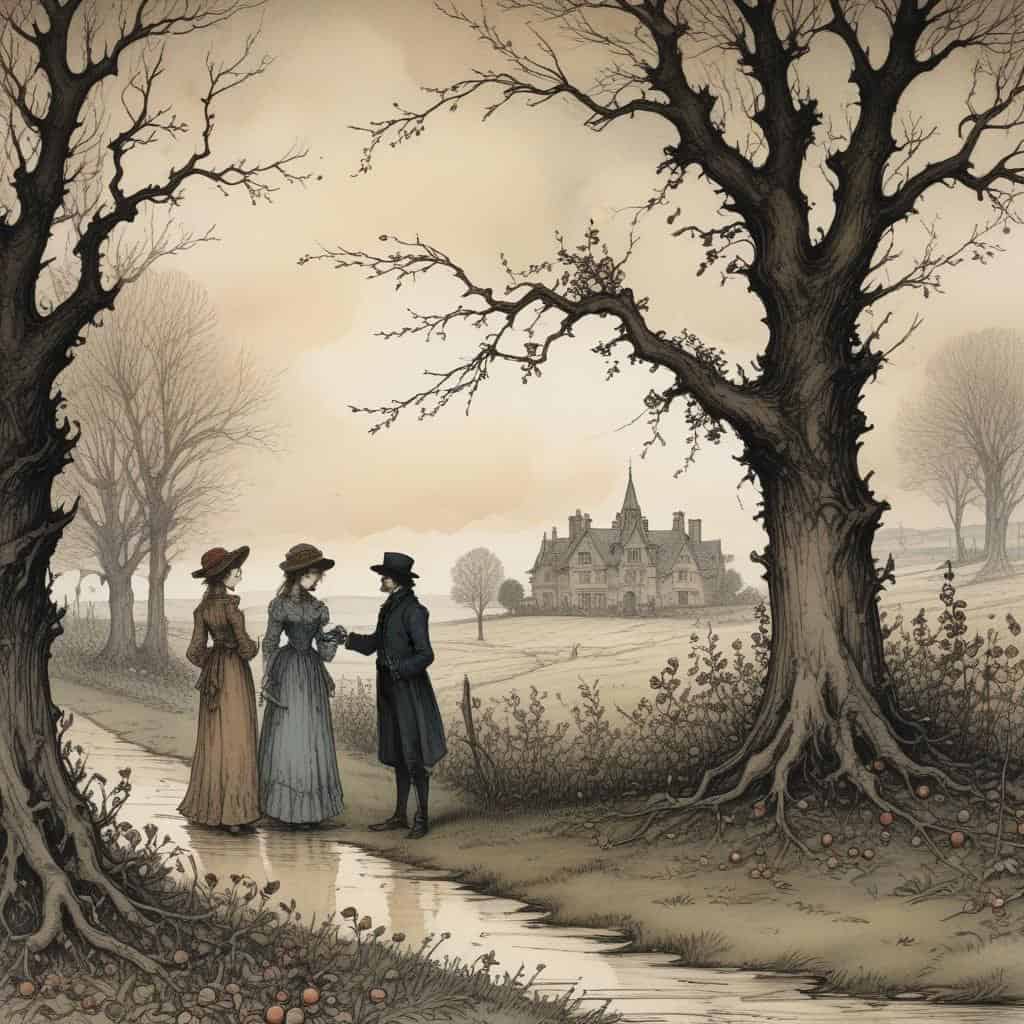
4. Farewell to the Past
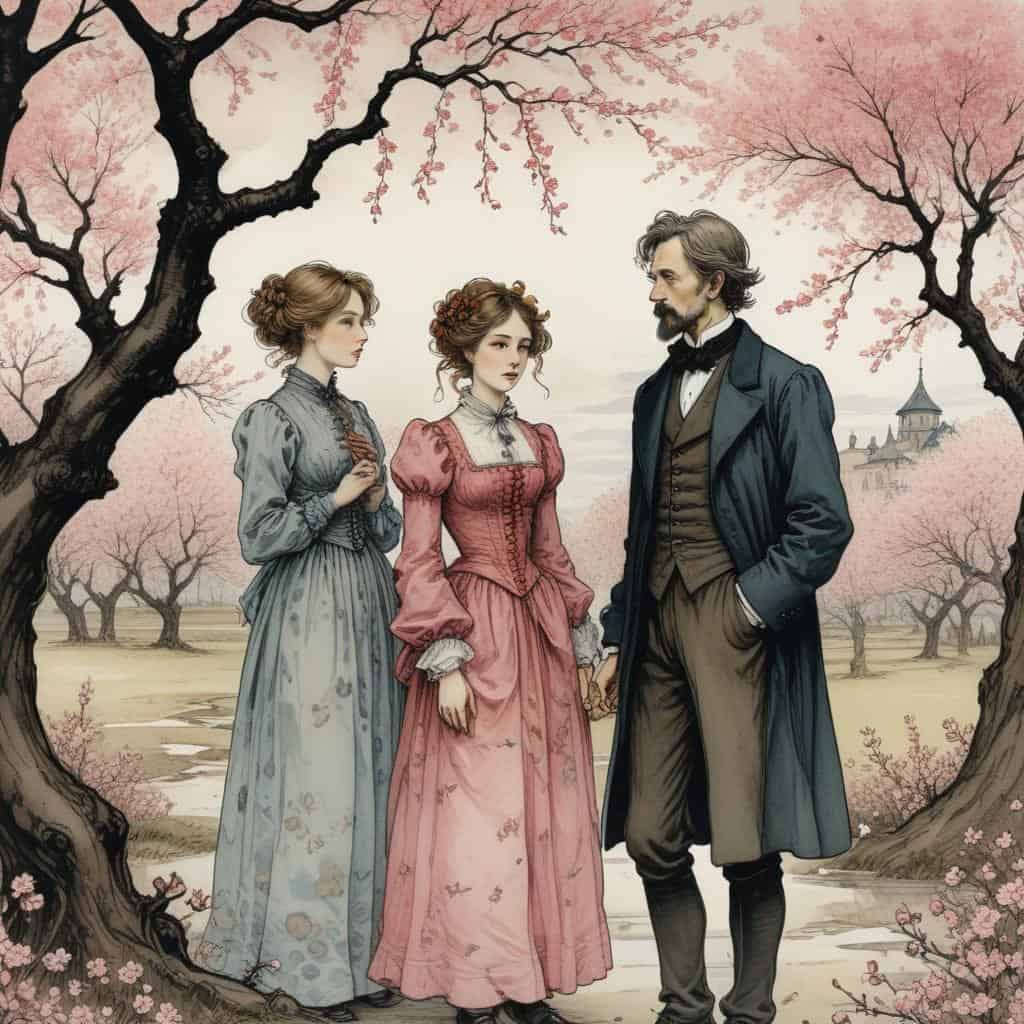
Lesson Details & Resources
In a Nutshell
- What: The Cherry Orchard by Anton Chekhov
- When: Written in the late 19th century
- Who: Madame Ranevskaya, Lopakhin, Trofimov
- Theme: The decline of the aristocracy and the inevitability of change
List of Characters in The Cherry Orchard by Anton Chekhov
-
Madame Lyubov Ranevskaya
Madame Lyubov Ranevskaya is the owner of the cherry orchard and is struggling to come to terms with the loss of her family estate.
-
Leonid Andreyevich Gayev
Leonid Andreyevich Gayev is Madame Ranevskaya's brother who is also facing financial difficulties.
-
Anya
Anya is Madame Ranevskaya's daughter who is optimistic about the future despite the family's struggles.
-
Varya
Varya is Madame Ranevskaya's adopted daughter who is practical and tries to keep the family afloat.
-
Peter Trofimov
Peter Trofimov is a student who is critical of the aristocracy and advocates for social change.
-
Lopakhin
Lopakhin is a wealthy businessman who proposes to save the estate by turning it into a commercial property.
Timeline of The Cherry Orchard by Anton Chekhov
The Cherry Orchard opens with the return of Madame Ranevskaya to her family's estate, which is facing financial ruin.
Madame Ranevskaya and her family struggle to come to terms with the impending sale of the estate, including the beloved cherry orchard.
Lopakhin, a wealthy businessman, proposes to save the cherry orchard by turning it into summer cottages.
Madame Ranevskaya and her brother, Gayev, are unable to accept Lopakhin's proposal, clinging to their nostalgic attachment to the estate.
The family holds a party at the estate, during which tensions rise and relationships are strained.
Madame Ranevskaya's daughter, Anya, falls in love with Trofimov, a young idealistic student.
As the auction for the estate approaches, Madame Ranevskaya and her family are forced to confront the reality of their situation.
In the end, the cherry orchard is sold at auction, marking the end of an era for the family and the estate.
The characters are left to contemplate the passage of time and the inevitability of change in their lives.
Vocabulary List
- Cherry orchard
- The main setting of the play, symbolizing the fading aristocratic way of life in Russia.
- Serfdom
- The system in which peasants were tied to the land and forced to work for the landowners, abolished in Russia in 1861.
- Social change
- The shifting of societal norms and values, a major theme in The Cherry Orchard as the characters struggle to adapt to a changing world.
- Nostalgia
- A sentimental longing for the past, often felt by characters in the play as they mourn the loss of the cherry orchard.
- Modernization
- The process of adapting to new technologies and ways of life, a source of conflict in the play as the characters resist or embrace change.
- Family drama
- The interpersonal conflicts and relationships within the family at the center of the play.
- Class struggle
- The tension between the upper class landowners and the lower class servants, a recurring theme in Chekhov's work.
- Melancholy
- A feeling of sadness or gloom, often experienced by the characters as they face uncertain futures.
- Economic hardship
- The financial struggles faced by the characters as they try to save the cherry orchard from foreclosure.
- Symbolism
- The use of objects or actions to represent abstract ideas, such as the cherry orchard symbolizing the decline of the aristocracy.
- Tragicomedy
- A genre that combines elements of tragedy and comedy, reflecting the bittersweet tone of The Cherry Orchard.
- Lost opportunities
- The characters' regrets for past decisions and actions that have led to missed chances for happiness or success.
Key Facts
This is the information used in the fact matching game
- The Cherry Orchard was first performed in Moscow on January 17, 1904.
- The play is considered one of Chekhov's greatest works.
- The Cherry Orchard is a comedy-drama that explores themes of social change and the decline of the Russian aristocracy.
- The play is set on an estate in Russia that is about to be auctioned off to pay the family's debts.
- The character of Ranevskaya, the owner of the estate, is based on Chekhov's own mother.
- The Cherry Orchard has been adapted into various films, television shows, and radio plays over the years.
- Chekhov considered The Cherry Orchard to be a comedy, despite its serious themes.
- The play was not well-received by audiences when it first premiered, but has since become a classic of Russian literature.
- The Cherry Orchard is often seen as a critique of the Russian upper class and their inability to adapt to changing times.
- The character of Lopakhin, a merchant who eventually buys the estate, represents the rising middle class in Russia.
- Chekhov wrote The Cherry Orchard while he was suffering from tuberculosis, which would eventually take his life.
- The play's title refers to the cherry orchard on the estate, which holds sentimental value for the characters.
- The Cherry Orchard is often seen as a metaphor for the decline of the Russian aristocracy and the rise of the merchant class.
- The character of Trofimov, a student who stays with the family, represents the idealistic youth of Russia.
- The Cherry Orchard is considered a classic of modernist drama for its innovative structure and use of subtext.
- The play has been translated into numerous languages and staged around the world since its premiere.
- The Cherry Orchard was Chekhov's last play before his death in 1904.
- The character of Firs, the elderly servant, serves as a symbol of the past and the decline of the estate.
- The Cherry Orchard explores themes of loss, nostalgia, and the passage of time.
- Chekhov's use of understatement and irony in The Cherry Orchard has influenced generations of playwrights and authors.
Analysis & Significance
Impact on Literature
‘The Cherry Orchard’ by Anton Chekhov has had a profound impact on the development of modern drama and the evolution of the tragicomedy genre. Chekhov’s innovative approach to character development and his exploration of complex human emotions have influenced generations of playwrights and authors, inspiring them to create more nuanced and realistic characters.
Enduring Themes
The themes of social change, loss, and the passage of time explored in ‘The Cherry Orchard’ continue to resonate with modern audiences. Chekhov’s portrayal of a changing society and the bittersweet nostalgia for a vanishing way of life are universal and timeless, making the play relevant to readers and theatergoers today.
Cultural Significance Today
‘The Cherry Orchard’ remains a classic of Russian literature and is regularly performed on stages around the world. Its themes of class struggle and the inevitability of change have made it a staple of theater repertoire, and it has been adapted into various films, operas, and ballets, solidifying its place in the cultural canon. Chekhov’s masterpiece continues to be studied and celebrated for its poignant portrayal of human nature and society.
The Cherry Orchard by Anton Chekhov Games


Take Your Learning Offline
Want a convenient, print-ready study guide for this lesson? Become a Memory Wizards Pro member to unlock the downloadable " Memory Scrolls" for this topic and our entire library!
- ✓ Complete Vocabulary Lists
- ✓ Key Facts & Timelines
- ✓ Beautifully Formatted for Print & Mobile