
How Do You Learn Best?
Learn by Reading
Immerse yourself in the 10-minute visual lesson for a comprehensive understanding of the topic.
Learn by Reviewing
Jump directly to the key facts, timeline, and vocabulary lists to build a solid foundation of details.
Learn by Doing
Challenge yourself! Jump straight into the interactive games to learn by trial, error, and discovery.
The Black Monk by Anton Chekhov in 10 Minutes
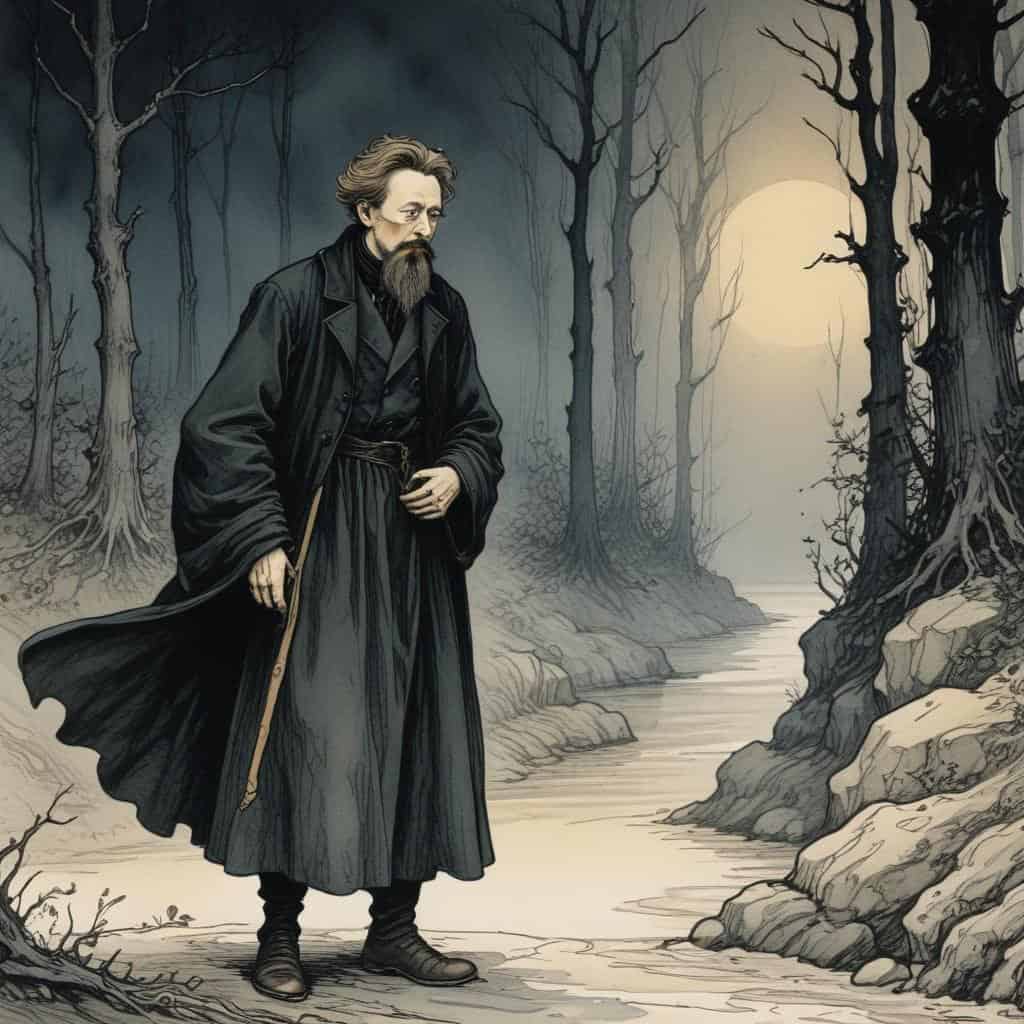
Introduction
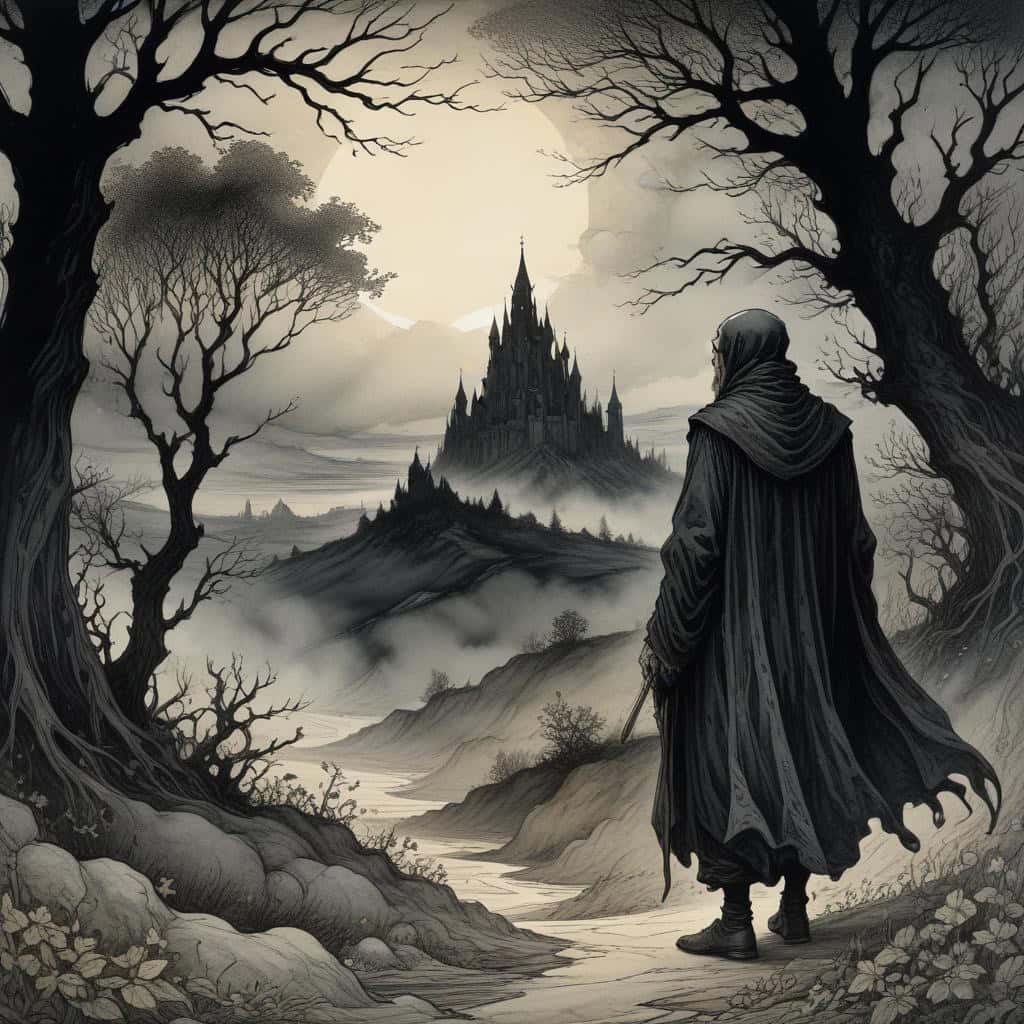
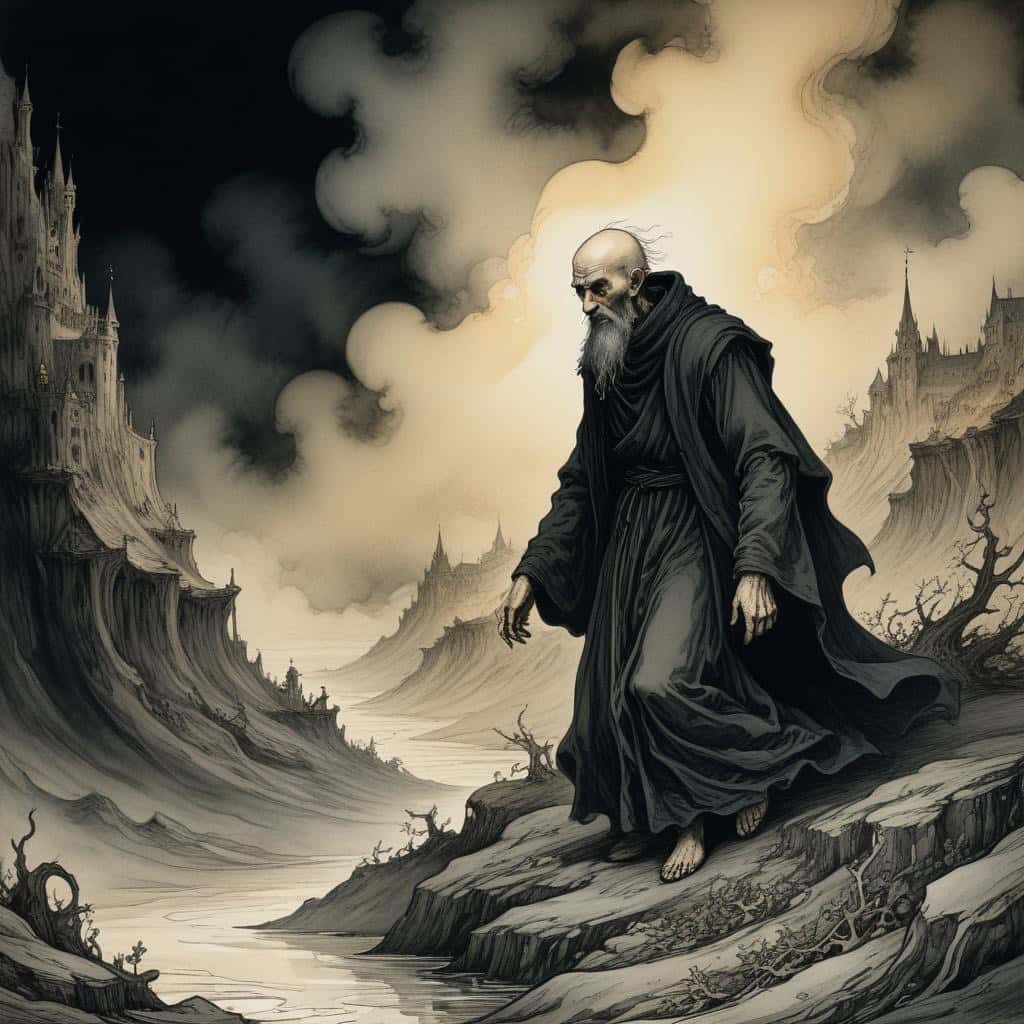

Andrei Kovrin

Yegor Semyonitch

Tanya
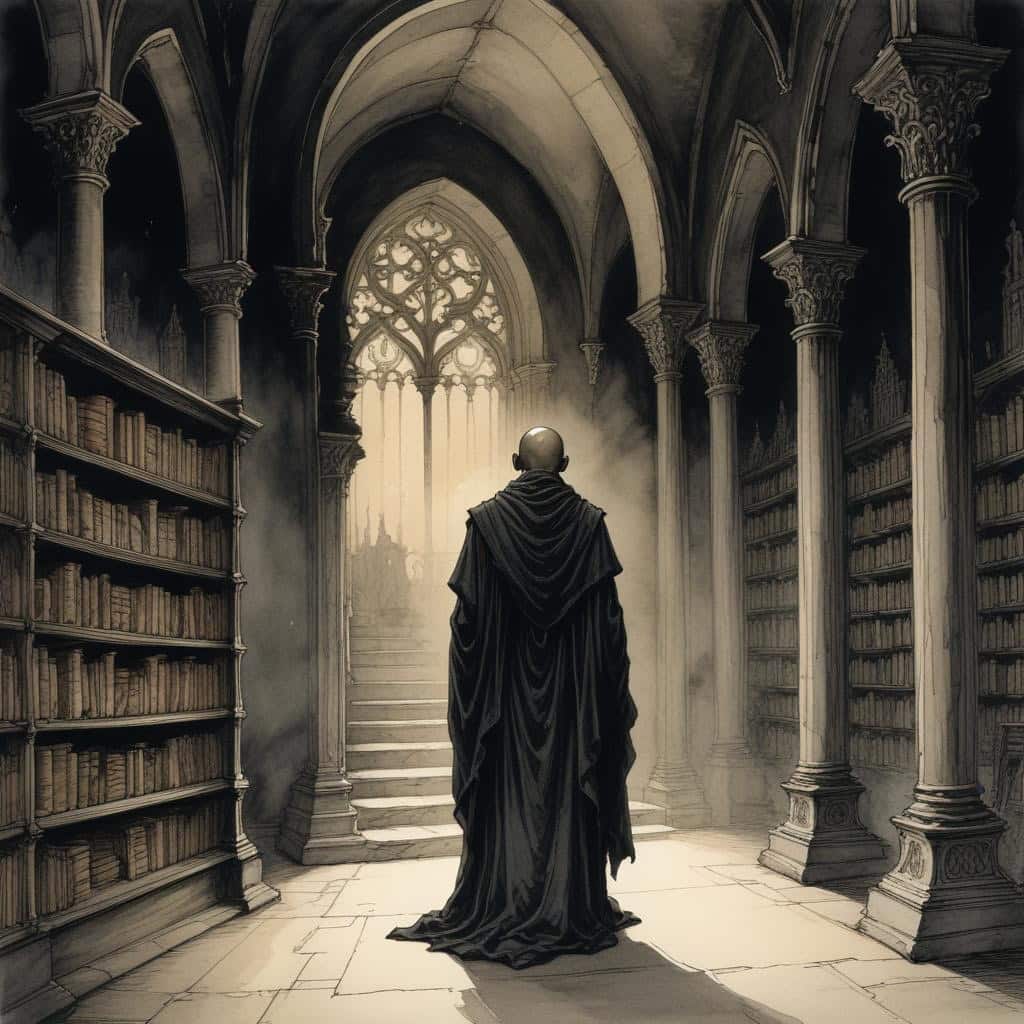
The Black Monk Summary
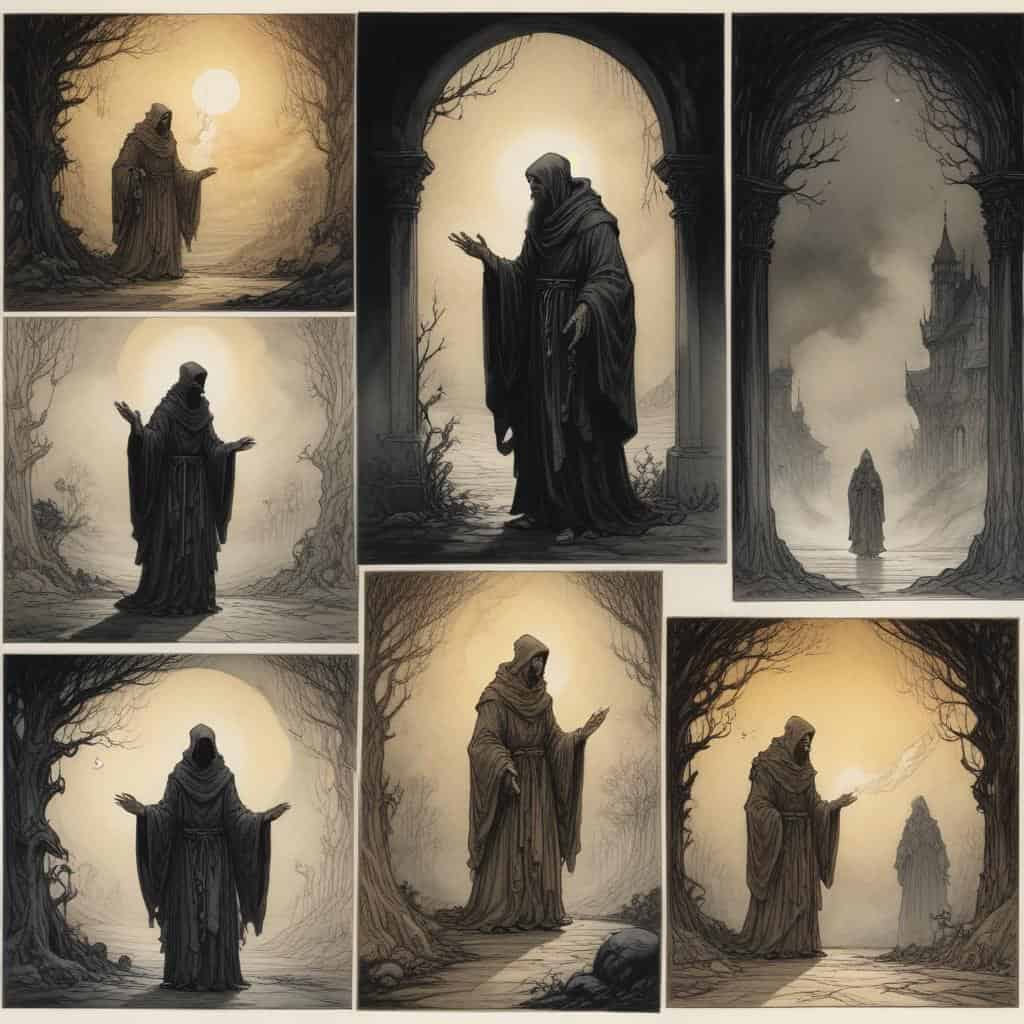
1. Introduction to the Story
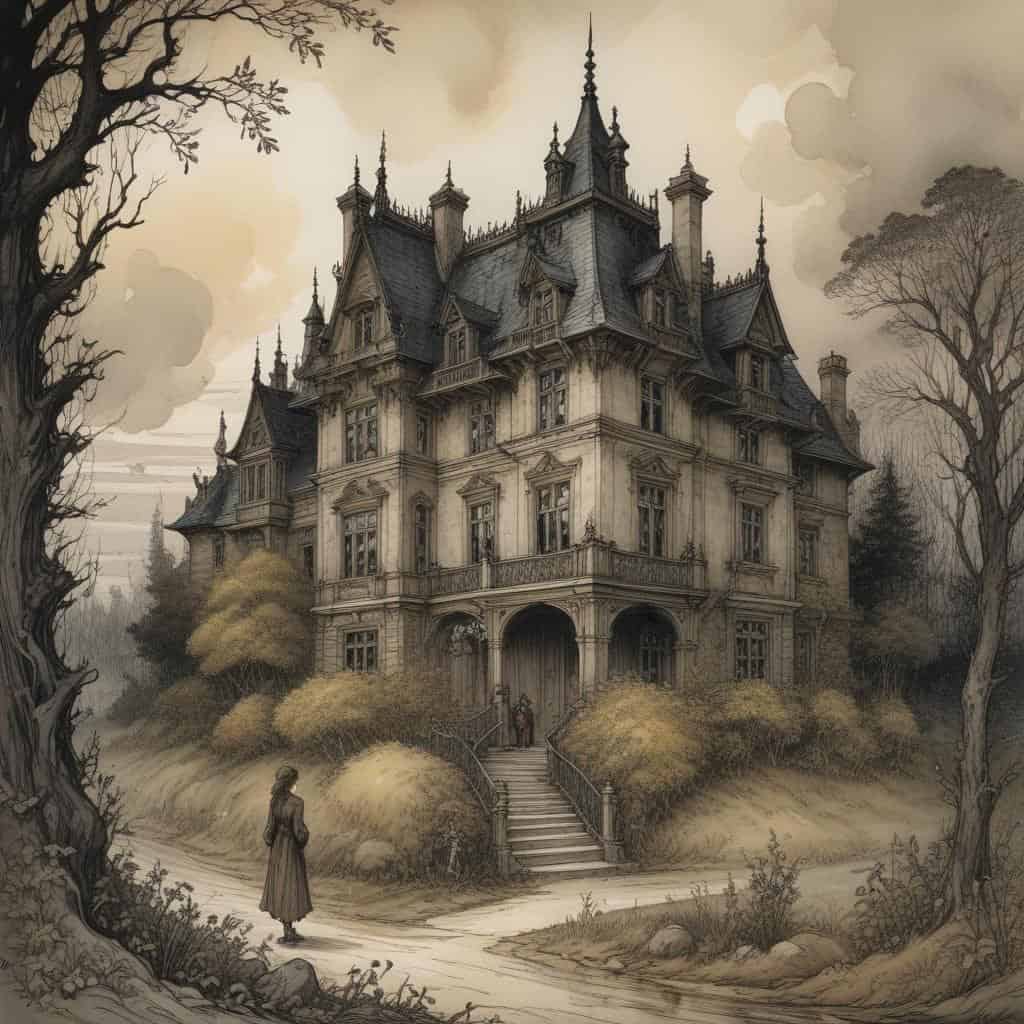
2. Andreys Visit to the Country Estate
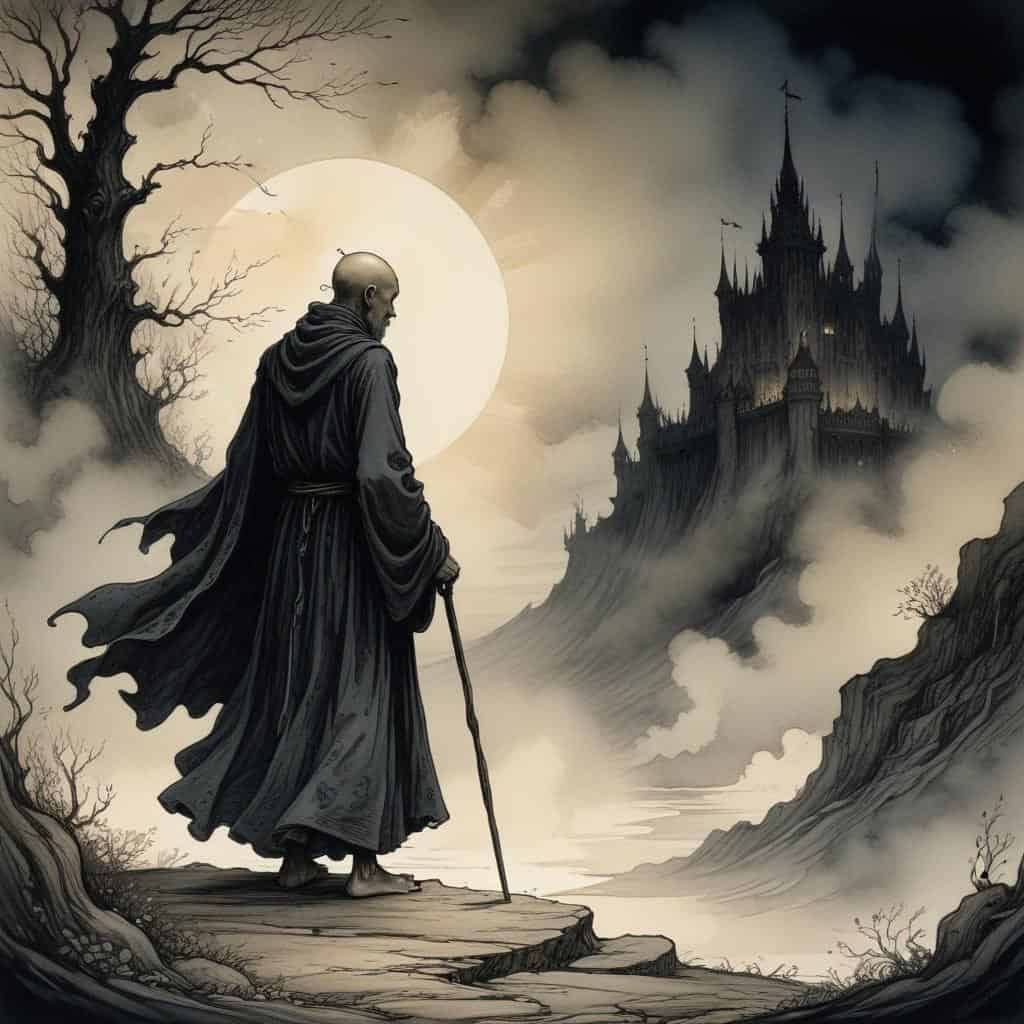
3. The Appearance of the Black Monk
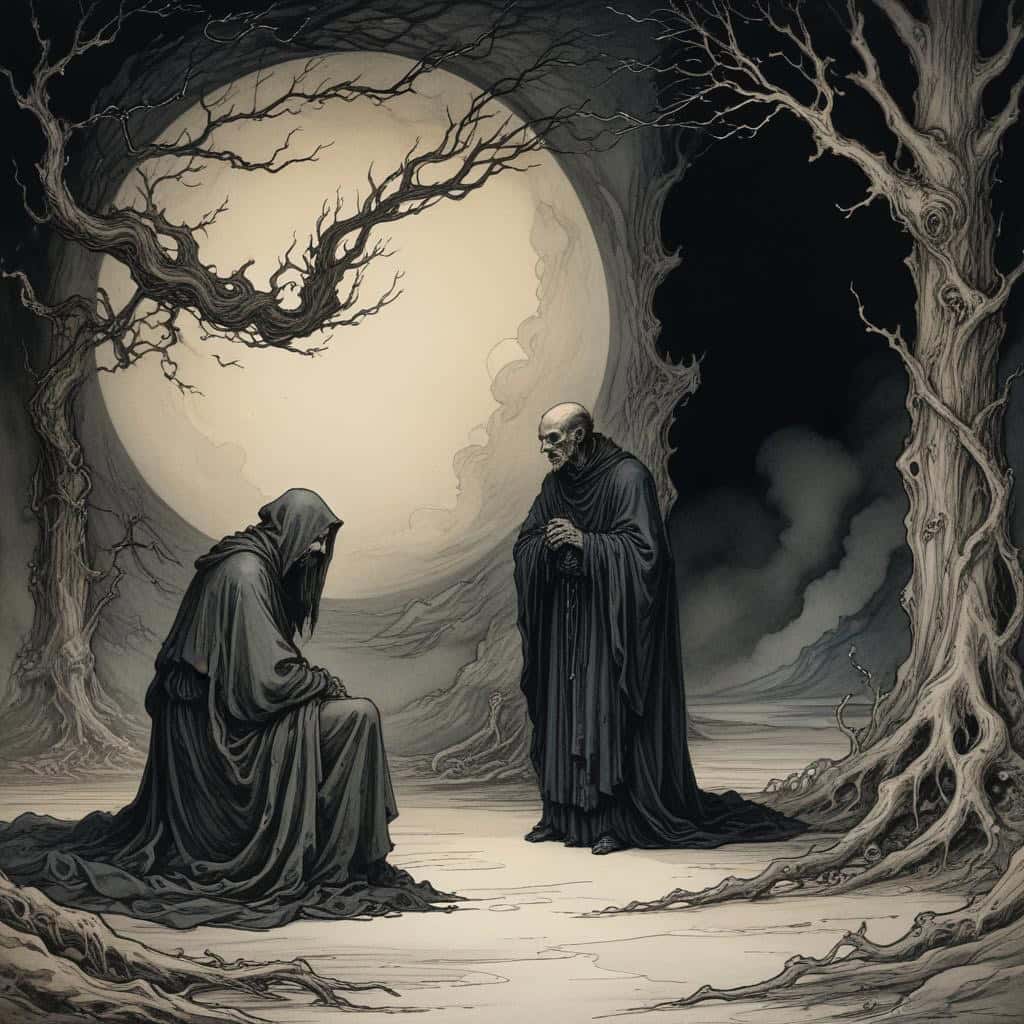
4. Andreys Mental Decline
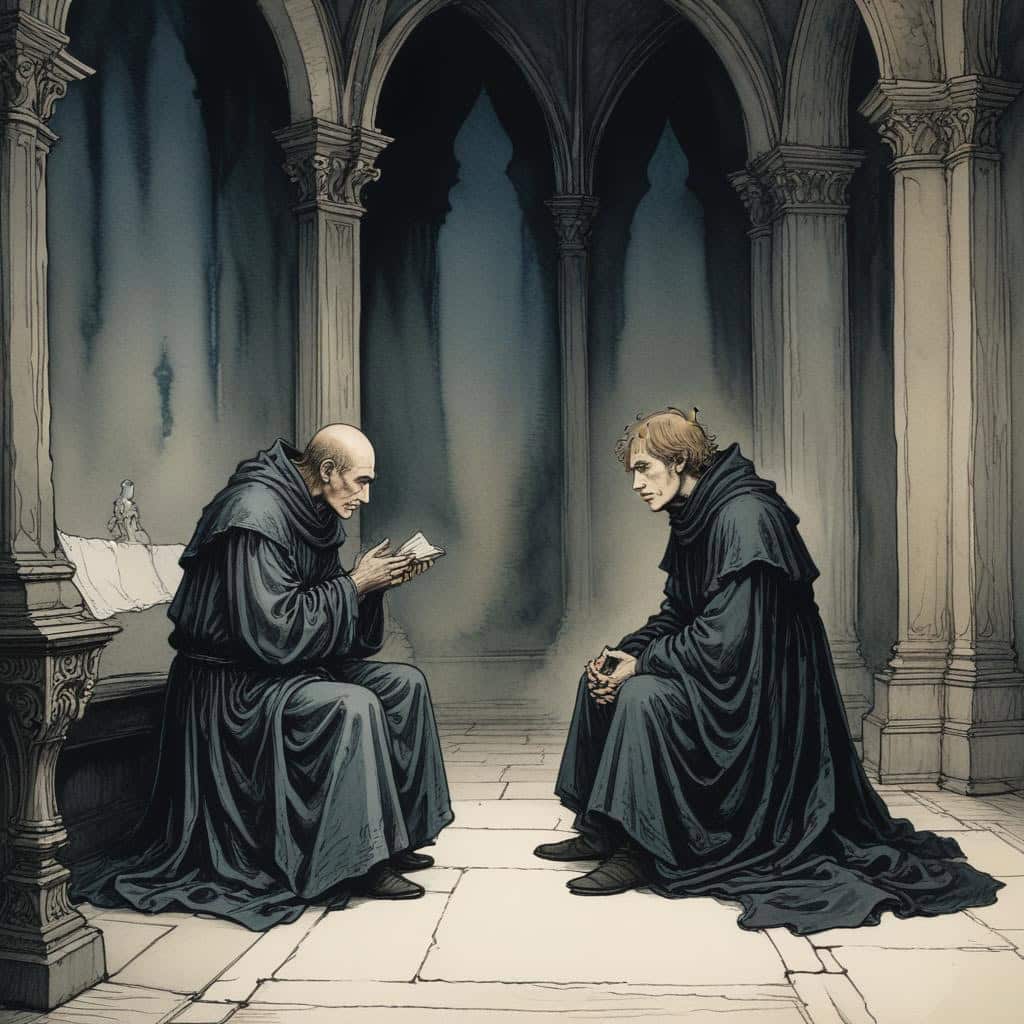
5. Andreys Confession to Pesotsky
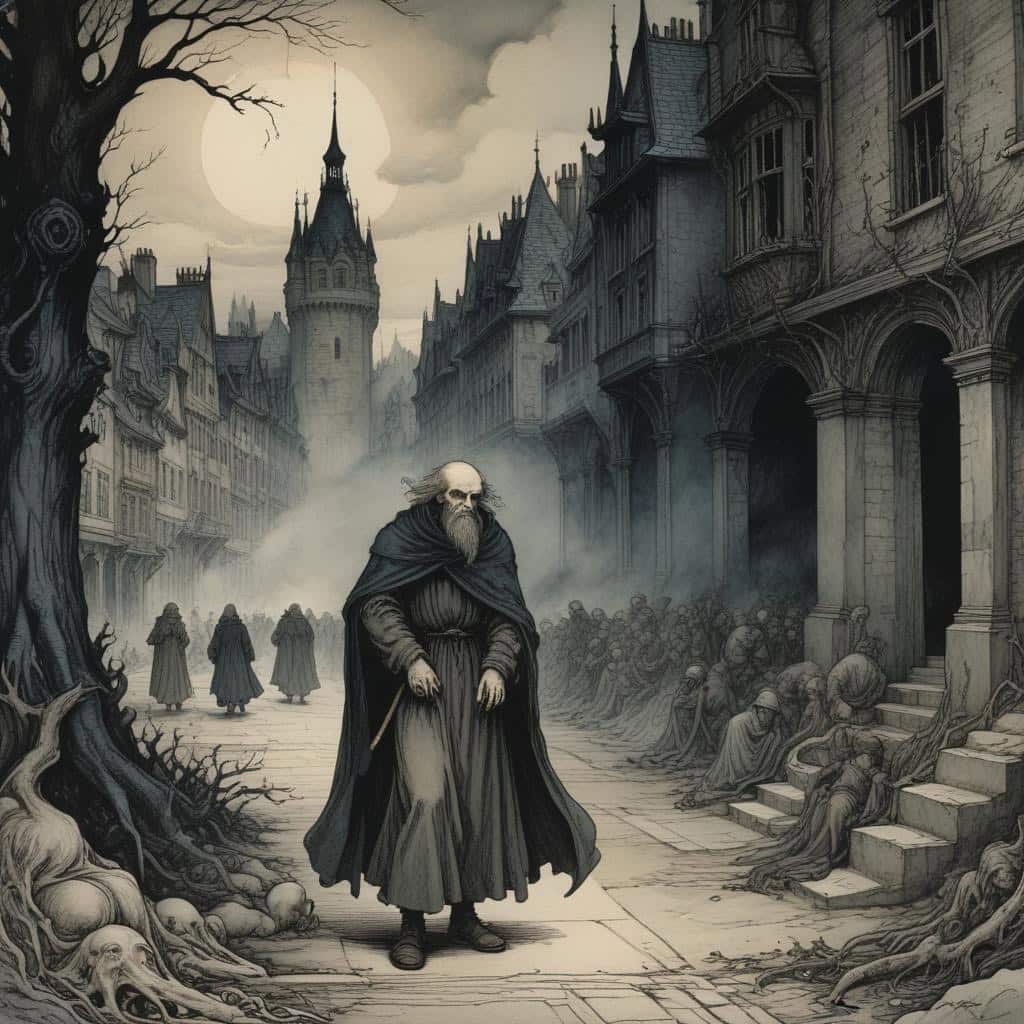
6. Andreys Return to the City
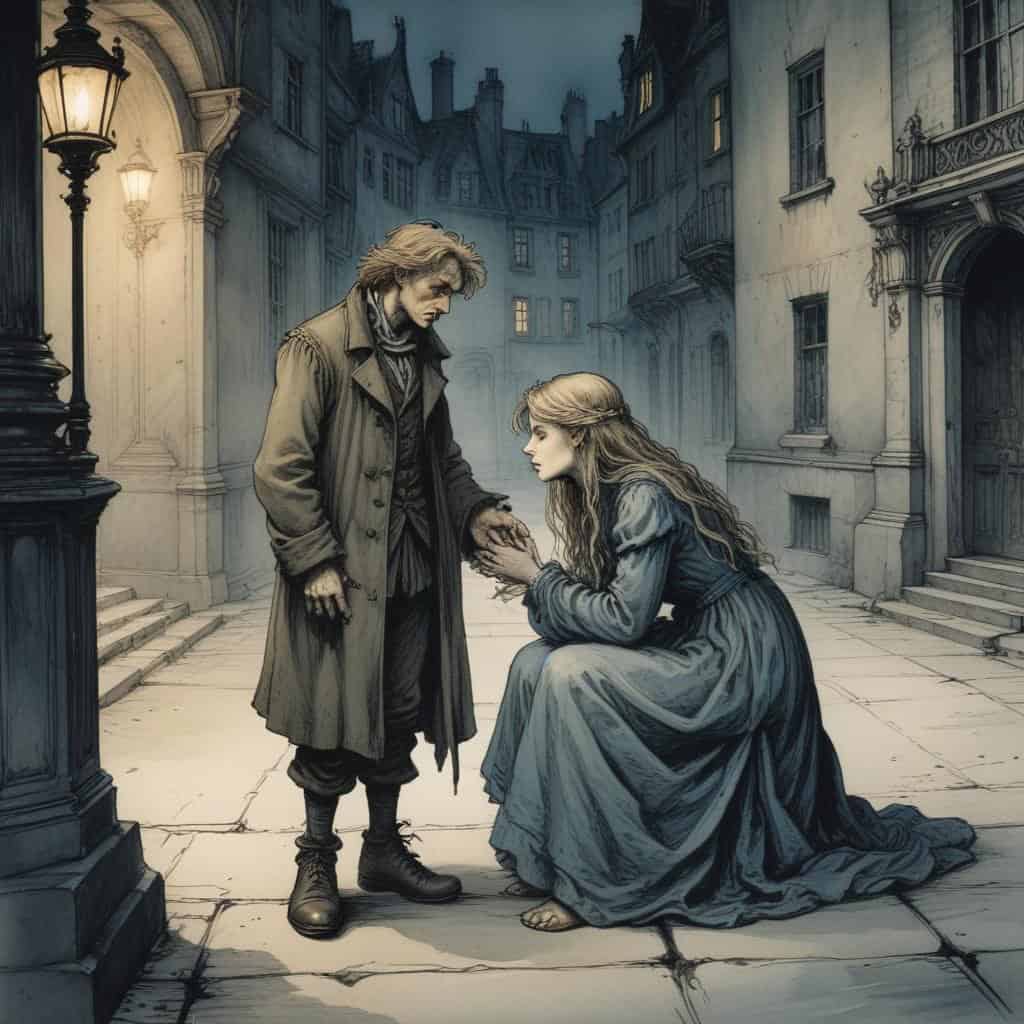
7. Andreys Reunion with Tanya
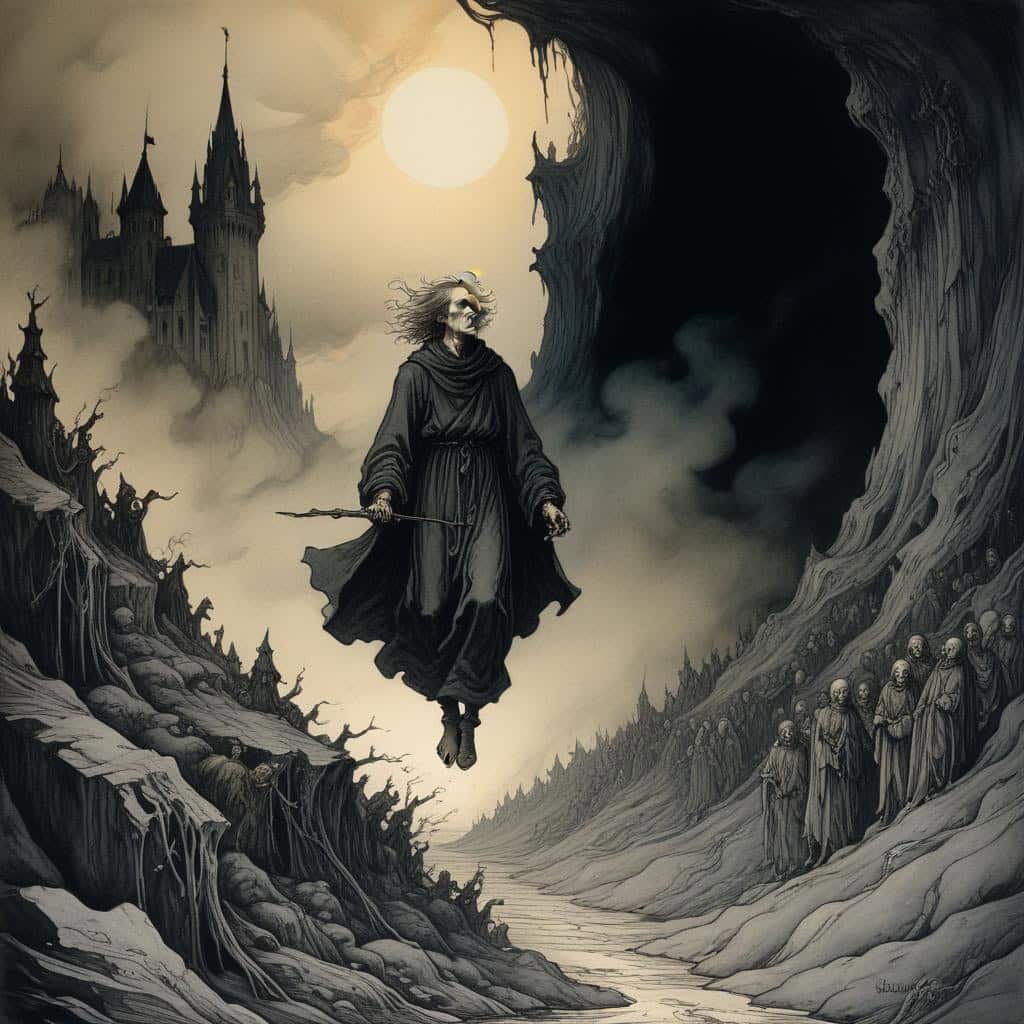
8. Andreys Final Descent into Madness

9. The Aftermath of Andreys Tragedy

10. The Black Monks Legacy
Lesson Details & Resources
In a Nutshell
- What: The Black Monk by Anton Chekhov
- When: Written in the late 19th century
- Who: Kovrin
- Theme: Psychological breakdown and the blurred lines between reality and imagination
List of Characters in The Black Monk by Anton Chekhov
-
Andrei Kovrin
Andrei Kovrin is a young, talented philosopher and university graduate who begins to experience strange visions after visiting his childhood home.
-
Tanya Pesotsky
Tanya Pesotsky is Kovrin's fiancée who becomes increasingly concerned about his mental state.
-
Doctor
The Doctor is a medical professional who tries to help Kovrin understand and overcome his visions.
-
Father Christopher
Father Christopher is a monk who plays a significant role in Kovrin's hallucinations.
Timeline of The Black Monk by Anton Chekhov
Andrei Kovrin, a young and talented scholar, goes to visit his childhood friend Tanya Pesotsky and her family at their country estate.
During his visit, Kovrin becomes entranced by the beauty of the estate and the natural surroundings.
Kovrin begins to experience strange visions and hallucinations, including the appearance of a mysterious black monk.
The black monk speaks to Kovrin, telling him that he is a manifestation of Kovrin's own genius and that he is destined for greatness.
Kovrin becomes obsessed with the black monk and begins to neglect his work and relationships.
Tanya becomes concerned for Kovrin's mental health and seeks the help of a doctor, who diagnoses Kovrin with a mental illness.
Despite the doctor's warnings, Kovrin continues to be consumed by his obsession with the black monk.
Kovrin's mental health continues to deteriorate, and he eventually suffers a mental breakdown.
Kovrin is institutionalized and eventually dies, still believing in the power and significance of the black monk.
Vocabulary List
- Monk
- The main character of the story is a black monk who appears to the protagonist in a vision.
- Madness
- The protagonist struggles with the fear of descending into madness, as his visions of the black monk become more frequent.
- Delusion
- The protagonist's friends and family worry that his visions of the black monk are a delusion brought on by his obsession with the supernatural.
- Faith
- The protagonist's faith in his own sanity is tested as he continues to see the black monk.
- Isolation
- The protagonist becomes isolated from his loved ones as he becomes more consumed by his visions of the black monk.
- Hallucination
- The protagonist begins to question whether the black monk is a hallucination or a real presence haunting him.
- Obsession
- The protagonist's obsession with the black monk consumes his thoughts and drives him to the brink of madness.
- Supernatural
- The black monk is seen as a supernatural entity by the protagonist, leading to his descent into madness.
Key Facts
This is the information used in the fact matching game
- The Black Monk was written by Anton Chekhov in 1894.
- The story follows the life of a young man named Andrey Kovrin who is visited by a mysterious black monk.
- The Black Monk is considered one of Chekhov's most famous short stories.
- The story explores themes of madness, creativity, and spirituality.
- Chekhov's writing style in The Black Monk is known for its psychological depth and realism.
- The story is set in rural Russia during the late 19th century.
- Andrey Kovrin experiences hallucinations and visions throughout the story.
- The Black Monk has been adapted into various stage and film productions over the years.
- Some critics interpret the black monk as a symbol of Kovrin's inner desires and ambitions.
- Chekhov's own experiences with illness and mortality influenced his writing of The Black Monk.
- The story raises questions about the nature of reality and perception.
- Chekhov was a master of the short story form, known for his concise yet powerful prose.
- The Black Monk is often studied in literature courses for its complex themes and character development.
- Chekhov's works had a significant influence on modernist writers such as James Joyce and Virginia Woolf.
- The Black Monk showcases Chekhov's keen insight into human psychology and behavior.
- The story's ambiguous ending leaves readers questioning the true nature of Kovrin's experiences.
- Chekhov's use of symbolism and metaphor in The Black Monk adds depth and complexity to the narrative.
- The Black Monk is included in many collections of Chekhov's short stories and plays.
- Chekhov's exploration of the human psyche in The Black Monk foreshadows the rise of psychoanalytic theory in literature.
- The story's themes of obsession and delusion resonate with contemporary audiences seeking to understand the complexities of the human mind.
Analysis & Significance
Impact on Literature
‘The Black Monk’ by Anton Chekhov is a seminal work in the realm of psychological fiction, paving the way for future authors to delve deep into the complexities of the human mind. Chekhov’s exploration of themes such as madness, creativity, and the blurred lines between reality and imagination set a new standard for literary storytelling.
Enduring Themes
The timeless themes of ‘The Black Monk’ continue to resonate with modern audiences, as readers grapple with questions of ambition, self-delusion, and the pursuit of artistic greatness. Chekhov’s portrayal of the protagonist’s descent into madness serves as a cautionary tale about the dangers of unchecked ambition and the consequences of losing touch with reality.
Cultural Significance Today
Even today, ‘The Black Monk’ remains a cultural touchstone, inspiring numerous adaptations in film, theater, and literature. Its exploration of the thin line between genius and madness continues to captivate audiences, prompting reflection on the nature of creativity and the sacrifices one must make in the pursuit of artistic excellence.
The Black Monk by Anton Chekhov Games


Take Your Learning Offline
Want a convenient, print-ready study guide for this lesson? Become a Memory Wizards Pro member to unlock the downloadable " Memory Scrolls" for this topic and our entire library!
- ✓ Complete Vocabulary Lists
- ✓ Key Facts & Timelines
- ✓ Beautifully Formatted for Print & Mobile