
Summary of Viking raids on Lindisfarne (793)
Uncover the mysteries of the Viking raids on Lindisfarne in 793.
How Do You Learn Best?
Learn by Reading
Immerse yourself in the 10-minute visual lesson for a comprehensive understanding of the topic.
Learn by Reviewing
Jump directly to the key facts, timeline, and vocabulary lists to build a solid foundation of details.
Learn by Doing
Challenge yourself! Jump straight into the interactive games to learn by trial, error, and discovery.
Viking raids on Lindisfarne in 10 Minutes
Introduction
Ragnar Lothbrok
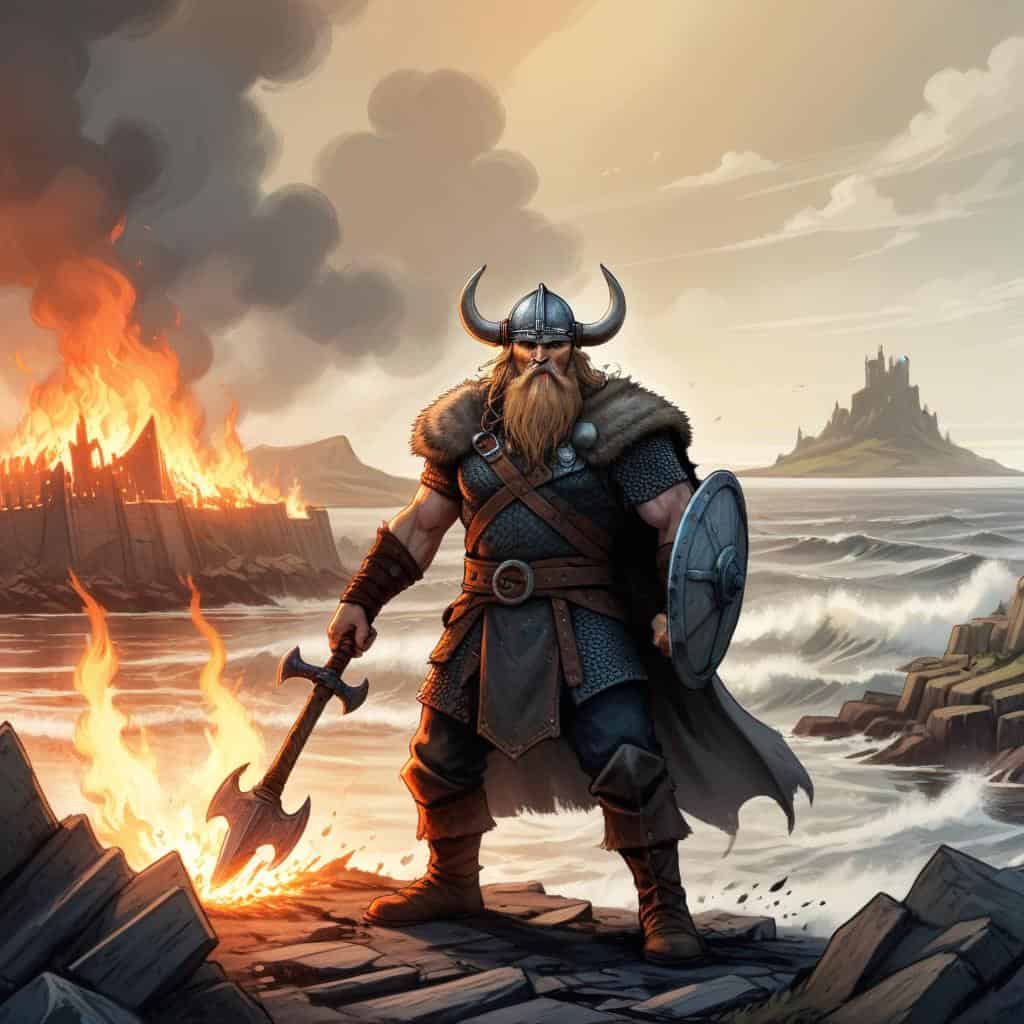
Earl Rollo
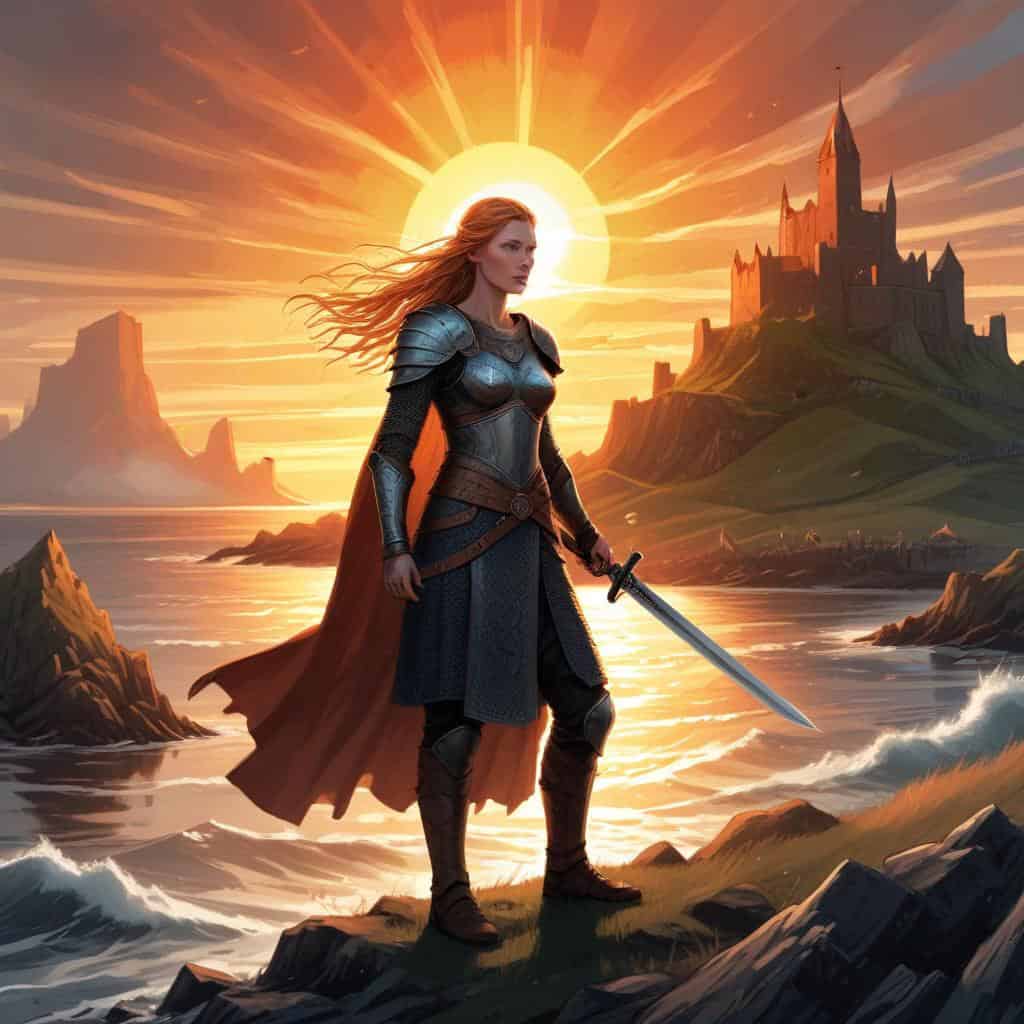
Aslaug
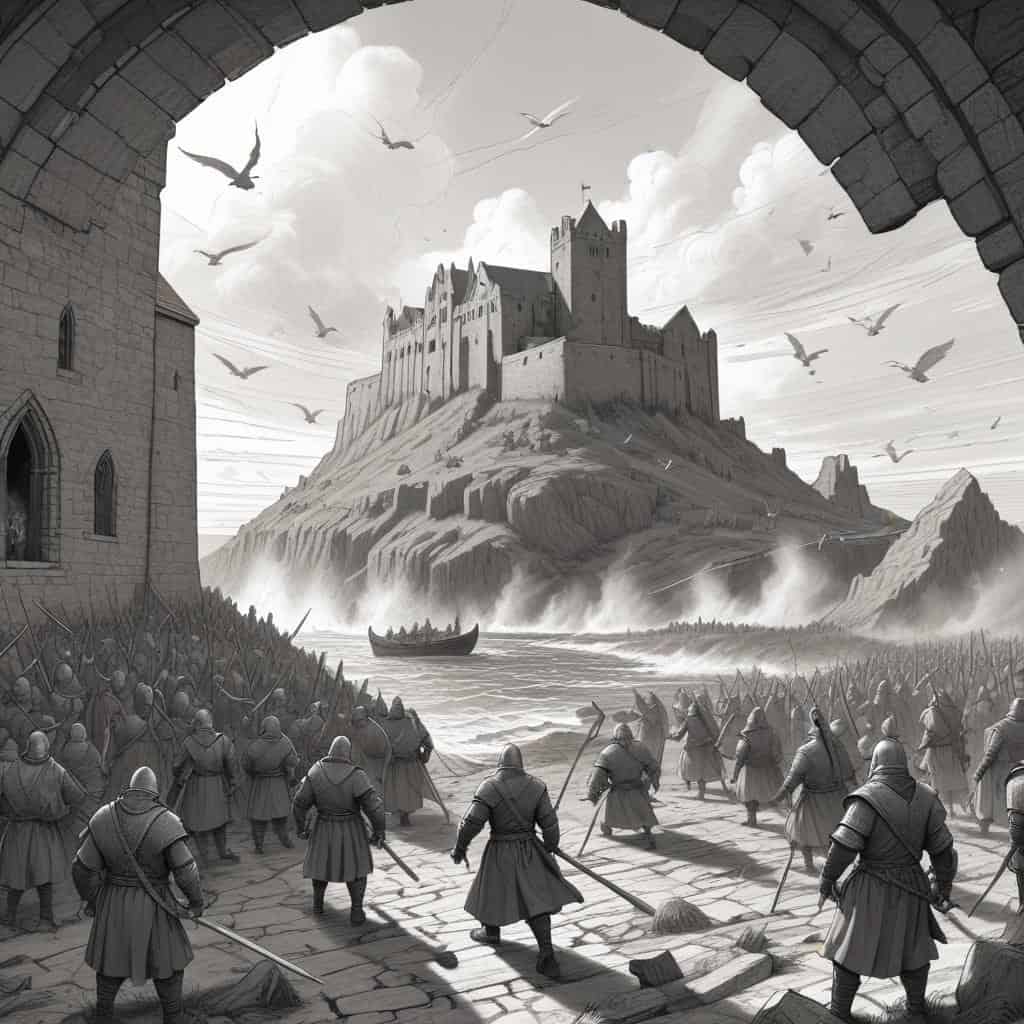
Monks of Lindisfarne

King Osbert of Northumbria

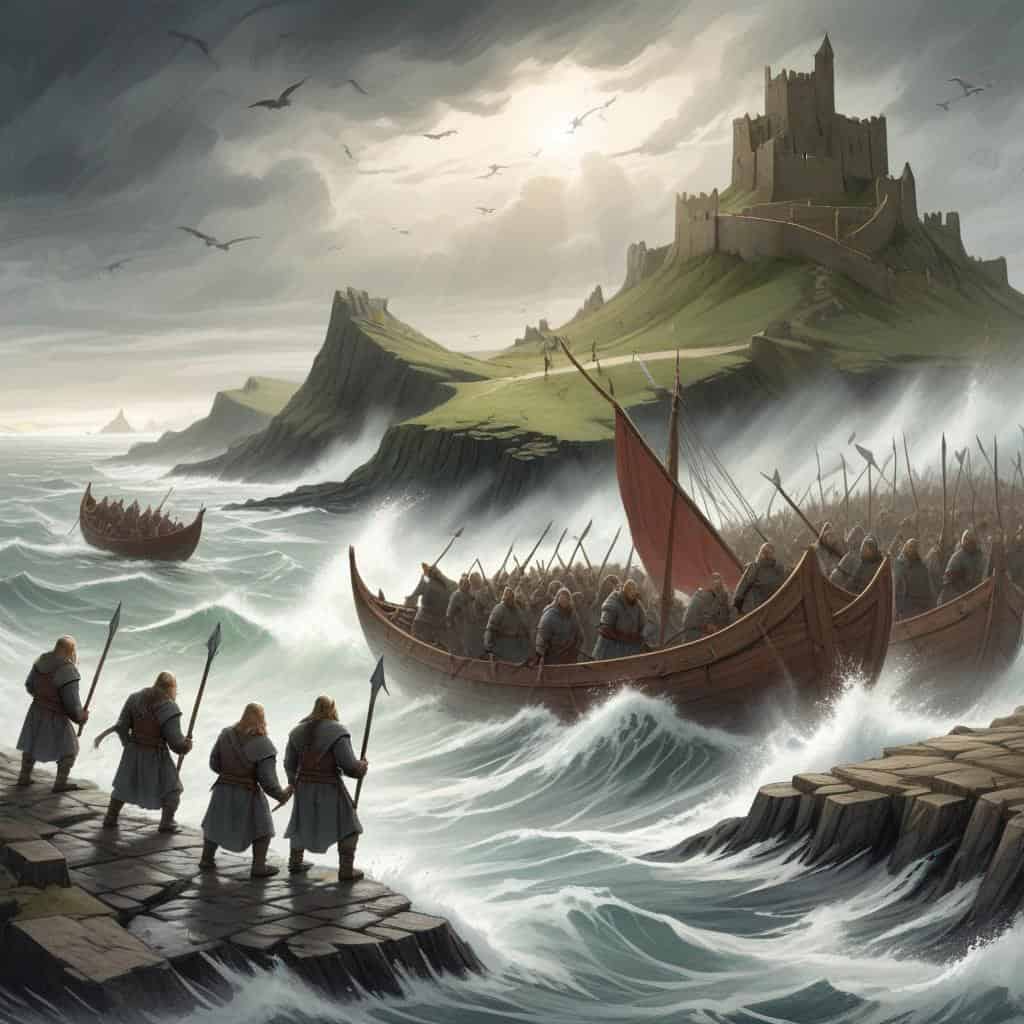
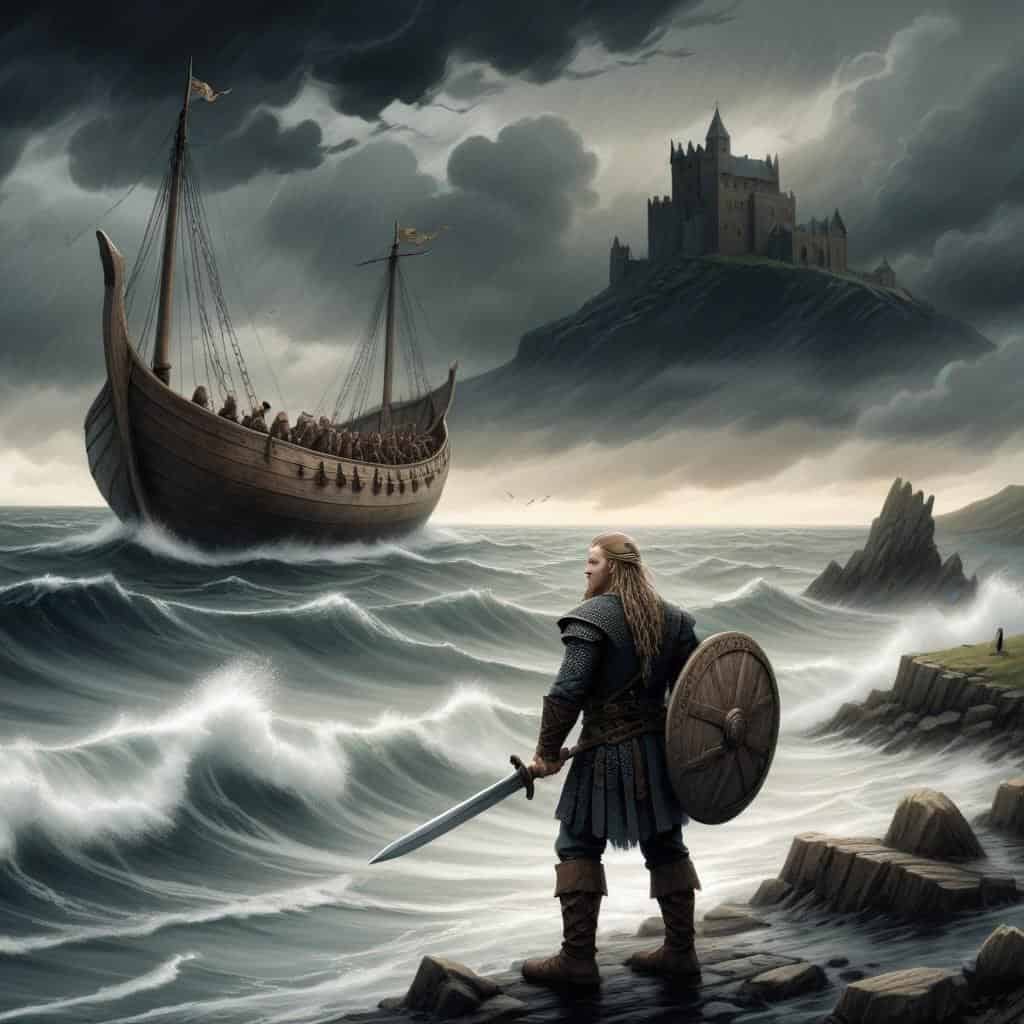
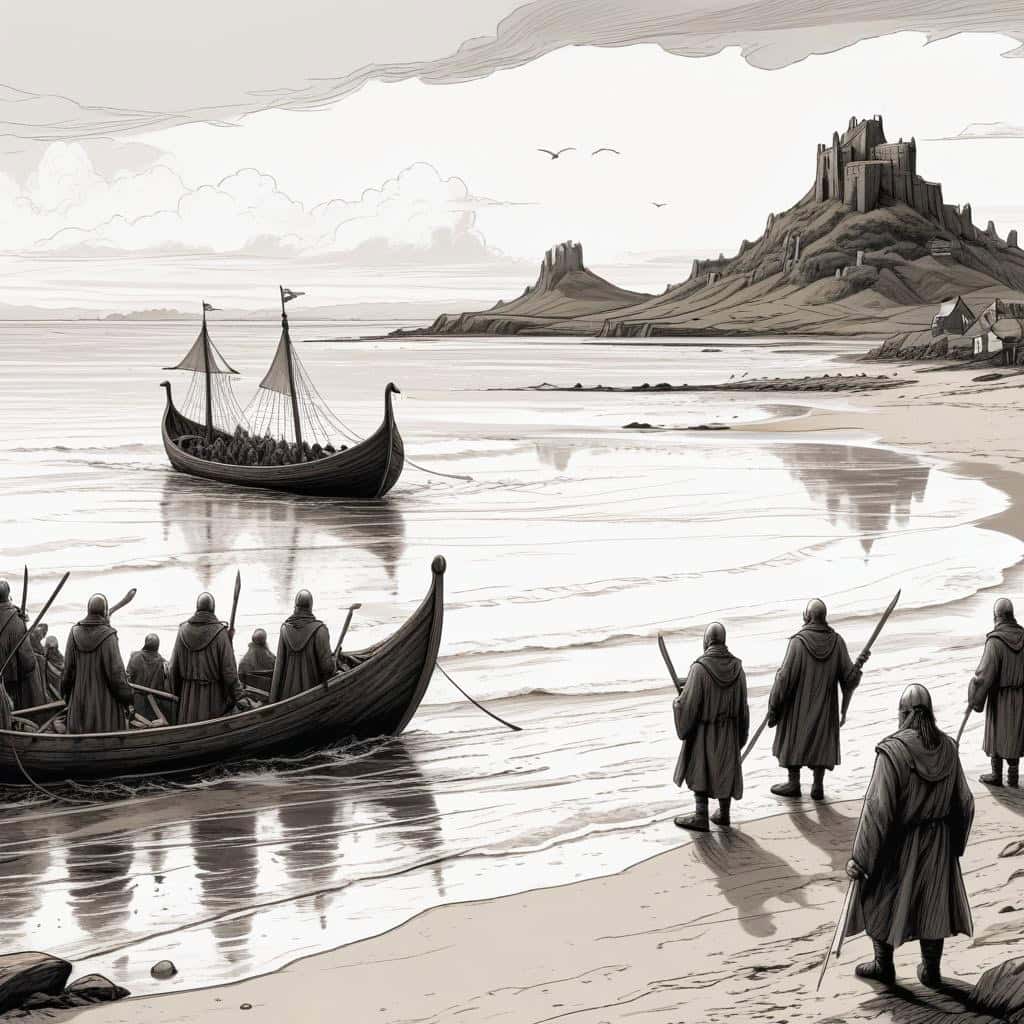
The Arrival of the Vikings

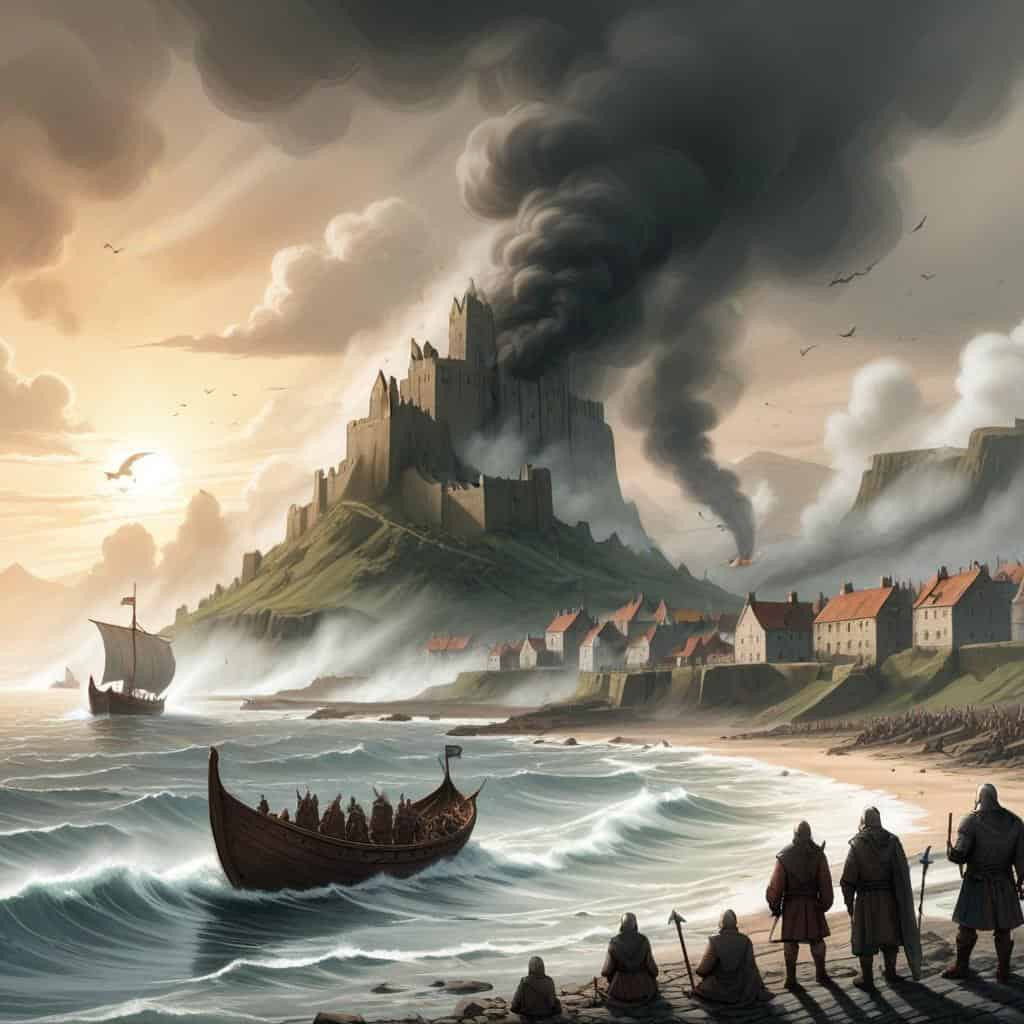
The Attack on the Monastery

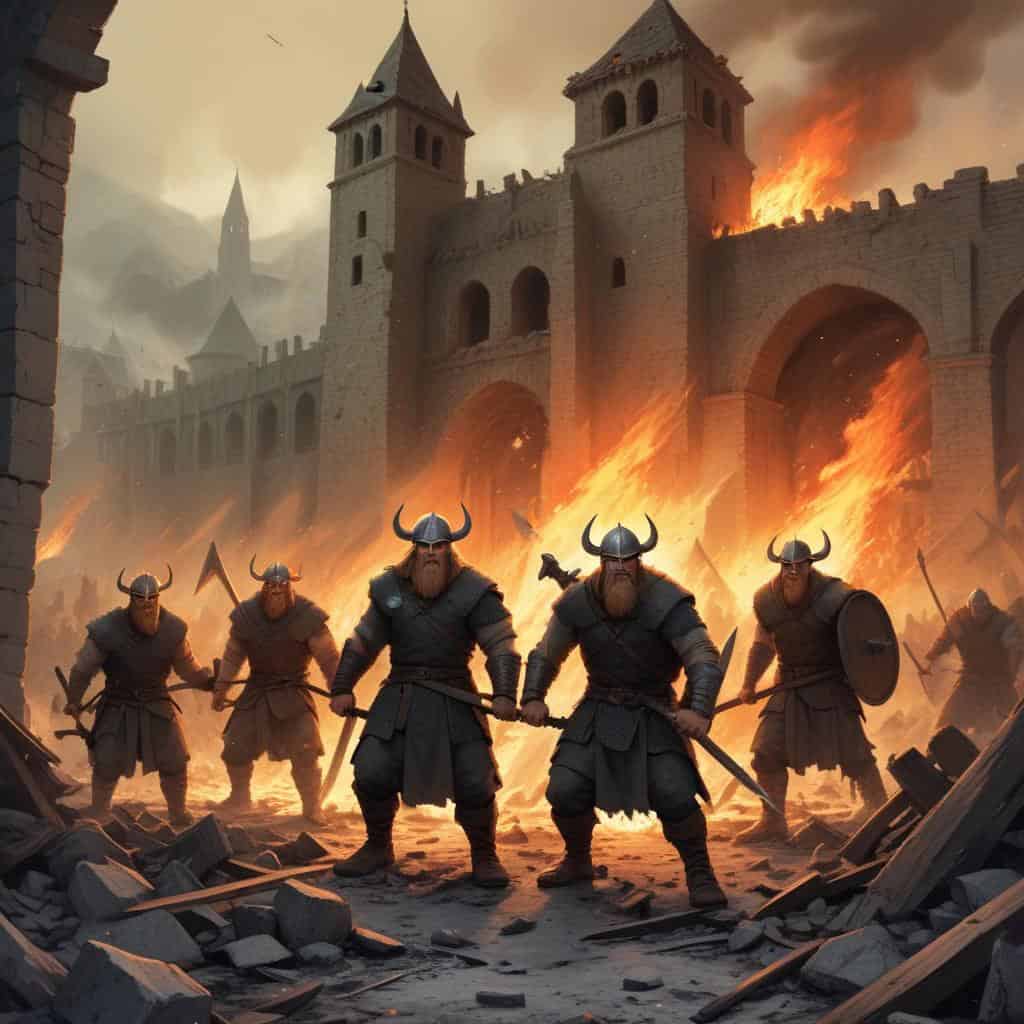
The Loot and Pillaging
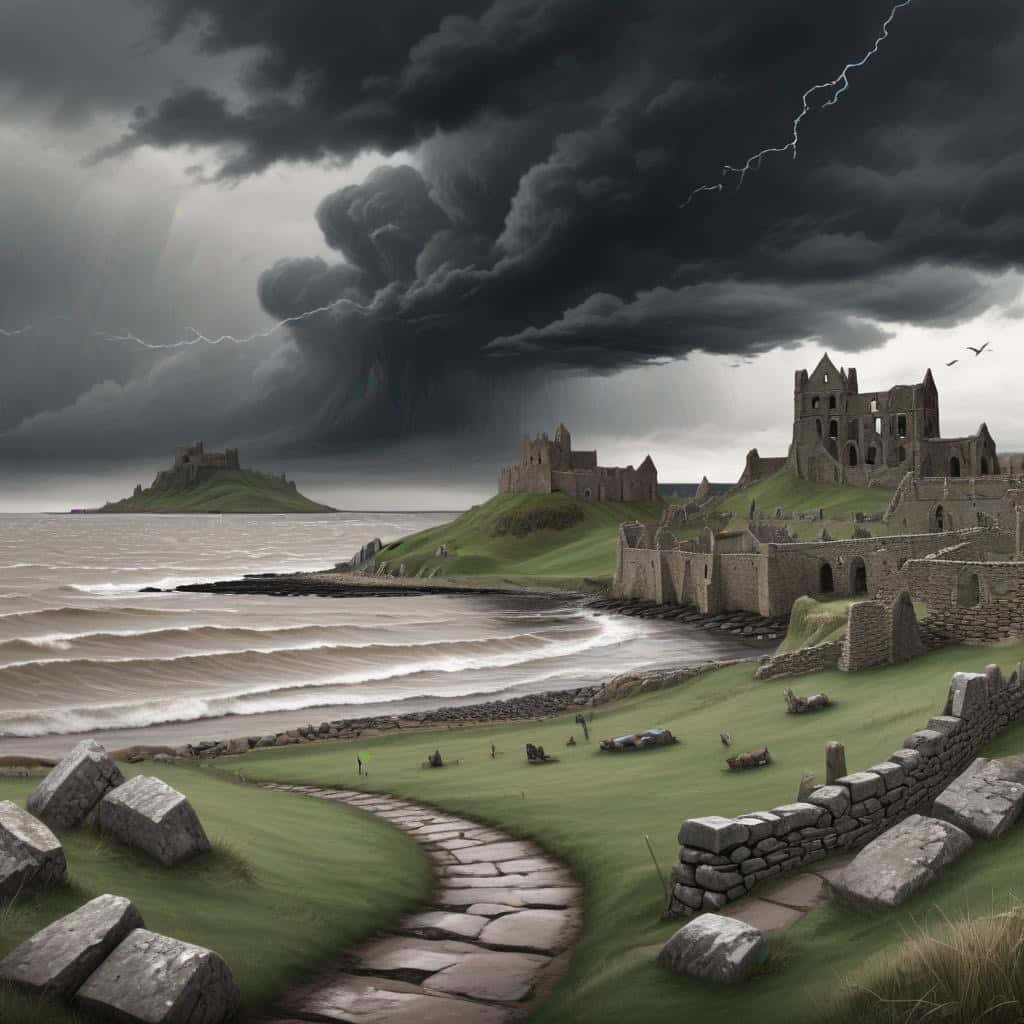
The Shock and Horror

The Impact on the Church

The Beginning of Viking Raids

The Legacy of the Raid

The Response of King Ecbert

The Reputation of the Vikings
The Enduring Impact
Lesson Details & Resources
In a Nutshell
- What: Viking raids on Lindisfarne
- When: 793
- Who: Vikings
- Outcome: The raid is considered the beginning of the Viking Age and marked the start of Viking raids on England.
Famous Figures in the Viking raids on Lindisfarne
-
Alcuin of York
Alcuin of York was an English scholar and poet who wrote about the Viking raid on Lindisfarne in 793.
-
Ecgberht, King of Northumbria
Ecgberht, King of Northumbria, was the ruler of the kingdom at the time of the Viking raid on Lindisfarne.
-
Anskar, Archbishop of Hamburg-Bremen
Anskar, Archbishop of Hamburg-Bremen, was a missionary who later wrote about the devastation caused by the Viking raid on Lindisfarne.
-
Æthelred, King of Northumbria
Æthelred, King of Northumbria, was one of the leaders who tried to defend Lindisfarne from the Viking invaders.
Timeline of Viking raids on Lindisfarne
Viking raid on Lindisfarne
Continued raids and pillaging by Vikings in the following years
Alcuin of York writes to the Bishop of Lindisfarne describing the devastation caused by the Vikings
Monks flee Lindisfarne due to ongoing Viking attacks
Viking raids on other monasteries and settlements along the coast of England and Scotland
Viking raids on Lindisfarne lead to decline of monastery's influence and power
King Offa of Mercia builds defenses against Viking raids
Vikings establish winter camps in England to prepare for further raids
Vikings begin targeting larger towns and cities for raids
King Ecgbert of Wessex fights off Viking raids in southern England
Viking raids on Lindisfarne diminish as Vikings target other areas in Europe
Vikings establish settlements in Ireland and Scotland
Viking raids on Lindisfarne become less frequent
Viking presence in England leads to establishment of Danelaw in the north
Vikings focus on trade and exploration, leading to the discovery of North America
Viking raids on Lindisfarne cease completely
Lindisfarne monastery falls into disrepair and eventually abandoned
Vikings continue to have a lasting impact on England's history and culture
Modern archaeological excavations uncover evidence of Viking presence at Lindisfarne
Lindisfarne becomes a popular tourist destination due to its Viking history
Vocabulary List
- Vikings
- The Vikings were fierce warriors from Scandinavia who often raided coastal communities.
- Lindisfarne
- Lindisfarne was a small island off the coast of Northumberland in England, known for its monastery and wealth.
- Raids
- The Viking raids on Lindisfarne in 793 were one of the first recorded instances of Viking attacks on British soil.
- Monastery
- The monastery at Lindisfarne was a center of learning and religious life, making it a target for Viking raiders.
- Plunder
- The Vikings plundered the monastery at Lindisfarne, taking valuables and treasures before setting the buildings on fire.
- Pillaging
- The Viking raiders engaged in pillaging and looting, causing destruction and terror in their wake.
Key Facts
This is the information used in the fact matching game
- The Viking raid on Lindisfarne in 793 is considered the beginning of the Viking Age in England.
- The raid on Lindisfarne was the first recorded Viking attack on England.
- The monks at Lindisfarne were shocked and horrified by the sudden attack.
- The raid on Lindisfarne was part of a larger pattern of Viking raids on Christian monasteries in Europe.
- The Vikings were attracted to Lindisfarne because of its wealth and religious significance.
- The raid on Lindisfarne sparked fear and panic throughout England.
- The Vikings plundered the monastery at Lindisfarne, taking valuable treasures and killing many of the monks.
- The raid on Lindisfarne marked the beginning of a period of Viking invasions and settlements in England.
- The Vikings sailed to Lindisfarne in longships, fast and maneuverable vessels that allowed them to navigate rivers and coastal waters.
- The raid on Lindisfarne had a profound impact on the Christian church in England, leading to the fortification of many monasteries.
- The attack on Lindisfarne was seen as a sign of the end times by many Christians.
- The Vikings were known for their fierce and brutal tactics in battle, striking fear into their enemies.
- The raid on Lindisfarne was just one of many Viking attacks on England during the Viking Age.
- The Vikings were skilled sailors and navigators, able to travel long distances across the sea in search of plunder.
- The raid on Lindisfarne led to the spread of Viking influence and culture in England.
- The Vikings were known for their raids on coastal communities, striking quickly and then disappearing back out to sea.
- The raid on Lindisfarne was a devastating blow to the Christian community in England, leading to widespread fear and uncertainty.
- The monks at Lindisfarne were unprepared for the sudden and brutal attack by the Vikings.
- The raid on Lindisfarne is remembered as a turning point in English history, marking the beginning of a new era of Viking influence.
- The raid on Lindisfarne left a lasting impact on the people of England, shaping their perceptions of the Vikings for centuries to come.
Analysis & Significance
Immediate Consequences
The Viking raid on Lindisfarne in 793 sent shockwaves throughout Europe, with the monastery being ransacked and pillaged. The attack was a brazen display of Viking power and set a precedent for future raids along the coasts of Britain and beyond.
Long-Term Impact
The raid on Lindisfarne marked the beginning of the Viking Age, a period of significant Norse expansion and influence. It led to the establishment of Viking settlements in Britain and ultimately contributed to the shaping of medieval European history through trade, warfare, and cultural exchange.
Cultural Significance Today
The Viking raid on Lindisfarne continues to capture the imagination of people worldwide, with numerous books, movies, and TV shows depicting the event. It serves as a reminder of the complexities of history and the enduring legacy of the Vikings on contemporary culture, from language to art to exploration.
Viking raids on Lindisfarne Games


Take Your Learning Offline
Want a convenient, print-ready study guide for this lesson? Become a Memory Wizards Pro member to unlock the downloadable " Memory Scrolls" for this topic and our entire library!
- ✓ Complete Vocabulary Lists
- ✓ Key Facts & Timelines
- ✓ Beautifully Formatted for Print & Mobile