
Summary of the Viking Invasions
Uncover the fearless warriors and epic sagas of the Viking era.
How Do You Learn Best?
Learn by Reading
Immerse yourself in the 10-minute visual lesson for a comprehensive understanding of the topic.
Learn by Reviewing
Jump directly to the key facts, timeline, and vocabulary lists to build a solid foundation of details.
Learn by Doing
Challenge yourself! Jump straight into the interactive games to learn by trial, error, and discovery.
Audio Library
As one of our featured lessons, this topic includes premium audio guides.
Wizards in Conversation
A deep-dive conversation exploring the enduring relevance and key themes of this topic. Also available on Spotify and Apple Podcasts.
the Viking Invasions in 10 Minutes
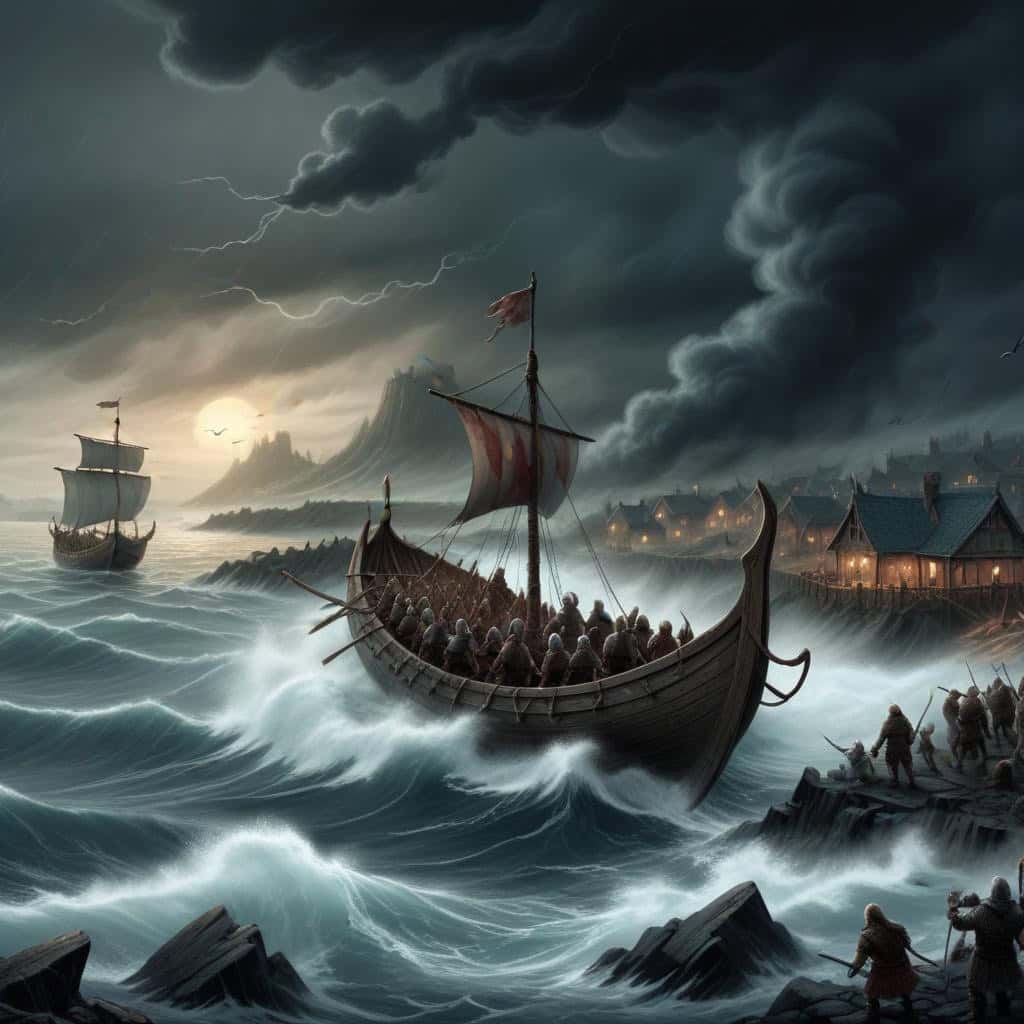
Introduction
Ragnar Lothbrok
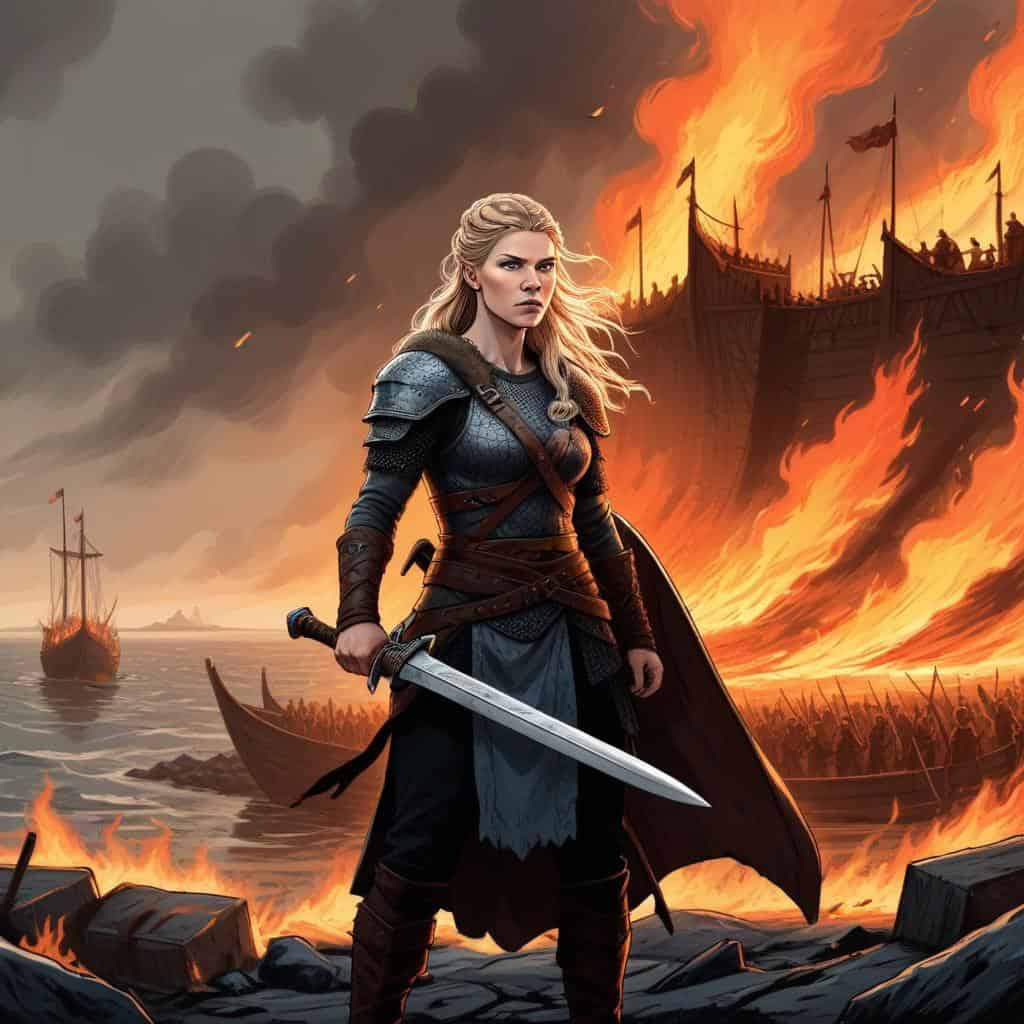
Lagertha
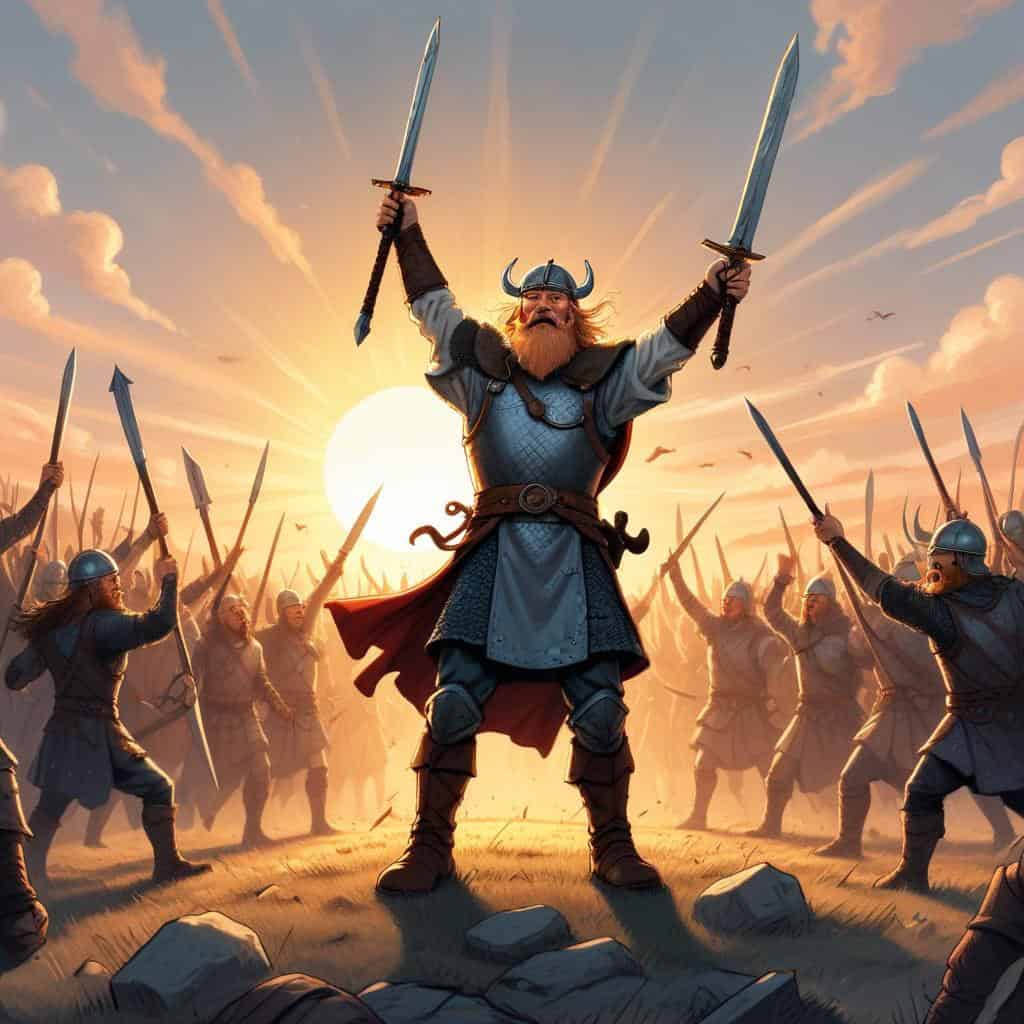
Harald Fairhair
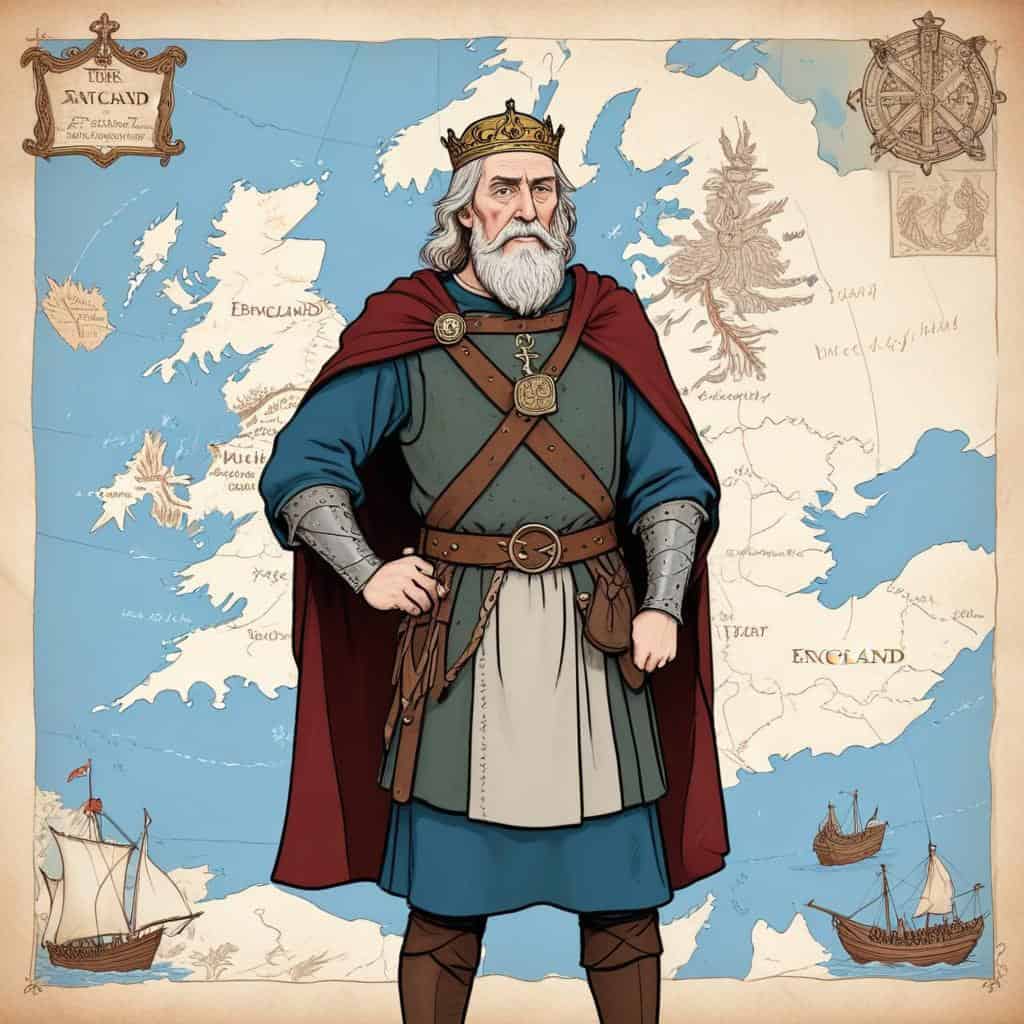
Alfred the Great
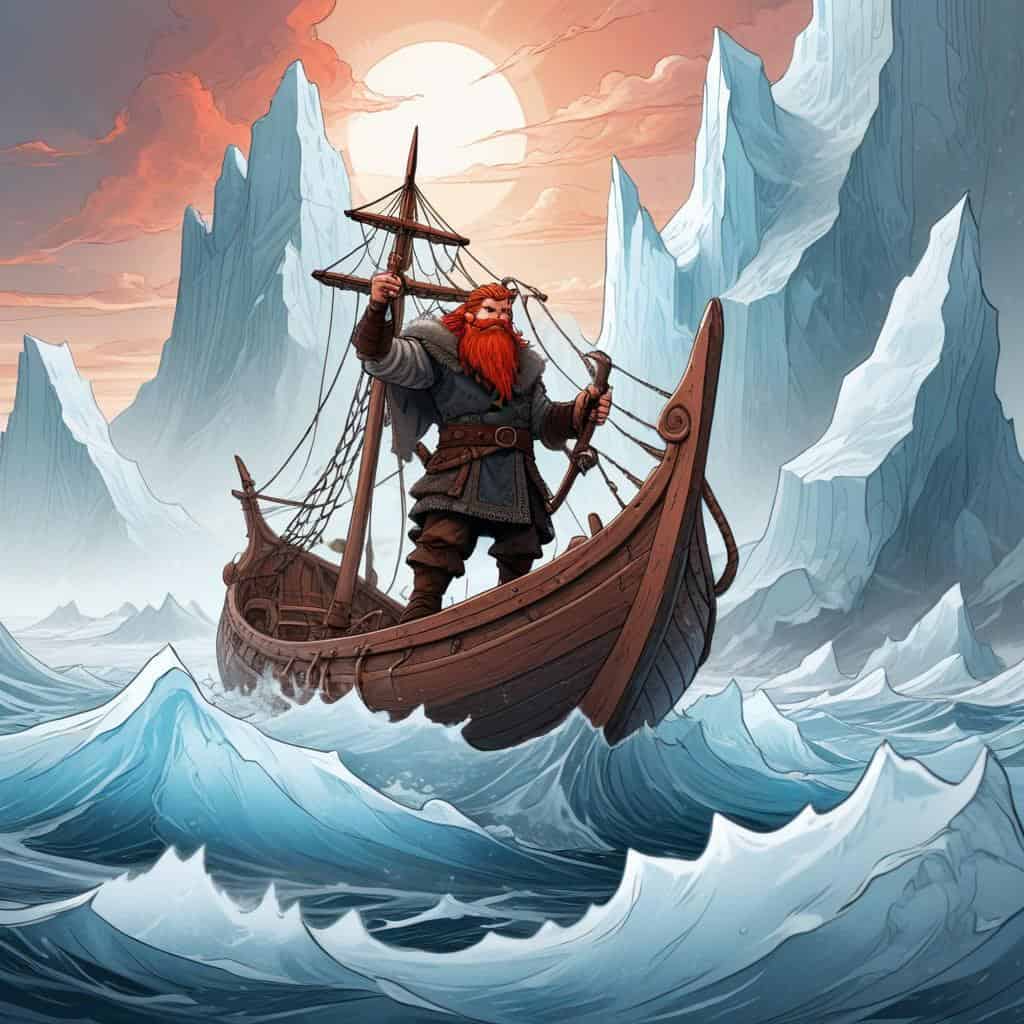
Erik the Red

The Beginning of Viking Raids
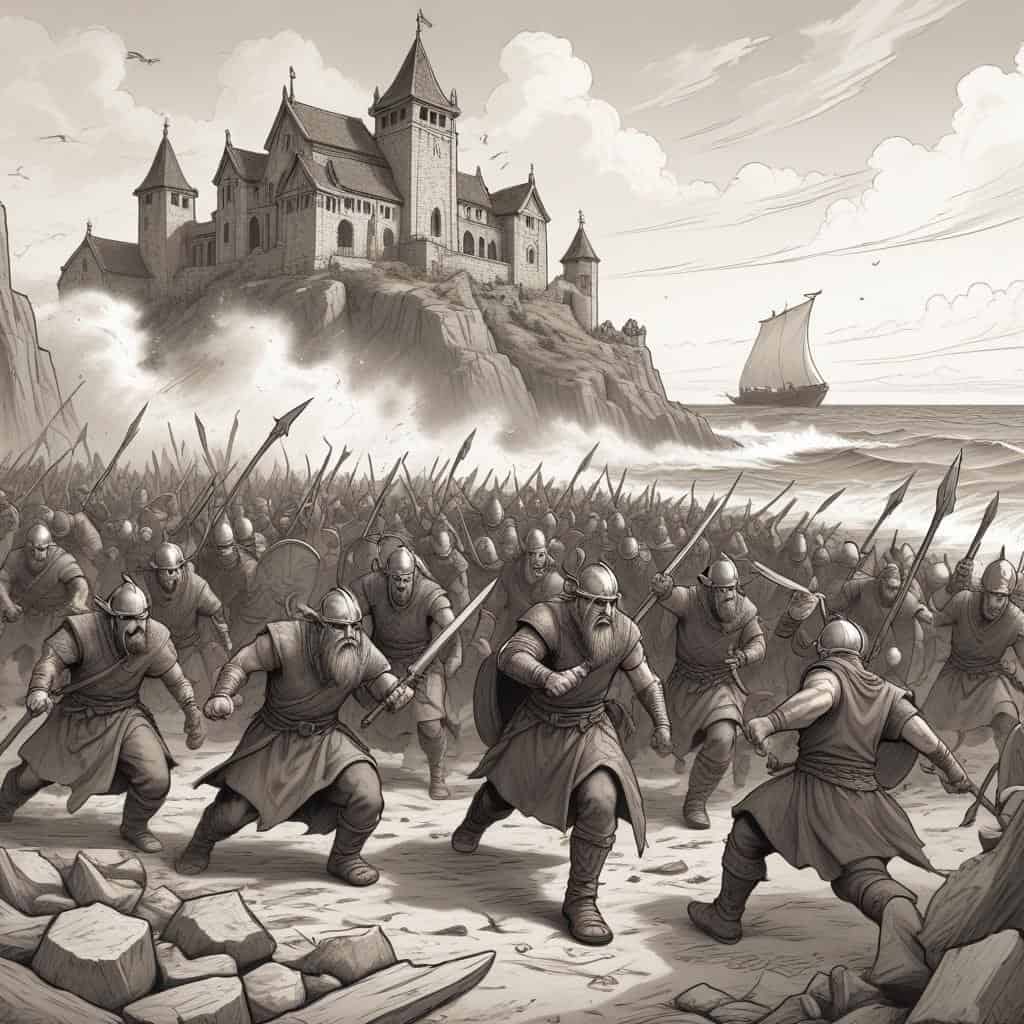
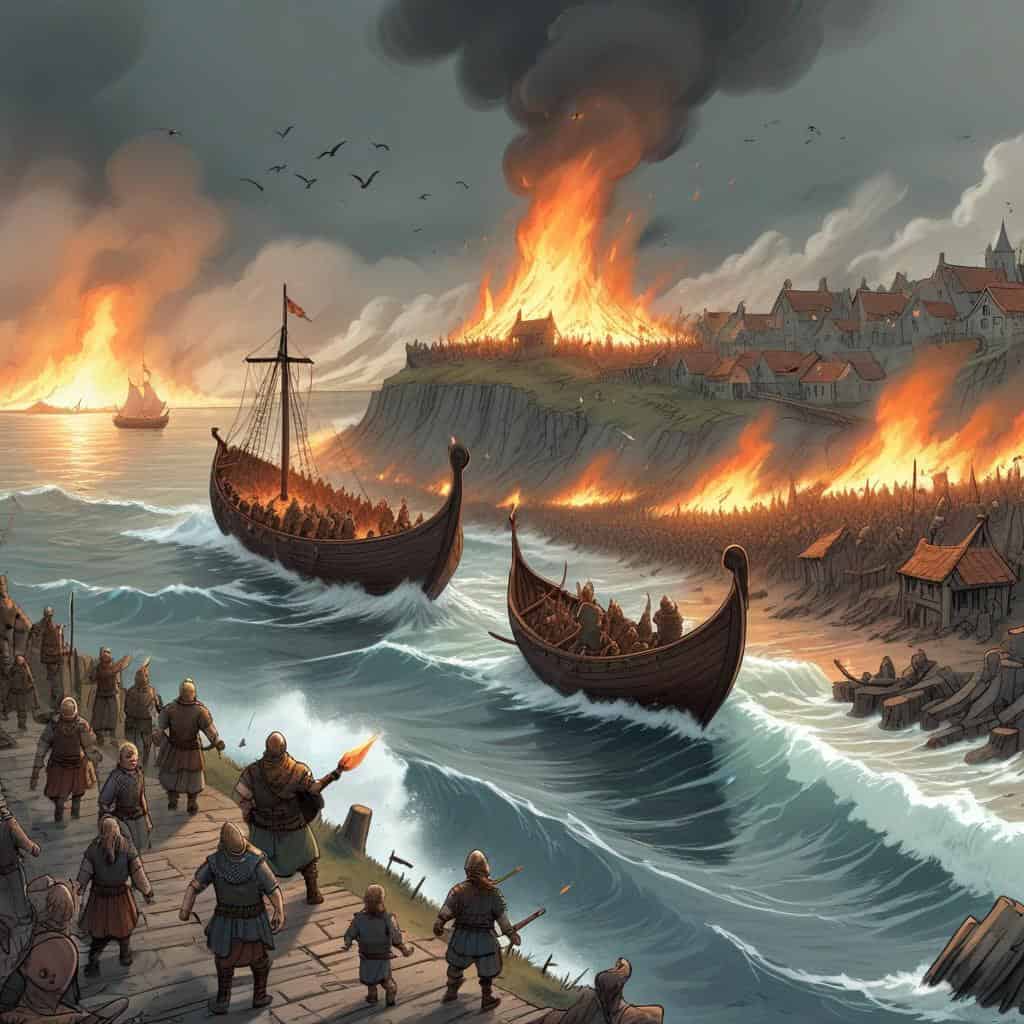
Raiding Monasteries and Villages

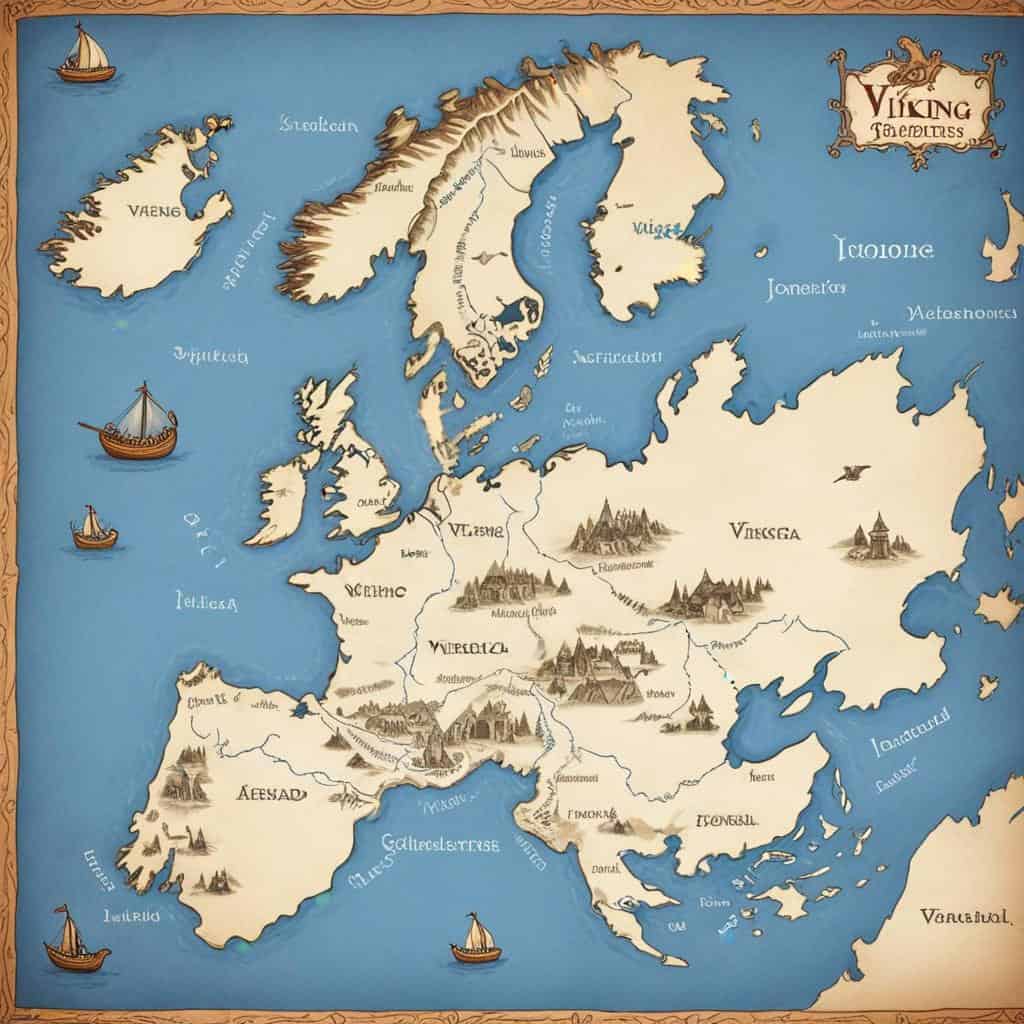
Expansion and Settlement

The Great Heathen Army

Alfred the Great and the Battle of Edington

Rollo and the Norman Conquest of England

The Conversion to Christianity

The Legacy of the Vikings

The End of the Viking Age
Lesson Details & Resources
In a Nutshell
- What: Viking Invasions were raids and attacks by Norse warriors from Scandinavia on various parts of Europe.
- When: 8th-11th century
- Who: Norse Vikings, Anglo-Saxons, Franks, and other European kingdoms
- Outcome: These invasions led to significant cultural, political, and economic changes in Europe, including the establishment of Viking settlements and the eventual Norman Conquest of England.
Famous Figures in the the Viking Invasions
-
Rollo
Rollo was a Viking chieftain who became the first ruler of Normandy.
-
Erik the Red
Erik the Red was a Norse explorer who founded the first Norse settlement in Greenland.
-
Leif Erikson
Leif Erikson was a Norse explorer who is believed to have led the first European expedition to North America.
-
Harald Hardrada
Harald Hardrada was a Norwegian king and warrior who led various Viking invasions and claimed the throne of England.
-
Ivar the Boneless
Ivar the Boneless was a Viking leader and warrior who played a significant role in the Viking invasions of England.
-
Olaf Tryggvason
Olaf Tryggvason was a Norwegian king who led Viking raids in the British Isles and played a key role in the Christianization of Norway.
-
Canute the Great
Canute the Great was a Danish king who ruled over a vast Viking empire, including England, Denmark, and Norway.
-
Gunnar Hamundarson
Gunnar Hamundarson was a legendary Icelandic hero and warrior known for his involvement in Viking raids and feuds.
Timeline of the Viking Invasions
Raid on the island of Lindisfarne
Raid on the monastery of Iona
Raid on the monastery of Reichenau
Raid on the monastery of Noirmoutier
Viking attack on the city of Nantes
Viking raid on the city of Paris
Raid on the monastery of Lindisfarne
Siege of Paris by Vikings
Viking raids on England
Battle of Edington
Viking invasion of Ireland
Viking raid on the city of York
Viking raid on the city of Canterbury
Viking invasion of Scotland
Battle of Maldon
Viking raid on the city of Winchester
Battle of Clontarf
Viking raid on the city of Antwerp
Viking raid on the city of Seville
Viking raid on the city of Pisa
Vocabulary List
- Viking
- The term Viking refers to the seafaring people from the late 8th to 11th century who originated from the Nordic countries of Scandinavia.
- Raid
- Viking raids were surprise attacks carried out by Vikings on coastal towns and settlements, often for the purpose of looting and plundering.
- Longship
- Longships were the iconic Viking warships used for both raiding and trading, characterized by their sleek design, shallow draft, and ability to navigate both open seas and rivers.
- Shieldmaiden
- Shieldmaidens were female warriors who fought alongside Viking men in battles and raids, displaying exceptional bravery and skill.
- Danelaw
- The Danelaw was the area of England under Viking control during the 9th and 10th centuries, where Danish law and customs were followed instead of English law.
- Berserker
- Berserkers were Viking warriors who fought in a trance-like, uncontrollable fury, often attributed to the consumption of hallucinogenic substances before battle.
- Ivar the Boneless
- Ivar the Boneless was a legendary Viking leader and warrior who played a significant role in the Viking invasions of England during the 9th century.
- Lindisfarne
- Lindisfarne, a small island off the northeast coast of England, was the site of one of the earliest and most infamous Viking raids in 793 AD, marking the beginning of the Viking Age.
Key Facts
This is the information used in the fact matching game
- The Viking Age is generally considered to have started in the late 8th century.
- Viking invasions were primarily conducted by Norse seafarers from the Scandinavian countries of Norway, Denmark, and Sweden.
- Viking raids and invasions were not limited to Europe; they also reached as far as the Middle East and North Africa.
- The Viking invasions played a significant role in shaping the political and cultural landscape of medieval Europe.
- The Vikings were skilled shipbuilders and their longships allowed them to navigate both open seas and shallow rivers.
- Monasteries were often targeted by Viking raiders due to their wealth and vulnerability.
- The Vikings were known for their brutal tactics and often engaged in looting, pillaging, and burning of settlements.
- Viking invasions had a significant impact on the development of European feudalism.
- The Vikings established settlements and trading posts in areas they conquered, such as Dublin and York.
- The Viking invasions declined in the 11th century due to various factors, including the conversion of Scandinavians to Christianity.
- The Vikings had a strong oral tradition and their sagas and myths provide valuable insights into their history and culture.
- Viking warriors, known as berserkers, were feared for their ferocity and reputed ability to fight in a trance-like state.
- The Viking invasions led to advancements in naval technology and influenced shipbuilding techniques across Europe.
- The Vikings established trade routes and engaged in extensive commerce with various regions, including the Byzantine Empire.
- The Viking invasions sparked a period of cultural exchange known as the Viking Age diaspora.
- The Vikings were skilled navigators, using celestial navigation and landmarks to navigate the seas.
- The Viking invasions had a lasting impact on the English language, with many Norse words becoming part of the English vocabulary.
- Viking chieftains and kings sought to expand their territories and establish dominance over rival clans and regions.
- The Viking invasions led to the formation of alliances and defensive measures among European kingdoms to repel the raiders.
- The Viking invasions laid the foundation for the establishment of Norman rule in England after the successful invasion by William the Conqueror in 1066.
Analysis & Significance
Immediate Consequences
The Viking Invasions of the 8th-11th centuries led to widespread destruction and pillaging of many European regions, causing fear and instability among the local populations. Monasteries and towns were targeted, resulting in economic disruption and loss of valuable resources. The sudden attacks forced communities to fortify their defenses and form alliances for protection.
Long-Term Impact
The Viking Invasions had a lasting impact on European history, shaping the political landscape and influencing the development of nation-states. The raids led to the establishment of Viking settlements in various regions, contributing to cultural exchanges and trade networks. The Vikings’ exploration and colonization efforts also paved the way for future maritime expansion and the discovery of new lands.
Cultural Significance Today
The legacy of the Viking Invasions continues to be remembered in popular culture, with depictions of fierce warriors and seafaring adventurers in literature, film, and television. The Vikings’ language, customs, and mythology have left a mark on modern society, inspiring art, fashion, and even sports teams. The archaeological discoveries of Viking artifacts provide insights into their way of life and technological advancements, enriching our understanding of this fascinating era.
the Viking Invasions Games


Take Your Learning Offline
Want a convenient, print-ready study guide for this lesson? Become a Memory Wizards Pro member to unlock the downloadable " Memory Scrolls" for this topic and our entire library!
- ✓ Complete Vocabulary Lists
- ✓ Key Facts & Timelines
- ✓ Beautifully Formatted for Print & Mobile