
Summary of the Sutton Hoo Burial
Unveiling the mysteries of an ancient Anglo-Saxon burial site.
How Do You Learn Best?
Learn by Reading
Immerse yourself in the 10-minute visual lesson for a comprehensive understanding of the topic.
Learn by Reviewing
Jump directly to the key facts, timeline, and vocabulary lists to build a solid foundation of details.
Learn by Doing
Challenge yourself! Jump straight into the interactive games to learn by trial, error, and discovery.
the Sutton Hoo Burial in 10 Minutes

Introduction
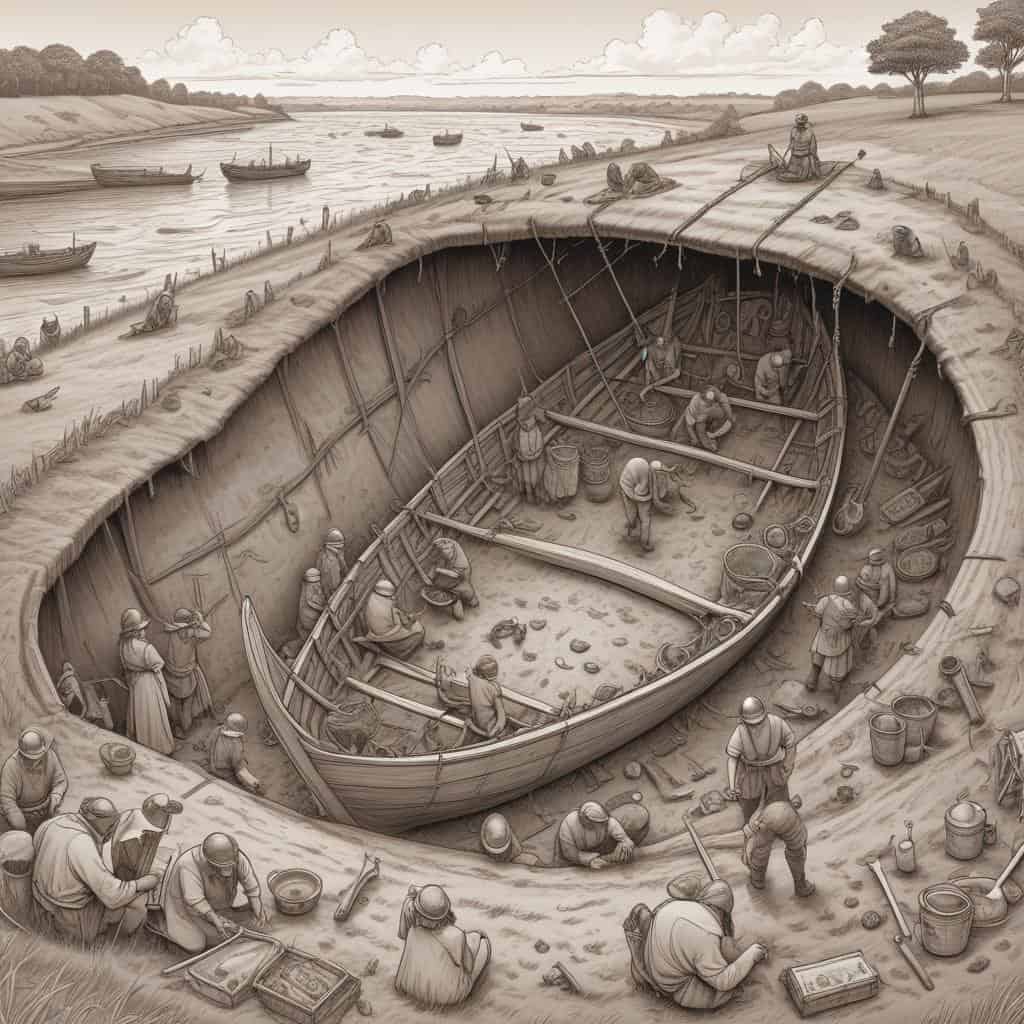
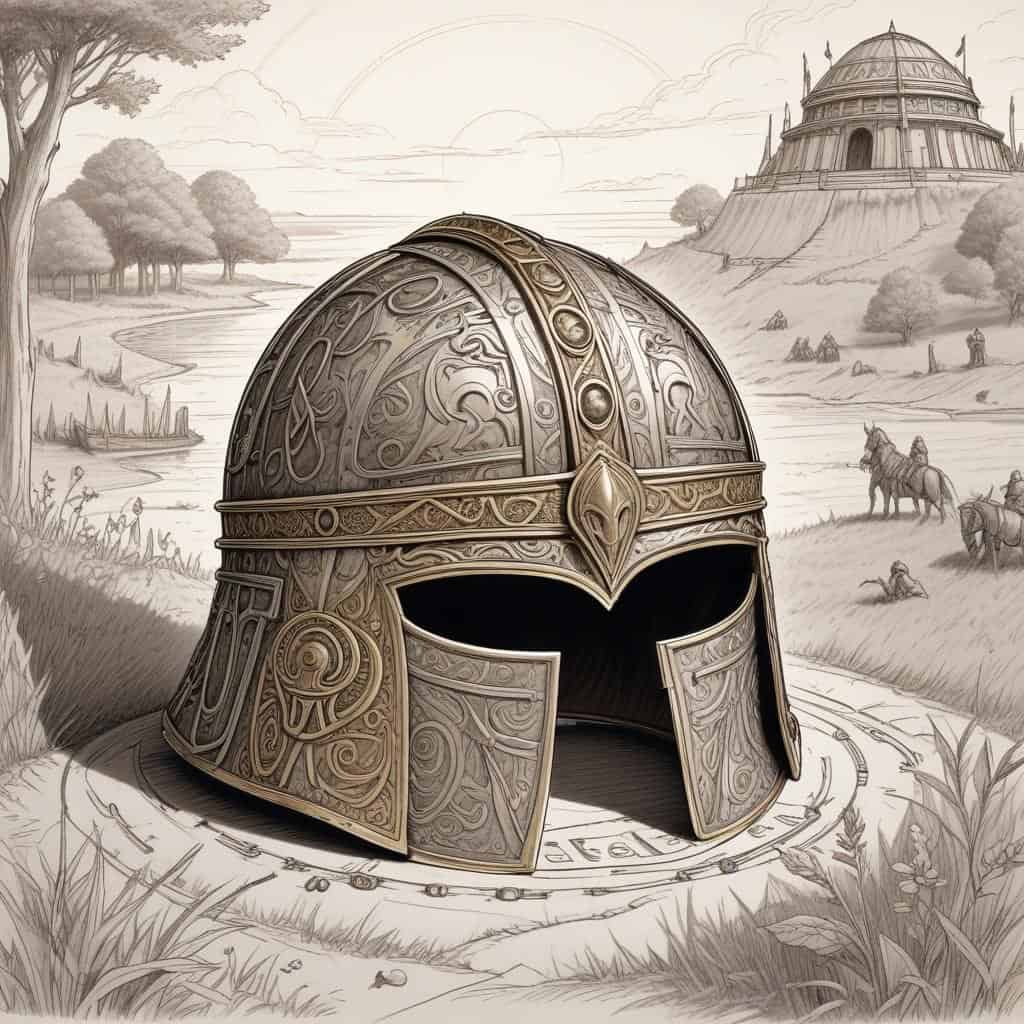
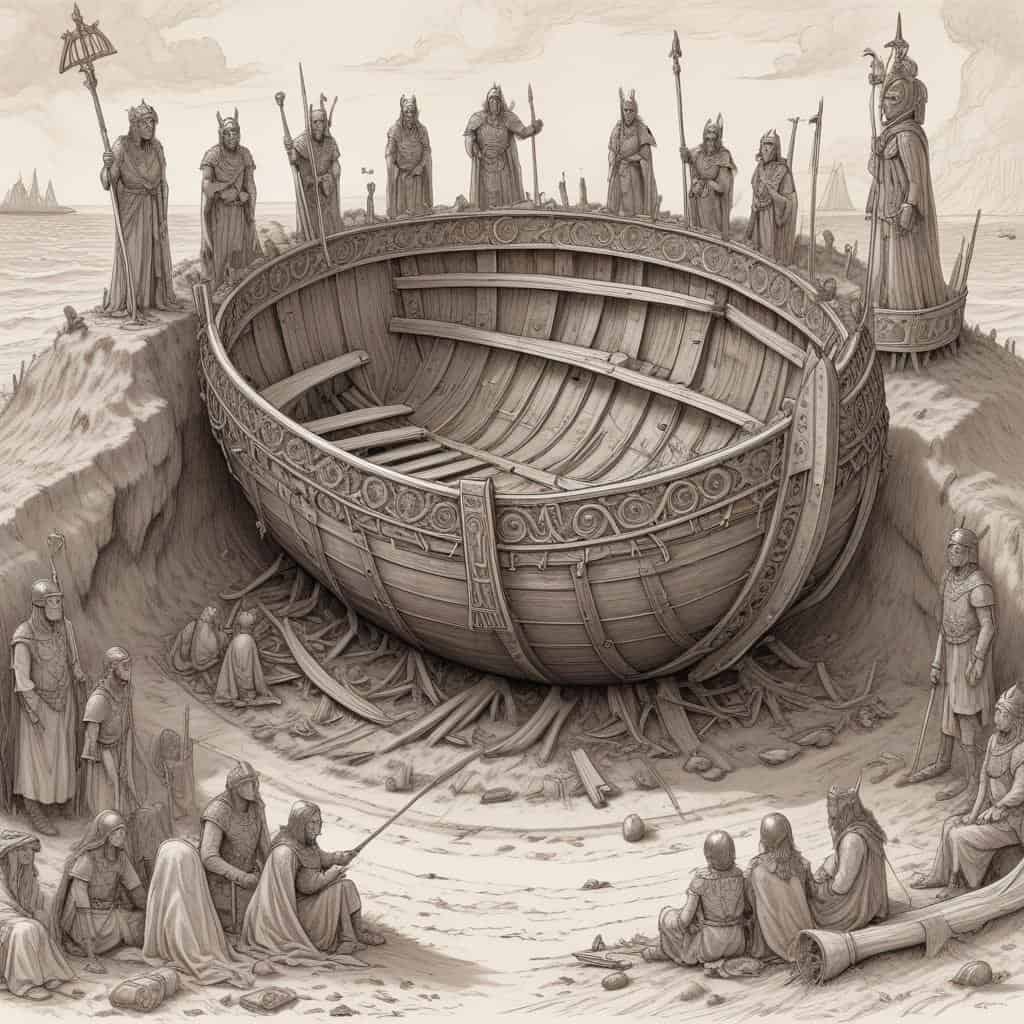
King Raedwald

Archaeologist Basil Brown
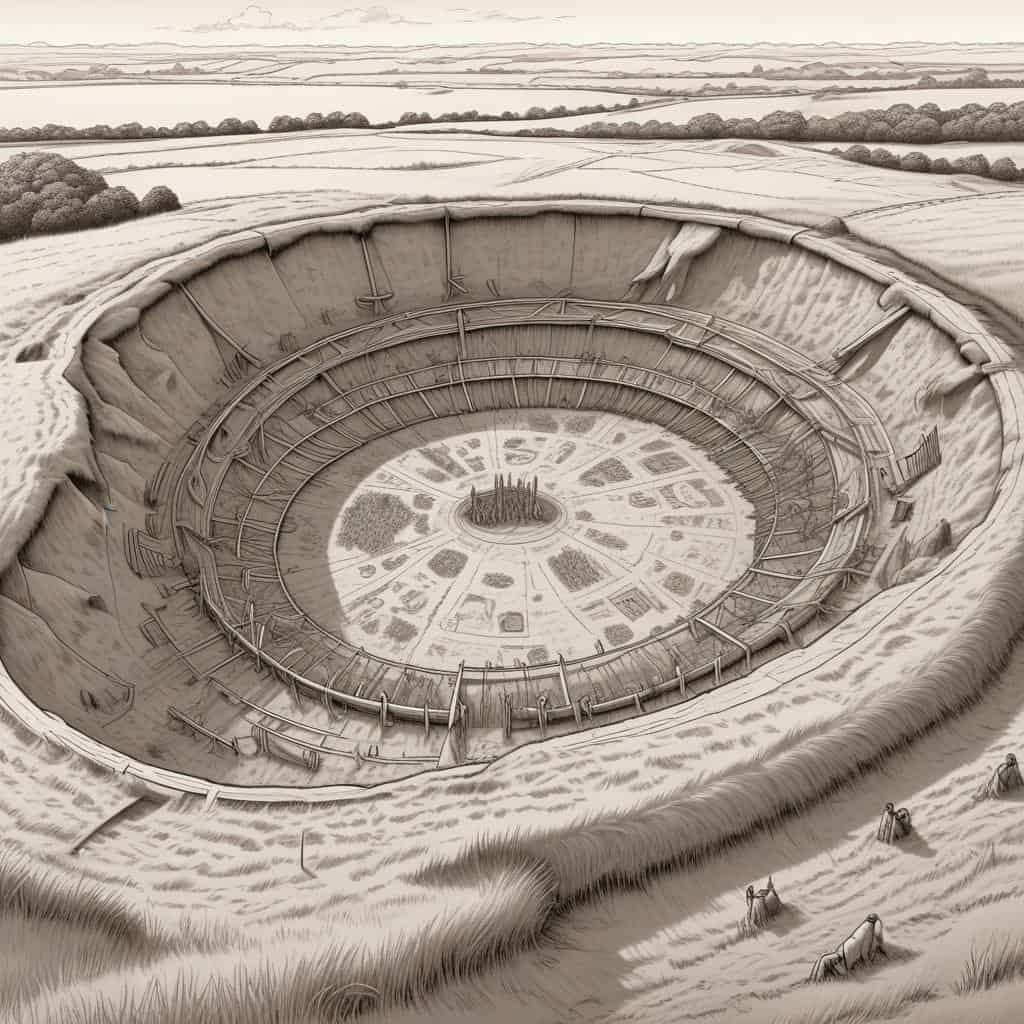
The Sutton Hoo Mound Builders
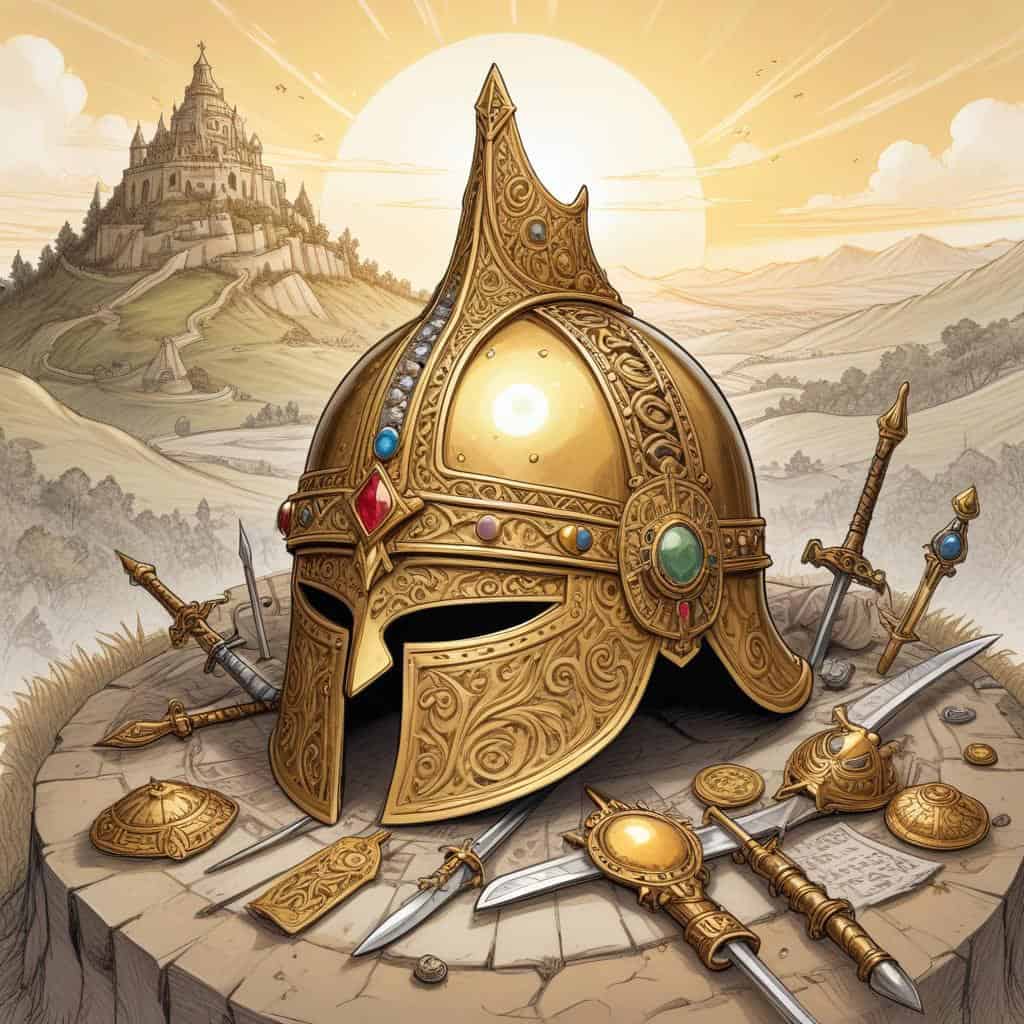
The Sutton Hoo Treasure

The Discovery of Sutton Hoo
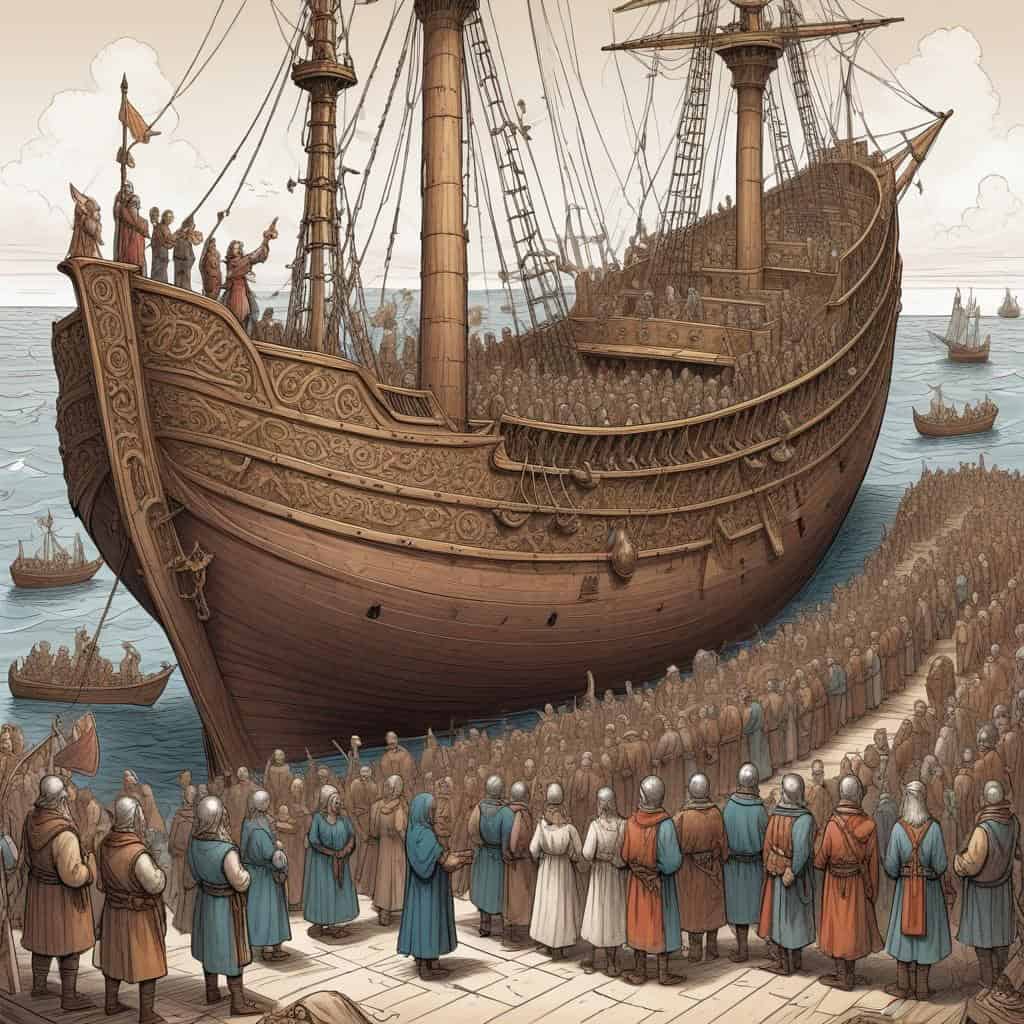
The Ship Burial
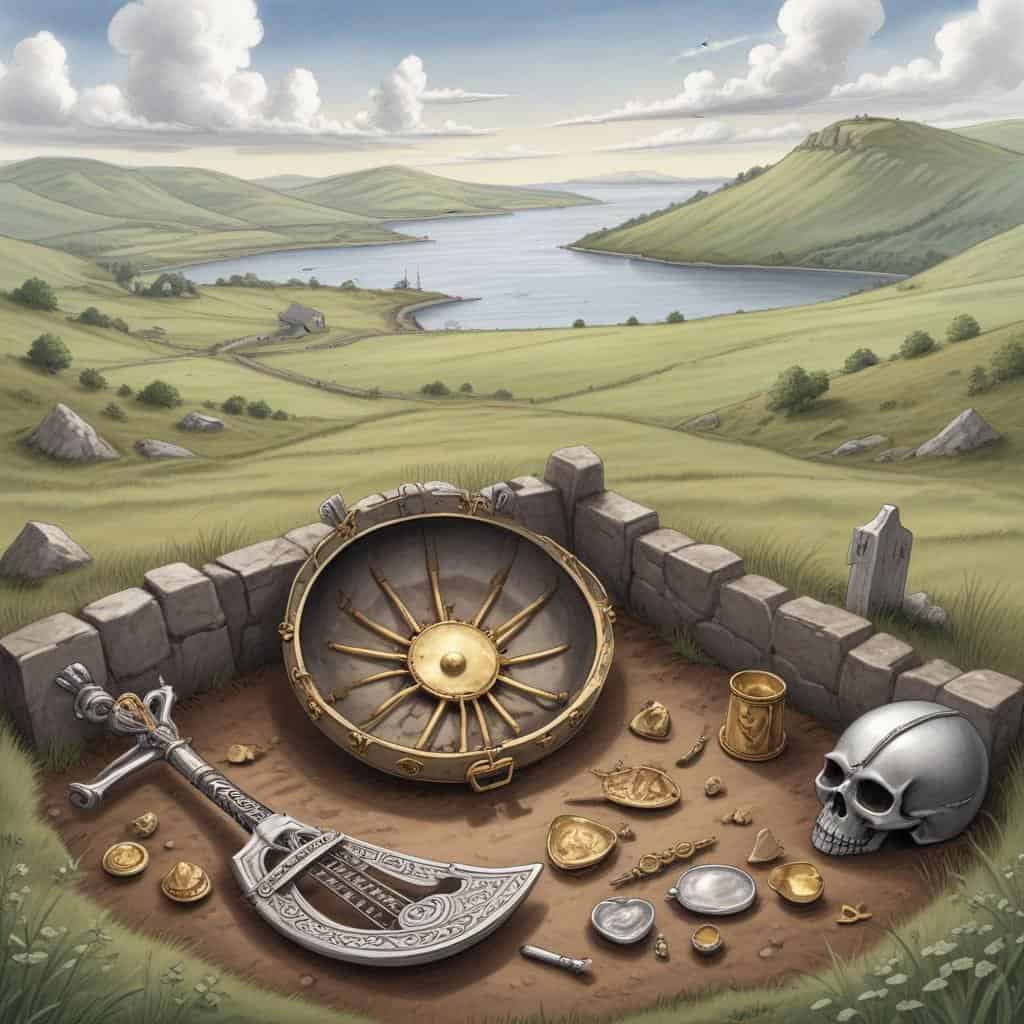
The Treasures

The Royal Identity

The Symbolism of the Burial

The Impact of the Discovery

The Excavation Process
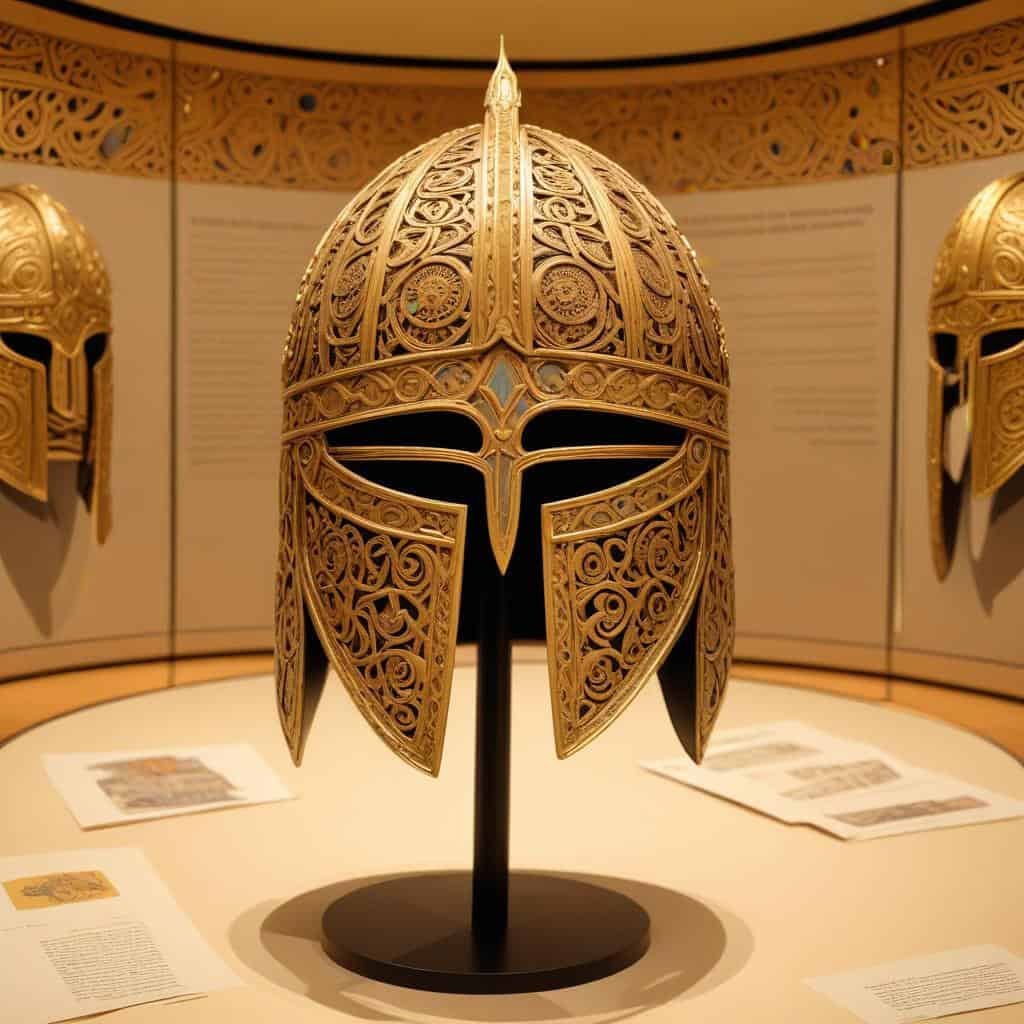
The Legacy of Sutton Hoo

The Ongoing Research

The Mystery of Sutton Hoo

Lesson Details & Resources
In a Nutshell
- What: A significant Anglo-Saxon ship burial site discovered in Suffolk, England.
- When: 7th century AD.
- Who: Unknown East Anglian royalty; Archaeologists and historians.
- Outcome: Revealed insights into Anglo-Saxon culture, art, and burial practices.
Famous Figures in the the Sutton Hoo Burial
-
Raedwald of East Anglia
Raedwald of East Anglia was a powerful ruler during the 7th century and is believed to be buried at Sutton Hoo.
-
Basil Brown
Basil Brown was the archaeologist who discovered the Sutton Hoo burial site in 1939.
-
Edith Pretty
Edith Pretty was the landowner of the Sutton Hoo estate and commissioned the excavation of the burial mounds.
-
Charles Phillips
Charles Phillips was an archaeologist who played a crucial role in excavating and interpreting the Sutton Hoo site.
-
Rupert Bruce-Mitford
Rupert Bruce-Mitford was an expert on Anglo-Saxon archaeology and published a comprehensive study on the Sutton Hoo discoveries.
-
Martin Carver
Martin Carver led the excavations at Sutton Hoo in the 1980s and contributed significantly to our understanding of the site.
Timeline of the Sutton Hoo Burial
King Raedwald's Burial
Discovery of Sutton Hoo
Excavation of Mound 1
Excavation of Mound 2
Excavation of Mound 3
Unveiling of Treasures at British Museum
Publication of 'The Sutton Hoo Ship Burial'
Re-excavation of Mound 1
Re-excavation of Mound 2
Re-excavation of Mound 3
Re-examination of the Helmet
Opening of the Sutton Hoo Visitor Centre
National Trust takes ownership of Sutton Hoo
Redisplay of Sutton Hoo Treasures at British Museum
New Exhibition Hall at Sutton Hoo
Sutton Hoo featured in Netflix series 'The Dig'
Vocabulary List
- Sutton Hoo
- The name of the archaeological site in Suffolk, England where the burial was discovered.
- Burial
- Referring to the act of burying a deceased person with funeral rites.
- 7th century
- The time period when the Sutton Hoo burial occurred, specifically around the years 600-699.
- Archaeological site
- A location where artifacts and remains from the past are excavated and studied.
- Artifacts
- Objects made or used by humans in the past, such as jewelry, weapons, and pottery.
- Funeral rites
- Traditional customs and ceremonies performed to honor and remember a deceased person.
- Suffolk
- A county in East Anglia, England where Sutton Hoo is situated.
Key Facts
This is the information used in the fact matching game
- Sutton Hoo Burial is an archaeological site located in Suffolk, England.
- The Sutton Hoo Burial is believed to be from the 7th century.
- The burial site consists of several mounds, including the famous ship burial mound.
- The ship burial mound at Sutton Hoo contained a 27-meter-long ship.
- The burial at Sutton Hoo is considered one of the richest and most significant archaeological finds in Britain.
- The Sutton Hoo Burial is associated with the Anglo-Saxon period.
- The burial site was discovered in 1939 by archaeologist Basil Brown.
- The Sutton Hoo Burial is believed to be the final resting place of an Anglo-Saxon king or noble.
- The burial mound contained numerous treasures, including gold and silver artifacts.
- The Sutton Hoo Burial provides important insights into the Anglo-Saxon culture and society.
- The artifacts found at Sutton Hoo include a spectacular helmet adorned with animal motifs.
- The burial also contained a ceremonial shield and a sword.
- The Sutton Hoo Burial is believed to be associated with the East Anglian kingdom.
- The treasures found at Sutton Hoo indicate extensive trade and connections with other regions.
- The burial mound at Sutton Hoo was likely intended to be visible and serve as a marker of power and prestige.
- The Sutton Hoo Burial is mentioned in the epic poem 'Beowulf'.
- The archaeological excavation at Sutton Hoo revealed a fascinating burial chamber beneath the ship.
- The burial chamber contained various personal items, including jewelry and drinking vessels.
- The Sutton Hoo Burial has inspired numerous artistic and literary works.
- The objects discovered at Sutton Hoo are now housed in the British Museum in London.
Analysis & Significance
Immediate Consequences
The discovery of the Sutton Hoo burial site in the 7th century sparked immediate interest and excitement among archaeologists and historians. It shed light on the sophisticated burial customs and social hierarchy of the Anglo-Saxon people, providing valuable insights into their culture and beliefs.
Long-Term Impact
The Sutton Hoo burial has had a lasting impact on our understanding of early medieval history. It has helped scholars piece together the puzzle of the Anglo-Saxon period, revealing intricate details about their society, trade networks, and artistic achievements. The artifacts found at Sutton Hoo have become iconic symbols of this era.
Cultural Significance Today
The legacy of Sutton Hoo continues to influence us today, serving as a reminder of the rich history and cultural heritage of the Anglo-Saxon people. The site remains a popular tourist attraction, drawing visitors from around the world to marvel at its treasures and learn about this fascinating chapter in British history. Sutton Hoo also inspires ongoing research and scholarship, contributing to our knowledge of the past.
the Sutton Hoo Burial Games


Take Your Learning Offline
Want a convenient, print-ready study guide for this lesson? Become a Memory Wizards Pro member to unlock the downloadable " Memory Scrolls" for this topic and our entire library!
- ✓ Complete Vocabulary Lists
- ✓ Key Facts & Timelines
- ✓ Beautifully Formatted for Print & Mobile