
Summary of The Siege of Paris (885-886)
Unveiling the epic tale of Paris under siege in 885-886.
How Do You Learn Best?
Learn by Reading
Immerse yourself in the 10-minute visual lesson for a comprehensive understanding of the topic.
Learn by Reviewing
Jump directly to the key facts, timeline, and vocabulary lists to build a solid foundation of details.
Learn by Doing
Challenge yourself! Jump straight into the interactive games to learn by trial, error, and discovery.
The Siege of Paris in 10 Minutes
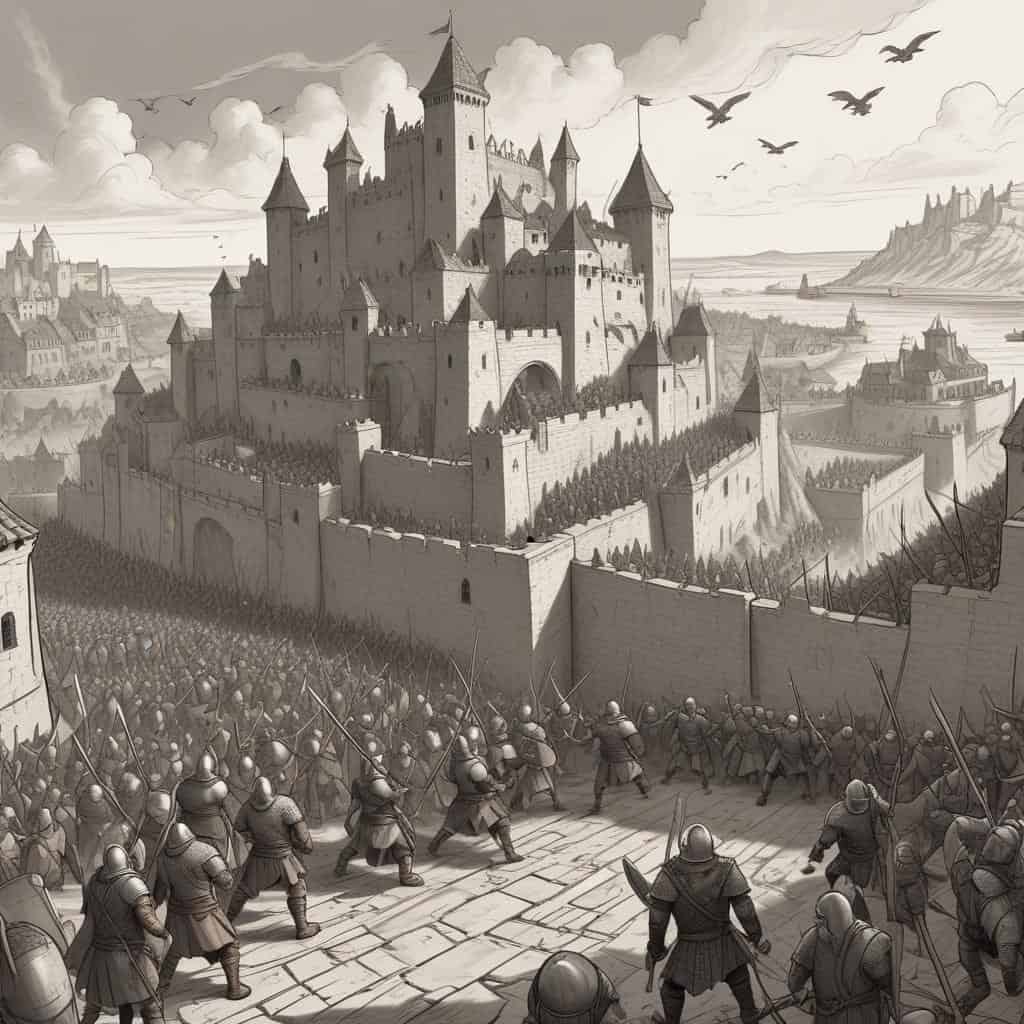
Introduction
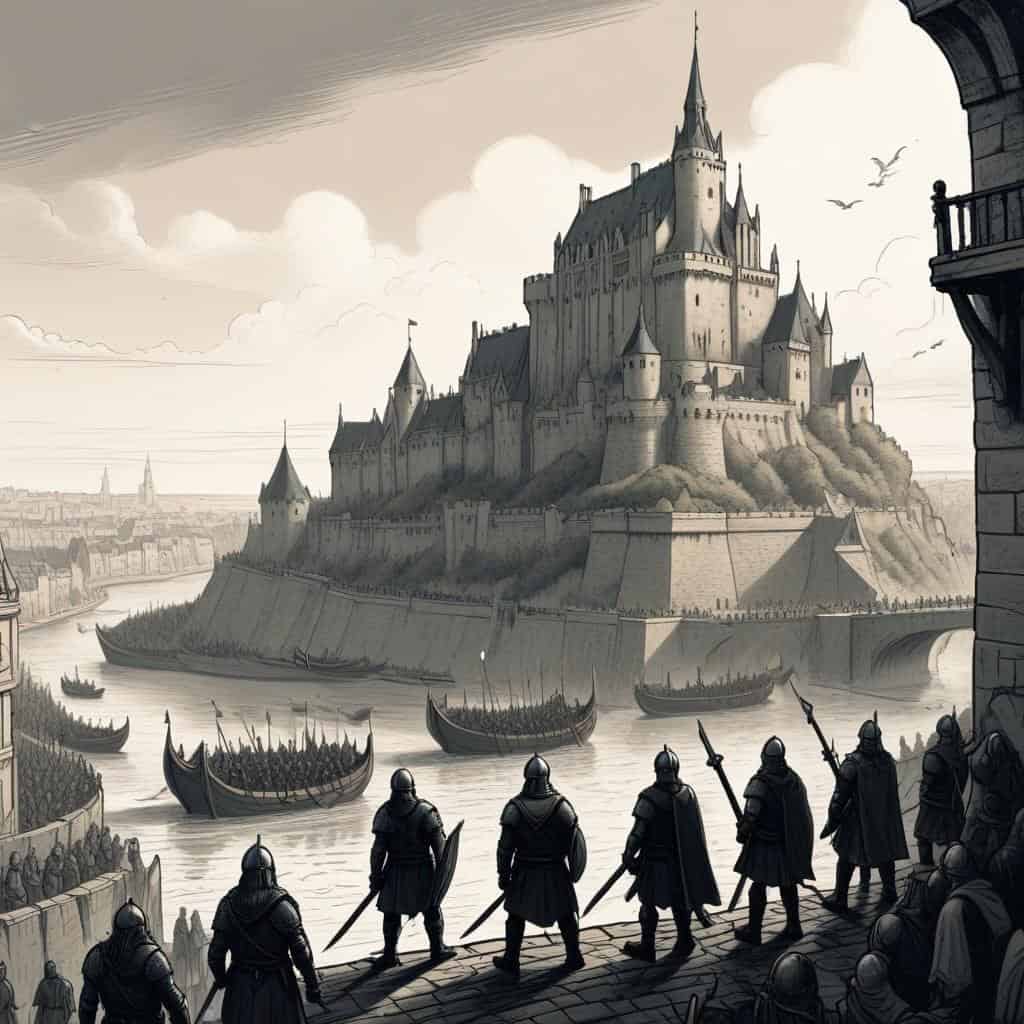
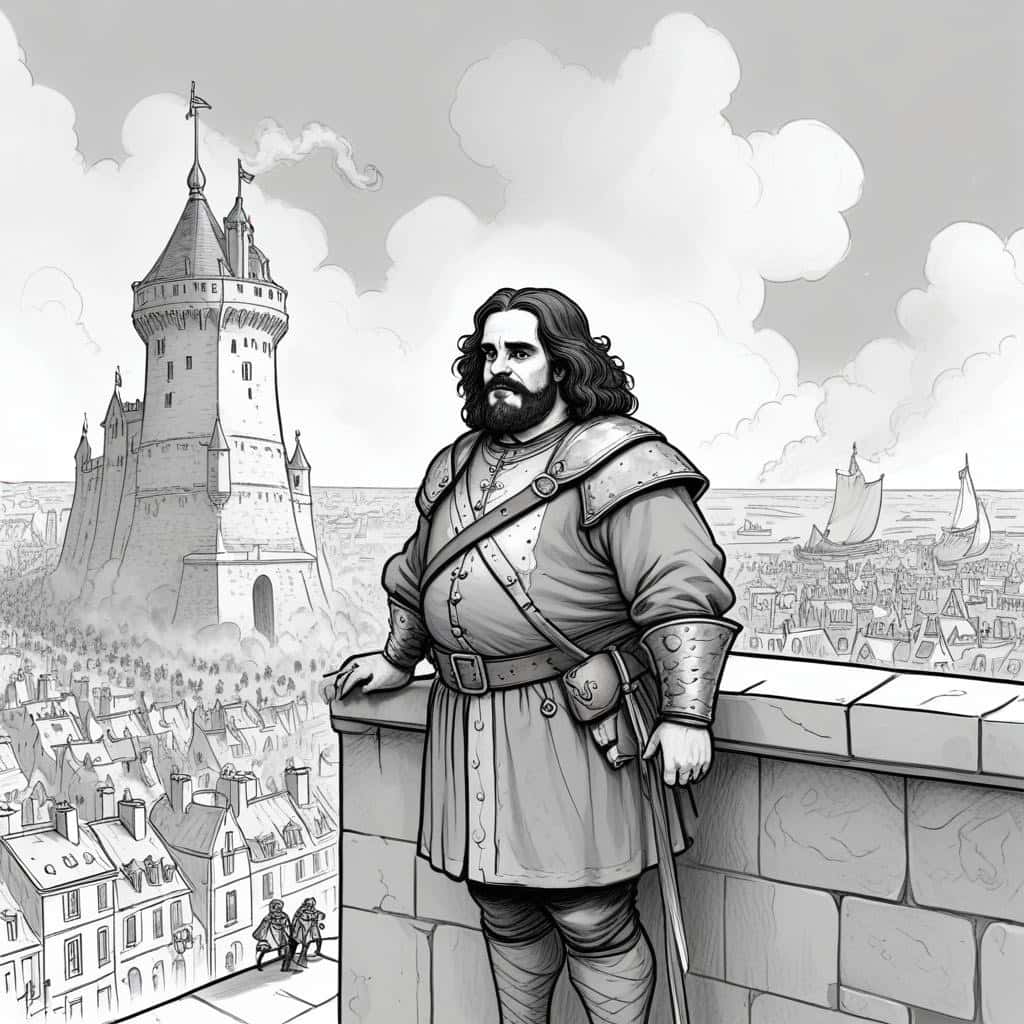
King Charles the Fat
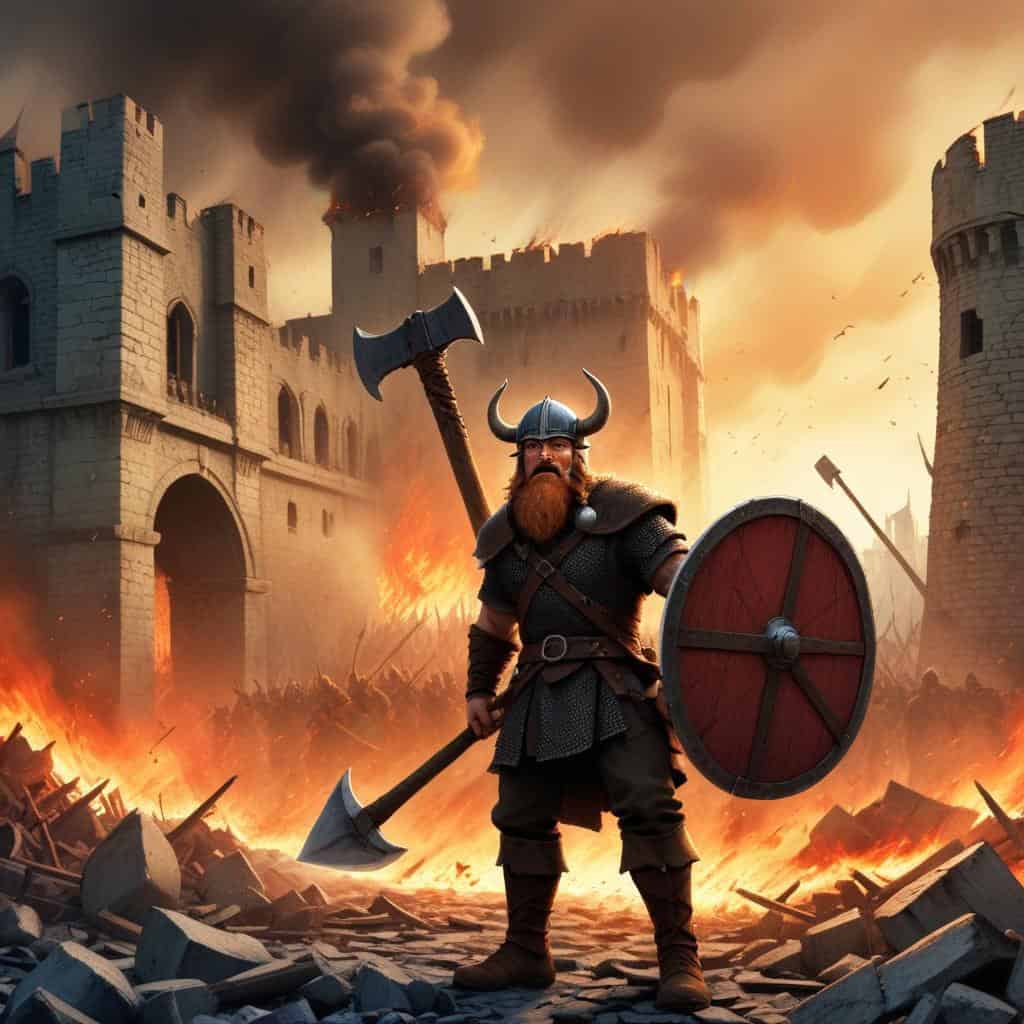
Rollo the Viking

Count Odo of Paris
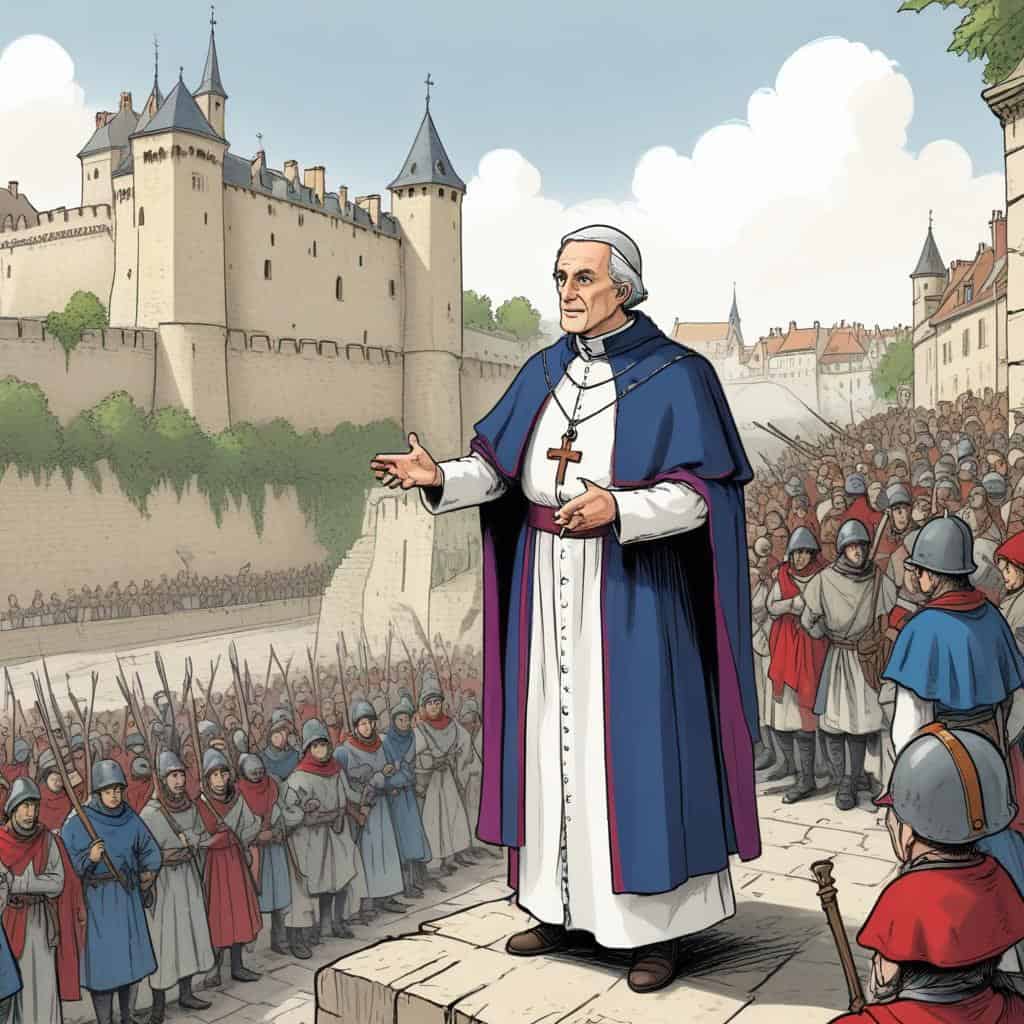
Archbishop Gozlin of Paris

The Arrival of the Viking Fleet

The Siege Begins

The Failed Negotiations

The Battle on the Seine

The Construction of the Floating Bridge
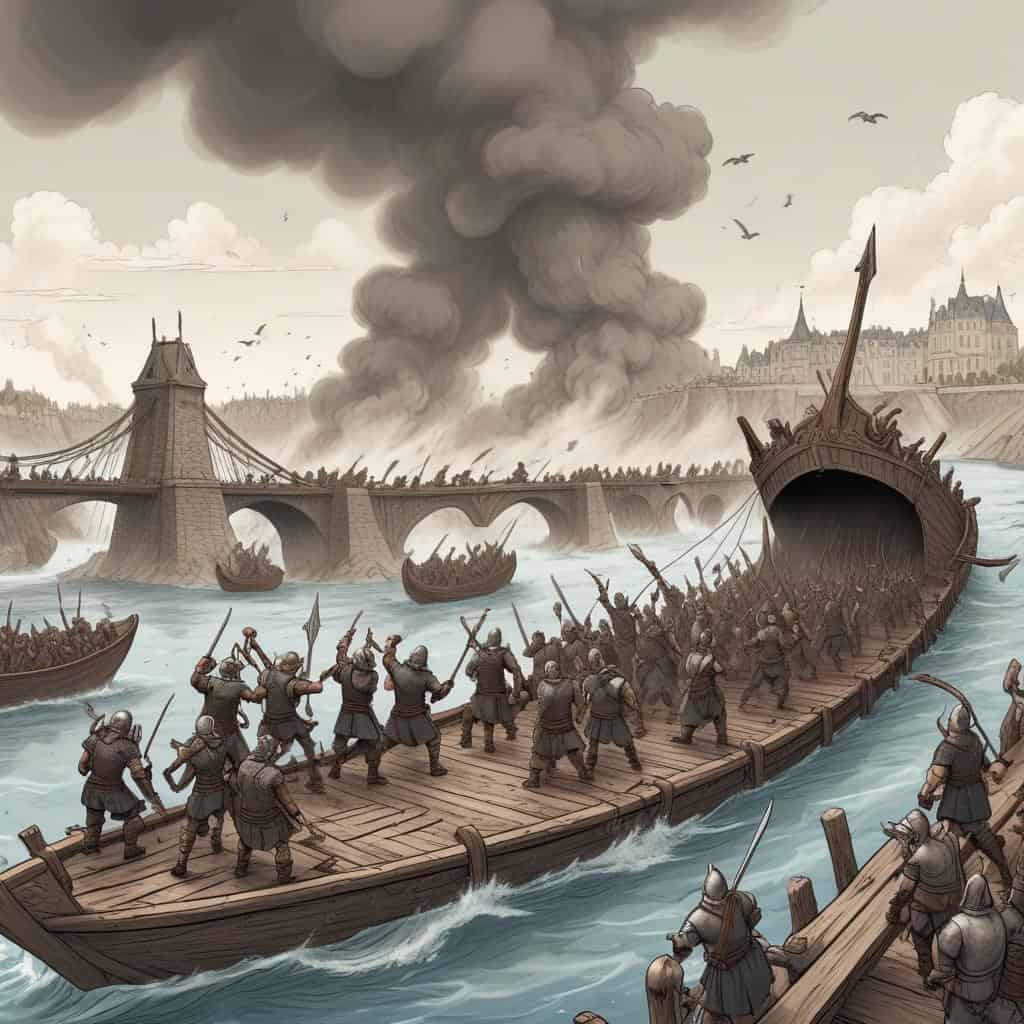
The Attack on the Floating Bridge

The Arrival of Reinforcements

The Retreat of the Vikings
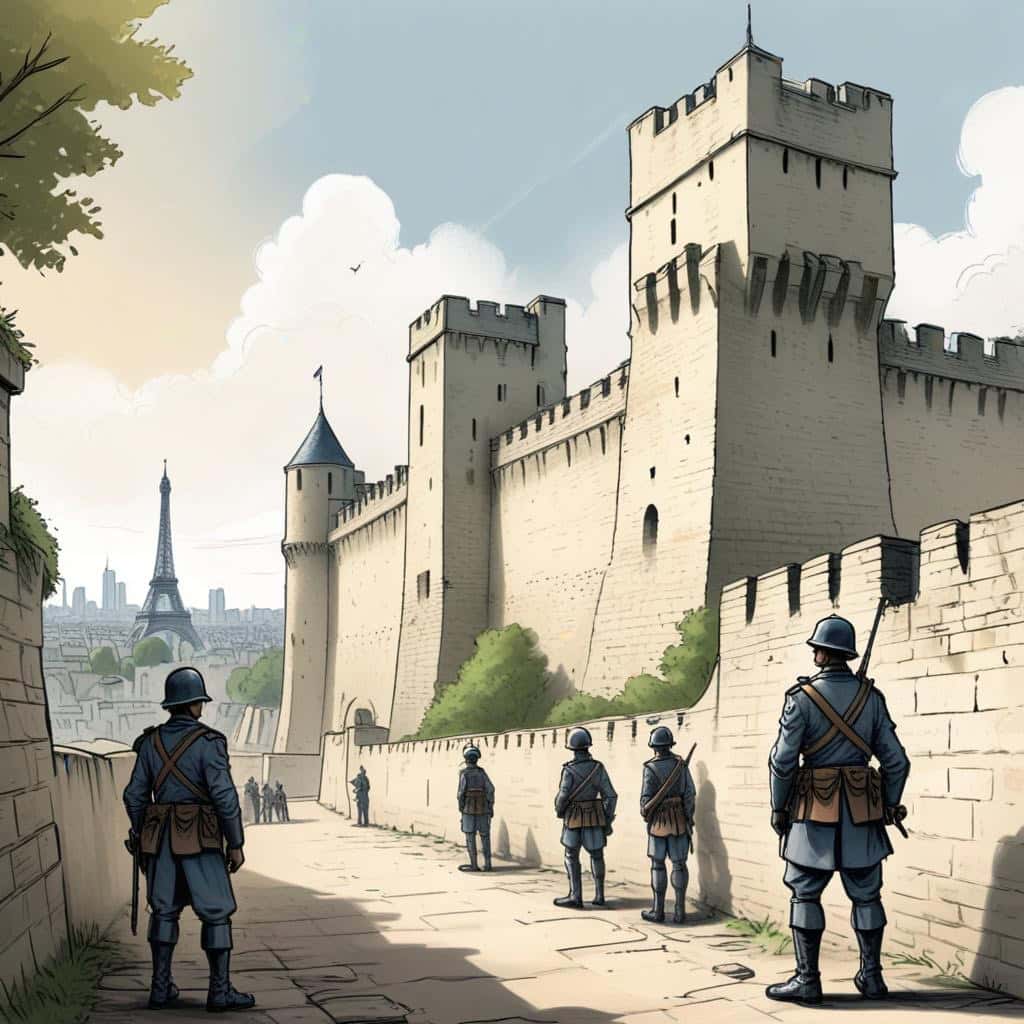
The Legacy of the Siege

The End of the Viking Threat
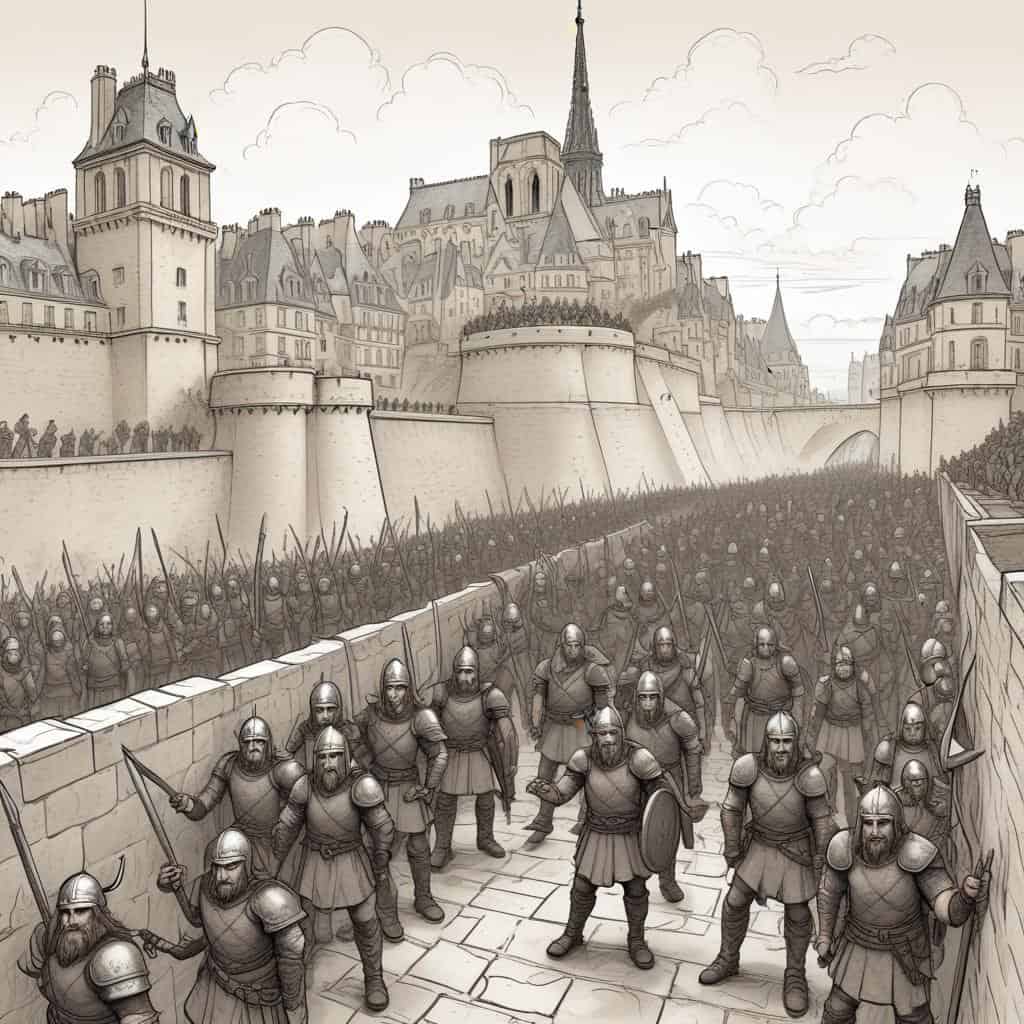
Lesson Details & Resources
In a Nutshell
- What: A significant siege during the Viking invasions of France.
- When: 885-886
- Who: Vikings led by Sigfred and Sinric, defending Paris against the Franks.
- Outcome: The Vikings were paid a large ransom to lift the siege, avoiding the destruction of Paris.
Famous Figures in the The Siege of Paris
-
Charles the Fat
Charles the Fat - The emperor of the Carolingian Empire during the Siege of Paris. He was unable to effectively defend the city against the Viking invaders.
-
Odo of France
Odo of France - The king of West Francia during the Siege of Paris. He played a crucial role in organizing the defense of the city and eventually repelling the Vikings.
-
Rollo the Viking
Rollo the Viking - The Viking leader who led the siege on Paris. He later became the first ruler of Normandy after making a peace treaty with Charles the Simple.
-
Siege of Paris
Siege of Paris - A major Viking siege that lasted from 885 to 886. It was one of the most significant events during the Viking Age and had a profound impact on the history of France.
-
Count Baldwin II of Flanders
Count Baldwin II of Flanders - A nobleman who fought alongside Odo of France in the defense of Paris. He played a key role in repelling the Viking invaders and preserving the city.
Timeline of The Siege of Paris
Viking fleet arrives at the outskirts of Paris
Vikings begin their siege of Paris
Vikings build siege towers and battering rams
Vikings attempt to breach the walls but fail
Vikings blockade the River Seine, cutting off supplies to Paris
Count Odo of Paris leads a successful sortie against the Viking camp
Vikings launch another failed assault on the walls of Paris
Vikings construct a bridge over the River Seine to bypass the blockade
Vikings begin raiding the countryside around Paris
Vikings burn the Abbey of Saint-Germain-des-Prés
Vikings capture the Frankish queen's brother, Eudes
Vikings demand a ransom for the release of Eudes
Vikings continue their raids and pillaging outside Paris
Vikings attempt to storm the walls of Paris but are repelled
Vikings launch a massive assault on the city but are again unsuccessful
Vikings begin to suffer from lack of supplies and diseases
Vikings offer to lift the siege in exchange for a large sum of money
Frankish king, Charles the Fat, agrees to pay the Vikings
Vikings leave Paris and head towards Burgundy
Siege of Paris officially ends
Vocabulary List
- Siege
- The Siege of Paris refers to the military blockade of Paris by Viking forces.
- Paris
- The capital city of France, which was under siege during the years 885-886.
- Viking
- The Viking raiders who besieged Paris during the years 885-886.
- Blockade
- A military tactic of surrounding and isolating a city or fortress to cut off supplies and reinforcements.
- Fortress
- A heavily fortified structure, such as the walls of Paris, which were defended during the siege.
- Defend
- To protect against attack or invasion, the defenders of Paris fought to resist the Viking siege.
- Raiders
- The Viking raiders were known for their swift and surprise attacks on coastal cities and settlements.
- Supplies
- Food, water, and other resources needed for survival, which became scarce inside Paris during the siege.
Key Facts
This is the information used in the fact matching game
- The Siege of Paris was a military conflict that took place from 885 to 886 during the Viking invasions of France.
- The Vikings, led by their chieftain Sigfred, besieged the city of Paris for nearly a year.
- The Vikings initially attacked Paris by land and later launched naval assaults on the city via the River Seine.
- The Siege of Paris was part of a larger Viking campaign in the Frankish Empire, which aimed to extract tribute and plunder.
- Paris was a major economic and political center in the Frankish Empire, making it an attractive target for Viking raiders.
- The Vikings constructed siege engines, including battering rams, to breach the city's defenses.
- The defenders of Paris, led by Count Odo of Paris, put up a strong resistance against the Viking invaders.
- The siege was characterized by frequent skirmishes, both on land and on the river, between the Vikings and the defenders.
- During the siege, both sides suffered heavy casualties, including civilian deaths due to famine and disease.
- The Vikings attempted to block the flow of supplies into Paris, causing severe shortages of food and other necessities.
- The siege ended when the Vikings agreed to lift the blockade in exchange for a large payment of silver and gold from the Franks.
- The Viking leader Sigfred was promised a substantial sum of money, but he was betrayed and killed by his own men before receiving it.
- The Siege of Paris is considered a significant event in the history of Viking invasions and the defense of medieval cities.
- The failure to capture Paris forced the Vikings to look for other targets in the region and contributed to the decline of their invasions in France.
- The Siege of Paris showcased the effectiveness of fortified city walls and the resilience of defenders against Viking raiders.
- The siege had significant cultural and political implications, as it highlighted the need for stronger central authority in the Frankish Empire.
- The Viking attacks on Paris led to the construction of a defensive wall, known as the 'Wall of the Farmers-General,' to protect the city against future raids.
- The Siege of Paris inspired literary works, such as the epic poem 'The Song of Roland,' which portrays the heroism of Count Roland during the Viking incursions.
- The Viking invasion of Paris in 885-886 marked the last major Viking assault on Western Europe.
- The Siege of Paris had a lasting impact on the political and military strategies of both Vikings and the Frankish Empire.
Analysis & Significance
Immediate Consequences
The Siege of Paris in 885-886 resulted in a devastating impact on the city, with widespread destruction and loss of life. The Vikings, led by the fearsome warrior Ragnar Lothbrok, laid siege to Paris for over a year, causing immense suffering and chaos for its inhabitants.
Long-Term Impact
This historic event had a lasting impact on the region, shaping the future of France and Europe. The Siege of Paris marked a turning point in the Viking invasions, leading to increased fortifications and defensive measures in many cities. It also contributed to the rise of powerful rulers and the development of a stronger centralized government.
Cultural Significance Today
The Siege of Paris continues to be remembered as a significant moment in history, showcasing the resilience and tenacity of the people of Paris in the face of adversity. It has inspired countless works of literature, art, and film, highlighting the bravery and sacrifices made during this tumultuous time. The legacy of the Siege of Paris serves as a reminder of the importance of unity and perseverance in the face of formidable challenges.
The Siege of Paris Games


Take Your Learning Offline
Want a convenient, print-ready study guide for this lesson? Become a Memory Wizards Pro member to unlock the downloadable " Memory Scrolls" for this topic and our entire library!
- ✓ Complete Vocabulary Lists
- ✓ Key Facts & Timelines
- ✓ Beautifully Formatted for Print & Mobile