
Summary of King Æthelstan’s Reign (924-939)
Uncover the legendary legacy of England's forgotten medieval monarch.
How Do You Learn Best?
Learn by Reading
Immerse yourself in the 10-minute visual lesson for a comprehensive understanding of the topic.
Learn by Reviewing
Jump directly to the key facts, timeline, and vocabulary lists to build a solid foundation of details.
Learn by Doing
Challenge yourself! Jump straight into the interactive games to learn by trial, error, and discovery.
King Æthelstan’s Reign in 10 Minutes
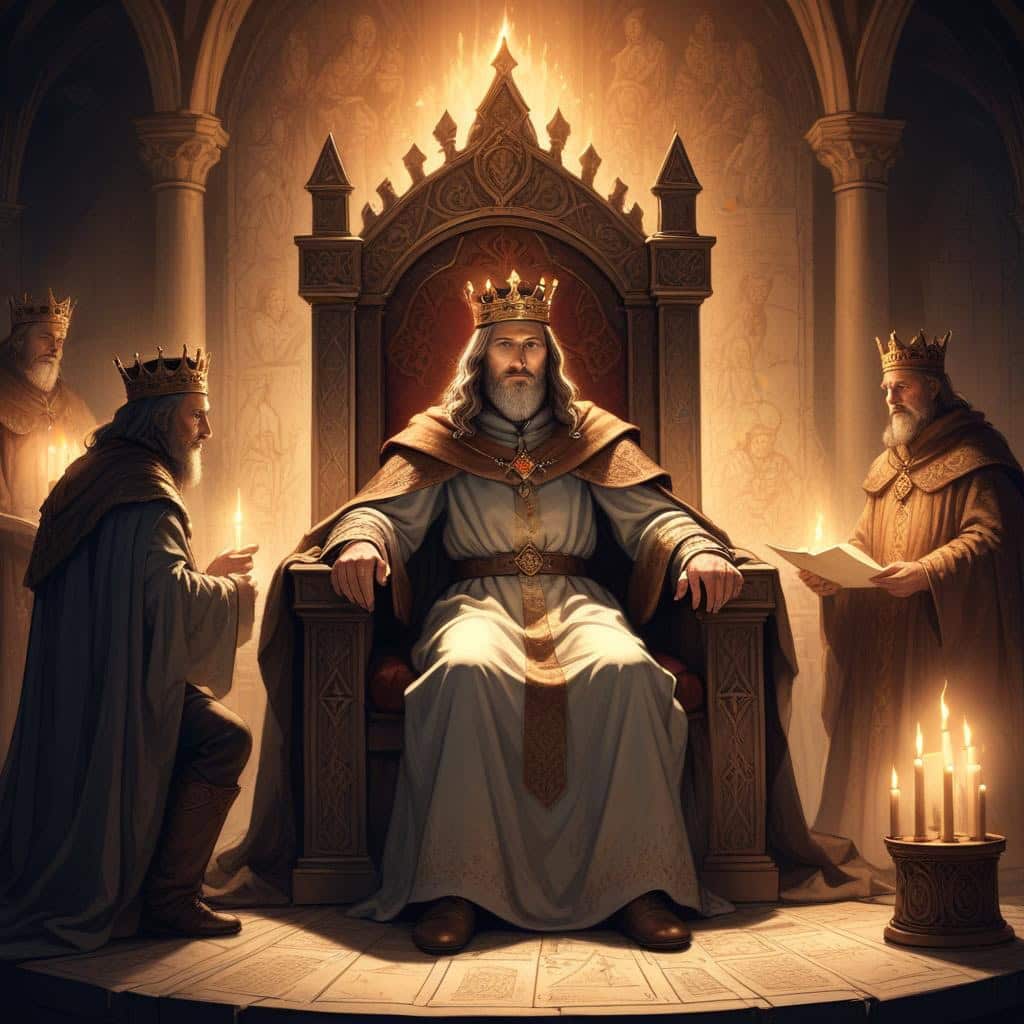
Introduction
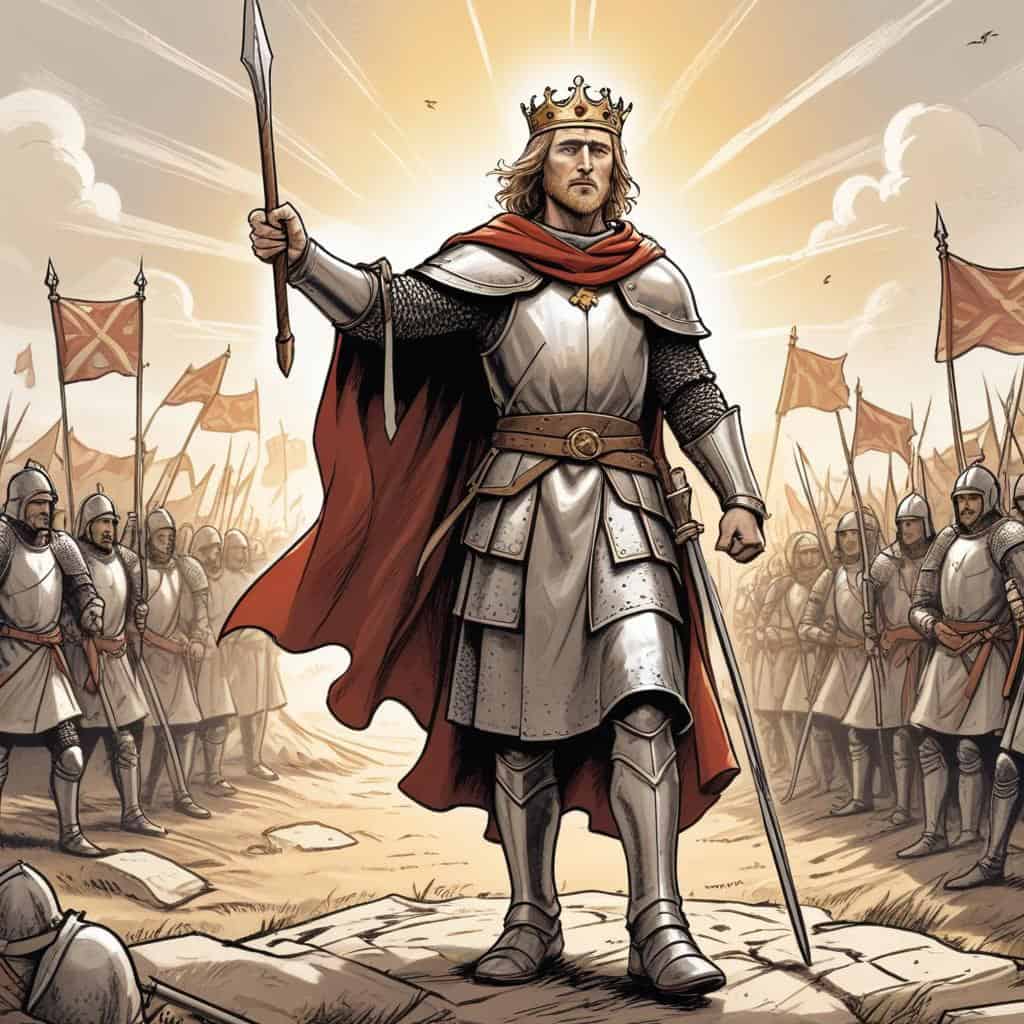
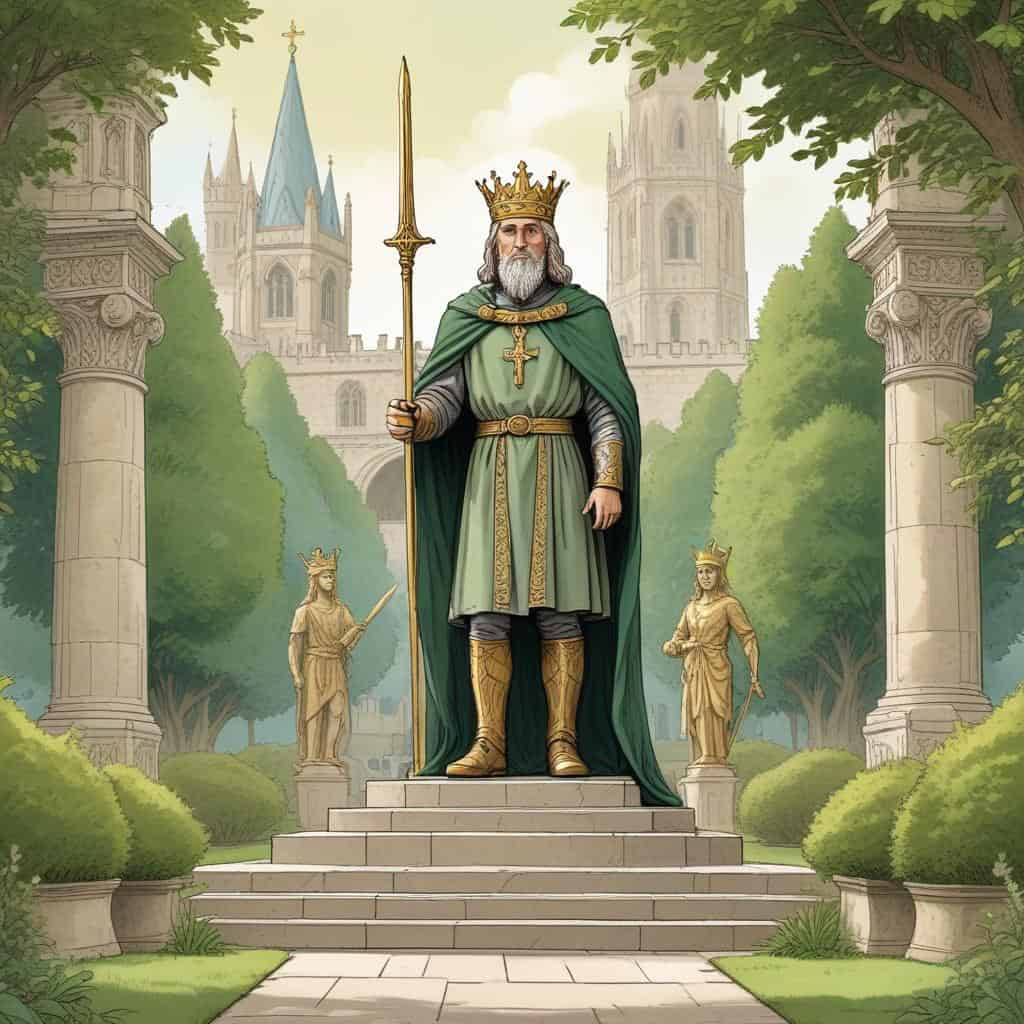
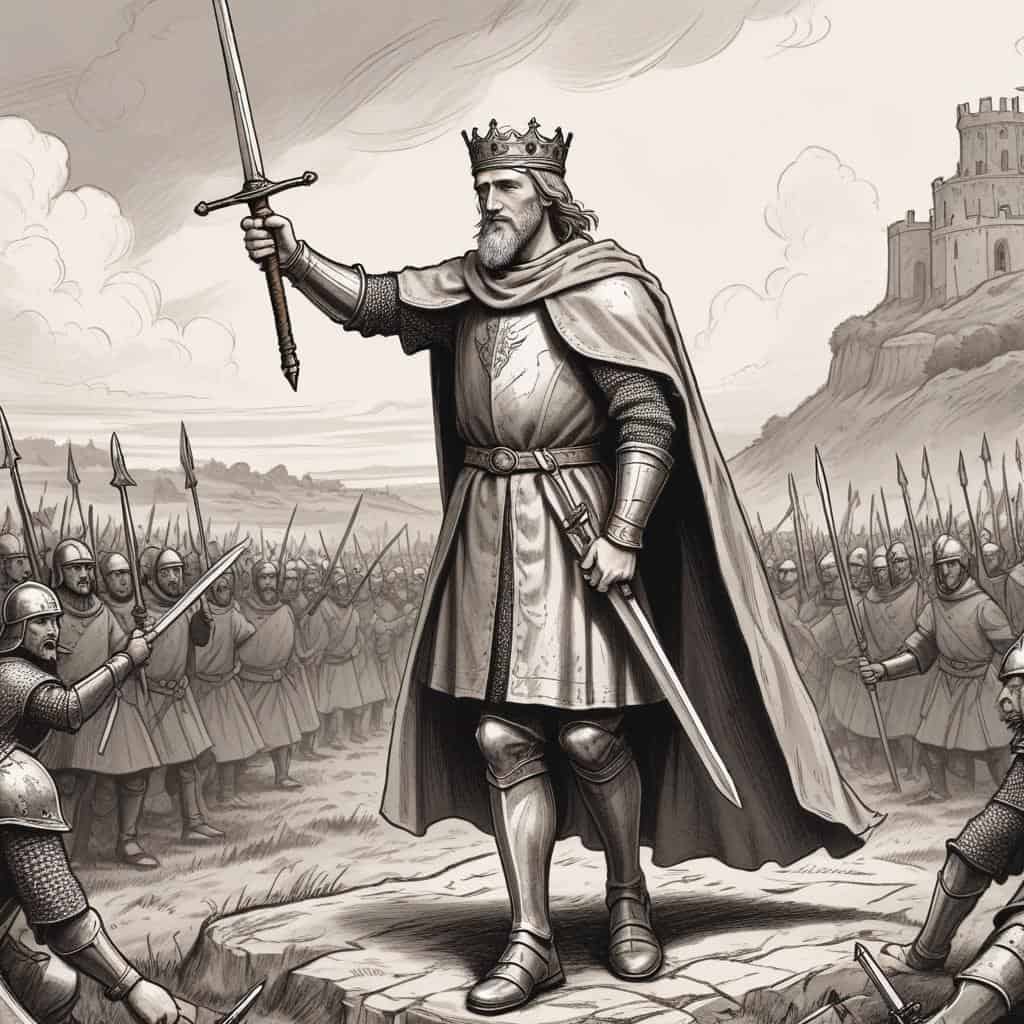
King Æthelstan
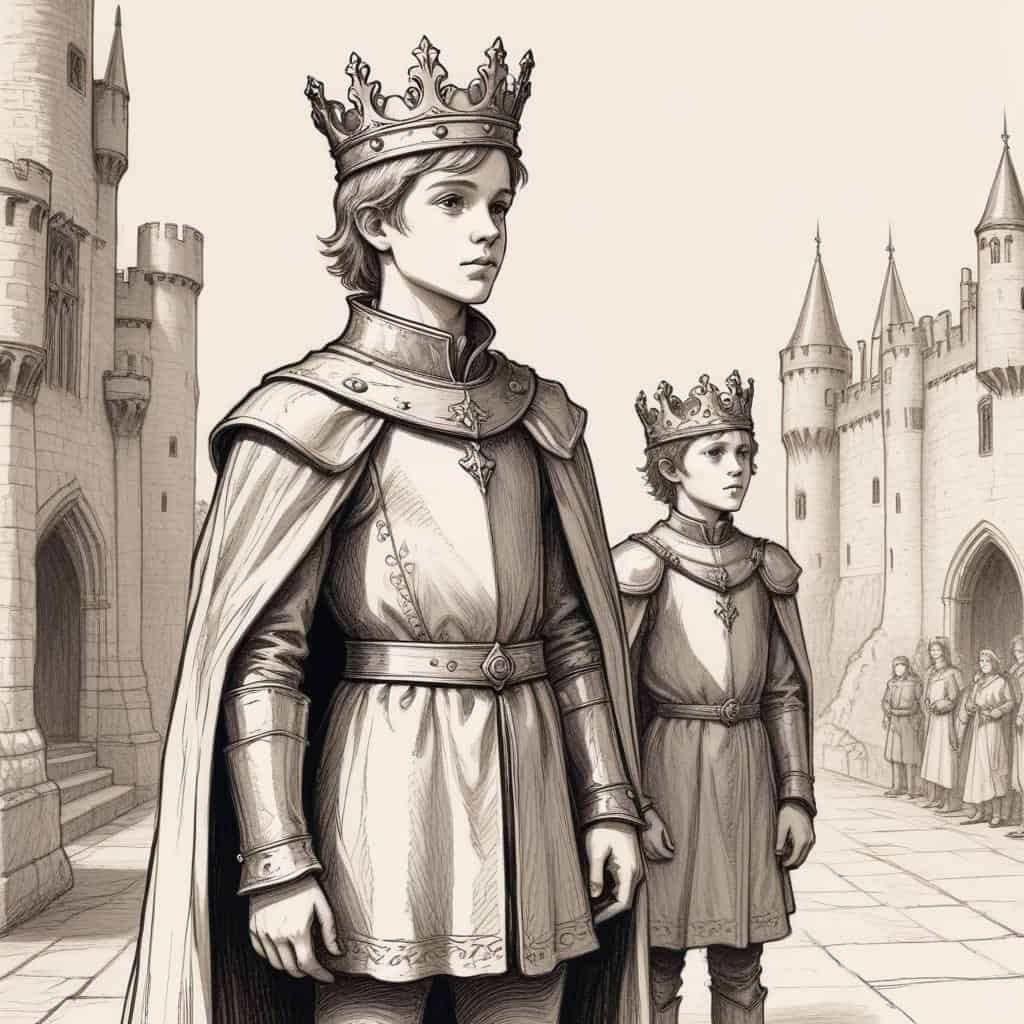
Ælfweard, son of Edward the Elder
Edmund I, brother of King Æthelstan
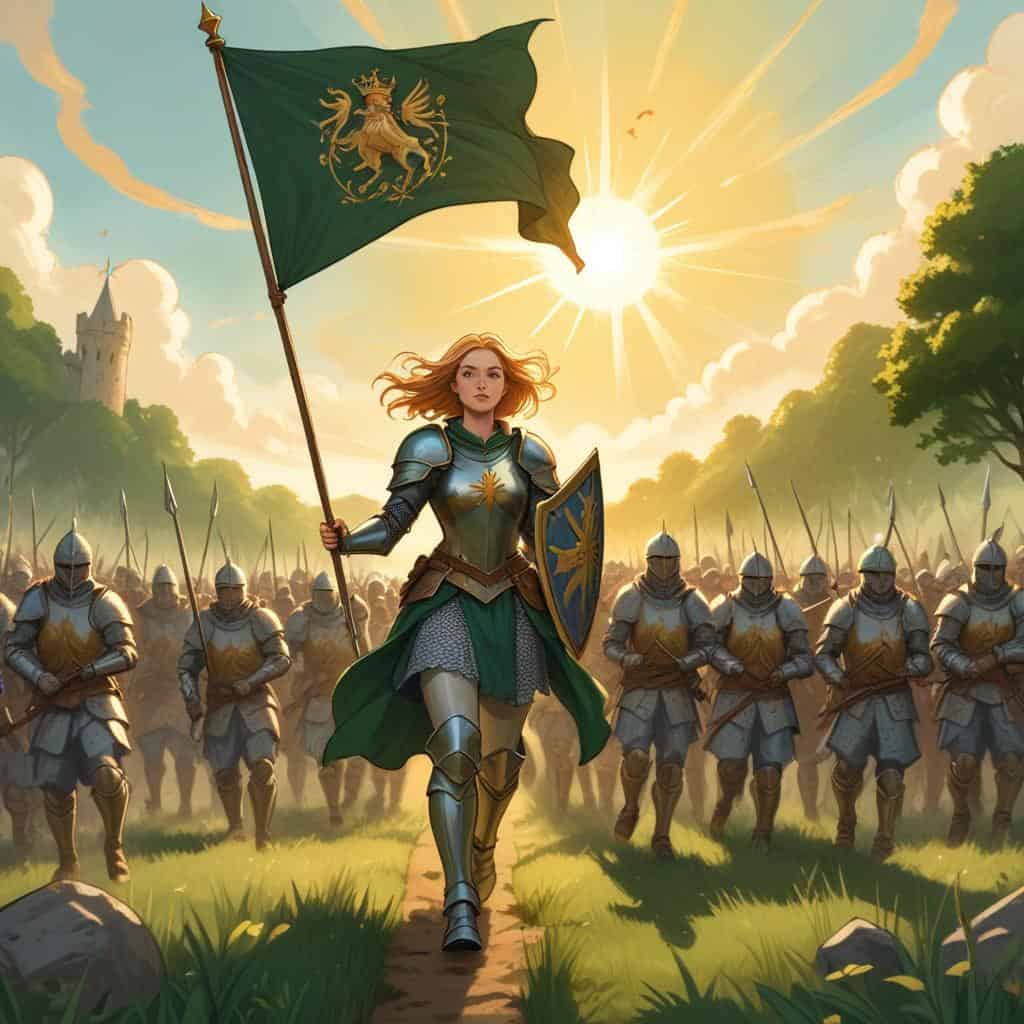
Æthelflæd, Lady of the Mercians
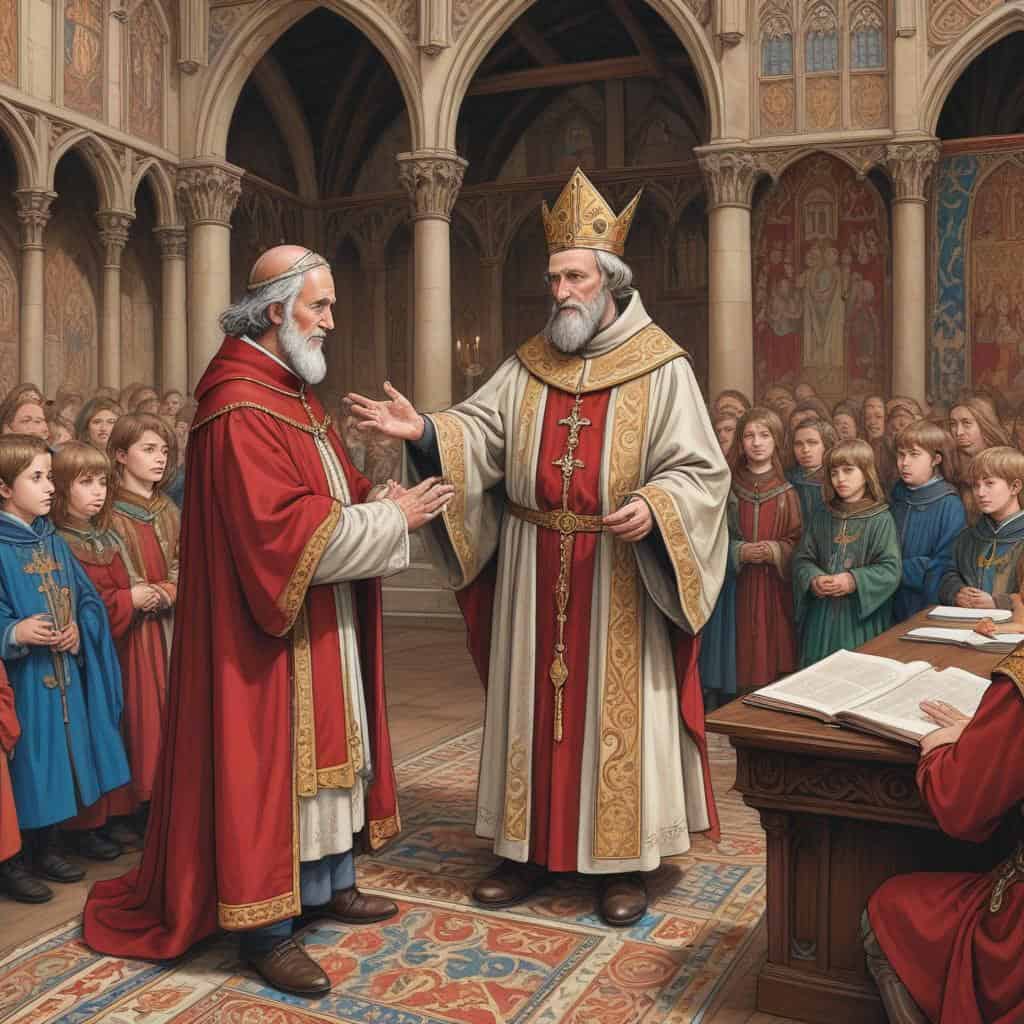
Archbishop Wulfhelm of Canterbury

The Early Years of King Æthelstan

Conquest of Northumbria

Relations with Scotland and Wales
Legal Reforms

Support for the Church

Military Campaigns

Death and Legacy
Cultural Achievements
End of Viking Raids

Legacy of Greatness
Lesson Details & Resources
In a Nutshell
- What: The reign of King Æthelstan
- When: 924-939
- Who: King Æthelstan
- Outcome: Establishment of a unified Kingdom of England
Famous Figures in the King Æthelstan’s Reign
-
Æthelflæd, Lady of the Mercians
Æthelflæd, Lady of the Mercians, was the daughter of Alfred the Great and a key figure in the reconquest of the Danelaw.
-
Edmund I
Edmund I was the son of Edward the Elder and succeeded his uncle Athelstan as King of England.
-
Eadred
Eadred was the brother of Edmund I and succeeded him as King of England.
-
Dunstan
Dunstan was a prominent churchman and statesman during the reign of King Æthelstan.
-
Edward the Elder
Edward the Elder was the father of Athelstan and ruled as King of Wessex before becoming King of England.
-
Athelstan Half-King
Athelstan Half-King was a prominent nobleman during the reign of King Æthelstan.
-
Ælfweard of Wessex
Ælfweard of Wessex was the son of Edward the Elder and briefly ruled as King of England after the death of Athelstan.
-
Saint Dunstan
Saint Dunstan was a prominent churchman and advisor to several English kings, including Athelstan.
-
Wulfstan II
Wulfstan II was the Archbishop of York during the reign of King Æthelstan.
-
Æthelweard
Æthelweard was a historian and nobleman who lived during the reign of King Æthelstan.
Timeline of King Æthelstan’s Reign
Æthelstan becomes king of Wessex
Æthelstan conquers the kingdom of Mercia
Æthelstan's coronation as King of England
Æthelstan defeats the combined forces of the Scots, Vikings, and Welsh at the Battle of Brunanburh
Æthelstan issues a law code for the kingdom of England
Æthelstan establishes a network of royal mints to issue standardized coinage
Æthelstan forms alliances with other European rulers, including the King of Brittany and the King of Franks
Æthelstan's half-brother Edwin is killed in battle against the Vikings
Æthelstan sends an embassy to the court of Otto I, Holy Roman Emperor
Æthelstan's cousin, Louis IV of France, marries his sister Eadgifu
Æthelstan dies in Gloucester
Æthelstan is buried at Malmesbury Abbey
Æthelstan is succeeded by his half-brother Edmund I
Vocabulary List
- Anglo-saxon
- The reign of King Æthelstan marked a period of great prosperity and expansion for the Anglo-Saxon kingdom.
- Witan
- King Æthelstan often sought advice from the Witan, a council of nobles and clergy, before making important decisions.
- Coinage
- During his reign, King Æthelstan introduced a new standardized coinage system that helped to boost trade and commerce.
- Diplomacy
- King Æthelstan was known for his skillful diplomacy, forging alliances with neighboring kingdoms and maintaining peace throughout his realm.
- Coronation
- Æthelstan's coronation in 924 marked the beginning of his reign as the first king of all England.
- Victory
- King Æthelstan achieved numerous military victories during his reign, solidifying his reputation as a powerful and successful ruler.
- Charter
- Æthelstan issued charters granting privileges and land to his followers, strengthening his support among the nobility.
- Tribute
- Neighboring kingdoms paid tribute to King Æthelstan as a sign of respect and submission to his authority.
- Conversion
- Æthelstan's reign saw the conversion of many of his subjects to Christianity, further unifying the kingdom under a common religion.
- Consolidation
- King Æthelstan's reign was marked by the consolidation of power and authority within the kingdom, laying the foundation for future stability and prosperity.
Key Facts
This is the information used in the fact matching game
- Æthelstan was the first king to rule all of England
- He was the grandson of Alfred the Great
- Æthelstan was crowned king in 924
- He was known for his military conquests and expansion of the kingdom
- King Æthelstan was a devout Christian and supported the Church
- He issued the first law code in English history
- Æthelstan established a system of coinage in England
- He had close ties with the rulers of Scotland, Wales, and Ireland
- King Æthelstan was known for his generosity and patronage of the arts
- He was involved in several military campaigns against Viking invaders
- Æthelstan's reign saw the unification of England and the establishment of a strong central government
- He was the first English king to be called 'king of the English'
- King Æthelstan was known for his wisdom and diplomacy in dealing with foreign powers
- He was a patron of learning and promoted education in his kingdom
- Æthelstan's reign is considered a golden age in English history
- He died in 939 and was buried at Malmesbury Abbey
- King Æthelstan was succeeded by his half-brother Edmund I
- He was known for his piety and devotion to the Church
- Æthelstan's reign marked a period of stability and prosperity for England
- He is often considered one of the greatest Anglo-Saxon kings
Analysis & Significance
Immediate Consequences
King Æthelstan’s reign marked a period of consolidation and expansion of the Anglo-Saxon kingdom, establishing him as the first king of England. His military campaigns against the Vikings and Welsh solidified his rule and brought relative peace to the region.
Long-Term Impact
Æthelstan’s reign laid the foundation for a united England, setting the stage for future monarchs to further centralize power and establish England as a dominant force in medieval Europe. His legal reforms and administrative innovations influenced the development of English law and governance for centuries to come.
Cultural Significance Today
King Æthelstan’s legacy continues to be celebrated in England, with historians recognizing him as one of the most important kings in English history. His reign symbolizes the unification of the Anglo-Saxon kingdoms and the beginnings of a distinct English identity. The impact of his rule can still be seen in the political and cultural landscape of modern-day England.
King Æthelstan’s Reign Games


Take Your Learning Offline
Want a convenient, print-ready study guide for this lesson? Become a Memory Wizards Pro member to unlock the downloadable " Memory Scrolls" for this topic and our entire library!
- ✓ Complete Vocabulary Lists
- ✓ Key Facts & Timelines
- ✓ Beautifully Formatted for Print & Mobile