
Summary of Reign of Cnut the Great (1016-1035)
The legendary rule of Cnut the Great and his Viking empire.
How Do You Learn Best?
Learn by Reading
Immerse yourself in the 10-minute visual lesson for a comprehensive understanding of the topic.
Learn by Reviewing
Jump directly to the key facts, timeline, and vocabulary lists to build a solid foundation of details.
Learn by Doing
Challenge yourself! Jump straight into the interactive games to learn by trial, error, and discovery.
Reign of Cnut the Great in 10 Minutes
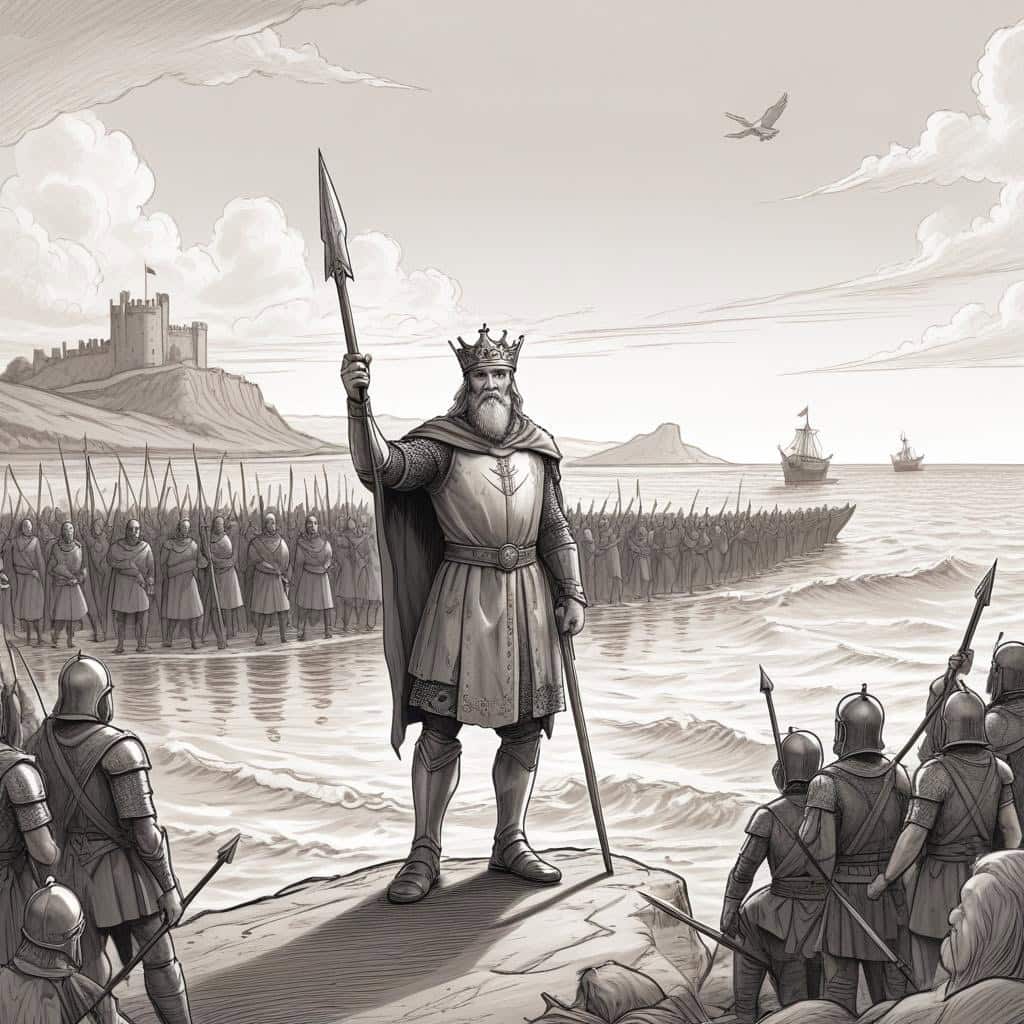
Introduction
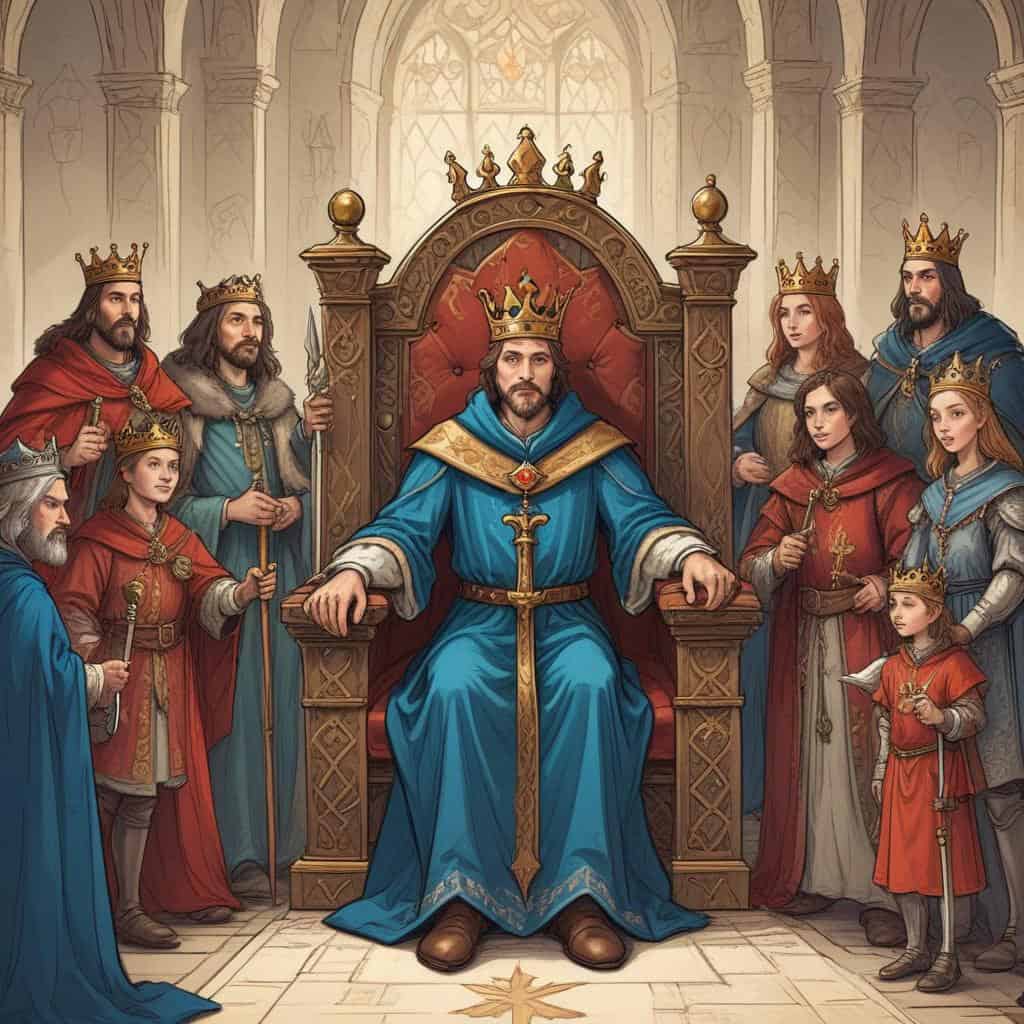

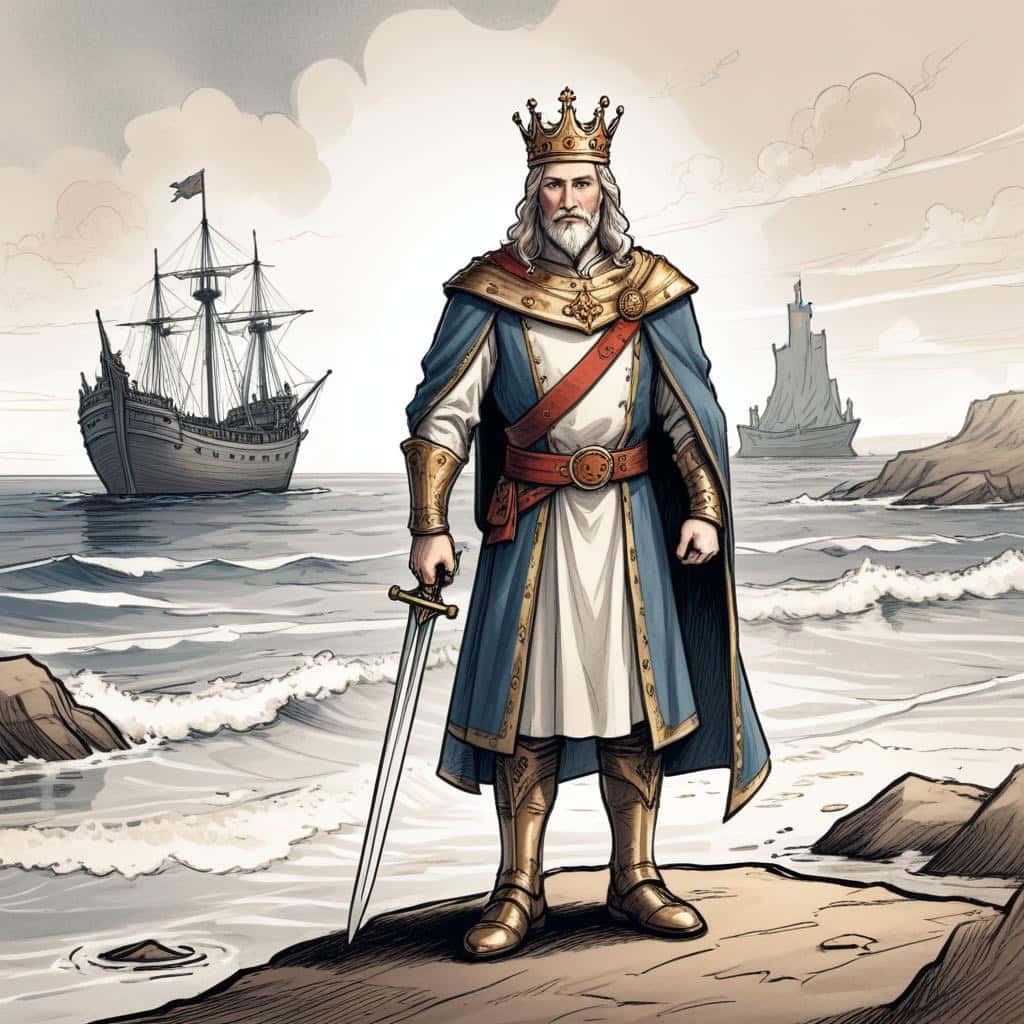
King Cnut the Great
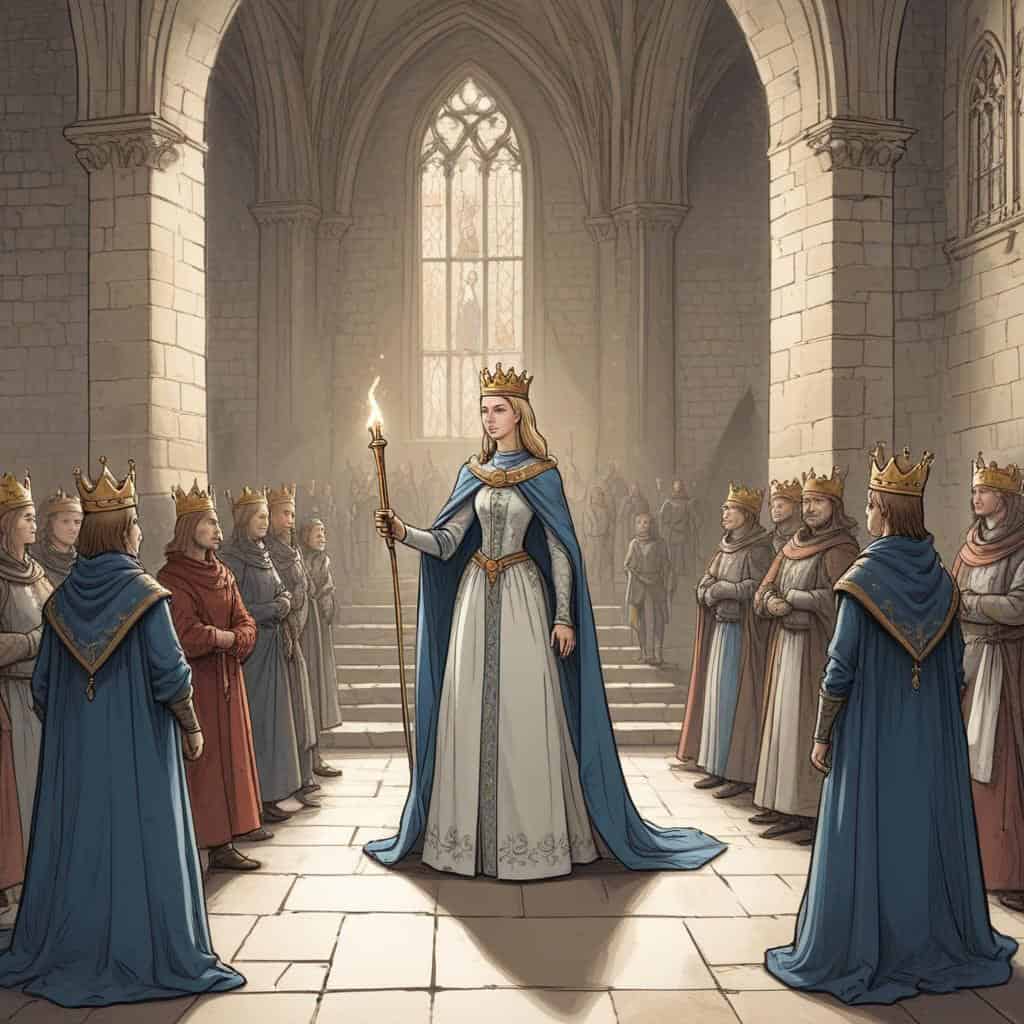
Queen Emma of Normandy
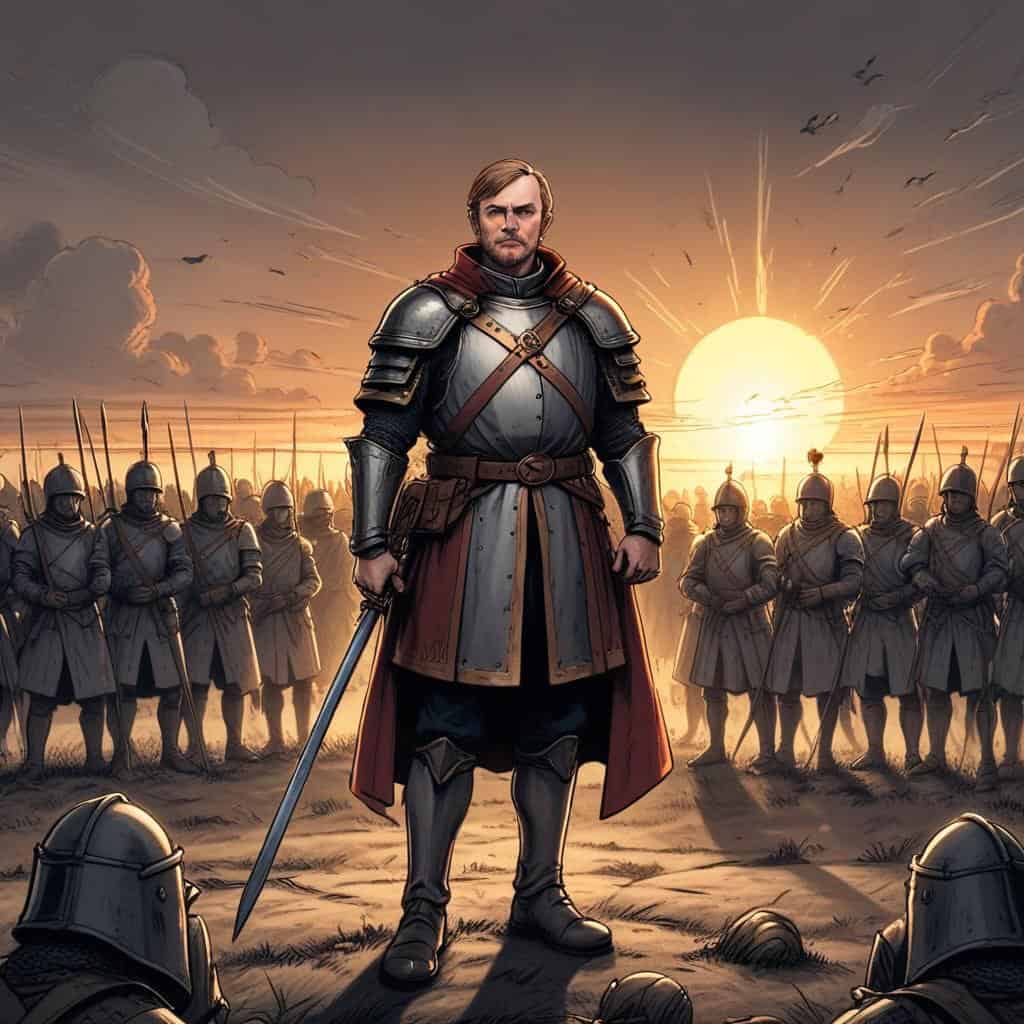
King Edmund Ironside
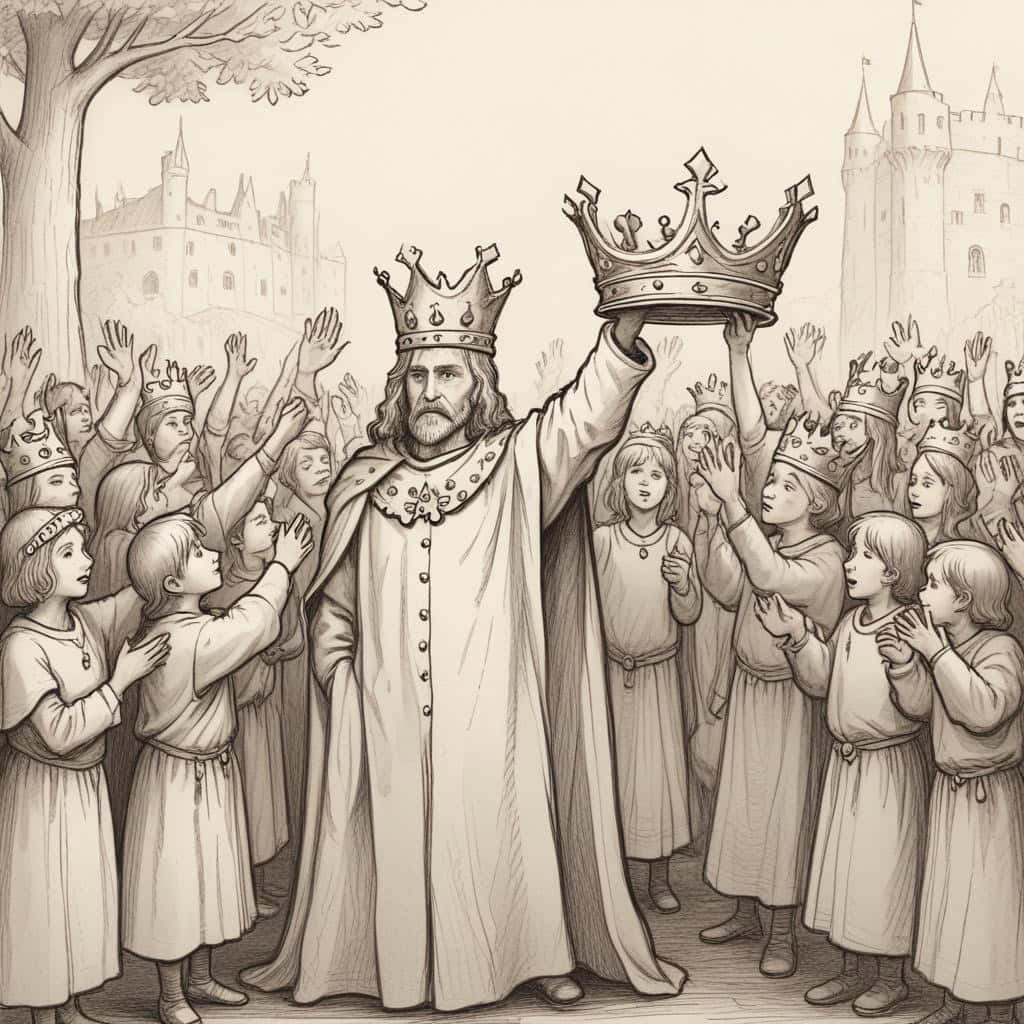
Harold Harefoot
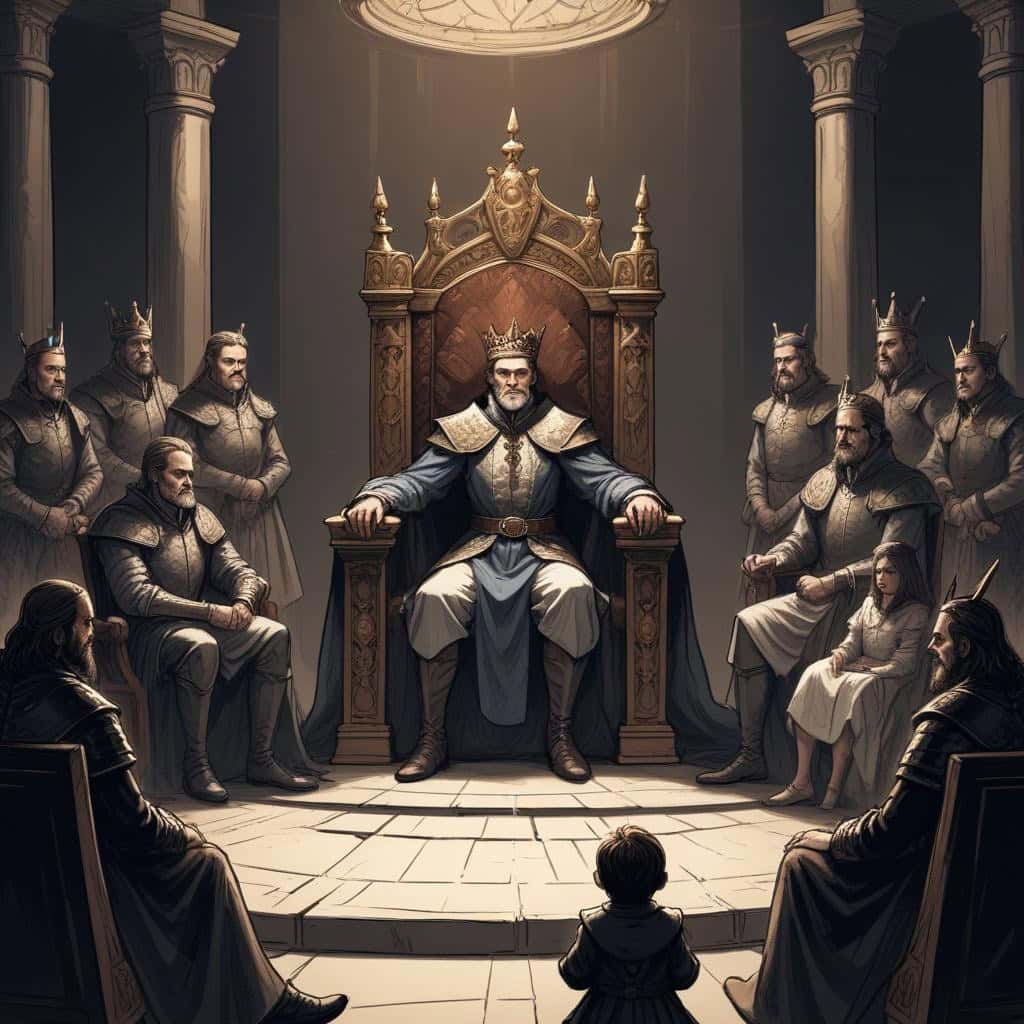
Harthacnut

The Early Life of Cnut
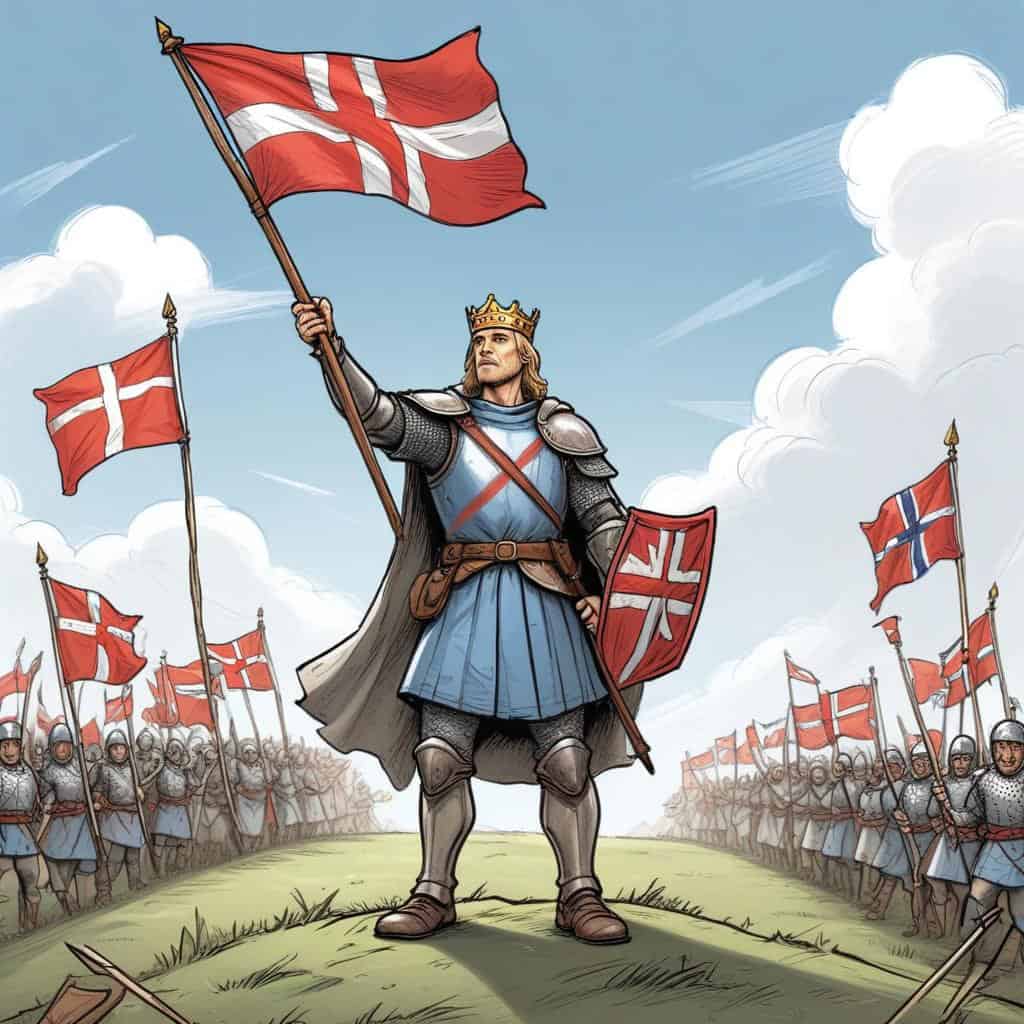
Cnuts Rise to Power

The Consolidation of Power

Cnuts Religious Policies

The North Sea Empire

Challenges and Rebellions

Death and Succession

Legacy of Cnut the Great

Lesson Details & Resources
In a Nutshell
- What: The reign of Cnut the Great
- When: 1016-1035
- Who: Cnut the Great, Anglo-Saxon and Viking populations
- Outcome: Consolidation of power over England, Denmark, and Norway
Famous Figures in the Reign of Cnut the Great
-
Cnut the Great
Cnut the Great was a king of England, Denmark, Norway, and parts of Sweden during the 11th century.
-
Emma of Normandy
Emma of Normandy was the queen consort of Æthelred the Unready and later of Cnut the Great.
-
Harald Hardrada
Harald Hardrada was a Norwegian king who challenged Cnut the Great for control of the North Sea empire.
-
Æthelred the Unready
Æthelred the Unready was the king of England before being succeeded by Cnut the Great.
-
Edward the Confessor
Edward the Confessor was the son of Æthelred the Unready and Emma of Normandy, and he succeeded Cnut the Great as king of England.
Timeline of Reign of Cnut the Great
Cnut the Great becomes king of Denmark
Cnut invades England
Battle of Assandun, Cnut defeats Edmund Ironside
Edmund Ironside dies, Cnut becomes king of England
Cnut marries Emma of Normandy
Cnut becomes king of Norway
Cnut invades Scotland
Cnut becomes king of Sweden
Death of Cnut the Great
Harold Harefoot becomes king of England
Harthacnut becomes king of England
Harthacnut dies, Edward the Confessor becomes king of England
Harald Hardrada becomes king of Norway
Battle of Stamford Bridge, Harald Hardrada defeated by Harold Godwinson
Vocabulary List
- Cnut the Great
- Also known as Canute, was a king of Denmark, England, Norway, and parts of Sweden during the early 11th century.
- Vikings
- A group of seafaring people from Scandinavia who raided, traded, explored, and settled in wide areas of Europe, Asia, and the North Atlantic islands from the late 8th to the mid-11th century.
- Anglo-Saxons
- A cultural group who inhabited Great Britain from the 5th century. They were conquered by the Normans in 1066.
- Harald Bluetooth
- A king of Denmark and Norway in the late 10th century who was the father of Cnut the Great.
- Emma of Normandy
- A queen consort of England, Denmark, and Norway who was the wife of both Æthelred the Unready and Cnut the Great.
- Witan
- A council of high-ranking nobles and bishops in Anglo-Saxon England that advised the king on important matters.
- North Sea Empire
- The dominions of Cnut the Great, including Denmark, England, Norway, and parts of Sweden.
- Danelaw
- A historical name given to the part of England in which the laws of the Danes held sway and dominated those of the Anglo-Saxons.
- Ascension to the throne
- The act of Cnut the Great becoming king of England in 1016 after the death of Edmund Ironside.
- Norman Conquest
- The invasion and conquest of England by William the Conqueror in 1066, which marked the end of the Anglo-Saxon rule.
- Earl
- A nobleman ranking below a marquess and above a viscount.
Key Facts
This is the information used in the fact matching game
- Cnut the Great was a Danish king who ruled over England, Denmark, Norway, and parts of Sweden during his reign.
- Cnut became king of England in 1016 after defeating King Edmund Ironside in battle.
- Cnut was known for his efforts to create a unified Anglo-Scandinavian empire in the North Sea region.
- Cnut's reign was marked by a period of peace and prosperity in England known as the 'Cnut Peace'.
- Cnut was a Christian king, but he also maintained ties with pagan traditions from his Danish heritage.
- Cnut married Emma of Normandy, the widow of King Æthelred the Unready, to solidify his claim to the English throne.
- Cnut's reign saw the construction of several churches and monasteries in England, including the rebuilding of St. Paul's Cathedral in London.
- Cnut was known for his wise and just rule, earning him the nickname 'Cnut the Great'.
- Cnut was succeeded by his sons Harold Harefoot and Harthacnut as kings of England.
- Cnut's reign was a time of cultural exchange between the Anglo-Saxon and Scandinavian peoples in England.
- Cnut established a strong navy to defend his North Sea empire from Viking raids and invasion.
- Cnut's reign saw the introduction of a new form of taxation in England known as the 'Heregeld'.
- Cnut was a patron of the arts and commissioned several works of literature and poetry during his reign.
- Cnut's empire began to decline after his death, with his sons struggling to maintain control over the various kingdoms.
- Cnut's reign saw the establishment of a strong central government in England, with the king holding significant power over his nobles.
- Cnut's conquest of England was aided by his alliance with the powerful earl Godwin of Wessex.
- Cnut was buried at Winchester Cathedral in England after his death in 1035.
- Cnut's reign is remembered as a time of relative stability and prosperity in England, despite his foreign origins.
- Cnut's empire eventually collapsed after his death, with England returning to Anglo-Saxon rule under Edward the Confessor.
- Cnut's reign is considered a pivotal moment in English history, marking the end of the Viking Age and the beginning of the Norman conquest.
Analysis & Significance
Immediate Consequences
After the reign of Cnut the Great, his empire faced internal power struggles and external threats, leading to a period of instability and conflict. The death of Cnut in 1035 sparked disputes over succession, causing political turmoil and fragmentation within the realm.
Long-Term Impact
Cnut’s reign marked a significant shift in the balance of power in Northern Europe, as he established a North Sea Empire that encompassed England, Denmark, Norway, and parts of Sweden. His rule brought about a period of relative peace and prosperity, as he implemented effective governance and promoted cultural exchange within his vast domain.
Cultural Significance Today
The legacy of Cnut the Great lives on in history books and folklore, with his reign symbolizing a brief but impactful era of Scandinavian dominance in medieval Europe. His achievements as a ruler and diplomat continue to inspire modern leaders, showcasing the potential for unity and cooperation across diverse regions and peoples.
Reign of Cnut the Great Games


Take Your Learning Offline
Want a convenient, print-ready study guide for this lesson? Become a Memory Wizards Pro member to unlock the downloadable " Memory Scrolls" for this topic and our entire library!
- ✓ Complete Vocabulary Lists
- ✓ Key Facts & Timelines
- ✓ Beautifully Formatted for Print & Mobile