
Summary of Harthacnut’s Reign (1040)
A tale of power, betrayal, and the crown that changed history.
How Do You Learn Best?
Learn by Reading
Immerse yourself in the 10-minute visual lesson for a comprehensive understanding of the topic.
Learn by Reviewing
Jump directly to the key facts, timeline, and vocabulary lists to build a solid foundation of details.
Learn by Doing
Challenge yourself! Jump straight into the interactive games to learn by trial, error, and discovery.
Harthacnut’s Reign in 10 Minutes
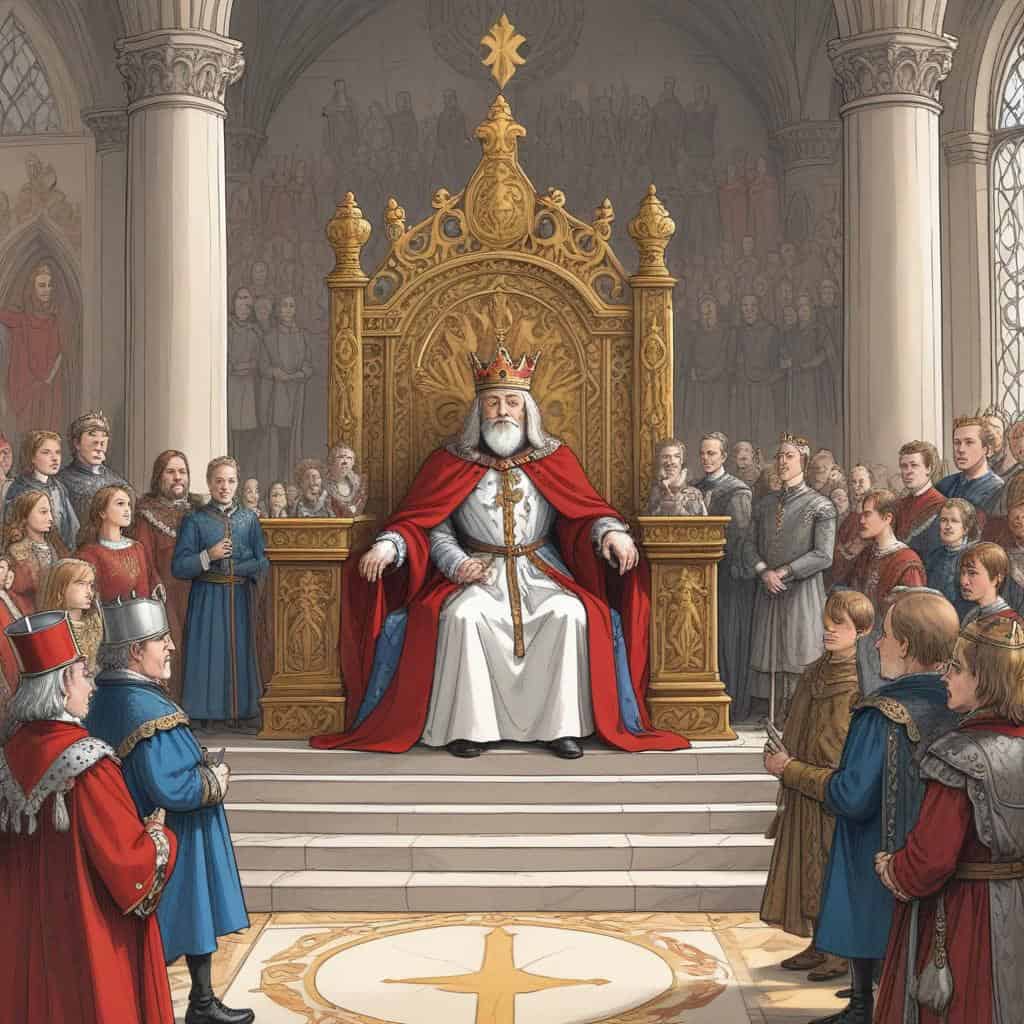
Introduction
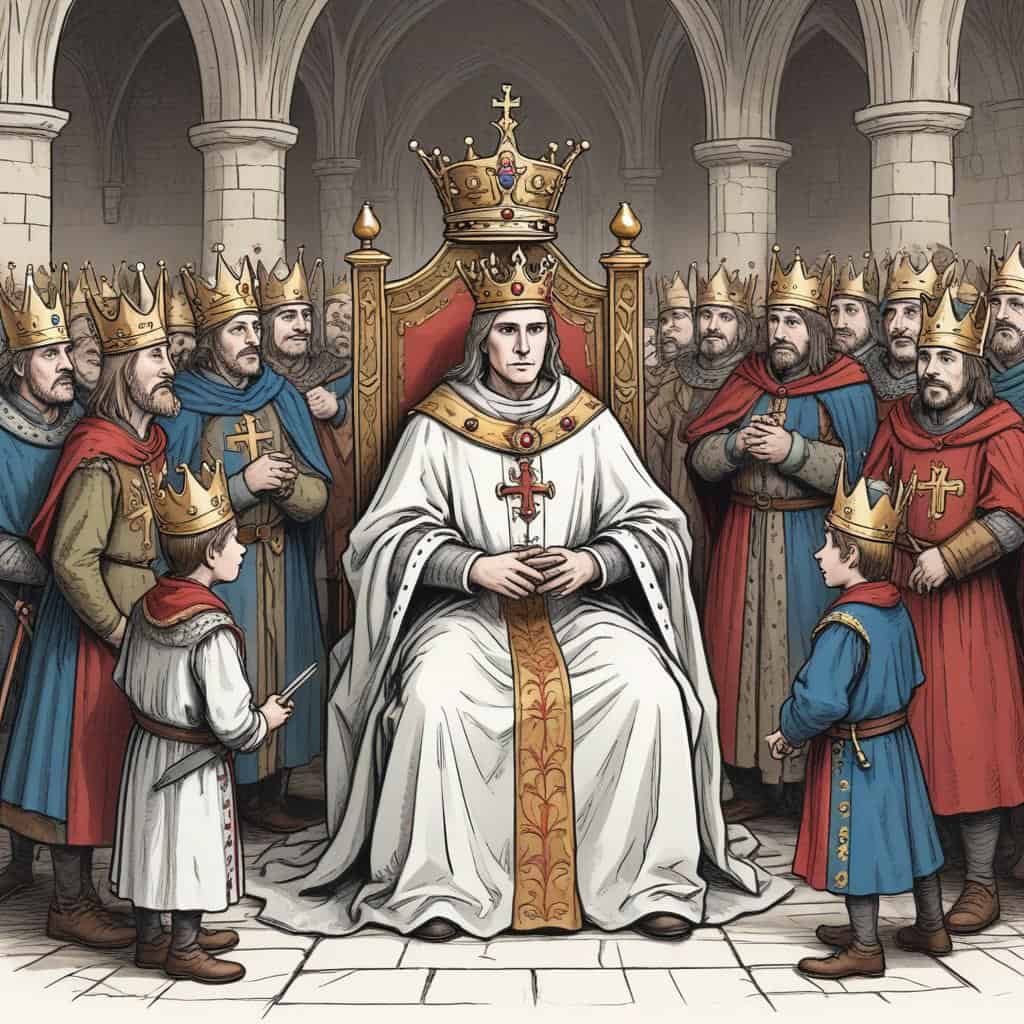
Harthacnut

Emma of Normandy

Edward the Confessor

1. Harthacnuts Background

2. King Harolds Reign
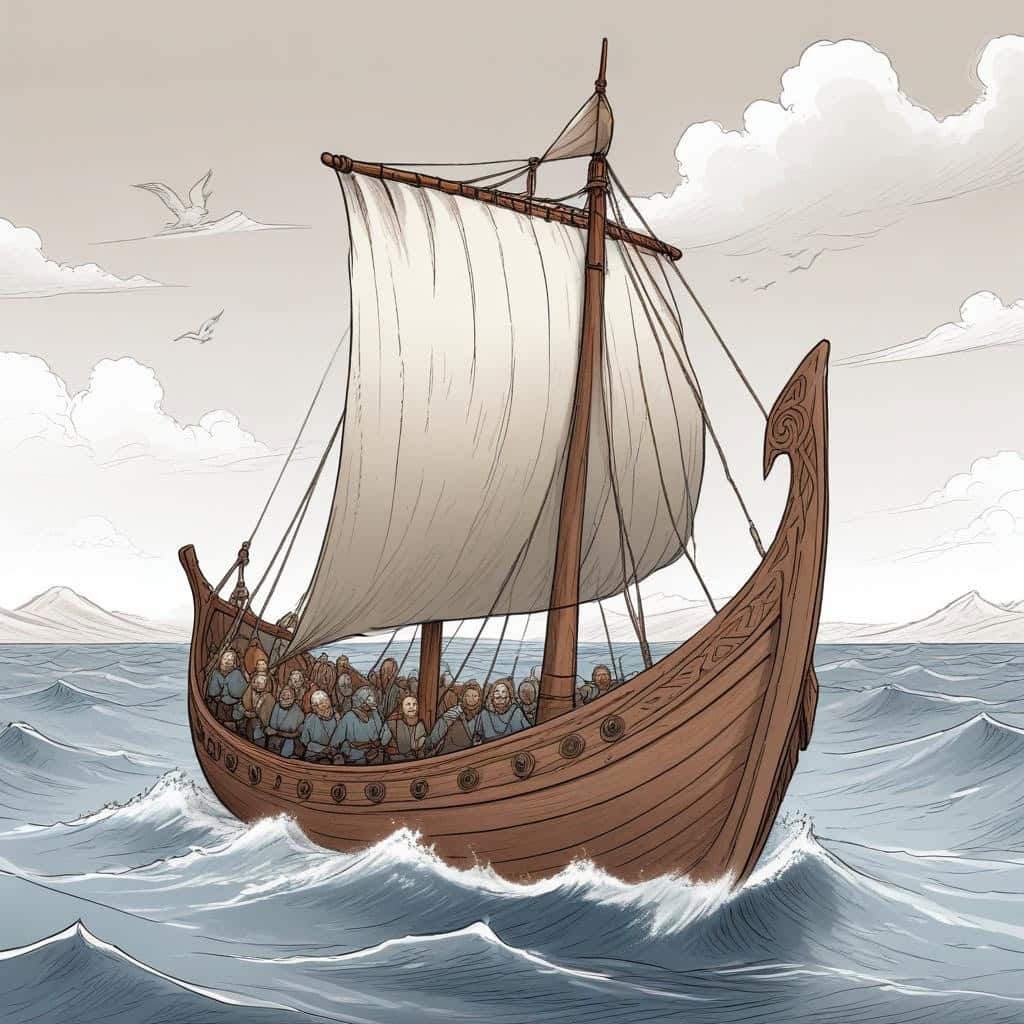
3. Harthacnuts Claim
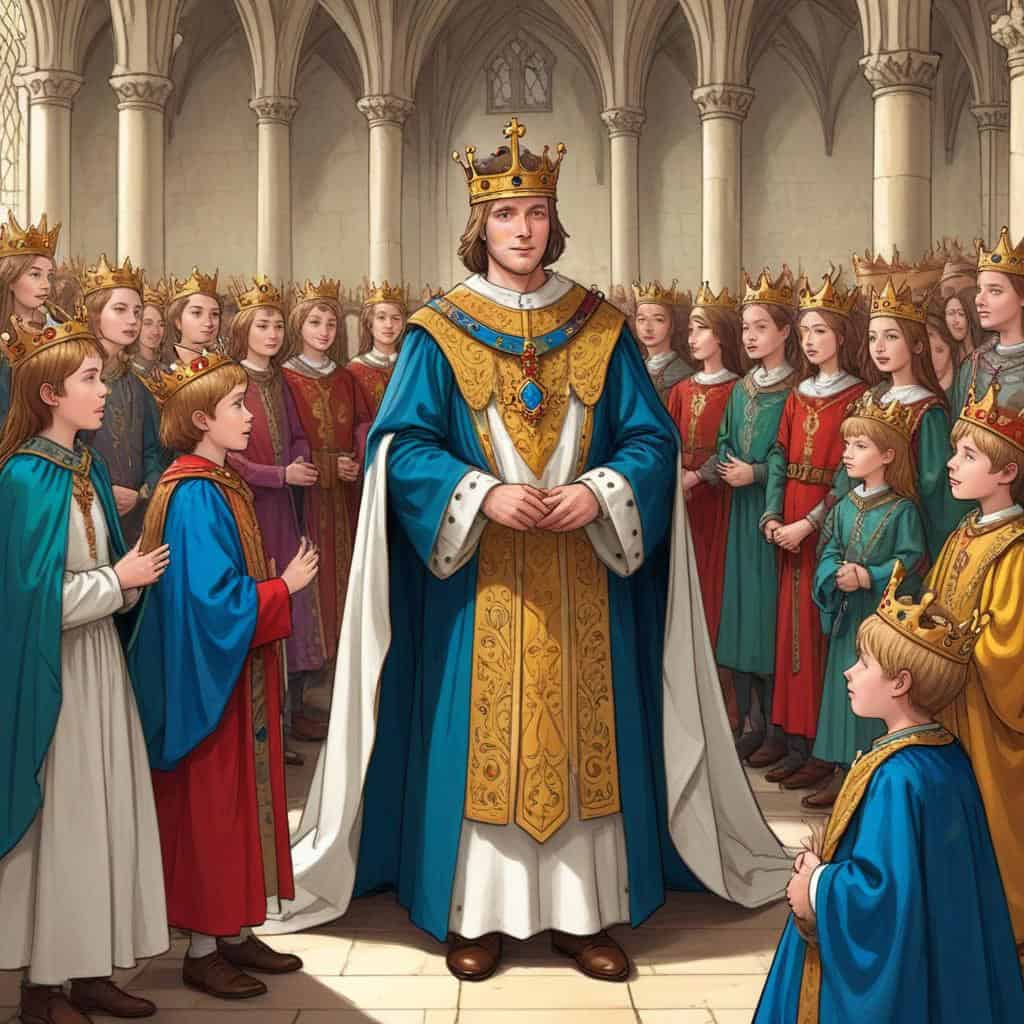
4. Harthacnuts Coronation

5. Harthacnuts Rule
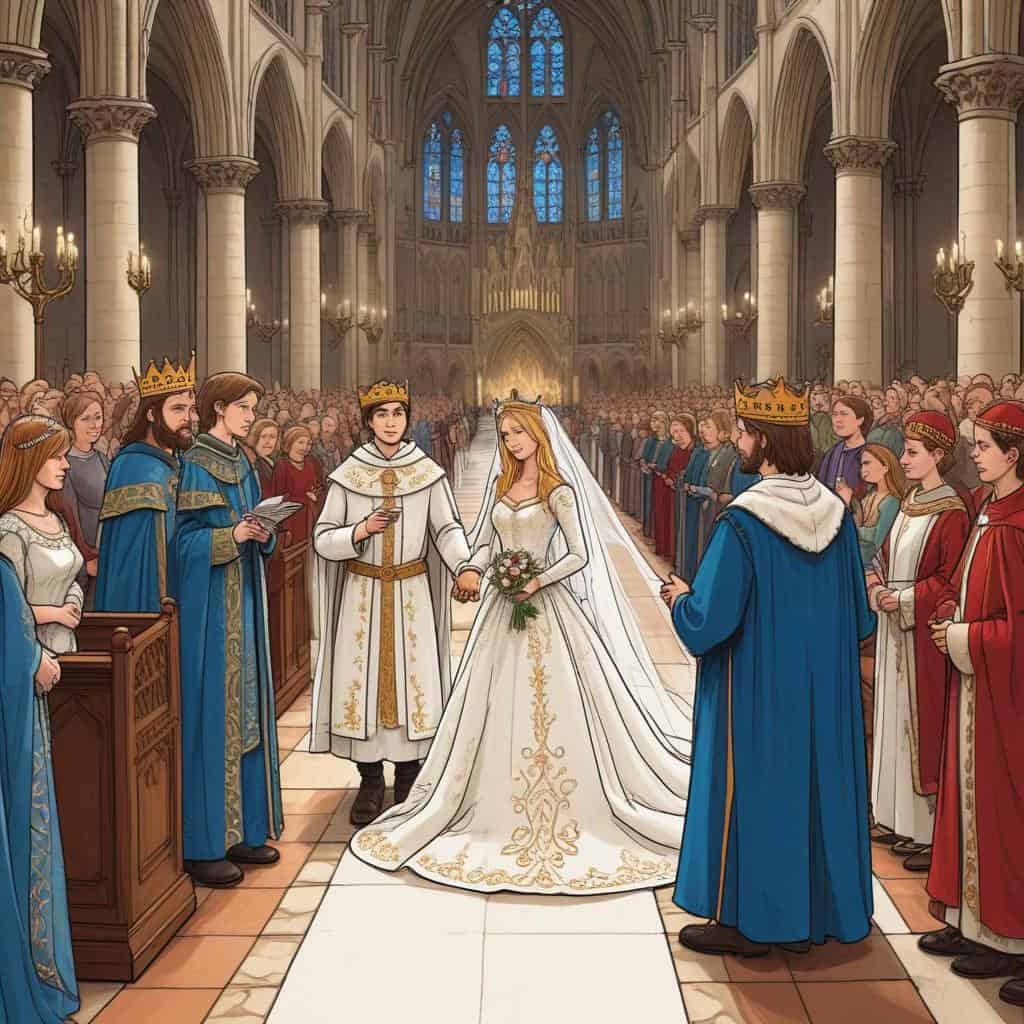
6. Harthacnuts Marriage

7. Harthacnuts Death

8. Succession Crisis

9. Legacy of Harthacnut

10. Conclusion
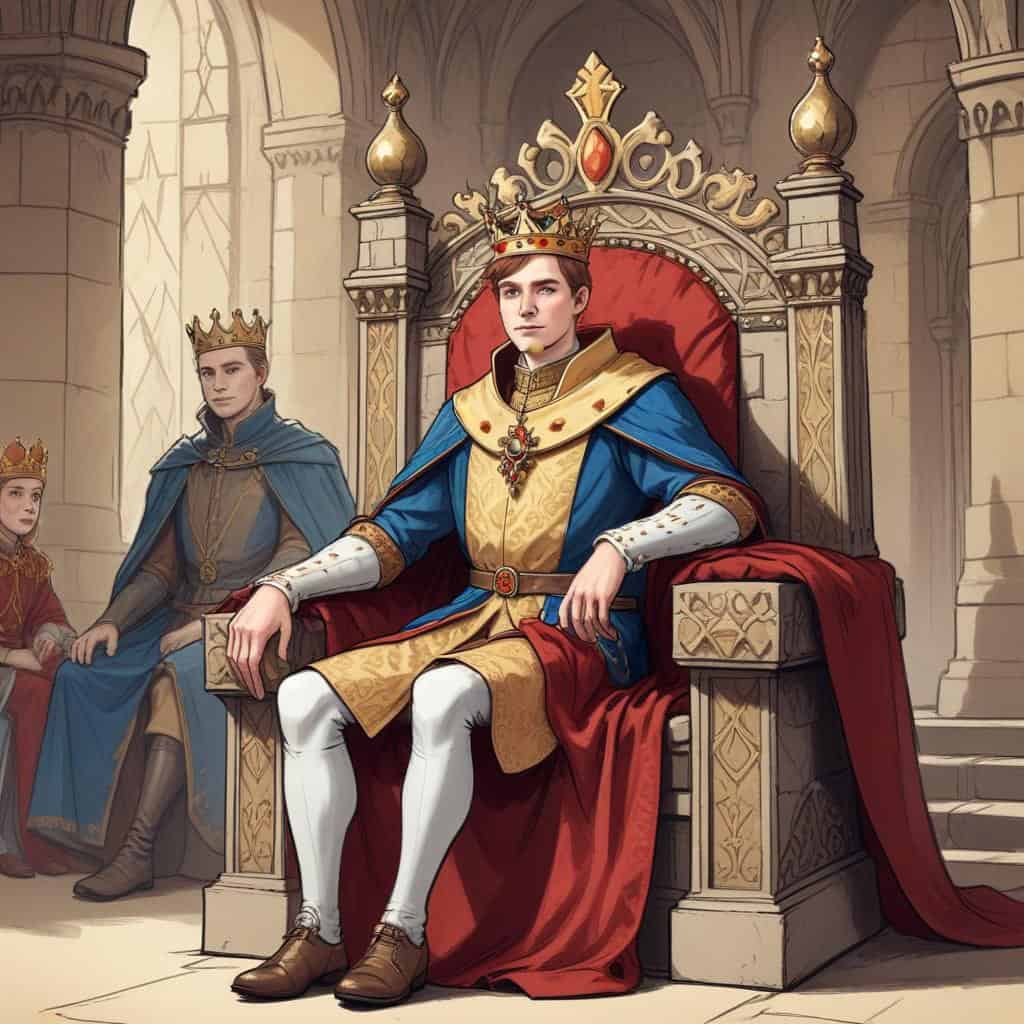
Lesson Details & Resources
In a Nutshell
- What: Harthacnut becomes King of England in 1040
- When: 1040
- Who: Harthacnut
- Outcome: Harthacnut ascends to the English throne
Famous Figures in the Harthacnut’s Reign
-
Harthacnut
Harthacnut becomes King of England in 1040, succeeding his father, King Cnut.
-
Edward the Confessor
Edward the Confessor is the half-brother of Harthacnut and later becomes King of England.
-
Emma of Normandy
Emma of Normandy is the mother of Harthacnut and the wife of King Cnut.
-
Godwin, Earl of Wessex
Godwin, Earl of Wessex, is a powerful nobleman during Harthacnut's reign.
-
Harold Harefoot
Harold Harefoot is the half-brother of Harthacnut and briefly rules as King of England before Harthacnut takes the throne.
Timeline of Harthacnut’s Reign
Harthacnut is born as the son of King Canute and Emma of Normandy
Harthacnut's father, King Canute, dies
Harthacnut's half-brother Harold Harefoot becomes King of England
Harthacnut is declared King of Denmark
Harthacnut invades England to claim the throne
Harthacnut is crowned King of England
Harthacnut marries Emma of Normandy, his mother's mother-in-law
Harthacnut imposes heavy taxes on the English people
Harthacnut's rule is marked by unrest and rebellion
Harthacnut dies suddenly at a feast, possibly poisoned
Harold Harefoot's son, Harald Harefoot, succeeds Harthacnut as King of England
Vocabulary List
- Harthacnut
- The Danish prince who became King of England in 1040.
- Succession
- The process of inheriting a title or position, such as the English throne.
- Royal court
- The group of advisors and officials who assist the monarch in governing the kingdom.
- Anglo-Saxon
- The native people of England before the Norman Conquest.
- Danish invasion
- The series of invasions by Danish Vikings that led to the establishment of the Danelaw in England.
- Feudal system
- The social and economic system based on land ownership and loyalty to a lord.
- Coronation
- The ceremony where a monarch is crowned and officially becomes the ruler.
- Reign
- The period of time during which a monarch rules.
- Treaty
- A formal agreement between two or more parties, often used to settle disputes or establish peace.
- Heir
- The person who is next in line to inherit a title or position, such as the throne.
Key Facts
This is the information used in the fact matching game
- Harthacnut was the son of King Canute and Emma of Normandy.
- Harthacnut became King of Denmark in 1035 after his father's death.
- Harthacnut was known for his brutal rule in Denmark.
- Harthacnut succeeded his half-brother Harold Harefoot as King of England in 1040.
- Harthacnut had difficulty asserting his authority in England due to opposition from powerful nobles.
- Harthacnut's rule in England was marked by heavy taxation and harsh punishments.
- Harthacnut's mother Emma acted as regent during his absence in Denmark.
- Harthacnut married Emma of Normandy's niece, Gunhild of Denmark.
- Harthacnut's reign in England was short-lived, lasting only two years.
- Harthacnut's death in 1042 led to a power struggle in England.
- Harthacnut's body was returned to Denmark for burial.
- Harthacnut's death ended the rule of the Danish kings in England.
- Harthacnut was succeeded by his half-brother Edward the Confessor as King of England.
- Harthacnut's reign in England was characterized by unrest and rebellion.
- Harthacnut's nickname 'Harthacnut the Hardy' reflected his martial reputation.
- Harthacnut's rule in England was challenged by Magnus the Good, King of Norway.
- Harthacnut's heavy-handed tactics alienated many of his subjects in England.
- Harthacnut's reign saw a decline in the power and influence of the Danish monarchy in England.
- Harthacnut's death left a power vacuum in England that was eventually filled by Edward the Confessor.
- Harthacnut's legacy in England was overshadowed by the events that followed his death.
Analysis & Significance
Immediate Consequences
Harthacnut becoming King of England in 1040 led to a period of stability in the country after years of turmoil and power struggles. His reign brought a sense of order and continuity to the English throne, providing a brief respite from the chaos that had plagued the kingdom.
Long-Term Impact
The reign of Harthacnut had a lasting impact on the political landscape of England. His rule helped pave the way for the eventual Norman Conquest in 1066, as it set the stage for the power struggles that would ultimately lead to William the Conqueror seizing the throne. Harthacnut’s reign marked a crucial turning point in English history.
Cultural Significance Today
Today, Harthacnut’s brief reign is remembered as a pivotal moment in the history of England. His legacy serves as a reminder of the fragile nature of power and the constant struggle for control that has characterized much of English history. The events surrounding his rule continue to influence our understanding of medieval politics and the dynamics of power in the Middle Ages.
Harthacnut’s Reign Games


Take Your Learning Offline
Want a convenient, print-ready study guide for this lesson? Become a Memory Wizards Pro member to unlock the downloadable " Memory Scrolls" for this topic and our entire library!
- ✓ Complete Vocabulary Lists
- ✓ Key Facts & Timelines
- ✓ Beautifully Formatted for Print & Mobile