
Summary of The Great Heathen Army (865)
Uncover the legendary tale of the Vikings' invasion of Anglo-Saxon England.
How Do You Learn Best?
Learn by Reading
Immerse yourself in the 10-minute visual lesson for a comprehensive understanding of the topic.
Learn by Reviewing
Jump directly to the key facts, timeline, and vocabulary lists to build a solid foundation of details.
Learn by Doing
Challenge yourself! Jump straight into the interactive games to learn by trial, error, and discovery.
The Great Heathen Army in 10 Minutes
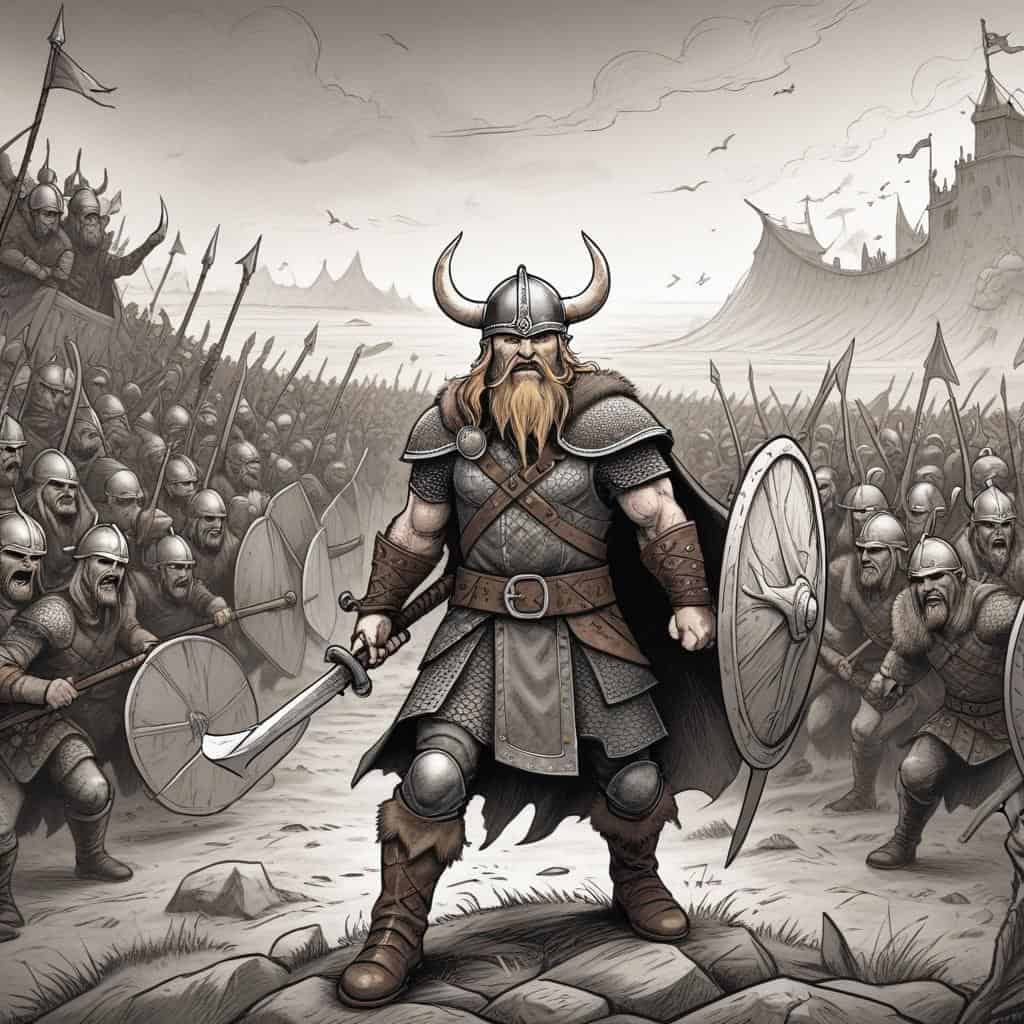
Introduction
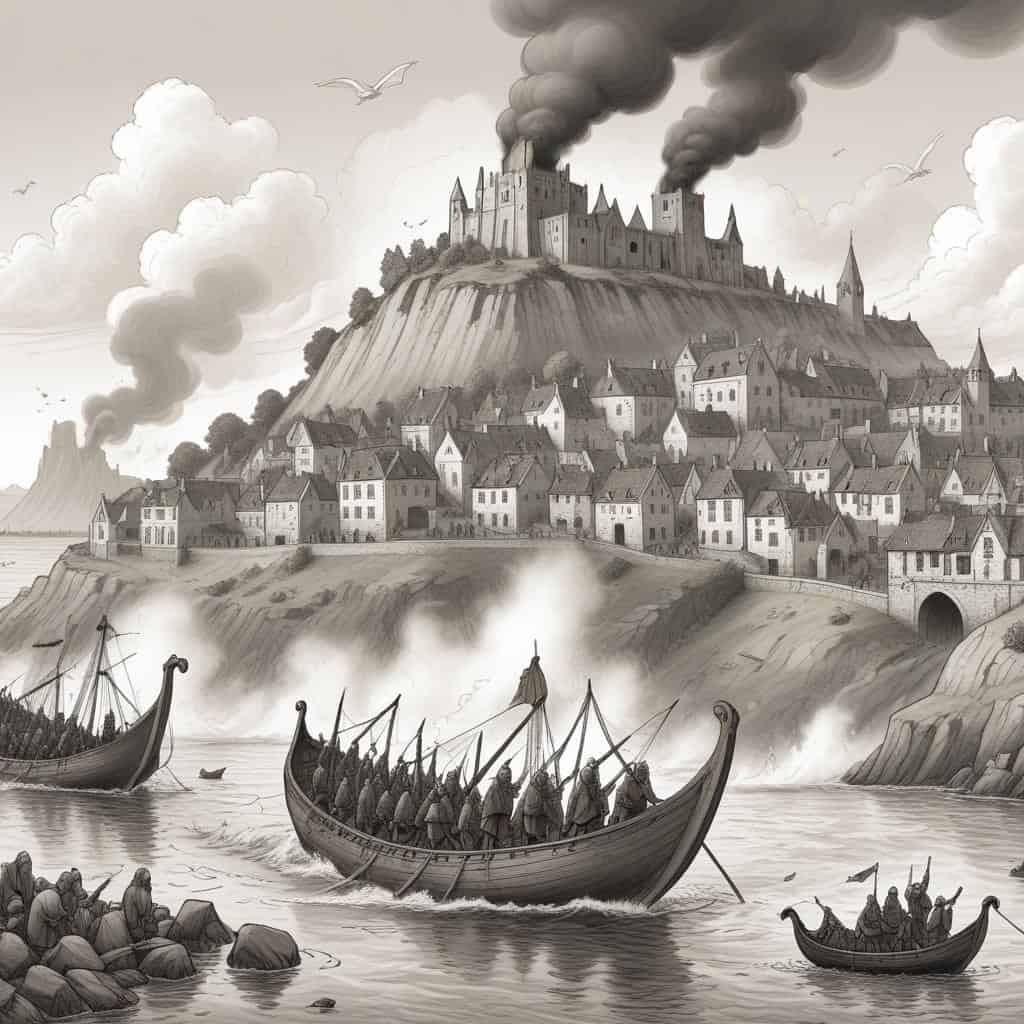
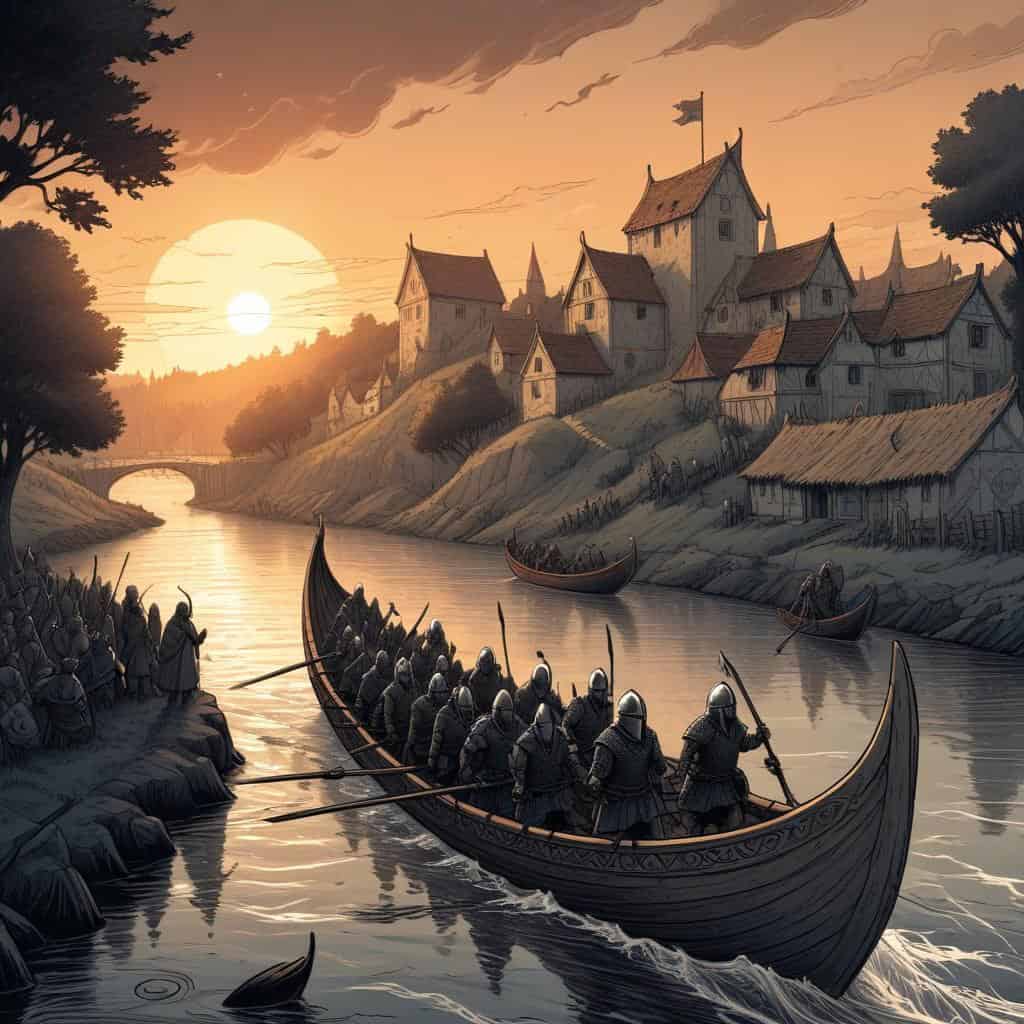
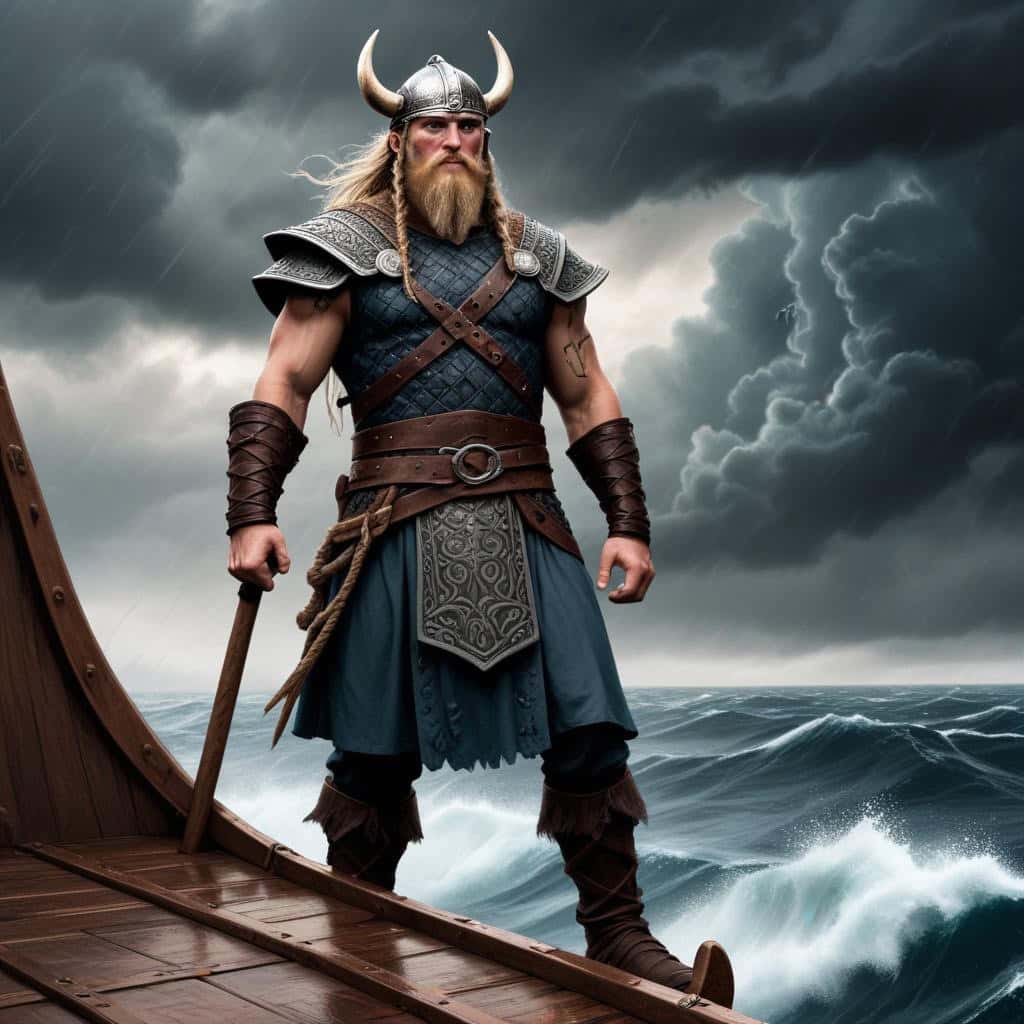
Ragnar Lothbrok
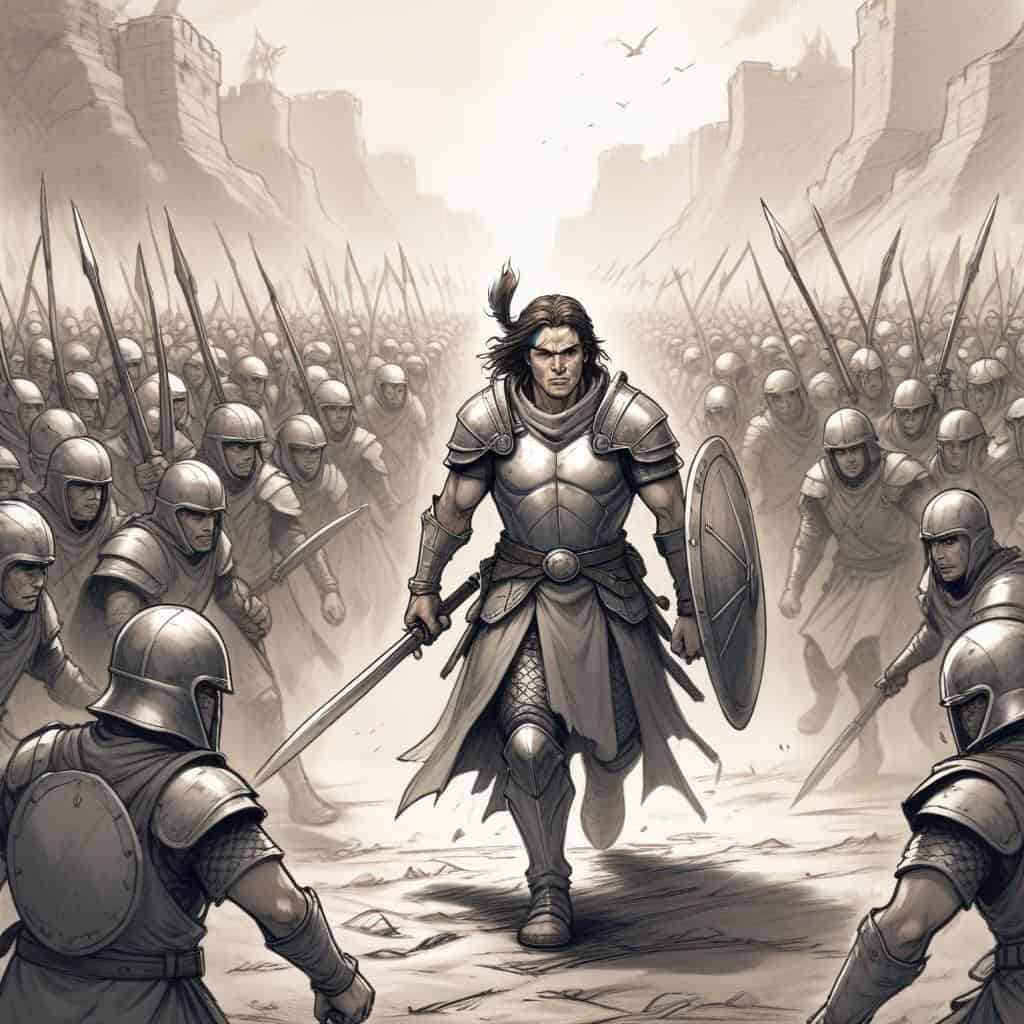
Ivar the Boneless

Ubbe
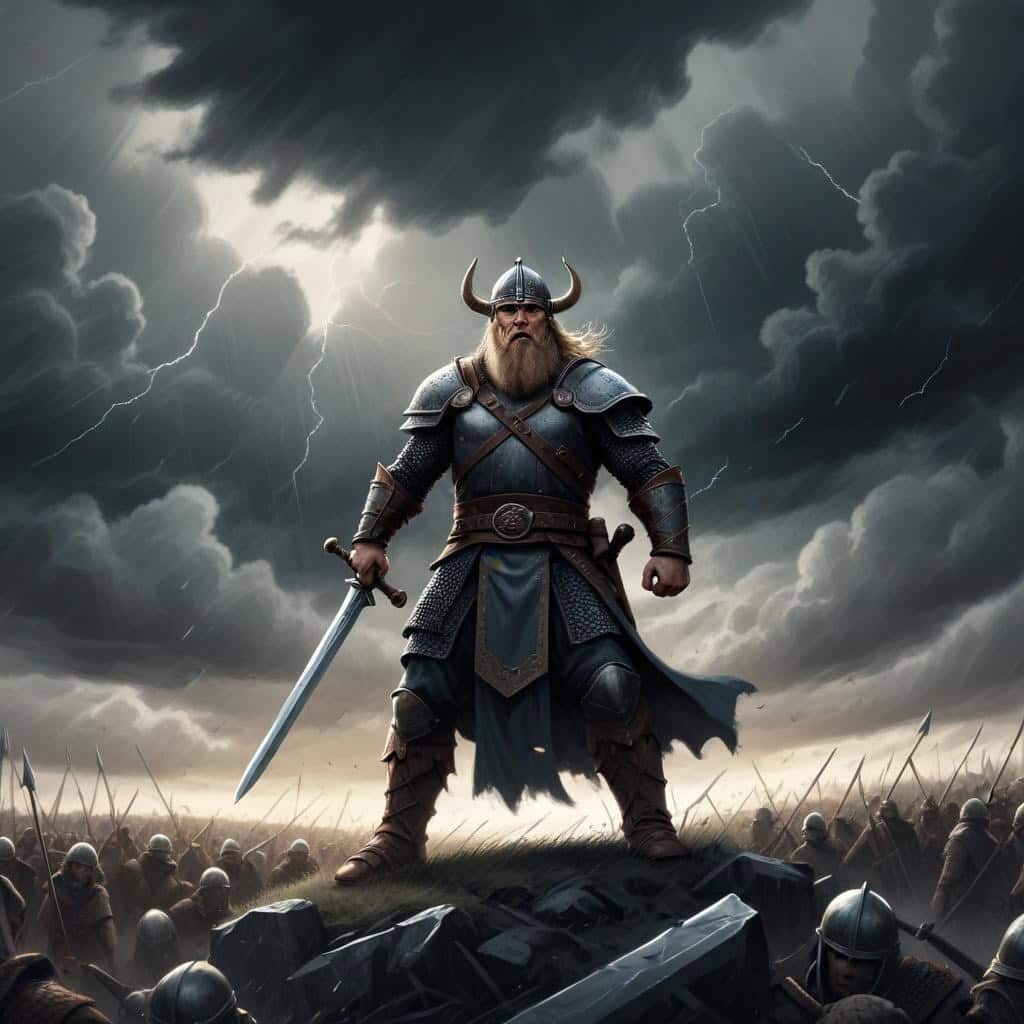
Bjorn Ironside
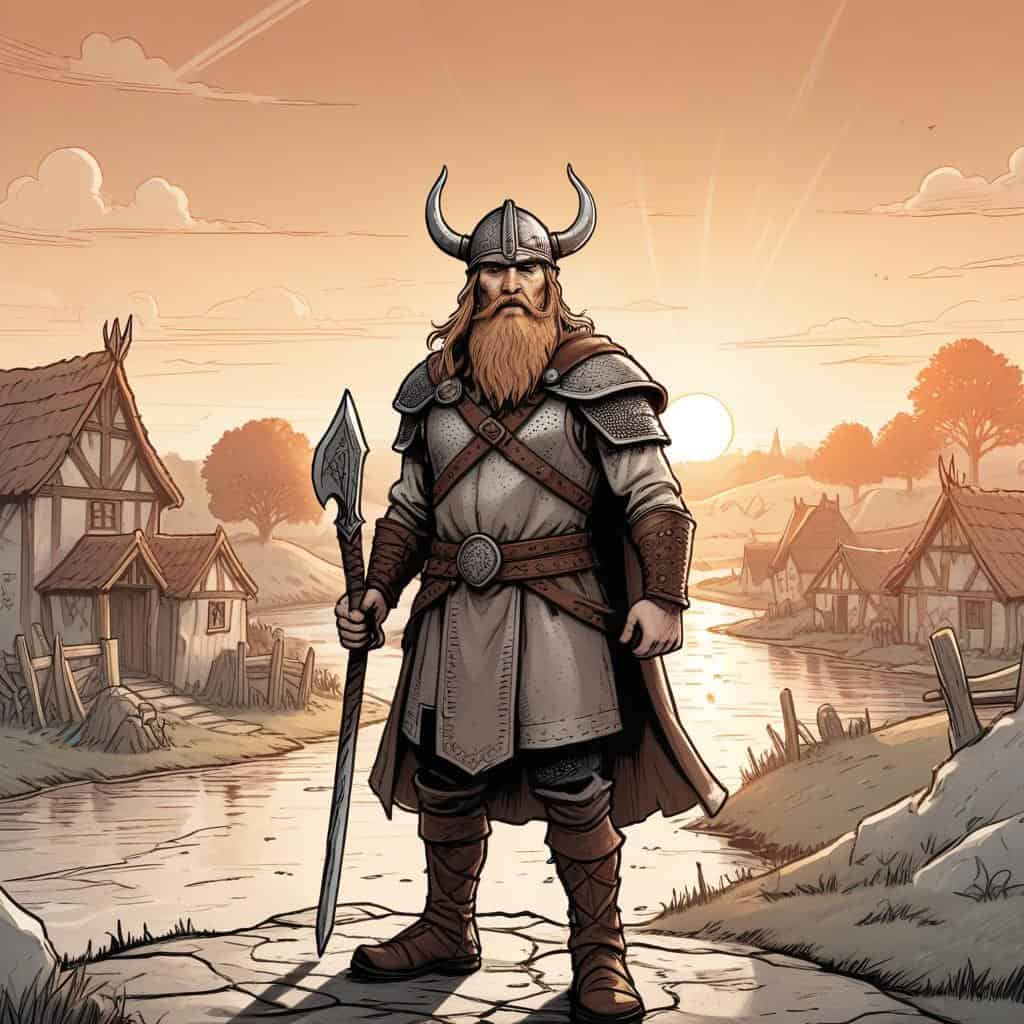
Guthrum

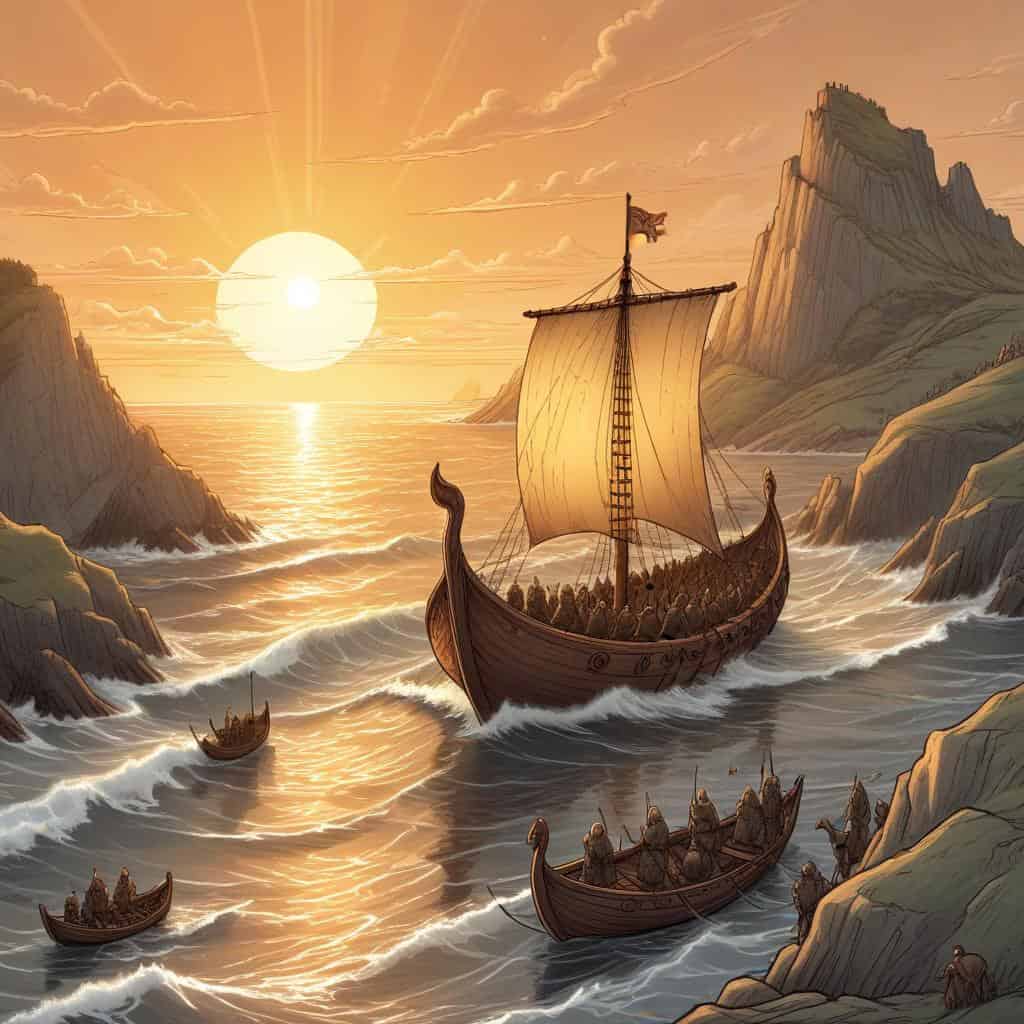
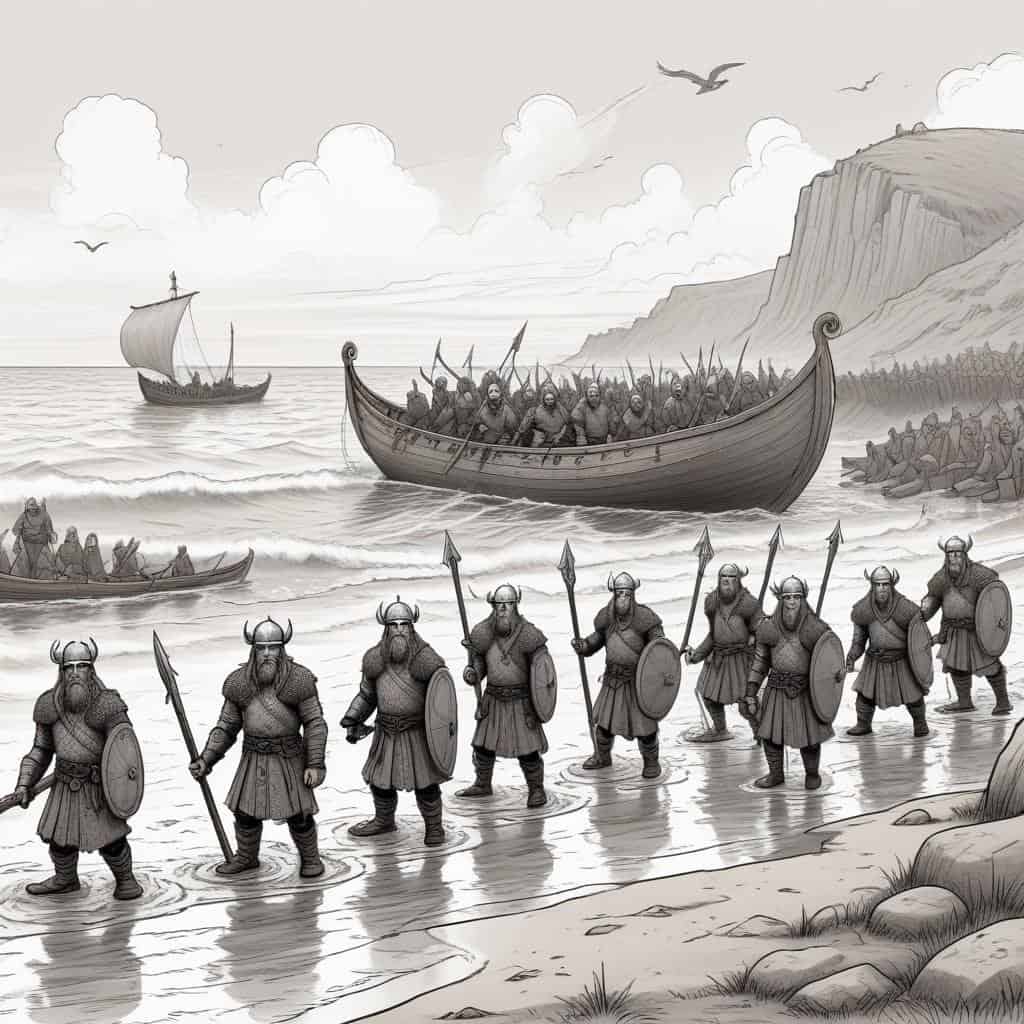
The Arrival of the Great Heathen Army

Raids and Conquests

The Siege of York

Alliance with the Northumbrians

The Fall of East Anglia
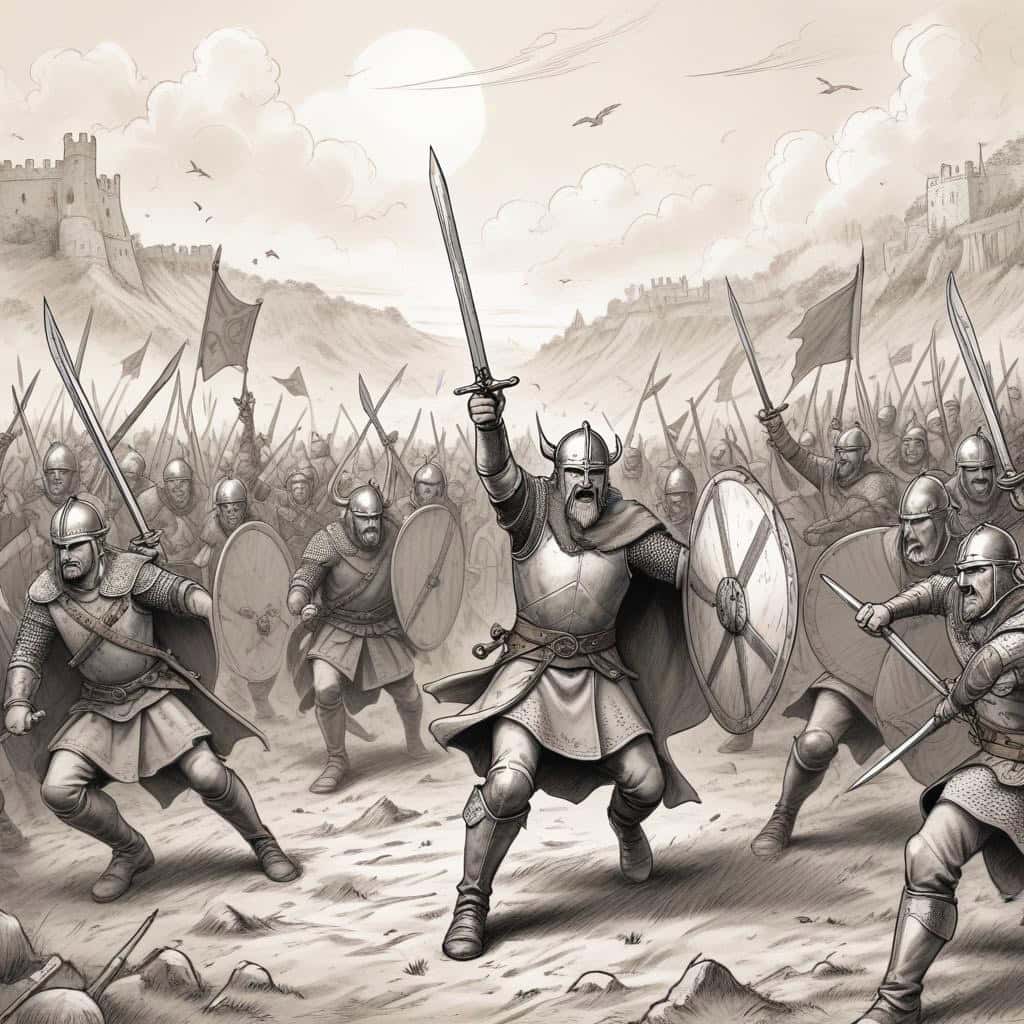
The Battle of Edington

The Danelaw
The Legacy of the Great Heathen Army

Historical Significance

Remembering the Great Heathen Army
Lesson Details & Resources
In a Nutshell
- What: A Viking army that invaded Anglo-Saxon England
- When: 865
- Who: Led by the sons of the legendary Viking Ragnar Lothbrok
- Outcome: Initiated a series of invasions that significantly impacted English history
Famous Figures in the The Great Heathen Army
-
Ivar the Boneless
Ivar the Boneless was a Viking leader and a commander of the Great Heathen Army, known for his cunning tactics and ruthlessness.
-
Ubbe Ragnarsson
Ubbe Ragnarsson was one of the sons of the legendary Viking Ragnar Lothbrok and a key figure in the Great Heathen Army.
-
Hvitserk
Hvitserk was another son of Ragnar Lothbrok who fought alongside his brothers in the Great Heathen Army.
-
Sigurd Snake-in-the-Eye
Sigurd Snake-in-the-Eye was a prominent member of the Great Heathen Army and a skilled warrior.
-
Bjorn Ironside
Bjorn Ironside was a fearless warrior and leader in the Great Heathen Army, known for his raids and conquests.
Timeline of The Great Heathen Army
The Great Heathen Army, led by the sons of Ragnar Lothbrok, lands in East Anglia
The Great Heathen Army captures York
The Great Heathen Army marches through Mercia, capturing Nottingham and other towns
The Great Heathen Army winters in Nottingham
The Great Heathen Army captures East Anglia
The Great Heathen Army turns its attention to Wessex, capturing Reading
The Great Heathen Army is defeated by Alfred the Great at the Battle of Edington
The Great Heathen Army retreats to Mercia and splits into smaller groups
Guthrum, leader of the Great Heathen Army, signs the Treaty of Wedmore with Alfred the Great
The Great Heathen Army settles in East Anglia
The Great Heathen Army continues to raid and conquer various parts of England
The Great Heathen Army is involved in conflicts with other Viking armies in England
The Great Heathen Army's influence begins to decline
The Great Heathen Army is disbanded and its members assimilate into English society
Vocabulary List
- Vikings
- The Great Heathen Army was comprised of Viking warriors from Scandinavia.
- Raids
- The Great Heathen Army was known for their raids on various Anglo-Saxon kingdoms in England.
- Invasion
- The invasion of the Great Heathen Army in 865 marked a significant turning point in English history.
- Battle
- The Great Heathen Army fought many battles against the Anglo-Saxon kingdoms, including the Battle of Edington.
- Leadership
- The Great Heathen Army was led by prominent Viking leaders such as Ivar the Boneless and Halfdan Ragnarsson.
- Settlement
- After years of raiding, the Great Heathen Army eventually settled in the region of East Anglia.
- Legacy
- The legacy of the Great Heathen Army can still be seen in the cultural and historical impact they had on England.
- Conquest
- The Great Heathen Army's conquest of various Anglo-Saxon kingdoms reshaped the political landscape of England.
Key Facts
This is the information used in the fact matching game
- The Great Heathen Army was a coalition of Viking warriors who invaded the Anglo-Saxon kingdoms of England in the 9th century.
- The army was led by the sons of legendary Viking warrior Ragnar Lothbrok, including Ivar the Boneless, Ubbe, and Halfdan.
- The Great Heathen Army landed in East Anglia in 865 and quickly began raiding and conquering various Anglo-Saxon territories.
- The army's goal was to conquer and establish Viking control over the Anglo-Saxon kingdoms of England.
- The Great Heathen Army is also known as the Great Danish Army or the Great Viking Army.
- The army's invasion of England marked the beginning of the Viking Age in the British Isles.
- The army's tactics included surprise attacks, siege warfare, and scorched-earth tactics to terrorize the local populations.
- The Great Heathen Army's invasion was in response to the death of Ragnar Lothbrok, who was allegedly killed by the Anglo-Saxon king Aella of Northumbria.
- The army's conquests included the kingdoms of Northumbria, East Anglia, and Mercia.
- After conquering various territories, the Great Heathen Army established the Danelaw, a region of Viking control in northeastern England.
- The army's campaigns in England lasted for several years, with battles and sieges taking place across the country.
- The Great Heathen Army's invasion of England had a significant impact on the Anglo-Saxon kingdoms, leading to political and cultural changes.
- The army's leaders, such as Ivar the Boneless, became feared and respected figures in Viking history for their military prowess and strategic skills.
- The Great Heathen Army eventually disbanded in the 870s, with some warriors returning to Scandinavia and others settling in the conquered territories.
- The legacy of the Great Heathen Army's conquests can still be seen in place names, archaeological evidence, and historical records from the Viking Age.
- The Great Heathen Army's invasion of England inspired later Viking raids and settlements in the British Isles, contributing to the broader history of Viking expansion in Europe.
- The Great Heathen Army's tactics and strategies influenced future military campaigns and warfare in the medieval period, shaping the development of military tactics in Europe.
- The Great Heathen Army's invasion of England was a turning point in the history of the British Isles, marking the beginning of Viking influence and control in the region.
- The Great Heathen Army's conquests in England were part of a larger pattern of Viking expansion and settlement throughout Europe during the Viking Age.
- The Great Heathen Army's legacy continues to be studied and debated by historians, archaeologists, and scholars interested in the history of the Viking Age and medieval Europe.
Analysis & Significance
Immediate Consequences
The arrival of the Great Heathen Army in 865 marked a pivotal moment in Anglo-Saxon history. The invasion led to widespread devastation across the English kingdoms, causing political instability and economic turmoil. The Anglo-Saxons were ill-prepared for the ferocity and scale of the Viking attacks, resulting in significant loss of life and property.
Long-Term Impact
The Great Heathen Army’s invasion had lasting effects on the political landscape of England. It ultimately led to the establishment of the Danelaw, a region in which Danish law and customs prevailed. This period of Viking rule shaped the development of English identity and language, with Old Norse influencing the English language and culture for centuries to come.
Cultural Significance Today
The legacy of the Great Heathen Army continues to be felt in modern England through its impact on place names, folklore, and traditions. The Viking Age left a lasting imprint on English culture, with many towns and cities in the Danelaw region still bearing Norse names. The stories of the Viking invaders are woven into the fabric of English history, serving as a reminder of the enduring influence of the past on the present.
The Great Heathen Army Games


Take Your Learning Offline
Want a convenient, print-ready study guide for this lesson? Become a Memory Wizards Pro member to unlock the downloadable " Memory Scrolls" for this topic and our entire library!
- ✓ Complete Vocabulary Lists
- ✓ Key Facts & Timelines
- ✓ Beautifully Formatted for Print & Mobile