
Summary of Edward the Confessor’s Reign (1042)
The coronation that changed the course of English history.
How Do You Learn Best?
Learn by Reading
Immerse yourself in the 10-minute visual lesson for a comprehensive understanding of the topic.
Learn by Reviewing
Jump directly to the key facts, timeline, and vocabulary lists to build a solid foundation of details.
Learn by Doing
Challenge yourself! Jump straight into the interactive games to learn by trial, error, and discovery.
Edward the Confessor’s Reign in 10 Minutes
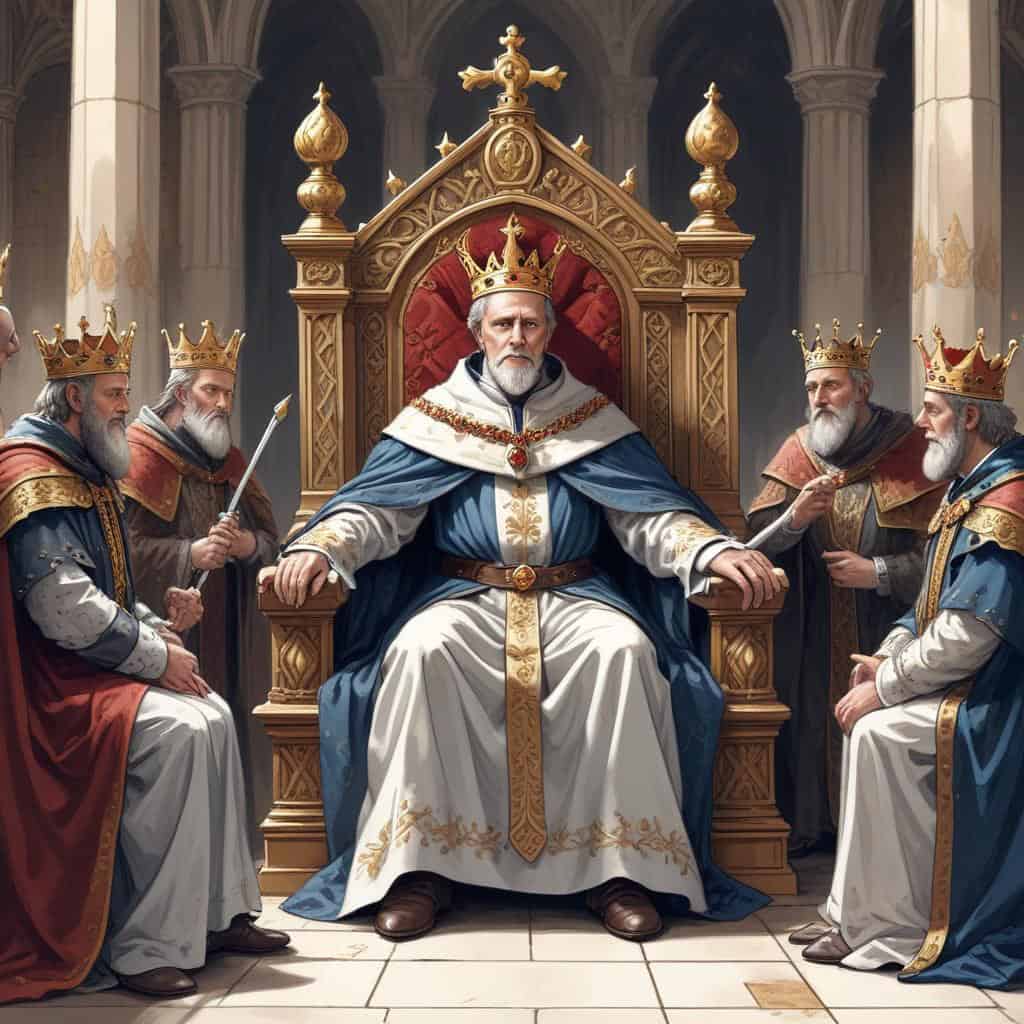
Introduction
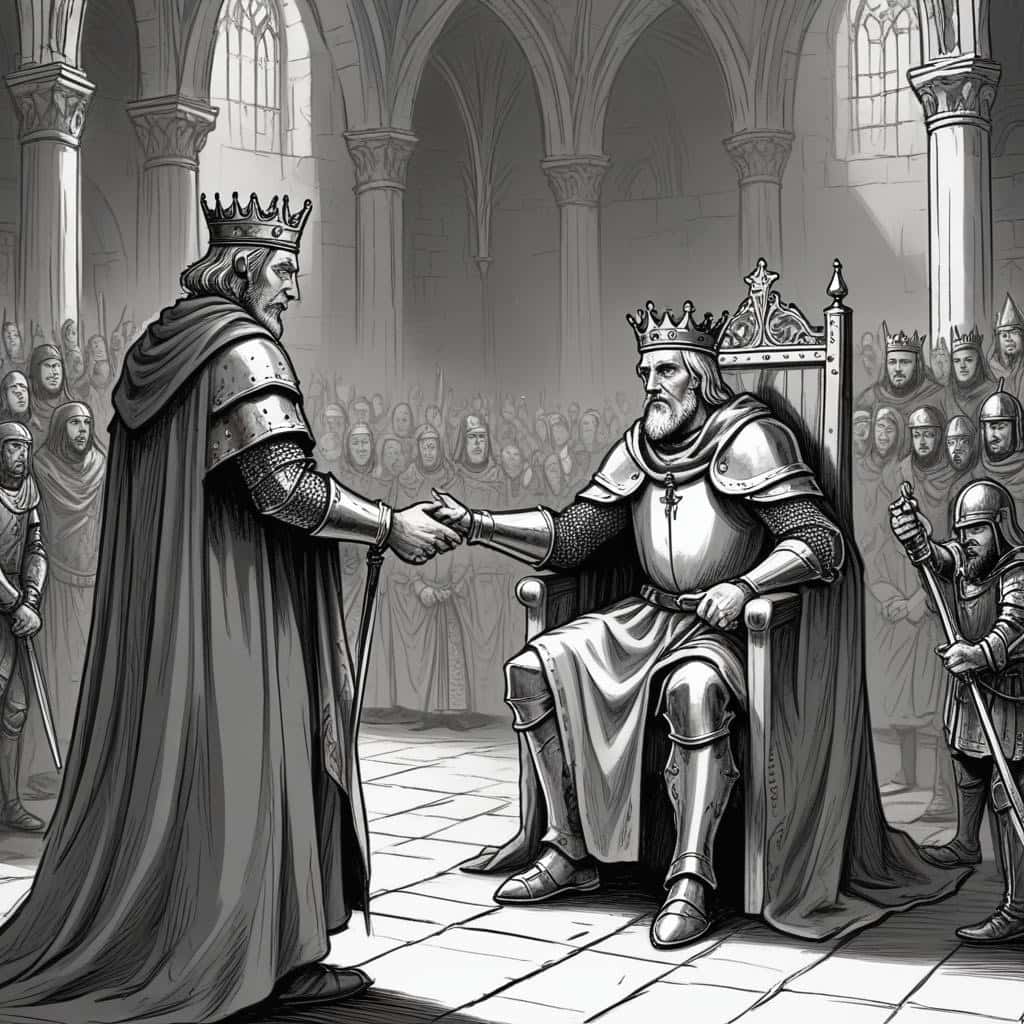

Edward the Confessor
Harthacnut
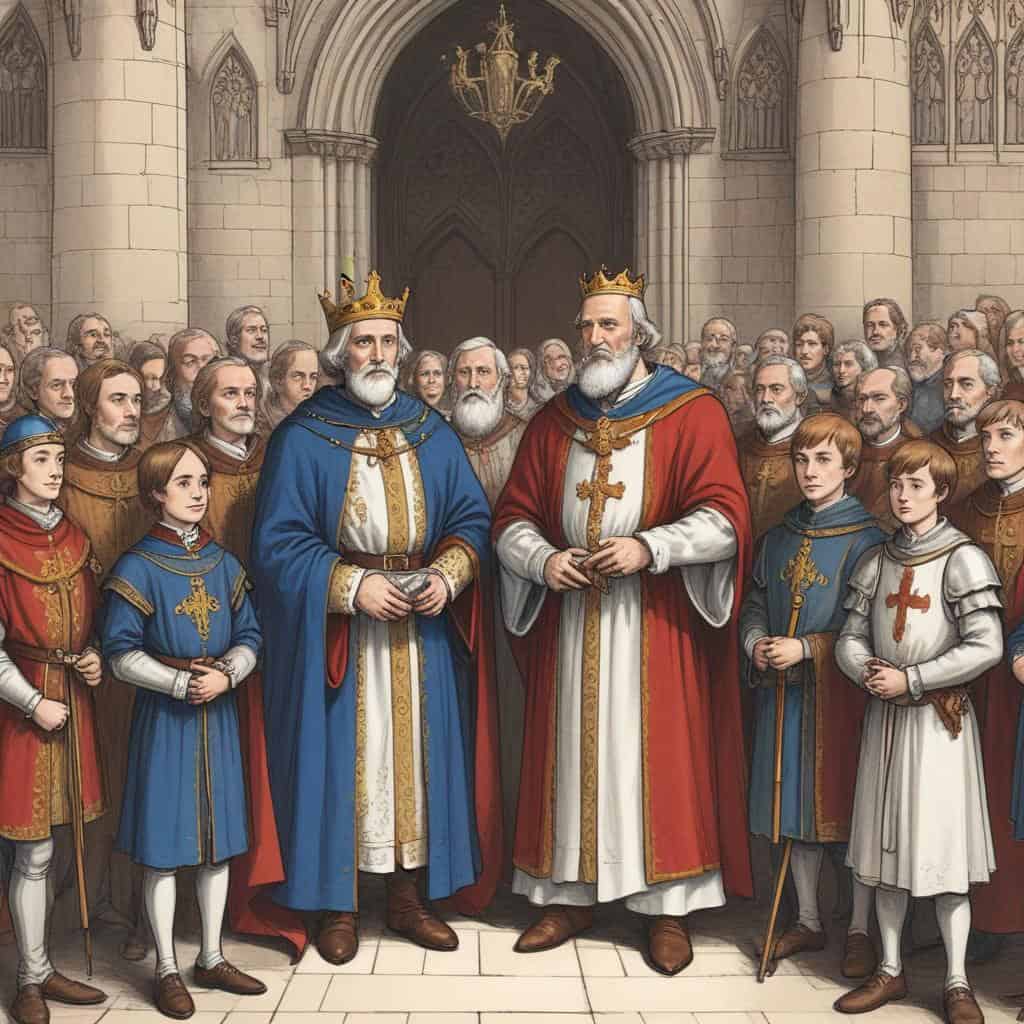
Godwin, Earl of Wessex
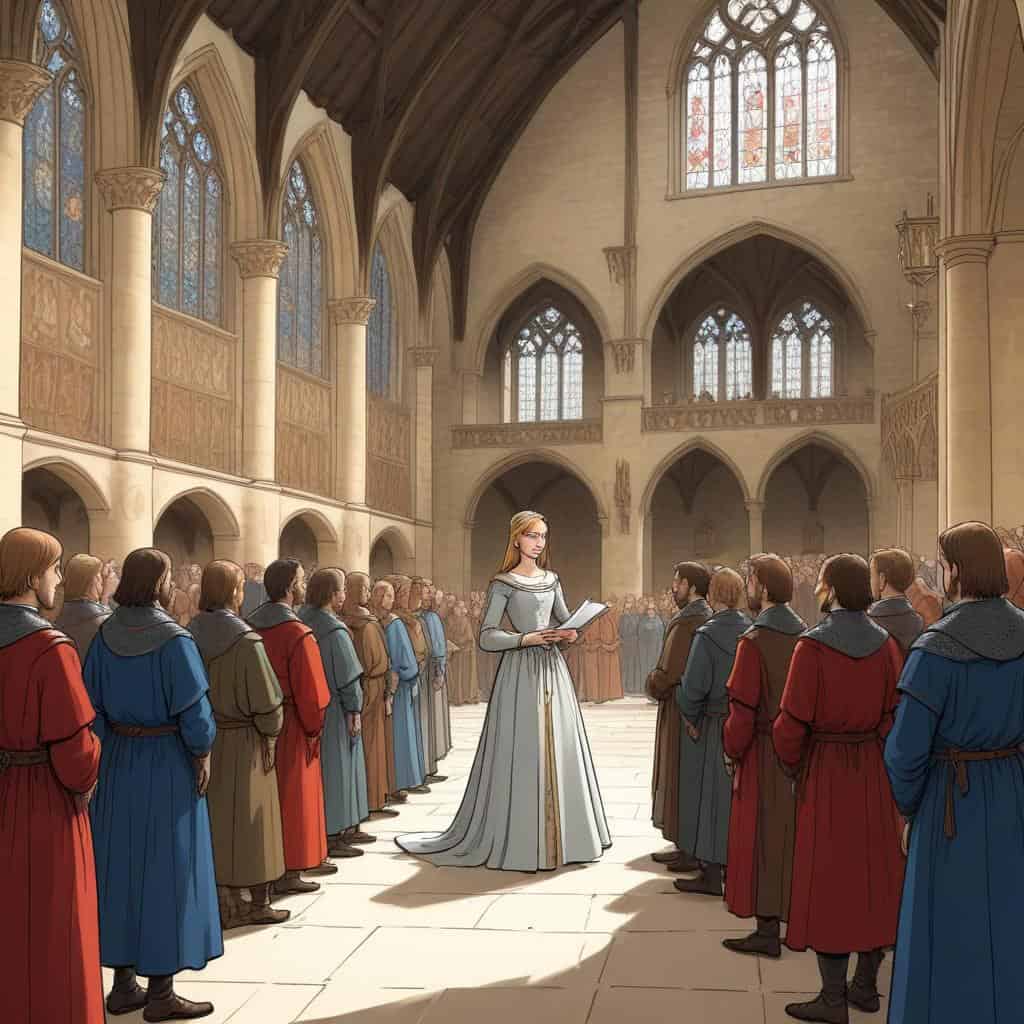
Emma of Normandy
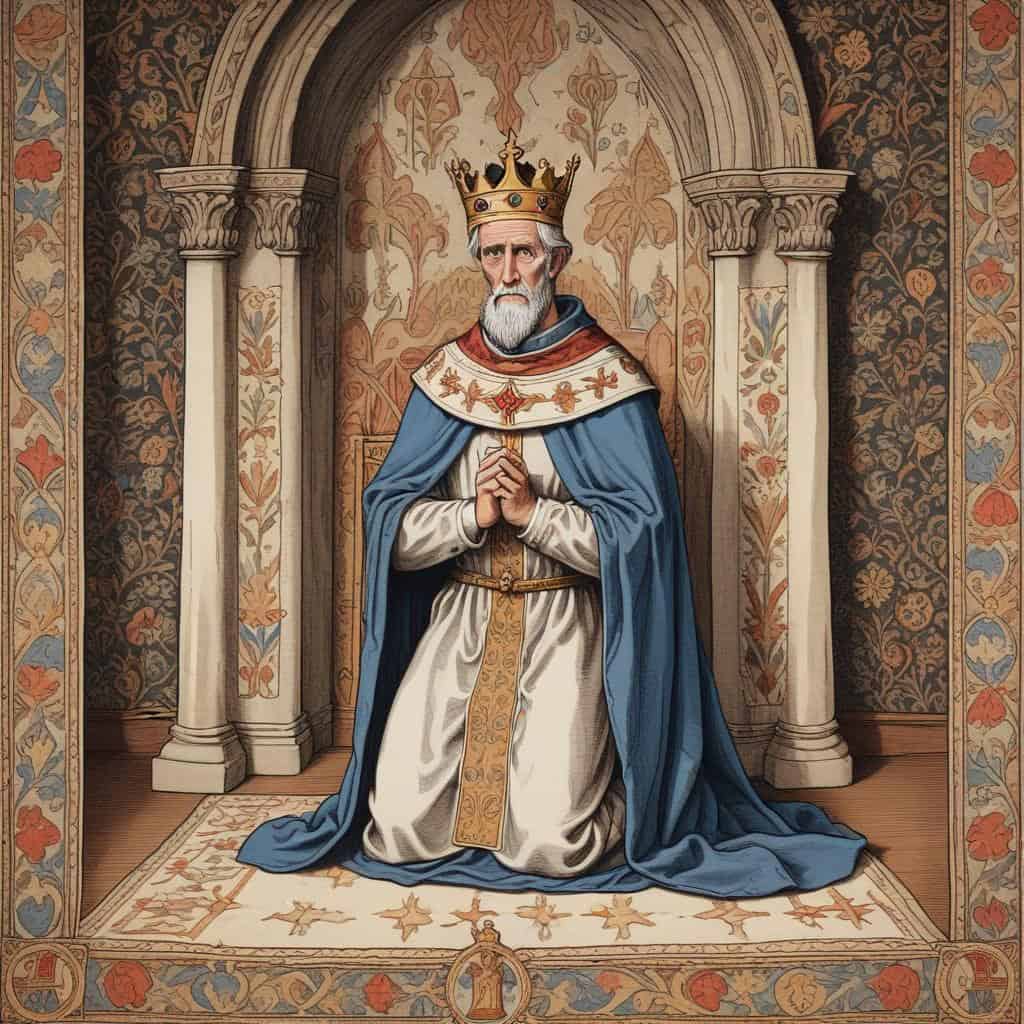
Edward the Confessor Becomes King of England (1042)

Return to England

Struggles for Power

Building of Westminster Abbey

Conflict with William of Normandy

Legacy of Edward the Confessor

Lesson Details & Resources
In a Nutshell
- What: Edward the Confessor becomes King of England
- When: 1042
- Who: Edward the Confessor
- Outcome: Edward the Confessor ascended to the English throne, marking the beginning of his reign that would shape the future of England.
Famous Figures in the Edward the Confessor’s Reign
-
Edward the Confessor
Edward the Confessor becomes King of England in 1042 and rules until his death in 1066.
-
Harold Godwinson
Harold Godwinson, also known as Harold II, is the brother-in-law of Edward the Confessor and becomes King of England after Edward's death.
-
William the Conqueror
William the Conqueror, Duke of Normandy, invades England in 1066 and defeats Harold Godwinson at the Battle of Hastings, establishing himself as King of England.
-
Matilda of Flanders
Matilda of Flanders is the wife of William the Conqueror and becomes Queen of England after his successful invasion.
Timeline of Edward the Confessor’s Reign
Edward the Confessor becomes King of England
Edward marries Edith of Wessex
Edward's dispute with Godwin, Earl of Wessex
Edward's nephew, Edward the Ætheling, returns to England
Edward rebuilds Westminster Abbey
Edward falls ill and his health deteriorates
Harold Godwinson is appointed as Edward's successor
Edward dies at Westminster Palace
Edward is buried at Westminster Abbey
Harold Godwinson is crowned as King of England
Harold Godwinson's reign is challenged by William the Conqueror
Battle of Hastings takes place
Harold Godwinson is killed in the Battle of Hastings
William the Conqueror is crowned as King of England
Norman Conquest of England is completed
Edward the Confessor is canonized as a saint
Edward's shrine at Westminster Abbey becomes a place of pilgrimage
Westminster Abbey is consecrated in honor of Edward the Confessor
Edward the Confessor's feast day is celebrated on 13 October
Edward the Confessor is considered the patron saint of kings and difficult marriages
Vocabulary List
- Edward the Confessor
- Edward the Confessor becomes King of England in 1042.
- King of England
- Edward the Confessor becomes the King of England in 1042.
- Coronation
- Edward the Confessor's coronation took place in 1042.
- Succession
- Edward the Confessor's succession to the throne was a peaceful one.
- Monarchy
- Edward the Confessor strengthened the monarchy during his reign.
- Norman Conquest
- Edward the Confessor's death in 1066 eventually led to the Norman Conquest of England.
- Anglo-Saxon
- Edward the Confessor belonged to the Anglo-Saxon royal house.
- Reign
- Edward the Confessor's reign as King of England lasted from 1042 to 1066.
- Heir
- Edward the Confessor did not have a direct heir, leading to a succession crisis after his death.
- Holy Roman Empire
- Edward the Confessor had close ties with the Holy Roman Empire during his reign.
Key Facts
This is the information used in the fact matching game
- Edward the Confessor became King of England in 1042 after the death of his half-brother Harthacnut.
- Edward the Confessor was the son of King Aethelred the Unready and Emma of Normandy.
- Edward the Confessor was known for his piety and religious devotion, earning him the title 'the Confessor'.
- Edward the Confessor had spent many years in exile in Normandy before ascending to the throne.
- Edward the Confessor was the last king of the House of Wessex, which had ruled England since the 9th century.
- Edward the Confessor's reign was marked by relative peace and stability in England.
- Edward the Confessor was known for his patronage of the arts and building projects, including the construction of Westminster Abbey.
- Edward the Confessor had no children, leading to a succession crisis after his death.
- Edward the Confessor was canonized as a saint by the Catholic Church in 1161.
- Edward the Confessor's death in 1066 ultimately led to the Norman Conquest of England by William the Conqueror.
- Edward the Confessor is buried in Westminster Abbey, where his shrine became a popular pilgrimage site in the Middle Ages.
- Edward the Confessor's reign is often seen as a transitional period between the Anglo-Saxon and Norman eras in English history.
- Edward the Confessor was known for his fair and just rule, earning him respect and admiration from his subjects.
- Edward the Confessor's death without a clear heir led to the succession crisis that ultimately resulted in the Norman Conquest.
- Edward the Confessor's reign saw the strengthening of ties between England and Normandy, with many Norman nobles holding positions of power in England.
- Edward the Confessor was known for his generosity and charity towards the poor and needy.
- Edward the Confessor's reign saw the construction of many churches and monasteries in England, as he sought to promote religious devotion.
- Edward the Confessor's death on January 5, 1066, marked the end of his reign and the beginning of a turbulent period in English history.
- Edward the Confessor's reputation as a holy and pious king helped to secure his legacy in English history.
- Edward the Confessor was succeeded by Harold Godwinson, who was later defeated by William the Conqueror at the Battle of Hastings.
Analysis & Significance
Immediate Consequences
Edward the Confessor’s ascension to the throne brought stability to England after a period of political turmoil. His reign marked a return to a more peaceful and prosperous era, as he focused on rebuilding the country’s infrastructure and promoting religious unity.
Long-Term Impact
Edward’s rule had a lasting impact on the development of English law and culture. His establishment of Westminster Abbey as a royal church and his patronage of the arts set the stage for the flourishing of English Gothic architecture and literature in the centuries to come.
Cultural Significance Today
Edward the Confessor is remembered as a pious and just ruler, revered for his dedication to the church and his efforts to promote harmony among his subjects. His legacy continues to influence the perception of monarchy in England and serves as a reminder of the importance of leadership that prioritizes the well-being of the nation.
Edward the Confessor’s Reign Games


Take Your Learning Offline
Want a convenient, print-ready study guide for this lesson? Become a Memory Wizards Pro member to unlock the downloadable " Memory Scrolls" for this topic and our entire library!
- ✓ Complete Vocabulary Lists
- ✓ Key Facts & Timelines
- ✓ Beautifully Formatted for Print & Mobile