
Summary of Battle of Maldon (991)
Uncover the legendary clash that shaped Anglo-Saxon history forever.
How Do You Learn Best?
Learn by Reading
Immerse yourself in the 10-minute visual lesson for a comprehensive understanding of the topic.
Learn by Reviewing
Jump directly to the key facts, timeline, and vocabulary lists to build a solid foundation of details.
Learn by Doing
Challenge yourself! Jump straight into the interactive games to learn by trial, error, and discovery.
Battle of Maldon in 10 Minutes
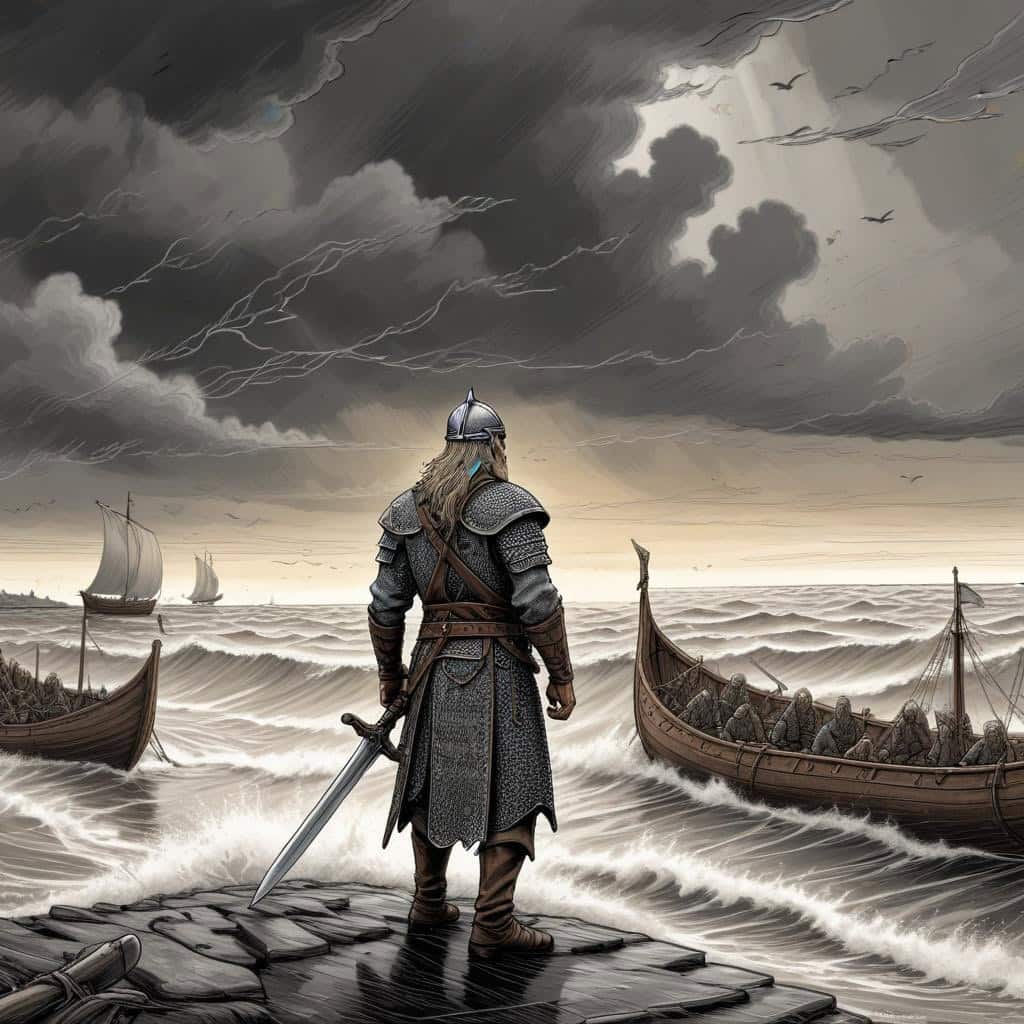
Introduction
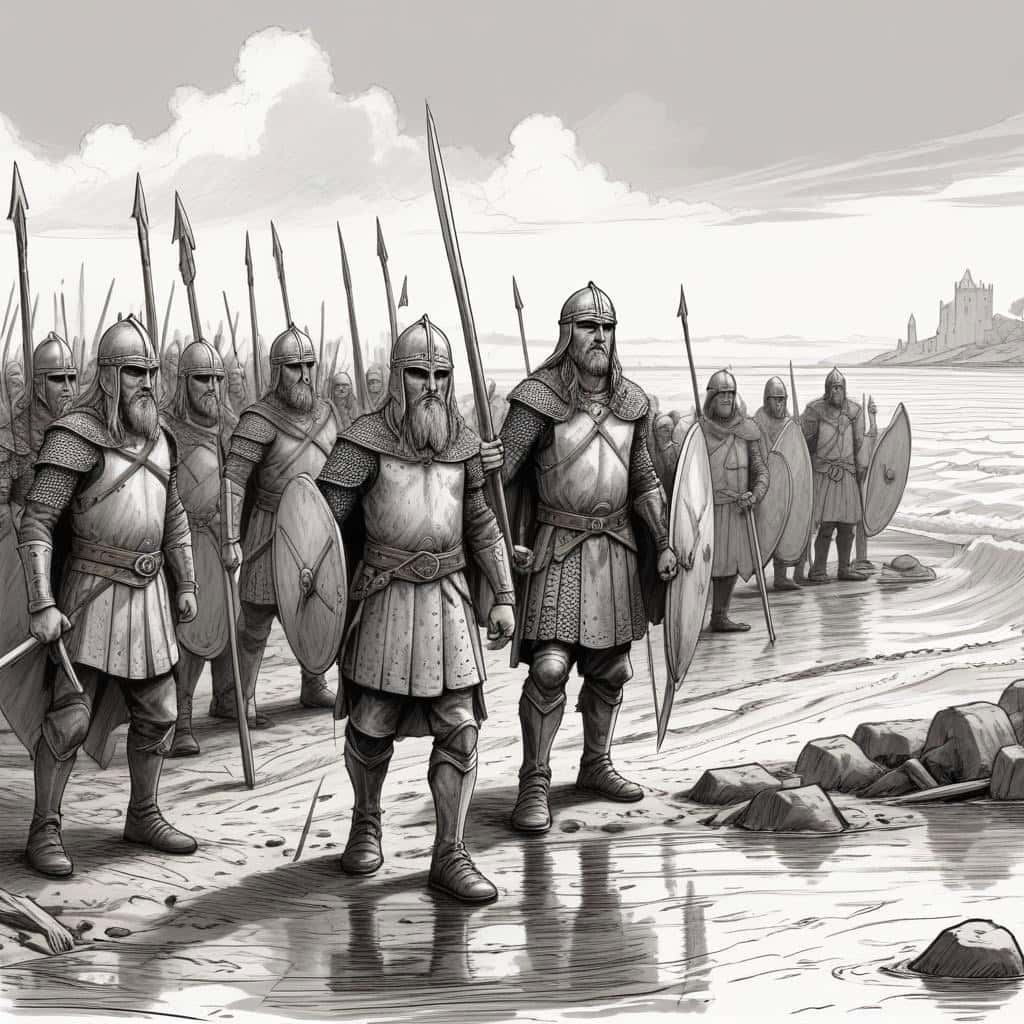
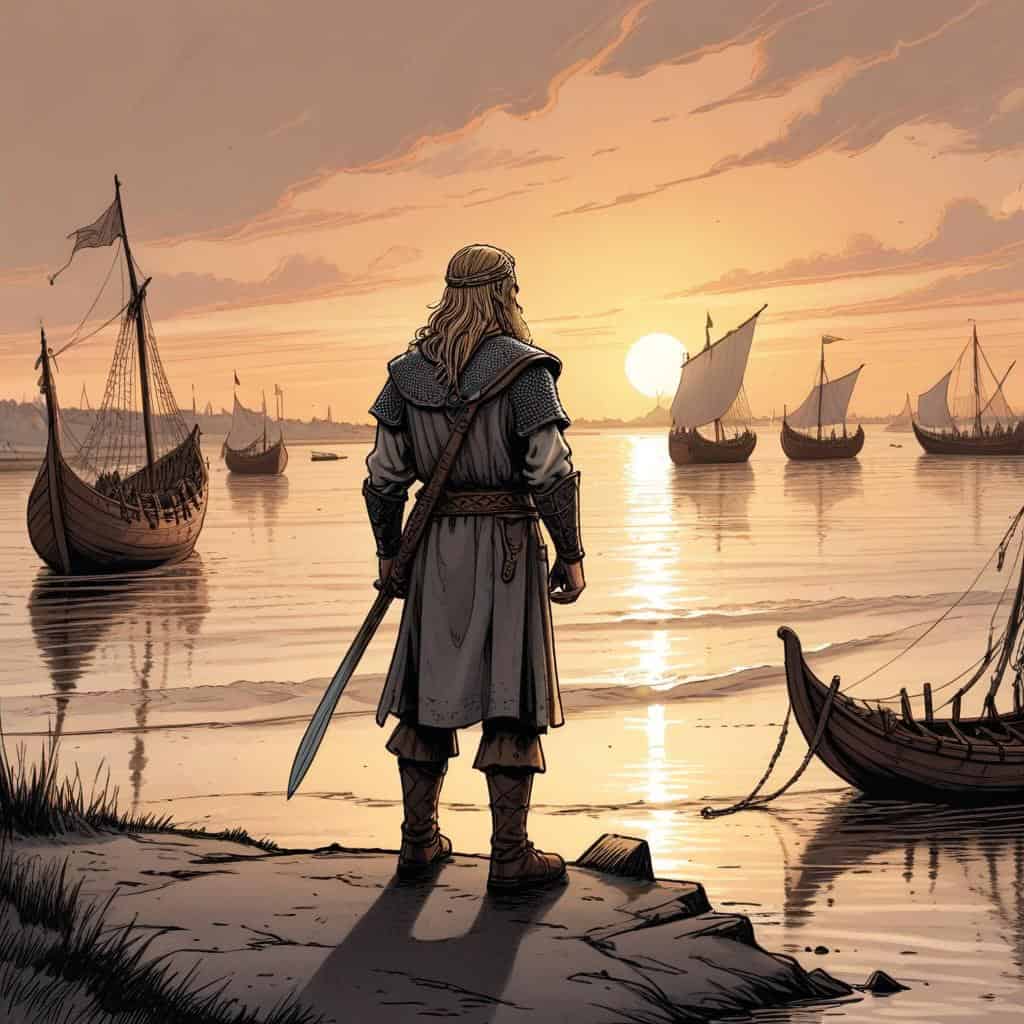
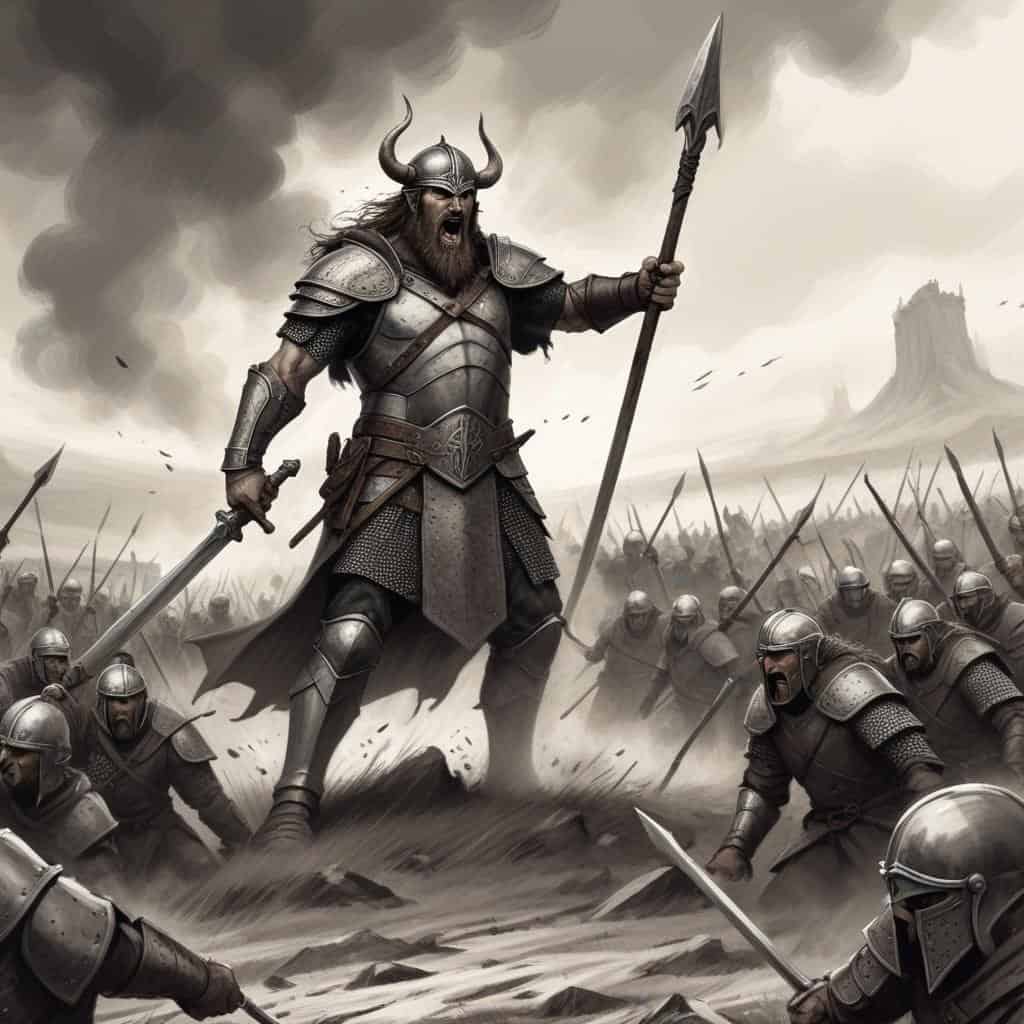
Byrhtnoth
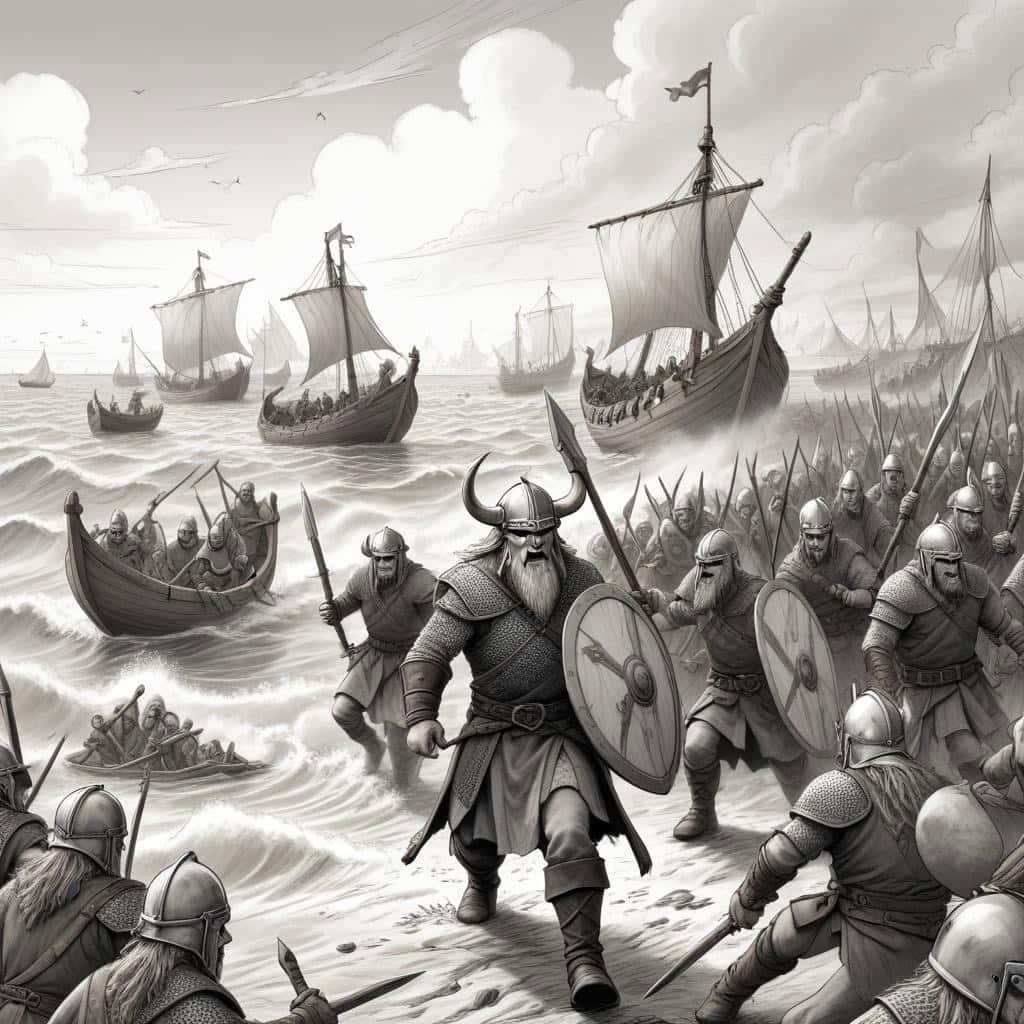
Olaf Tryggvason
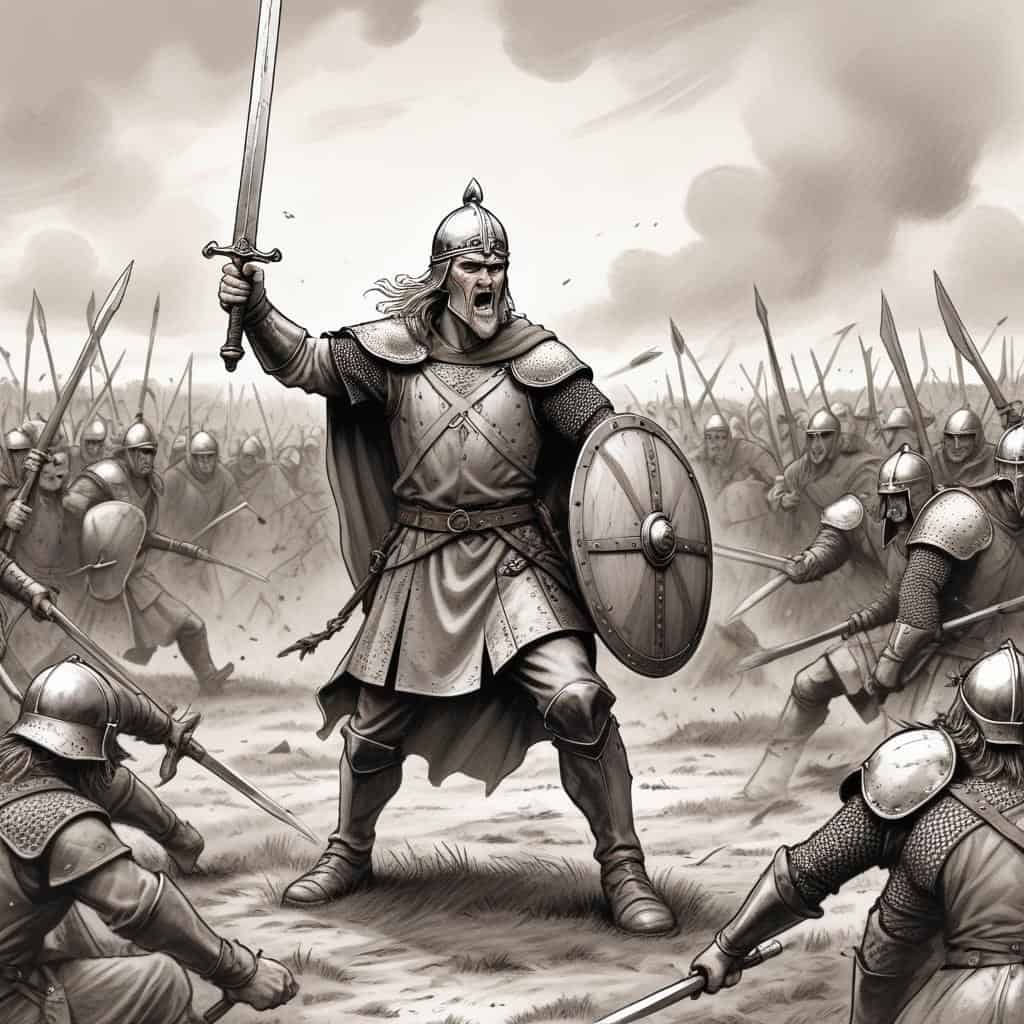
Godric
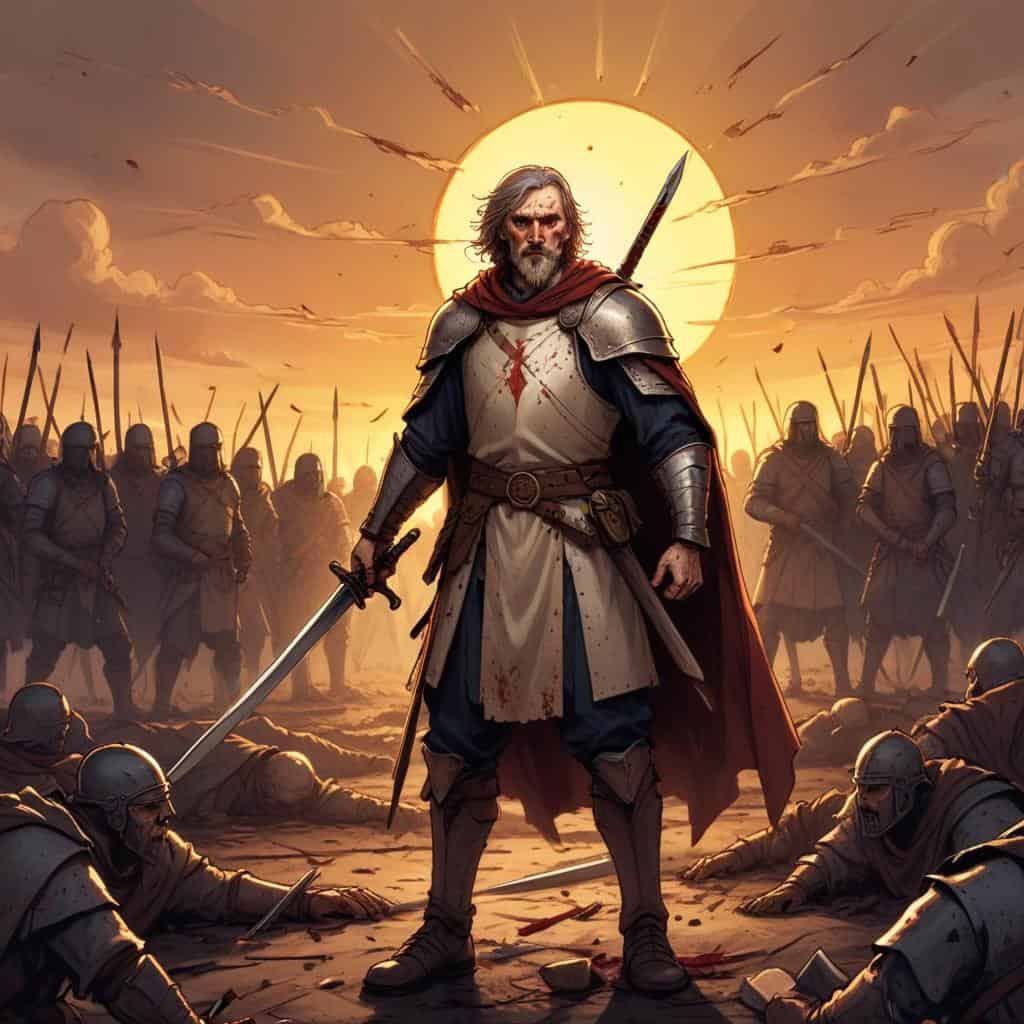
Wulfstan

The Viking Invasion
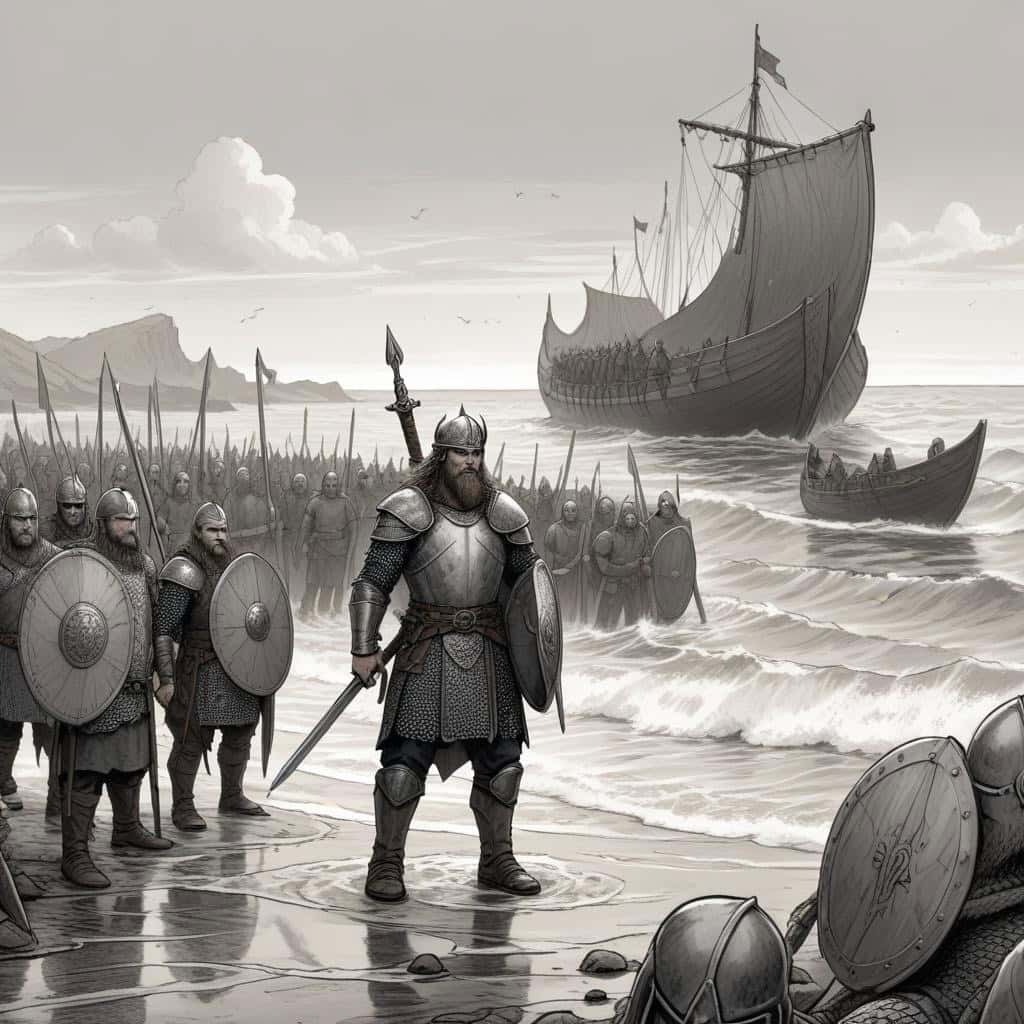
The English Defenders
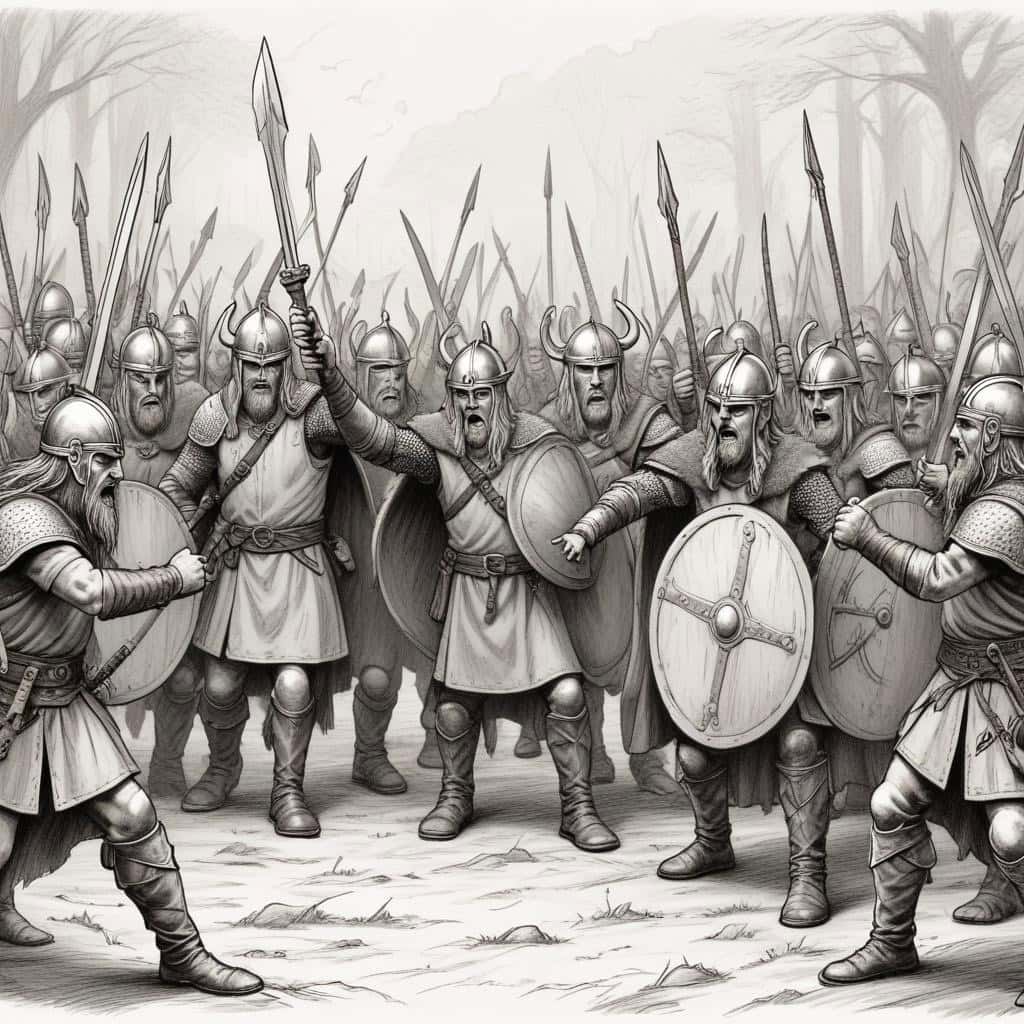
The Negotiations

The Battle Begins

The Death of Byrhtnoth

The Heroic Stand

The Betrayal

The Aftermath

The Legacy

The Enduring Memory
Lesson Details & Resources
In a Nutshell
- What: A significant battle between the Anglo-Saxons and the Vikings in England.
- When: 991
- Who: Anglo-Saxons led by Byrhtnoth, Vikings led by Olaf Tryggvason.
- Outcome: Viking victory, leading to increased Viking raids in England.
Famous Figures in the Battle of Maldon
-
Byrhtnoth
Byrhtnoth was the Ealdorman of Essex and led the Anglo-Saxon forces in the Battle of Maldon.
-
Olaf Tryggvason
Olaf Tryggvason was a Viking leader who fought against the Anglo-Saxons in the Battle of Maldon.
-
Ealdorman Aelfric
Ealdorman Aelfric was a nobleman who also fought in the Battle of Maldon on the side of the Anglo-Saxons.
-
Bishop Aelfhun
Bishop Aelfhun was a clergyman who supported the Anglo-Saxon forces in the Battle of Maldon.
Timeline of Battle of Maldon
Viking raid on Maldon, Essex
Battle of Maldon begins
Ealdorman Byrhtnoth leads the Anglo-Saxon forces
Initial skirmishes between the Anglo-Saxons and Vikings
Byrhtnoth is killed in battle
Anglo-Saxons begin to retreat
Vikings achieve victory at the Battle of Maldon
Anglo-Saxon poem 'The Battle of Maldon' is composed
The poem is recorded in the Exeter Book
The Battle of Maldon becomes a popular subject for Anglo-Saxon literature
Byrhtnoth is celebrated as a heroic figure in Anglo-Saxon culture
The Battle of Maldon is remembered in English national history
Byrhtnoth's body is buried at Ely Cathedral
Vikings continue raids along the coast of England
Anglo-Saxons mourn the loss at the Battle of Maldon
The Battle of Maldon is commemorated in various forms of art and literature
The defeat at Maldon leads to increased fortification of coastal towns in England
The Battle of Maldon is remembered as a symbol of English resistance against Viking invasions
The legacy of the Battle of Maldon lives on in English folklore and historical accounts
The battle is studied by historians and scholars for its significance in Anglo-Saxon history
Vocabulary List
- Ealdorman
- The Ealdorman of Essex, Byrhtnoth, led the Anglo-Saxon forces in the Battle of Maldon.
- Vikings
- The Vikings, led by Olaf Tryggvason, invaded England and clashed with the Anglo-Saxons at Maldon.
- Thegn
- Byrhtnoth's loyal thegns fought bravely alongside him in the battle.
- Fyrd
- The Anglo-Saxon fyrd, or militia, was called upon to defend against the Viking invaders.
- Shield wall
- The Anglo-Saxons formed a shield wall to protect themselves from the Viking attacks.
- Feudalism
- The feudal system of land ownership and loyalty played a significant role in the events leading up to the Battle of Maldon.
- Honor
- Byrhtnoth's decision to fight the Vikings despite being outnumbered was motivated by a sense of honor and duty to his people.
- Poetry
- The Battle of Maldon is commemorated in an Old English poem that celebrates the bravery of the Anglo-Saxon warriors.
- Ravens
- According to legend, after Byrhtnoth's death, two ravens circled overhead as a sign of his bravery and sacrifice.
- Retreat
- Some of the Anglo-Saxon warriors chose to retreat from the battlefield rather than face certain defeat.
- Martyrdom
- Byrhtnoth's death in battle was seen as a form of martyrdom and inspired others to continue fighting for their homeland.
Key Facts
This is the information used in the fact matching game
- The Battle of Maldon took place in 991 AD between the English and the Vikings.
- The English were led by Byrhtnoth, the ealdorman of Essex, at the Battle of Maldon.
- The Vikings were led by Olaf Tryggvason, a renowned warrior and future king of Norway.
- The Vikings were seeking tribute from the English in exchange for peace.
- Byrhtnoth refused to pay the tribute and instead chose to fight the Vikings at Maldon.
- The English were defeated at the Battle of Maldon, with Byrhtnoth being killed in the fighting.
- The Anglo-Saxon poem 'The Battle of Maldon' commemorates the events of the battle.
- The poem is written in Old English and provides a detailed account of the battle.
- The poem portrays Byrhtnoth as a heroic figure who valiantly leads his men into battle.
- The Battle of Maldon is considered a significant event in Anglo-Saxon history.
- The battle marked a turning point in the Viking raids on England.
- The Vikings were able to plunder the English countryside following their victory at Maldon.
- Byrhtnoth's death at Maldon was seen as a great loss to the English people.
- The Battle of Maldon is often cited as an example of Anglo-Saxon heroism and loyalty.
- The Vikings were able to exploit divisions among the English nobility to their advantage at Maldon.
- The Battle of Maldon has inspired numerous works of literature and art over the centuries.
- The site of the Battle of Maldon is believed to be near the town of Maldon in Essex, England.
- The events of the Battle of Maldon have been the subject of much historical debate and interpretation.
- The outcome of the Battle of Maldon had lasting consequences for the balance of power in England.
- The Battle of Maldon is remembered as a valiant but ultimately tragic episode in English history.
Analysis & Significance
Immediate Consequences
The Battle of Maldon in 991 resulted in a devastating defeat for the Anglo-Saxons, with many of their warriors slain and their leader, Byrhtnoth, killed in battle. The immediate consequence was a significant blow to the military strength and morale of the Anglo-Saxon kingdom of Essex.
Long-Term Impact
The long-term impact of the Battle of Maldon was profound as it marked a turning point in the history of England. The defeat exposed the vulnerability of the Anglo-Saxon kingdoms to Viking invasions, leading to increased Viking incursions and ultimately paving the way for Danish rule in England.
Cultural Significance Today
The Battle of Maldon remains culturally significant today as it is remembered as a symbol of heroic resistance and sacrifice in the face of overwhelming odds. The story of Byrhtnoth and his warriors continues to inspire and influence modern interpretations of courage, honor, and patriotism in literature, art, and popular culture.
Battle of Maldon Games


Take Your Learning Offline
Want a convenient, print-ready study guide for this lesson? Become a Memory Wizards Pro member to unlock the downloadable " Memory Scrolls" for this topic and our entire library!
- ✓ Complete Vocabulary Lists
- ✓ Key Facts & Timelines
- ✓ Beautifully Formatted for Print & Mobile