
Summary of Conversion of the Anglo-Saxons to Christianity
Unveiling the spiritual transformation that shaped a nation.
How Do You Learn Best?
Learn by Reading
Immerse yourself in the 10-minute visual lesson for a comprehensive understanding of the topic.
Learn by Reviewing
Jump directly to the key facts, timeline, and vocabulary lists to build a solid foundation of details.
Learn by Doing
Challenge yourself! Jump straight into the interactive games to learn by trial, error, and discovery.
Conversion of the Anglo-Saxons to Christianity in 10 Minutes
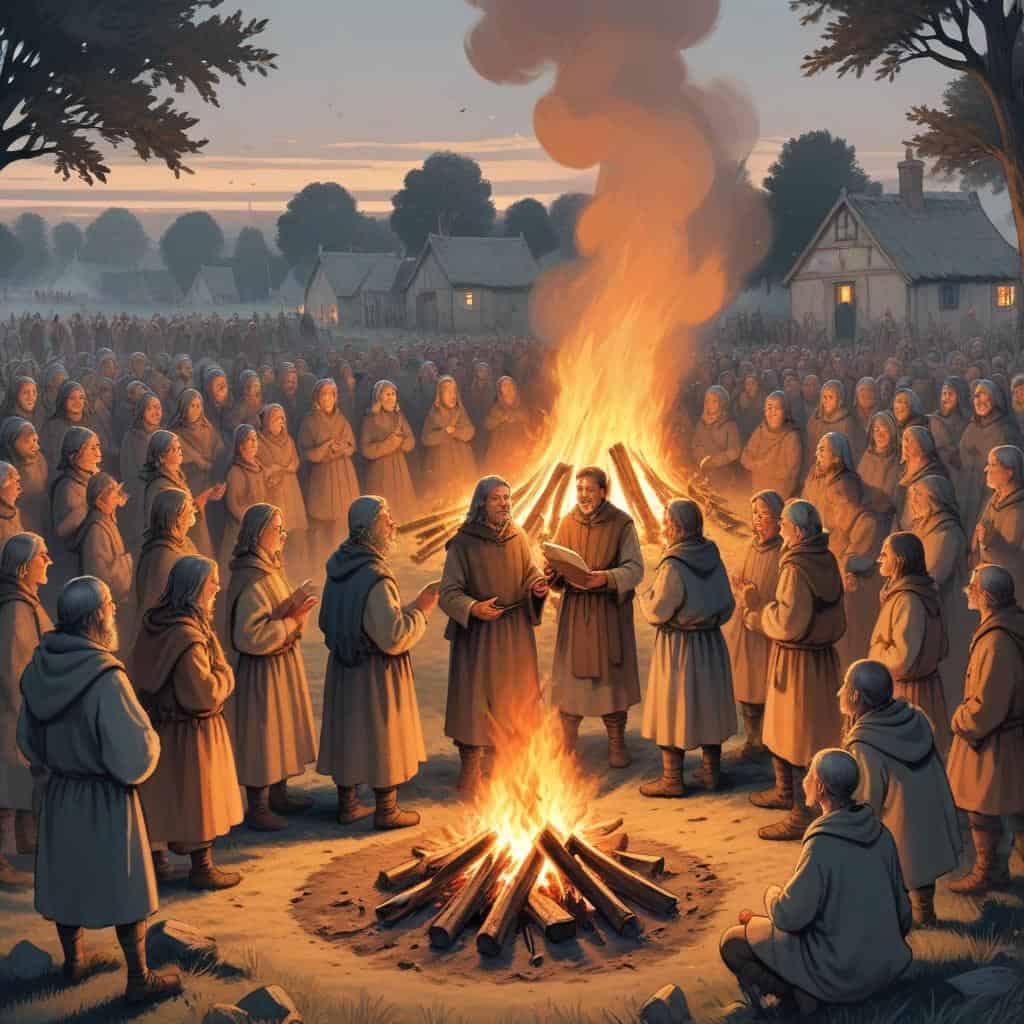
Introduction
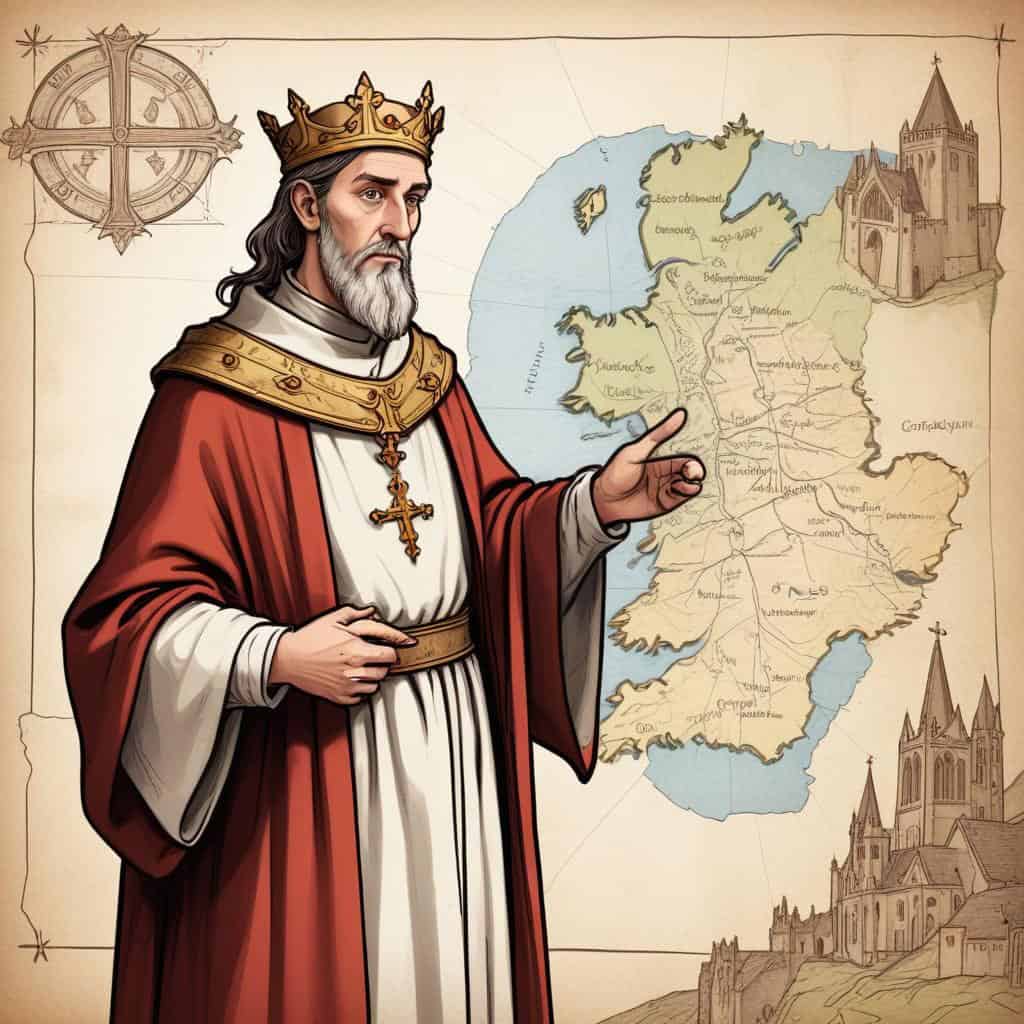
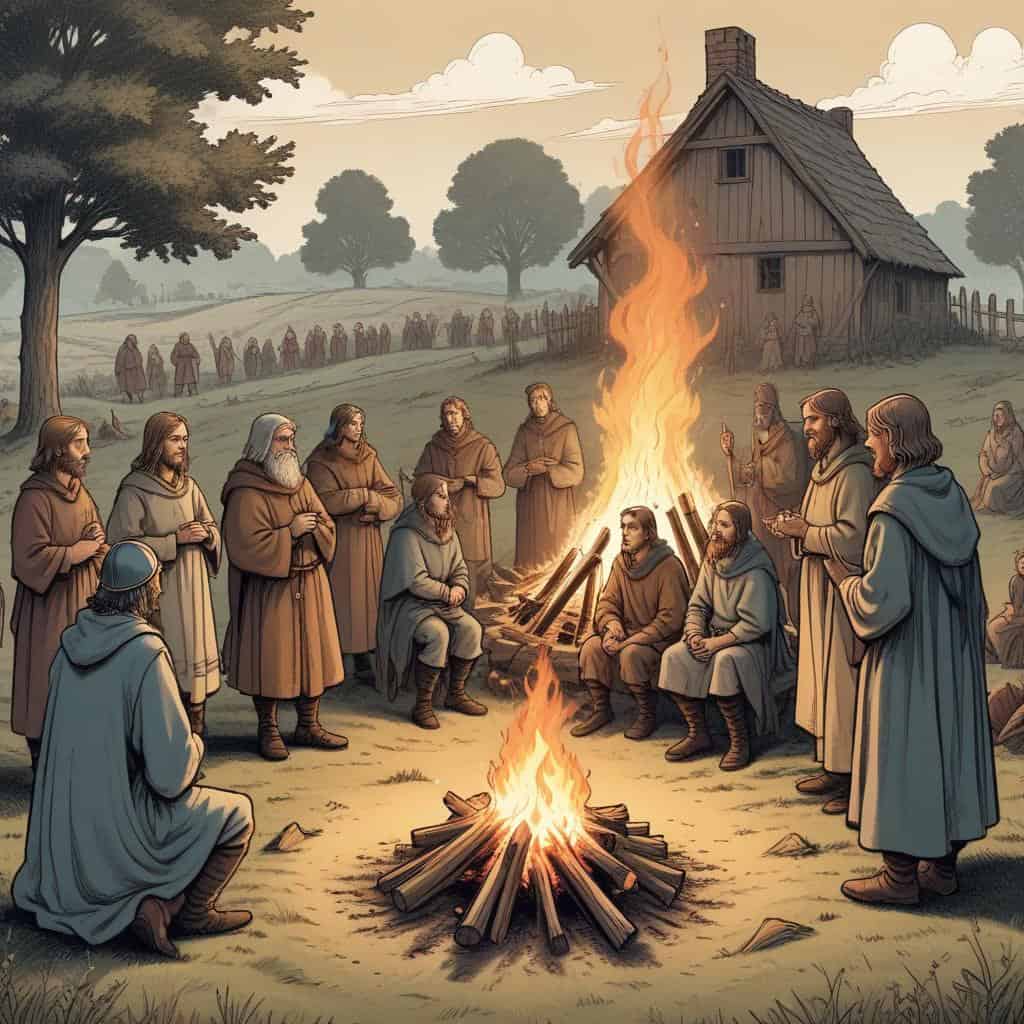

King Æthelberht of Kent
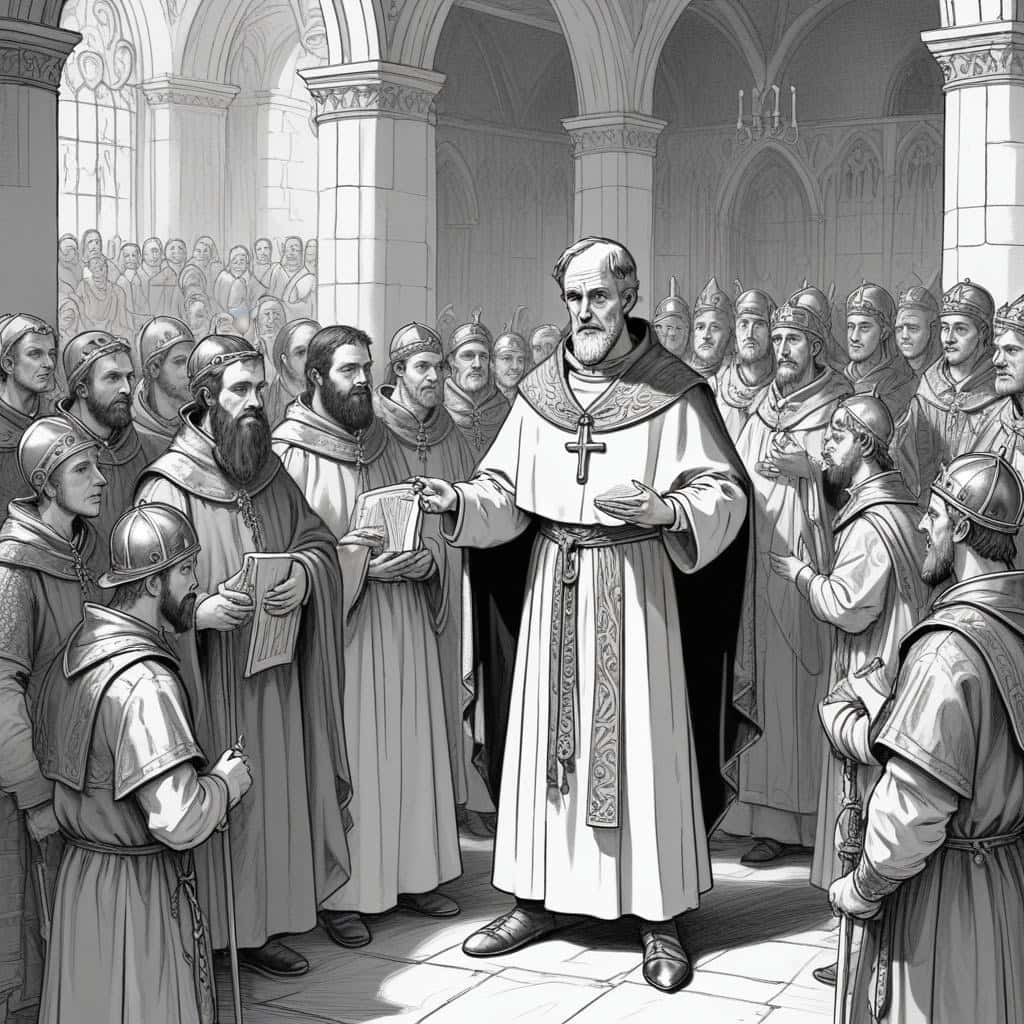
St. Augustine of Canterbury
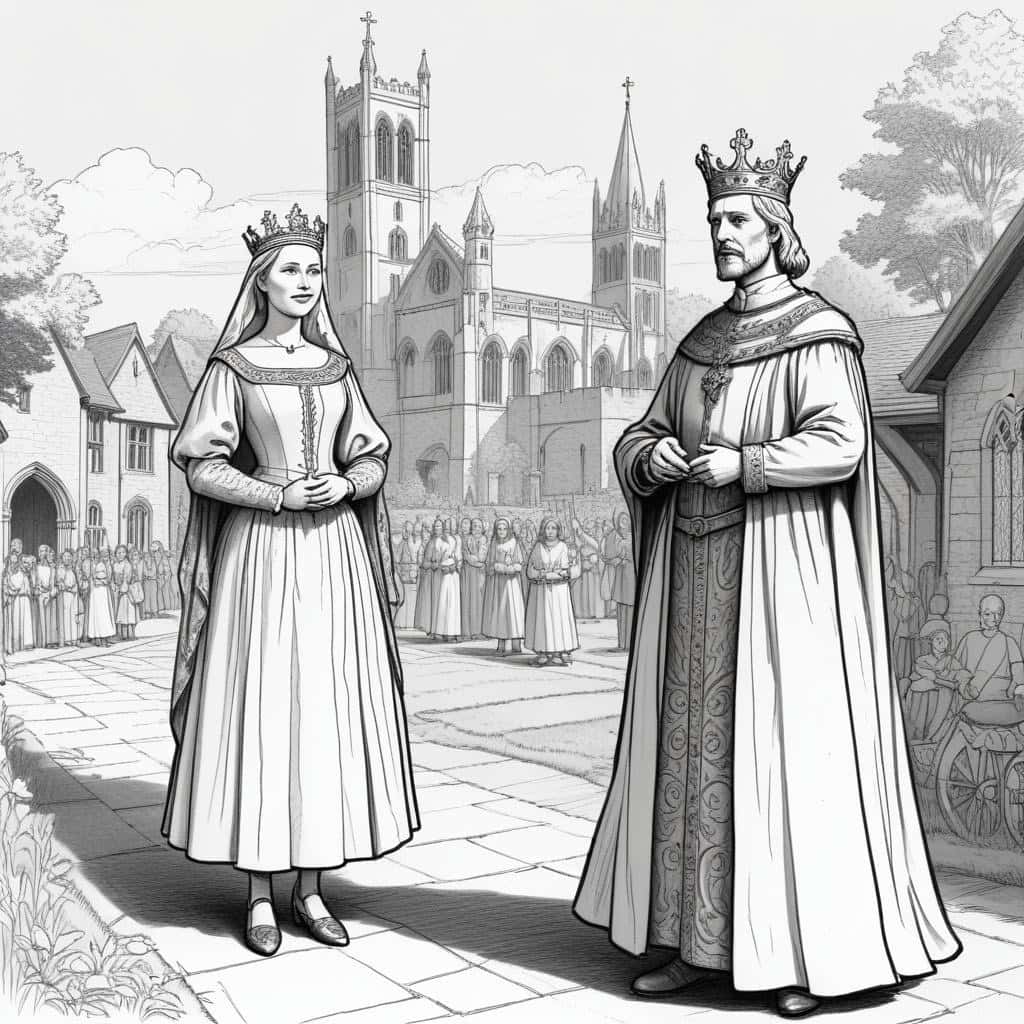
Queen Bertha of Kent
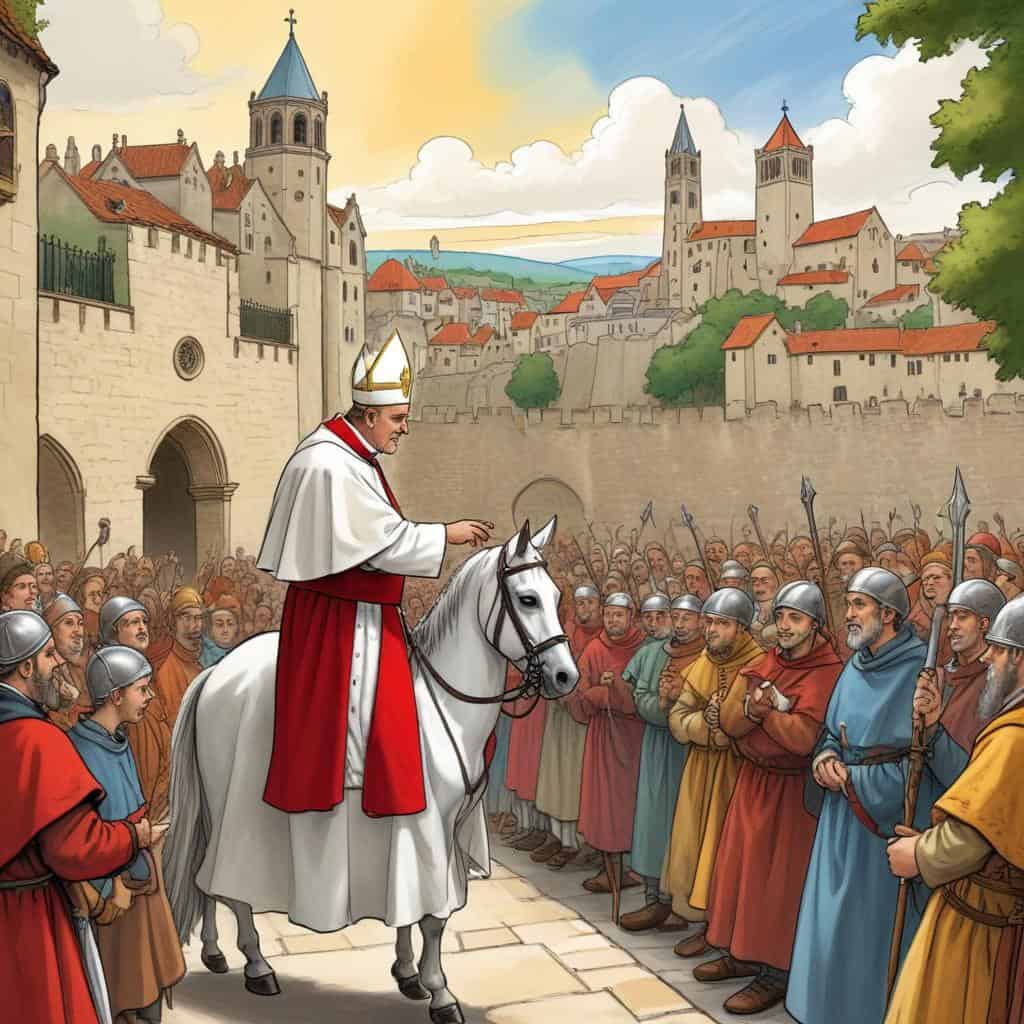
Pope Gregory the Great
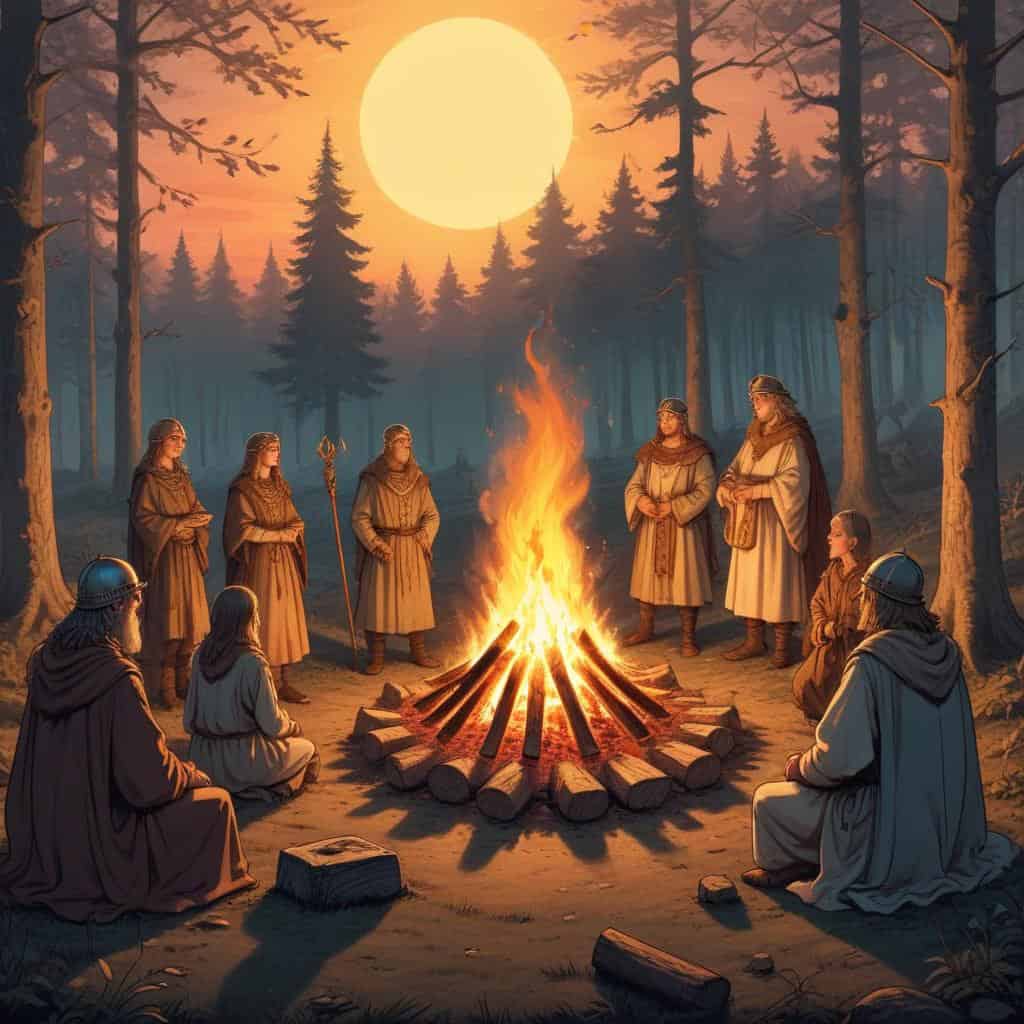
Anglo-Saxon Pagans
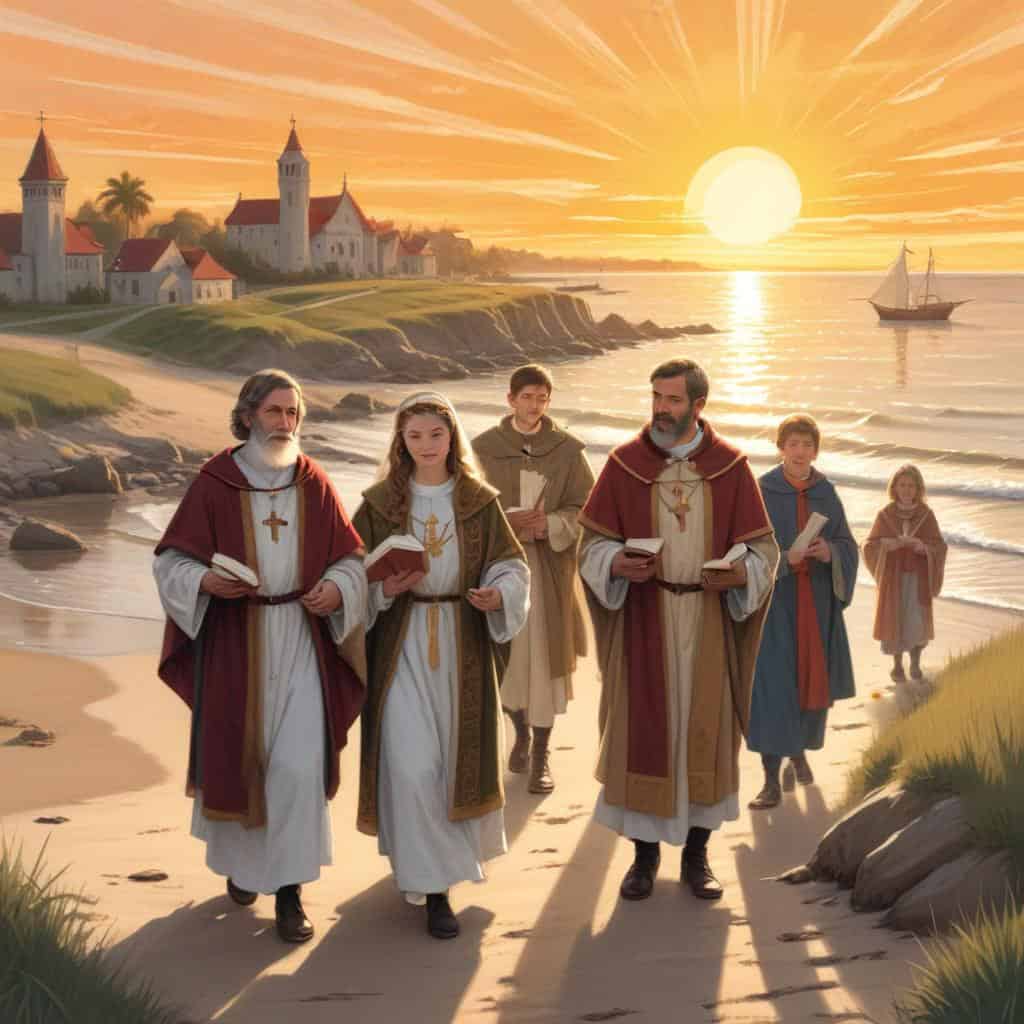
1. Arrival of St. Augustine

2. Conversion of King Aethelberht
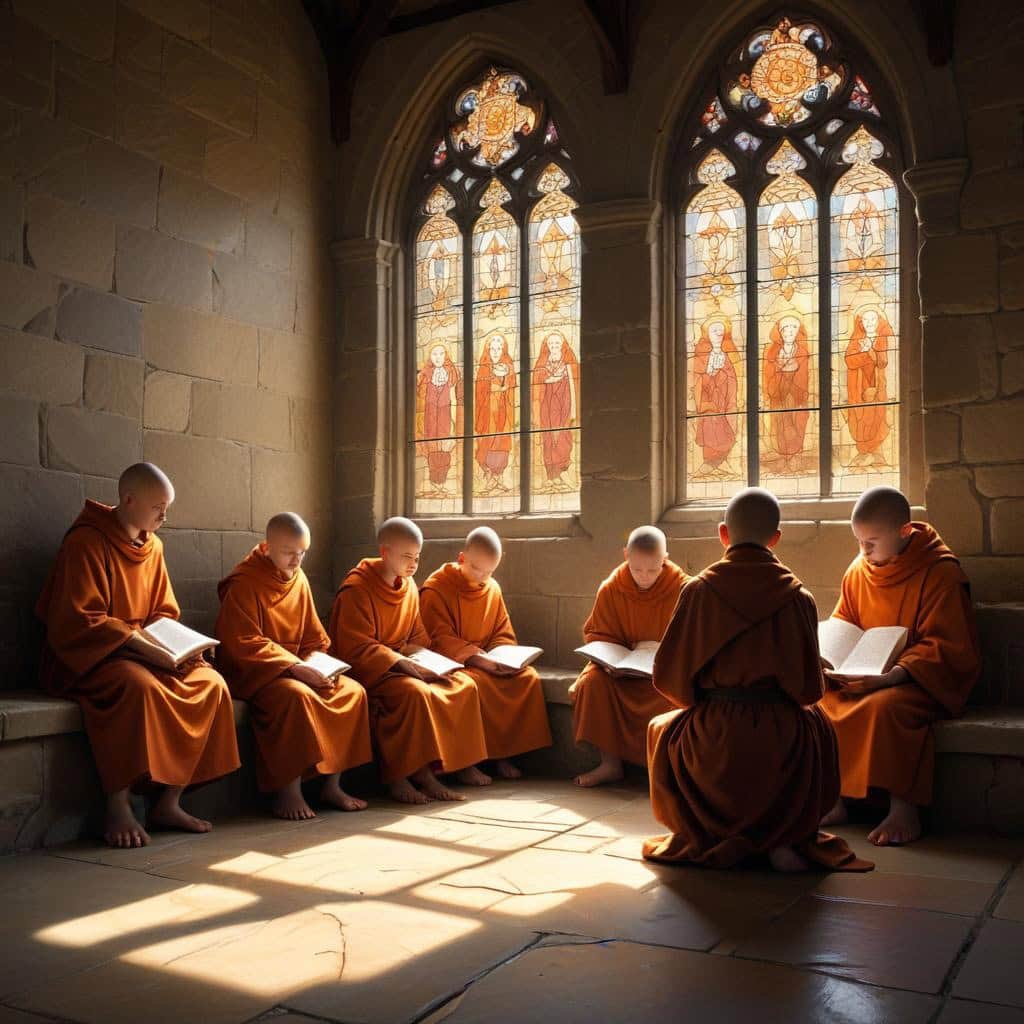
3. Building of Churches
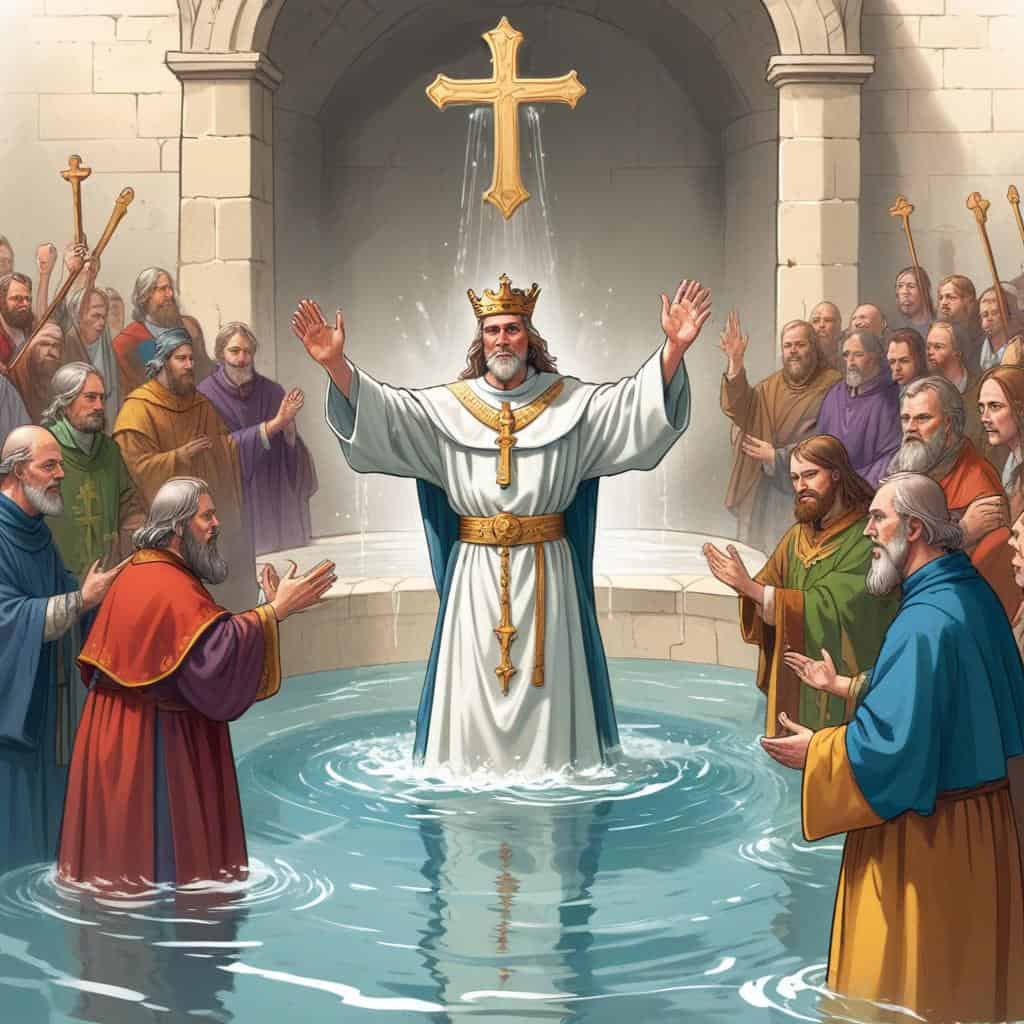
4. Conversion of Other Kingdoms

5. Synod of Whitby

6. Establishment of Monasteries

7. Influence of Royal Patronage

8. Conversion of the Masses

9. Integration of Christian Practices

10. Legacy of the Anglo-Saxon Conversion
Lesson Details & Resources
In a Nutshell
- What: The conversion of the Anglo-Saxons to Christianity
- When: 597
- Who: St. Augustine of Canterbury, King Aethelberht of Kent
- Outcome: Establishment of Christianity in Anglo-Saxon England, paving the way for future religious and cultural developments
Famous Figures in the Conversion of the Anglo-Saxons to Christianity
-
Saint Augustine of Canterbury
Saint Augustine of Canterbury was a Benedictine monk who became the first Archbishop of Canterbury and played a key role in the conversion of the Anglo-Saxons to Christianity.
-
King Æthelberht of Kent
King Æthelberht of Kent was the first Anglo-Saxon king to convert to Christianity under the influence of Saint Augustine of Canterbury.
-
Pope Gregory I
Pope Gregory I, also known as Gregory the Great, sent Saint Augustine of Canterbury on a mission to convert the Anglo-Saxons and played a significant role in the Christianization of England.
Timeline of Conversion of the Anglo-Saxons to Christianity
Pope Gregory I sends Augustine to England to convert the Anglo-Saxons
Augustine arrives in Kent and meets with King Æthelberht
King Æthelberht's wife, Queen Bertha, who is already Christian, helps facilitate the conversion process
King Æthelberht is baptized on Christmas Day
Many of King Æthelberht's subjects begin to convert to Christianity
Augustine establishes the see of Canterbury and becomes the first Archbishop of Canterbury
Augustine establishes the monastery of St. Peter and St. Paul (later known as St. Augustine's Abbey)
Augustine travels to the Kingdom of Essex and converts King Sæberht and his subjects
Christianity spreads to the Kingdom of East Anglia under King Rædwald
The Synod of Whitby takes place, resolving differences between the Celtic and Roman Christian traditions in England
The Lindisfarne Gospels are created, showcasing the spread of Christianity in Anglo-Saxon England
The Venerable Bede writes the Ecclesiastical History of the English People, documenting the conversion of the Anglo-Saxons
Alcuin of York becomes a prominent Christian scholar and advisor to Charlemagne in the Carolingian Empire
The Viking raids threaten the spread of Christianity in Anglo-Saxon England
King Alfred the Great promotes Christian education and literacy in the Kingdom of Wessex
The Benedictine monasteries become centers of learning and culture in Anglo-Saxon England
The Archbishopric of York is established as a rival to the Archbishopric of Canterbury
The Norman Conquest of England brings Norman influence to the Anglo-Saxon Church
The Domesday Book records the state of the Church in England after the Norman Conquest
The English Reformation under King Henry VIII leads to the break from the Roman Catholic Church
Vocabulary List
- Augustine
- Saint Augustine of Canterbury was a Benedictine monk who led the mission to convert the Anglo-Saxons to Christianity in 597.
- Anglo-Saxons
- The Anglo-Saxons were a group of Germanic tribes who inhabited England before the Christian conversion.
- Baptism
- Baptism was a key ritual in the conversion process, symbolizing the cleansing of sins and rebirth in the Christian faith.
- Paganism
- Many Anglo-Saxons practiced pagan religions before converting to Christianity.
- Missionary
- Saint Augustine was a missionary sent by Pope Gregory the Great to convert the Anglo-Saxons.
- Monastery
- Monasteries played a crucial role in the conversion of the Anglo-Saxons, serving as centers for learning and religious instruction.
- Clergy
- The clergy consisted of priests and bishops who administered the sacraments and led the Christian community.
- Synod
- A synod was a council of church leaders convened to discuss and make decisions about religious matters.
- Relic
- Relics of saints were often used to persuade pagans to convert to Christianity, as they were believed to possess miraculous powers.
- Cross
- The cross was a symbol of the Christian faith and was often used in ceremonies and rituals to signify allegiance to Christ.
Key Facts
This is the information used in the fact matching game
- Pope Gregory I sent Augustine to England to convert the Anglo-Saxons to Christianity in 597.
- Augustine landed in Kent, where he was welcomed by King Æthelberht and his wife Bertha, who was already a Christian.
- King Æthelberht eventually converted to Christianity, leading to the conversion of many of his subjects.
- The conversion of the Anglo-Saxons was a gradual process that spread throughout the different kingdoms of England.
- The Anglo-Saxons initially practiced a form of paganism before their conversion to Christianity.
- The Anglo-Saxons adapted some of their pagan practices into Christian rituals, such as the timing of festivals.
- Christian missionaries faced opposition from some Anglo-Saxon rulers who saw Christianity as a threat to their power.
- The conversion of the Anglo-Saxons led to the establishment of monasteries and churches throughout England.
- Christianity brought new forms of art and literature to the Anglo-Saxons, influencing their culture.
- The Anglo-Saxons' conversion to Christianity helped to unify the different kingdoms of England under a common religion.
- The Venerable Bede, an Anglo-Saxon monk, wrote extensively about the conversion of the Anglo-Saxons in his works.
- The conversion of the Anglo-Saxons contributed to the spread of Christianity throughout Europe during the Middle Ages.
- Christianity brought new agricultural techniques and technologies to the Anglo-Saxons, improving their way of life.
- The Anglo-Saxons' conversion to Christianity influenced their legal system, introducing Christian principles of justice and morality.
- Christianity played a role in the education of the Anglo-Saxons, with monasteries becoming centers of learning and scholarship.
- The conversion of the Anglo-Saxons led to the construction of churches and cathedrals, some of which still stand today.
- Christianity introduced new forms of music and liturgy to the Anglo-Saxons, enriching their cultural heritage.
- The Anglo-Saxons' conversion to Christianity had a lasting impact on the development of English language and literature.
- The conversion of the Anglo-Saxons to Christianity marked a significant turning point in the history of England.
Analysis & Significance
Immediate Consequences
Following the conversion of the Anglo-Saxons to Christianity in 597, there was an immediate shift in religious practices and beliefs among the population. Monasteries and churches were built, and the Christian faith began to shape the social and political landscape of the region.
Long-Term Impact
The conversion of the Anglo-Saxons to Christianity had a profound and lasting impact on the history of England. It laid the foundation for the development of a unified Christian kingdom and influenced the cultural and religious identity of the Anglo-Saxon people for centuries to come.
Cultural Significance Today
The conversion of the Anglo-Saxons to Christianity continues to hold cultural significance today. It is remembered as a pivotal moment in the history of Christianity in England and has left a lasting legacy on the country’s religious traditions, art, and architecture.
Conversion of the Anglo-Saxons to Christianity Games


Take Your Learning Offline
Want a convenient, print-ready study guide for this lesson? Become a Memory Wizards Pro member to unlock the downloadable " Memory Scrolls" for this topic and our entire library!
- ✓ Complete Vocabulary Lists
- ✓ Key Facts & Timelines
- ✓ Beautifully Formatted for Print & Mobile