
Pytheas of Massalia: An Explorer’s Biography
The fearless explorer who journeyed to the edge of the known world.
How Do You Learn Best?
Learn by Listening
Start with the 3-minute audio summary to get the key facts and narrative highlights quickly.
Learn by Reading
Immerse yourself in the 10-minute visual lesson for a comprehensive understanding of the topic.
Learn by Reviewing
Jump directly to the key facts, timeline, and vocabulary lists to build a solid foundation of details.
Learn by Doing
Challenge yourself! Jump straight into the interactive games to learn by trial, error, and discovery.
Audio Library
As one of our featured lessons, this topic includes premium audio guides.
Unlock the Wizard's Cram Session
This powerful audio study guide is a Pro-exclusive feature. Upgrade to Memory Wizards Pro to access this and all of our premium learning tools.
Upgrade to ProPytheas of Massalia: An Explorer’s Biography in 10 Minutes
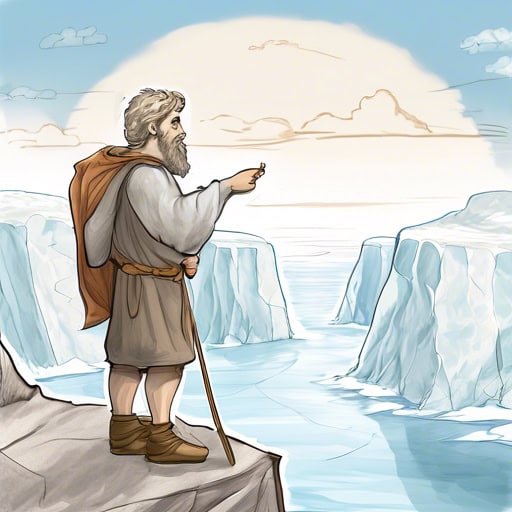
Introduction
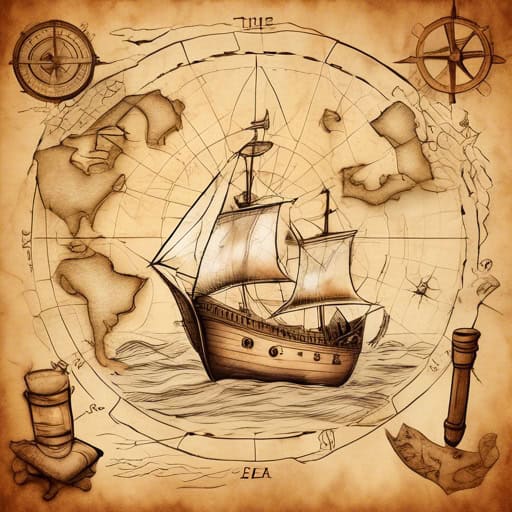

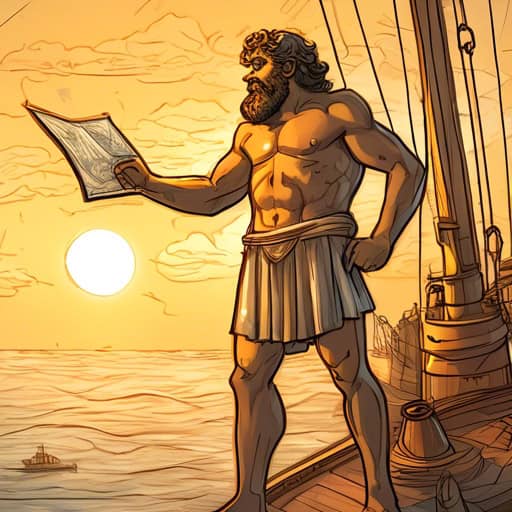
Heracles of Massalia
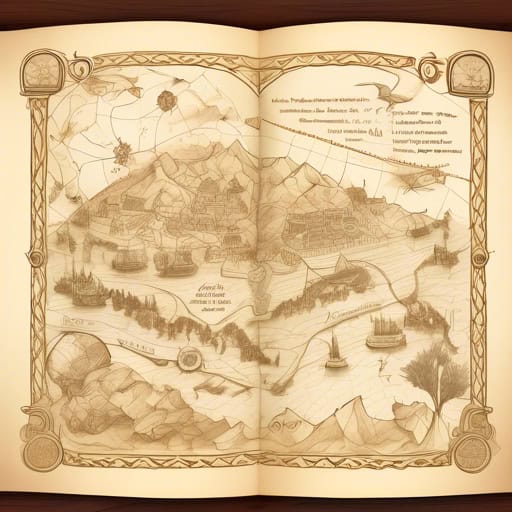
Artemidorus of Ephesus

Timaeus of Tauromenium
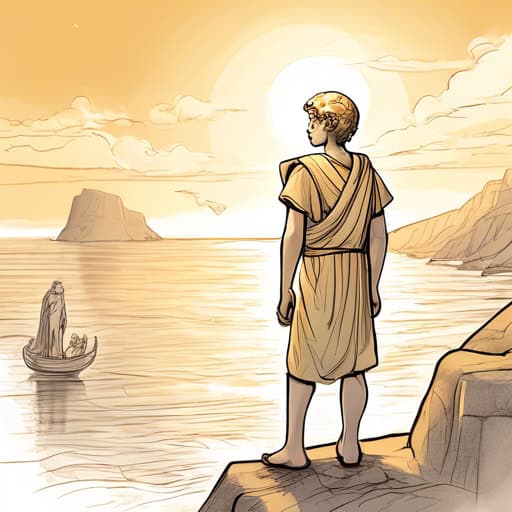
The Early Life of Pytheas
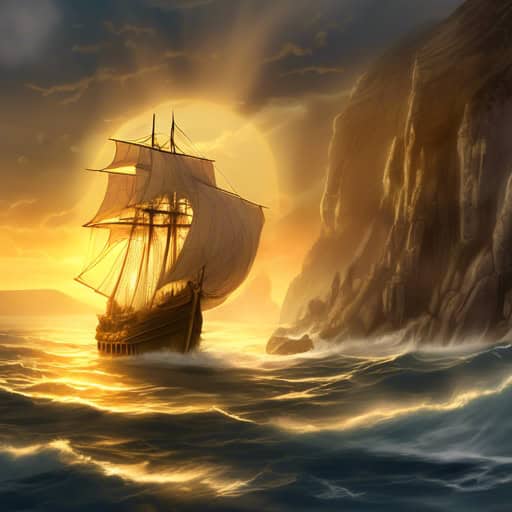
The Journey to the British Isles
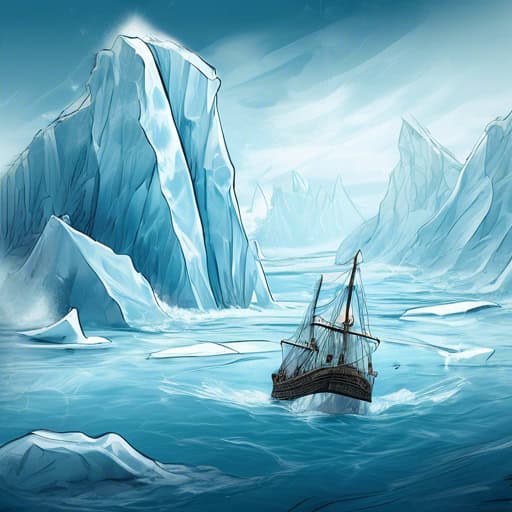
The Voyage to the Arctic Circle
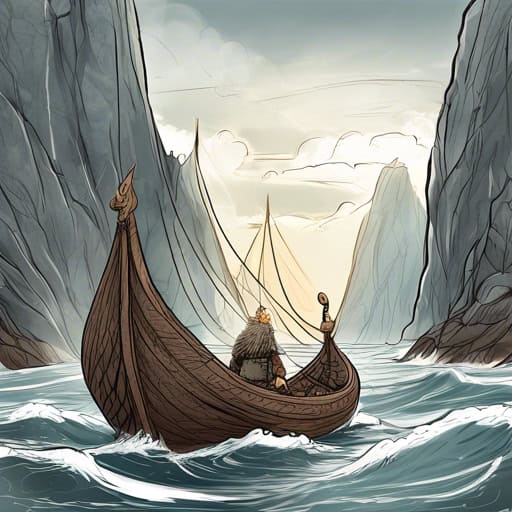
The Exploration of Northern Europe
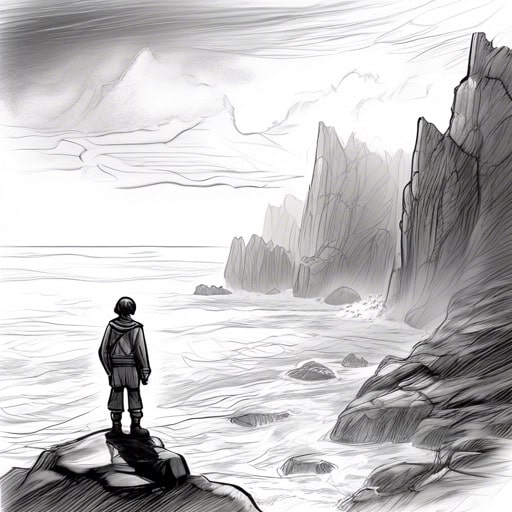
The Discovery of Thule
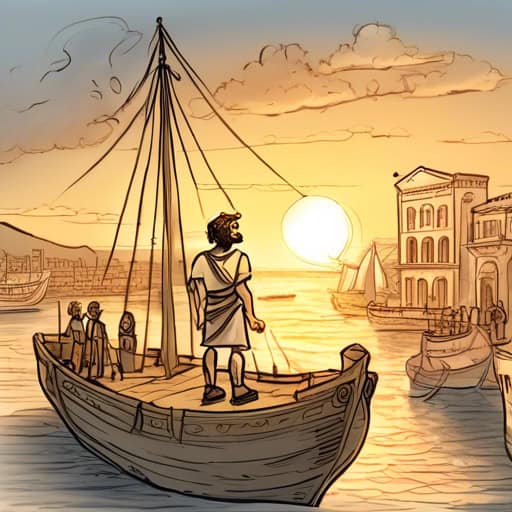
The Return to Massalia
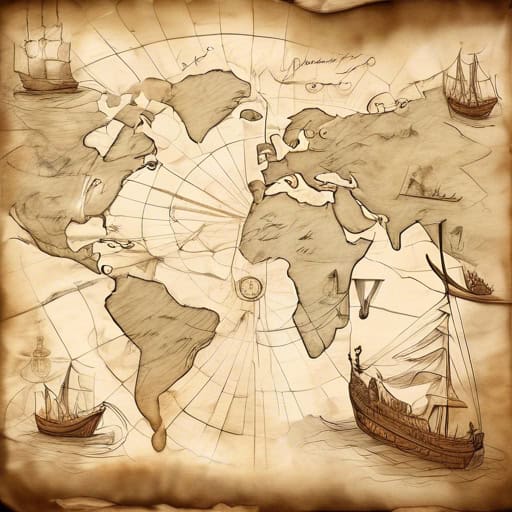
The Legacy of Pytheas
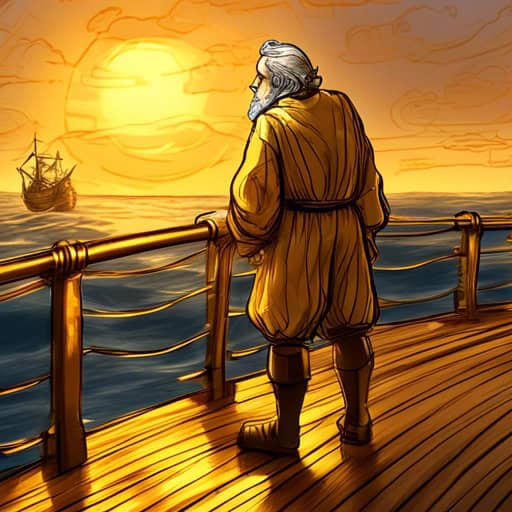
The Impact of Pytheas Journeys
The Mystery of Pytheas Travels

The Enduring Spirit of Exploration
Lesson Details & Resources
In a Nutshell
Explorer and geographer
Lived: 4th century BCE
Most known for his exploration of the northern regions of Europe and the Arctic Circle
Legacy includes being one of the first to document the phenomenon of the Midnight Sun and advancing geographical knowledge of the ancient world
Timeline of Pytheas of Massalia: An Explorer’s Biography
Pytheas is born in Massalia (modern-day Marseille) in ancient Greece.
Pytheas sets sail on his first voyage exploring the Atlantic Ocean.
Pytheas reaches Britain and becomes one of the first Greeks to visit the island.
Pytheas explores the coast of Brittany and reaches as far north as the island of Thule (possibly Iceland).
Pytheas returns to Massalia and begins documenting his voyage.
Pytheas embarks on a second voyage, this time to the northern regions of Europe.
Pytheas reaches the northernmost point of his journey, encountering Arctic phenomena like the midnight sun.
Pytheas visits the Germanic tribes and studies their customs and way of life.
Pytheas returns to Massalia and compiles his observations in a work called 'On the Ocean'.
Pytheas' work 'On the Ocean' becomes widely known and influential in the ancient world.
Pytheas' account of Thule sparks controversy and skepticism among scholars.
Pytheas undertakes a third voyage, this time to the east, exploring the Black Sea region.
Pytheas visits various Greek colonies along the Black Sea coast.
Pytheas reaches the Northern Dvina River (modern-day Russia) on his eastern journey.
Pytheas returns to Massalia and continues to work on his studies and observations.
Pytheas' work on the tides and the moon's influence on them gains attention and recognition.
Pytheas' work inspires other explorers and geographers to venture into unknown territories.
Pytheas' death in Massalia, leaving behind a legacy of exploration and geographical knowledge.
Pytheas' writings are largely lost over time, with only fragments and references remaining.
Pytheas' influence on future explorers and geographers continues to be recognized.
Vocabulary List
- Pytheas
- A Greek geographer and explorer from Massalia (present-day Marseille) in the 4th century BC
- Massalia
- An ancient Greek colony founded by Greeks from Phocaea in the 6th century BC, located in present-day Marseille, France
- Geographer
- A person who studies the physical features, climate, and inhabitants of regions on Earth
- Explorer
- A person who travels to unknown or unfamiliar places in order to discover and learn about them
- 4th century BC
- The period of time between 400 BC and 301 BC
- Phocaea
- An ancient Ionian city located on the western coast of Anatolia (present-day Turkey)
- Colony
- A settlement or territory established and governed by people from another country
- Marseille
- A city in southern France, founded as Massalia by Greek settlers in 600 BC
- Ancient
- Belonging to the very distant past, especially before the fall of the Western Roman Empire in AD 476
- Greek
- Relating to Greece, its inhabitants, or their language
- Physical features
- Characteristics of the Earth's surface, such as mountains, rivers, and valleys
- Climate
- The weather patterns and conditions prevailing in an area over a long period of time
- Inhabitants
- People who live permanently in a particular place or region
- Regions
- Areas or divisions with common characteristics, such as geographical, cultural, or administrative features
- Unknown
- Not known or familiar
- Unfamiliar
- Not known or recognized
- Discover
- To find or become aware of something for the first time
- Learn
- To gain knowledge, understanding, or skill through study, experience, or teaching
- Established
- To set up or create (an organization, system, or set of rules) on a firm or permanent basis
- Governed
- To control or direct the actions and behavior of people or things
- Anatolia
- A large peninsula in western Asia, also known as Asia Minor.
Key Facts
This is the information used in the fact matching game
- Pytheas of Massalia was a Greek geographer and explorer
- He lived during the 4th century BCE
- Pytheas is known for his voyage to the Arctic Circle
- His journey took him to areas such as Britain, Scandinavia, and possibly Iceland
- Pytheas described the tides during his travels
- He was the first known person to mention the midnight sun
- Pytheas calculated the circumference of the Earth
- He theorized that the tides were caused by the moon's gravitational pull
- Pytheas' writings have not survived, but they were referenced by later authors
- He is often criticized for his claim of finding a place called Thule, which is now believed to be Iceland or Norway
- Pytheas' accounts of Thule were described as a place where the land, sea, and air all merged
- Some historians believe that Pytheas may have reached as far as the Arctic Circle
- He is considered one of the first scientific explorers
- Pytheas' voyage inspired other explorers, such as Christopher Columbus
- His work influenced the understanding of geography, cartography, and oceanography
- Pytheas' calculations of the diameter of the Earth were remarkably accurate
- He used various astronomical observations in his calculations
- Pytheas' accounts of the Arctic provided valuable information about the region's climate and natural resources
- His writings were influential in the development of the Roman world's knowledge of the northern regions
- Pytheas' exploration and writings contributed to the expansion of Greek and Roman trade networks.
Analysis & Significance
Major Accomplishments
Pytheas of Massalia was a Greek geographer and explorer who is best known for his voyage to northern Europe, where he made significant discoveries about the geography of the region. He was the first known Greek to have visited and written about the British Isles, Iceland, and possibly even the Arctic Circle.
Impact on the World
Pytheas’ travels and writings had a profound impact on the world as they challenged existing geographical knowledge and expanded the boundaries of the known world. His accounts of the northern regions of Europe influenced later explorers and geographers, shaping their understanding of the world and inspiring further expeditions to explore these distant lands.
Enduring Legacy
Today, Pytheas is remembered as a pioneering figure in the field of geography and exploration. His writings, although fragmentary and often disputed, continue to be studied and referenced by historians, geographers, and archaeologists. Pytheas’ legacy as a daring explorer and scholar endures, cementing his place as a significant historical figure in the annals of ancient Greek history.
Pytheas of Massalia: An Explorer’s Biography Games


Take Your Learning Offline
Want a convenient, print-ready study guide for this lesson? Become a Memory Wizards Pro member to unlock the downloadable " Memory Scrolls" for this topic and our entire library!
- ✓ Complete Vocabulary Lists
- ✓ Key Facts & Timelines
- ✓ Beautifully Formatted for Print & Mobile
Dive Deeper

The Extraordinary Voyage of Pytheas the Greek
Written by the renowned archaeologist Barry W. Cunliffe, this book provides a comprehensive analysis of Pytheas of Massalia's writings on ancient navigations and explorations, making it an essential read for anyone interested in this historical figure.
View on AmazonTo help us keep Memory Wizards running and create more magical learning content, we are a participant in the Amazon Associates Program. If you make a purchase through the links on this page, we may earn a small commission at no extra cost to you. We only recommend resources we believe in.