
Leif Erikson: The Norse Explorer’s Biography
The Viking explorer who discovered North America centuries before Columbus.
How Do You Learn Best?
Learn by Reading
Immerse yourself in the 10-minute visual lesson for a comprehensive understanding of the topic.
Learn by Reviewing
Jump directly to the key facts, timeline, and vocabulary lists to build a solid foundation of details.
Learn by Doing
Challenge yourself! Jump straight into the interactive games to learn by trial, error, and discovery.
Leif Erikson: The Norse Explorer’s Biography in 10 Minutes
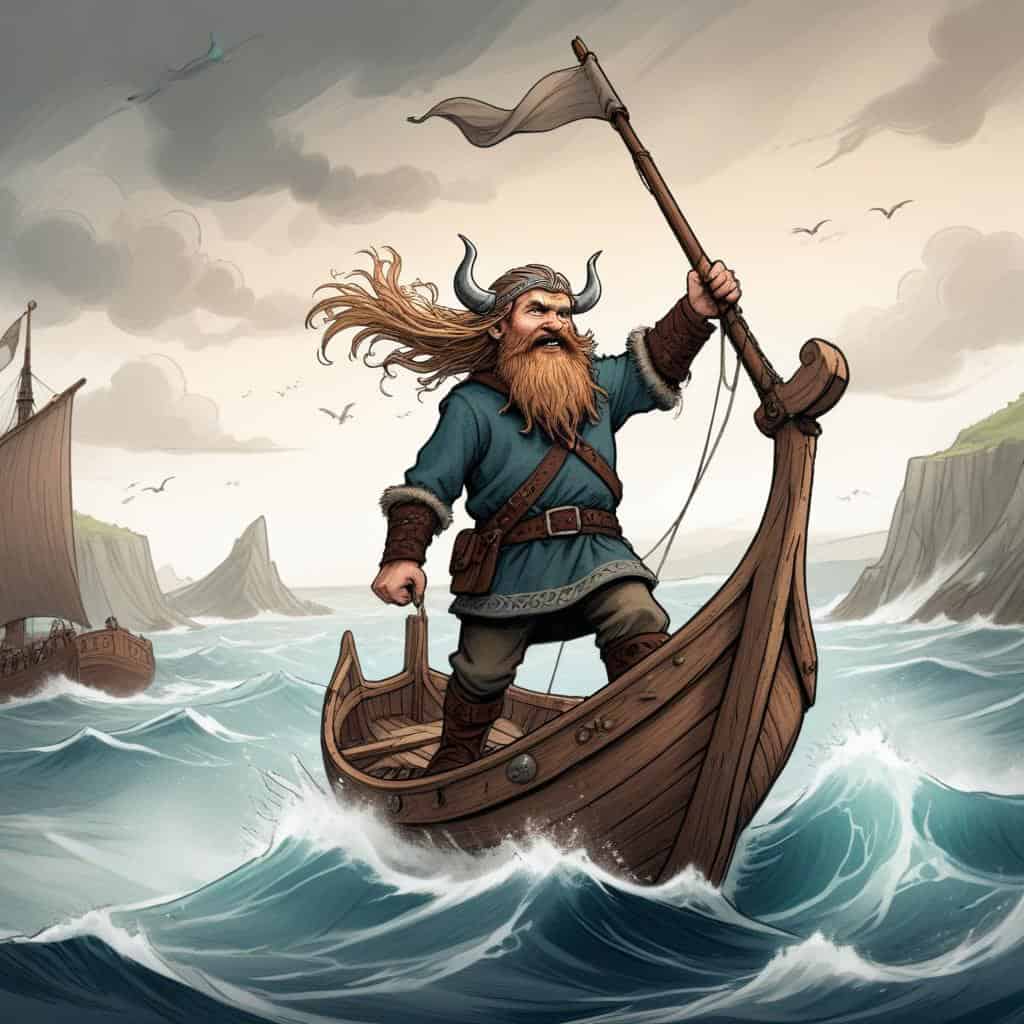
Introduction
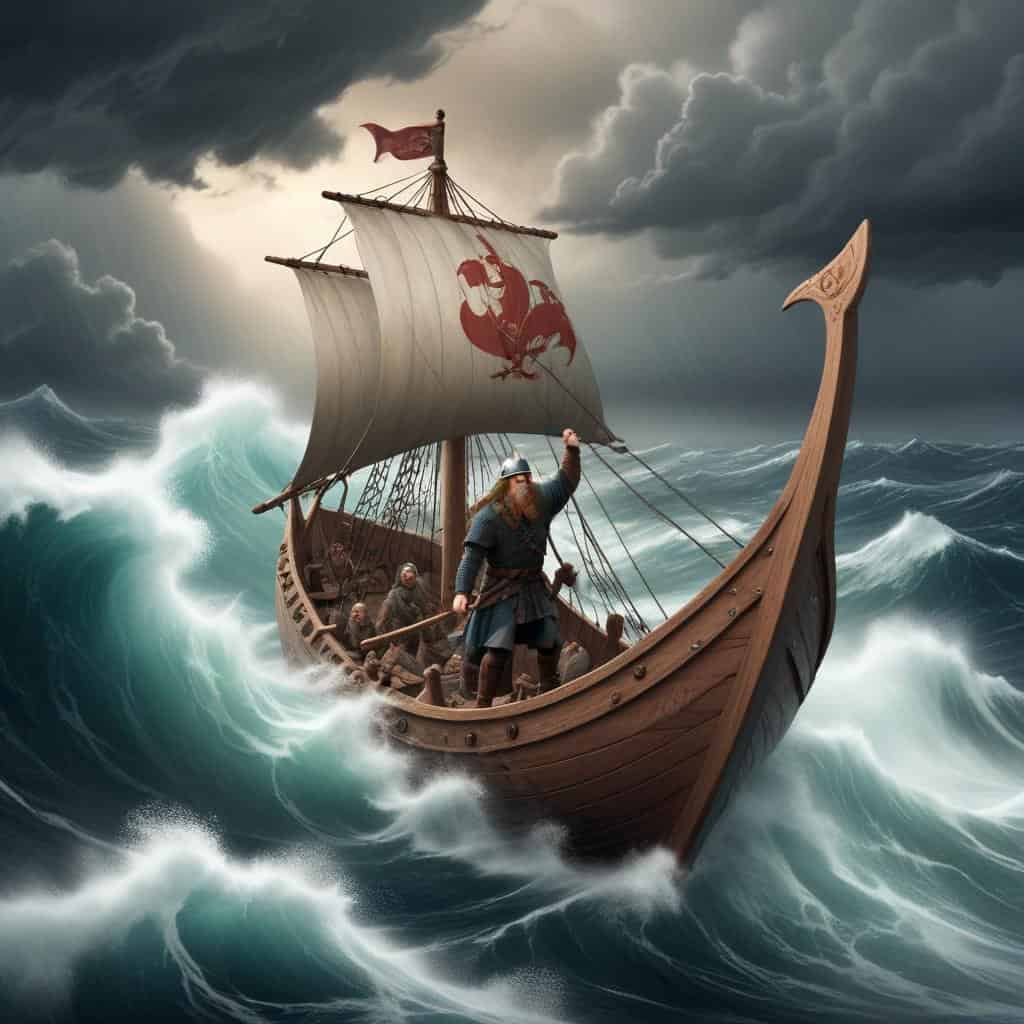
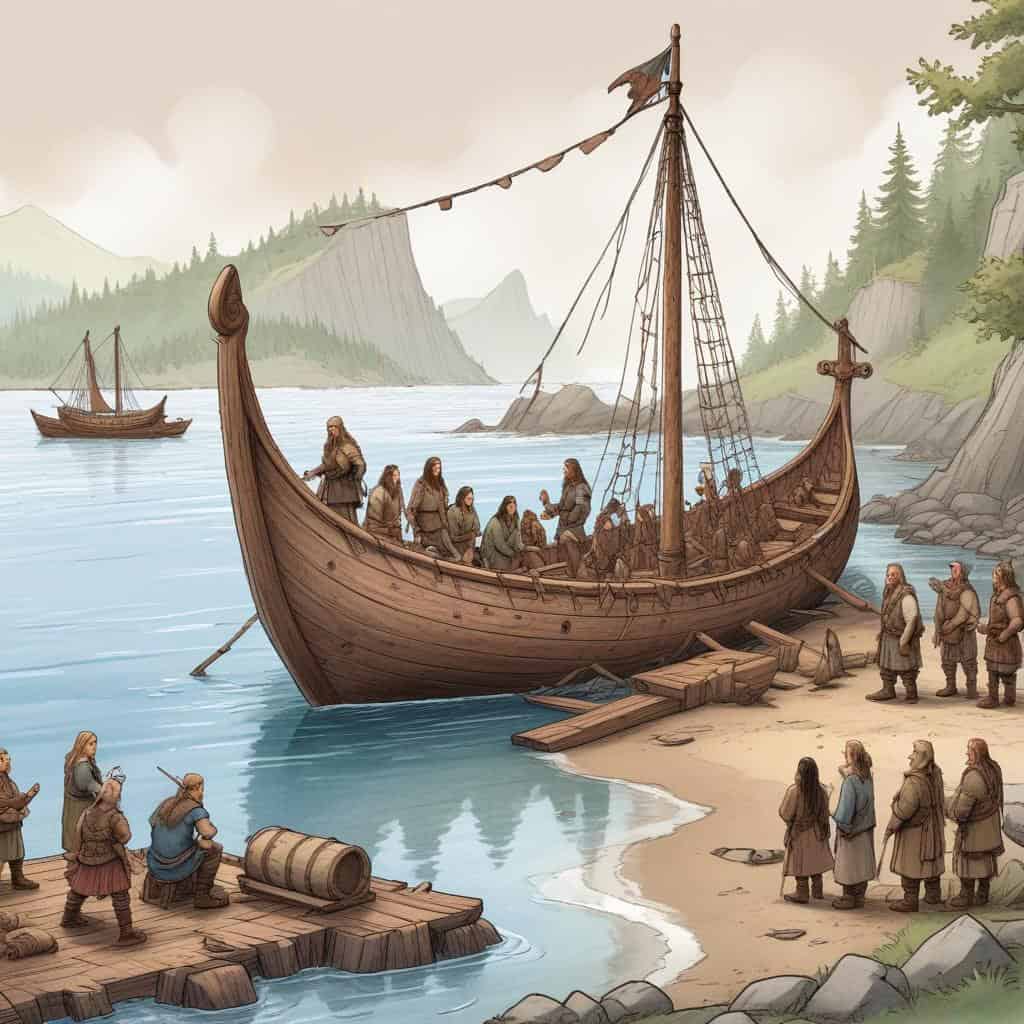
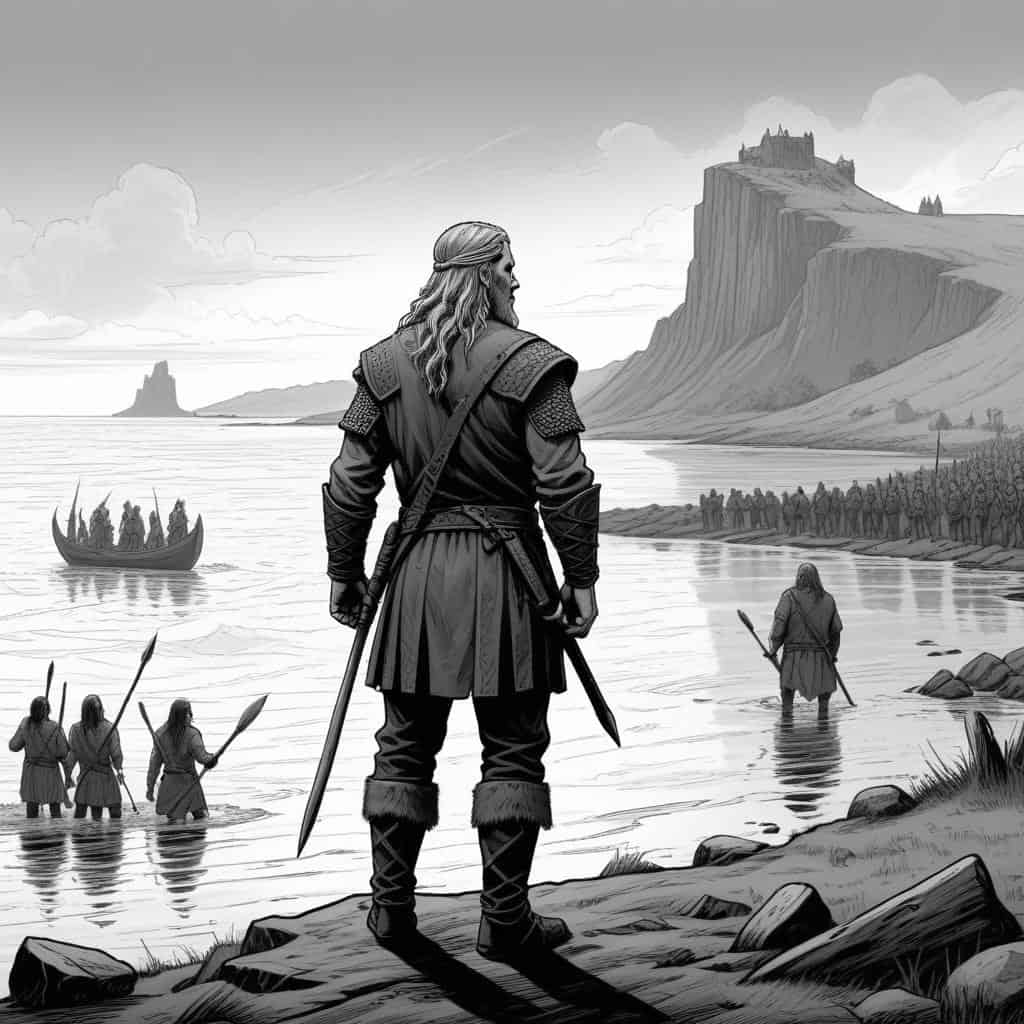
Thorvald Eiriksson
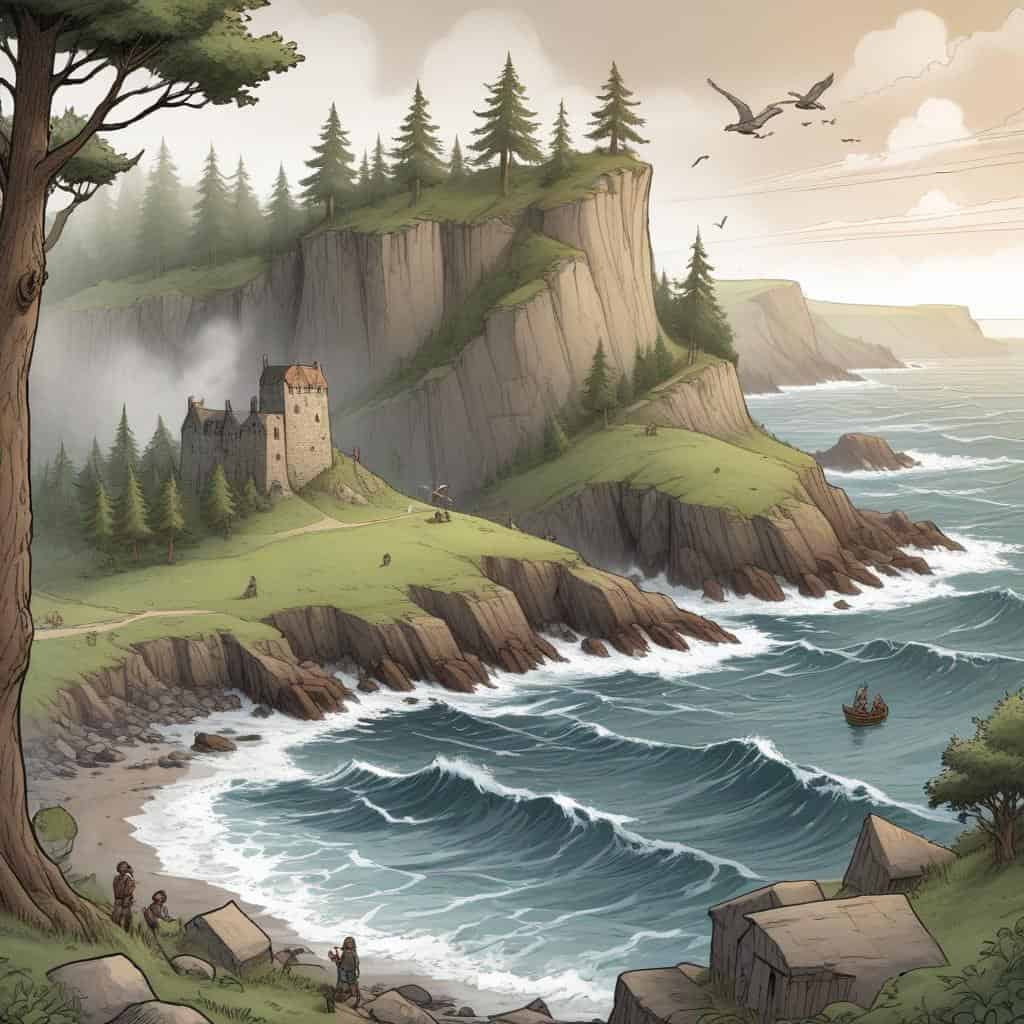
Thorfinn Karlsefni
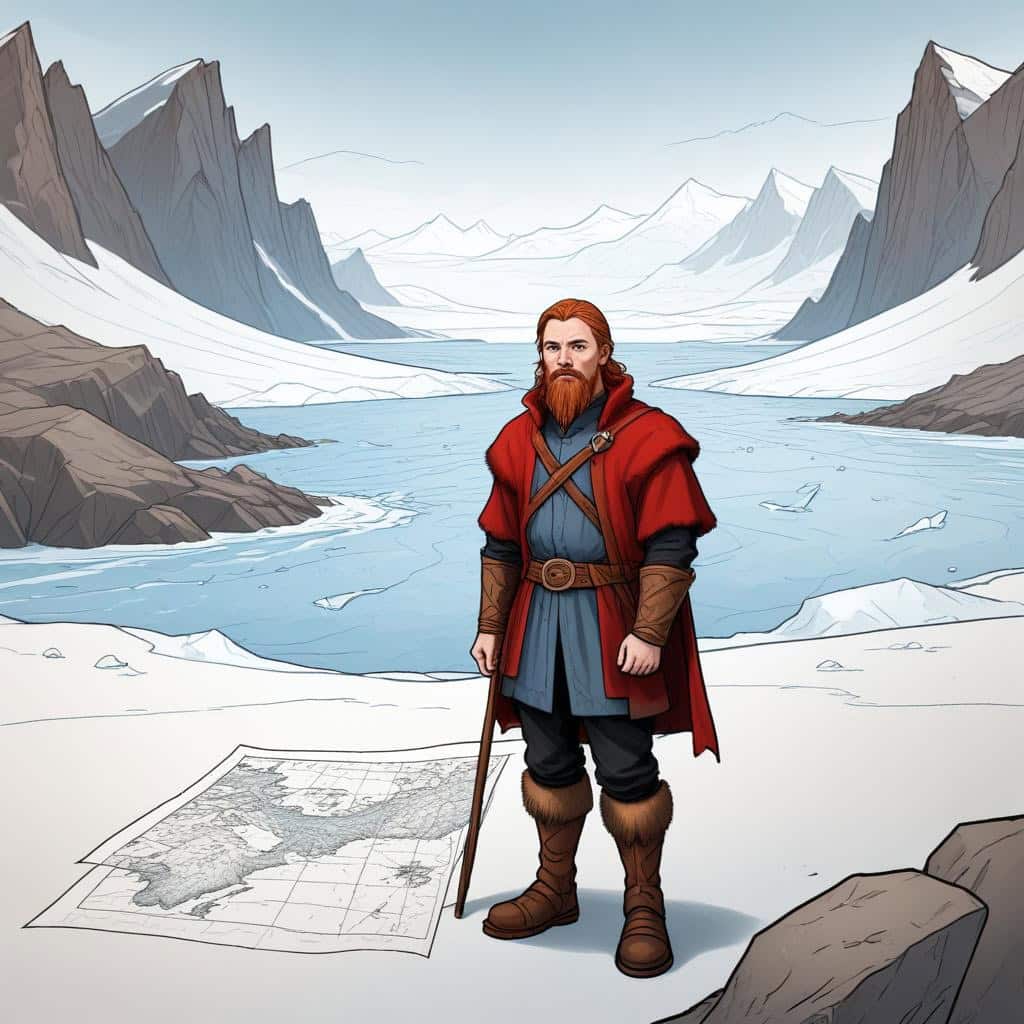
Erik the Red
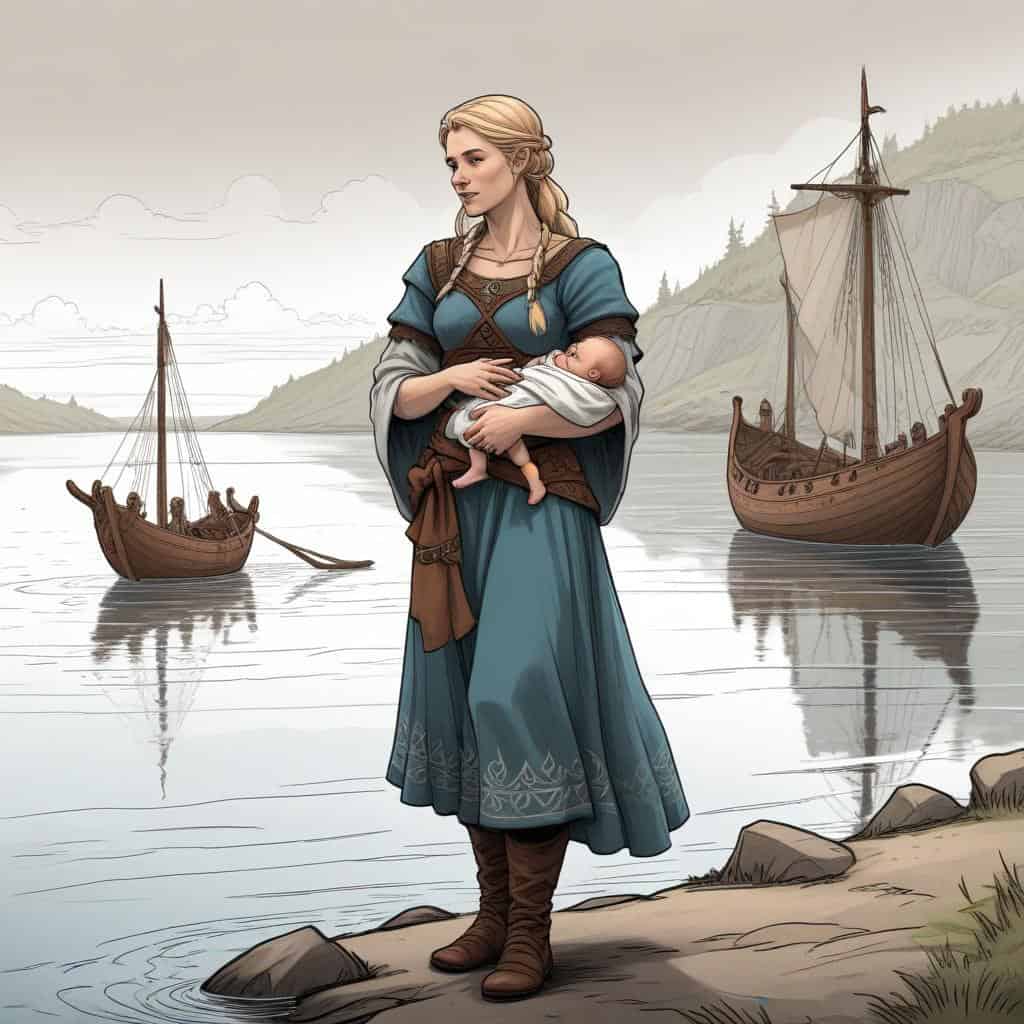
Gudrid Thorbjarnardóttir
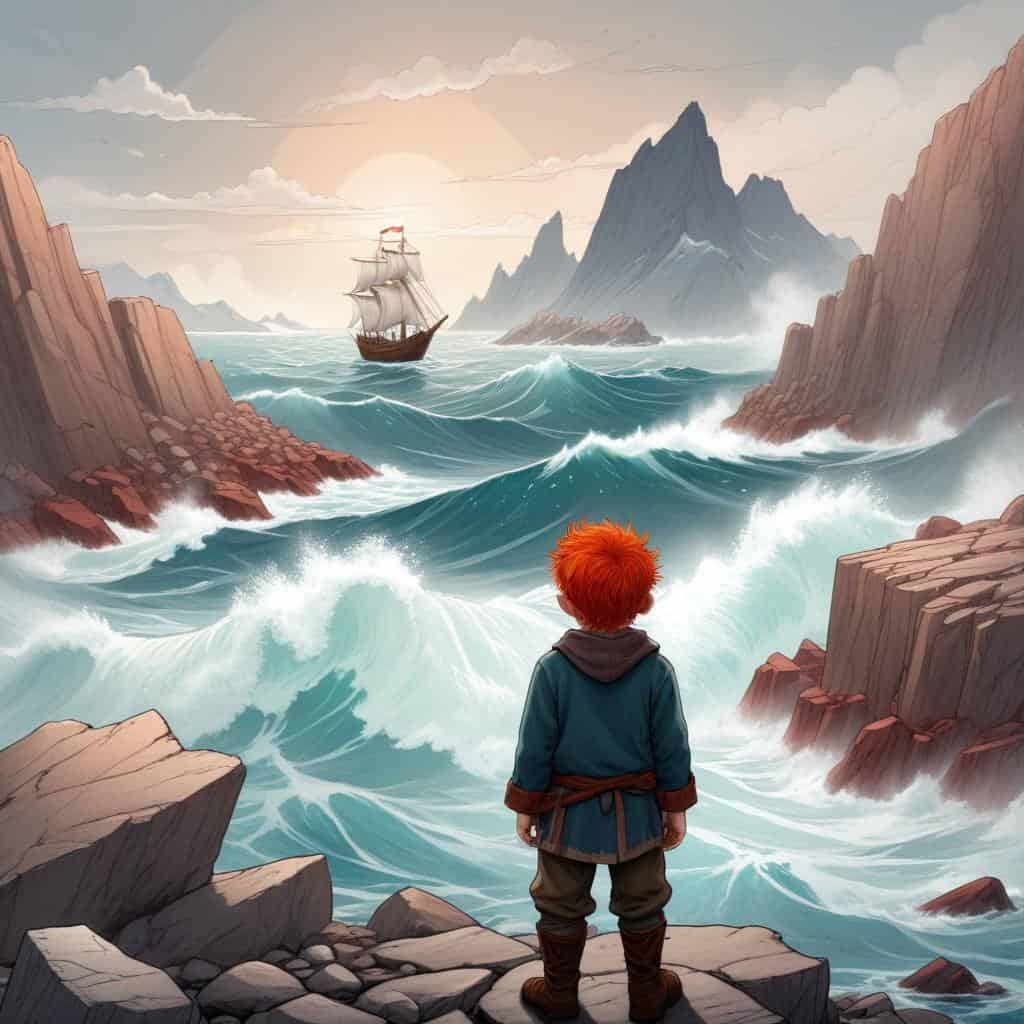
1. Early Life
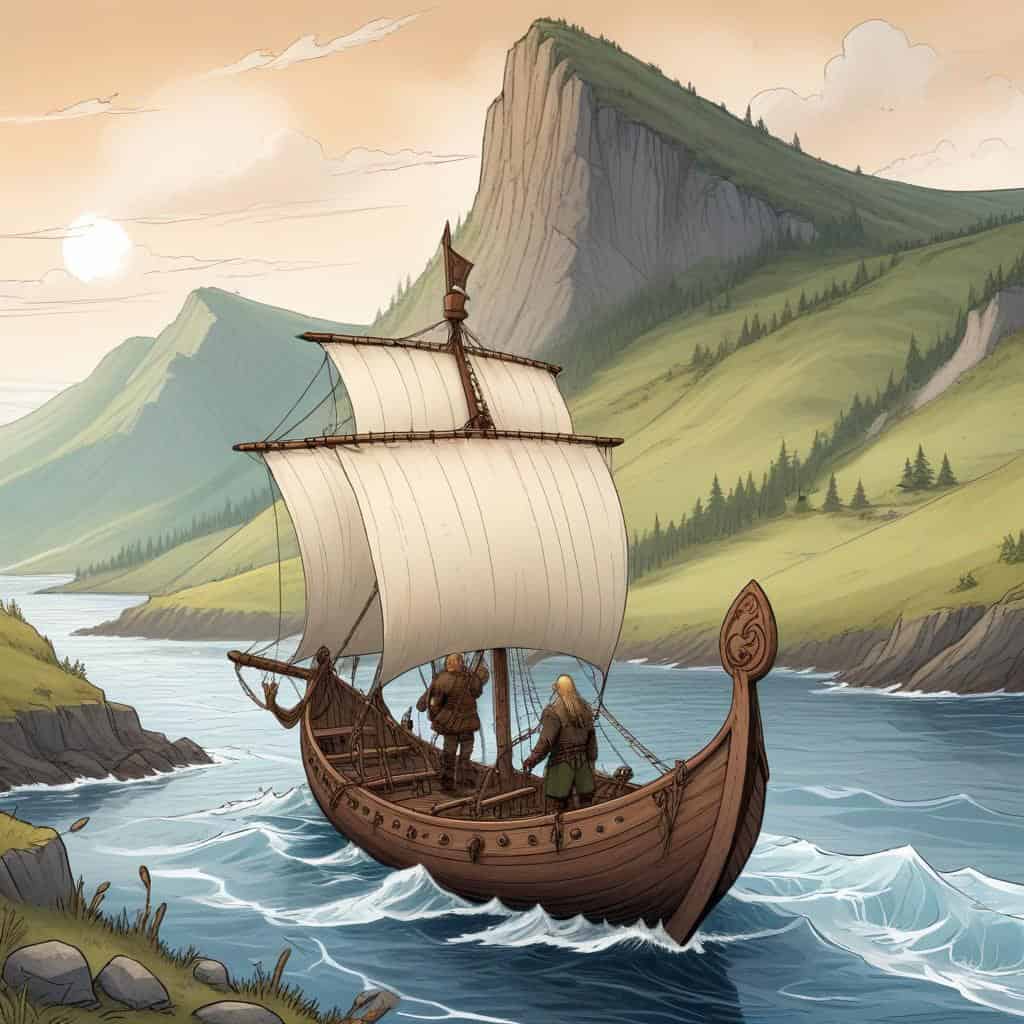
2. Journey to Vinland
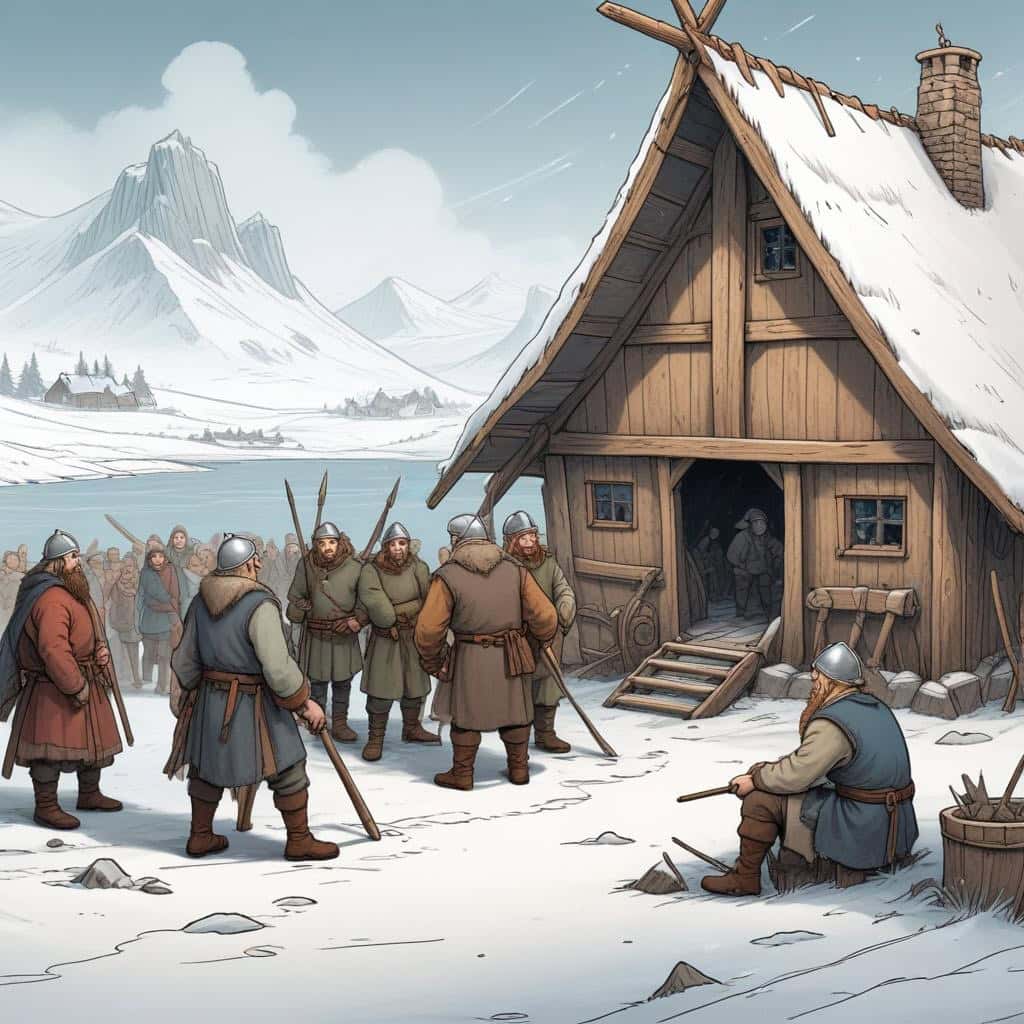
3. Establishing Settlements

4. Return to Greenland
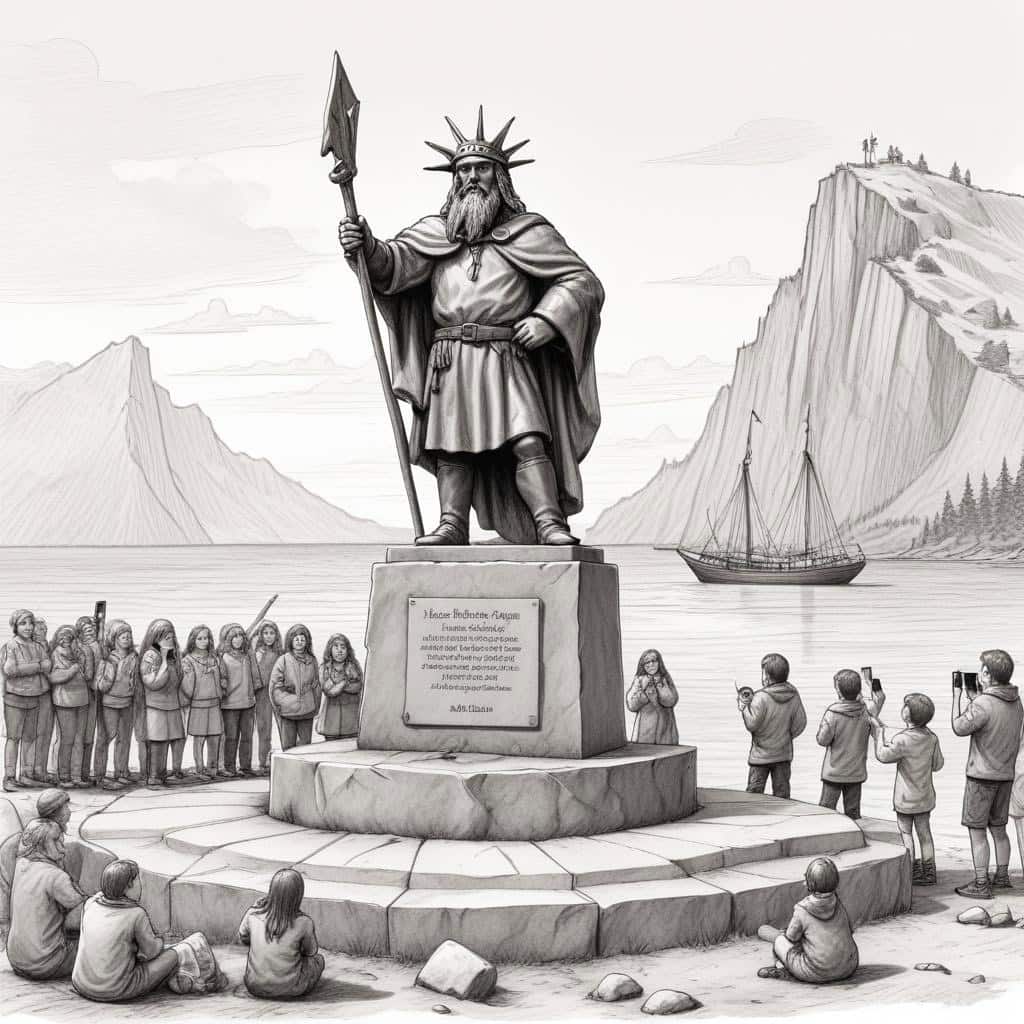
5. Legacy and Recognition
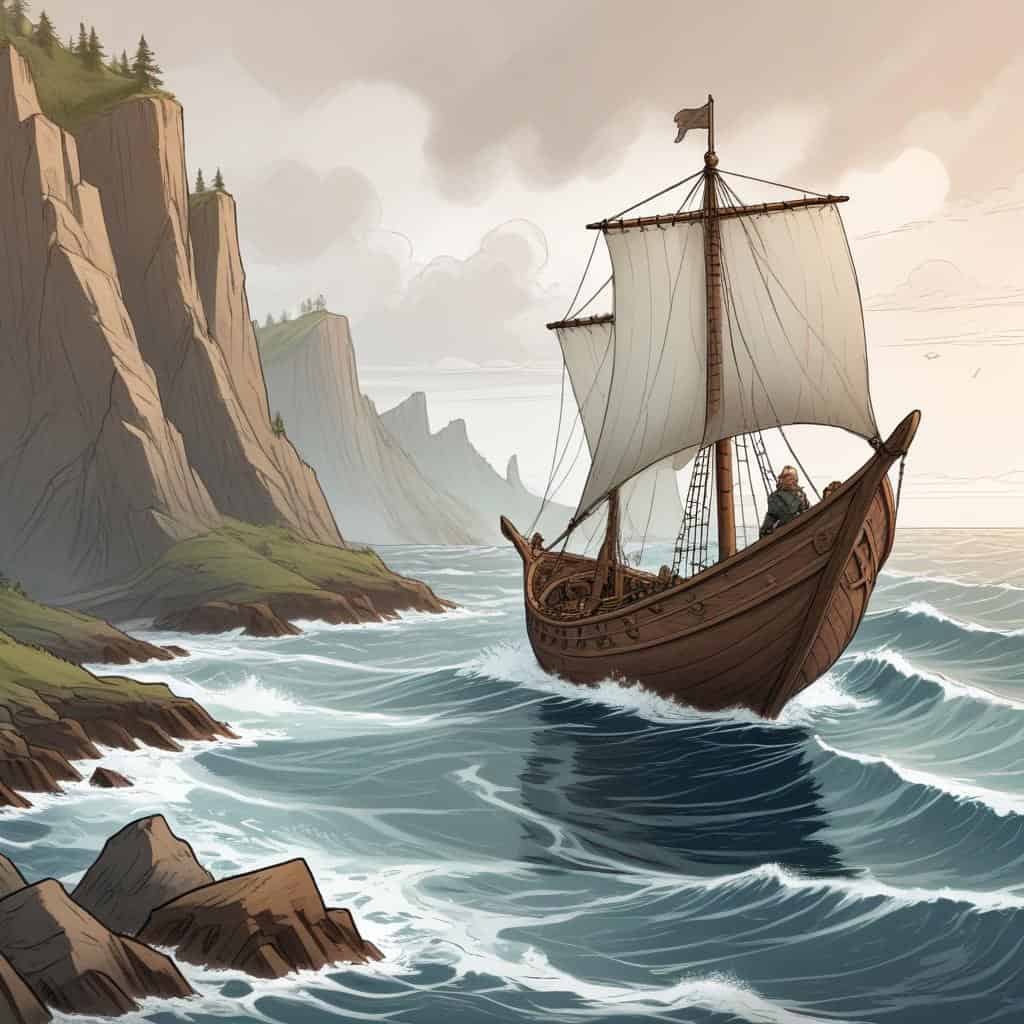
6. Exploration Controversy
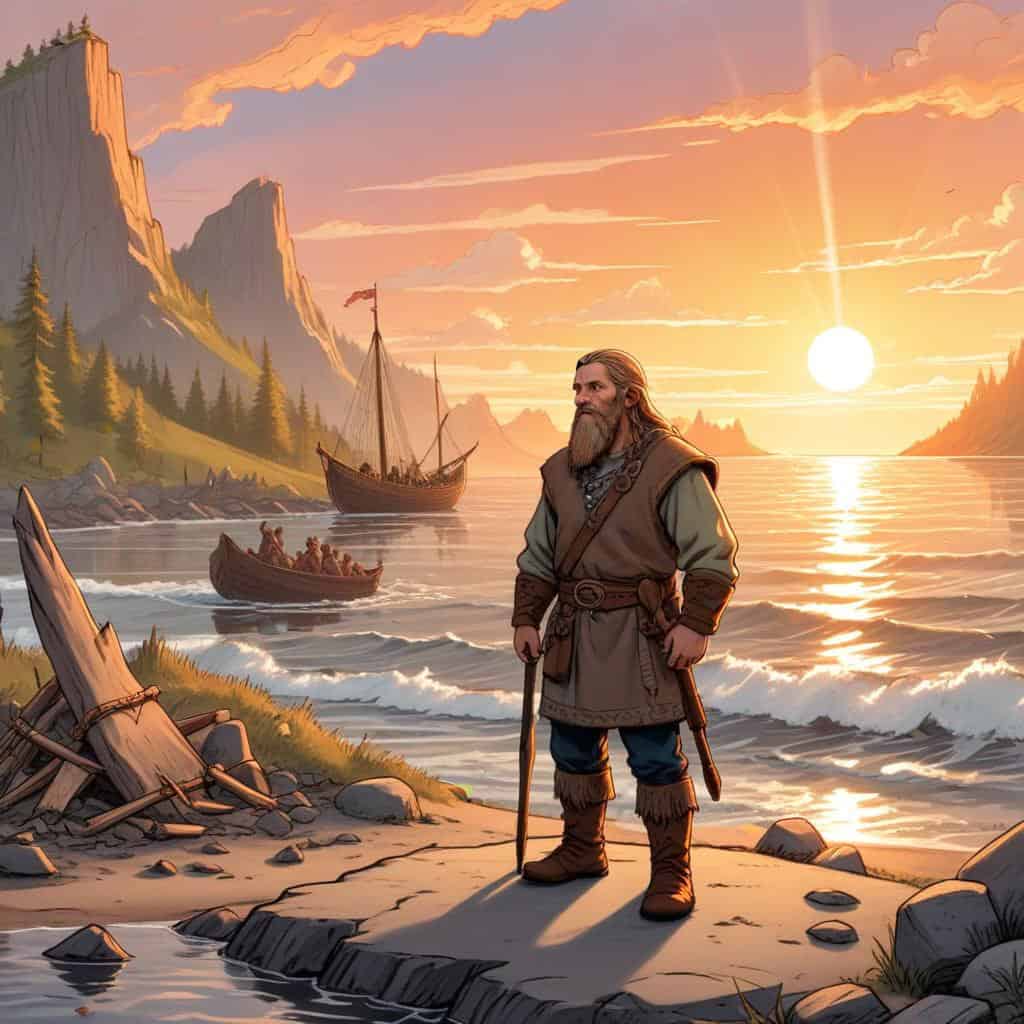
7. Leif Erikson Day
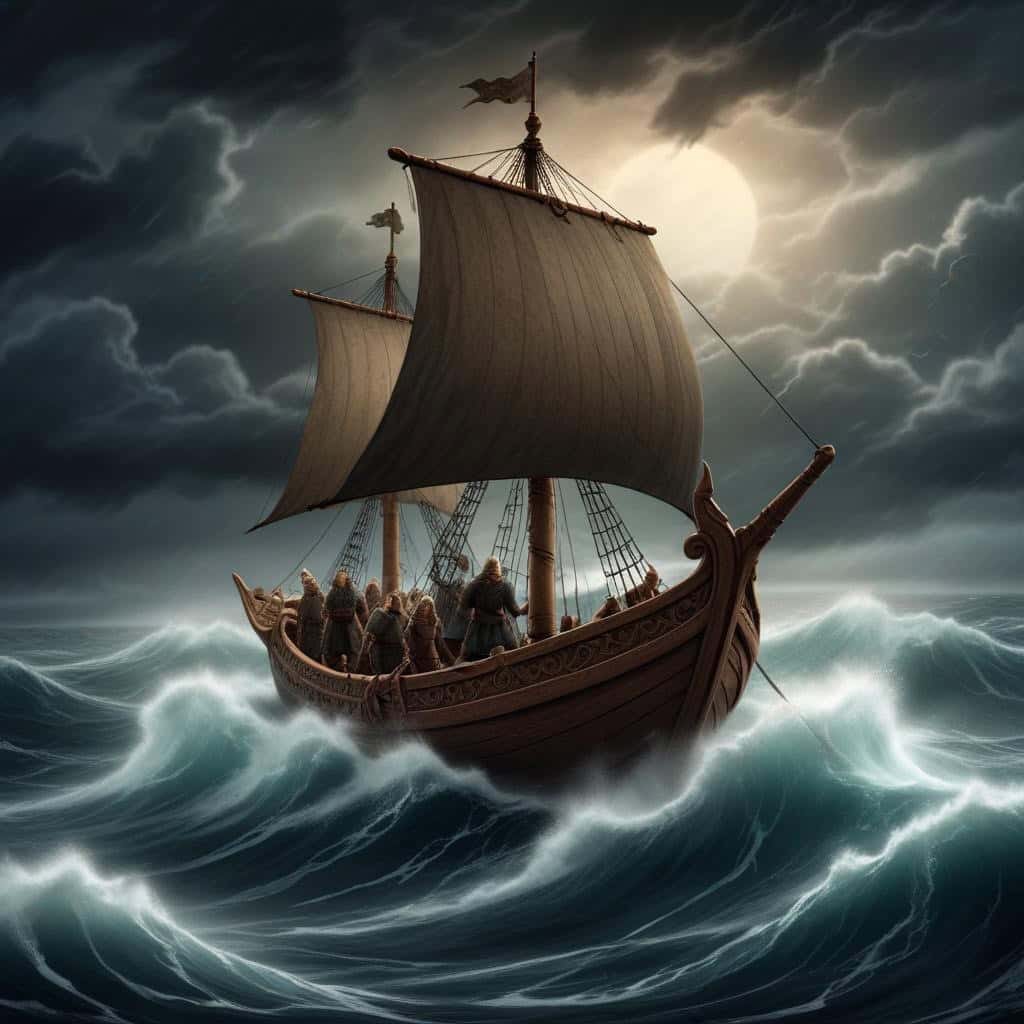
8. Norse Sagas
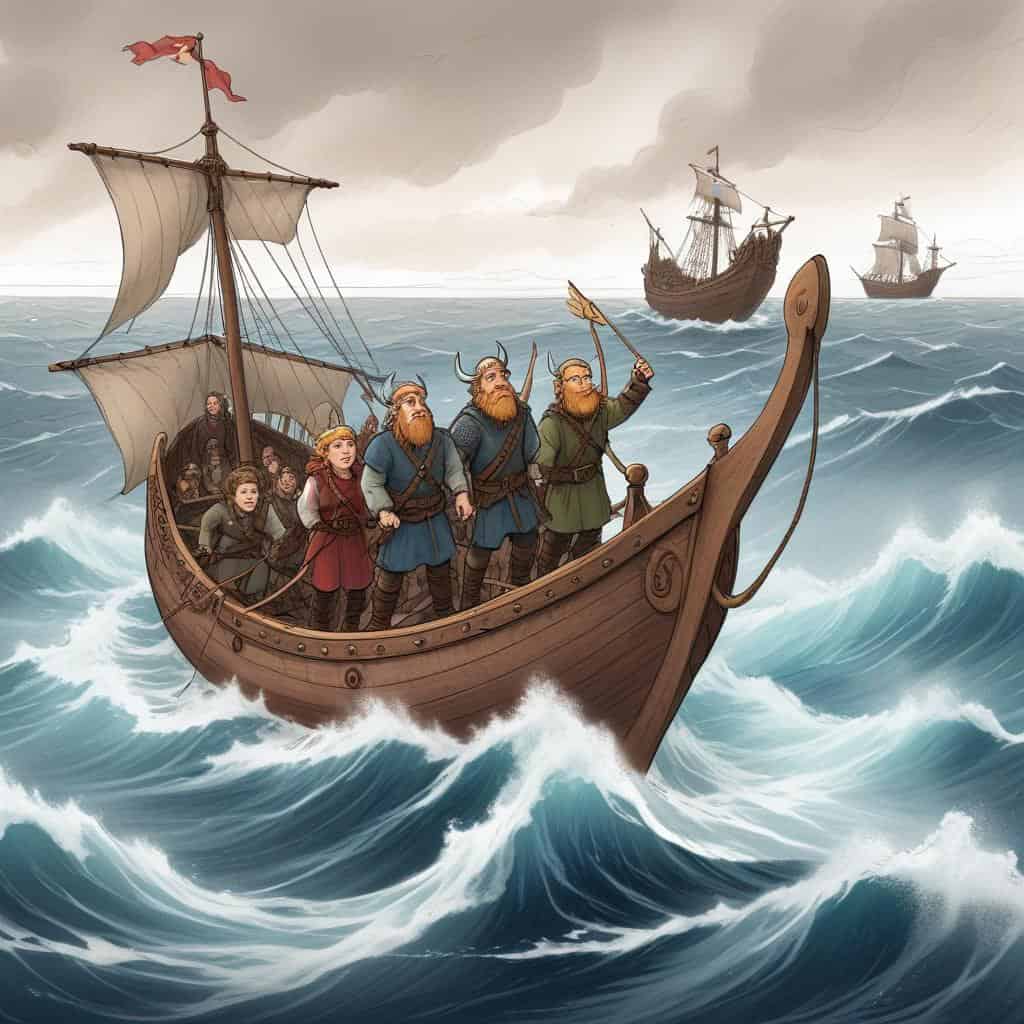
9. Exploration Influence
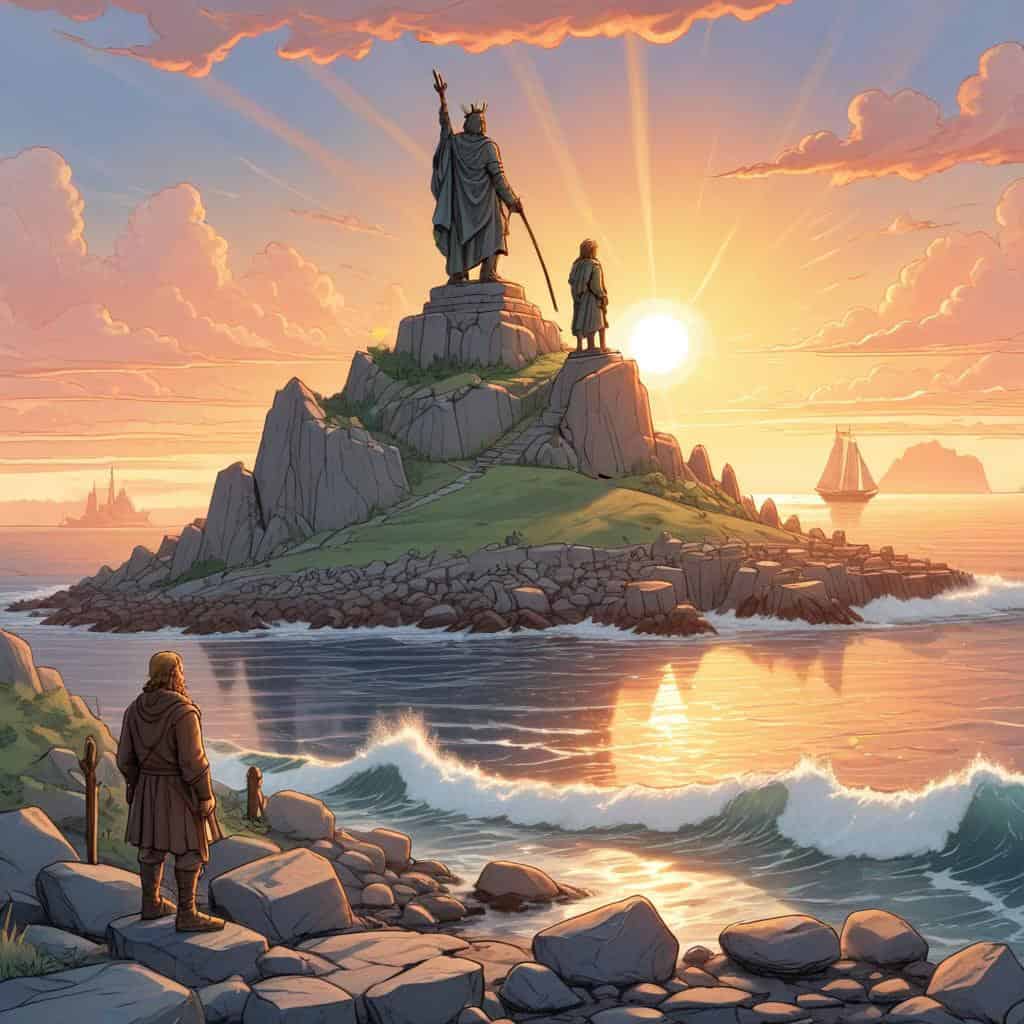
10. Honoring Leif Erikson
Lesson Details & Resources
In a Nutshell
Explorer and Norse explorer
Lived: 970 – 1020
Most known for being the first known European to have set foot on continental North America
Most significant legacy is his discovery of North America, which paved the way for future exploration and settlement in the region
Timeline of Leif Erikson: The Norse Explorer’s Biography
Leif Erikson is born in Iceland
Leif Erikson's father, Erik the Red, establishes the first Norse settlement in Greenland
Leif Erikson travels to Norway and is converted to Christianity by King Olaf Tryggvason
Leif Erikson sets sail from Greenland and discovers Vinland (North America)
Leif Erikson establishes a settlement in Vinland, believed to be in present-day Newfoundland, Canada
Leif Erikson returns to Greenland
Leif Erikson's brother, Thorvald, leads an expedition to Vinland
Thorvald Erikson is killed in a skirmish with Native Americans in Vinland
Leif Erikson's brother, Thorstein, attempts to visit Vinland but dies en route
Leif Erikson's sister-in-law, Gudrid, leads an expedition to Vinland
Leif Erikson dies in Greenland
The Norse settlements in Greenland decline and eventually disappear
The Vinland settlements are abandoned and forgotten by Europeans
The Vinland settlements are rediscovered by European explorers in the 19th century
Leif Erikson is recognized as the first European to reach North America, predating Christopher Columbus
Leif Erikson Day is established in the United States to honor his achievements
The Leif Erikson statue is unveiled in Reykjavik, Iceland
The Leif Erikson Memorial in Minnesota, USA, is dedicated
The Viking Ship Museum in Oslo, Norway, displays artifacts related to Leif Erikson and Norse exploration
Leif Erikson's legacy continues to inspire exploration and cultural exchange between Scandinavia and North America
Vocabulary List
- Explorer
- Leif Erikson was an ancient explorer who is believed to have reached North America around the year 1000 AD.
- Viking
- Leif Erikson was a Norse Viking who is known for being one of the first Europeans to reach North America.
- Saga
- The story of Leif Erikson's journey to North America is told in the Viking sagas, which are ancient Norse tales.
- Vinland
- Leif Erikson is said to have landed in an area he called Vinland, which is believed to be somewhere in present-day Canada or the northeastern United States.
- Norse
- Leif Erikson was a Norseman, meaning he was of Scandinavian descent and part of the ancient Norse culture.
- Settlers
- Leif Erikson and his fellow Vikings were some of the first European settlers in North America, establishing temporary settlements in the new land.
Key Facts
This is the information used in the fact matching game
- Leif Erikson was a Norse explorer from Iceland who is believed to have been the first European to set foot in North America, around the year 1000 AD.
- Leif Erikson was the son of Erik the Red, the founder of the first Norse settlement in Greenland.
- Leif Erikson's journey to North America is recounted in the Icelandic sagas, particularly the Saga of the Greenlanders and the Saga of Erik the Red.
- Leif Erikson named the land he discovered 'Vinland' due to the abundance of grapes he found there.
- Leif Erikson's expedition to North America predated Christopher Columbus's famous voyage by nearly 500 years.
- There is a statue of Leif Erikson in Reykjavik, Iceland, which was a gift from the United States in honor of the 1000th anniversary of the Althing, the world's oldest parliamentary institution.
- Leif Erikson's discovery of North America was likely not widely known in Europe at the time, and did not lead to lasting European colonization of the continent.
- Leif Erikson's exploration of North America was likely motivated by a desire to establish trade routes to the region, particularly for valuable resources like timber and furs.
- Leif Erikson's expeditions to North America were part of a larger wave of Norse exploration and settlement in the North Atlantic during the Viking Age.
- There are conflicting theories about the location of Leif Erikson's Vinland, with possible sites ranging from Newfoundland in Canada to as far south as New England in the United States.
- Leif Erikson is considered a national hero in Iceland, where he is celebrated annually on Leif Erikson Day, which falls on October 9th.
- Leif Erikson's voyages to North America are seen as evidence of the Norse people's seafaring prowess and exploration of new lands during the Viking Age.
- Leif Erikson's brother, Thorvald, also led an expedition to North America, but was killed by Native Americans, leading to the Norse abandoning their attempts to settle the region.
- Leif Erikson's legacy has inspired numerous cultural representations, including statues, paintings, and references in literature and popular culture.
- Leif Erikson's voyage to North America is commemorated in the Leif Erikson Park in Duluth, Minnesota, which features a large statue of the explorer overlooking Lake Superior.
- Leif Erikson is believed to have traveled along the coast of Labrador and Newfoundland, possibly reaching as far south as the Gulf of St. Lawrence during his exploration of North America.
- Leif Erikson's expeditions to North America were likely conducted primarily for trade and exploration purposes, rather than seeking to establish permanent settlements in the region.
- Leif Erikson's discovery of North America was a pivotal moment in the history of transatlantic exploration, opening up new possibilities for European expansion and trade with the New World.
- Leif Erikson's expeditions to North America marked the furthest known extent of Norse exploration in the Western Hemisphere, with subsequent attempts at colonization being unsuccessful.
- Leif Erikson's legacy as an ancient explorer continues to be celebrated in modern times, with monuments, festivals, and historical reenactments honoring his achievements.
Analysis & Significance
Major Accomplishments
Leif Erikson is best known for being one of the first Europeans to set foot in North America, around the year 1000 AD. He established a settlement in what is now Newfoundland, Canada, which predates Christopher Columbus’ arrival in the Americas by nearly 500 years.
Impact on the World
Erikson’s exploration of North America had a significant impact on the world by expanding European knowledge of the lands across the Atlantic Ocean. His voyages paved the way for future exploration and colonization of the New World, shaping the course of history and influencing the development of trade routes and cultural exchanges between Europe and the Americas.
Enduring Legacy
Today, Leif Erikson is remembered as a pioneering explorer and a symbol of Viking exploration and discovery. He is celebrated in the United States on Leif Erikson Day, observed annually on October 9th. Erikson’s legacy continues to inspire curiosity and interest in the history of early European exploration of North America.
Leif Erikson: The Norse Explorer’s Biography Games


Take Your Learning Offline
Want a convenient, print-ready study guide for this lesson? Become a Memory Wizards Pro member to unlock the downloadable " Memory Scrolls" for this topic and our entire library!
- ✓ Complete Vocabulary Lists
- ✓ Key Facts & Timelines
- ✓ Beautifully Formatted for Print & Mobile