
Summary of Role of Women in the American Revolution
Uncover the untold stories of the brave women of the Revolution.
How Do You Learn Best?
Learn by Listening
Start with the 3-minute audio summary to get the key facts and narrative highlights quickly.
Learn by Reading
Immerse yourself in the 10-minute visual lesson for a comprehensive understanding of the topic.
Learn by Reviewing
Jump directly to the key facts, timeline, and vocabulary lists to build a solid foundation of details.
Learn by Doing
Challenge yourself! Jump straight into the interactive games to learn by trial, error, and discovery.
Audio Library
As one of our featured lessons, this topic includes premium audio guides.
Unlock the Wizard's Cram Session
This powerful audio study guide is a Pro-exclusive feature. Upgrade to Memory Wizards Pro to access this and all of our premium learning tools.
Upgrade to ProRole of Women in the American Revolution in 10 Minutes
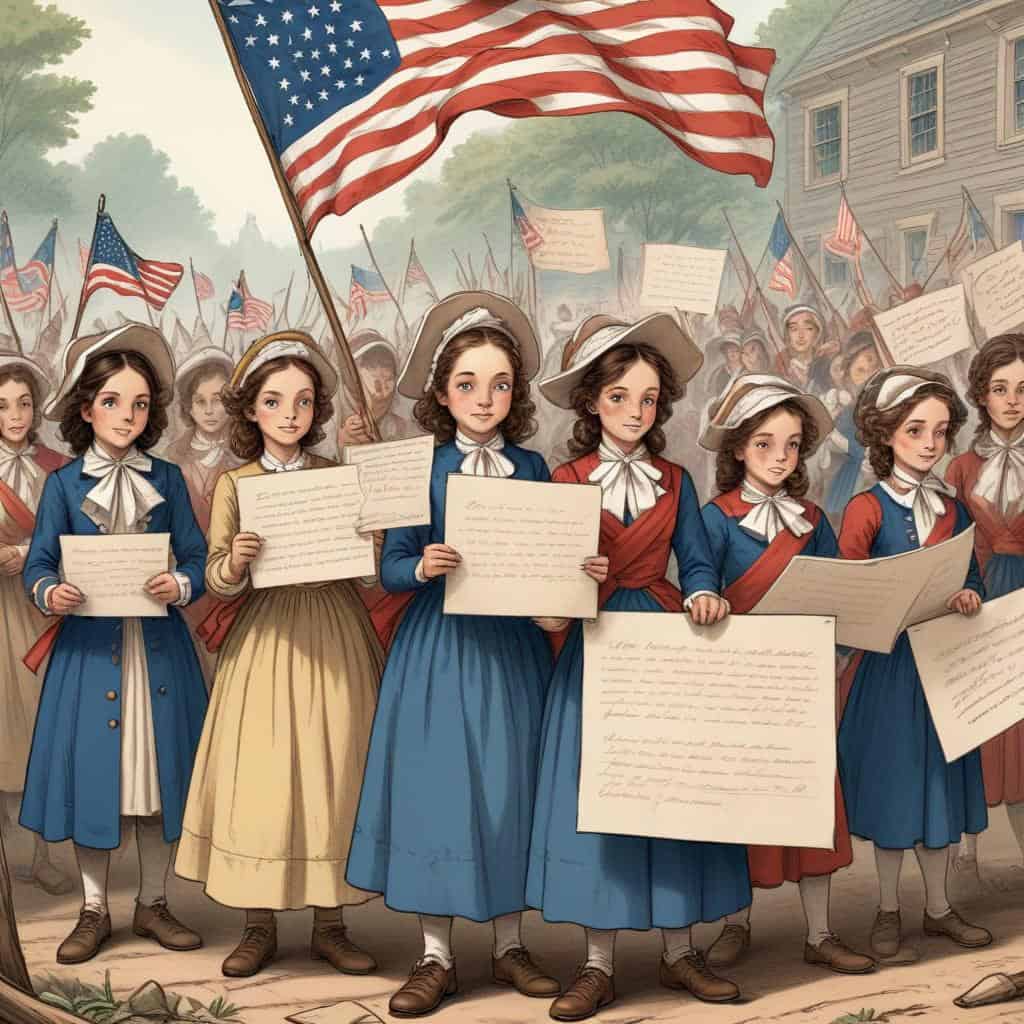
Introduction
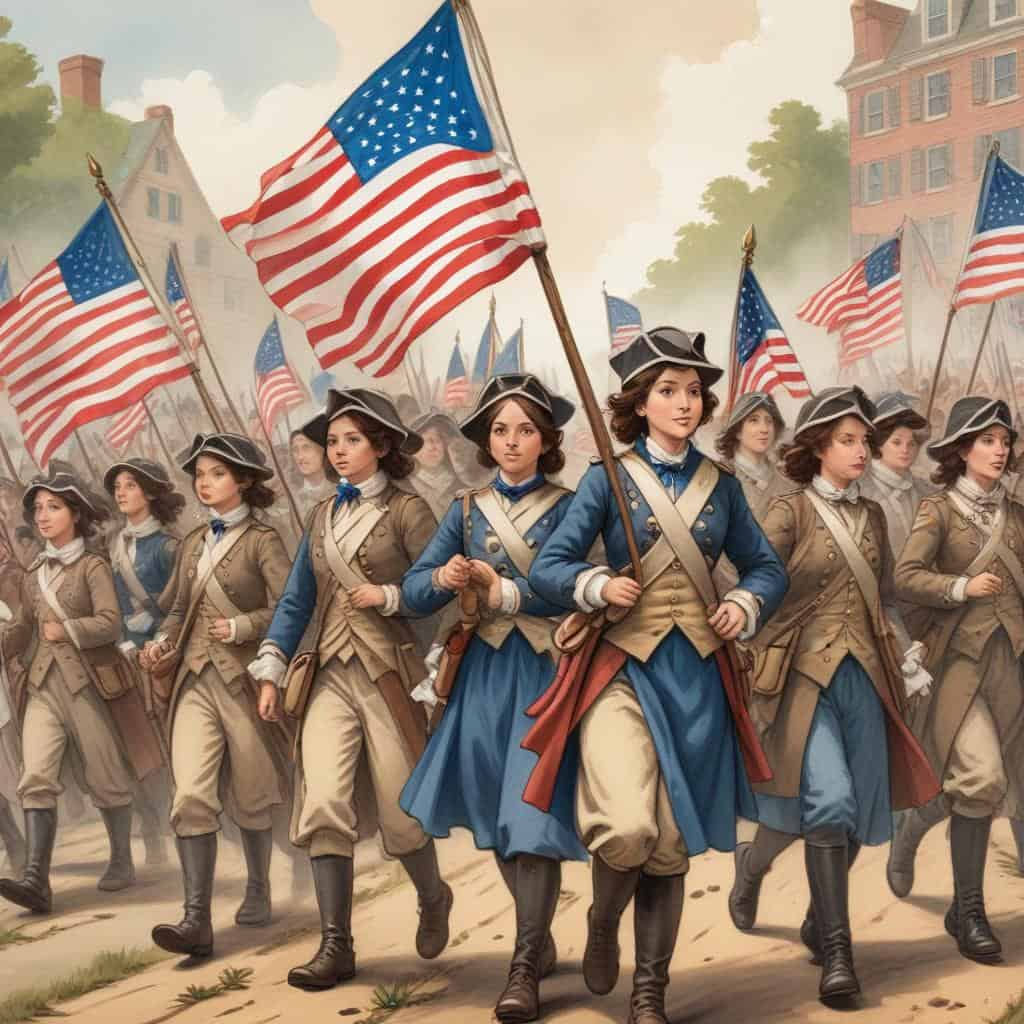

Mercy Otis Warren
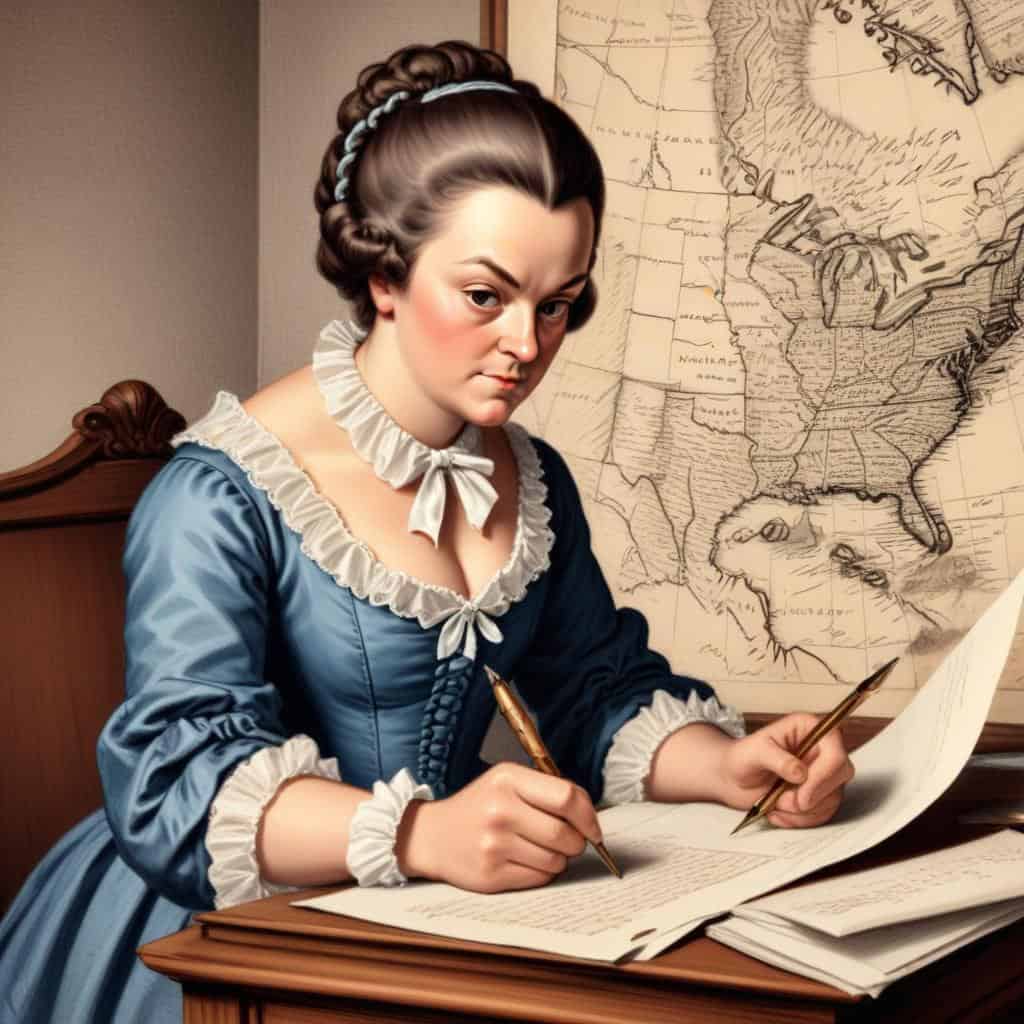
Abigail Adams
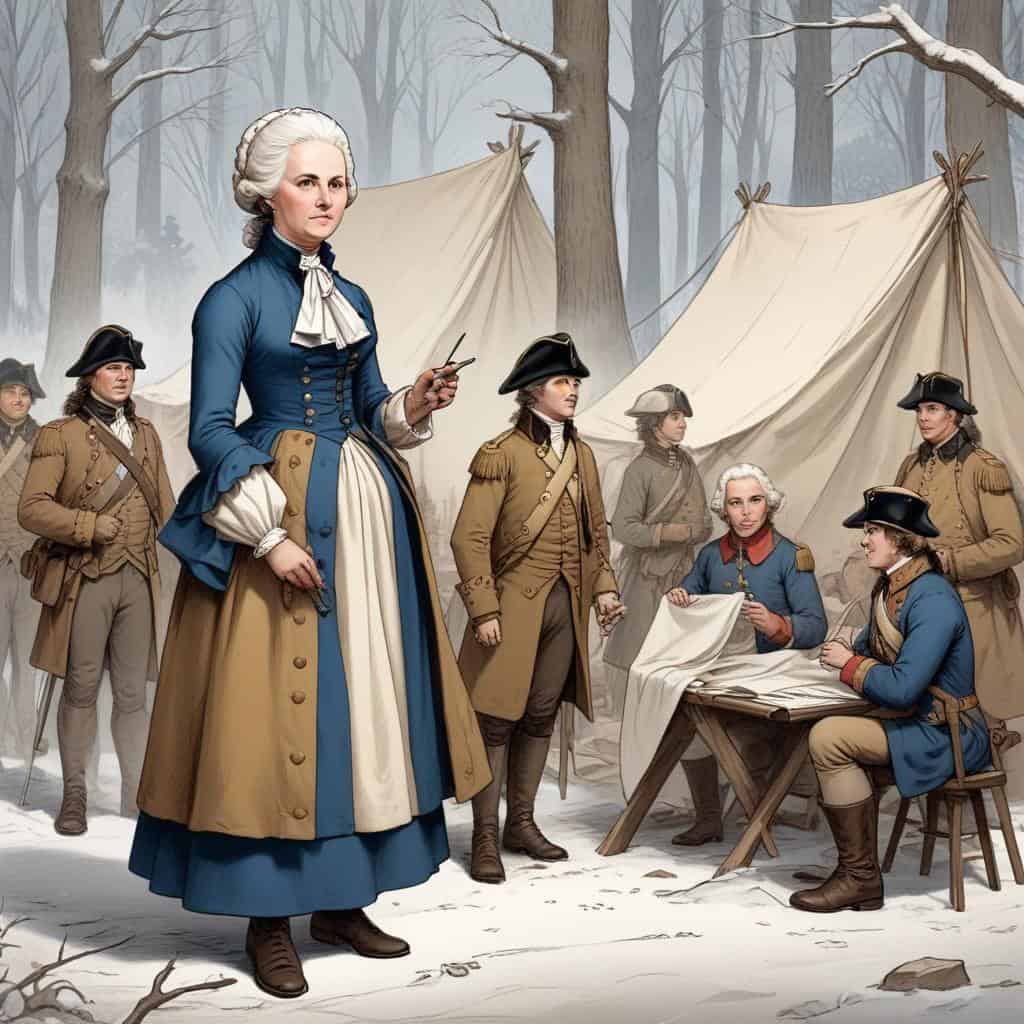
Martha Washington
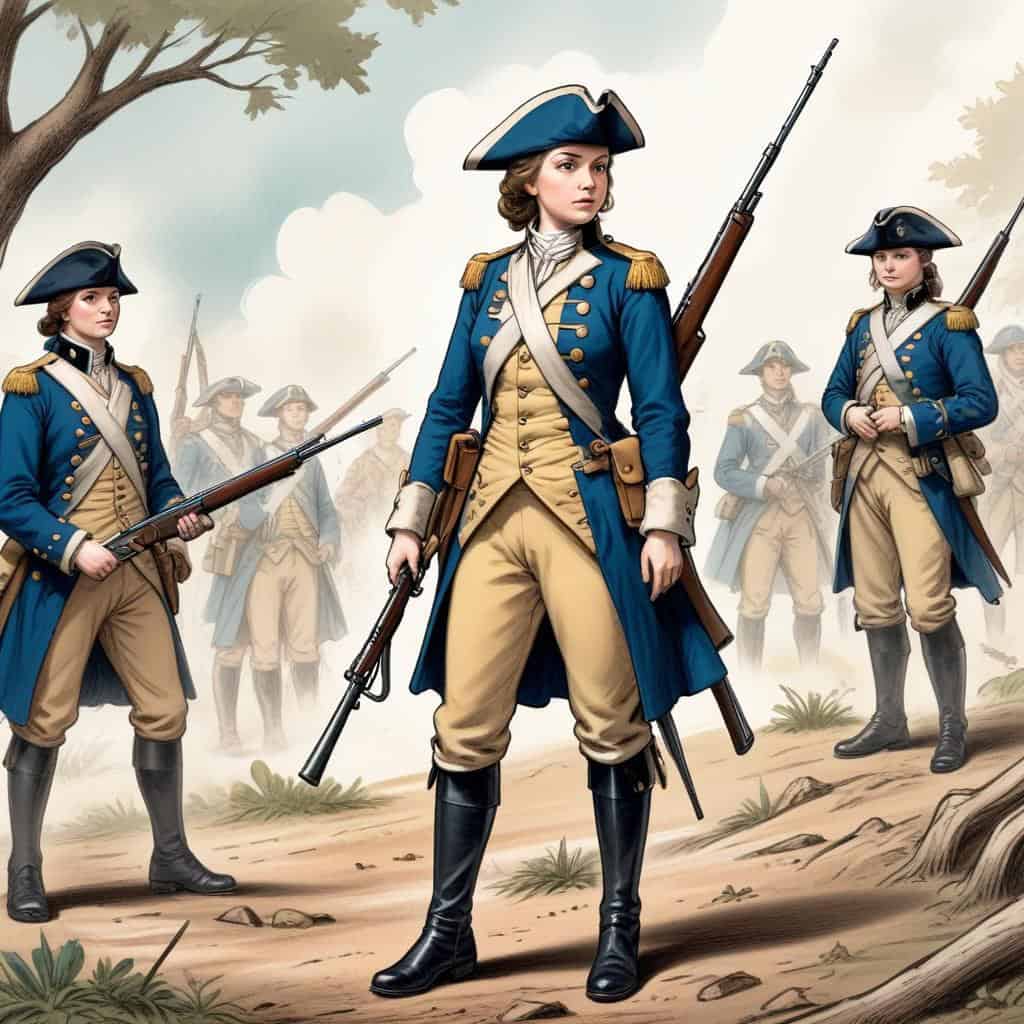
Deborah Sampson

1. Womens Support Behind the Scenes

2. Spies and Informants

3. Camp Followers

4. Political Activism

5. The Daughters of Liberty
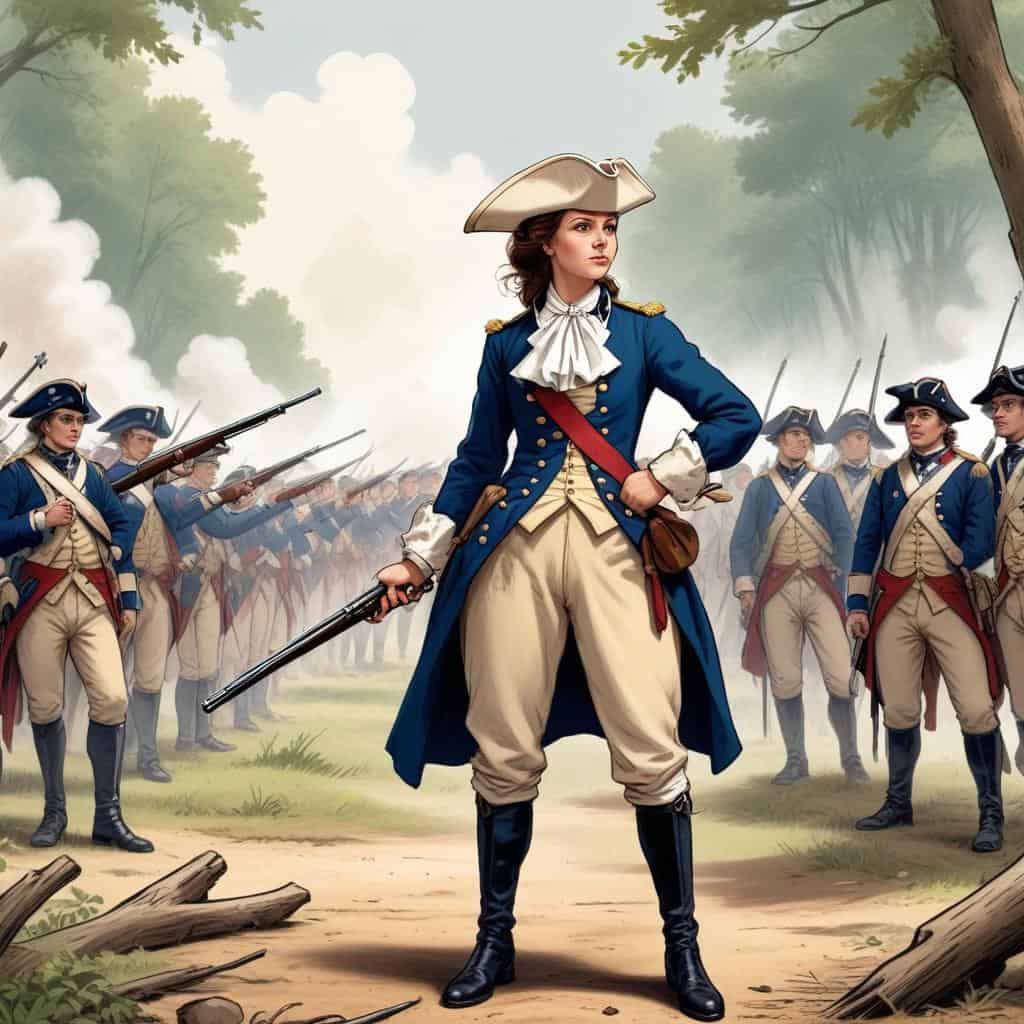
6. Women in Battle

7. War Widows and Spies

8. Post-War Advocacy

9. Legacy of Revolutionary Women

10. Remembering Revolutionary Women
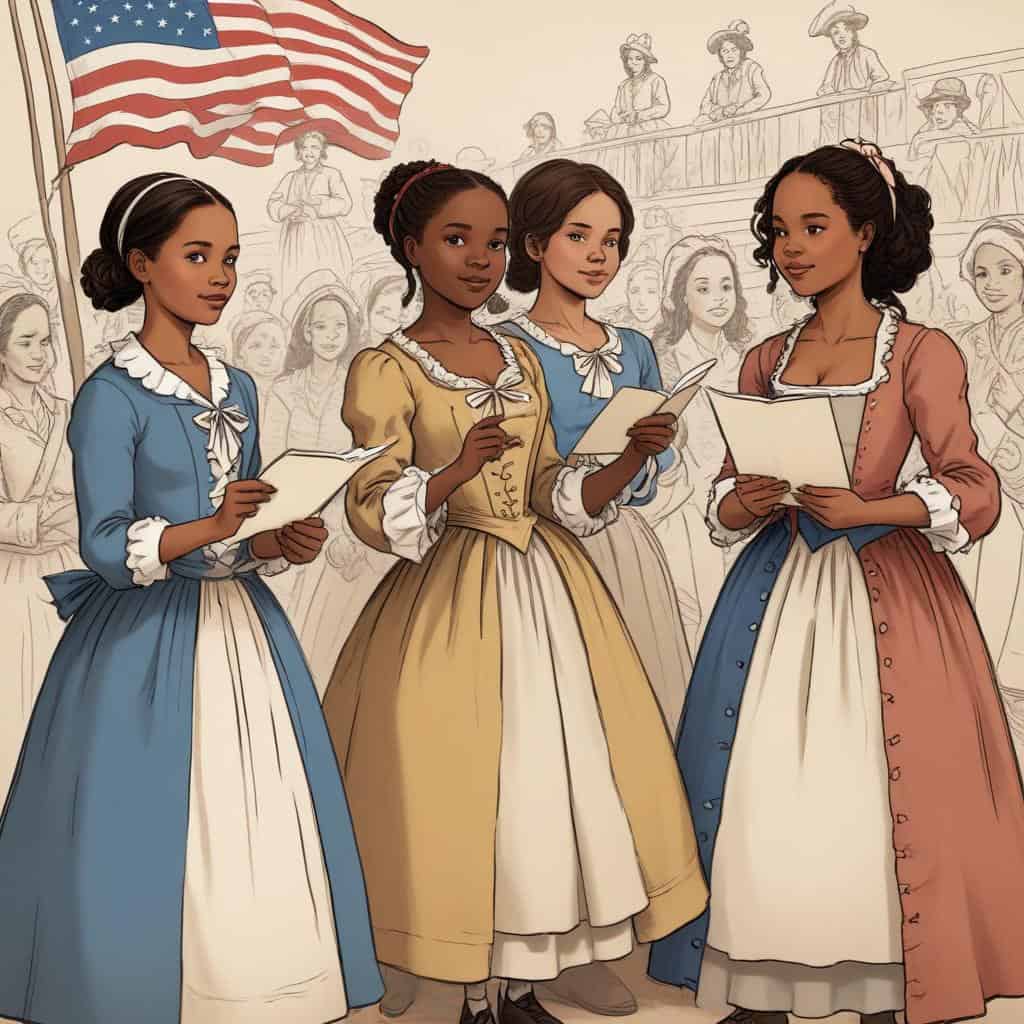
Lesson Details & Resources
In a Nutshell
- What: The role of women in the American Revolution
- When: 1775-1783
- Who: Women such as Abigail Adams, Mercy Otis Warren, and Deborah Sampson
- Outcome: Women contributed to the war effort by serving as spies, nurses, and in other supportive roles, helping to shape the outcome of the revolution.
Famous Figures in the Role of Women in the American Revolution
-
Marie Antoinette
Marie Antoinette: The Queen of France during the French Revolution, known for her extravagant lifestyle and eventual execution.
-
Olympe de Gouges
Olympe de Gouges: A French playwright and political activist who wrote 'Declaration of the Rights of Woman and the Female Citizen' in 1791.
-
Charlotte Corday
Charlotte Corday: A French Revolutionary who assassinated Jean-Paul Marat, a prominent Jacobin leader.
-
Mary Wollstonecraft
Mary Wollstonecraft: An English writer and advocate for women's rights, best known for her book 'A Vindication of the Rights of Woman' published in 1792.
-
Simón Bolívar
Simón Bolívar: A Venezuelan military and political leader who played a key role in the revolutions against Spanish rule in South America.
-
Sojourner Truth
Sojourner Truth: An African-American abolitionist and women's rights activist, known for her powerful speeches advocating for equal rights.
-
Harriet Tubman
Harriet Tubman: An African-American abolitionist and political activist, famous for her role in the Underground Railroad and helping enslaved individuals escape to freedom.
-
Susan B. Anthony
Susan B. Anthony: A leading figure in the women's suffrage movement in the United States, who played a crucial role in advocating for women's right to vote.
-
Emmeline Pankhurst
Emmeline Pankhurst: A British political activist and leader of the suffragette movement in the early 20th century.
-
Frida Kahlo
Frida Kahlo: A Mexican artist known for her vibrant self-portraits and exploration of gender, identity, and politics.
Timeline of Role of Women in the American Revolution
French Revolution begins
Olympe de Gouges publishes 'Declaration of the Rights of Woman and the Female Citizen'
Women's March on Versailles
Women gain the right to divorce in France
Charlotte Corday assassinates Jean-Paul Marat
Reign of Terror begins
Women's rights activists arrested and executed during Reign of Terror
Theroigne de Mericourt is imprisoned and dies in an asylum
Napoleon Bonaparte becomes ruler of France
Napoleon issues the Napoleonic Code, restricting women's rights
Women participate in the Haitian Revolution
Women's rights movements continue to grow in Europe and the Americas
Women's suffrage movements gain momentum in the late 19th and early 20th centuries
Women gain the right to vote in various countries around the world
Women's rights continue to be a major issue in modern society
Vocabulary List
- Suffrage
- The women's suffrage movement fought for women's right to vote during the revolution.
- Patriarchy
- The patriarchy limited women's roles and rights during the revolution.
- Feminism
- Feminism emerged as a response to the oppression faced by women during the revolution.
- Equality
- Women demanded equality in all aspects of society, including politics and employment, during the revolution.
- Empowerment
- The revolution provided an opportunity for women to find empowerment and challenge traditional gender roles.
- Activism
- Women engaged in various forms of activism, such as protests and rallies, to advocate for their rights during the revolution.
- Leadership
- Women took on leadership roles in various revolutionary movements, showcasing their capabilities and challenging societal norms.
- Resistance
- Women actively resisted the oppression and discrimination they faced during the revolution.
- Gender roles
- The revolution sparked discussions and challenges to traditional gender roles, paving the way for more equitable societies.
- Independence
- The revolution provided an opportunity for women to seek independence and liberation from societal constraints.
Key Facts
This is the information used in the fact matching game
- Women played crucial roles as spies during the American Revolution.
- Women disguised themselves as men to fight in the Revolutionary War.
- Some women actively participated in battles alongside men.
- Women provided support to soldiers by serving as nurses and caretakers.
- Women were involved in the boycott of British goods during the Revolution.
- Some women served as messengers, carrying important information for the revolutionaries.
- Women took on the responsibility of managing farms and businesses while men were at war.
- The Daughters of Liberty, a women's organization, played a significant role in supporting the Revolution.
- Women wrote letters and articles to spread revolutionary ideas and rally support.
- Some women became war widows and had to take on new roles to support their families.
- Women were active participants in the Boston Tea Party.
- Women organized fundraising events to support the war effort.
- Some women acted as recruiters, encouraging men to join the revolutionary cause.
- Women were involved in smuggling goods to bypass British trade restrictions.
- Women formed political clubs to discuss and promote revolutionary ideals.
- Some women were imprisoned for their involvement in revolutionary activities.
- Women contributed financially to support the war effort.
- Women sewed flags and uniforms for the Continental Army.
- Some women served as scouts, gathering intelligence for the revolutionaries.
- Women took on leadership roles in organizing protests and demonstrations.
Analysis & Significance
Immediate Consequences
The involvement of women in the American Revolution had immediate consequences, as they played crucial roles as spies, nurses, and even soldiers on the battlefield. Their contributions helped support the war effort and were essential to the success of the revolution.
Long-Term Impact
The lasting impact of women’s involvement in the American Revolution cannot be understated. Their actions challenged traditional gender roles and paved the way for future generations of women to participate in political and social movements. Their bravery and resilience continue to inspire women around the world to fight for equality and justice.
Cultural Significance Today
The role of women in the American Revolution is remembered as a turning point in history, where women’s voices were finally heard and recognized. Their contributions have influenced the way we view women’s rights and have contributed to the ongoing fight for gender equality. Today, we honor and celebrate the women who played a pivotal role in shaping the course of American history.
Role of Women in the American Revolution Games


Take Your Learning Offline
Want a convenient, print-ready study guide for this lesson? Become a Memory Wizards Pro member to unlock the downloadable " Memory Scrolls" for this topic and our entire library!
- ✓ Complete Vocabulary Lists
- ✓ Key Facts & Timelines
- ✓ Beautifully Formatted for Print & Mobile