
Summary of Valley Forge American Revolution
Uncover the courage and resilience of soldiers at Valley Forge.
How Do You Learn Best?
Learn by Listening
Start with the 3-minute audio summary to get the key facts and narrative highlights quickly.
Learn by Reading
Immerse yourself in the 10-minute visual lesson for a comprehensive understanding of the topic.
Learn by Reviewing
Jump directly to the key facts, timeline, and vocabulary lists to build a solid foundation of details.
Learn by Doing
Challenge yourself! Jump straight into the interactive games to learn by trial, error, and discovery.
Audio Library
As one of our featured lessons, this topic includes premium audio guides.
Wizards in Conversation
A deep-dive conversation exploring the enduring relevance and key themes of this topic. Also available on Spotify and Apple Podcasts.
Unlock the Wizard's Cram Session
This powerful audio study guide is a Pro-exclusive feature. Upgrade to Memory Wizards Pro to access this and all of our premium learning tools.
Upgrade to ProValley Forge American Revolution in 10 Minutes
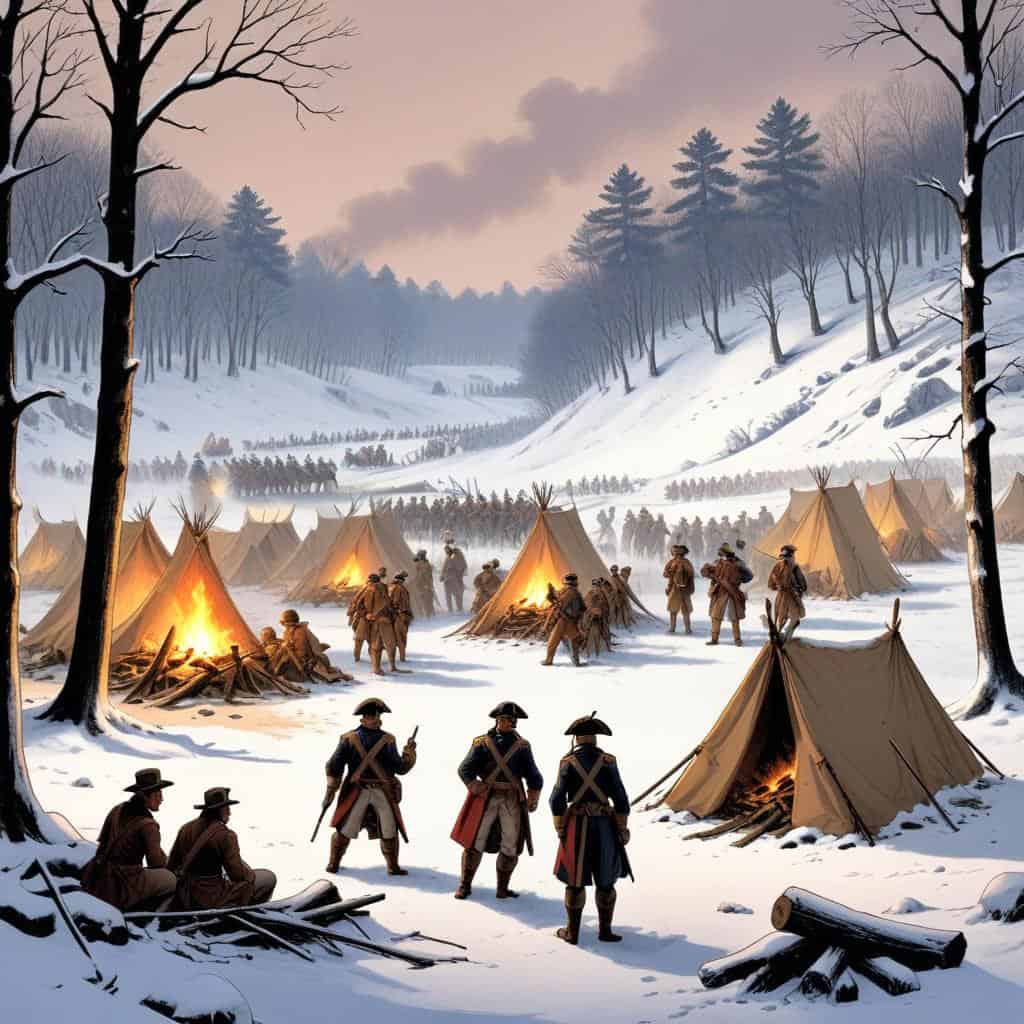
Introduction
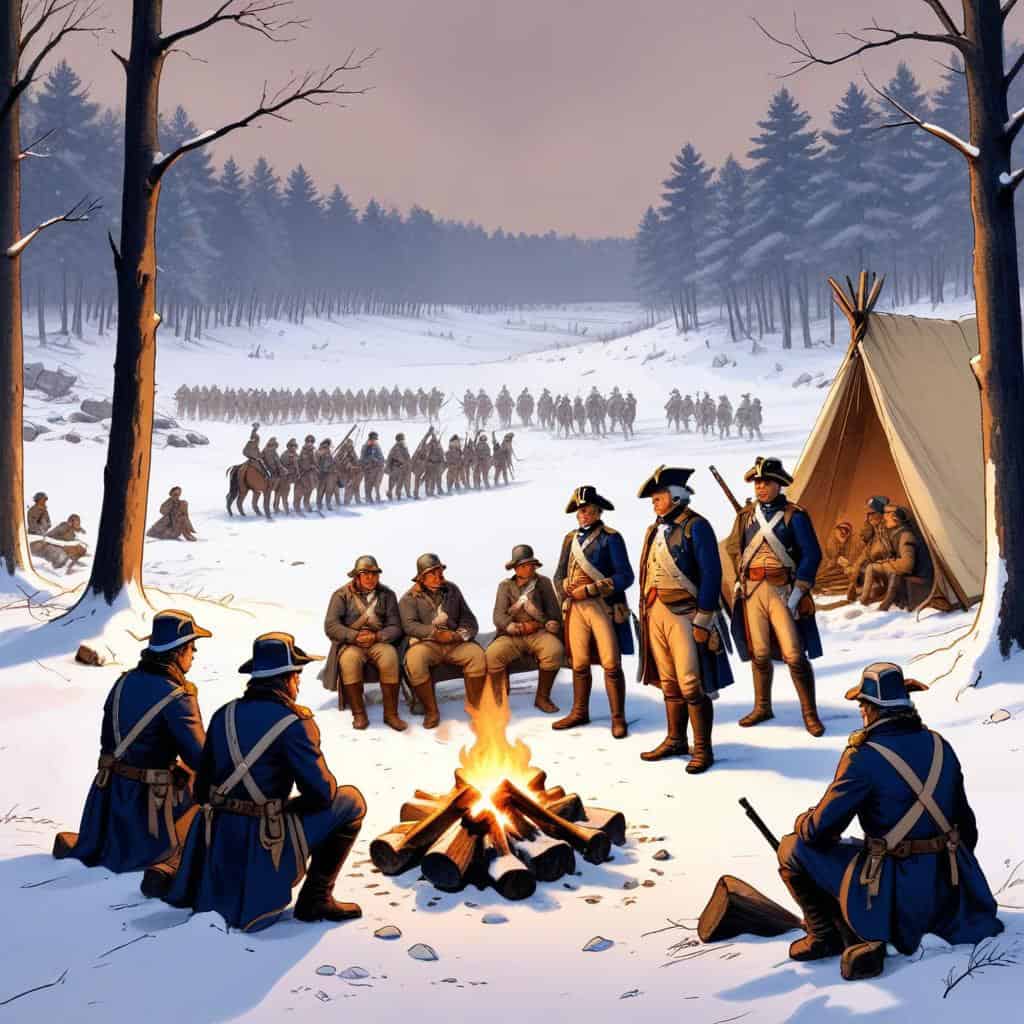

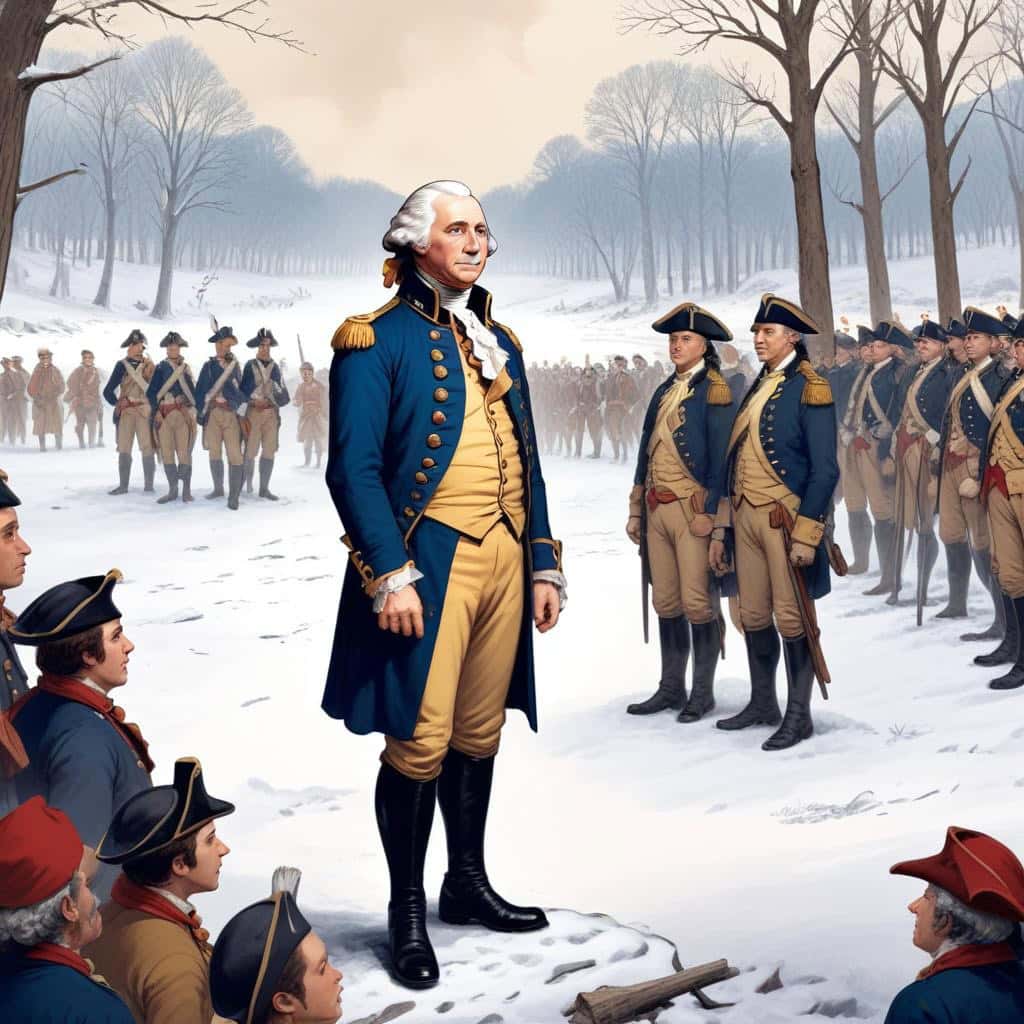
General George Washington
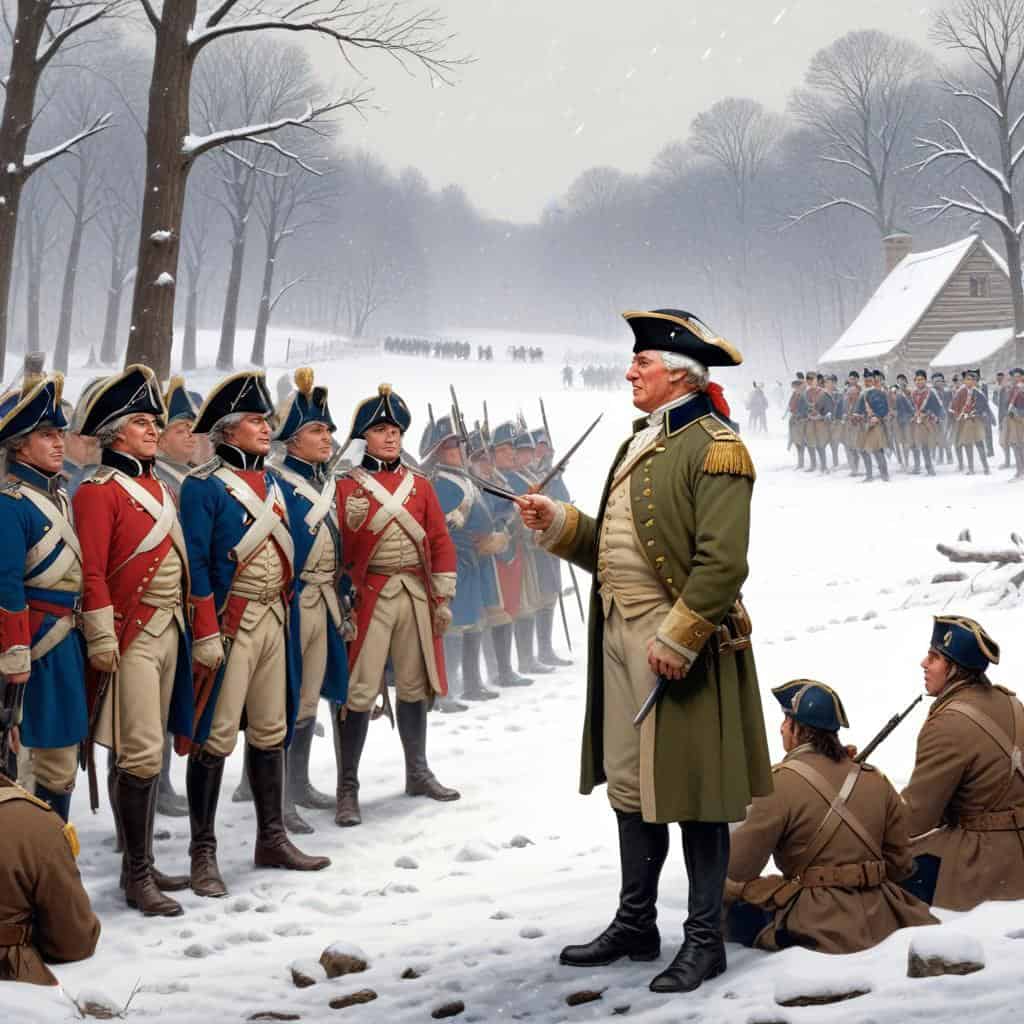
Baron Friedrich Wilhelm von Steuben
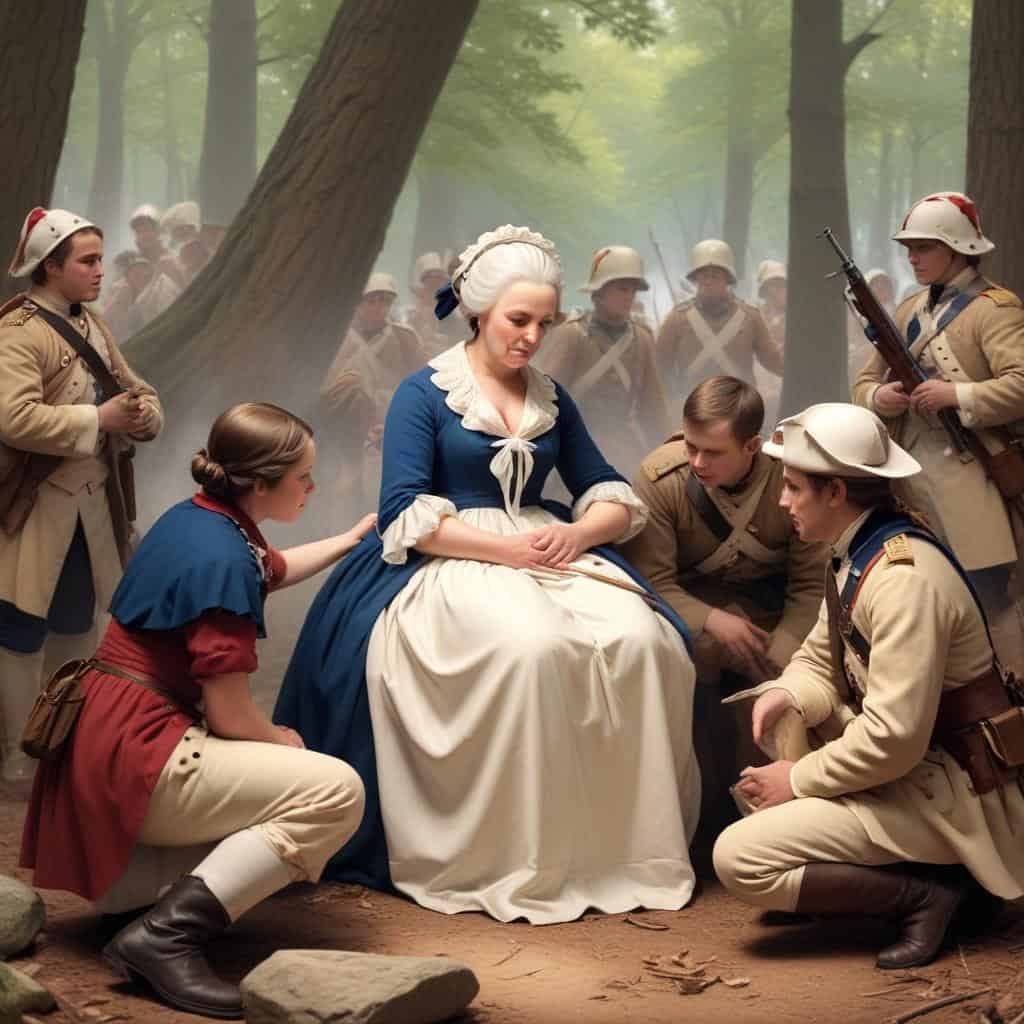
Martha Washington
Colonel John Laurens

Major General Nathanael Greene

1. Arrival at Valley Forge

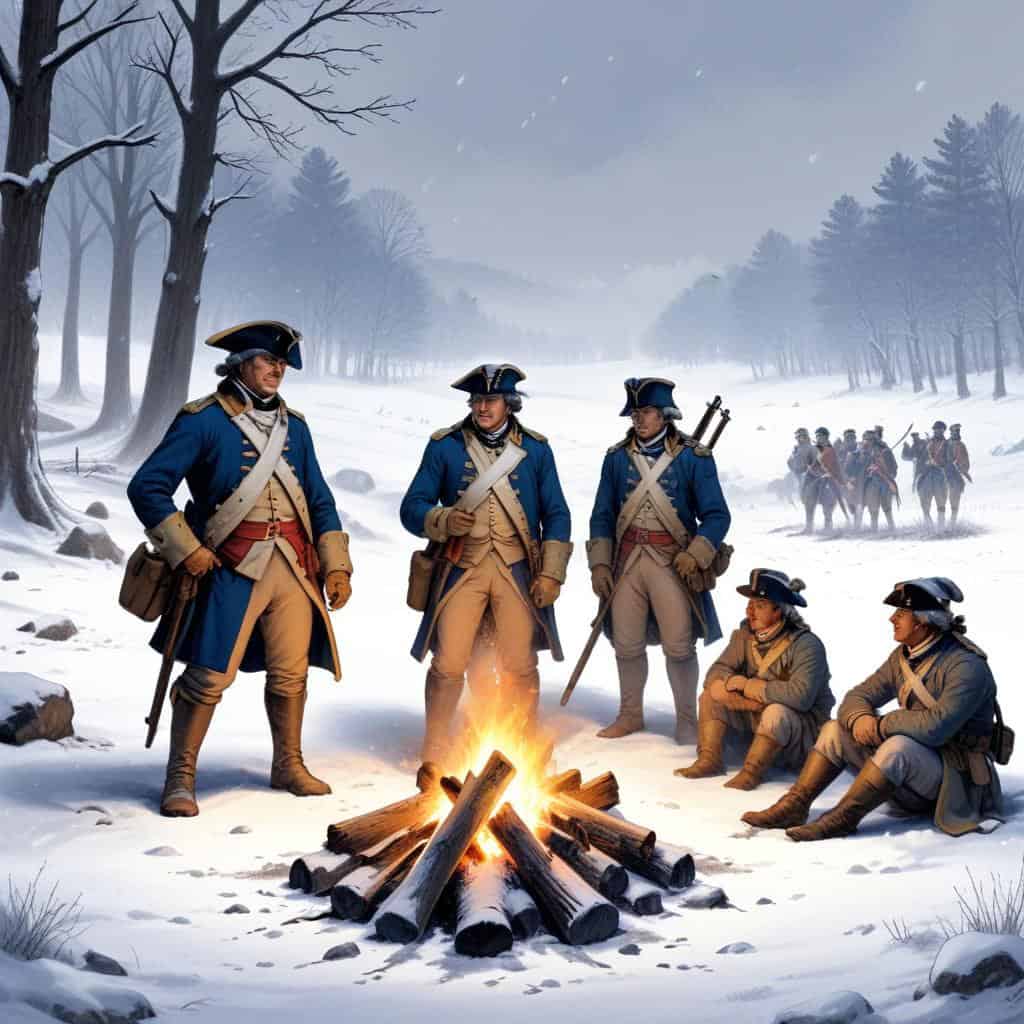
2. Harsh Conditions

3. Lack of Supplies

4. Training and Discipline

5. Disease and Death

6. Resilience and Endurance

7. Support from Civilians

8. The Turning Point

9. Legacy of Valley Forge

10. Honoring the Soldiers
Lesson Details & Resources
In a Nutshell
- What: A crucial winter encampment during the American Revolution.
- When: December 1777 to June 1778
- Who: General George Washington, Continental Army, British forces
- Outcome: Strengthened the resolve and training of the Continental Army, despite harsh conditions.
Famous Figures in the Valley Forge American Revolution
-
George Washington
George Washington was the commander-in-chief of the Continental Army during the winter at Valley Forge.
-
Marquis de Lafayette
Marquis de Lafayette was a French military officer who served under Washington at Valley Forge and played a crucial role in securing French support for the American cause.
-
Baron von Steuben
Baron von Steuben was a Prussian military officer who arrived at Valley Forge to train and discipline the American troops.
-
Anthony Wayne
Anthony Wayne, also known as 'Mad Anthony,' was a Revolutionary War general who commanded a brigade at Valley Forge and later played a significant role in several key battles.
-
Alexander Hamilton
Alexander Hamilton, one of the Founding Fathers of the United States, served as an aide-de-camp to George Washington during the harsh winter at Valley Forge.
Timeline of Valley Forge American Revolution
Continental Army arrives at Valley Forge
Construction of makeshift huts begins
General George Washington takes command of the army
Severe winter weather conditions begin
Lack of proper clothing and supplies leads to suffering
Baron von Steuben arrives to train and discipline the troops
Training and drilling of soldiers intensifies
Smallpox outbreak affects the army
Improvement in supply and logistics by Quartermaster General Nathanael Greene
Marquis de Lafayette arrives at Valley Forge to offer support
Soldiers start receiving regular pay
News of the alliance between France and the United States boosts morale
British forces evacuate Philadelphia
British Army engages in the Battle of Monmouth
Continental Army leaves Valley Forge
Valley Forge becomes a symbol of endurance and sacrifice
Valley Forge National Historical Park is established
Valley Forge becomes a popular tourist destination
Vocabulary List
- Valley Forge
- Valley Forge was the site of the Continental Army's winter encampment during the Revolutionary War.
- Hardship
- The soldiers at Valley Forge faced extreme hardship, including food shortages and harsh winter conditions.
- Revolutionary War
- The winter at Valley Forge was a crucial period in the Revolutionary War, as the Continental Army regrouped and trained for future battles.
- Encampment
- The soldiers built makeshift shelters at Valley Forge to protect themselves from the cold weather.
- Training
- During their time at Valley Forge, the soldiers received training from experienced officers to improve their skills and tactics.
- Suffering
- The soldiers at Valley Forge endured great suffering, but their perseverance ultimately paid off in the eventual victory for the American colonies.
- George Washington
- General George Washington led the Continental Army during their winter at Valley Forge and played a key role in maintaining morale and discipline.
- Resilience
- The soldiers' resilience in the face of adversity at Valley Forge is still remembered as a testament to their dedication to the cause of independence.
Key Facts
This is the information used in the fact matching game
- Valley Forge was the military camp of the American Continental Army during the winter of 1777-1778.
- The winter at Valley Forge was one of the most difficult periods for the American soldiers during the American Revolutionary War.
- Approximately 12,000 soldiers encamped at Valley Forge, including Continental Army regulars, militia, and foreign volunteers.
- The harsh winter weather, lack of supplies, and disease outbreak caused immense suffering and death among the soldiers.
- General George Washington, the commander-in-chief of the Continental Army, chose Valley Forge as the winter encampment to be closer to Philadelphia.
- The soldiers at Valley Forge endured extreme cold temperatures, with many lacking proper clothing and footwear.
- Food shortages were severe at Valley Forge, and soldiers often had to survive on meager rations of bread, meat, and sometimes only vinegar.
- Baron Friedrich Wilhelm von Steuben, a Prussian officer, arrived at Valley Forge and trained the soldiers in military drills and discipline, improving their combat readiness.
- The winter at Valley Forge became a turning point for the American army, as the soldiers received training and discipline, boosting their confidence and morale.
- Despite the hardships, Valley Forge served as a unifying experience for the American soldiers, forging a stronger sense of camaraderie and patriotism.
- Martha Washington, the wife of General George Washington, spent time at Valley Forge and provided support to the soldiers by sewing clothing and offering moral encouragement.
- The winter at Valley Forge marked a turning point in the supply and logistics management of the Continental Army, leading to improved systems and efficiency.
- The suffering and sacrifices endured at Valley Forge inspired soldiers to persevere and endure the hardships of the war, ultimately leading to victory for the American colonies.
- Several prominent figures visited Valley Forge during the winter, including Marquis de Lafayette, Friedrich Wilhelm von Steuben, and Alexander Hamilton.
- The soldiers at Valley Forge engaged in drilling, military exercises, and fortification construction to improve their skills and defensive capabilities.
- Valley Forge served as a symbol of sacrifice and determination for the American Revolution, highlighting the resilience and dedication of the Continental Army.
- The conditions at Valley Forge improved over time as the soldiers learned to build better shelters, received additional supplies, and the weather improved.
- Despite the hardships, the soldiers at Valley Forge maintained their loyalty to General George Washington and their commitment to the cause of American independence.
- Valley Forge National Historical Park now preserves and interprets the history of the winter encampment, allowing visitors to learn about the hardships faced by the soldiers.
- The winter at Valley Forge became a symbol of perseverance and sacrifice in American history, representing the determination and resilience of the American people.
Analysis & Significance
Immediate Consequences
The harsh winter at Valley Forge during the American Revolution resulted in extreme suffering for George Washington’s troops, with many soldiers dying from disease and starvation. This period of hardship tested the resolve and loyalty of the Continental Army.
Long-Term Impact
The perseverance and resilience shown by the soldiers at Valley Forge ultimately strengthened the resolve of the Continental Army, leading to a turning point in the war. The experience at Valley Forge demonstrated the commitment of the American forces to the cause of independence.
Cultural Significance Today
Valley Forge remains a symbol of sacrifice, endurance, and unity in the face of adversity. It is a reminder of the sacrifices made by those who fought for American independence and serves as a source of inspiration for generations to come. The legacy of Valley Forge continues to shape the American identity and spirit of perseverance.
Valley Forge American Revolution Games


Take Your Learning Offline
Want a convenient, print-ready study guide for this lesson? Become a Memory Wizards Pro member to unlock the downloadable " Memory Scrolls" for this topic and our entire library!
- ✓ Complete Vocabulary Lists
- ✓ Key Facts & Timelines
- ✓ Beautifully Formatted for Print & Mobile