
Summary of Shays’ Rebellion
Uncover the fiery rebellion that shook America's early foundations.
How Do You Learn Best?
Learn by Listening
Start with the 3-minute audio summary to get the key facts and narrative highlights quickly.
Learn by Reading
Immerse yourself in the 10-minute visual lesson for a comprehensive understanding of the topic.
Learn by Reviewing
Jump directly to the key facts, timeline, and vocabulary lists to build a solid foundation of details.
Learn by Doing
Challenge yourself! Jump straight into the interactive games to learn by trial, error, and discovery.
Audio Library
As one of our featured lessons, this topic includes premium audio guides.
Unlock the Wizard's Cram Session
This powerful audio study guide is a Pro-exclusive feature. Upgrade to Memory Wizards Pro to access this and all of our premium learning tools.
Upgrade to ProShays’ Rebellion in 10 Minutes
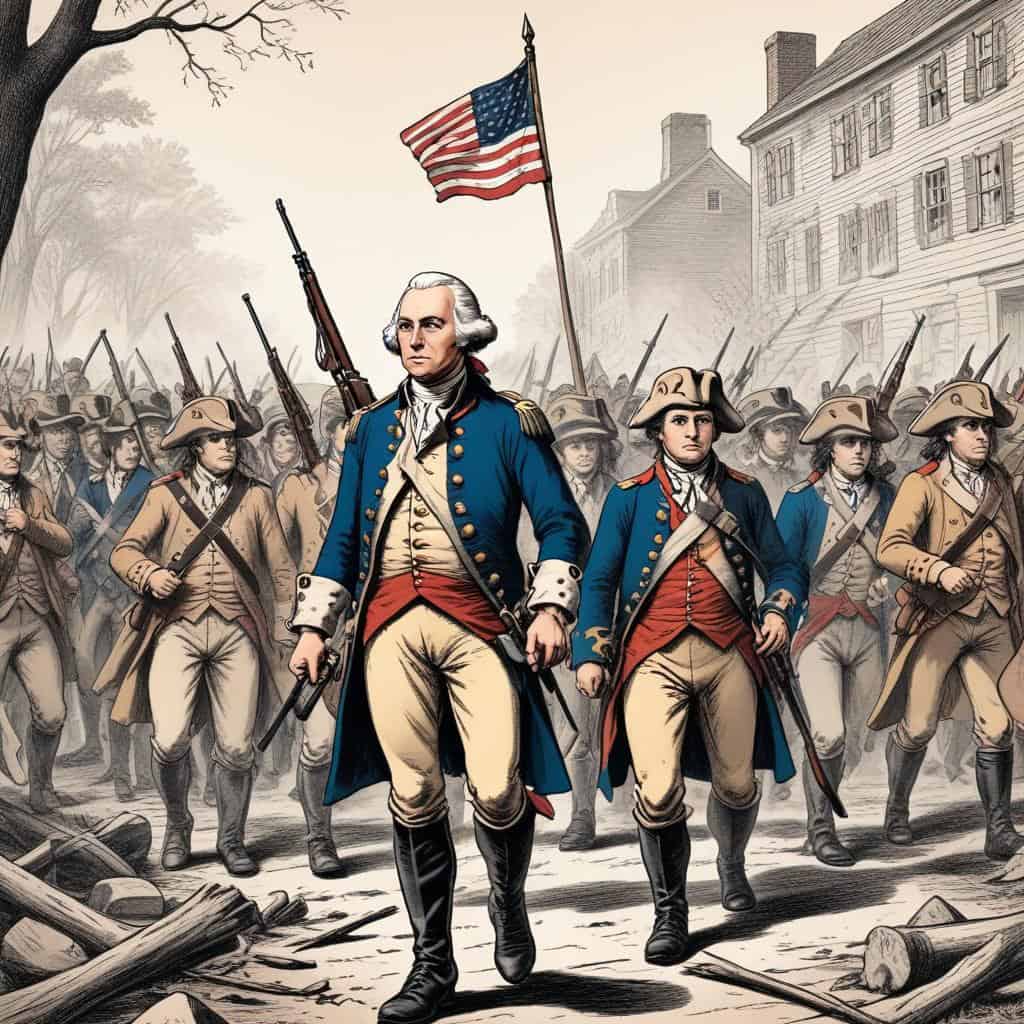
Introduction

Daniel Shays
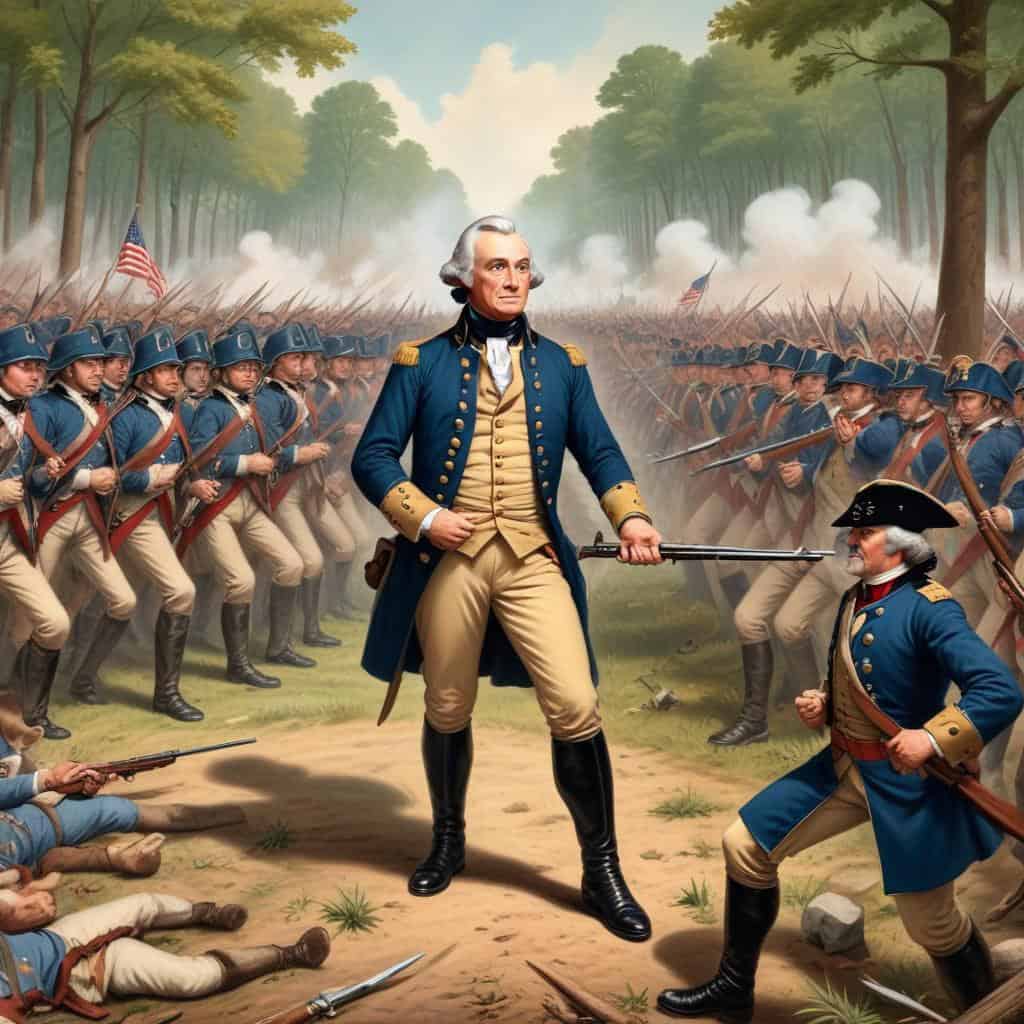
General Benjamin Lincoln
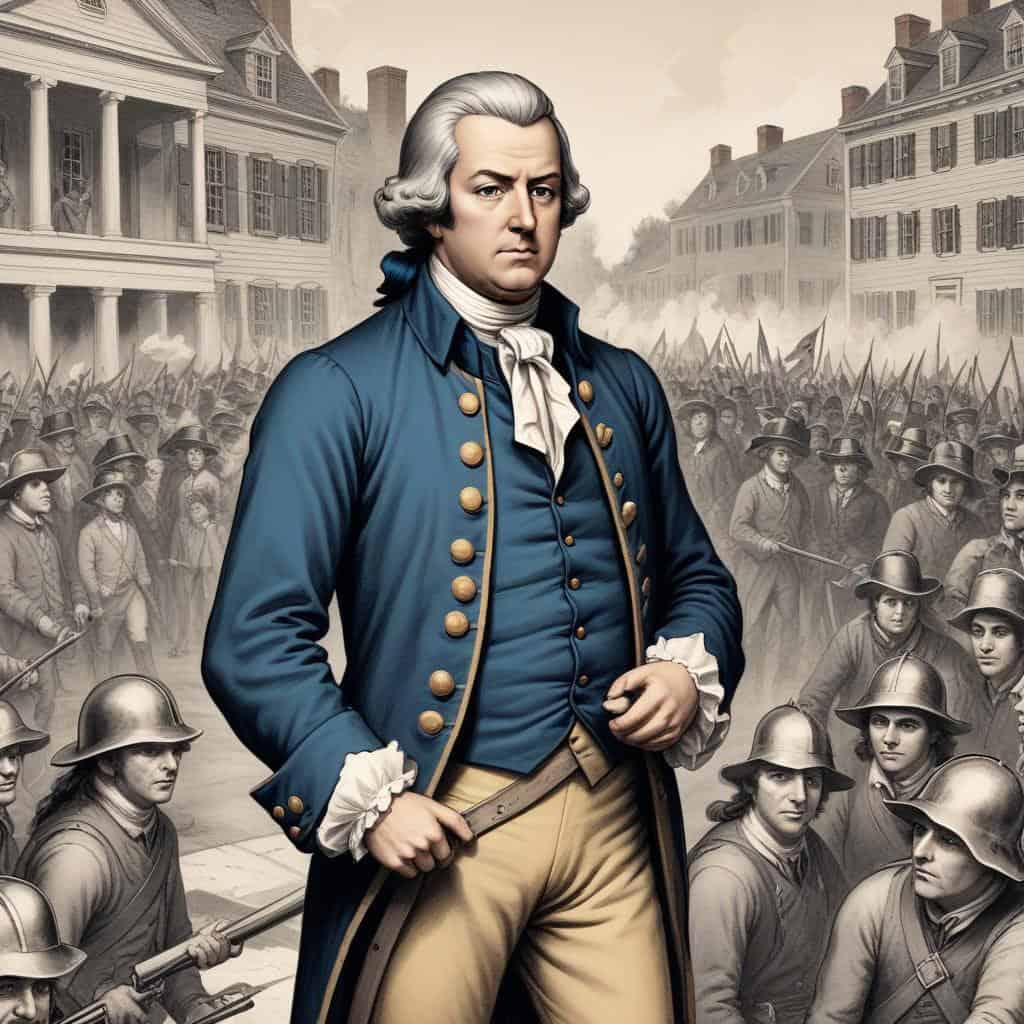
James Bowdoin
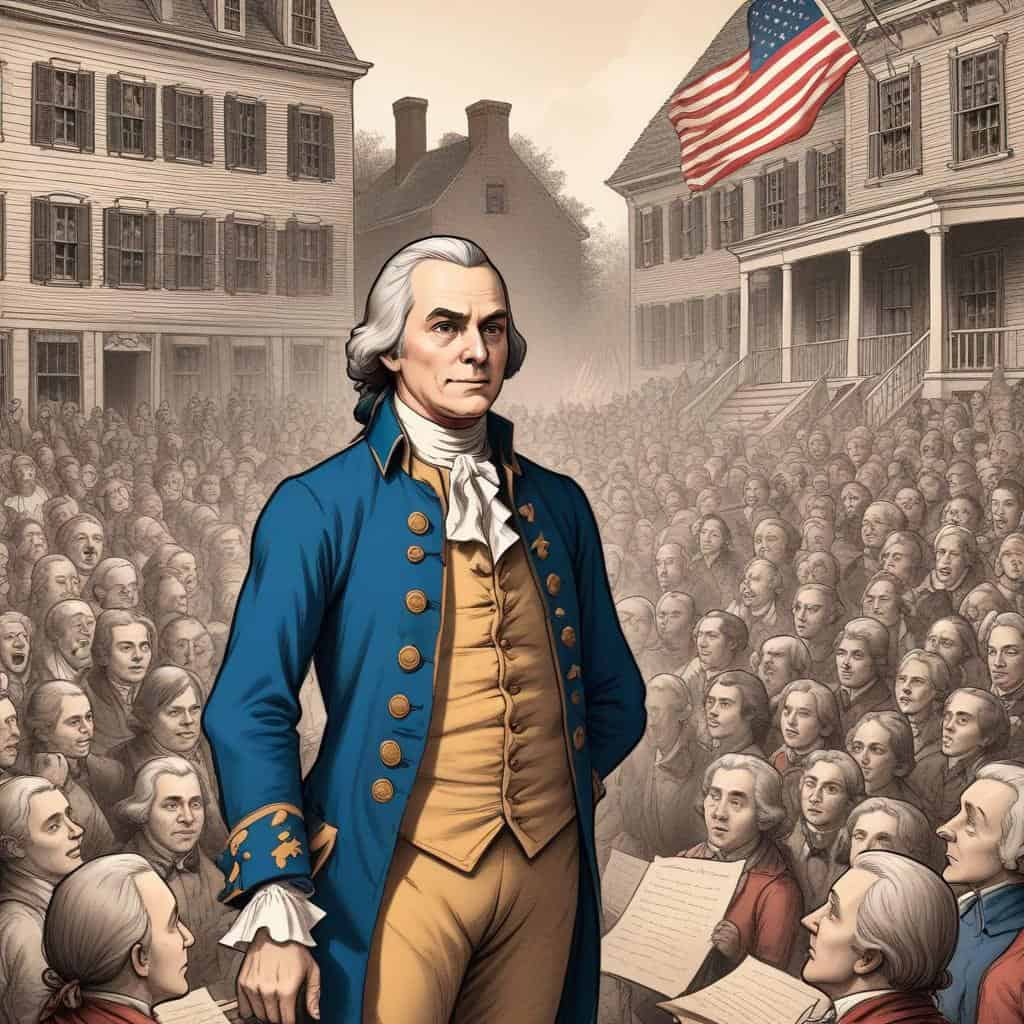
Samuel Adams
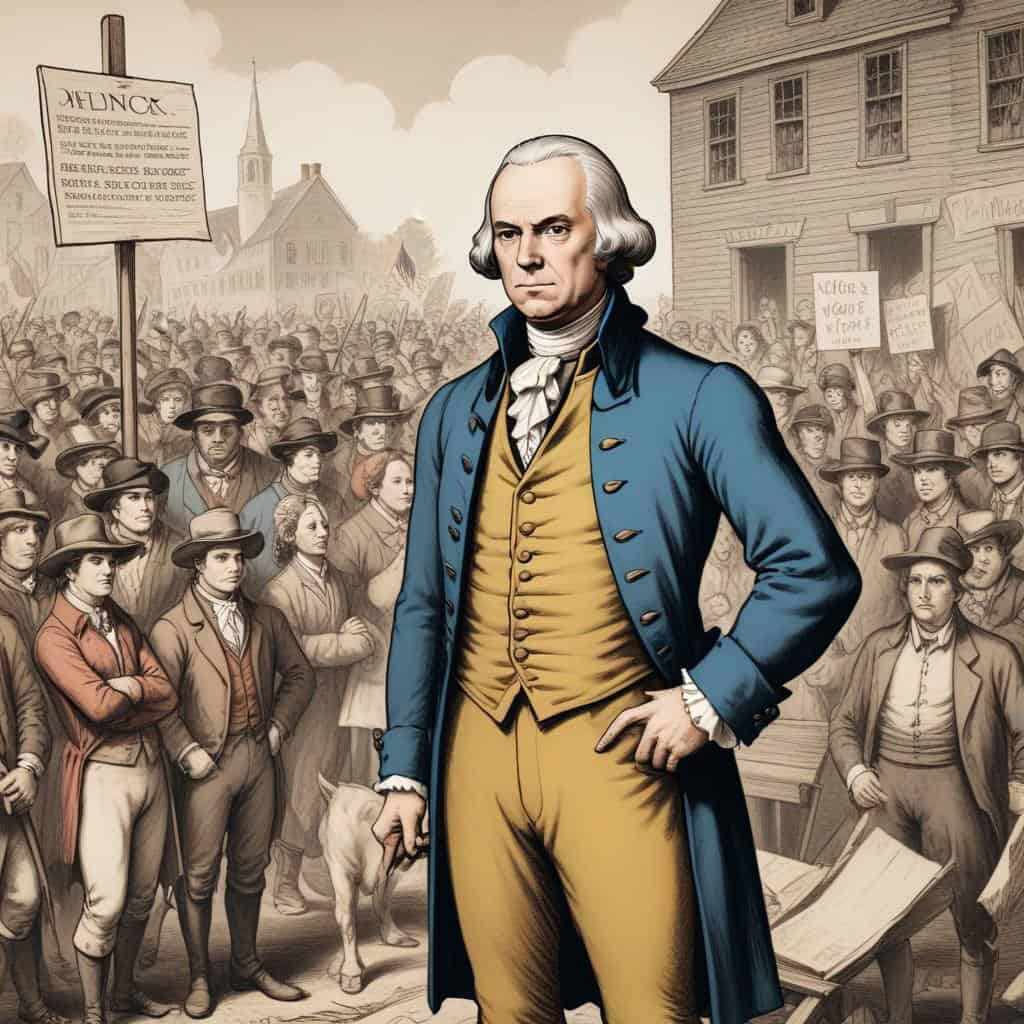
John Hancock

1. Economic Hardship in the Post-Revolutionary War Period

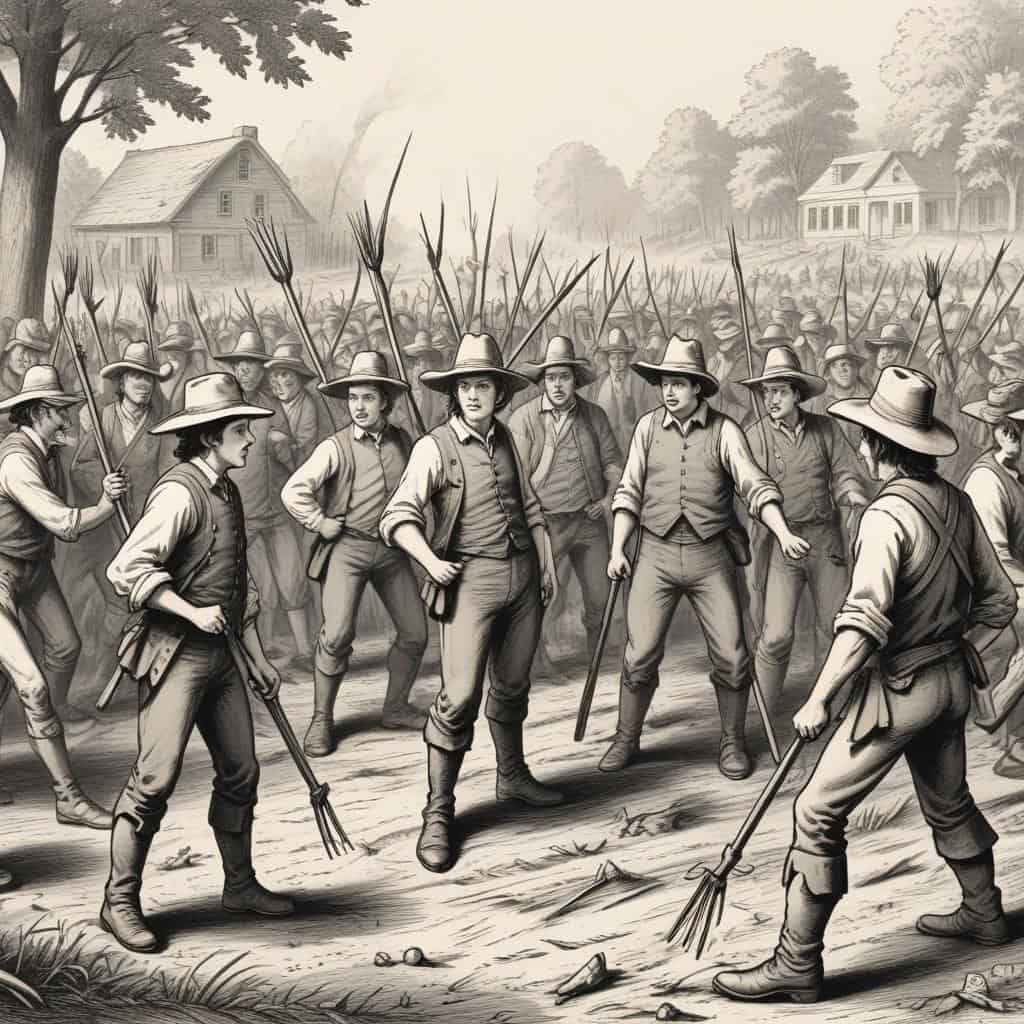
2. Daniel Shays Leads the Rebellion

3. The Springfield Arsenal Attack

4. The Government Responds with Force

5. Shays Rebellion Spreads to Other States

6. The Impact on the Constitutional Convention

7. Legacy of Shays Rebellion

8. Daniel Shays Later Years

9. The Aftermath of Shays Rebellion

10. Remembering Shays Rebellion Today
Lesson Details & Resources
In a Nutshell
- What: A rebellion led by Daniel Shays against economic injustices and high taxes.
- When: 1786-1787
- Who: Daniel Shays, farmers, and debtors in Massachusetts.
- Outcome: Highlighted weaknesses of the Articles of Confederation and led to the calling of the Constitutional Convention.
Famous Figures in the Shays’ Rebellion
-
George Washington
George Washington - As the first President of the United States, Washington played a crucial role in quelling Shays' Rebellion and advocating for a stronger central government.
-
John Adams
John Adams - Adams, who later became the second President of the United States, supported the need for a stronger central government in response to events like Shays' Rebellion.
-
James Madison
James Madison - Madison, often referred to as the 'Father of the Constitution,' was a key figure in drafting the United States Constitution, which aimed to address issues raised by events like Shays' Rebellion.
-
Alexander Hamilton
Alexander Hamilton - Hamilton, a prominent Founding Father and the first Secretary of the Treasury, called for a stronger central government to prevent future uprisings like Shays' Rebellion.
-
Thomas Jefferson
Thomas Jefferson - Although not directly involved in quelling Shays' Rebellion, Jefferson recognized the importance of a more robust central government to maintain stability and protect individual rights.
Timeline of Shays’ Rebellion
End of the American Revolution
Shays' Rebellion begins in Massachusetts
Daniel Shays leads rebel forces in attacks on courthouses
First armed clash between rebels and government forces
Massachusetts Governor calls for stronger central government support
Federal government urged to take action to support states in dealing with rebellion
Constitutional Convention convenes in Philadelphia
Delegates discuss need for stronger central government to prevent future uprisings
Constitutional Convention adopts new Constitution with stronger central government powers
Ratification process begins for new Constitution
Shays' Rebellion officially ends with rebels dispersing
Constitution ratified by enough states to go into effect
George Washington elected as first President under new Constitution
Bill of Rights added to Constitution to address concerns about central government power
Legacy of Shays' Rebellion influences debate over state vs. federal power for years to come
Shays' Rebellion seen as catalyst for stronger central government and Constitution
Shays' Rebellion serves as warning of dangers of weak central government
Formation of political parties in response to debates over central government power
Shays' Rebellion remembered as early example of challenges facing young United States
Impact of Shays' Rebellion felt in ongoing debates over federalism and states' rights
Vocabulary List
- Shays' Rebellion
- An armed uprising in Massachusetts during 1786 and 1787 led by farmers and Revolutionary War veterans who were protesting against high taxes and debt
- Rebellion
- An act of defiance or resistance against authority, in this case, the uprising led by Daniel Shays
- Central Government
- The governing body that has authority over a nation or state as a whole, in this context, the need for a stronger central government to address the issues raised by Shays' Rebellion
- Protest
- A formal declaration or action expressing disapproval or objection, the participants in Shays' Rebellion were protesting against economic hardships and unfair taxation
- Uprising
- A coordinated act of rebellion or resistance, the farmers and veterans involved in Shays' Rebellion organized an uprising against the state government
- Farmers
- Individuals involved in agricultural activities, many of whom were affected by economic difficulties and high taxes that led to their participation in Shays' Rebellion
- Veterans
- Former members of the military who had fought in the Revolutionary War, some of whom joined Shays' Rebellion due to post-war economic hardships
- Debt
- An obligation to repay borrowed money or fulfill financial obligations, the burden of debt was one of the reasons for the discontent that fueled Shays' Rebellion
- Taxation
- The levying of taxes by the government, the excessive taxation imposed on farmers and veterans contributed to their grievances and eventually led to Shays' Rebellion
- Economic Hardships
- Difficulties or challenges faced in relation to financial matters, the economic hardships experienced by farmers and veterans were a driving force behind their participation in Shays' Rebellion
Key Facts
This is the information used in the fact matching game
- Shays' Rebellion was an armed uprising in Massachusetts in 1786-1787 led by Daniel Shays, a former Revolutionary War soldier.
- The rebellion was fueled by economic hardship and grievances over high taxes and lack of government response to farmers' financial struggles.
- The rebellion highlighted the weaknesses of the Articles of Confederation, the first constitution of the United States.
- Shays' Rebellion demonstrated the need for a stronger central government with the power to suppress domestic rebellions.
- The rebellion led to calls for a constitutional convention to revise the Articles of Confederation.
- Many delegates at the Constitutional Convention cited Shays' Rebellion as evidence of the need for a stronger central government.
- George Washington described Shays' Rebellion as 'the most disreputable thing that has happened since the British left our shores.'
- The rebellion was ultimately put down by the Massachusetts militia with the help of a privately funded militia.
- Shays' Rebellion led to fears of similar uprisings in other states and contributed to the urgency of creating a stronger national government.
- The events of Shays' Rebellion influenced the drafting of the U.S. Constitution, particularly in regards to the powers of the federal government.
- The rebellion highlighted the need for a standing army to maintain order and protect against internal threats.
- Shays' Rebellion is considered one of the catalysts for the adoption of the Constitution and the creation of a stronger federal government.
- The rebellion reflected the tensions between debt-ridden farmers and wealthy elites in post-Revolutionary War America.
- The state of Massachusetts later passed legislation to address the grievances of the farmers involved in Shays' Rebellion.
- Shays' Rebellion marked a turning point in American history, leading to a reevaluation of the structure and powers of the federal government.
- The rebellion demonstrated the limitations of state governments in addressing economic and social issues, prompting a push for stronger federal authority.
- Shays' Rebellion underscored the importance of a unified national government to maintain stability and prevent uprisings.
- The aftermath of Shays' Rebellion paved the way for the ratification of the U.S. Constitution in 1788.
- The rebellion served as a cautionary tale about the dangers of weak central authority and the need for a strong federal government.
- Shays' Rebellion ultimately contributed to the establishment of a more centralized and powerful federal government in the United States.
Analysis & Significance
Immediate Consequences
Shays’ Rebellion, a protest by American farmers against the economic injustices they faced, led to a heightened sense of urgency among the political elite to address the weaknesses of the Articles of Confederation. The rebellion exposed the vulnerability of the young nation to internal unrest and highlighted the need for a stronger central government.
Long-Term Impact
The long-term impact of Shays’ Rebellion was the catalyst it provided for the Constitutional Convention of 1787. The discontent and chaos caused by the rebellion pushed the Founding Fathers to create a new framework for government that ultimately resulted in the U.S. Constitution. This event played a crucial role in shaping the structure of the American government.
Cultural Significance Today
Shays’ Rebellion remains a significant part of American history as it serves as a reminder of the importance of addressing economic inequality and social unrest. The rebellion symbolizes the struggles of ordinary citizens against oppressive systems and continues to influence discussions on government structure and the balance of power between the people and the state.
Shays’ Rebellion Games


Take Your Learning Offline
Want a convenient, print-ready study guide for this lesson? Become a Memory Wizards Pro member to unlock the downloadable " Memory Scrolls" for this topic and our entire library!
- ✓ Complete Vocabulary Lists
- ✓ Key Facts & Timelines
- ✓ Beautifully Formatted for Print & Mobile