
Summary of Battle of Yorktown
The final showdown that determined America's independence.
How Do You Learn Best?
Learn by Listening
Start with the 3-minute audio summary to get the key facts and narrative highlights quickly.
Learn by Reading
Immerse yourself in the 10-minute visual lesson for a comprehensive understanding of the topic.
Learn by Reviewing
Jump directly to the key facts, timeline, and vocabulary lists to build a solid foundation of details.
Learn by Doing
Challenge yourself! Jump straight into the interactive games to learn by trial, error, and discovery.
Audio Library
As one of our featured lessons, this topic includes premium audio guides.
Unlock the Wizard's Cram Session
This powerful audio study guide is a Pro-exclusive feature. Upgrade to Memory Wizards Pro to access this and all of our premium learning tools.
Upgrade to ProBattle of Yorktown in 10 Minutes
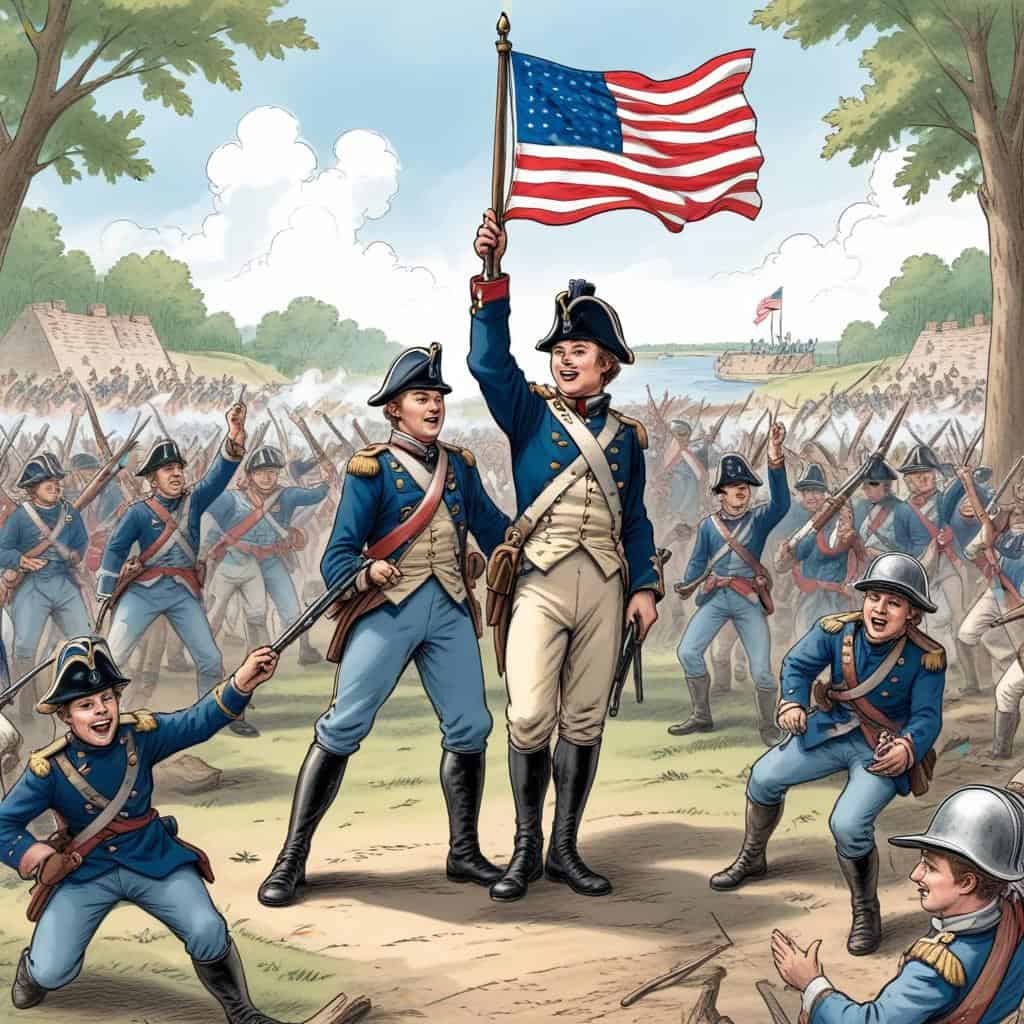
Introduction
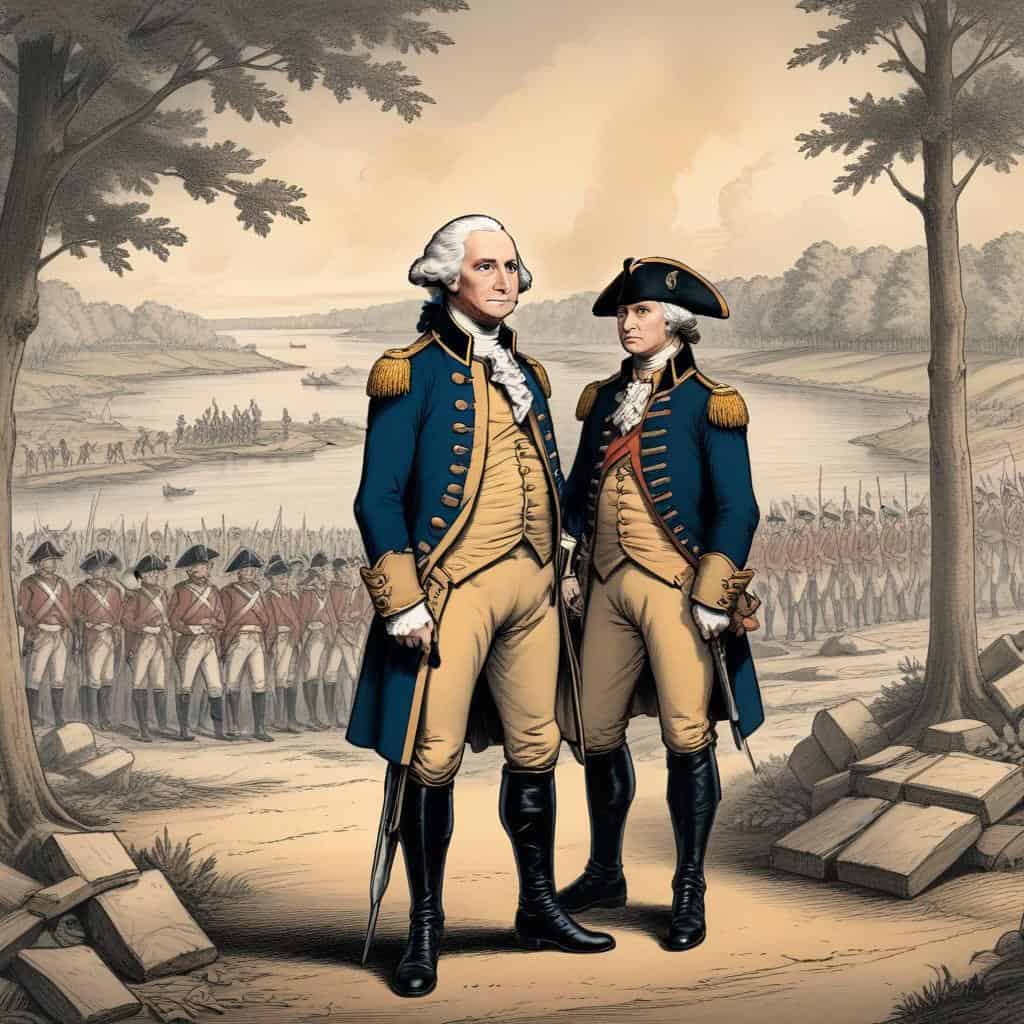
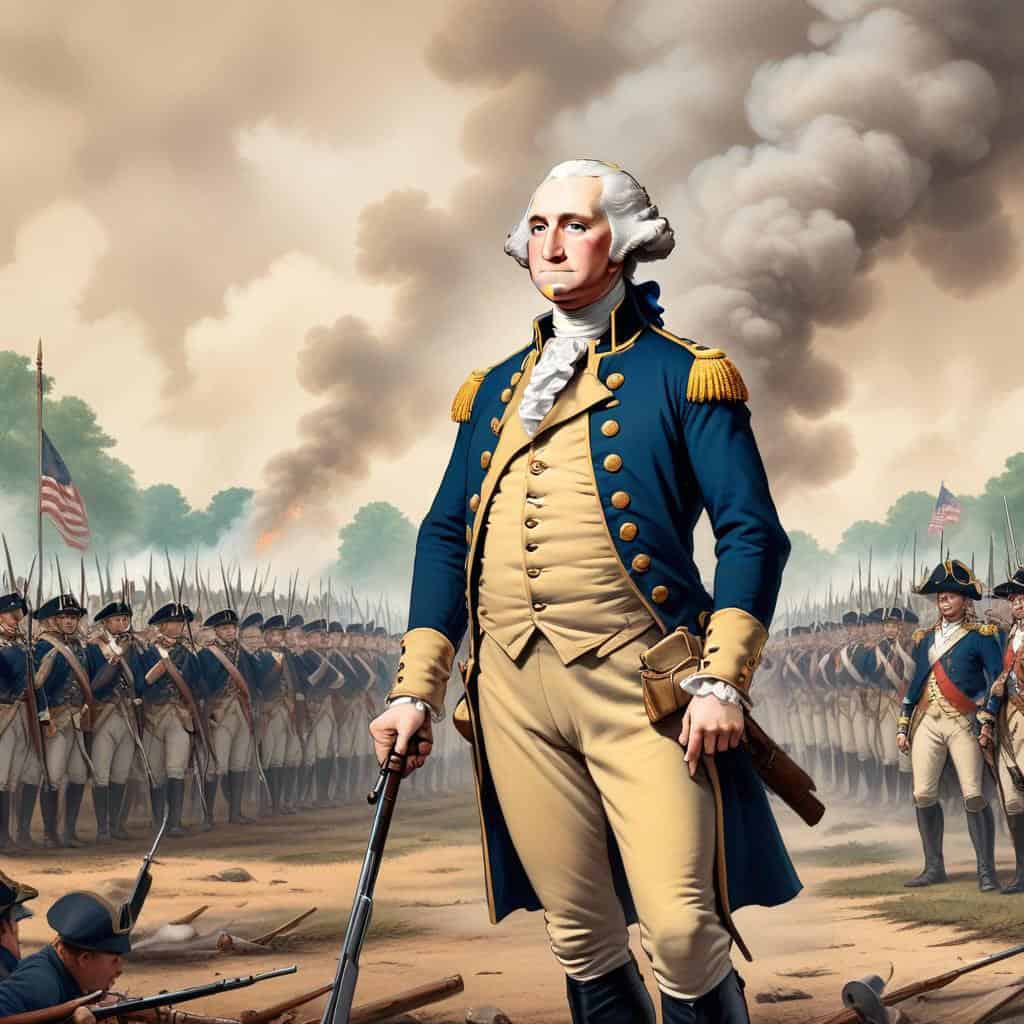
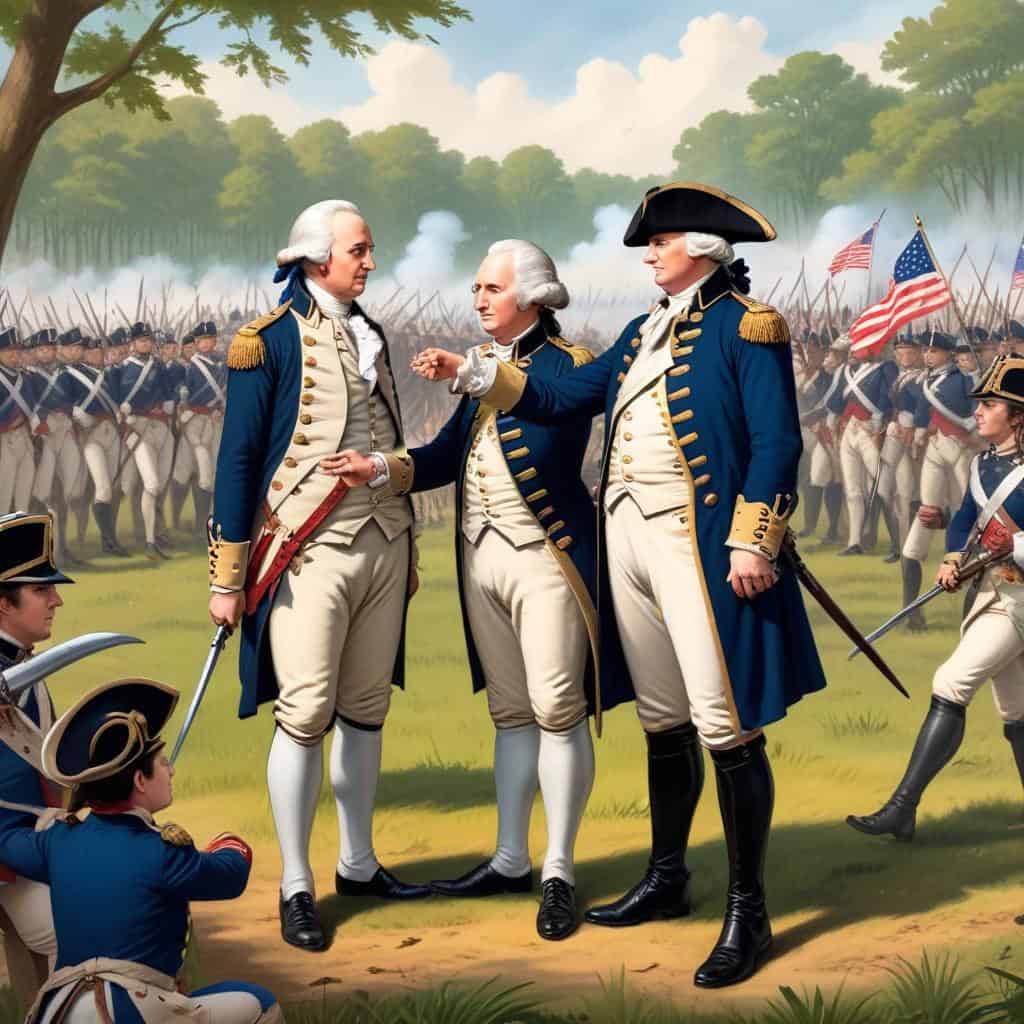
General George Washington
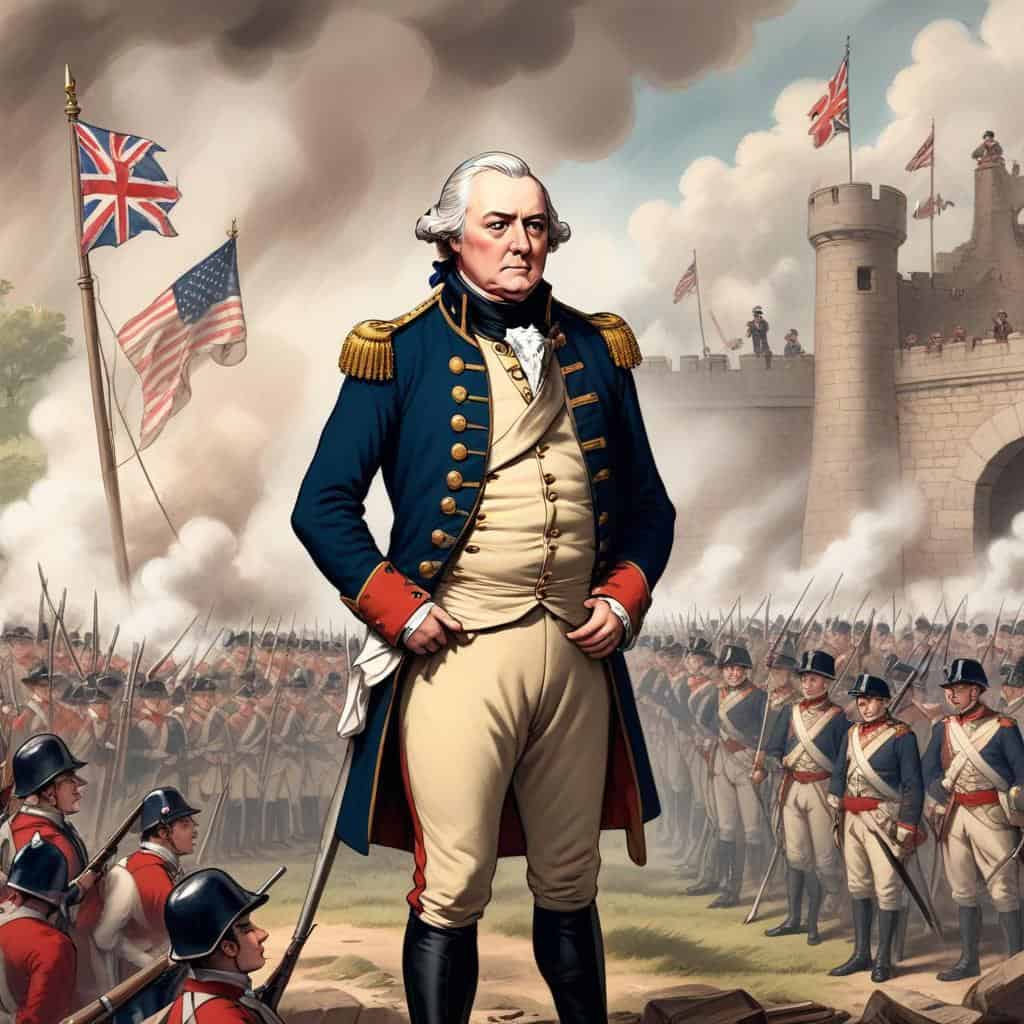
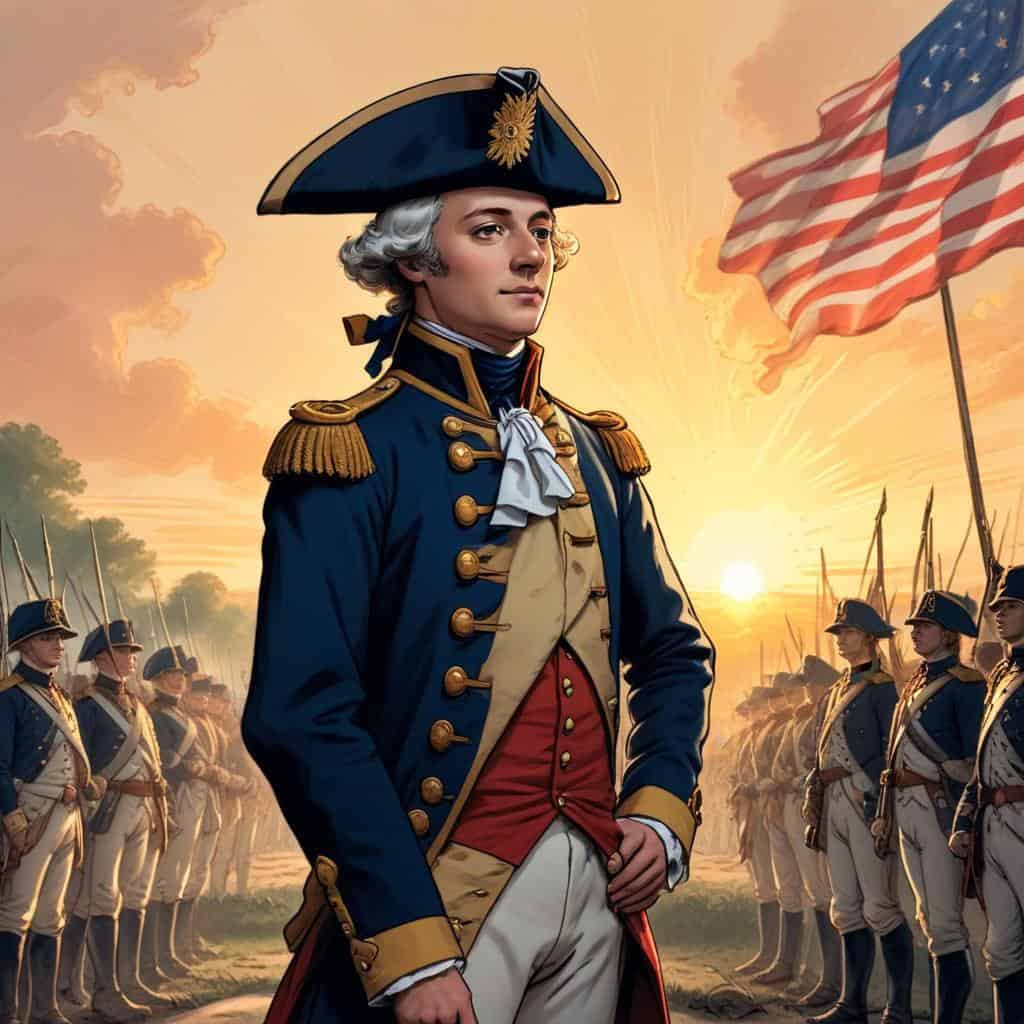
General Charles Cornwallis
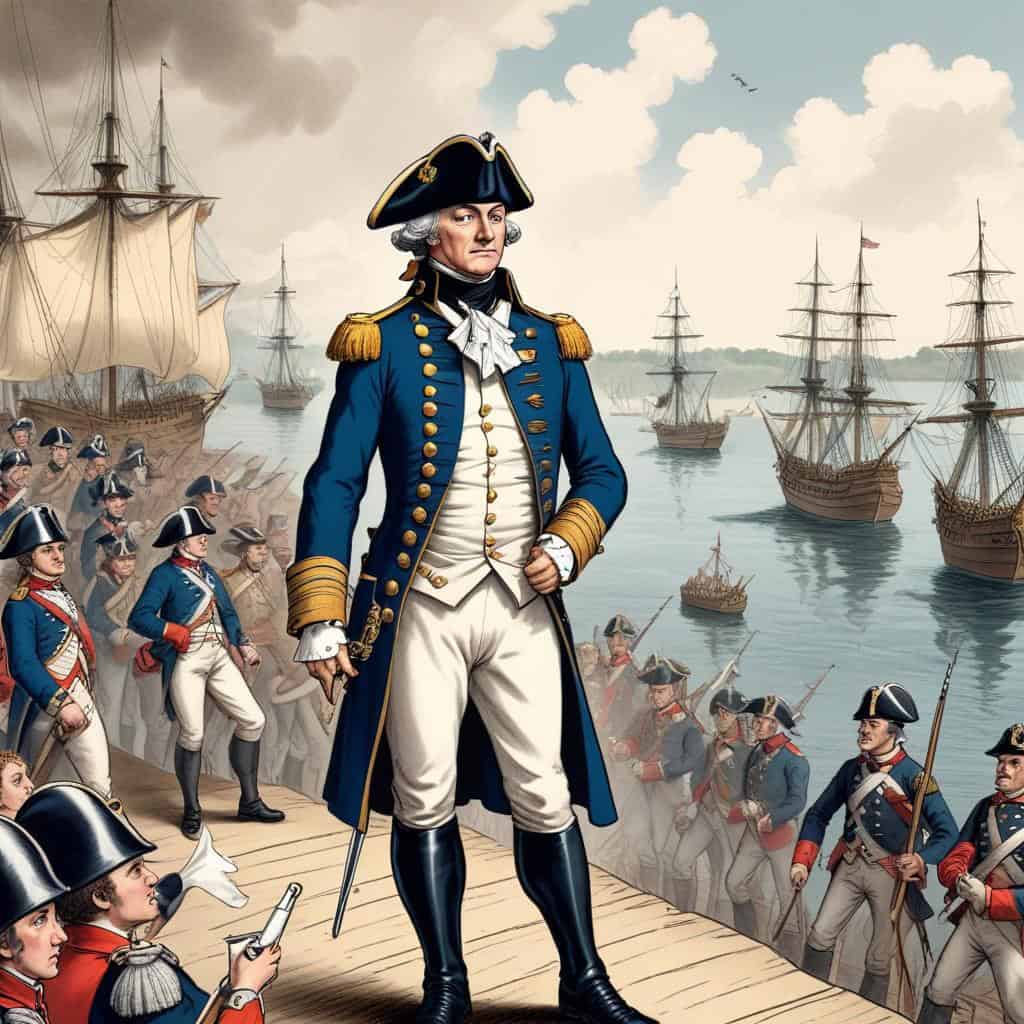
Comte de Rochambeau
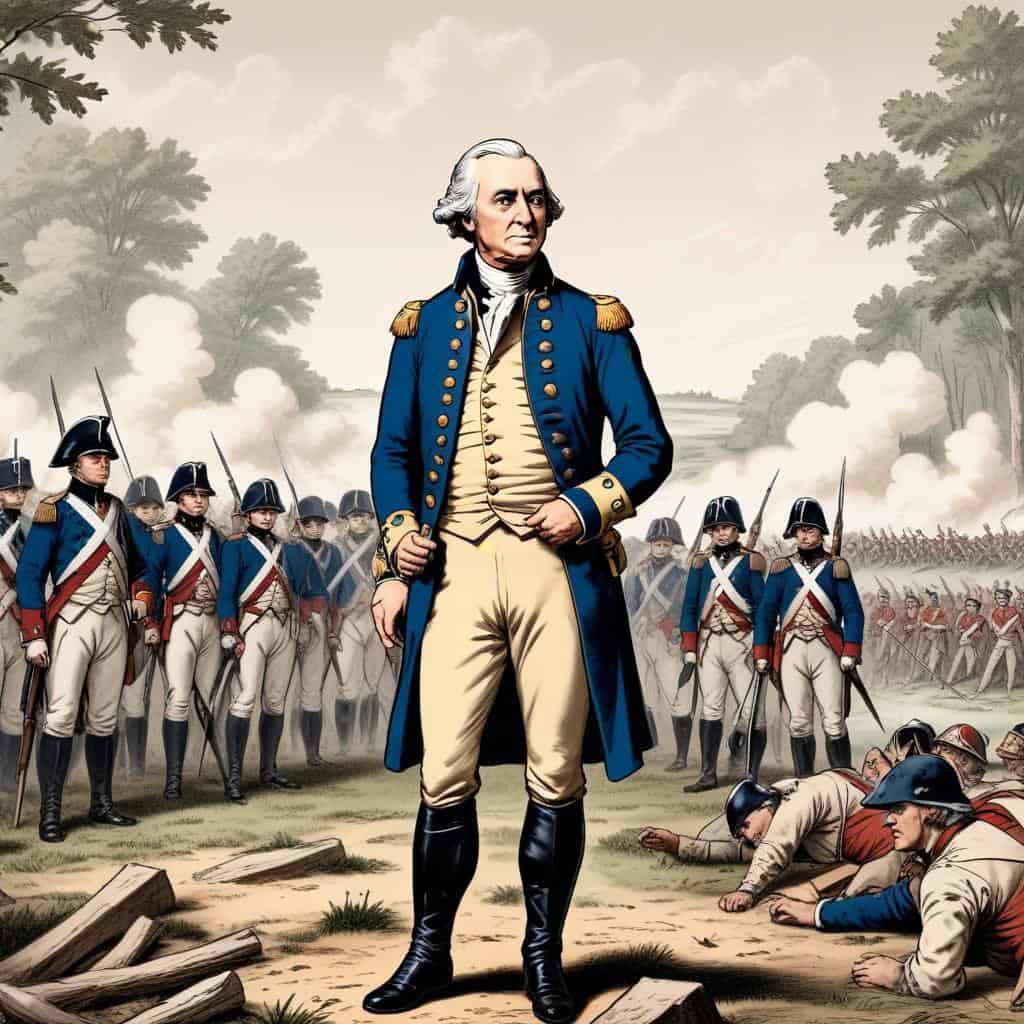
Admiral de Grasse
General Benjamin Lincoln
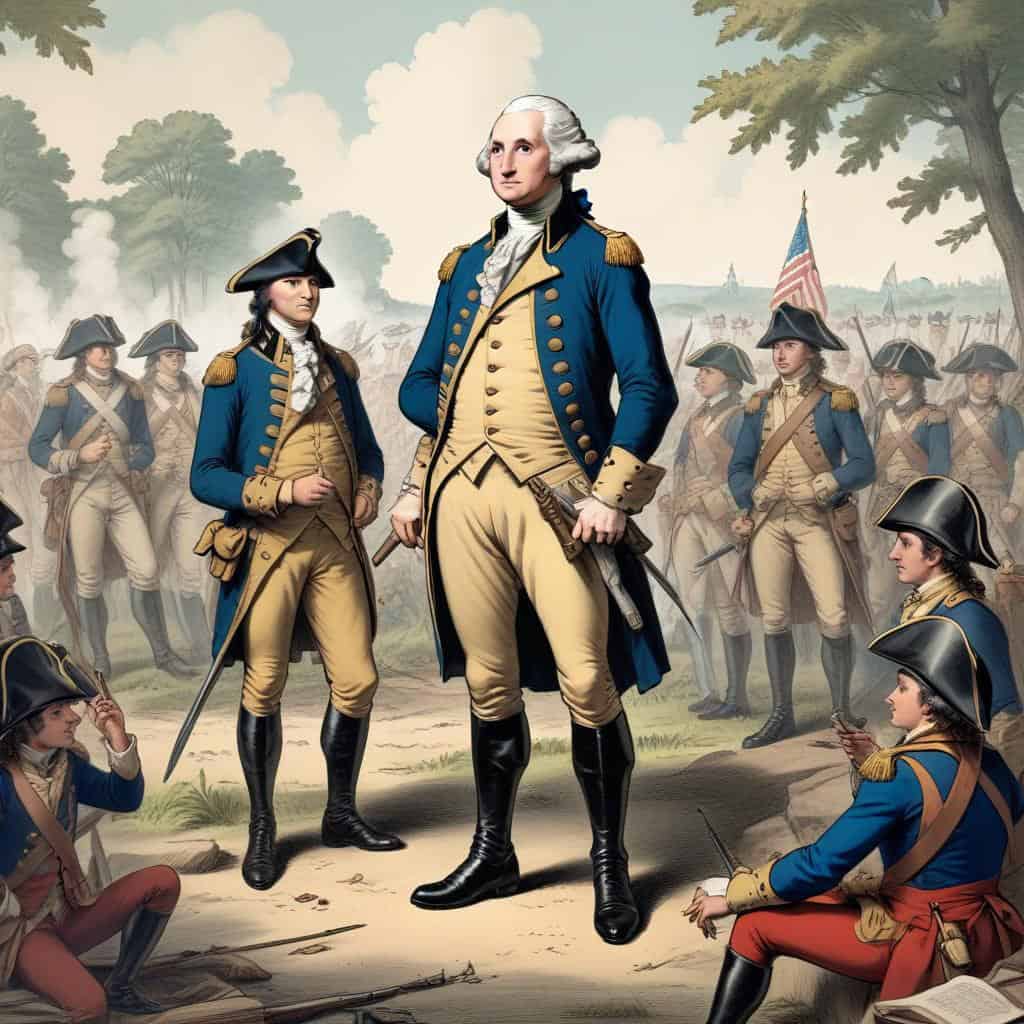
The Siege Begins

Blockade and Bombardment

The Surrender Negotiations

The British Surrender

Impact of the Victory

Treaty of Paris
Legacy of Yorktown
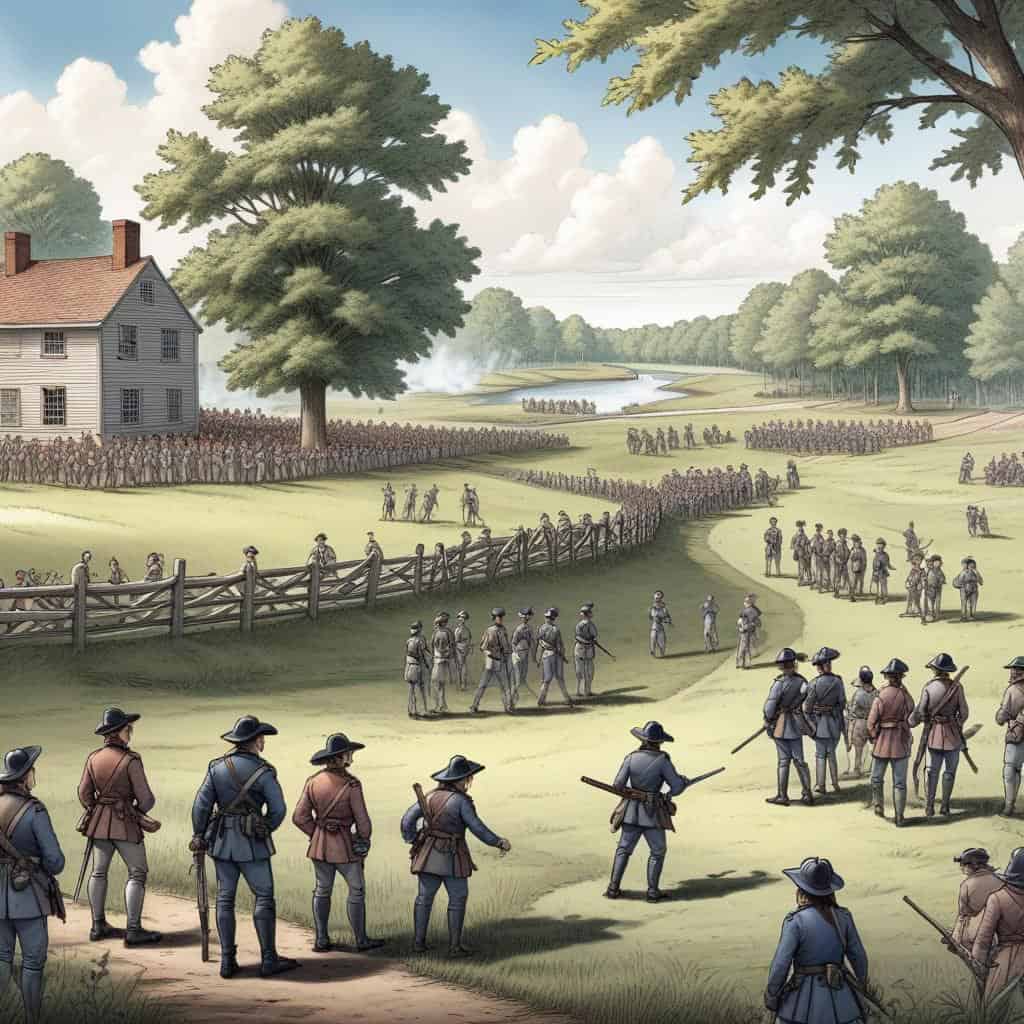
Commemoration of the Battle
Lesson Details & Resources
In a Nutshell
- What: A significant battle in the American Revolutionary War
- When: September 28 to October 19, 1781
- Who: American forces led by George Washington, French forces led by Comte de Rochambeau, British forces led by General Cornwallis
- Outcome: Decisive victory for American and French forces, leading to British surrender and effectively ending the war
Famous Figures in the Battle of Yorktown
-
George Washington
George Washington was the commander-in-chief of the Continental Army during the Battle of Yorktown, leading the American forces to victory.
-
Charles Cornwallis
Charles Cornwallis was the British general who commanded the British army during the Battle of Yorktown and ultimately surrendered to the Americans.
-
Marquis de Lafayette
Marquis de Lafayette was a French aristocrat and military officer who played a crucial role in the Battle of Yorktown, providing support to the American forces.
-
Alexander Hamilton
Alexander Hamilton was an American statesman and one of the founding fathers who participated in the Battle of Yorktown as an aide-de-camp to General Washington.
-
Thomas Jefferson
Thomas Jefferson, although not directly involved in the Battle of Yorktown, was a key figure in the American Revolution and later became the third President of the United States.
Timeline of Battle of Yorktown
Battle of Yorktown begins
American and French forces surround British troops
British General Cornwallis requests reinforcements
French fleet blocks British escape by sea
American and French artillery bombard Yorktown
British attempt to break siege in the Battle of the Chesapeake
British forces suffer heavy casualties
British General Cornwallis surrenders
Formal surrender ceremony takes place
British soldiers become prisoners of war
End of major fighting in the American Revolutionary War
American and French troops celebrate victory
British ships and troops captured
British surrender officially accepted by General George Washington
British troops march out of Yorktown as prisoners
British begin the journey to prisoner-of-war camps
News of the British surrender reaches Europe
Treaty negotiations between Britain and United States commence
Treaty of Paris signed, officially ending the American Revolutionary War
Vocabulary List
- Battle of Yorktown
- The final major battle of the American Revolutionary War, fought between the British and American forces in Yorktown, Virginia.
- British Surrender
- The ultimate outcome of the Battle of Yorktown, where the British forces under General Cornwallis surrendered to the American and French forces.
- American Revolutionary War
- The war fought between Great Britain and thirteen of its North American colonies, which ultimately led to the establishment of the United States of America.
- General Cornwallis
- The British general who commanded the British forces during the Battle of Yorktown and eventually surrendered to the American and French forces.
- Virginia
- The state in which the Battle of Yorktown took place, serving as a strategic location due to its proximity to the Chesapeake Bay.
- American forces
- Refers to the combined forces of the Continental Army and local militias, led by General George Washington, that fought against the British in the Battle of Yorktown.
- French forces
- Refers to the military contingent sent by France to support the American forces during the Battle of Yorktown, commanded by General Jean-Baptiste de Rochambeau.
Key Facts
This is the information used in the fact matching game
- The Battle of Yorktown was a decisive battle in the American Revolutionary War.
- The battle took place from September 28 to October 19, 1781.
- The American forces, led by General George Washington, were supported by French troops commanded by General Jean-Baptiste de Rochambeau.
- The British forces, led by General Lord Charles Cornwallis, were trapped and outnumbered at Yorktown.
- The American and French forces successfully besieged Yorktown, cutting off the British supply lines and preventing reinforcements.
- The British Navy, under Admiral Thomas Graves, failed to break the French blockade of Yorktown.
- The siege of Yorktown lasted for 21 days.
- American artillery bombarded Yorktown, causing significant damage to the British defenses.
- The French fleet, led by Admiral François Joseph Paul de Grasse, blocked the Chesapeake Bay, preventing British reinforcements from reaching Yorktown.
- The British attempted a breakout on October 16 but were repelled by the combined American and French forces.
- On October 17, Cornwallis requested a cease-fire and began negotiations for surrender.
- The terms of surrender were agreed upon on October 18.
- On October 19, 1781, Cornwallis formally surrendered his troops to General Washington.
- Around 8,000 British soldiers and sailors became prisoners of war.
- The British loss at Yorktown effectively ended major combat operations in North America during the Revolutionary War.
- The victory at Yorktown boosted American morale and significantly weakened British resolve to continue the war.
- The Battle of Yorktown is often considered the turning point of the American Revolution.
- The successful partnership between American and French forces at Yorktown paved the way for the Treaty of Paris in 1783, which ended the Revolutionary War.
- The surrender of Cornwallis and his troops marked the end of British control over the American colonies.
- The battlefield at Yorktown is now a National Historical Park maintained by the National Park Service.
Analysis & Significance
Immediate Consequences
The Battle of Yorktown marked a crucial turning point in the American Revolutionary War, as it resulted in a decisive victory for the American forces led by General George Washington. This victory led to the surrender of British General Cornwallis, effectively ending major combat operations in the American colonies.
Long-Term Impact
The Battle of Yorktown ultimately led to the recognition of American independence by the British government, paving the way for the signing of the Treaty of Paris in 1783. This treaty officially ended the Revolutionary War and granted the United States its sovereignty, shaping the course of American history and politics for centuries to come.
Cultural Significance Today
The Battle of Yorktown is remembered as a pivotal moment in American history, symbolizing the triumph of freedom and democracy over tyranny and oppression. It serves as a reminder of the sacrifices made by the founding fathers and the brave soldiers who fought for the ideals of liberty and independence. The legacy of the Battle of Yorktown continues to inspire Americans to uphold the principles of democracy and to defend their rights and freedoms.
Battle of Yorktown Games


Take Your Learning Offline
Want a convenient, print-ready study guide for this lesson? Become a Memory Wizards Pro member to unlock the downloadable " Memory Scrolls" for this topic and our entire library!
- ✓ Complete Vocabulary Lists
- ✓ Key Facts & Timelines
- ✓ Beautifully Formatted for Print & Mobile