
How Do You Learn Best?
Learn by Reading
Immerse yourself in the 10-minute visual lesson for a comprehensive understanding of the topic.
Learn by Reviewing
Jump directly to the key facts, timeline, and vocabulary lists to build a solid foundation of details.
Learn by Doing
Challenge yourself! Jump straight into the interactive games to learn by trial, error, and discovery.
The Gypsies by Alexander Pushkin in 10 Minutes
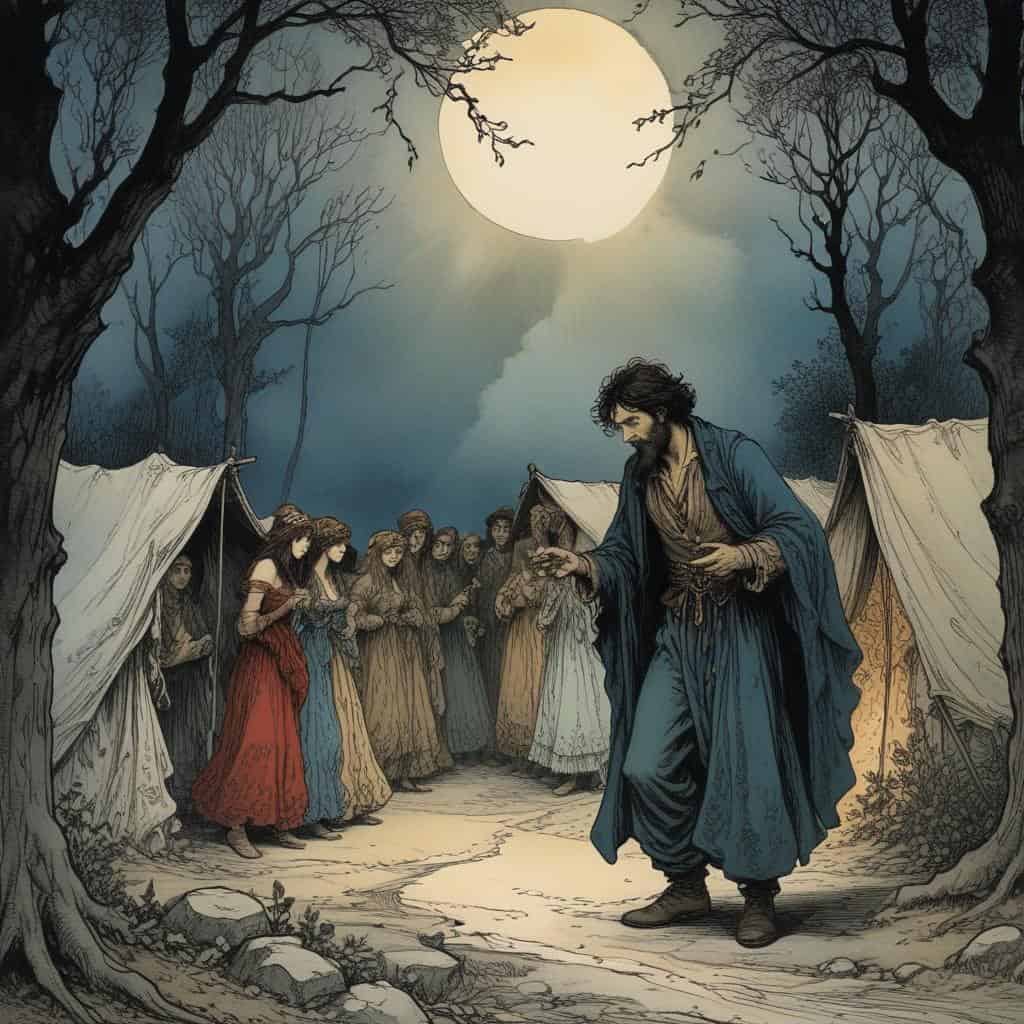
Introduction
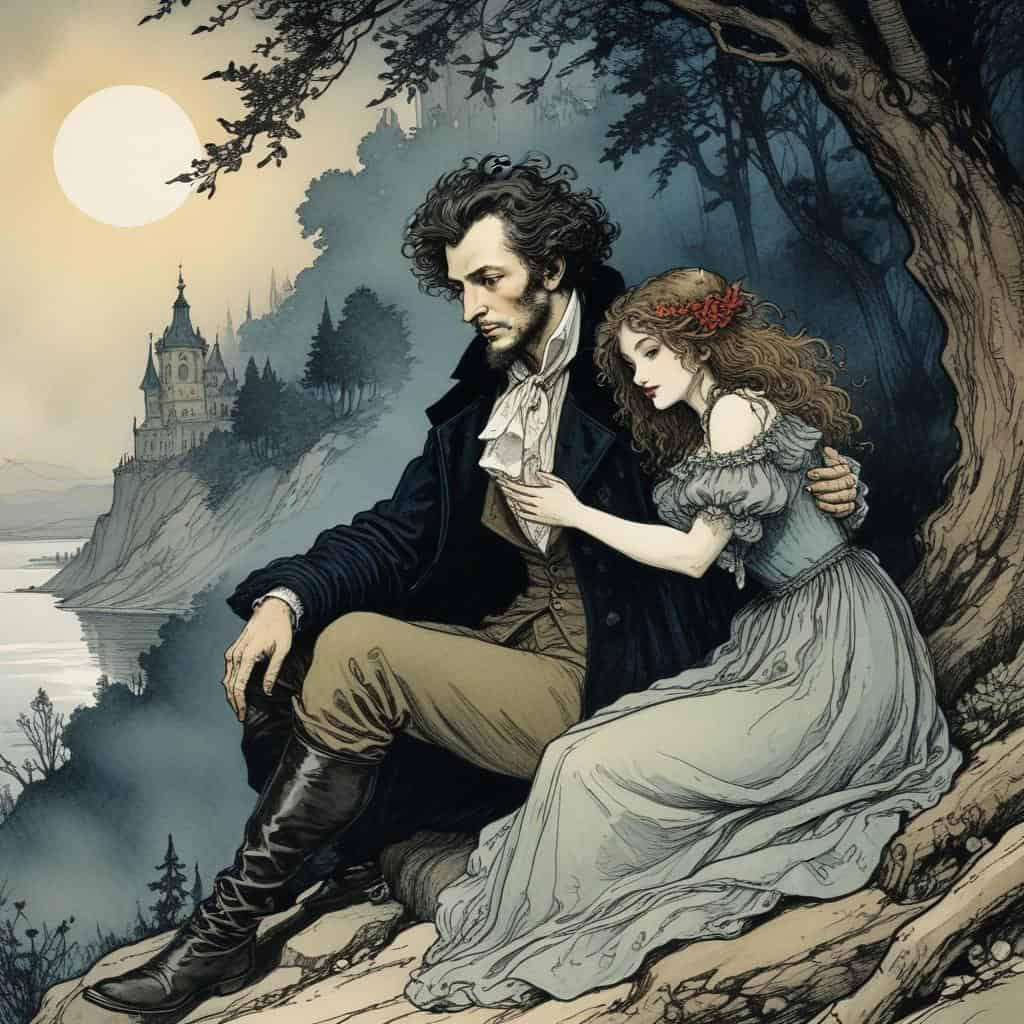
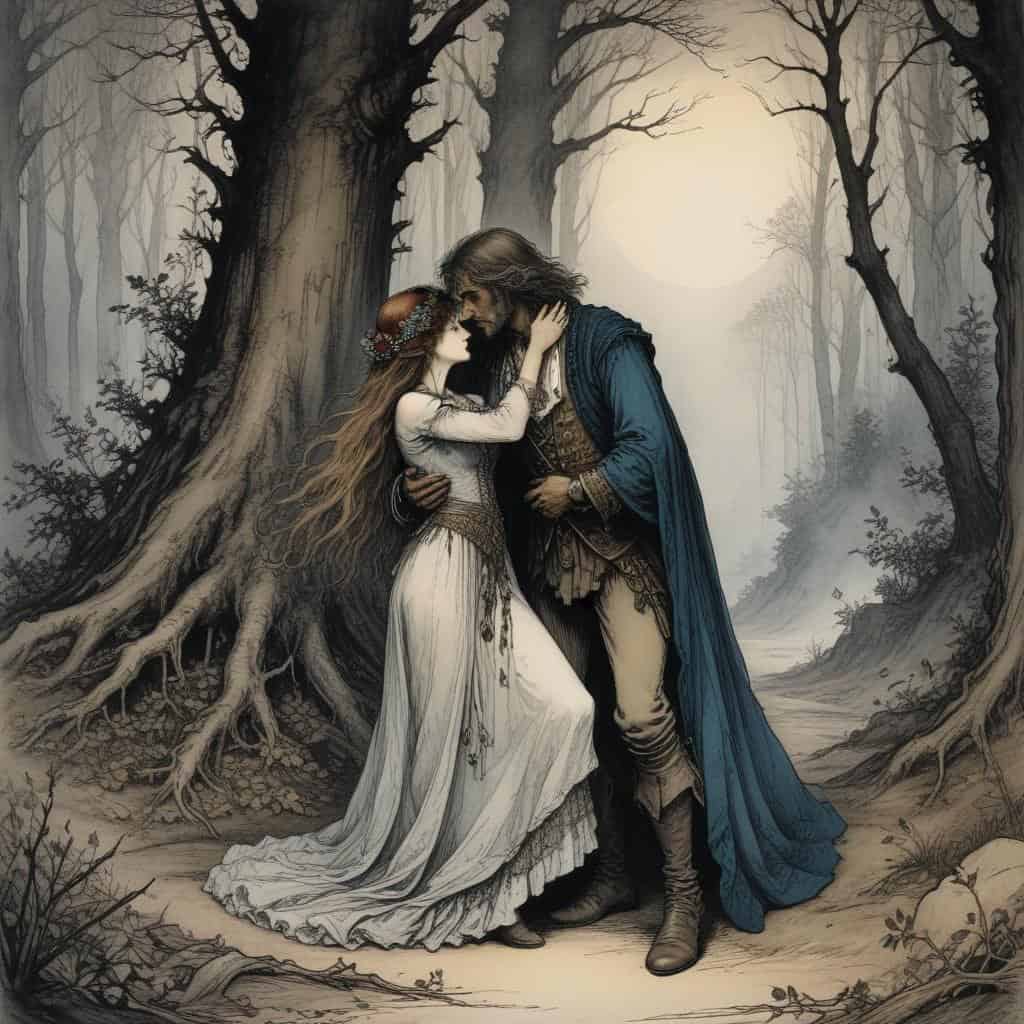

Queen Zemfira

Yanko

Rada
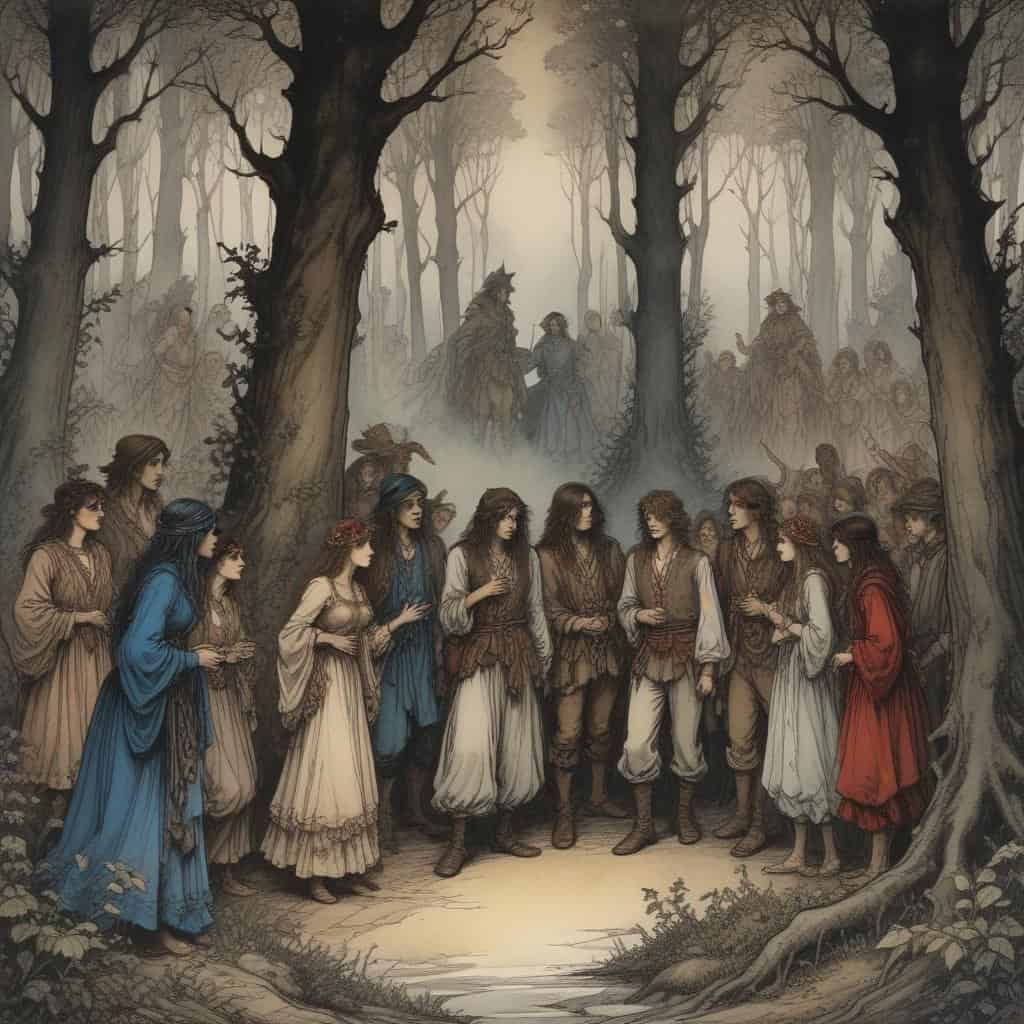
1. The Encounter
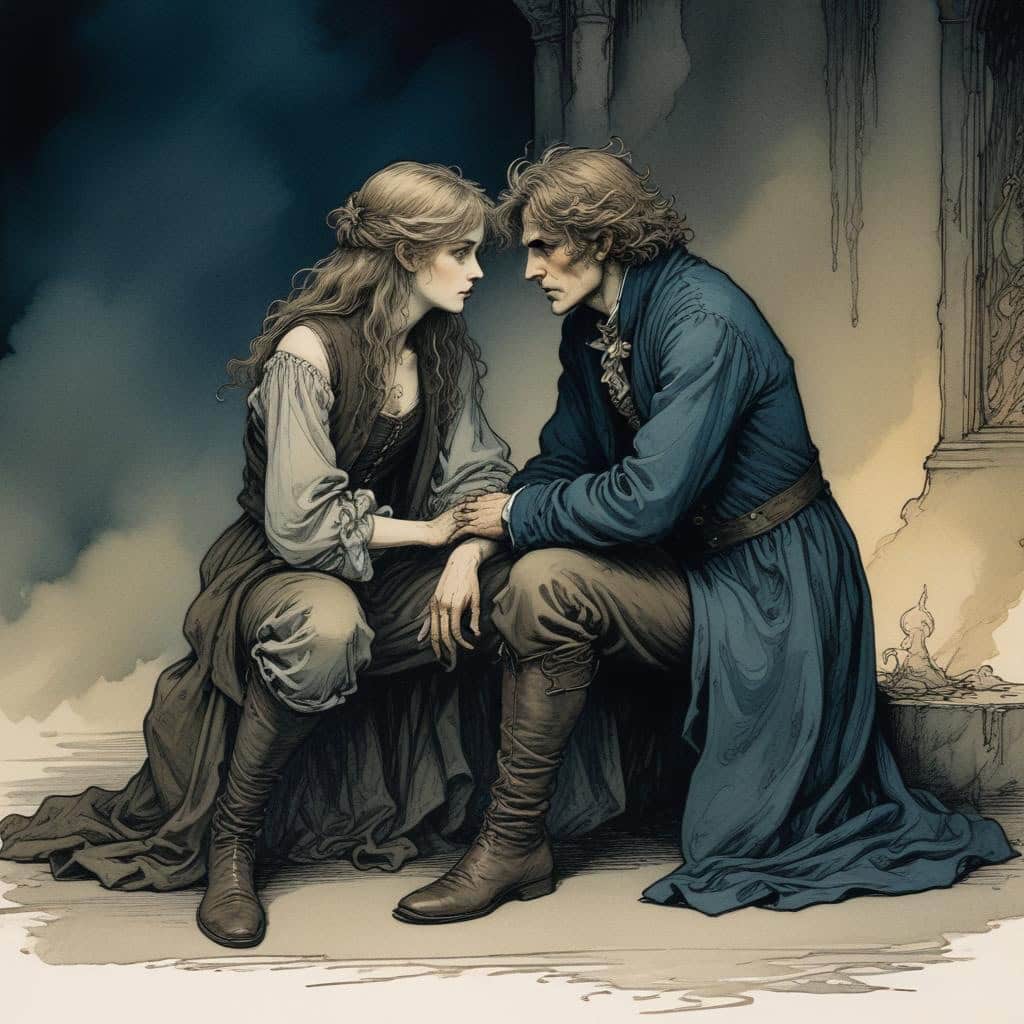
2. The Betrayal
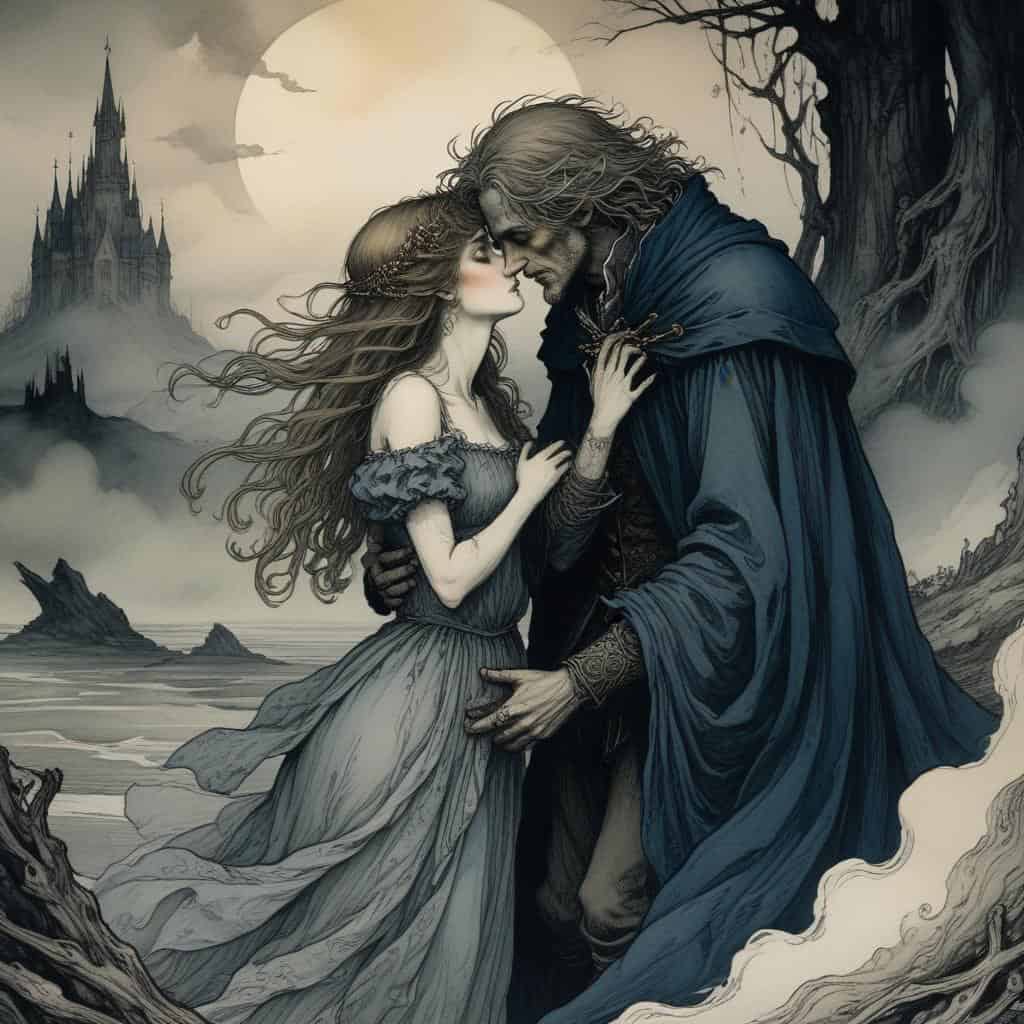
3. The Separation
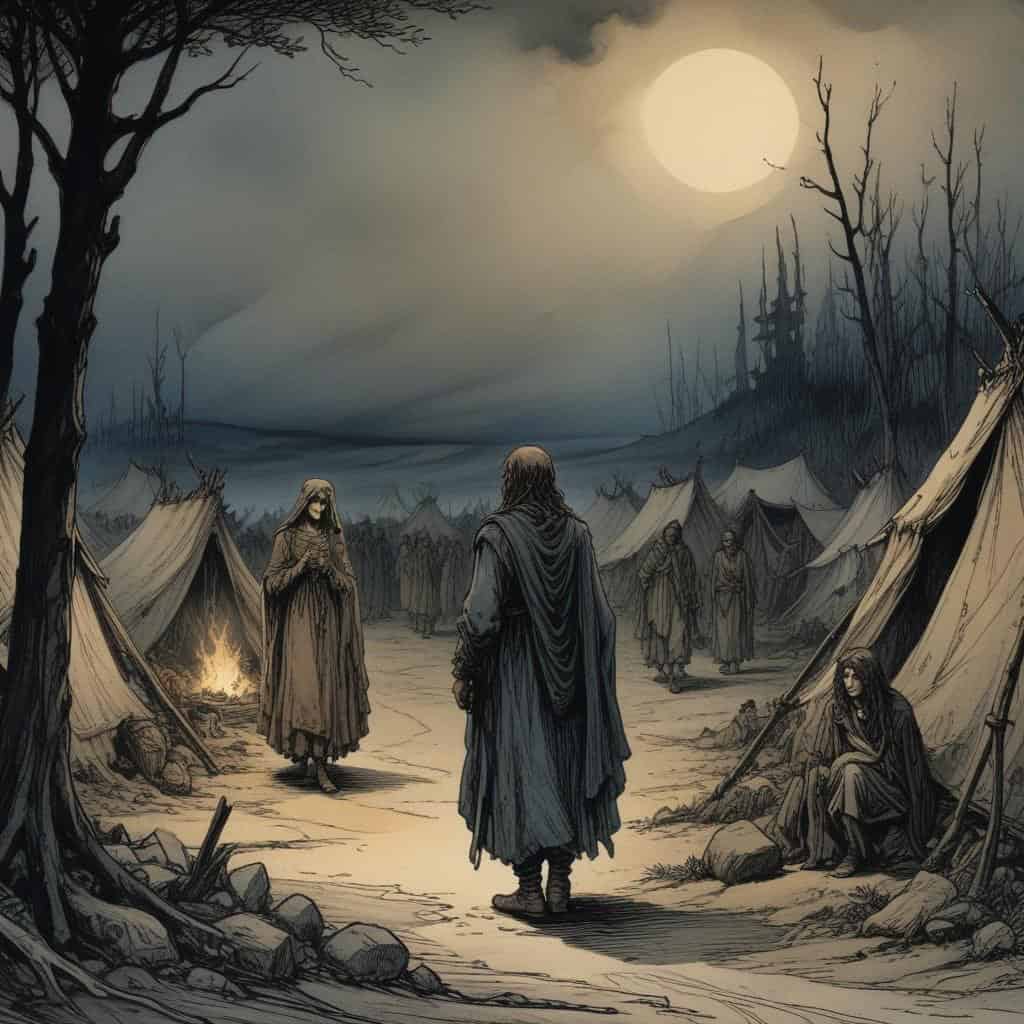
4. The Return
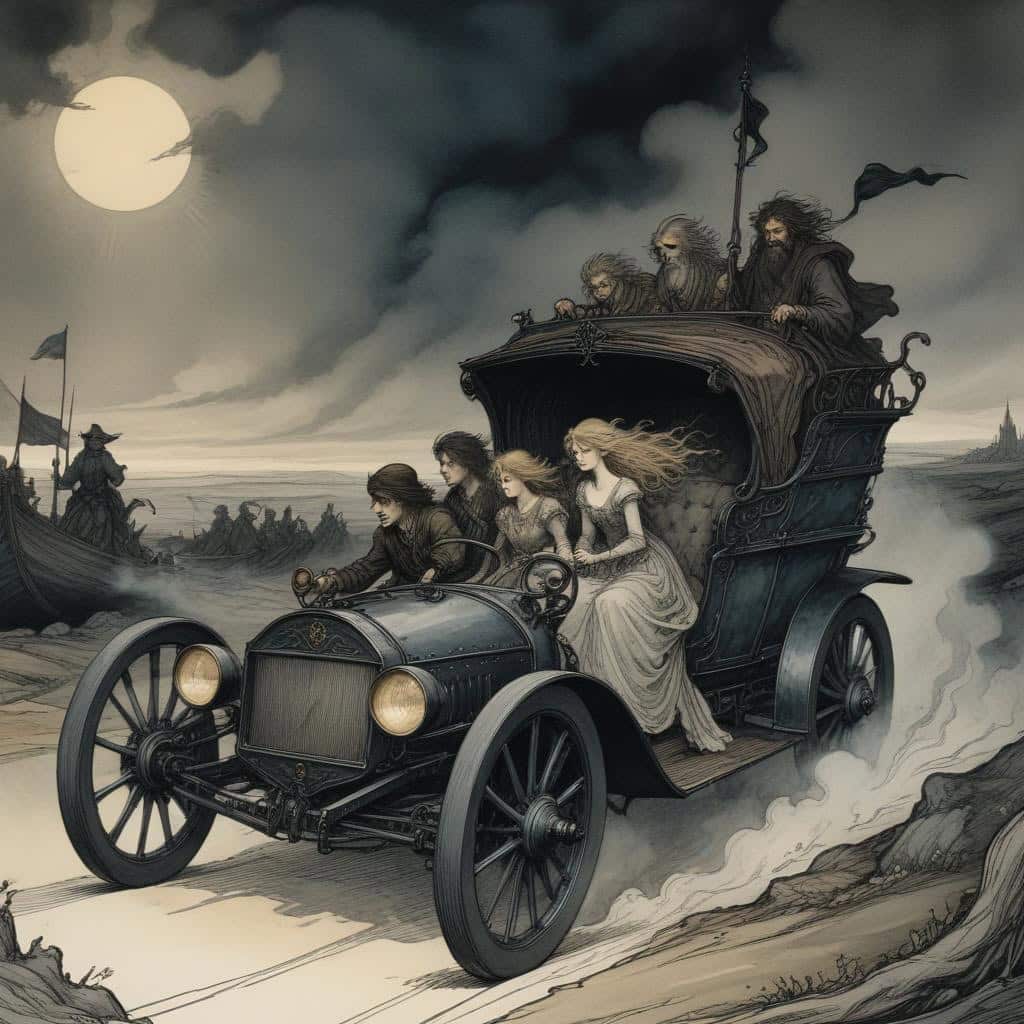
5. The Rivalry
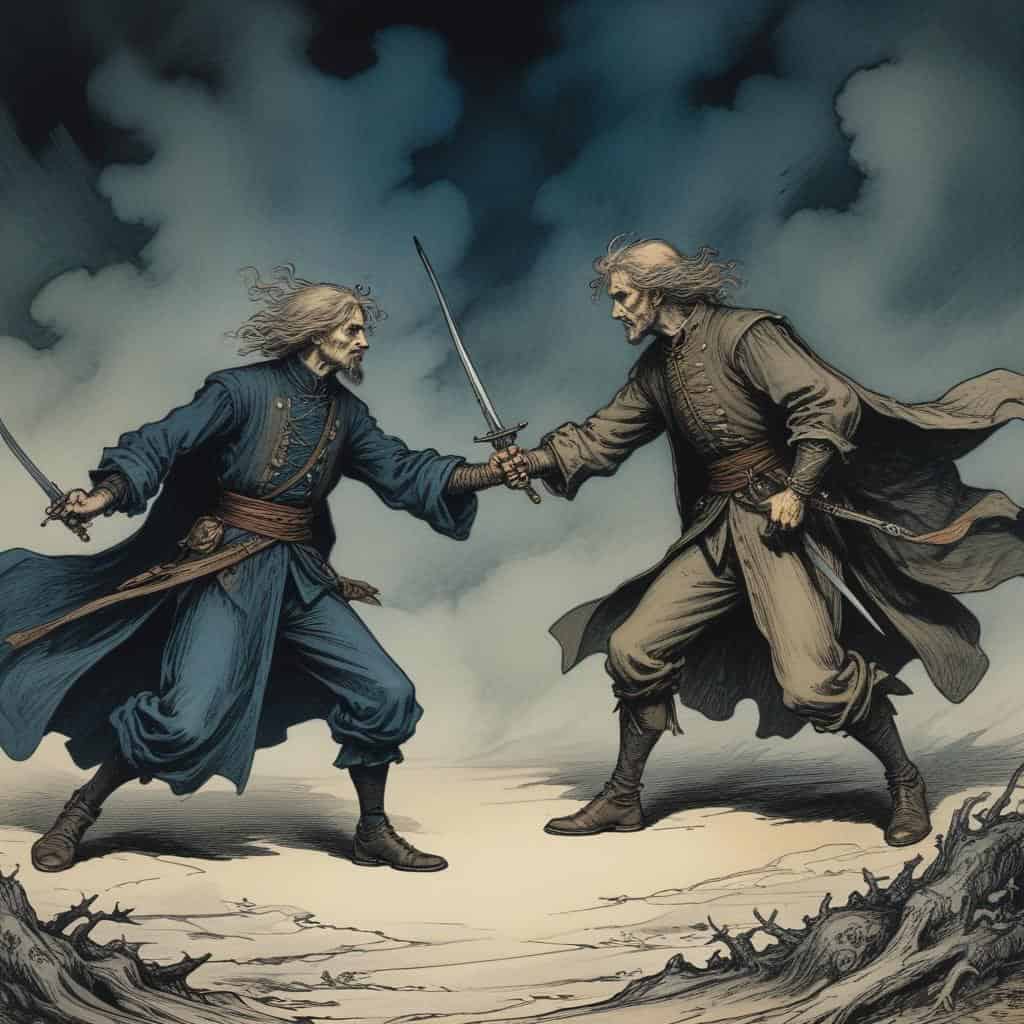
6. The Duel
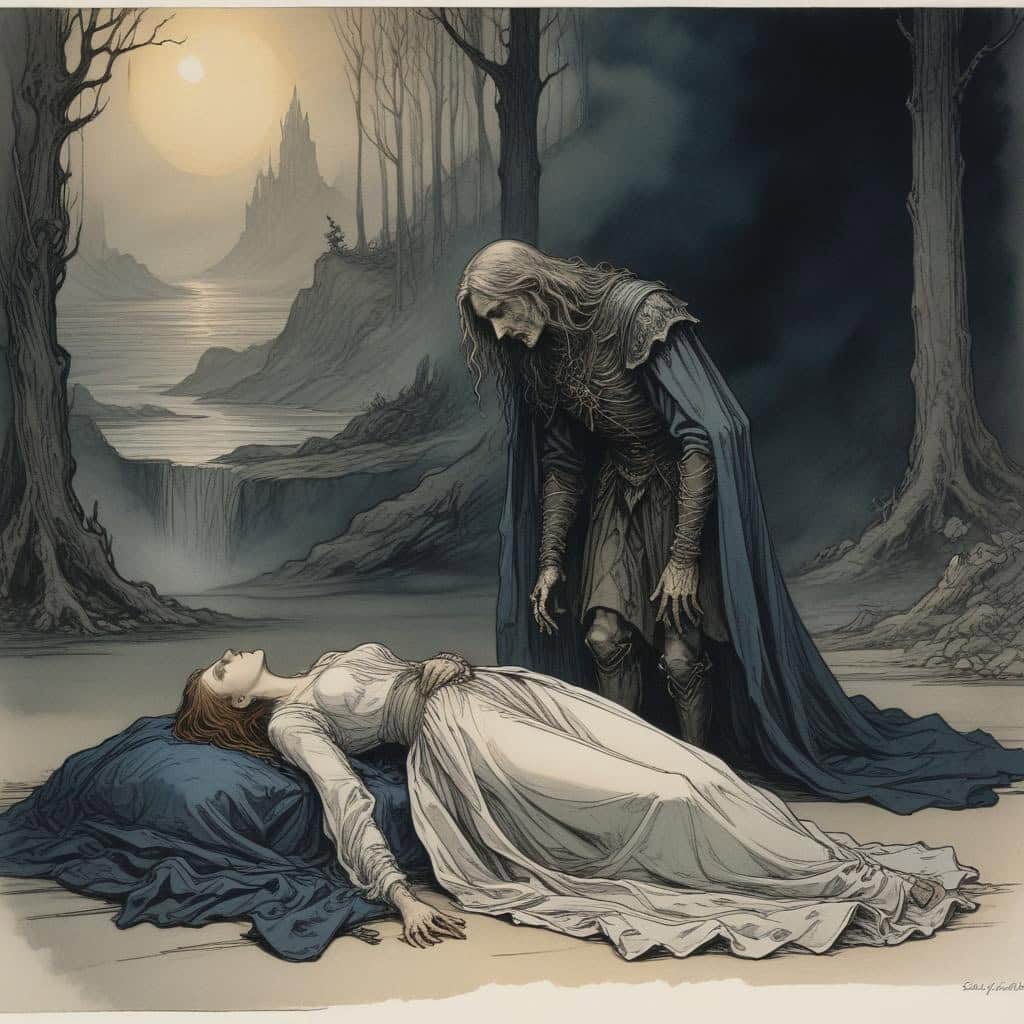
7. The Reunion
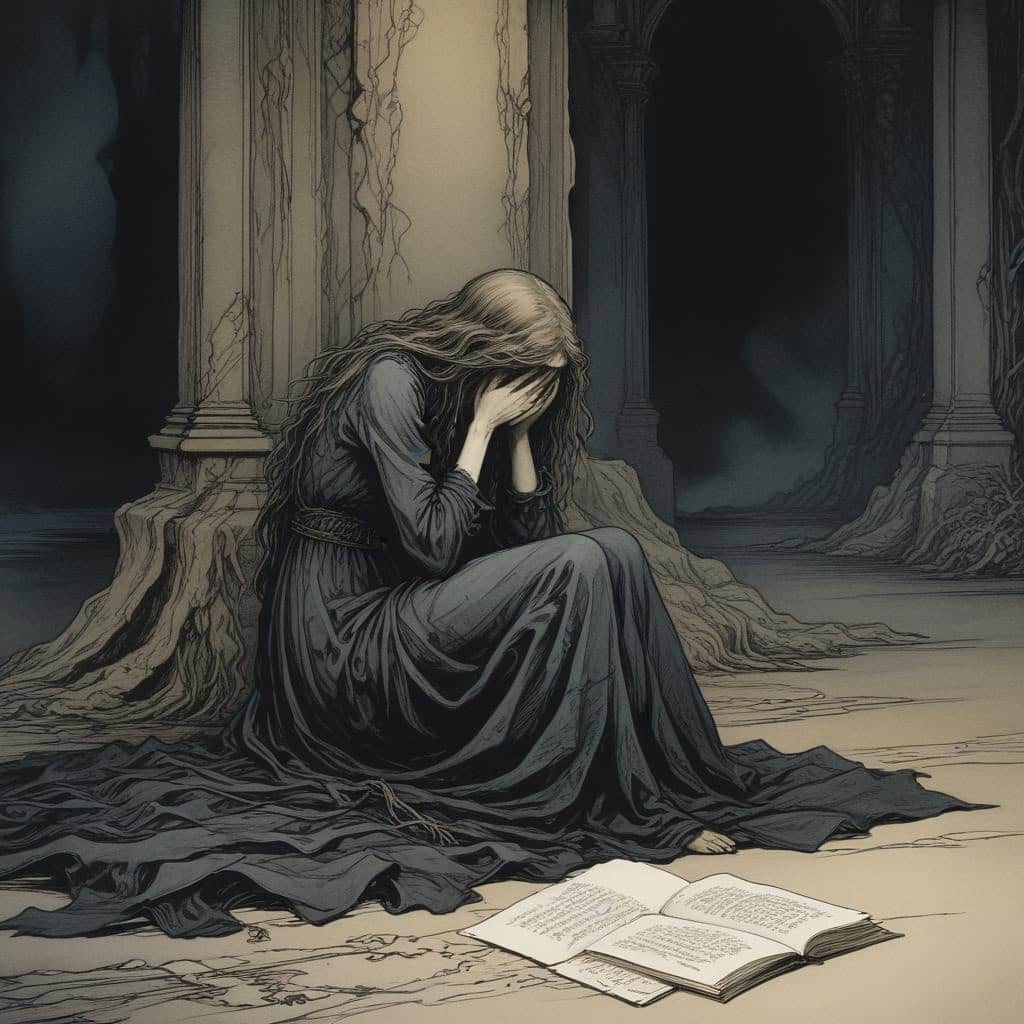
8. The Mourning
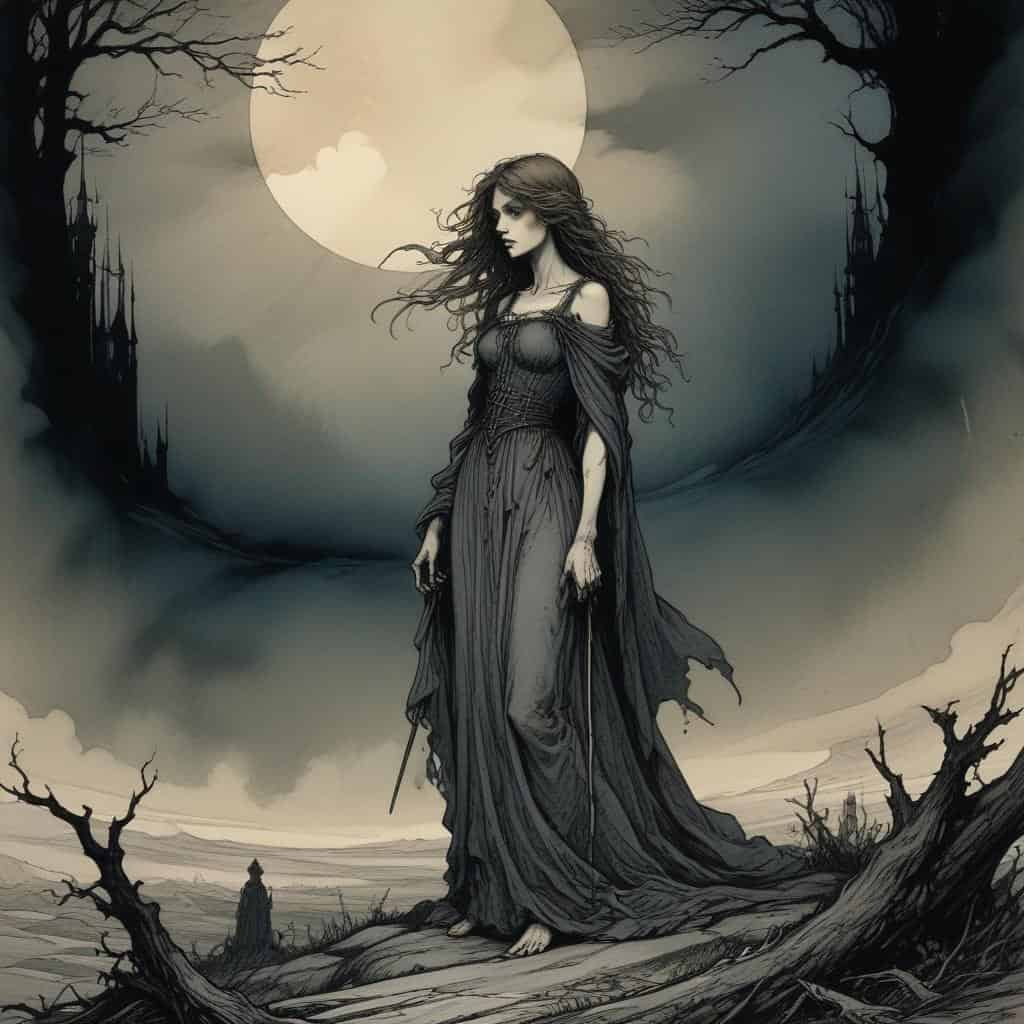
9. The Resolution
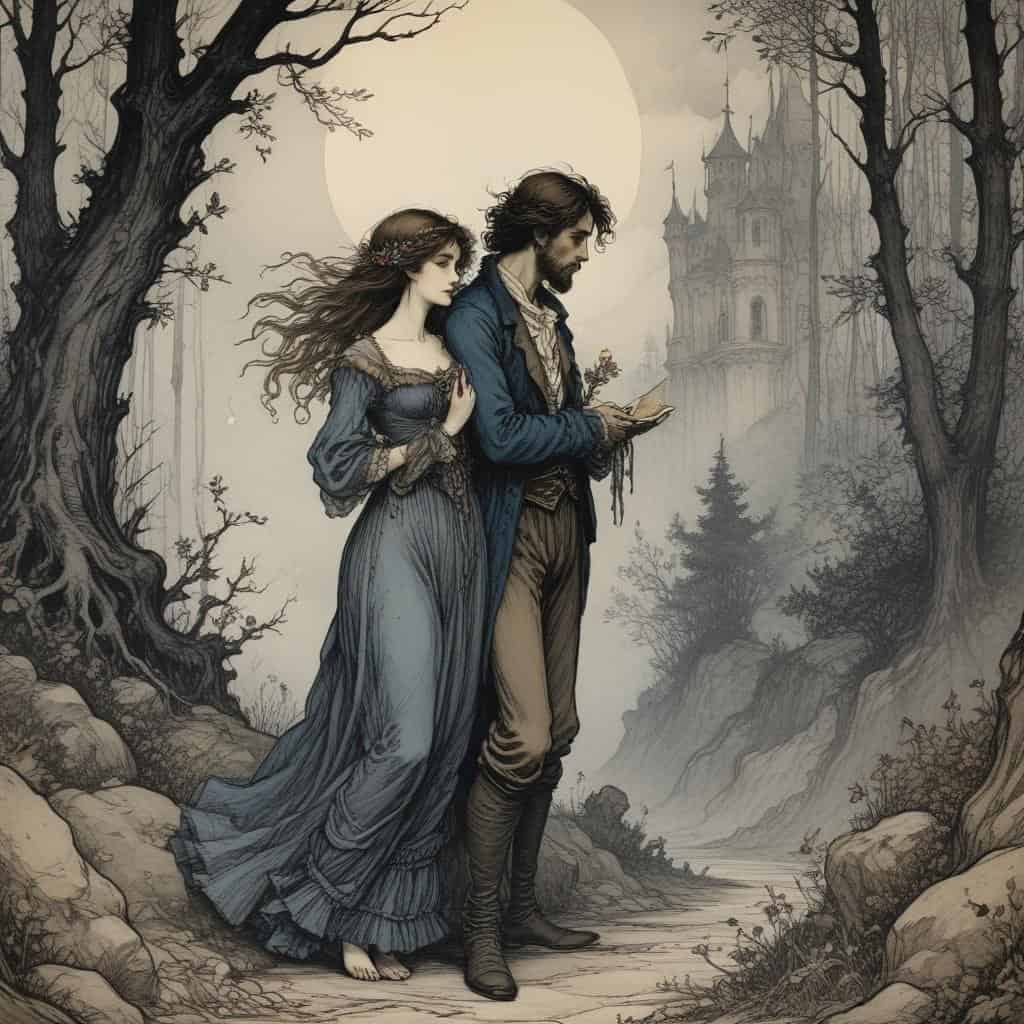
10. The Legacy
Lesson Details & Resources
In a Nutshell
- What: The Gypsies by Alexander Pushkin
- When: Written in the Romantic era
- Who: The main character is Aleko
- Theme: The core theme of the work explores love, jealousy, and betrayal
List of Characters in The Gypsies by Alexander Pushkin
-
The Gypsy Girl
The Gypsy Girl is a beautiful and mysterious woman who captures the attention of the protagonist.
-
The Gypsy Chief
The Gypsy Chief is a powerful and charismatic leader of the gypsy tribe.
-
The Gypsy Fortune Teller
The Gypsy Fortune Teller is a wise and mystical figure who predicts the protagonist's fate.
-
The Gypsy Dancer
The Gypsy Dancer is a captivating performer who entertains the crowd with her mesmerizing movements.
Timeline of The Gypsies by Alexander Pushkin
The Gypsies is a short story written by Alexander Pushkin in 1824.
The story is set in a Russian village and follows the narrator's encounter with a group of Gypsies who have arrived in the village.
The narrator becomes fascinated by the Gypsies and their way of life, and he spends time with them, learning about their culture and traditions.
One of the Gypsies, a young woman named Rada, catches the narrator's eye, and he becomes infatuated with her.
The narrator and Rada form a close bond, and he learns more about her past and her struggles.
As the narrator spends more time with the Gypsies, he begins to see the prejudice and discrimination they face from the villagers.
The narrator becomes determined to help the Gypsies and stand up for their rights.
In the end, the narrator must make a decision about his future with Rada and the Gypsies, and he reflects on the impact they have had on his life.
Vocabulary List
- Gypsies
- The poem is titled 'The Gypsies' and revolves around this group of people.
- Kibitka
- The gypsies travel in a kibitka, a traditional Russian wagon.
- Campfire
- The gypsies sit around the campfire, telling stories and singing songs.
- Fortune-teller
- One of the gypsies is a fortune-teller who predicts the future for the protagonist.
- Romanticism
- Pushkin's portrayal of the gypsies reflects the romanticism of the time period.
Key Facts
This is the information used in the fact matching game
- The Gypsies is a poem written by Alexander Pushkin in 1824.
- The poem is about a young nobleman who falls in love with a gypsy girl named Rada.
- Pushkin was inspired to write The Gypsies after hearing a gypsy song.
- The Gypsies is considered one of Pushkin's early works.
- Pushkin's portrayal of the gypsies in the poem has been criticized for perpetuating negative stereotypes.
- The poem explores themes of love, freedom, and societal norms.
- The Gypsies has been adapted into various operas and musical compositions.
- Rada, the gypsy girl in the poem, is portrayed as a free-spirited and alluring character.
- The young nobleman in the poem is torn between his love for Rada and societal expectations.
- The Gypsies is written in a lyrical and romantic style characteristic of Pushkin's poetry.
- The poem has been praised for its vivid imagery and emotional depth.
- The Gypsies is considered a classic work of Russian literature.
- Pushkin's use of language in The Gypsies has been lauded for its beauty and elegance.
- The poem has been translated into multiple languages and is studied in literature courses around the world.
- The Gypsies explores the themes of passion, betrayal, and redemption.
- Pushkin's fascination with the gypsy culture is evident in the poem.
- The Gypsies is divided into three cantos, each focusing on a different aspect of the story.
- The poem's structure and narrative style have been praised for their complexity and emotional impact.
- The Gypsies is considered a seminal work in Pushkin's literary career.
- Pushkin's exploration of love and desire in The Gypsies has resonated with readers for centuries.
Analysis & Significance
Impact on Literature
‘The Gypsies’ by Alexander Pushkin has had a significant impact on literature by introducing the theme of marginalized communities and their struggle for acceptance. Pushkin’s portrayal of the gypsy characters as vibrant and complex individuals challenged stereotypes and paved the way for more nuanced representation of minority groups in literature.
Enduring Themes
The timeless themes of love, betrayal, and cultural identity explored in ‘The Gypsies’ continue to resonate with modern audiences. Pushkin’s exploration of the complexities of human relationships and the consequences of societal prejudices are themes that transcend time and are still relevant in today’s world.
Cultural Significance Today
The legacy of ‘The Gypsies’ lives on in various adaptations and interpretations in literature, theater, and music. The story has inspired countless artists to explore themes of identity, love, and prejudice in their own works, ensuring that Pushkin’s message continues to be heard and appreciated by audiences around the world.
The Gypsies by Alexander Pushkin Games


Take Your Learning Offline
Want a convenient, print-ready study guide for this lesson? Become a Memory Wizards Pro member to unlock the downloadable " Memory Scrolls" for this topic and our entire library!
- ✓ Complete Vocabulary Lists
- ✓ Key Facts & Timelines
- ✓ Beautifully Formatted for Print & Mobile