
How Do You Learn Best?
Learn by Reading
Immerse yourself in the 10-minute visual lesson for a comprehensive understanding of the topic.
Learn by Reviewing
Jump directly to the key facts, timeline, and vocabulary lists to build a solid foundation of details.
Learn by Doing
Challenge yourself! Jump straight into the interactive games to learn by trial, error, and discovery.
The Captain’s Daughter by Alexander Pushkin in 10 Minutes

Introduction

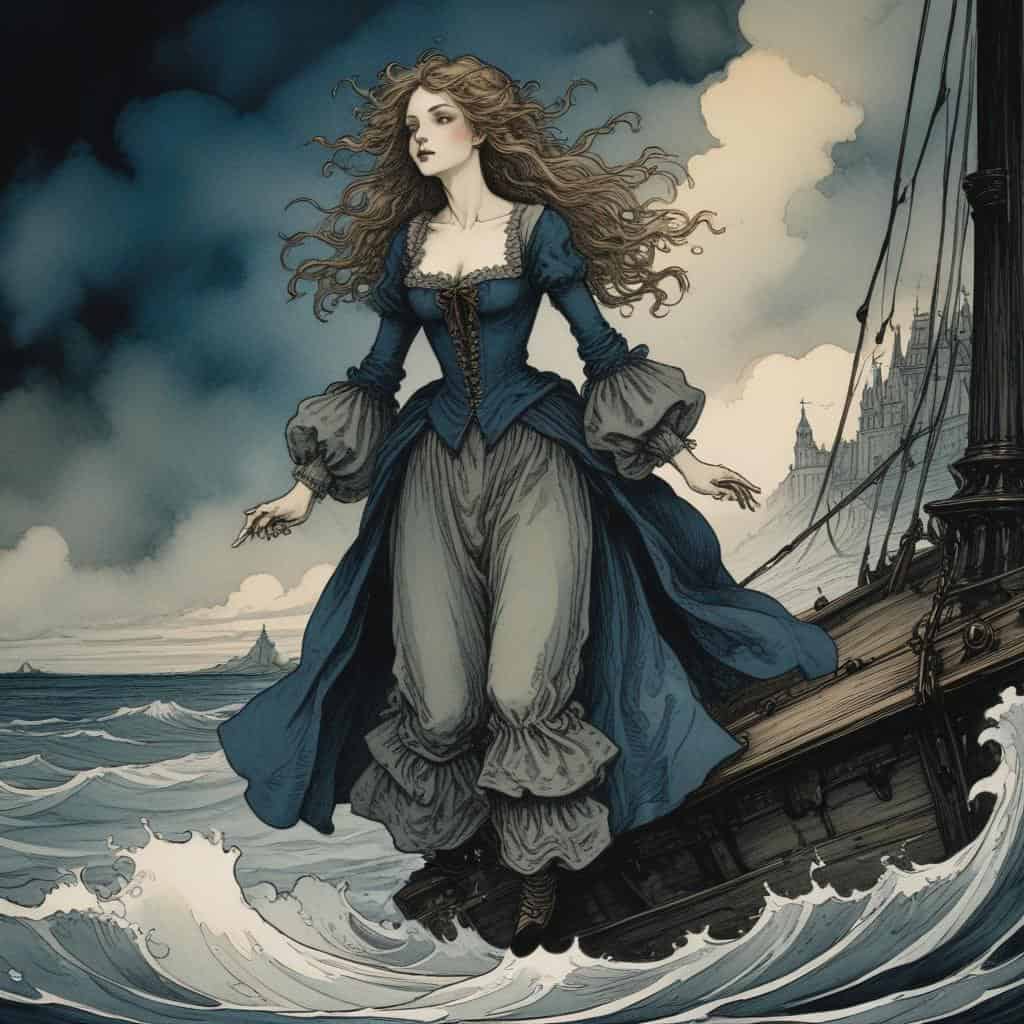

Piotr Grinev

Masha Mironova

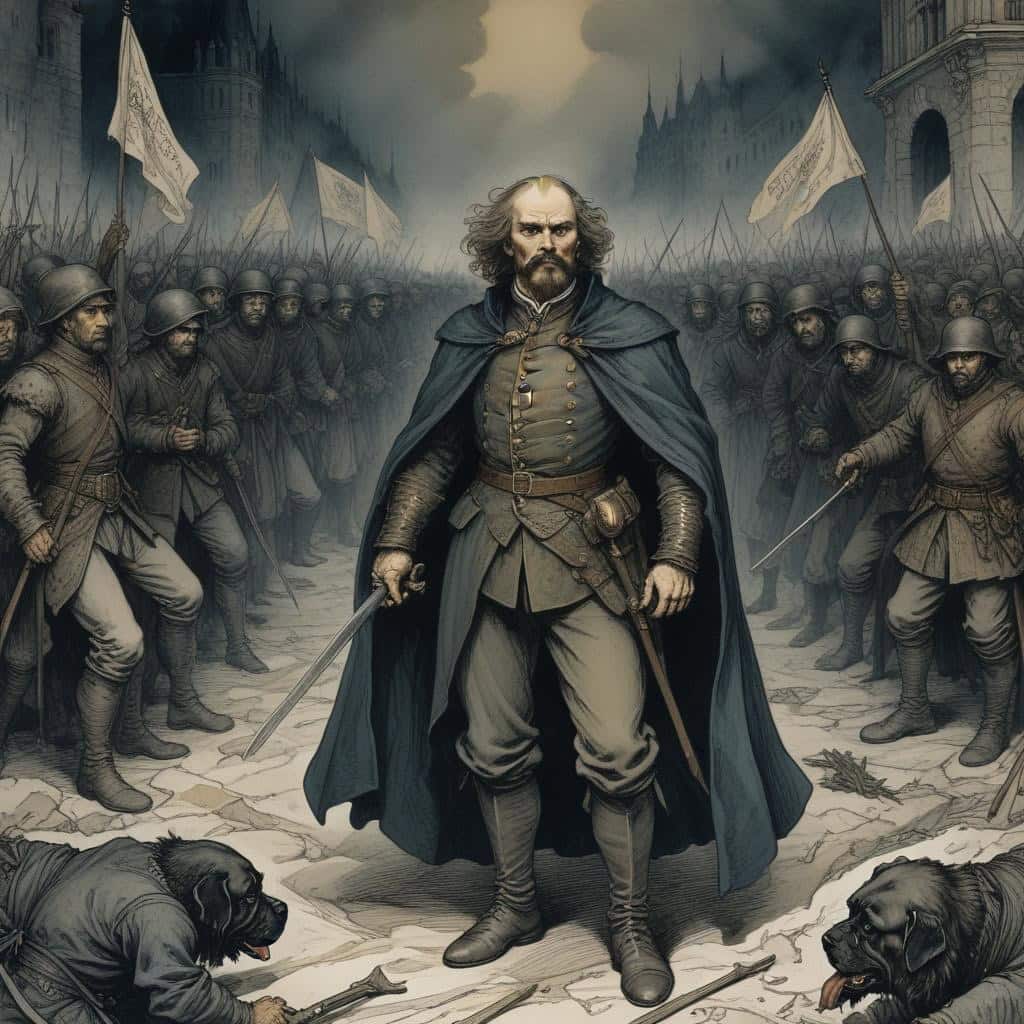
Emelian Pugachev

Ivan Kuzmich Mironov
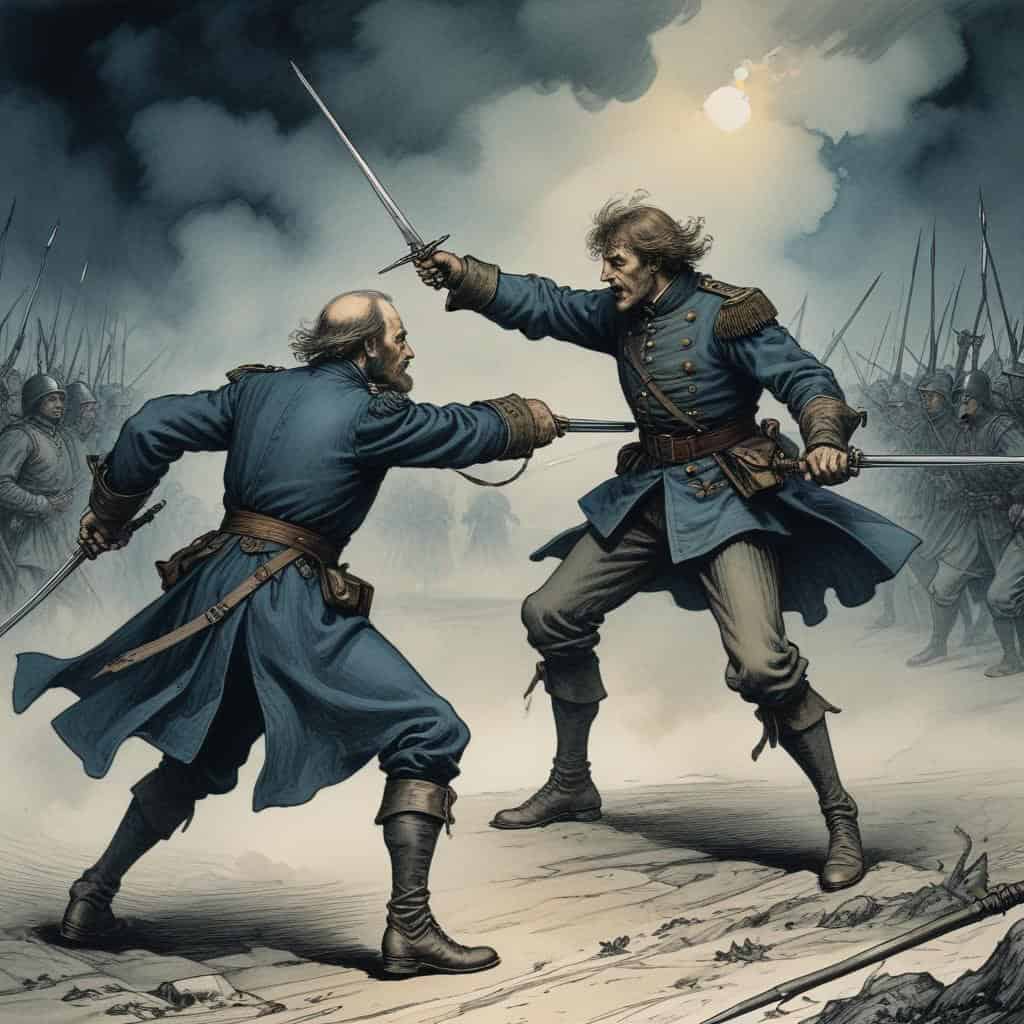
The Duel
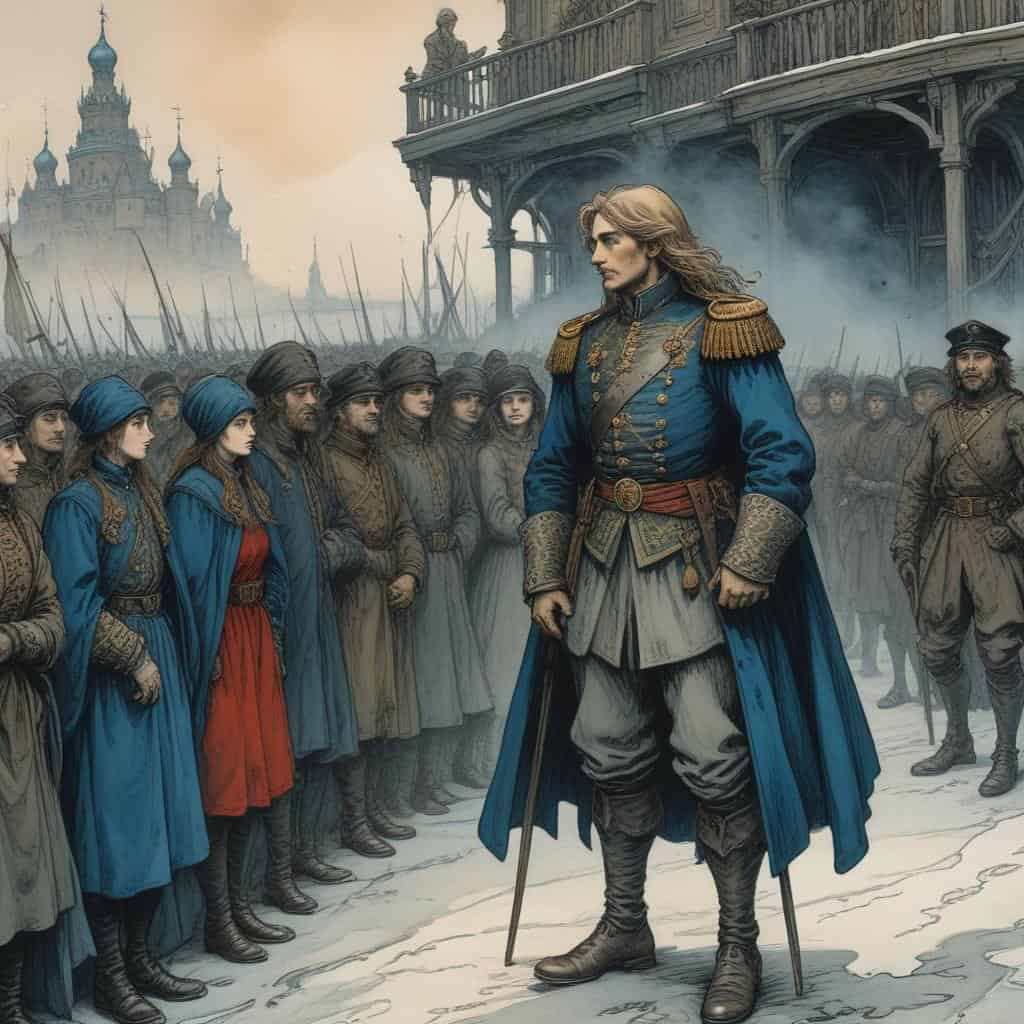
The Journey to Orenburg
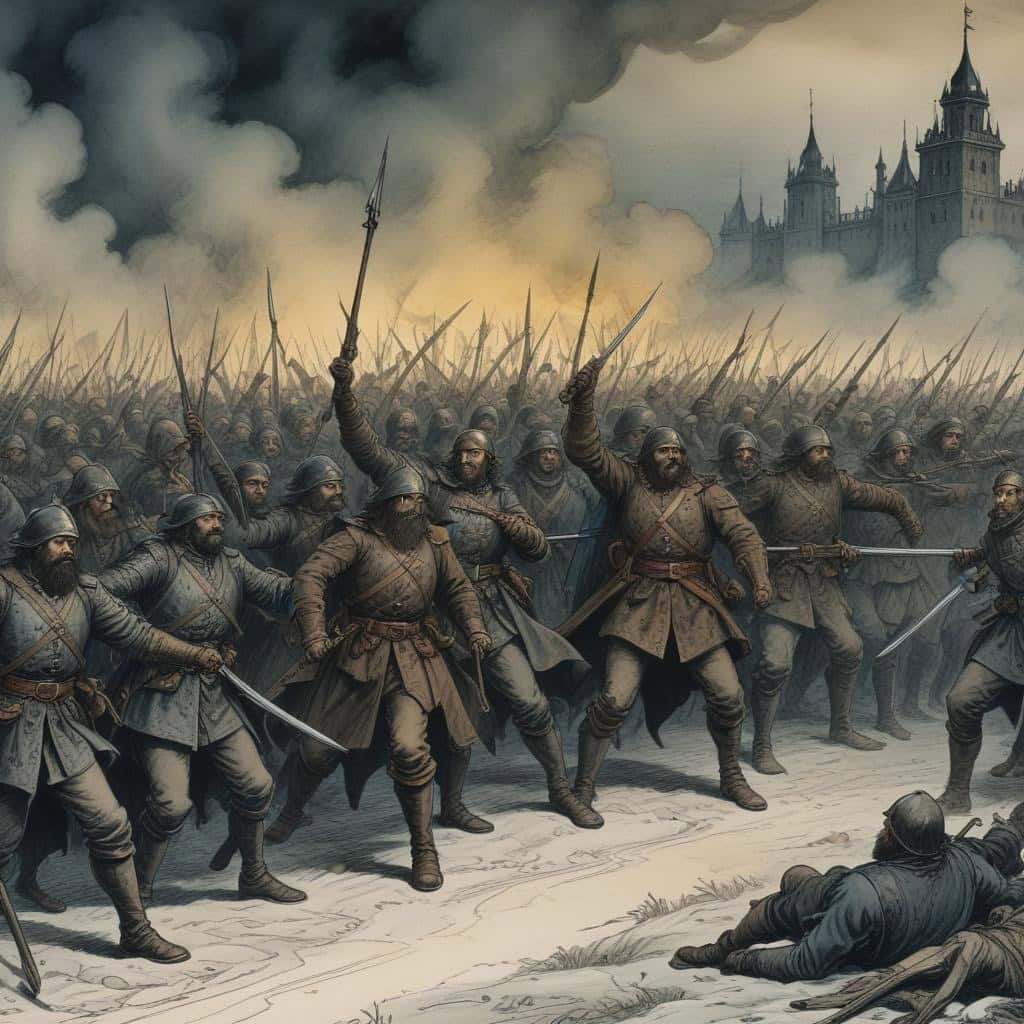
The Pugachev Rebellion
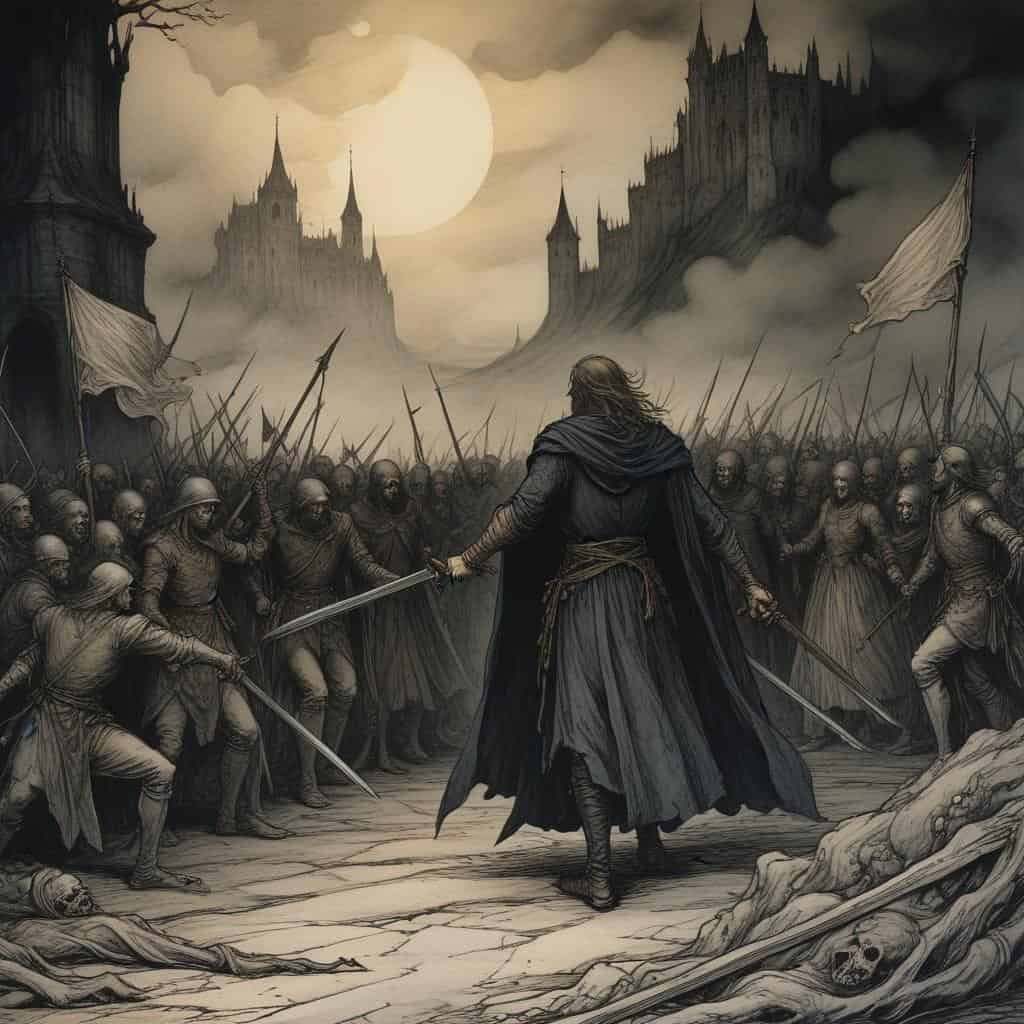
The Betrayal
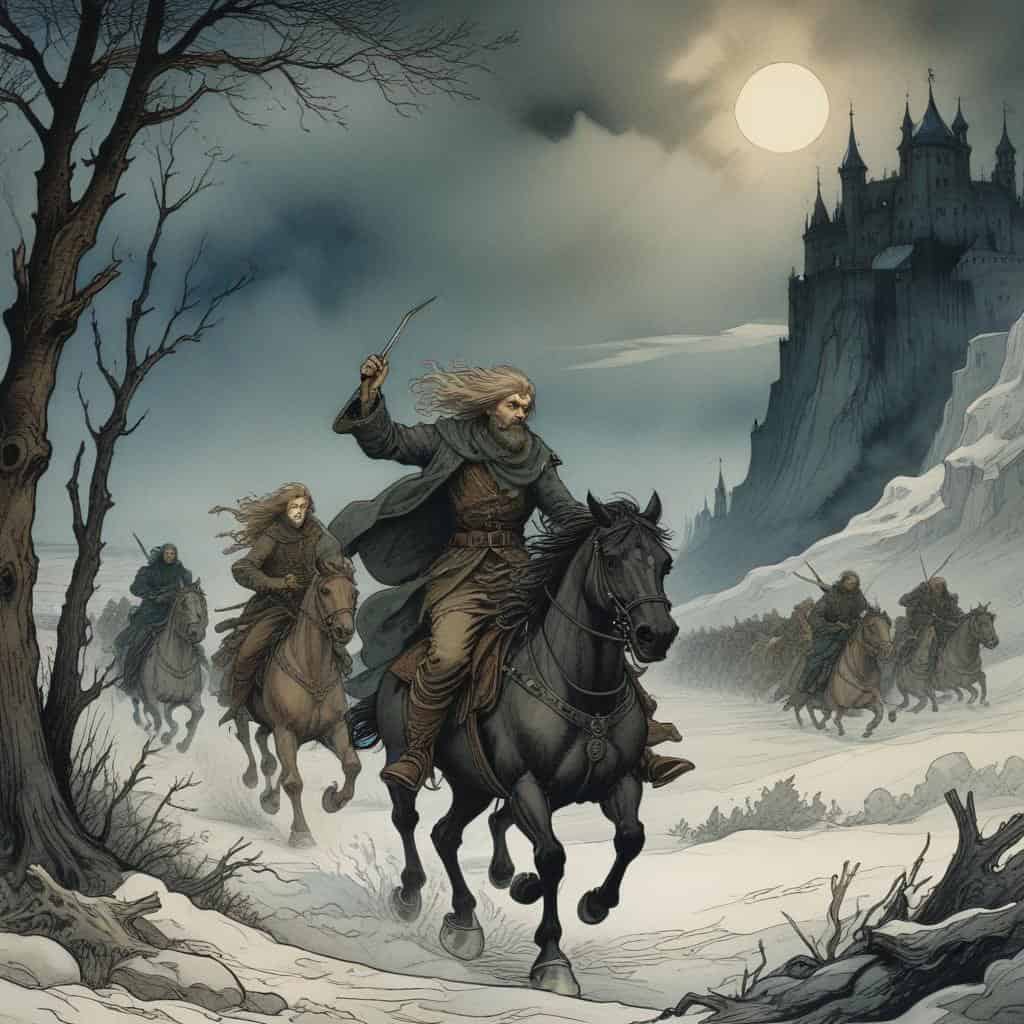
The Escape

The Reunion
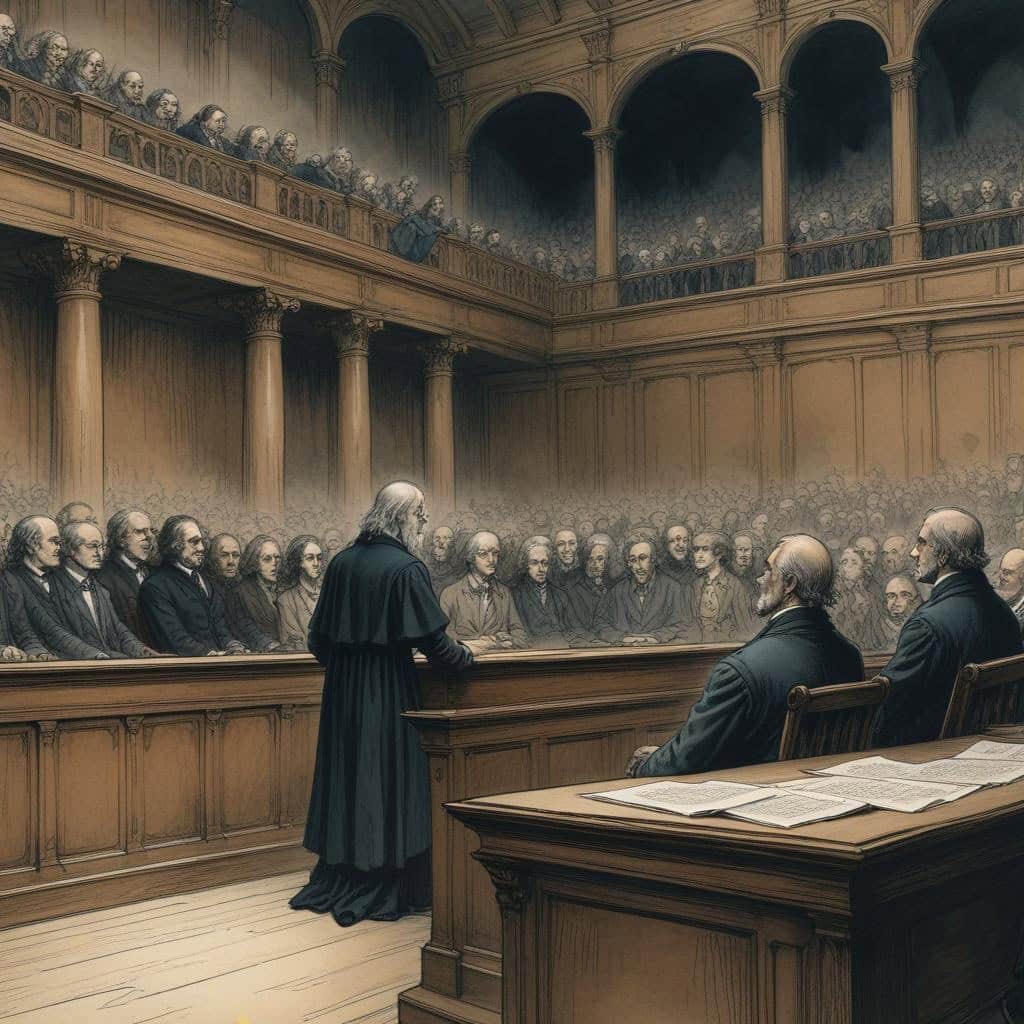
The Trial
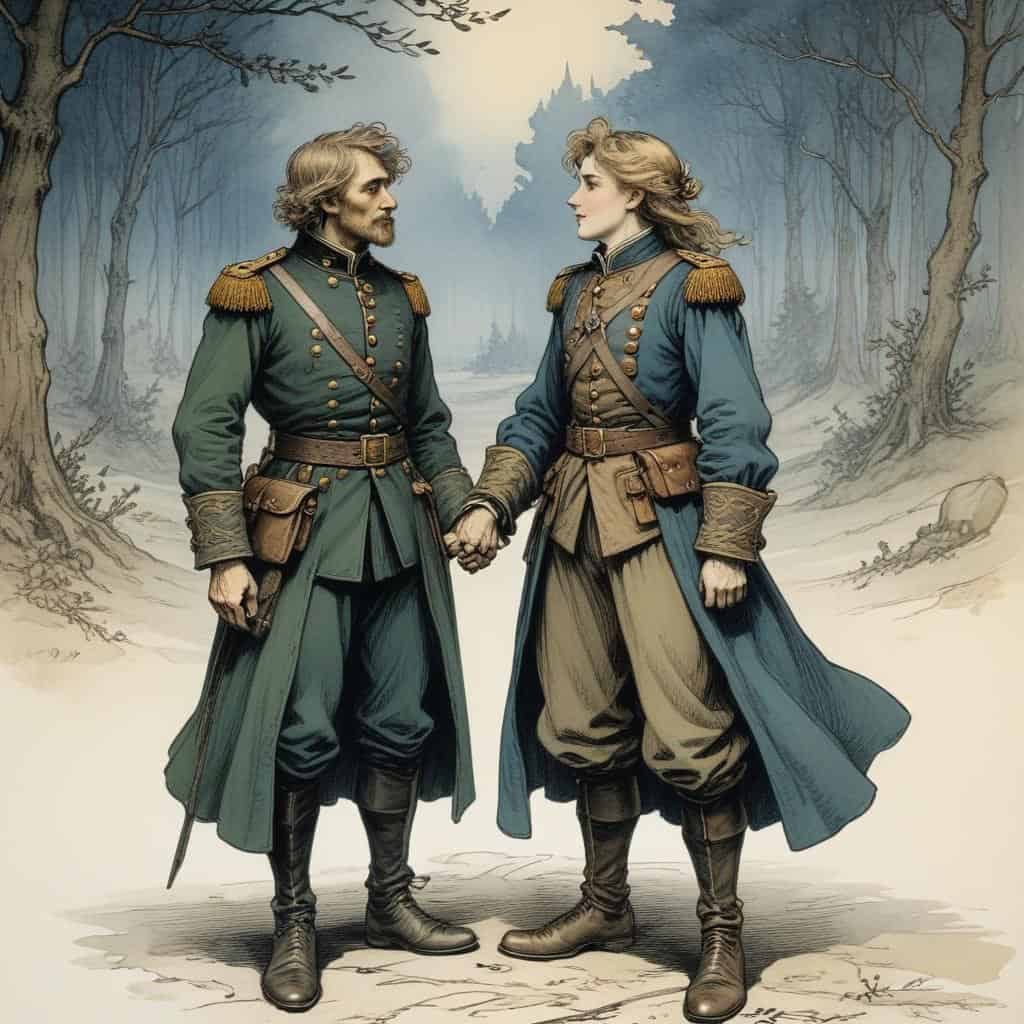
The Happy Ending
Lesson Details & Resources
In a Nutshell
- What: The Captain’s Daughter by Alexander Pushkin
- When: Written in the 19th century
- Who: Main characters: Pugachev, Masha, and Pyotr
- Theme: The core theme of the work revolves around rebellion, love, and loyalty
List of Characters in The Captain’s Daughter by Alexander Pushkin
-
Pugachev
Pugachev is a Cossack leader who leads a rebellion against the Russian government
-
Captain Mironov
Captain Mironov is a loyal soldier who is captured by Pugachev's forces
-
Masha Mironova
Masha Mironova is the captain's daughter who falls in love with Peter Grinyov
-
Peter Grinyov
Peter Grinyov is a young officer who gets caught up in the rebellion and falls in love with Masha
Timeline of The Captain’s Daughter by Alexander Pushkin
Vocabulary List
- Cossack
- Pugachev leads a group of Cossack rebels in a revolt against the Tsarist government.
- Fortress
- The main setting of the novel is a military fortress where the protagonist's father is the commander.
- Insurrection
- The novel revolves around the Pugachev's Rebellion, an insurrection led by the pretender Emelyan Pugachev.
- Loyalty
- The protagonist, Pyotr, struggles with conflicting loyalties to his father, the Tsar, and Pugachev's rebels.
- Betrayal
- The theme of betrayal is prevalent in the novel as characters switch allegiances and deceive one another.
- Imprisonment
- Pyotr is falsely accused of aiding the rebels and faces imprisonment in the fortress.
- Nobility
- The protagonist's love interest, Masha, comes from a noble family and struggles with the expectations placed upon her.
- Revenge
- Pugachev seeks revenge against those who have wronged him, leading to violence and upheaval.
- Suspicion
- The atmosphere in the fortress is tense as characters are wary of spies and betrayal.
- Sacrifice
- Several characters make sacrifices for their principles or loved ones throughout the novel.
Key Facts
This is the information used in the fact matching game
- The Captain's Daughter was written by Russian author Alexander Pushkin in 1836.
- The novel is set during the Pugachev Rebellion of 1773-1775 in Russia.
- The main character, Pyotr Grinyov, is a young officer in the Russian army.
- The novel explores themes of love, loyalty, and betrayal.
- Pushkin drew inspiration from his own experiences in the military for the novel.
- The Captain's Daughter is considered one of Pushkin's greatest works.
- The novel was originally published in the literary journal Sovremennik.
- The character of Pugachev is based on the historical figure Emelyan Pugachev, who led the rebellion against the Russian government.
- The novel explores the complexities of power and authority in a time of political upheaval.
- The Captain's Daughter has been adapted into several films and stage productions.
- Pushkin began writing The Captain's Daughter while in exile in his family estate in Mikhailovskoye.
- The novel is written in the form of a memoir, with the protagonist recounting his experiences during the rebellion.
- The character of Masha Mironova is based on Pushkin's own wife, Natalya Goncharova.
- The Captain's Daughter was one of the first Russian novels to incorporate elements of historical fiction.
- The novel explores themes of social class and status, particularly through the character of Pugachev.
- Pushkin's use of language and narrative techniques in The Captain's Daughter influenced later Russian literature.
- The novel has been translated into multiple languages and is still widely read today.
- The character of Shvabrin serves as a foil to the protagonist, Pyotr Grinyov, highlighting his virtues and flaws.
- The Captain's Daughter highlights the brutality and chaos of war, as well as the human capacity for courage and selflessness.
- Pushkin's writing style in The Captain's Daughter is characterized by its realism, vivid imagery, and psychological depth.
Analysis & Significance
Impact on Literature
Pushkin’s ‘The Captain’s Daughter’ is considered one of the first historical novels in Russian literature, influencing the development of the genre in the country. Its use of a blend of fact and fiction set against the backdrop of the Pugachev Rebellion paved the way for future Russian writers to explore their country’s history through storytelling.
Enduring Themes
The themes of love, loyalty, and betrayal in ‘The Captain’s Daughter’ still resonate with modern audiences. The complex characters and moral dilemmas presented in the novel continue to captivate readers, highlighting the timeless nature of human emotions and relationships.
Cultural Significance Today
‘The Captain’s Daughter’ remains a classic in Russian literature, with numerous adaptations in film, theater, and opera. Its exploration of Russian history and society during the 18th century continues to be studied and celebrated, cementing Pushkin’s legacy as one of the greatest writers in Russian literary history.
The Captain’s Daughter by Alexander Pushkin Games


Take Your Learning Offline
Want a convenient, print-ready study guide for this lesson? Become a Memory Wizards Pro member to unlock the downloadable " Memory Scrolls" for this topic and our entire library!
- ✓ Complete Vocabulary Lists
- ✓ Key Facts & Timelines
- ✓ Beautifully Formatted for Print & Mobile