
How Do You Learn Best?
Learn by Reading
Immerse yourself in the 10-minute visual lesson for a comprehensive understanding of the topic.
Learn by Reviewing
Jump directly to the key facts, timeline, and vocabulary lists to build a solid foundation of details.
Learn by Doing
Challenge yourself! Jump straight into the interactive games to learn by trial, error, and discovery.
The Fountain of Bakhchisarai by Alexander Pushkin in 10 Minutes
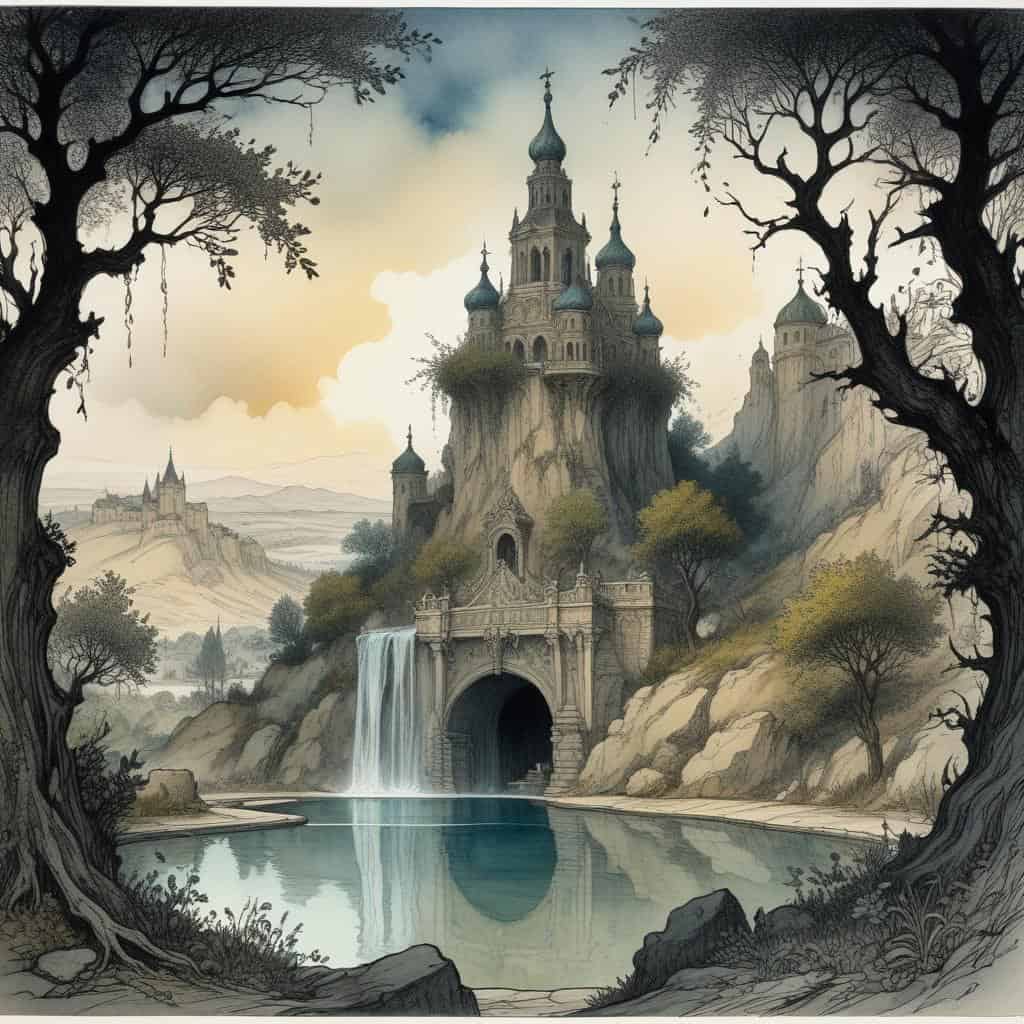
Introduction
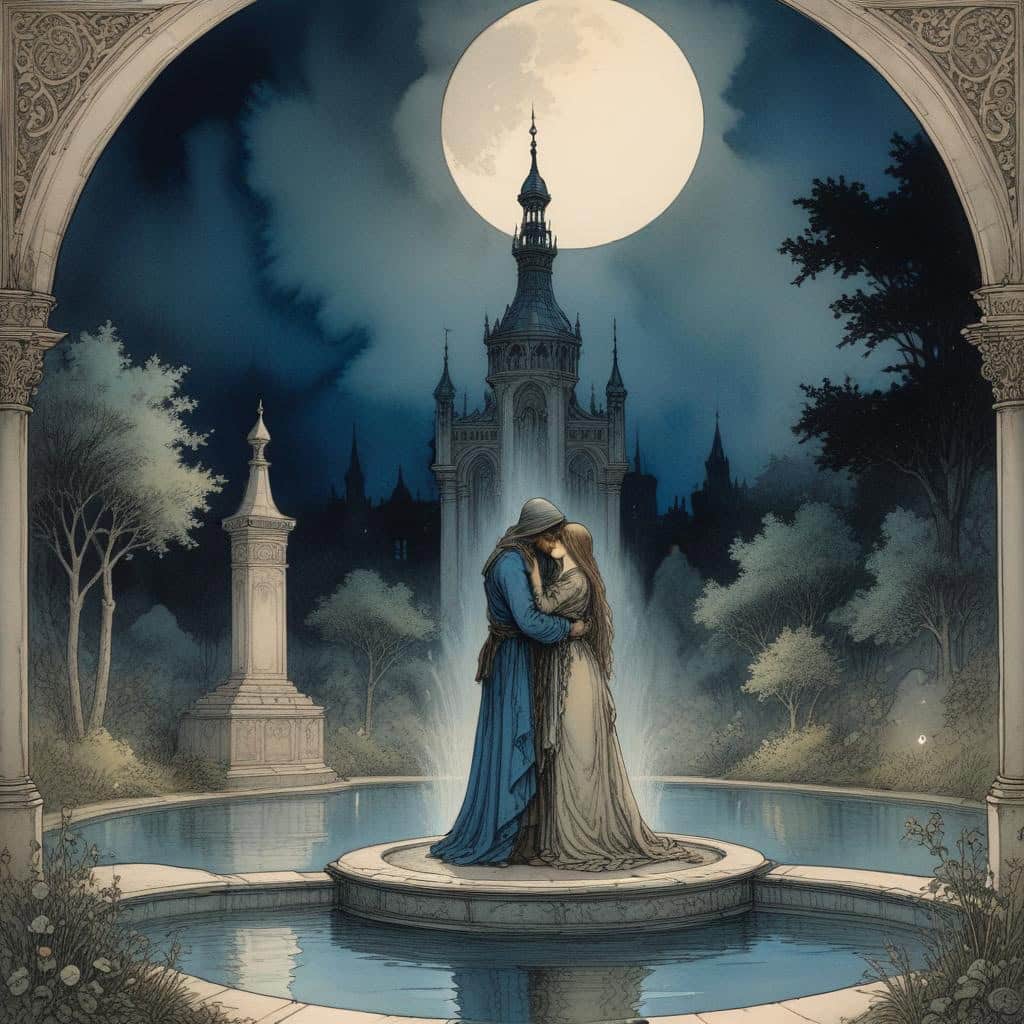
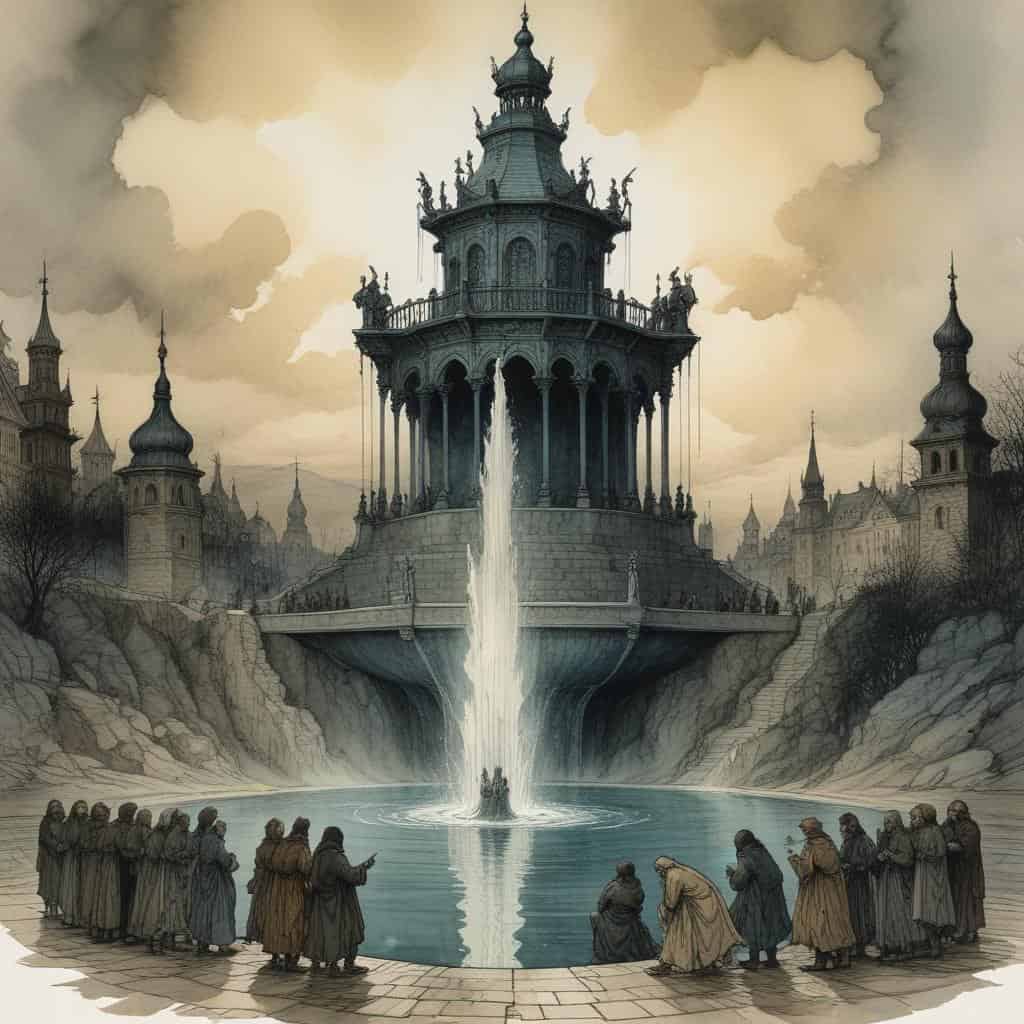

Zarema

Khan Girey

Valerian

Marfa

The Arrival of Maria
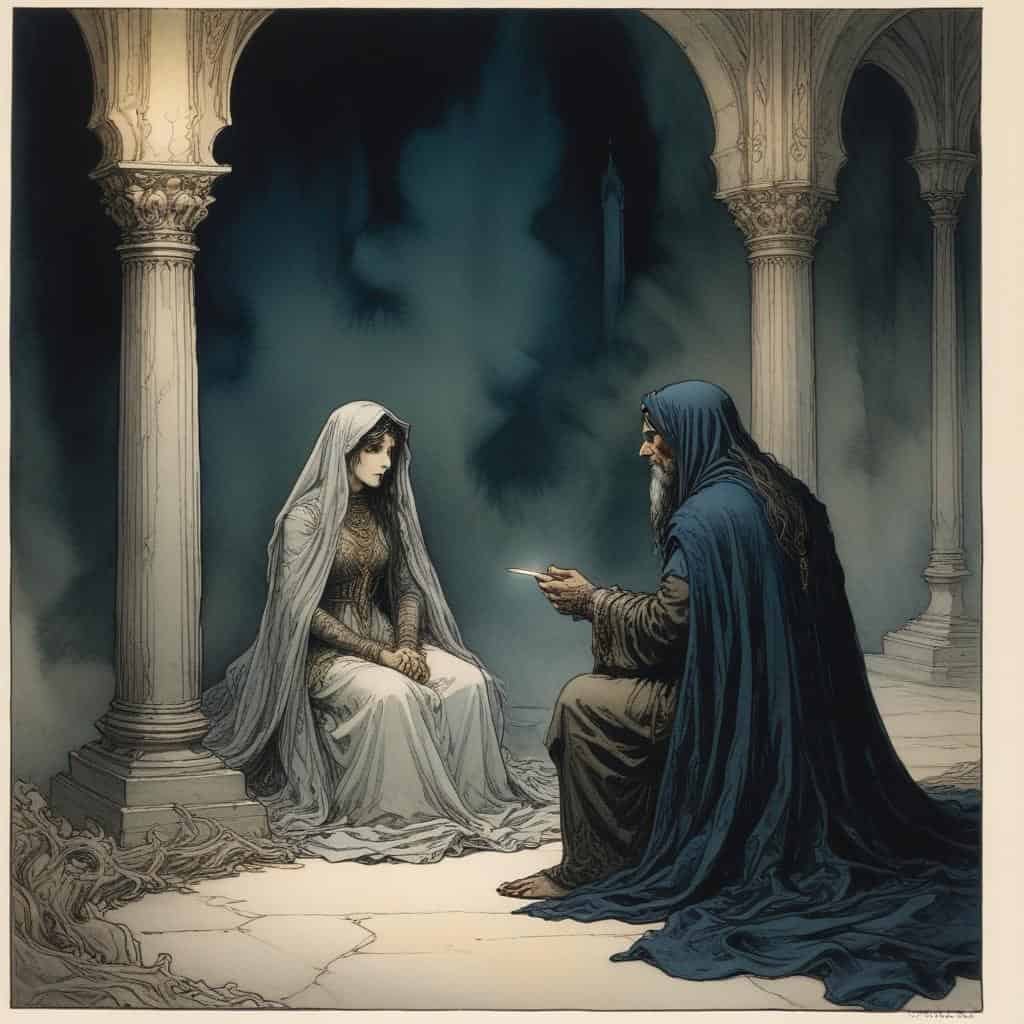
The Khans Obsession
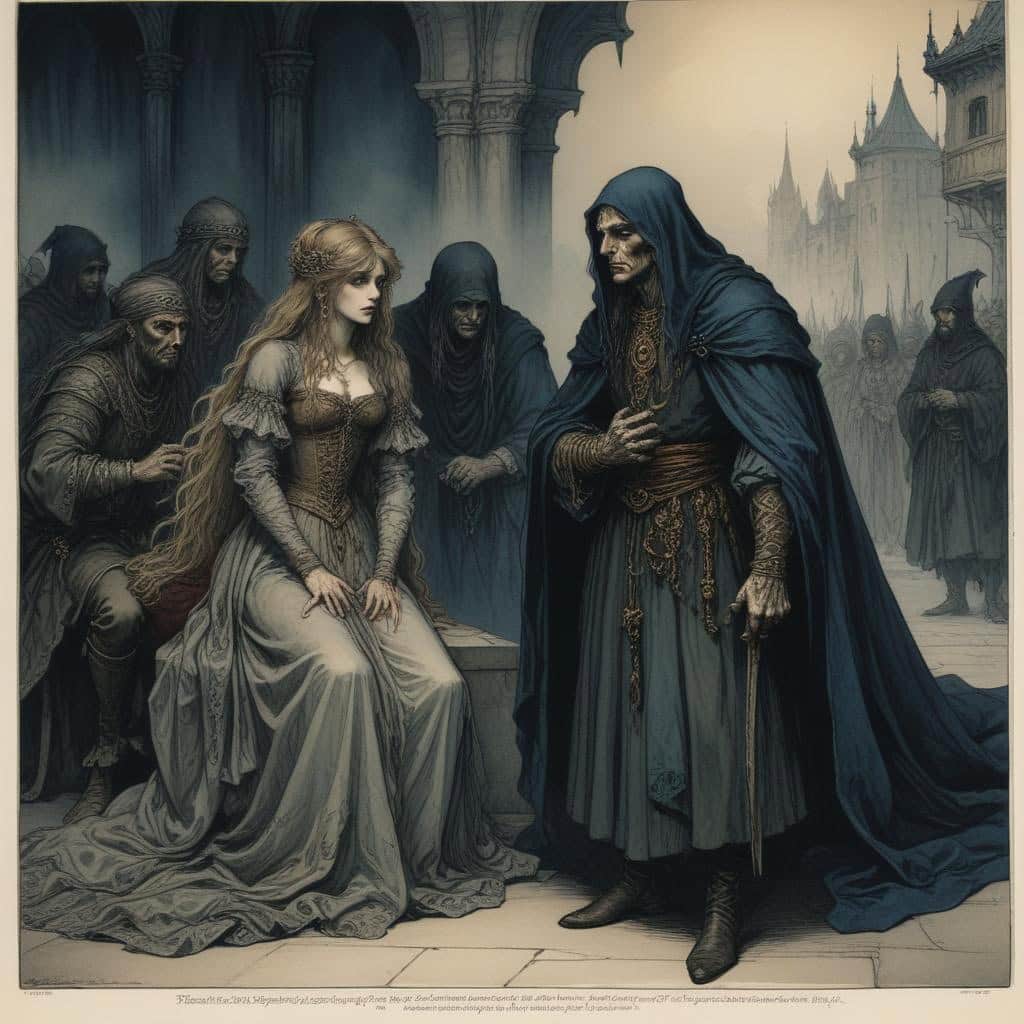
The Jealous Zarema
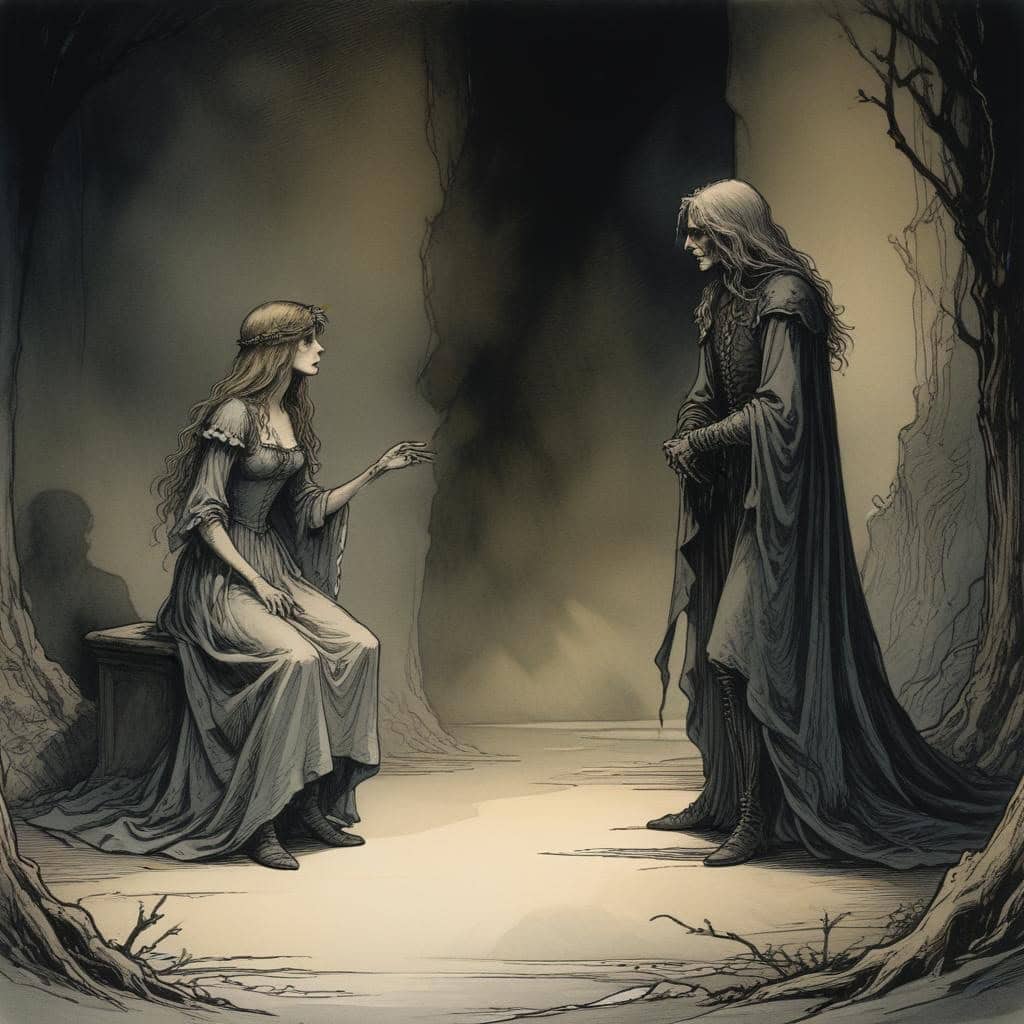
The Secret Meeting
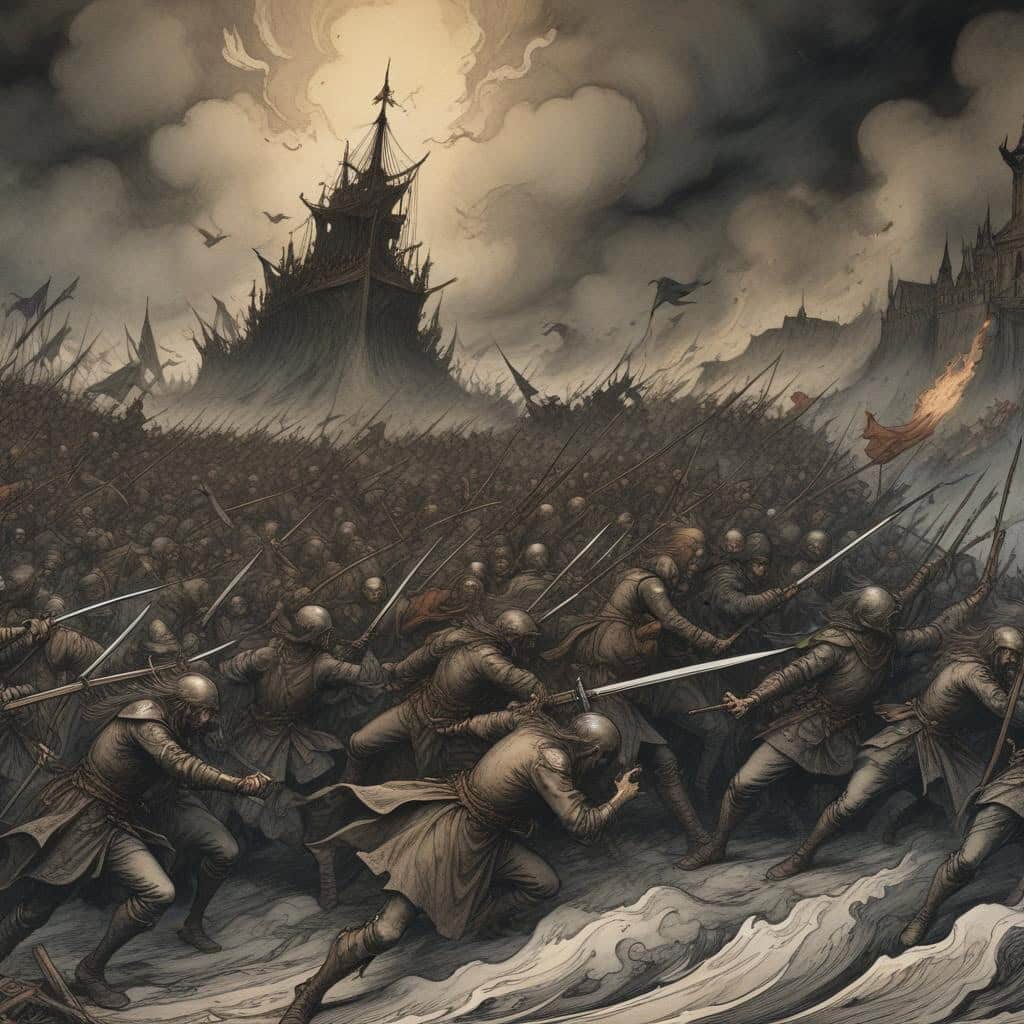
The Attack
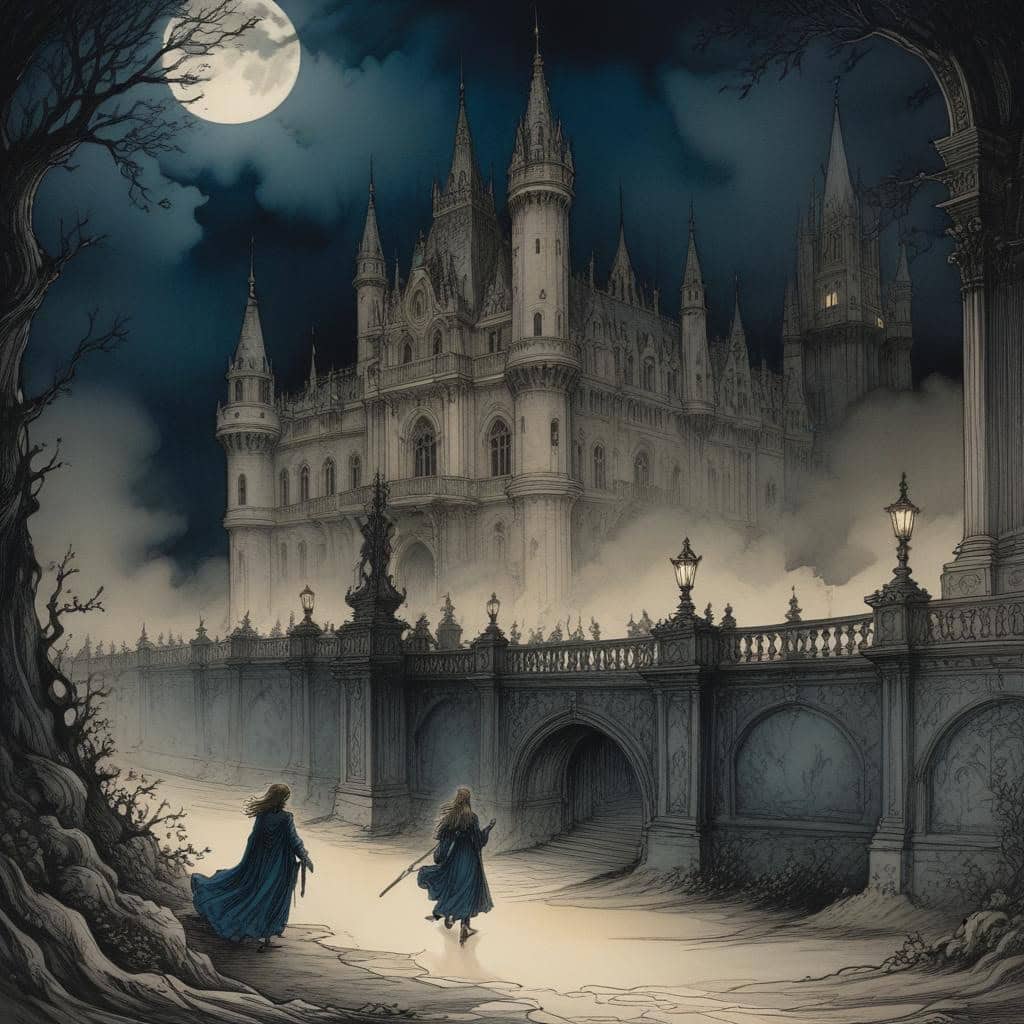
The Escape
The Khans Grief

The Search for Maria

The Reunion

The Tragic End
Lesson Details & Resources
In a Nutshell
- What: The Fountain of Bakhchisarai by Alexander Pushkin
- When: Written in the Romantic era
- Who: Main characters: Maria, Khan Girey, and Zarema
- Theme: Love, betrayal, and revenge
List of Characters in The Fountain of Bakhchisarai by Alexander Pushkin
-
Maria
Maria is a beautiful Polish captive who catches the eye of Girey, the Khan of Crimea.
-
Girey
Girey is the powerful Khan who falls in love with Maria and takes her as his wife.
-
Zarema
Zarema is Girey's jealous and vengeful harem favorite who plots against Maria out of jealousy.
-
Vaslav
Vaslav is a young Polish nobleman who comes to rescue Maria but is ultimately killed by Girey.
-
Fatima
Fatima is a kind and loyal servant who helps Maria escape from the Khan's palace.
Timeline of The Fountain of Bakhchisarai by Alexander Pushkin
Girei Khan, a Crimean Tatar ruler, captures and brings home the beautiful Maria, a Polish noblewoman, as a gift for his favorite wife, Zarema.
Zarema becomes jealous of Maria and plots to kill her out of jealousy.
Zarema's plan is thwarted by Maria's lover, Vasily, who rescues Maria and they flee together.
Vasily and Maria find refuge in a hidden valley where they discover the Fountain of Bakhchisarai, a sacred place surrounded by beautiful gardens.
Zarema, consumed by jealousy and rage, seeks revenge on Maria and Vasily.
Zarema's forces attack Vasily and Maria at the Fountain of Bakhchisarai, resulting in a tragic and bloody battle.
In the end, Vasily is mortally wounded and Maria is captured by Zarema.
Zarema, realizing the consequences of her actions, is overcome with guilt and remorse.
Vasily dies in Maria's arms, and Maria is left to mourn the loss of her lover and the destruction caused by jealousy and revenge.
The Fountain of Bakhchisarai serves as a symbol of the tragic consequences of jealousy and the destructive nature of revenge.
Vocabulary List
- Bakhchisarai
- The setting of the poem, a palace in Crimea where the Khan of Crimea lives.
- Khan
- The ruler or leader of a khanate, in this case the Khan of Crimea.
- Harem
- The living quarters reserved for women in a Muslim household, in this case the harem of the Khan.
- Tatar
- An ethnic group native to Crimea and other parts of Eastern Europe and Central Asia.
- Crimea
- A peninsula in the Black Sea, historically known for its strategic importance and diverse population.
- Slave
- A person who is owned by another person and forced to work or serve them, as in the case of Maria, the captured Polish princess in the poem.
- Love
- A strong feeling of affection and attachment towards another person, as seen in the romantic relationship between Maria and the young Tatar warrior in the poem.
- Betrayal
- The act of being disloyal or unfaithful to someone, as in the betrayal of Maria by the Khan's favorite slave, Zarema.
- Jealousy
- The feeling of resentment or envy towards someone else's success or possessions, as seen in Zarema's jealousy towards Maria and her relationship with the Tatar warrior.
- Revenge
- The act of retaliating against someone for a perceived wrong or injury, as in Zarema's plan to seek revenge on Maria for her perceived role in Zarema's suffering.
- Tragedy
- A dramatic work that presents a serious or sorrowful event, often ending in the downfall of a main character, as in the tragic fate of Maria and the Tatar warrior in the poem.
Key Facts
This is the information used in the fact matching game
- The Fountain of Bakhchisarai is a poem written by Alexander Pushkin in 1821.
- The poem is based on a historical event involving the Crimean Khanate in the 16th century.
- It tells the story of a Polish captive named Maria who is taken to the palace of the Crimean Khan.
- The Khan falls in love with Maria and keeps her as his favorite wife.
- The poem explores themes of love, jealousy, and betrayal.
- Pushkin was inspired to write the poem after visiting the Fountain of Tears in Bakhchisarai, Crimea.
- The Fountain of Bakhchisarai is considered one of Pushkin's greatest works.
- The poem has been adapted into various forms, including a ballet by Boris Asafiev.
- It has also been referenced in other works of literature and art.
- The Fountain of Bakhchisarai has been translated into multiple languages.
- Pushkin's use of language and imagery in the poem is highly praised by critics.
- The poem is often studied in Russian literature courses.
- The Fountain of Bakhchisarai has been the subject of academic research and analysis.
- It has been compared to other works of Romantic literature.
- The poem has been adapted into operas and plays.
- Pushkin's portrayal of the characters in the poem is complex and nuanced.
- The Fountain of Bakhchisarai has been the subject of artistic interpretations and reinterpretations.
- The poem has influenced other works of literature and art.
- Pushkin's depiction of the Crimean Khanate in the poem is historically accurate.
- The Fountain of Bakhchisarai remains a significant work in Russian literature.
Analysis & Significance
Impact on Literature
‘The Fountain of Bakhchisarai’ by Alexander Pushkin is a seminal work in Russian literature, known for its lyrical prose and exploration of complex themes such as love, jealousy, and betrayal. Pushkin’s innovative narrative style and vivid imagery have influenced generations of writers, setting a high standard for Russian literature and inspiring future literary movements.
Enduring Themes
The timeless themes of love, loss, and the search for redemption in ‘The Fountain of Bakhchisarai’ continue to resonate with modern audiences. Pushkin’s exploration of human emotions, moral dilemmas, and the consequences of obsession are universal, making this work a classic that remains relevant and impactful across cultures and generations.
Cultural Significance Today
‘The Fountain of Bakhchisarai’ has left a lasting legacy in Russian culture and has been adapted into various art forms, including ballet, opera, and film. Pushkin’s tragic tale of forbidden love and the clash of cultures continues to captivate audiences worldwide, showcasing the enduring power of his storytelling and the cultural significance of his work in today’s society.
The Fountain of Bakhchisarai by Alexander Pushkin Games


Take Your Learning Offline
Want a convenient, print-ready study guide for this lesson? Become a Memory Wizards Pro member to unlock the downloadable " Memory Scrolls" for this topic and our entire library!
- ✓ Complete Vocabulary Lists
- ✓ Key Facts & Timelines
- ✓ Beautifully Formatted for Print & Mobile