
How Do You Learn Best?
Learn by Reading
Immerse yourself in the 10-minute visual lesson for a comprehensive understanding of the topic.
Learn by Reviewing
Jump directly to the key facts, timeline, and vocabulary lists to build a solid foundation of details.
Learn by Doing
Challenge yourself! Jump straight into the interactive games to learn by trial, error, and discovery.
Eugene Onegin by Alexander Pushkin in 10 Minutes
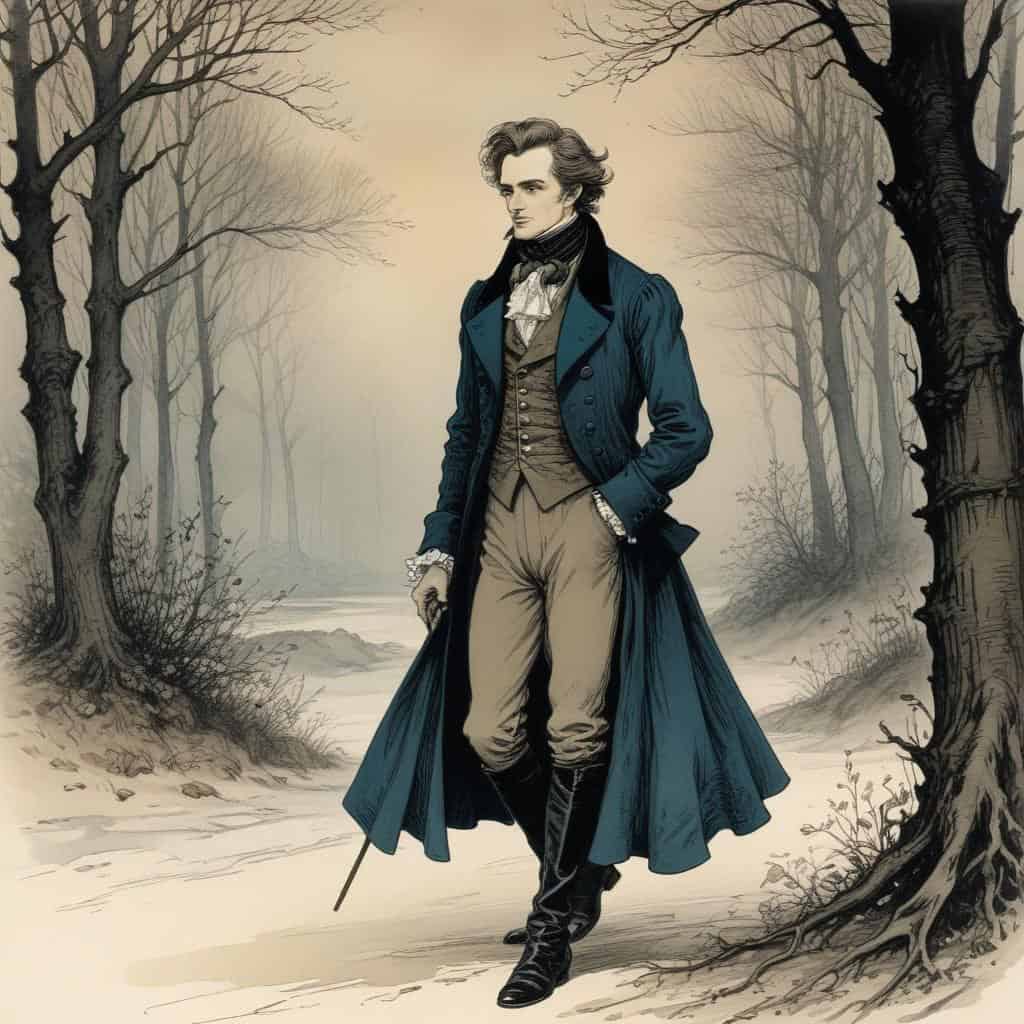
Introduction
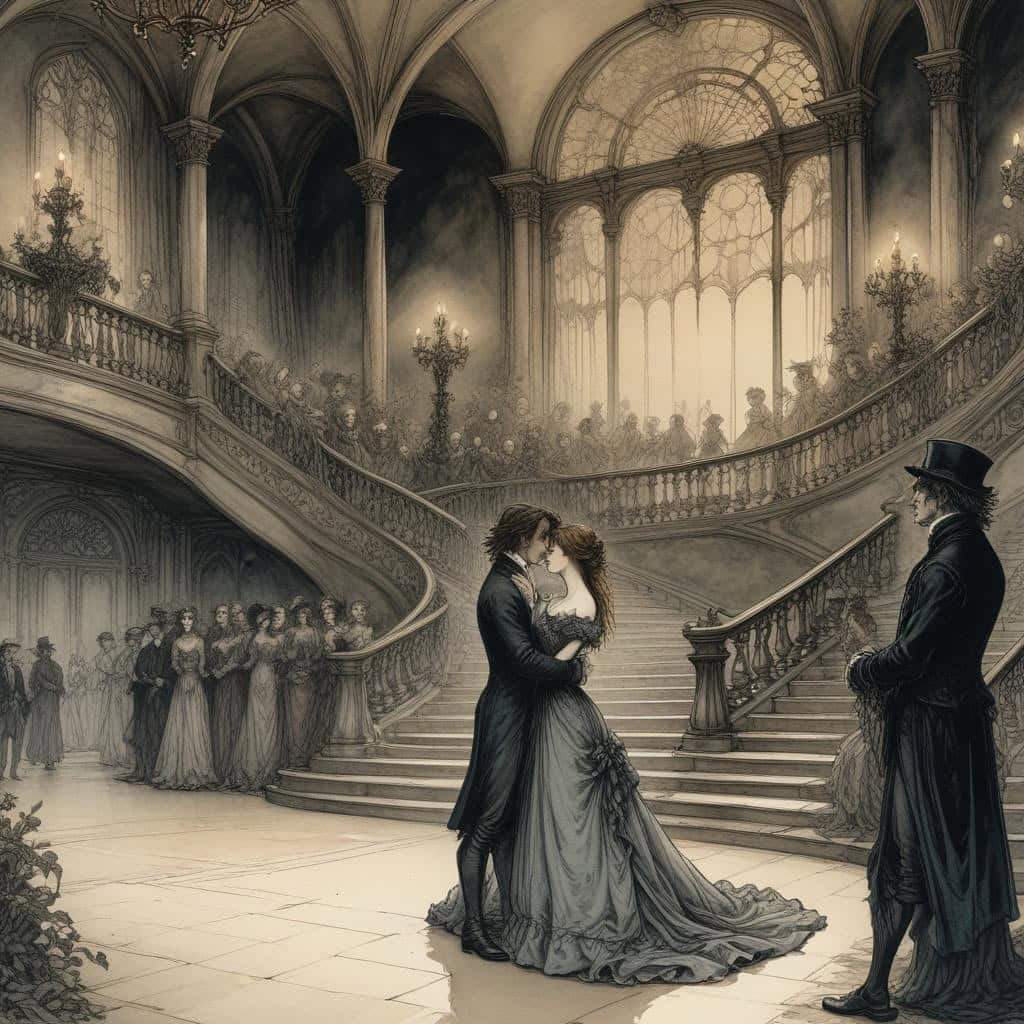
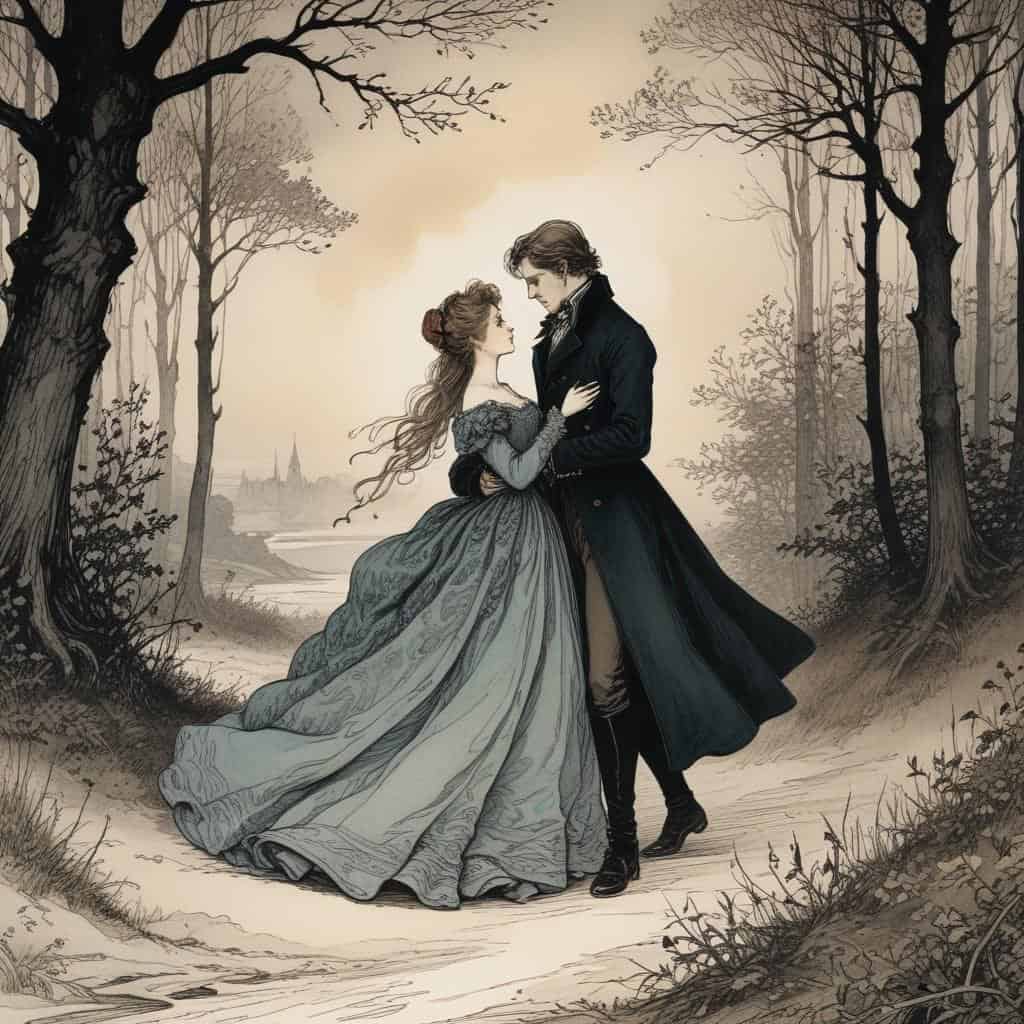

Onegin

Tatyana

Lensky

Olga

Prince N
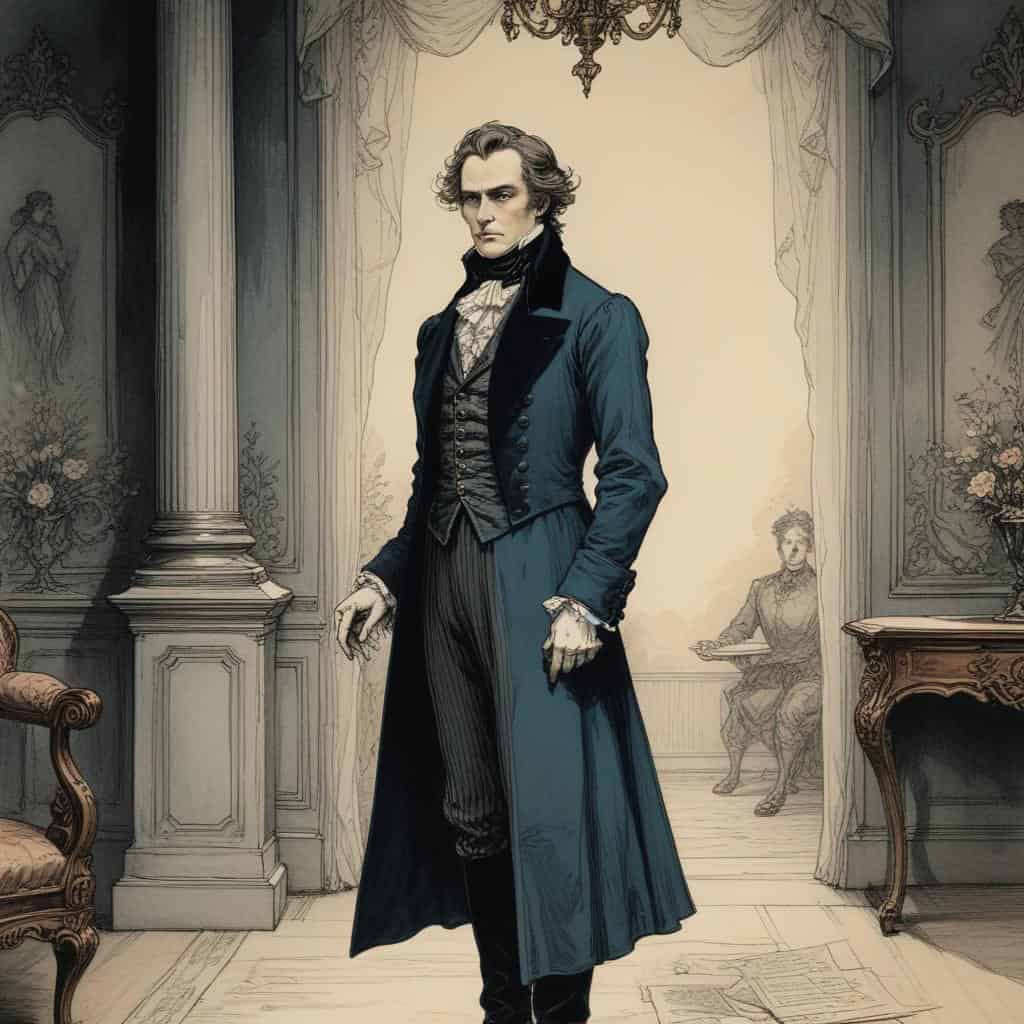
1. Introduction of Eugene Onegin
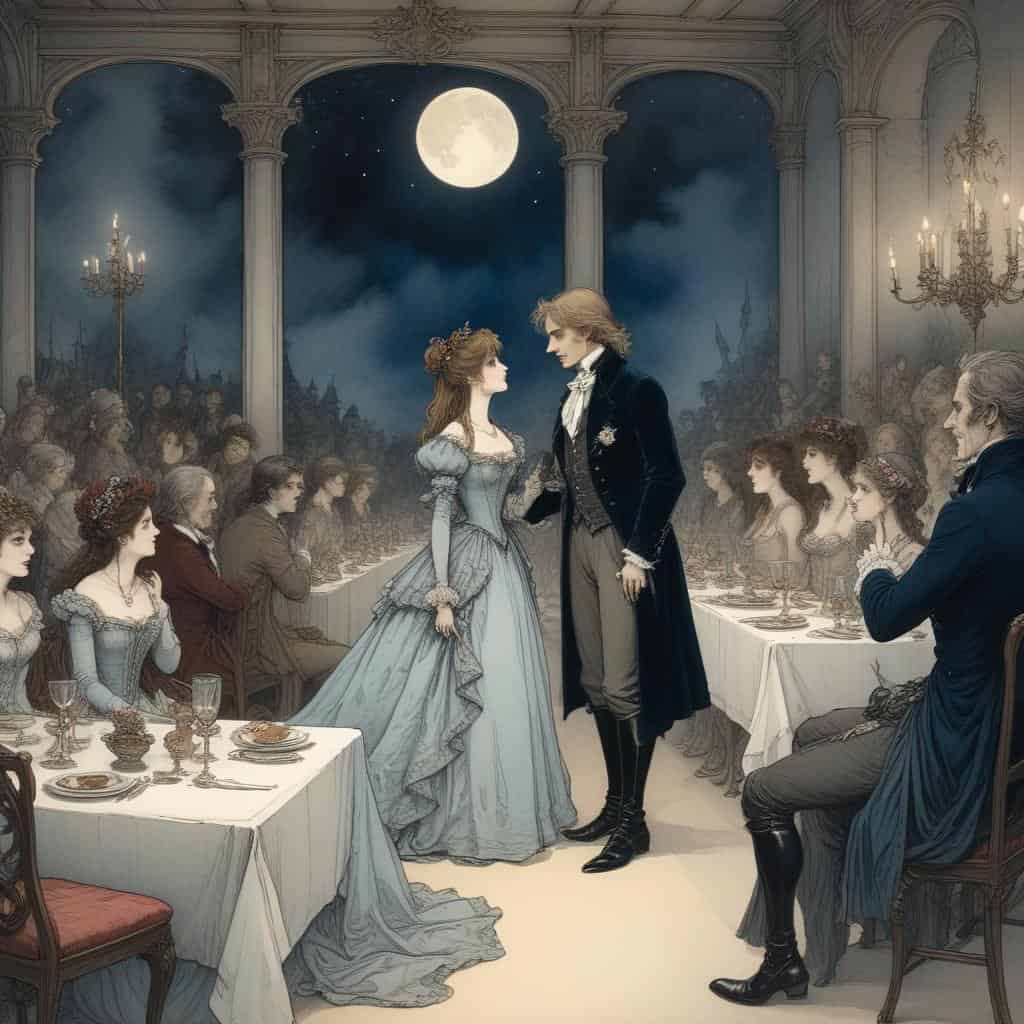
2. Meeting Tatiana
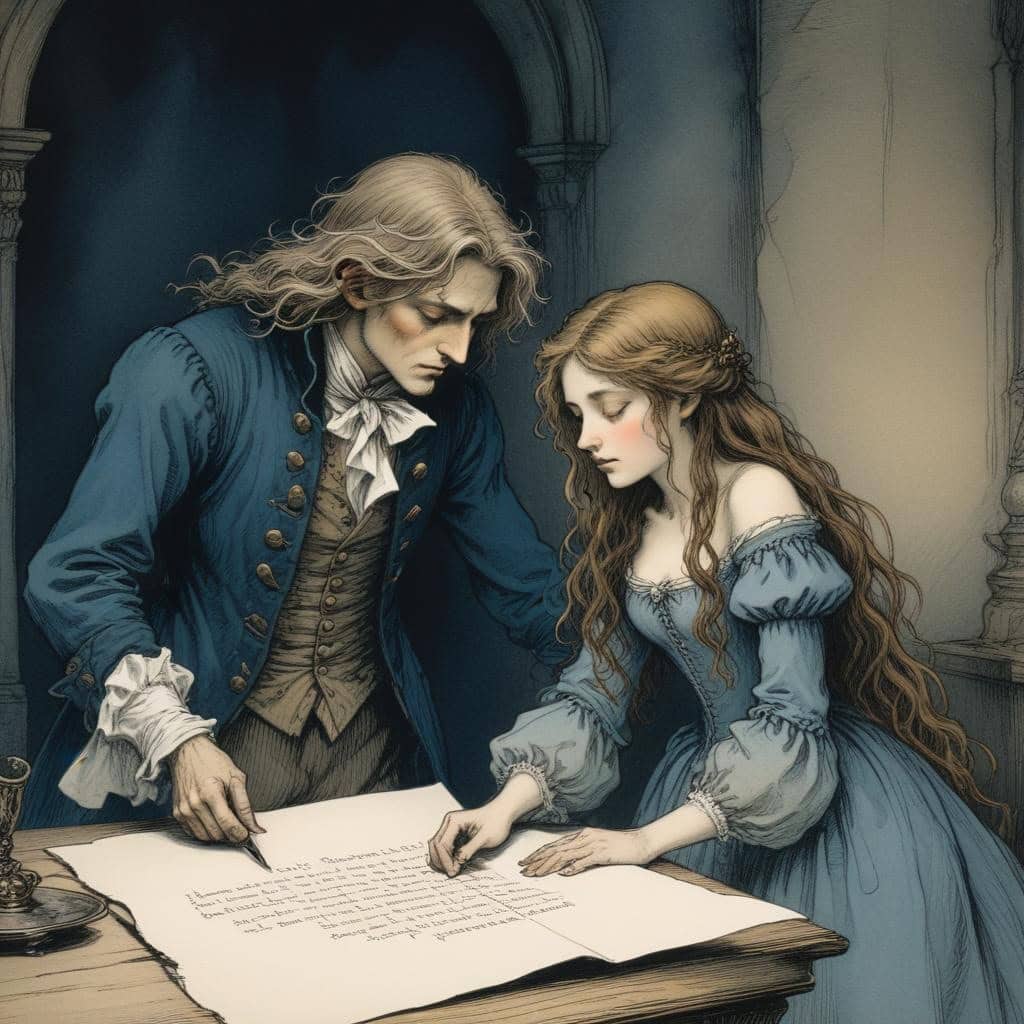
3. Tatianas Confession of Love
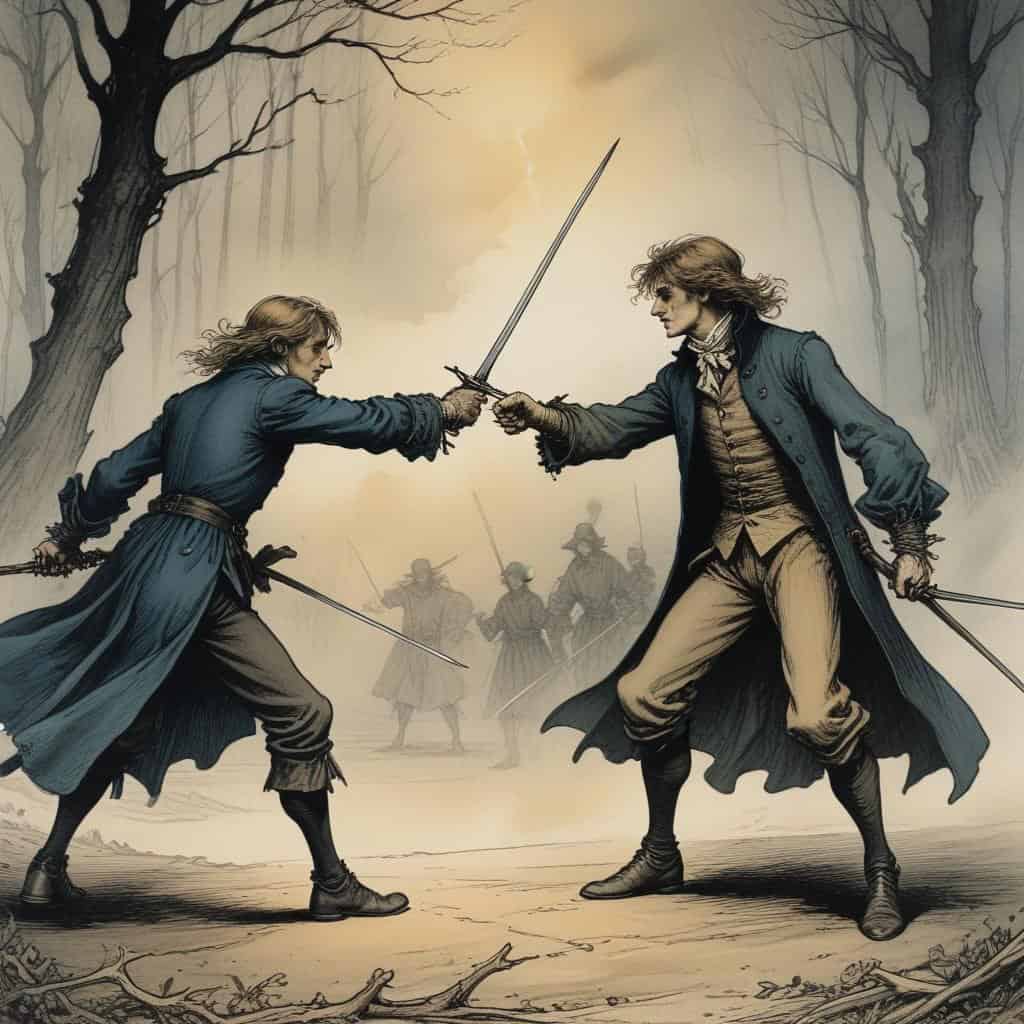
4. Eugenes Duel with Lensky

5. Eugenes Exile
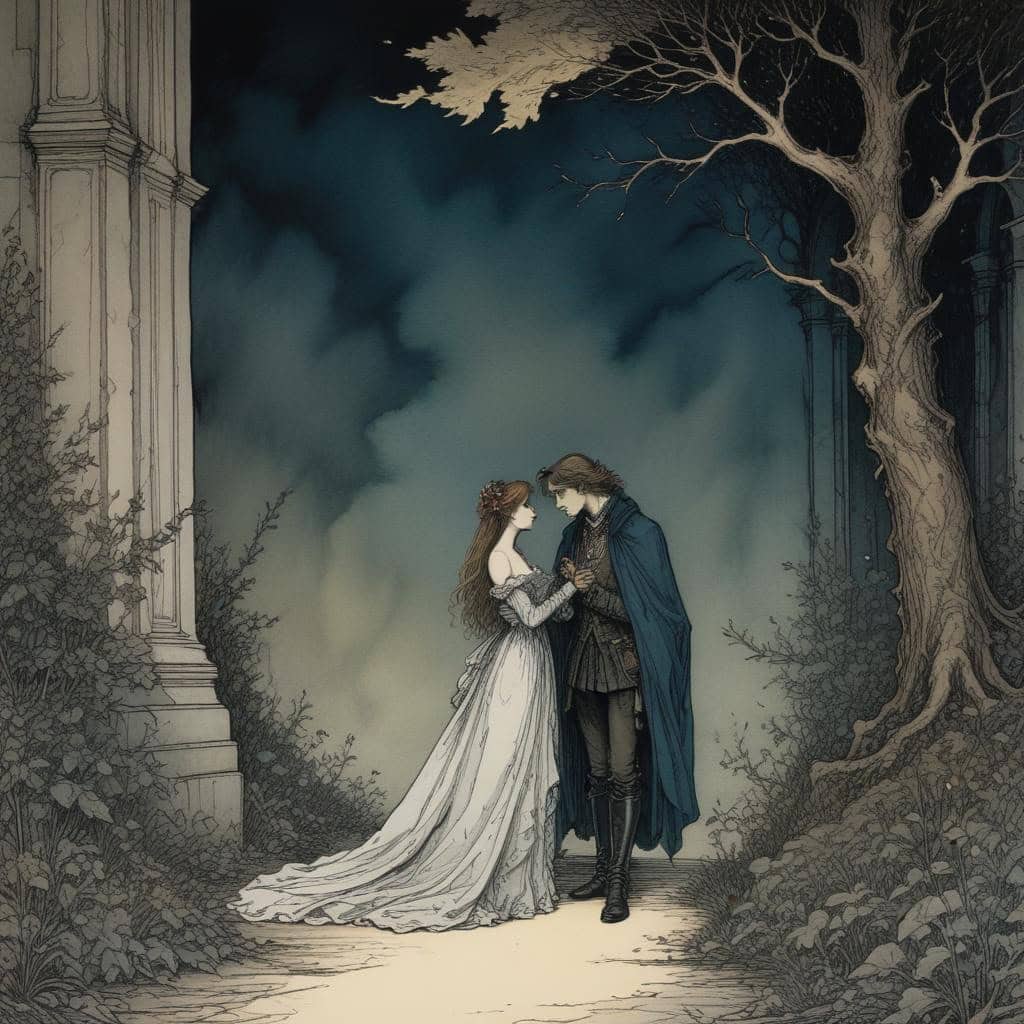
6. Eugenes Return
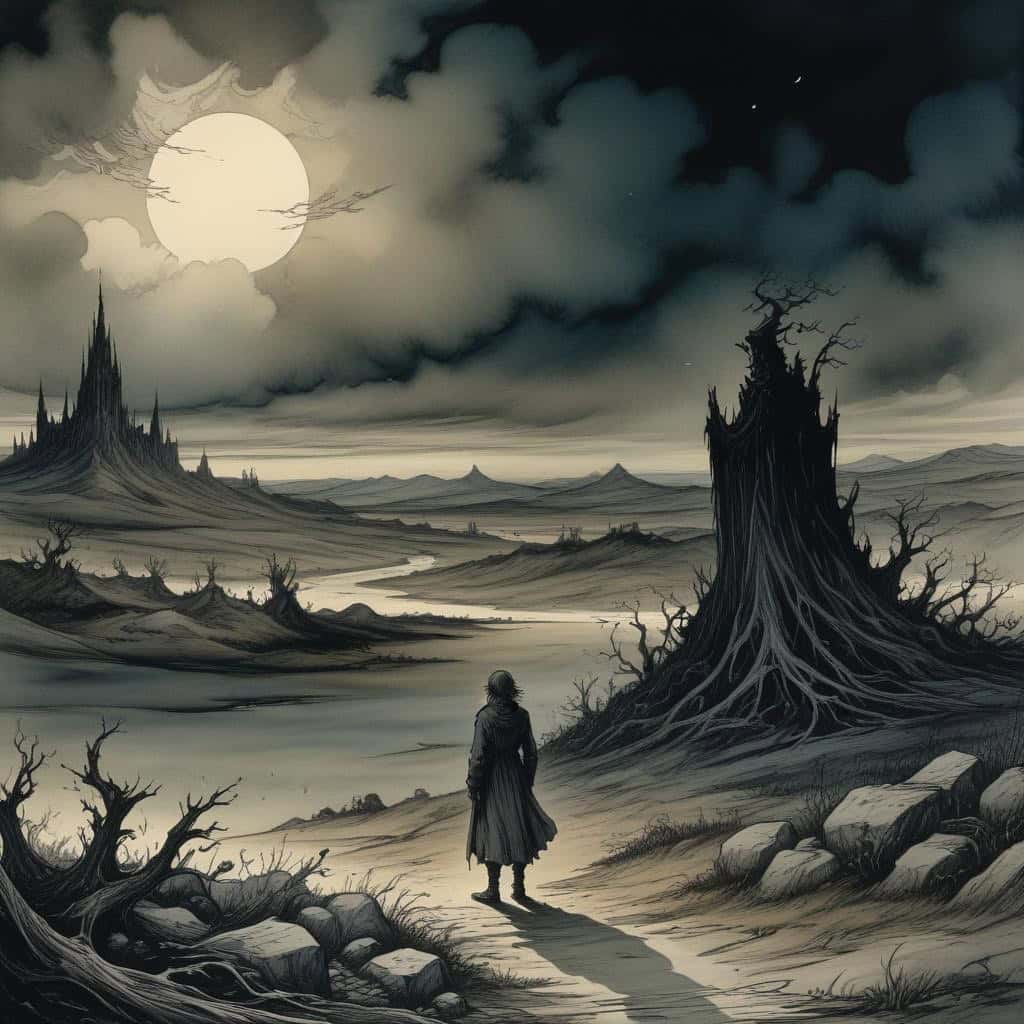
7. Eugenes Regret

8. Tatianas Forgiveness
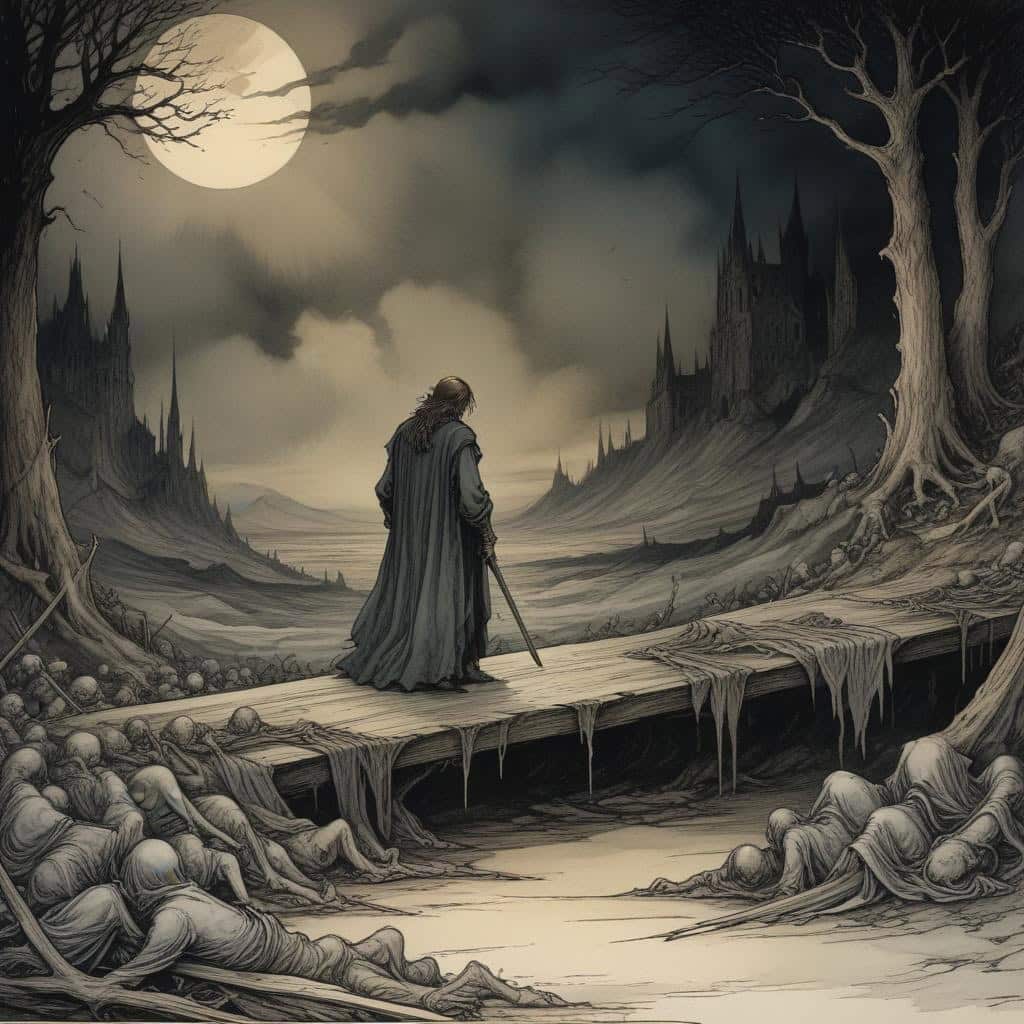
9. Eugenes Redemption
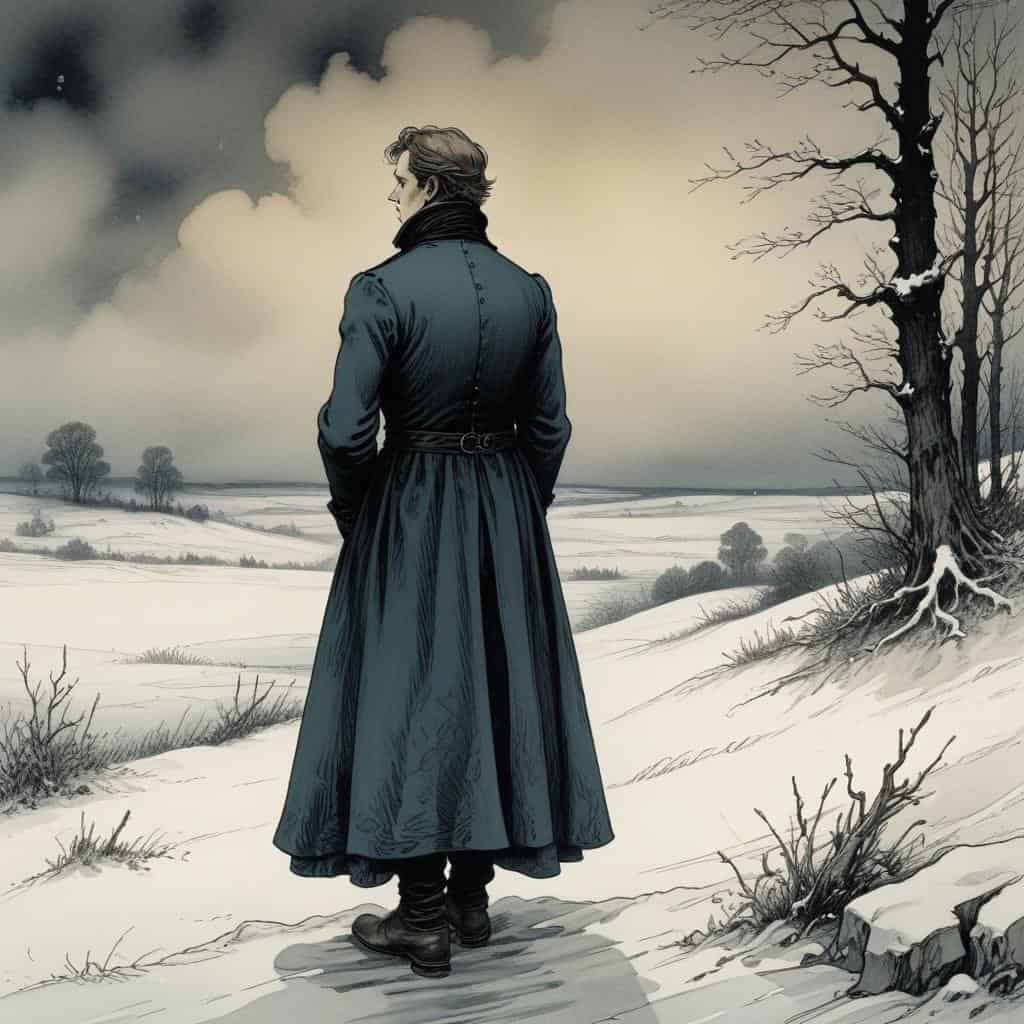
10. Conclusion
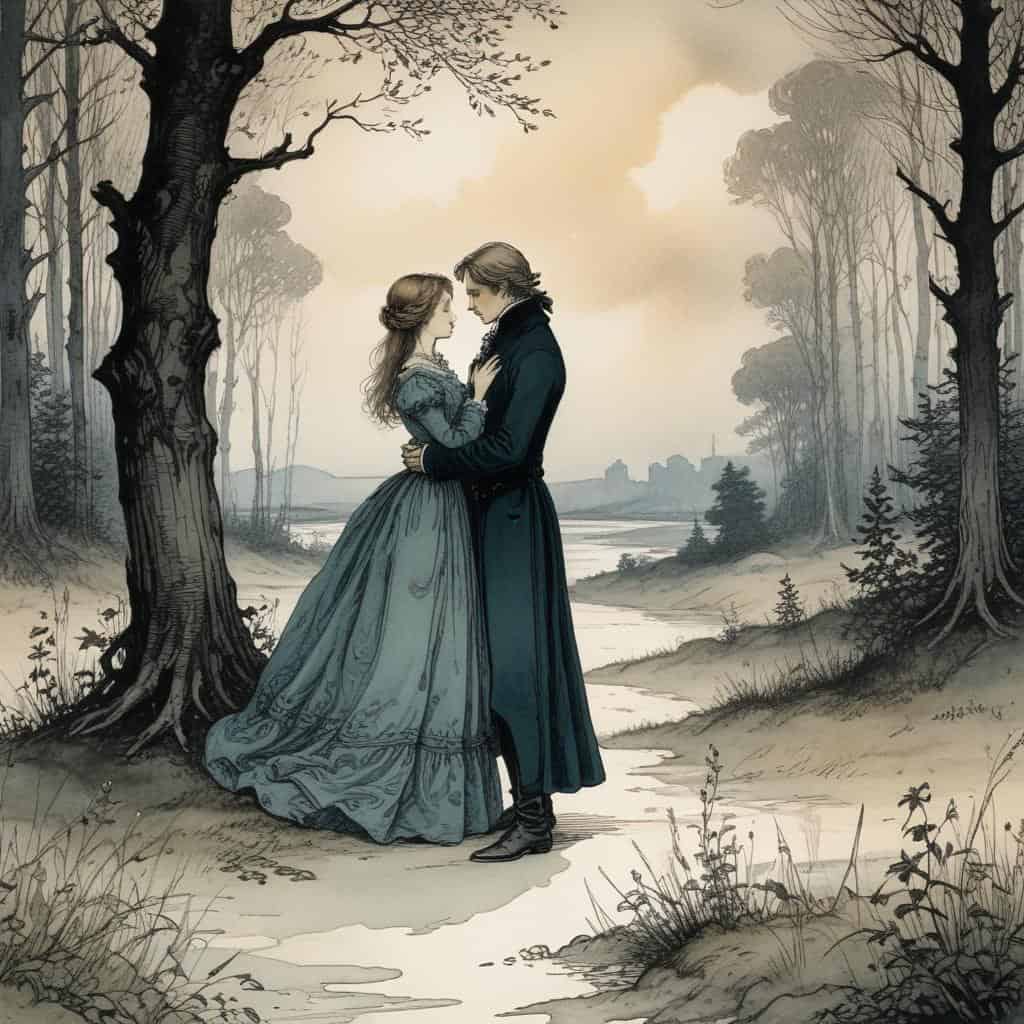
Lesson Details & Resources
In a Nutshell
- What: ‘Eugene Onegin’ by Alexander Pushkin
- When: Written in the early 19th century
- Who: Eugene Onegin, Tatyana Larina, Vladimir Lensky
- Theme: Love, friendship, social norms
List of Characters in Eugene Onegin by Alexander Pushkin
-
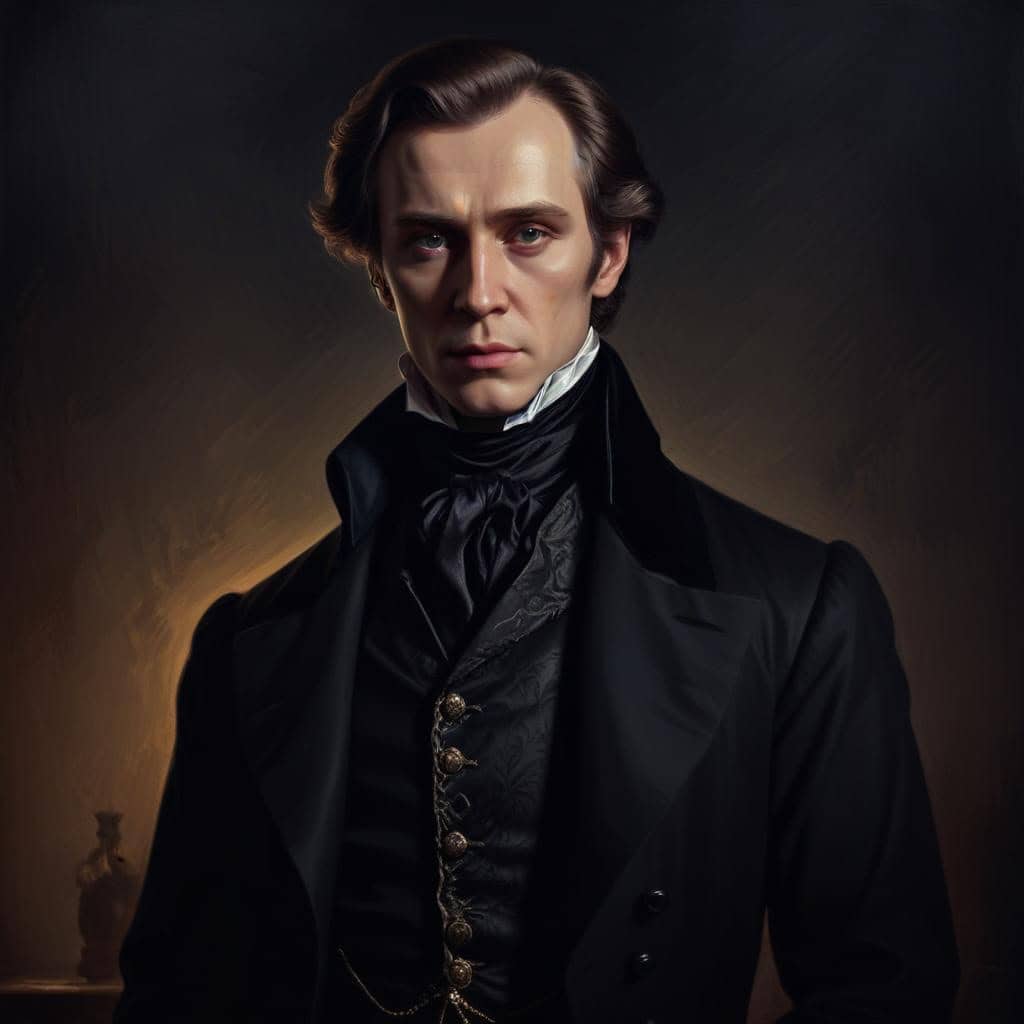
Eugene Onegin
Eugene Onegin is a cynical and bored young man who inherits his uncle's estate in the countryside.
-
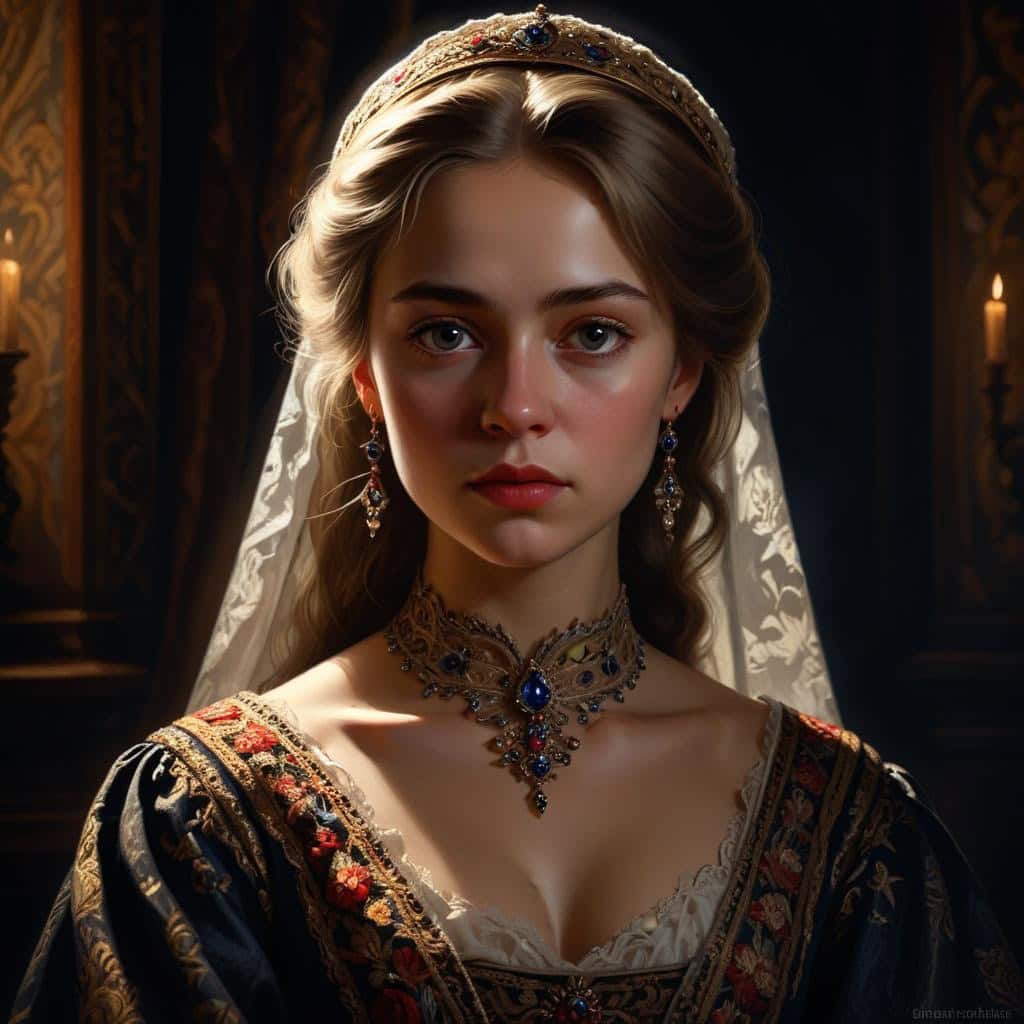
Tatiana Larina
Tatiana Larina is a young country girl who falls in love with Eugene Onegin and writes him a passionate letter.
-
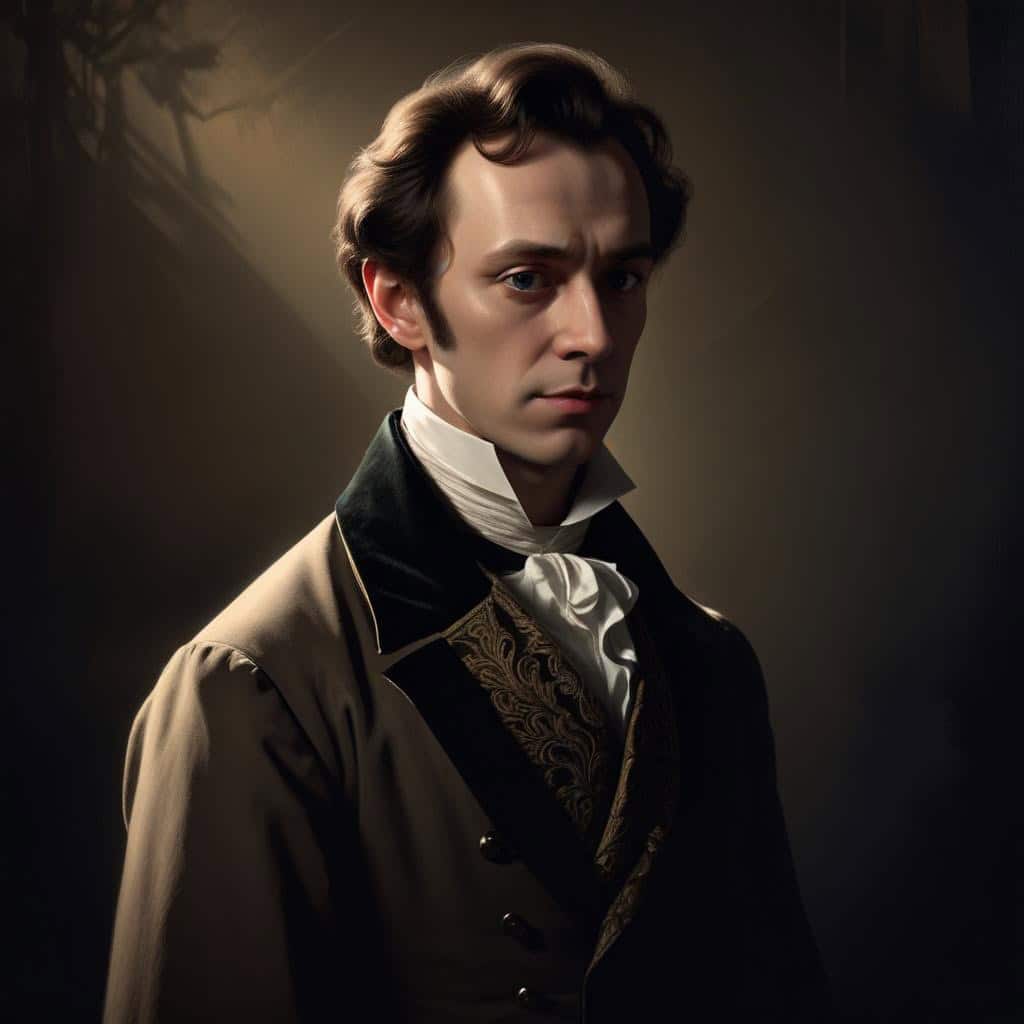
Vladimir Lensky
Vladimir Lensky is a romantic poet and friend of Eugene Onegin who is deeply in love with Olga Larina.
-
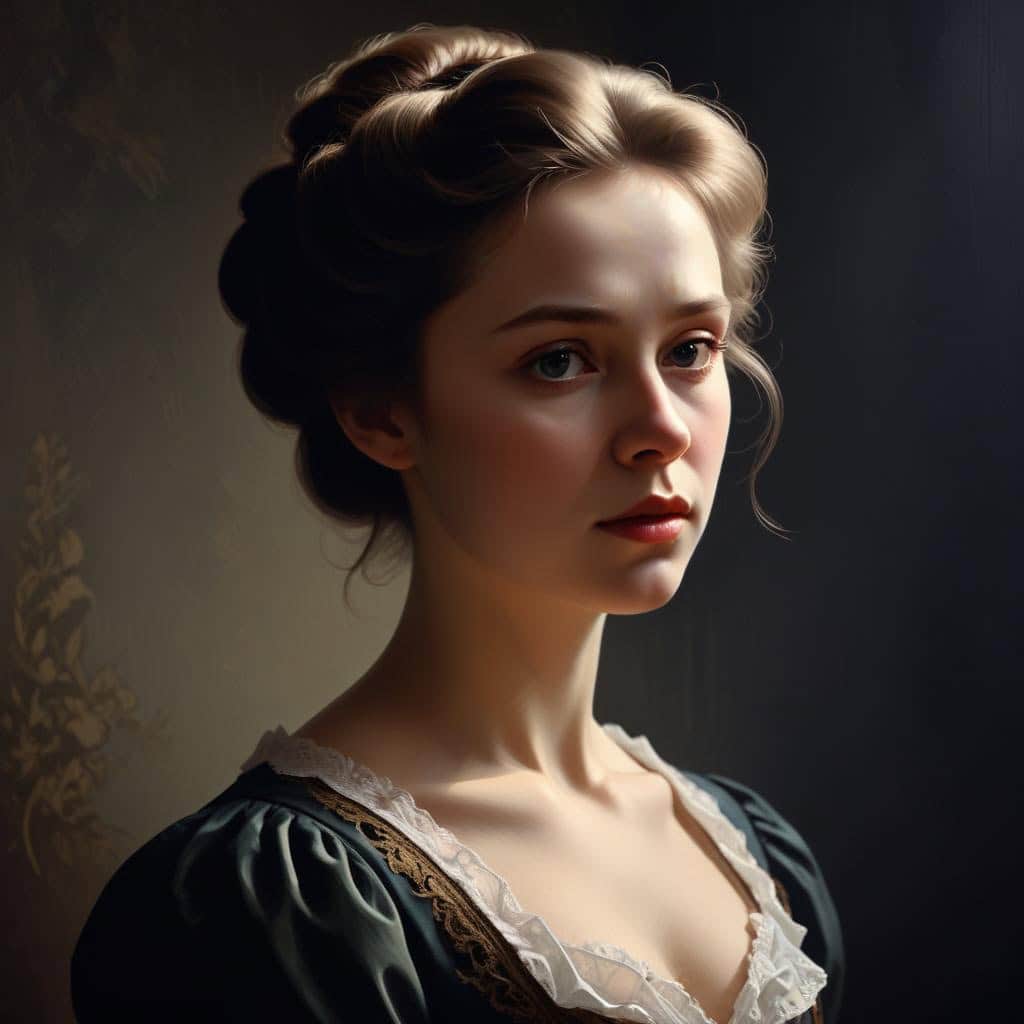
Olga Larina
Olga Larina is the younger sister of Tatiana and the object of Vladimir Lensky's affection.
-
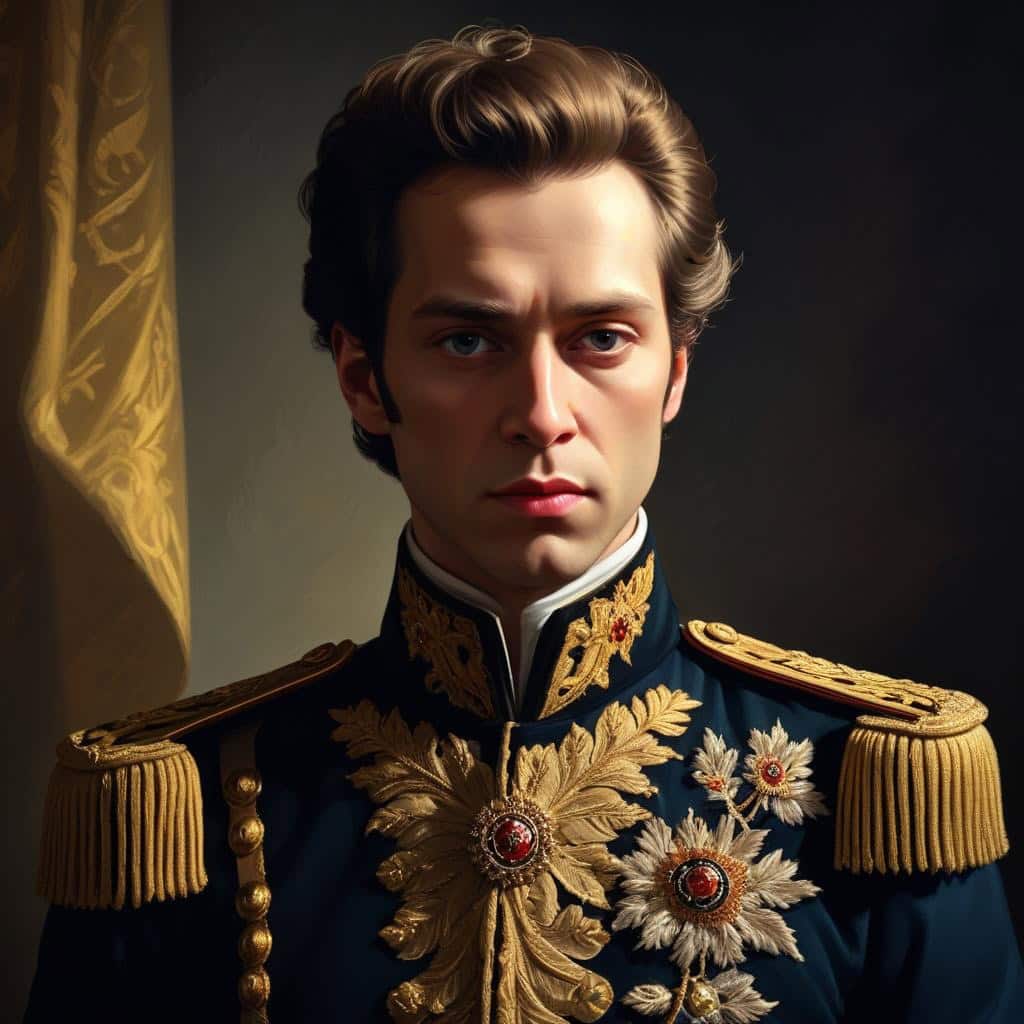
Prince N.N.
Prince N.N. is a wealthy and influential landowner who plays a key role in the social circles of the novel.
Timeline of Eugene Onegin by Alexander Pushkin
Eugene Onegin, a dandy and cynical young man, inherits a country estate from his uncle and moves from St. Petersburg to the countryside.
Onegin meets Tatyana, a romantic and passionate young woman living nearby, and she falls in love with him.
Tatyana writes a heartfelt letter confessing her love to Onegin, but he rejects her, claiming he is not the right man for her.
Onegin flirts with Tatyana's sister, Olga, who is engaged to his friend Lensky, causing a rift between the two friends.
Lensky challenges Onegin to a duel, which ends tragically with Lensky's death.
Onegin leaves the countryside and travels abroad to escape his guilt and remorse.
Years later, Onegin returns to St. Petersburg and attends a ball where he encounters Tatyana, who is now married to a prince.
Onegin realizes he is still in love with Tatyana, but she rejects him, stating that she is loyal to her husband.
Onegin is left alone and regretful, realizing the consequences of his actions and the missed opportunity for true love.
The story ends with Onegin wandering aimlessly, reflecting on his past mistakes and lost opportunities.
Vocabulary List
- Eugene Onegin
- The title character of the novel, a young aristocrat who is bored with society life.
- Tatiana Larina
- The shy and romantic young woman who falls in love with Eugene Onegin.
- Lensky
- Tatiana's fiancé and a close friend of Eugene Onegin.
- Olga Larina
- Tatiana's sister and Lensky's love interest.
- St. Petersburg
- The city where much of the novel takes place, known for its high society and cultural events.
- Russian aristocracy
- The wealthy and influential families who make up the social elite in Russia during the 19th century.
- Romanticism
- The literary movement characterized by an emphasis on emotion, nature, and individualism, which is reflected in Eugene Onegin.
- Petersburg society
- The high society of St. Petersburg, known for its lavish parties and social gatherings.
- Duels
- A recurring theme in the novel, reflecting the honor and pride of the aristocratic characters.
- Pushkin
- The author of Eugene Onegin, considered one of the greatest Russian poets and a key figure in Russian literature.
Key Facts
This is the information used in the fact matching game
- Eugene Onegin is a novel in verse written by Russian author Alexander Pushkin.
- The novel was first published in serial form between 1825 and 1832.
- Eugene Onegin is considered one of the greatest works of Russian literature.
- The novel is written in iambic tetrameter, a form of poetry popular in Russian literature.
- The story follows the life of the titular character, Eugene Onegin, a cynical nobleman.
- Eugene Onegin is often seen as a representation of the 'superfluous man' archetype in Russian literature.
- The novel explores themes of love, society, and the passage of time.
- Eugene Onegin has been adapted into various forms, including operas, ballets, and films.
- The character of Eugene Onegin is based on Pushkin's own experiences and personality.
- The novel features a famous duel scene between Eugene Onegin and his friend Vladimir Lensky.
- The novel's structure is influenced by the French verse form of the sonnet.
- Eugene Onegin is divided into eight chapters, each with a different tone and focus.
- The novel includes digressions and meta-narrative commentary by the author.
- Eugene Onegin is written in a conversational and ironic tone, breaking the fourth wall at times.
- The novel's protagonist, Eugene Onegin, is portrayed as a bored and disillusioned aristocrat.
- The character of Tatyana, the novel's heroine, is seen as a romantic ideal by many readers.
- Eugene Onegin has been translated into multiple languages and continues to be studied and admired worldwide.
- The novel's narrative structure is unconventional, with shifts in perspective and time.
- Eugene Onegin is considered a classic of Russian literature and a seminal work in the development of the Russian novel.
- The novel's exploration of love, regret, and societal norms continues to resonate with readers today.
Analysis & Significance
Impact on Literature
‘Eugene Onegin’ by Alexander Pushkin is considered a seminal work in Russian literature, setting the stage for the development of the Russian novel. Pushkin’s innovative use of verse novel form and his exploration of complex characters paved the way for future Russian writers, including Tolstoy and Dostoevsky, to create their own masterpieces.
Enduring Themes
The themes of unrequited love, social class, and the conflict between tradition and modernity in ‘Eugene Onegin’ continue to resonate with modern audiences. Pushkin’s exploration of human emotions and societal norms remains relevant today, making the work a timeless classic that continues to captivate readers across generations.
Cultural Significance Today
‘Eugene Onegin’ remains a cultural touchstone in Russia, with numerous adaptations in various art forms, including opera, ballet, and film. The character of Onegin has become a symbol of the quintessential Russian anti-hero, and the work itself is celebrated for its lyrical beauty and profound insights into the human condition.
Eugene Onegin by Alexander Pushkin Games


Take Your Learning Offline
Want a convenient, print-ready study guide for this lesson? Become a Memory Wizards Pro member to unlock the downloadable " Memory Scrolls" for this topic and our entire library!
- ✓ Complete Vocabulary Lists
- ✓ Key Facts & Timelines
- ✓ Beautifully Formatted for Print & Mobile