
How Do You Learn Best?
Learn by Reading
Immerse yourself in the 10-minute visual lesson for a comprehensive understanding of the topic.
Learn by Reviewing
Jump directly to the key facts, timeline, and vocabulary lists to build a solid foundation of details.
Learn by Doing
Challenge yourself! Jump straight into the interactive games to learn by trial, error, and discovery.
The Bronze Horseman by Alexander Pushkin in 10 Minutes
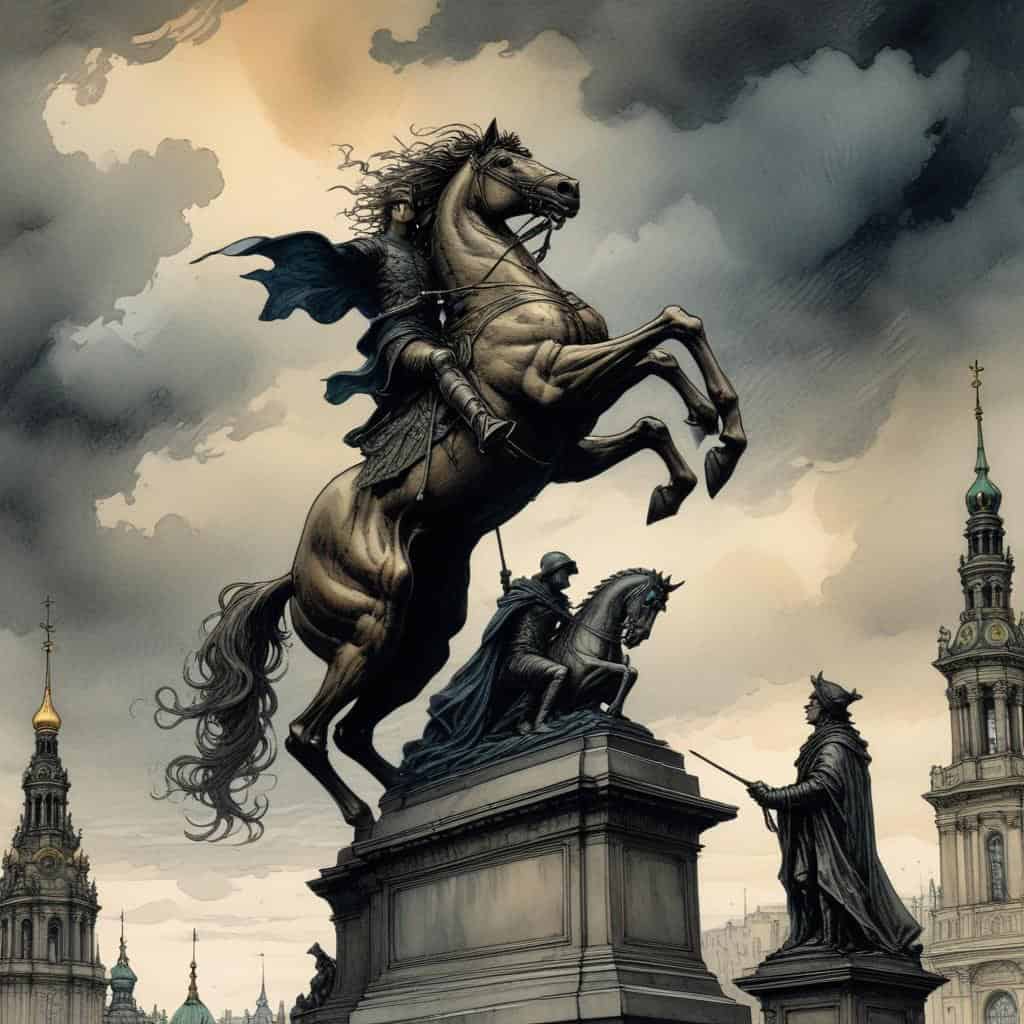
Introduction
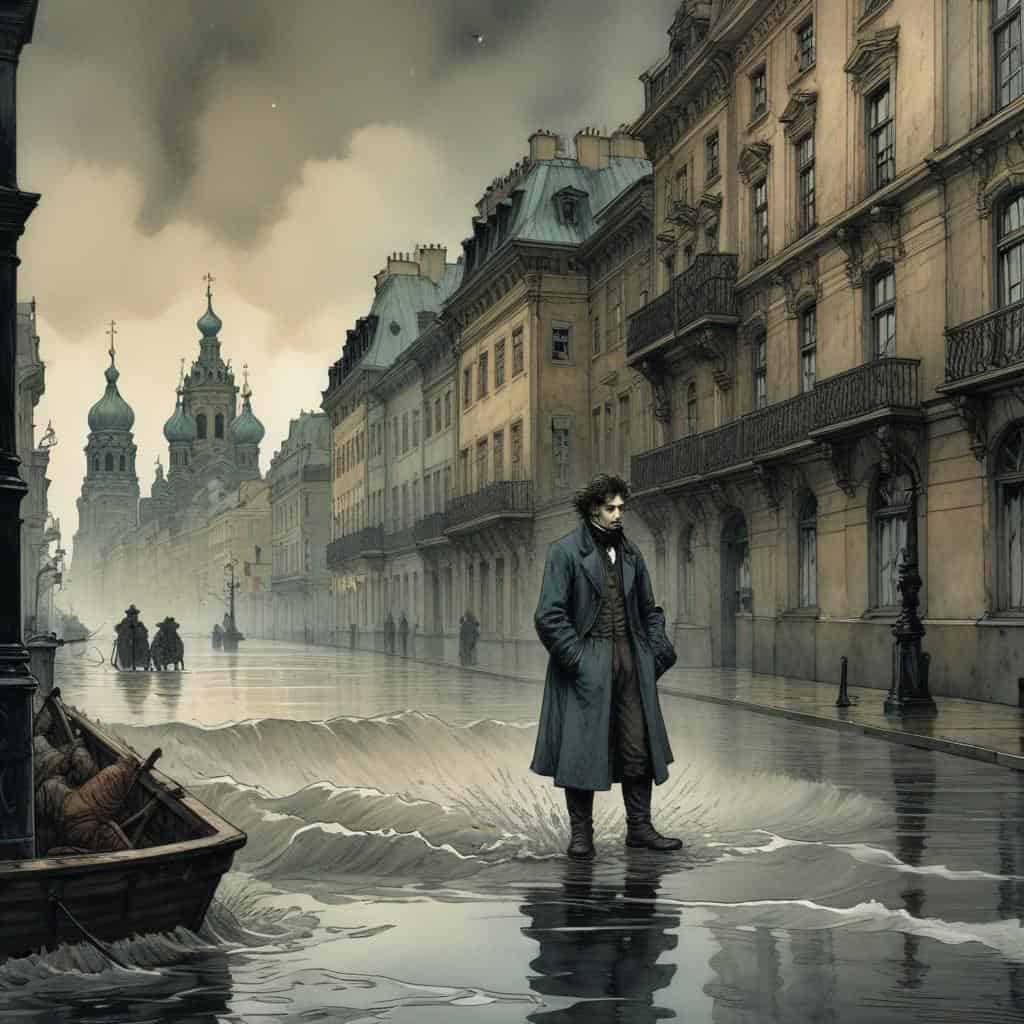

Alexander Pushkin

Yevgeny

Parasha

Peter the Great
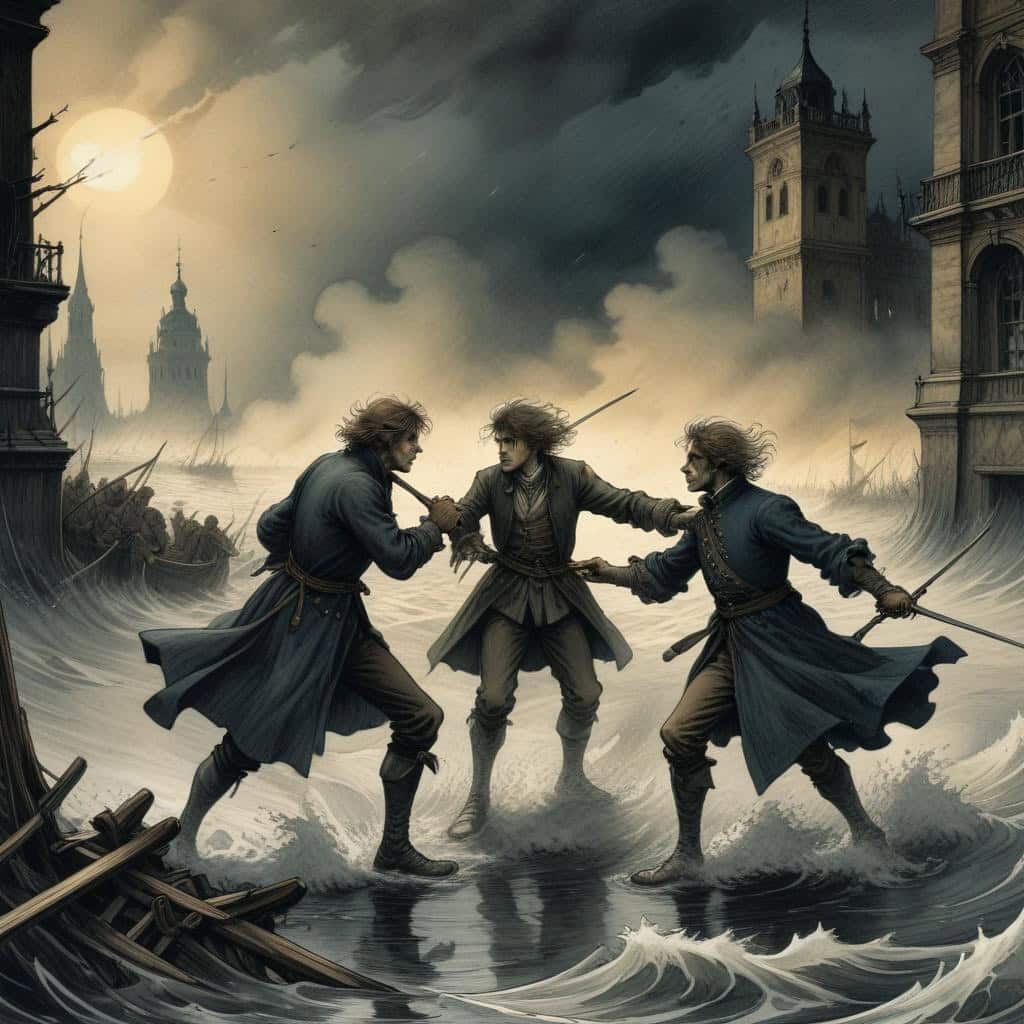
The Duel
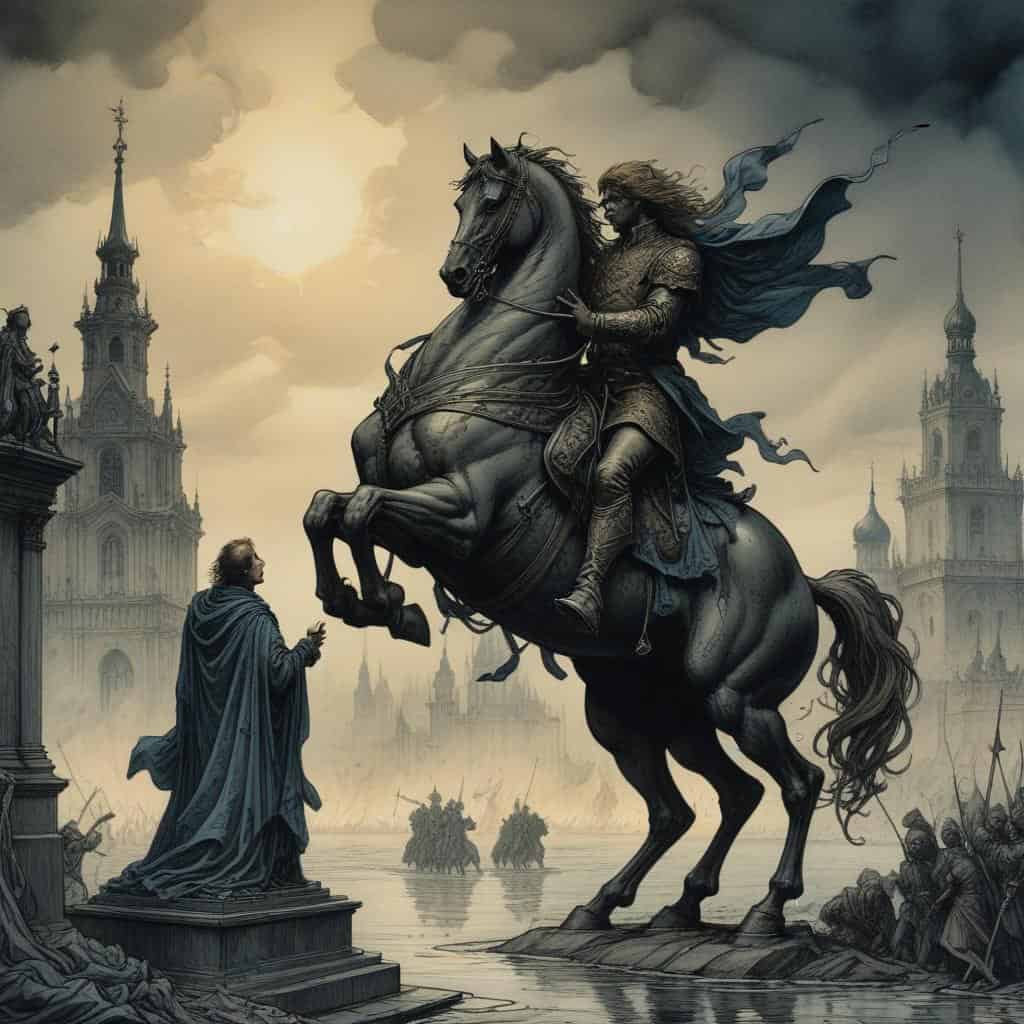
The Bronze Horseman
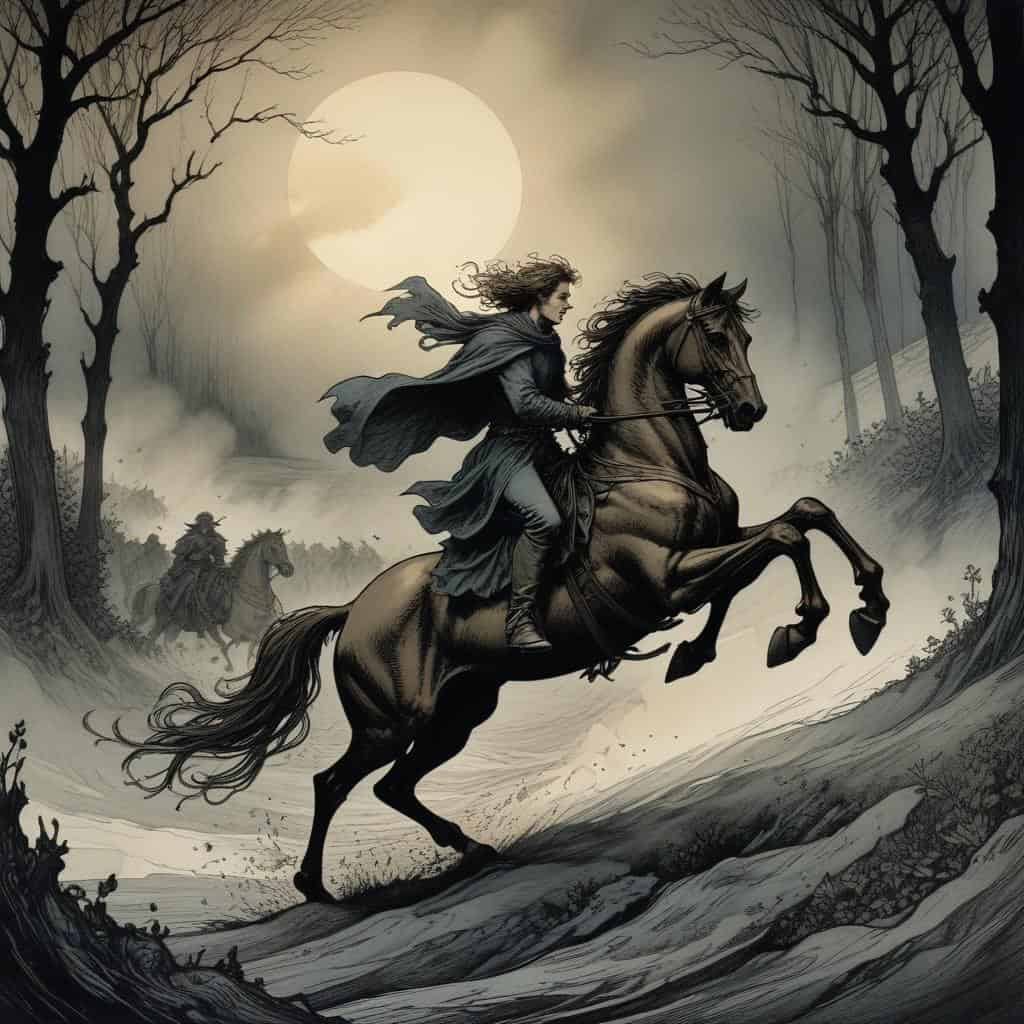
The Pursuit
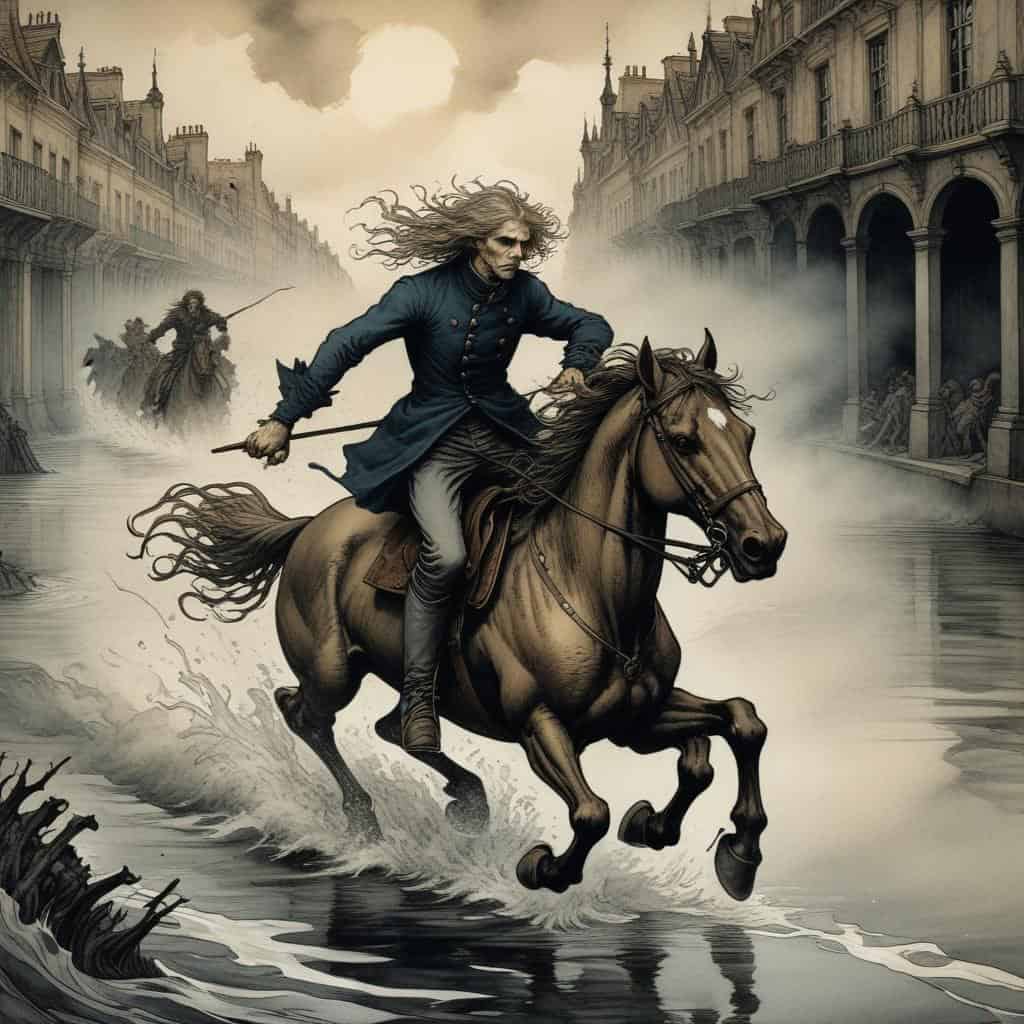
The Chase
The Reconciliation

The Redemption

The Sacrifice

The Legacy
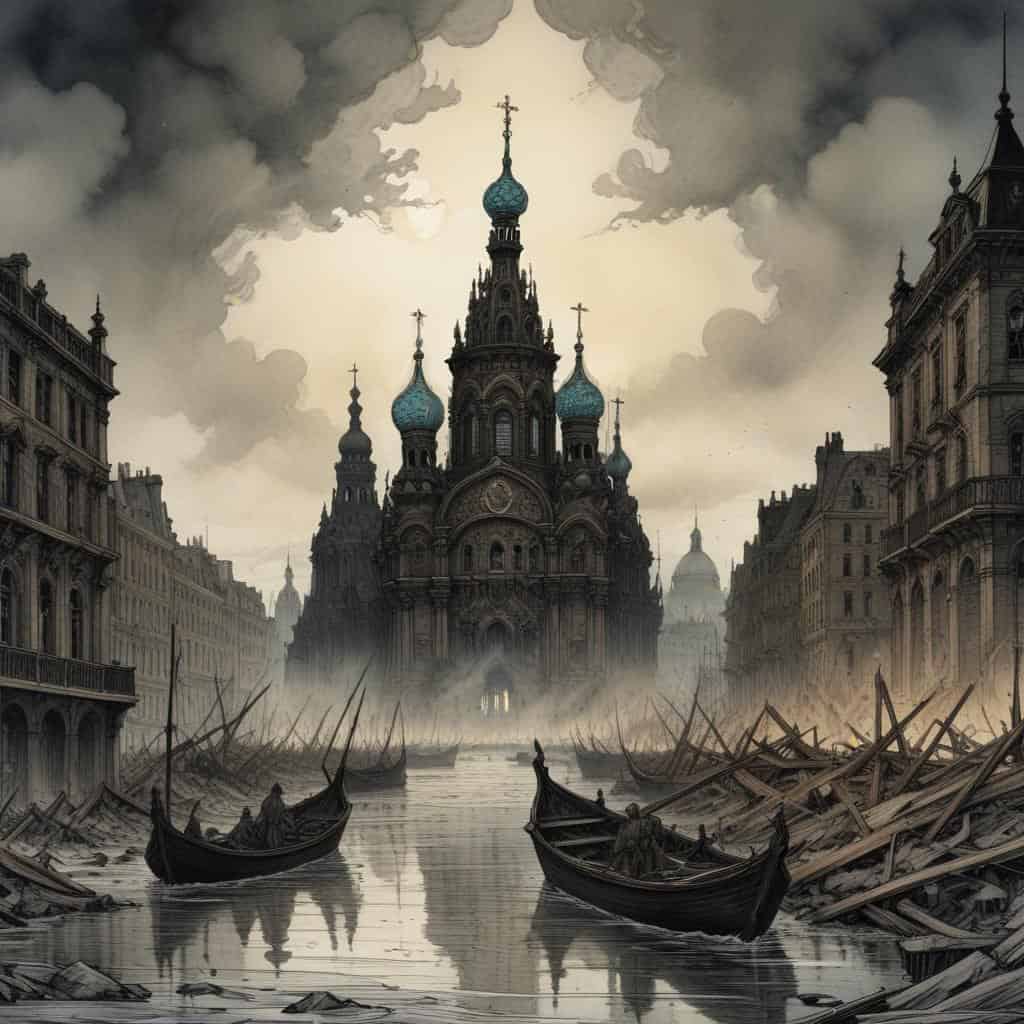
The Aftermath
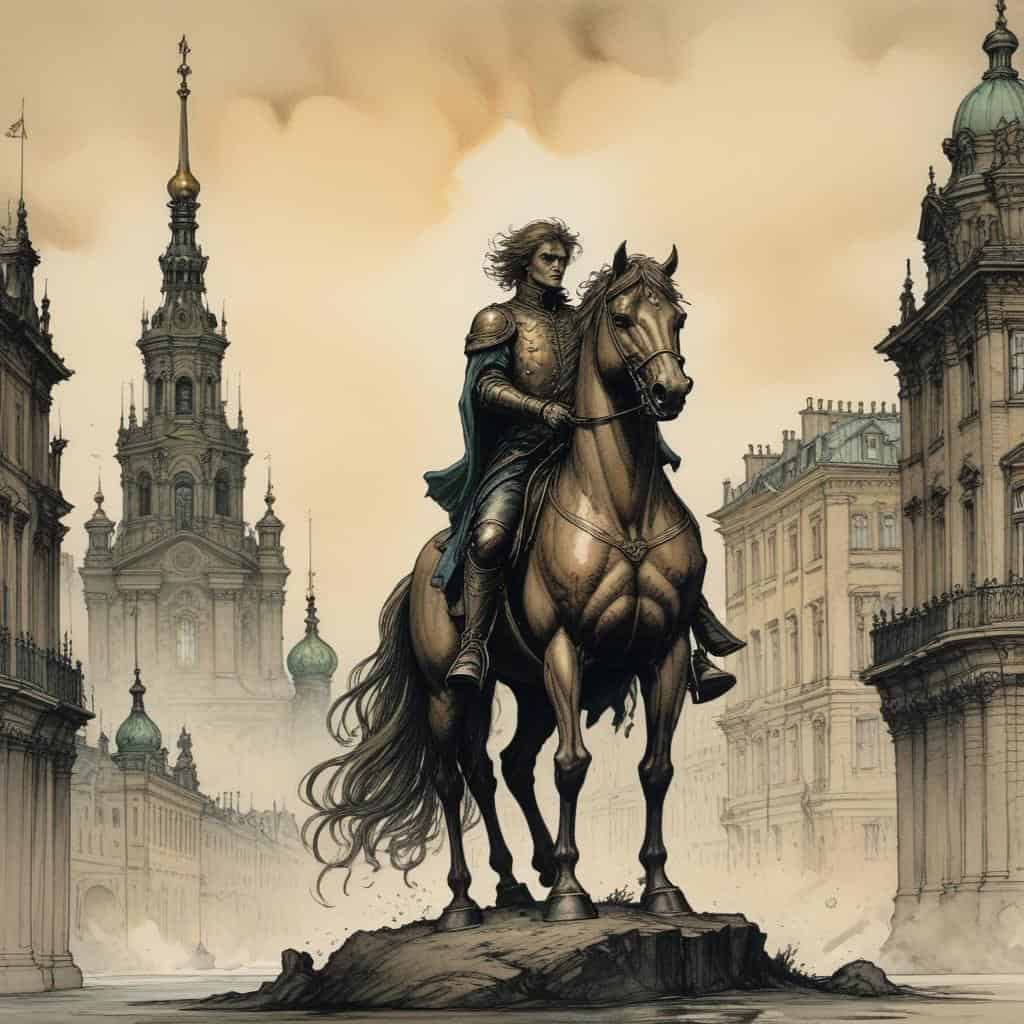
The Epilogue
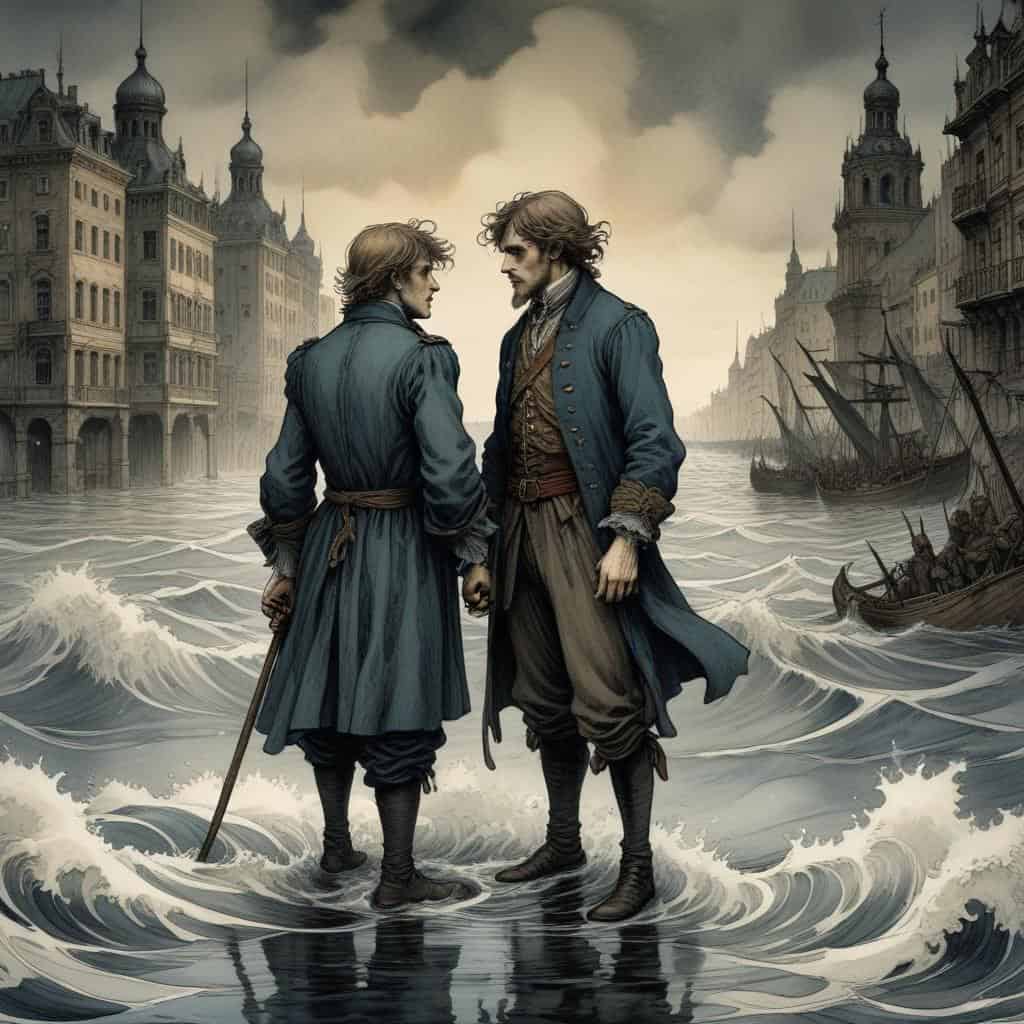
Lesson Details & Resources
In a Nutshell
- What: The Bronze Horseman by Alexander Pushkin
- When: Written in the Romantic era
- Who: Main characters: Evgeny Onegin, Tatiana Larina, Vladimir Lensky
- Theme: Love, jealousy, and the impact of historical events on personal lives
List of Characters in The Bronze Horseman by Alexander Pushkin
-
Tatiana Metanova
The protagonist of the story, a young woman who falls in love with a soldier during the siege of Leningrad.
-
Alexander Pushkin
The author of the poem 'The Bronze Horseman' which inspired the novel.
-
Yevgeny Onegin
The lover of Tatiana and a soldier in the Russian army.
-
Alexander Pushkin
The author of the novel 'The Bronze Horseman' which is based on Pushkin's poem.
-
Grigory Danilovich
Tatiana's father who disapproves of her relationship with Yevgeny.
-
Catherine the Great
The Empress of Russia during the time period of the story.
-
Peter the Great
The Tsar of Russia who founded the city of St. Petersburg, where the story takes place.
Timeline of The Bronze Horseman by Alexander Pushkin
Eugene Onegin, a young man from St. Petersburg, meets and falls in love with Tatiana Larina, a young woman from a noble family.
Eugene rejects Tatiana's advances and she is heartbroken.
Eugene meets Tatiana's sister, Olga, and becomes infatuated with her.
A duel ensues between Eugene and Olga's fiance, Lensky, resulting in Lensky's death.
Eugene leaves St. Petersburg and joins the army to escape his guilt.
While in the army, Eugene meets and falls in love with Parasha, a peasant girl.
Eugene's guilt over Lensky's death continues to haunt him, causing him to be plagued by nightmares.
Eugene returns to St. Petersburg and encounters Tatiana, who is now married to a wealthy man named Prince N.
Tatiana confesses her enduring love for Eugene, but ultimately chooses to remain faithful to her husband.
Eugene is left heartbroken and alone, realizing the consequences of his actions.
The Bronze Horseman, a statue of Peter the Great in St. Petersburg, stands as a symbol of the city's enduring power and history.
Vocabulary List
- Neva
- The Neva River is a prominent feature in the setting of The Bronze Horseman.
- St. Petersburg
- The city of St. Petersburg is where the events of The Bronze Horseman take place.
- Bronze Horseman
- The Bronze Horseman is a statue of Peter the Great in St. Petersburg, which serves as a central symbol in the poem.
- Peter the Great
- Peter the Great was a Russian czar and founder of St. Petersburg, who is depicted in the Bronze Horseman statue.
- Flood
- The devastating flood of 1824 plays a significant role in the plot of The Bronze Horseman.
- Tsar
- The protagonist, Yevgeny, works for the Tsar in The Bronze Horseman.
Key Facts
This is the information used in the fact matching game
- The Bronze Horseman is a narrative poem written by Alexander Pushkin in 1833.
- The poem is considered one of the greatest works of Russian literature.
- The Bronze Horseman is set in Saint Petersburg, Russia.
- The poem tells the story of a man named Yevgeny and his struggles against the forces of nature and fate.
- The Bronze Horseman is also known as The Bronze Horse.
- The poem is divided into three parts: introduction, tale, and conclusion.
- Pushkin began writing The Bronze Horseman in 1831 and completed it in 1833.
- The poem was inspired by the statue of Peter the Great in Saint Petersburg, which is known as the Bronze Horseman.
- The Bronze Horseman is considered a romantic poem, featuring themes of love, loss, and the power of nature.
- The poem explores the conflict between individual will and the forces of history and fate.
- The Bronze Horseman has been translated into many languages and has inspired numerous adaptations in literature, music, and art.
- The poem was controversial when it was first published due to its political and social themes.
- The Bronze Horseman is considered a landmark work in Russian literature, blending elements of folklore, history, and philosophy.
- The poem is often studied in Russian literature courses and is considered a classic of world literature.
- The Bronze Horseman has been adapted into a ballet by the Mariinsky Theatre in Saint Petersburg.
- The poem's title refers to the equestrian statue of Peter the Great in Saint Petersburg, which is made of bronze.
- The Bronze Horseman is considered a masterpiece of Russian literature and a prime example of Pushkin's poetic genius.
- The poem explores themes of power, ambition, love, and the human condition.
- The Bronze Horseman has been praised for its vivid imagery, lyrical language, and complex characters.
- The poem has been the subject of much scholarly analysis and critical interpretation.
Analysis & Significance
Impact on Literature
‘The Bronze Horseman’ by Alexander Pushkin is a seminal work in Russian literature, known for its lyrical prose and vivid imagery. It has influenced countless writers and poets, both in Russia and around the world, and is considered a classic of Romantic literature. Pushkin’s skillful use of language and his ability to capture the essence of St. Petersburg have set a high standard for future generations of writers.
Enduring Themes
The themes of love, loss, and the struggle against fate in ‘The Bronze Horseman’ continue to resonate with modern audiences. Pushkin’s exploration of the human condition, the power of nature, and the impact of historical events on individuals is timeless. The work’s emotional depth and universal themes make it a relevant and poignant read even today.
Cultural Significance Today
‘The Bronze Horseman’ remains a cultural touchstone in Russia, with monuments and landmarks dedicated to Pushkin’s iconic poem. The work has been adapted into various mediums, including ballet, opera, and film, further cementing its place in the literary canon. Its enduring popularity and influence on Russian culture make it a key text for understanding the country’s artistic heritage.
The Bronze Horseman by Alexander Pushkin Games


Take Your Learning Offline
Want a convenient, print-ready study guide for this lesson? Become a Memory Wizards Pro member to unlock the downloadable " Memory Scrolls" for this topic and our entire library!
- ✓ Complete Vocabulary Lists
- ✓ Key Facts & Timelines
- ✓ Beautifully Formatted for Print & Mobile