
Captain James Cook: A Legendary Explorer’s Biography
James Cook: The fearless explorer who charted unknown lands and expanded knowledge of the world.
How Do You Learn Best?
Learn by Reading
Immerse yourself in the 10-minute visual lesson for a comprehensive understanding of the topic.
Learn by Reviewing
Jump directly to the key facts, timeline, and vocabulary lists to build a solid foundation of details.
Learn by Doing
Challenge yourself! Jump straight into the interactive games to learn by trial, error, and discovery.
Captain James Cook: A Legendary Explorer’s Biography in 10 Minutes
Introduction
Joseph Banks
Tupaia
John Gore
The Early Life of James Cook
The First Voyage of Exploration
The Second Voyage to the Pacific
The Third and Final Voyage
Legacy of Exploration
Scientific Contributions

Cultural Impact
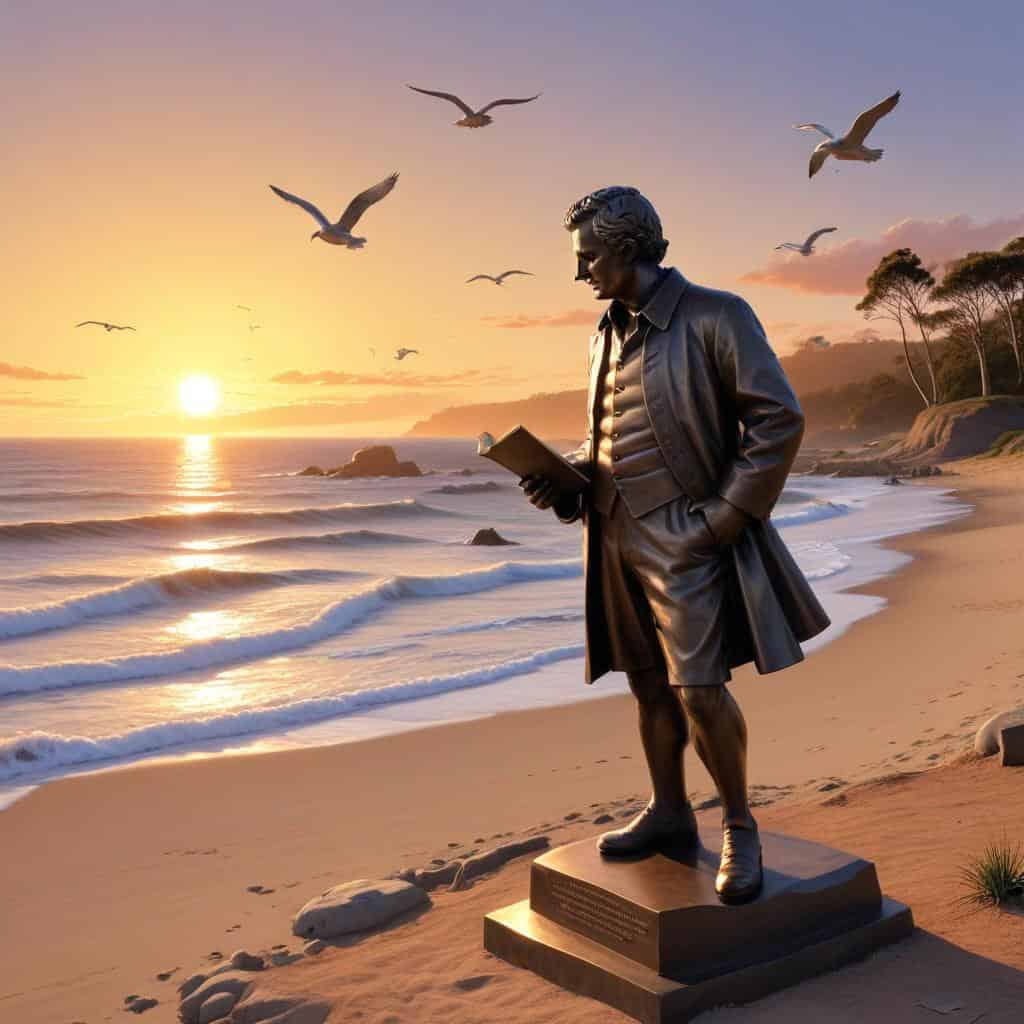
Monuments and Memorials
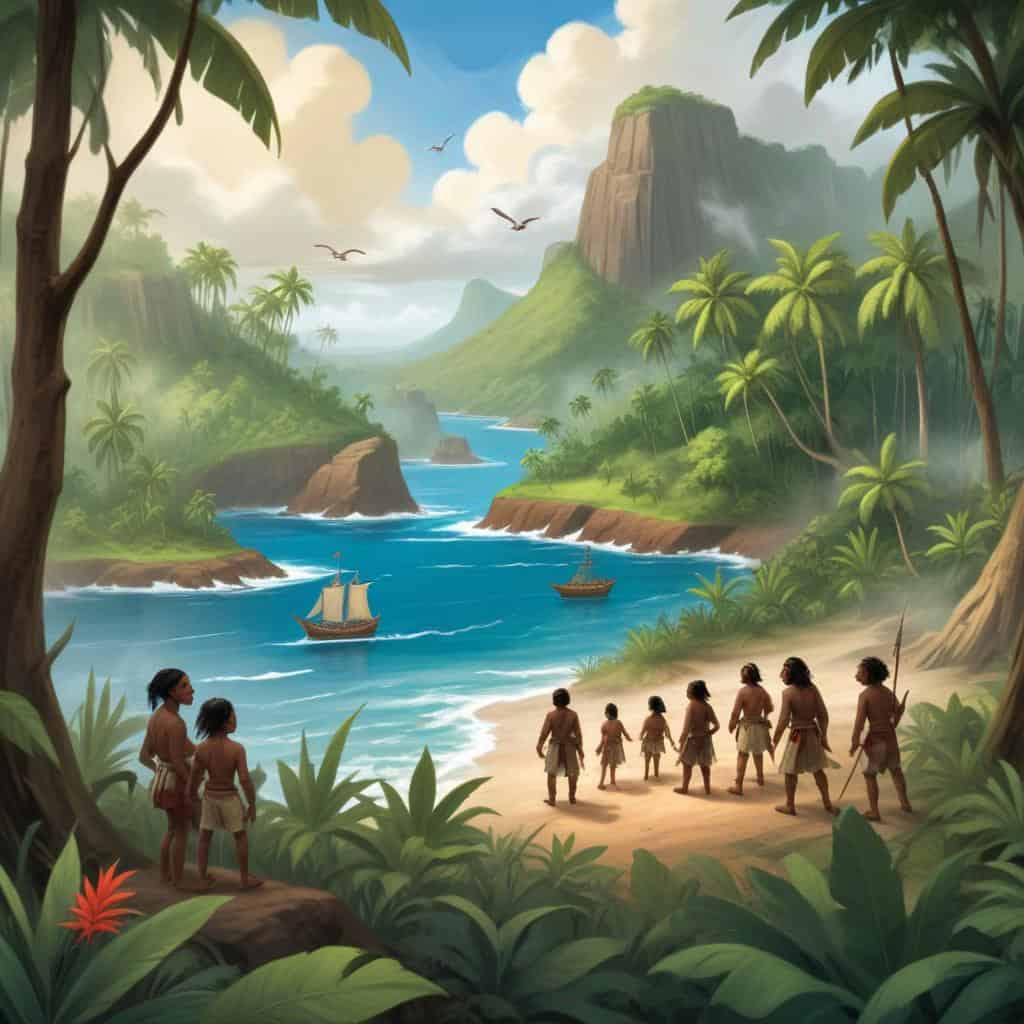
Controversies and Criticisms
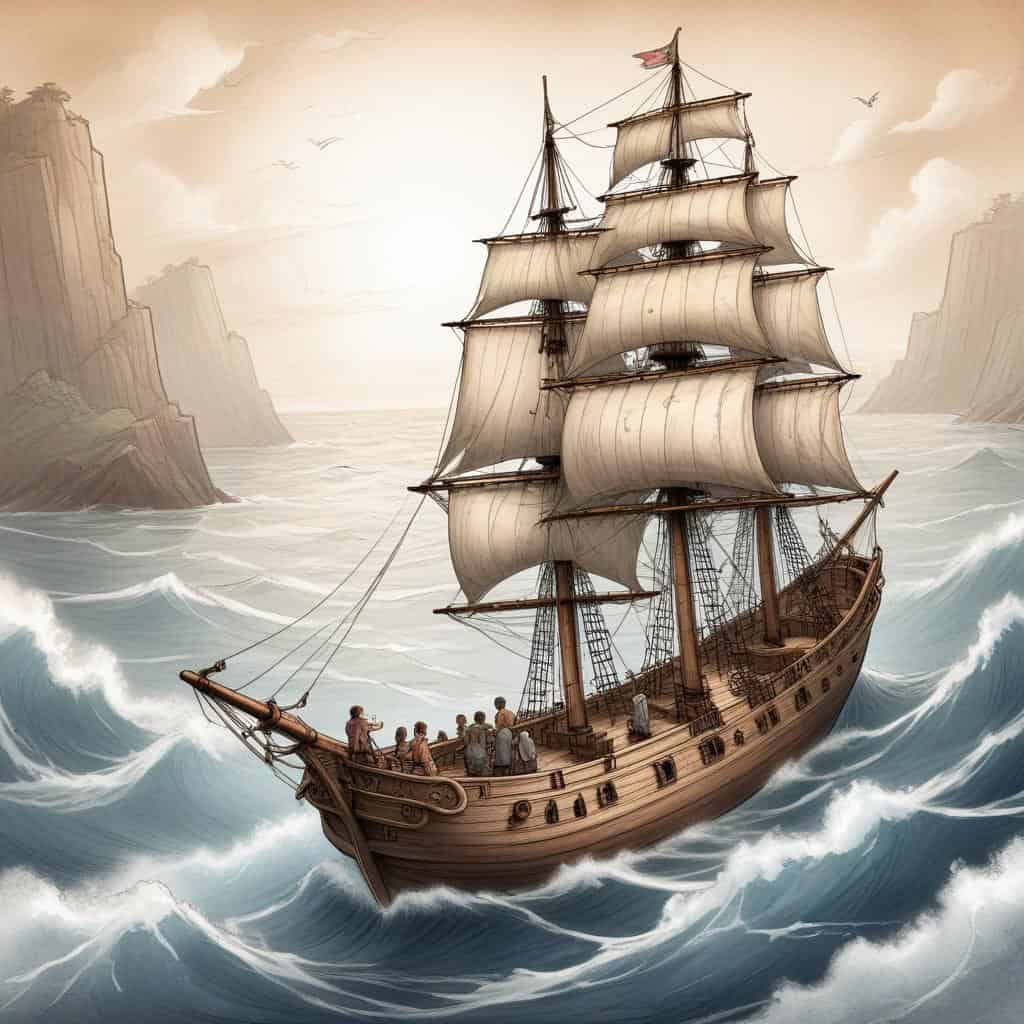
Exploring the Unknown
Lesson Details & Resources
In a Nutshell
- Who: British explorer and navigator
- When: Lived: 1728 – 1779
- Known For: Exploring and mapping the Pacific Ocean
- Legacy: His voyages significantly contributed to the European knowledge of the world
Timeline of Captain James Cook: A Legendary Explorer’s Biography
James Cook is born in Marton, Yorkshire, England
Cook joins the Royal Navy as an apprentice seaman
Cook participates in the siege of Quebec during the Seven Years' War
Cook is promoted to lieutenant and serves in Newfoundland and Labrador
Cook is chosen to lead an expedition to observe the transit of Venus from Tahiti
Cook arrives in Tahiti and observes the transit of Venus
Cook sails to New Zealand and Australia, mapping and exploring the coasts
Cook becomes the first European to reach the east coast of Australia
Cook claims the east coast of Australia for Britain and names it New South Wales
Cook sails to the Pacific Northwest of North America, mapping the coast from Oregon to Alaska
Cook becomes the first European to visit Hawaii and explores the islands
Cook is killed by Hawaiian natives during a conflict on the island of Hawaii
Cook's third voyage is completed by his crew, who return to England
Cook's voyages greatly contribute to the knowledge of the Pacific Ocean and its islands
Cook's journals and maps are published posthumously, becoming valuable resources for future explorers
Cook's legacy is honored with monuments and memorials around the world
Vocabulary List
- Explorer
- James Cook was a British explorer who made significant discoveries in the Pacific Ocean.
- Navigation
- Cook used his skills in navigation to map out new territories during his voyages.
- Cartography
- Cook's expeditions led to advancements in the field of cartography, as he created detailed maps of previously uncharted areas.
- Voyage
- Cook embarked on multiple voyages to explore and chart the Pacific Ocean.
- Seafaring
- Cook's seafaring abilities and leadership skills were crucial in the success of his expeditions.
- Discovery
- Cook's voyages resulted in the discovery of new lands and cultures, expanding the known world at the time.
- Exploration
- Cook's exploration of the Pacific Ocean contributed to our understanding of the world's geography and biodiversity.
- South Pacific
- Cook's expeditions took him to the South Pacific, where he encountered various indigenous peoples and islands.
Key Facts
This is the information used in the fact matching game
- James Cook was born on October 27, 1728 in Marton, England.
- Cook was a British explorer, navigator, and captain in the Royal Navy.
- He is known for his three voyages to the Pacific Ocean, during which he made detailed maps of Newfoundland, New Zealand, and the eastern coast of Australia.
- Cook was the first European to make contact with the eastern coast of Australia and the Hawaiian Islands.
- He was a skilled cartographer and his maps were used by sailors for decades after his voyages.
- During his second voyage, Cook became the first person to cross the Antarctic Circle.
- Cook's voyages greatly contributed to the European understanding of the Pacific Ocean and its islands.
- He was killed in a skirmish with Hawaiian islanders in 1779.
- Cook's legacy lives on in place names, such as Cook Islands, Cook Inlet, and Cook Strait.
- He was known for his meticulous record-keeping and scientific observations during his voyages.
- Cook was married to Elizabeth Batts and had six children.
- He was known for his leadership skills and ability to maintain discipline among his crew.
- Cook's voyages were funded by the British Admiralty and the Royal Society.
- He was known for his ability to navigate difficult waters and chart previously unexplored territories.
- Cook's voyages helped pave the way for future explorers and settlers in the Pacific region.
- He was highly respected by his crew and fellow explorers for his skills and leadership.
- Cook's voyages were instrumental in the eventual colonization of Australia and New Zealand by Europeans.
- He was posthumously promoted to the rank of captain in the Royal Navy.
- Cook's legacy has been the subject of numerous books, documentaries, and other works of art.
- He is often regarded as one of the greatest explorers in history.
Analysis & Significance
Major Accomplishments
James Cook was a renowned British explorer and navigator who made significant contributions to the mapping of the Pacific Ocean, particularly the discovery of Australia and New Zealand. His voyages also included the first recorded circumnavigation of New Zealand and the first European contact with Hawaii.
Impact on the World
Cook’s expeditions had a profound impact on the world by expanding European knowledge of the Pacific region and opening up new trade routes. His meticulous mapping and scientific observations laid the foundation for future exploration and colonization, shaping the course of history for both indigenous peoples and European powers.
Enduring Legacy
Today, James Cook is remembered as one of the greatest explorers of all time, revered for his navigational skills, leadership, and contributions to scientific knowledge. While his legacy is not without controversy due to the impact of European colonization on indigenous populations, Cook remains a significant historical figure whose expeditions continue to inspire exploration and discovery.
Captain James Cook: A Legendary Explorer’s Biography Games


Take Your Learning Offline
Want a convenient, print-ready study guide for this lesson? Become a Memory Wizards Pro member to unlock the downloadable " Memory Scrolls" for this topic and our entire library!
- ✓ Complete Vocabulary Lists
- ✓ Key Facts & Timelines
- ✓ Beautifully Formatted for Print & Mobile