
Jacques Cartier: The French Explorer’s Biography
The French explorer who claimed Canada for the crown and mapped the St. Lawrence River.
How Do You Learn Best?
Learn by Reading
Immerse yourself in the 10-minute visual lesson for a comprehensive understanding of the topic.
Learn by Reviewing
Jump directly to the key facts, timeline, and vocabulary lists to build a solid foundation of details.
Learn by Doing
Challenge yourself! Jump straight into the interactive games to learn by trial, error, and discovery.
Jacques Cartier: The French Explorer’s Biography in 10 Minutes
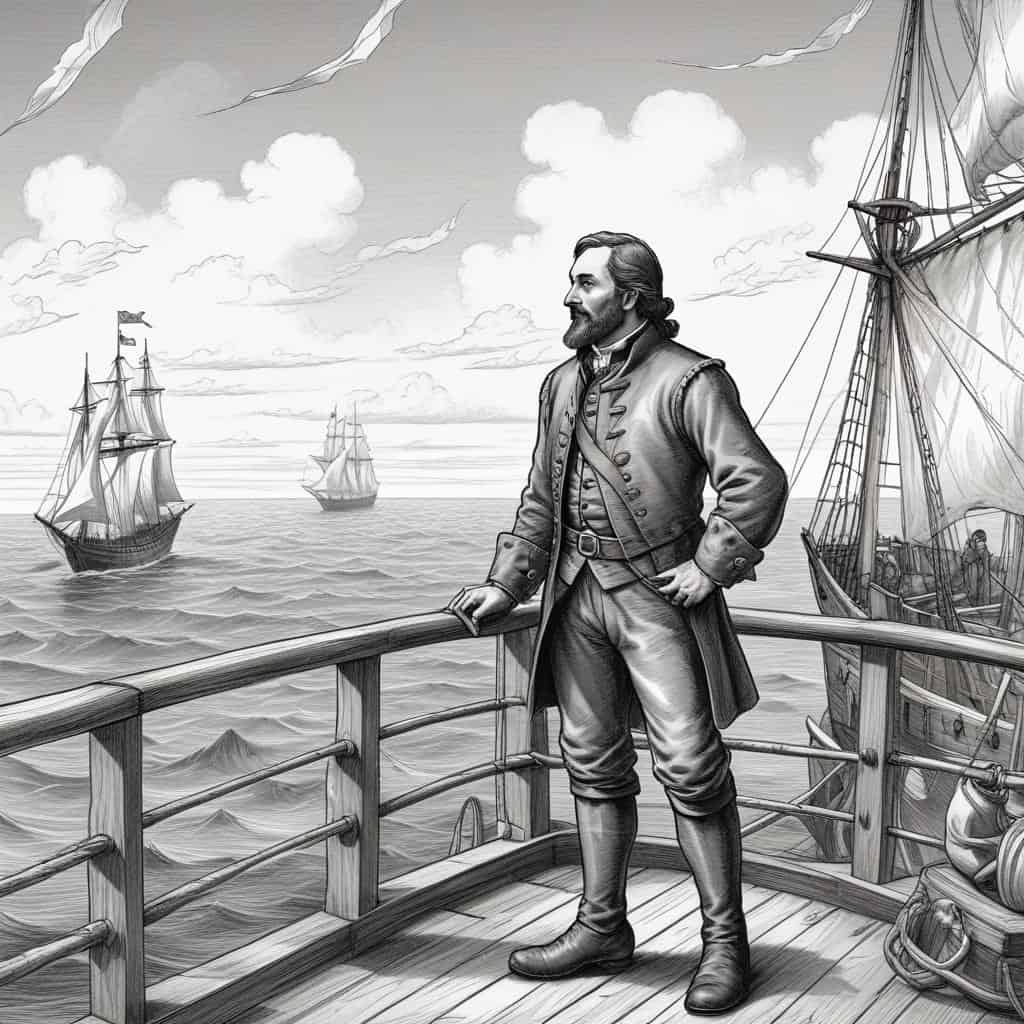
Introduction
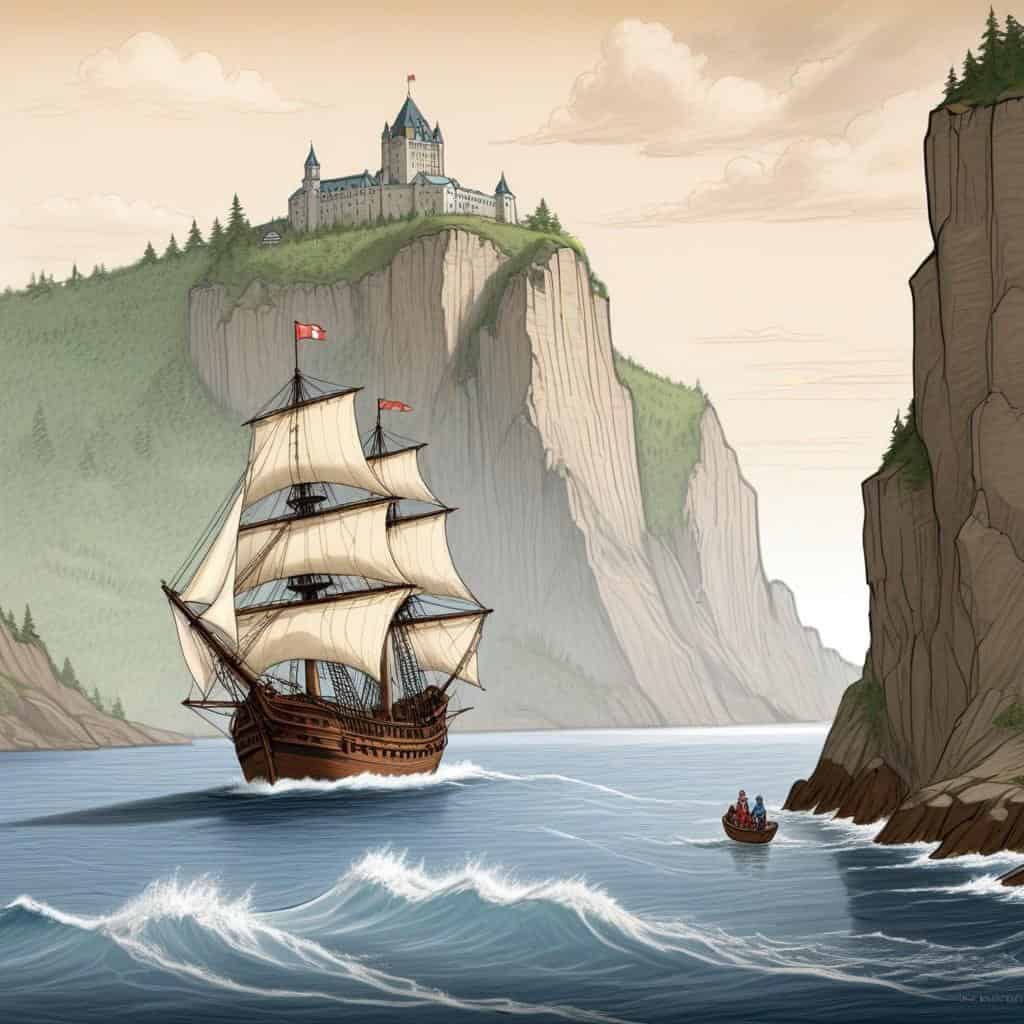
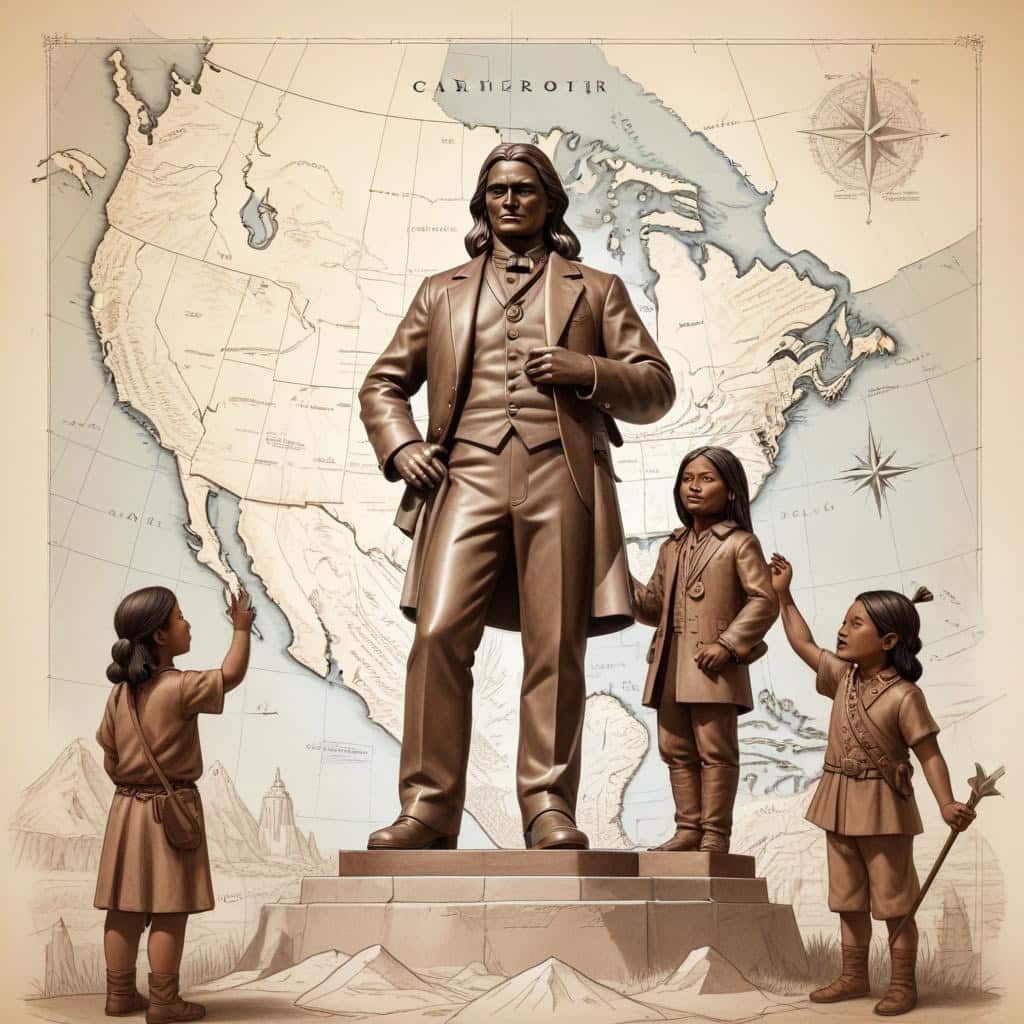
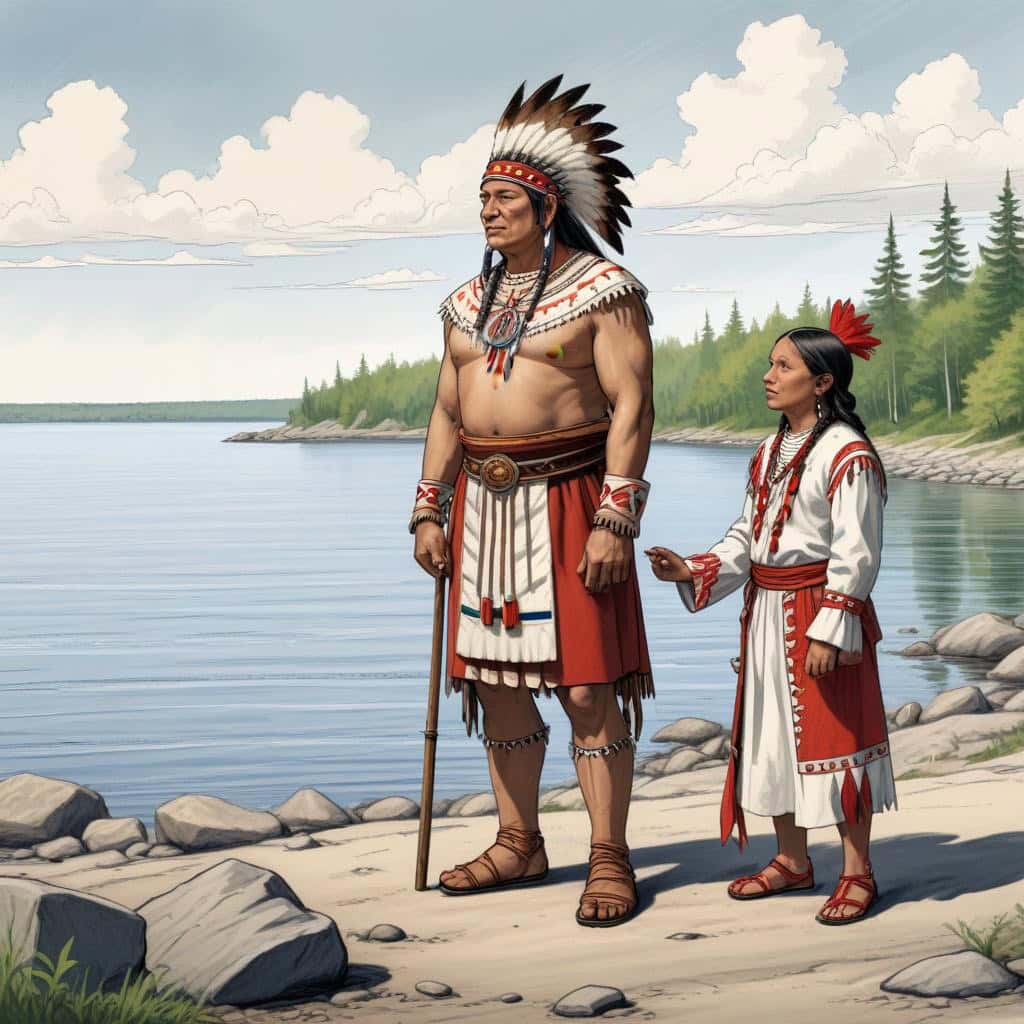
Chief Donnacona
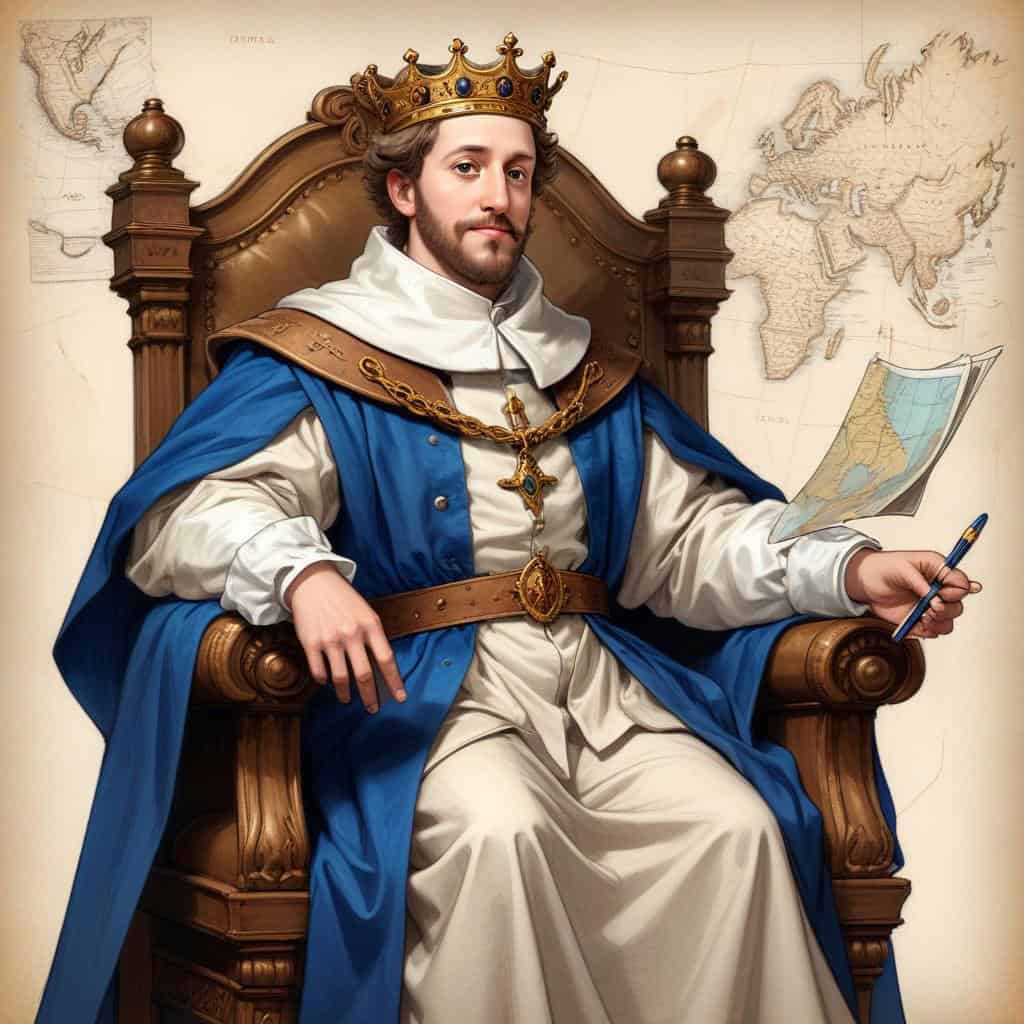
King Francis I of France
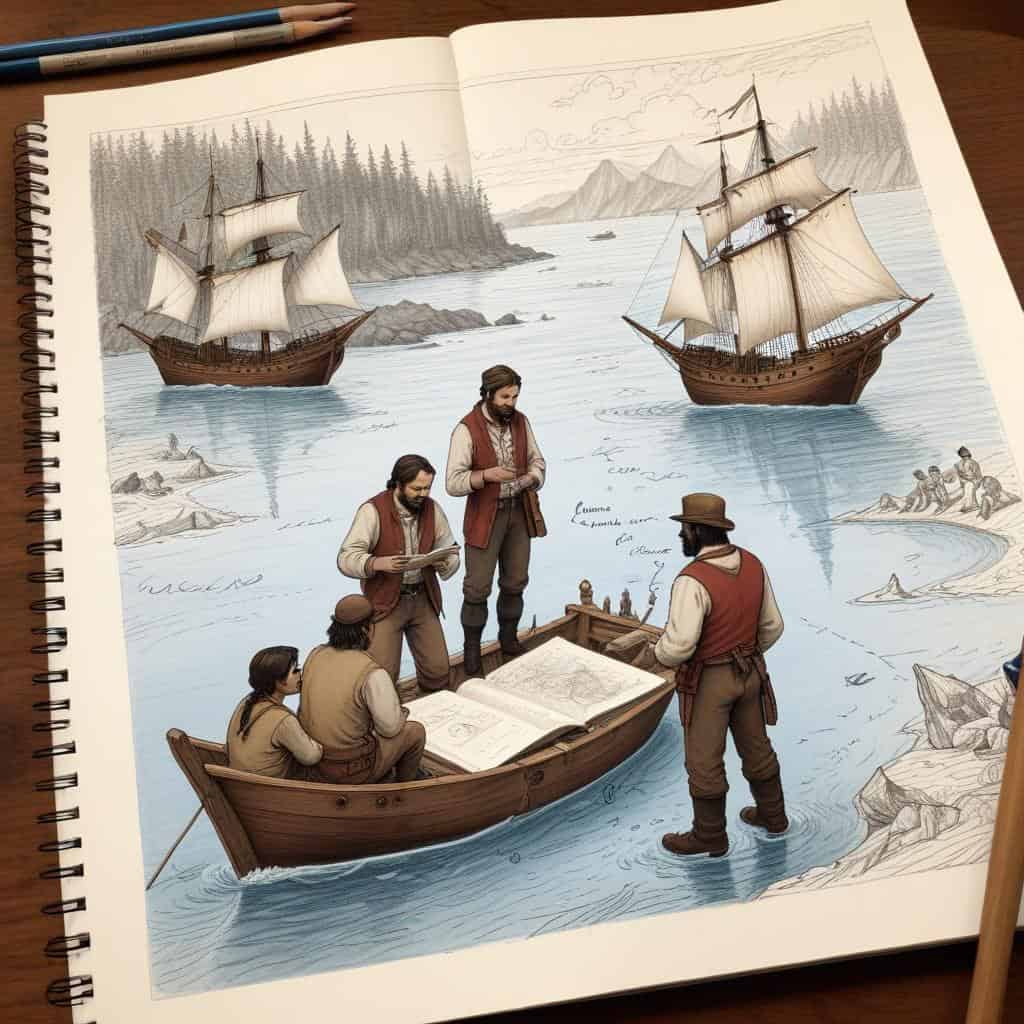
Cartiers crew members
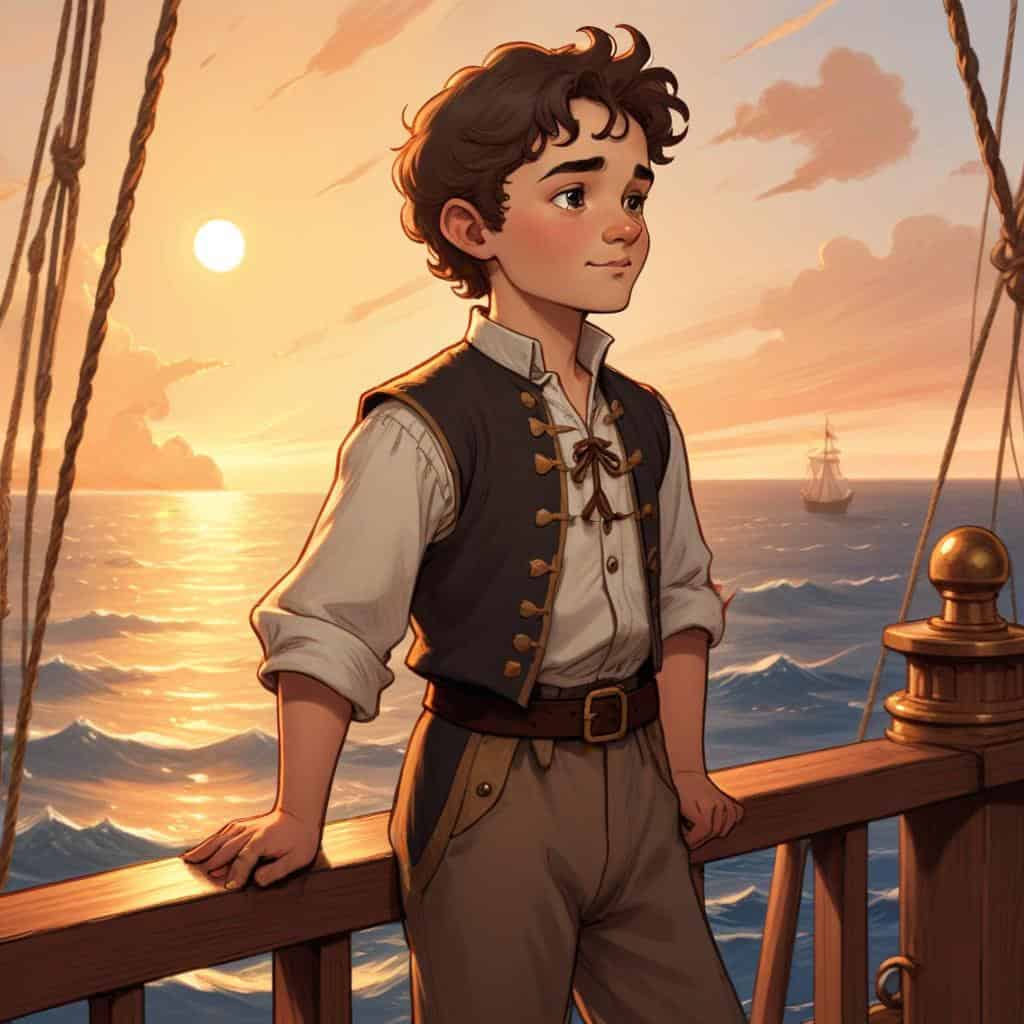
Early Life and Background
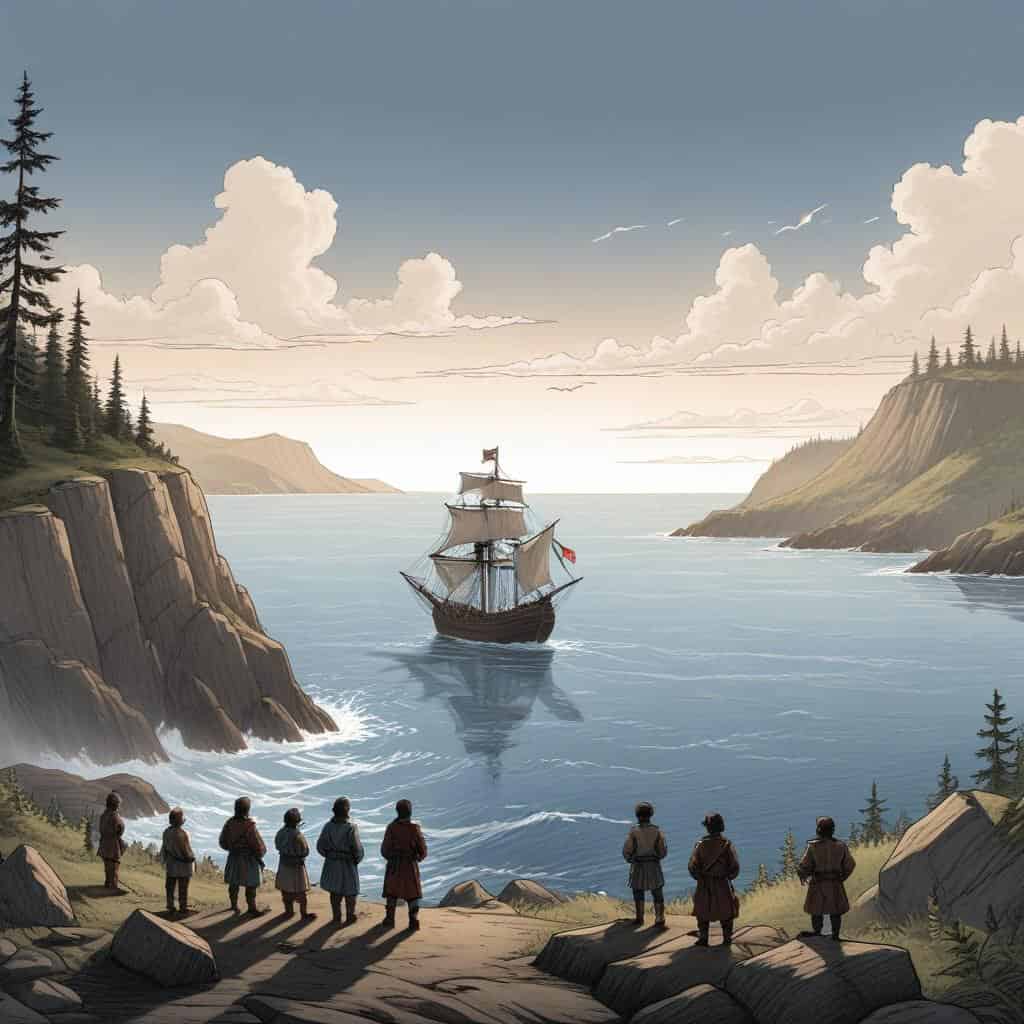
First Voyage to Canada
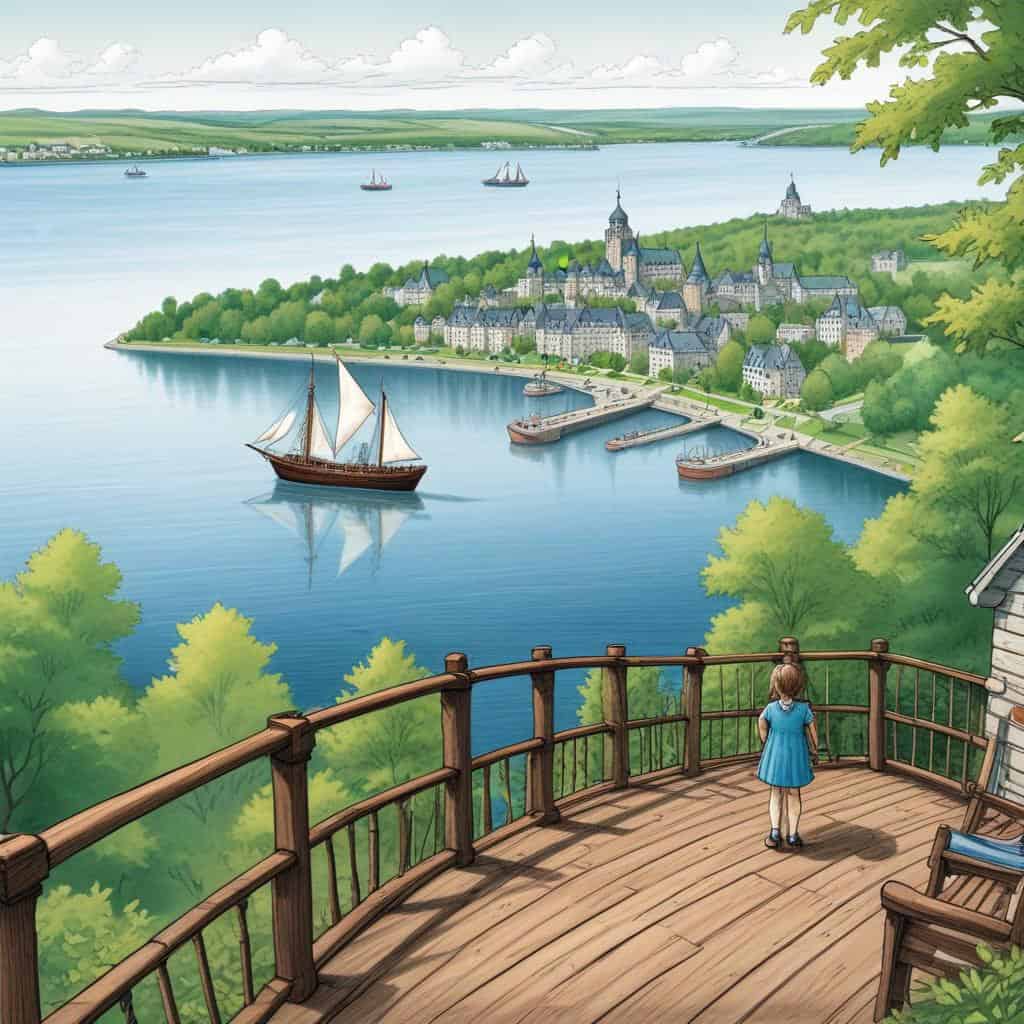
Exploration of the St. Lawrence River
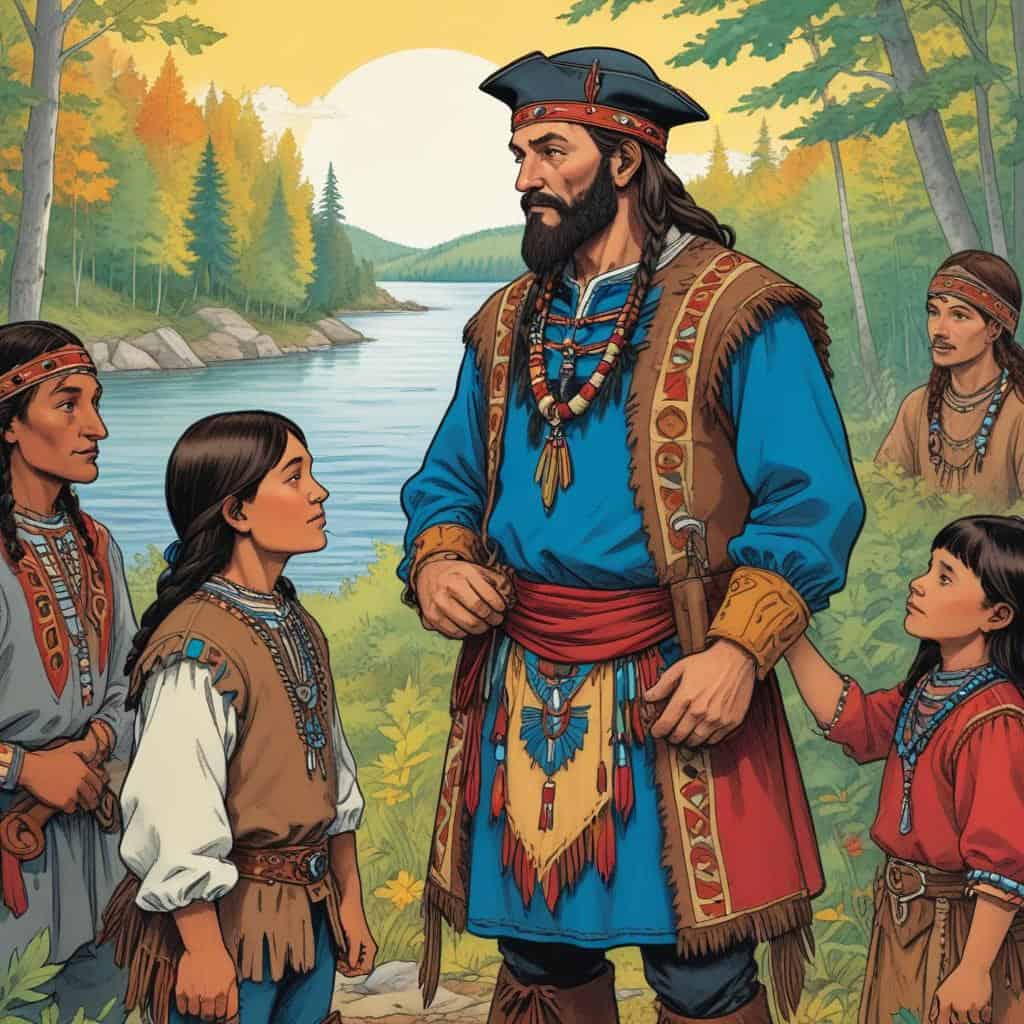
Encounters with Indigenous Peoples
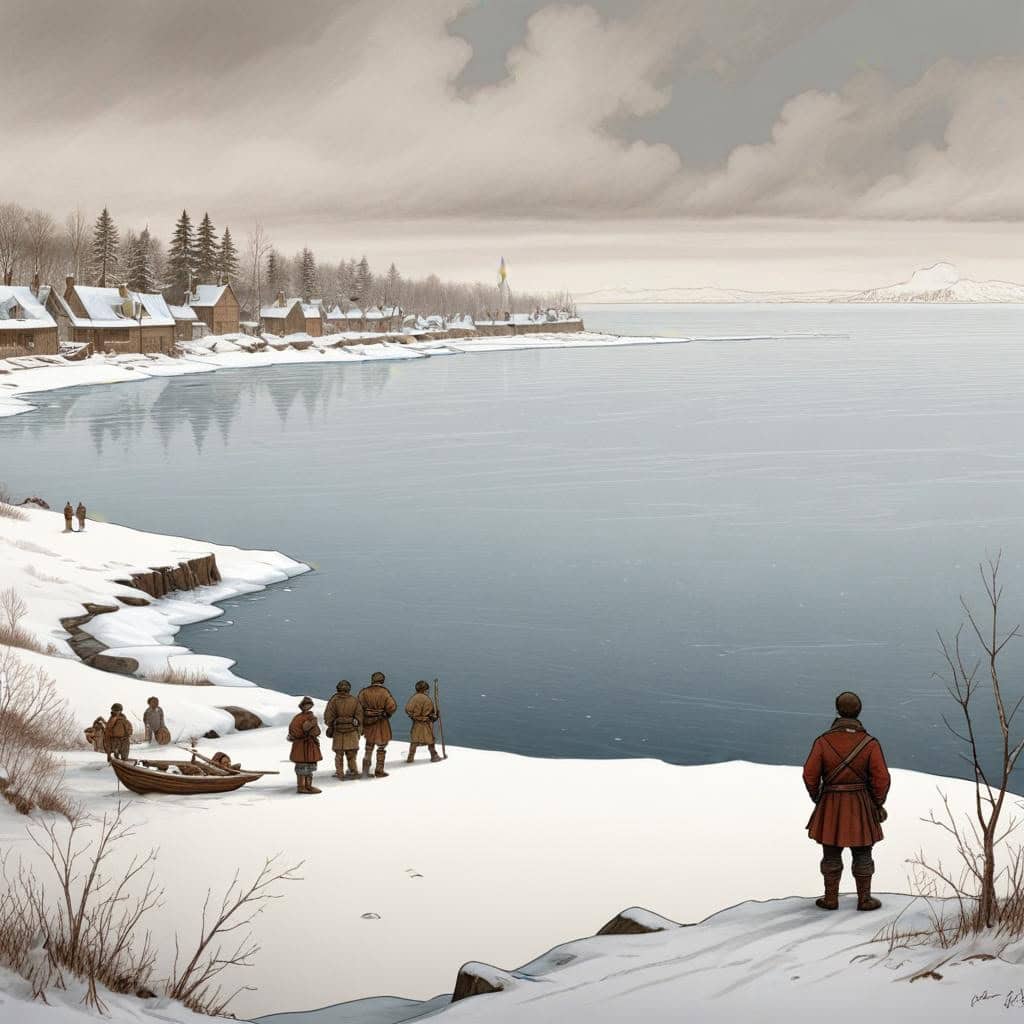
Third Voyage and Discovery of Montreal
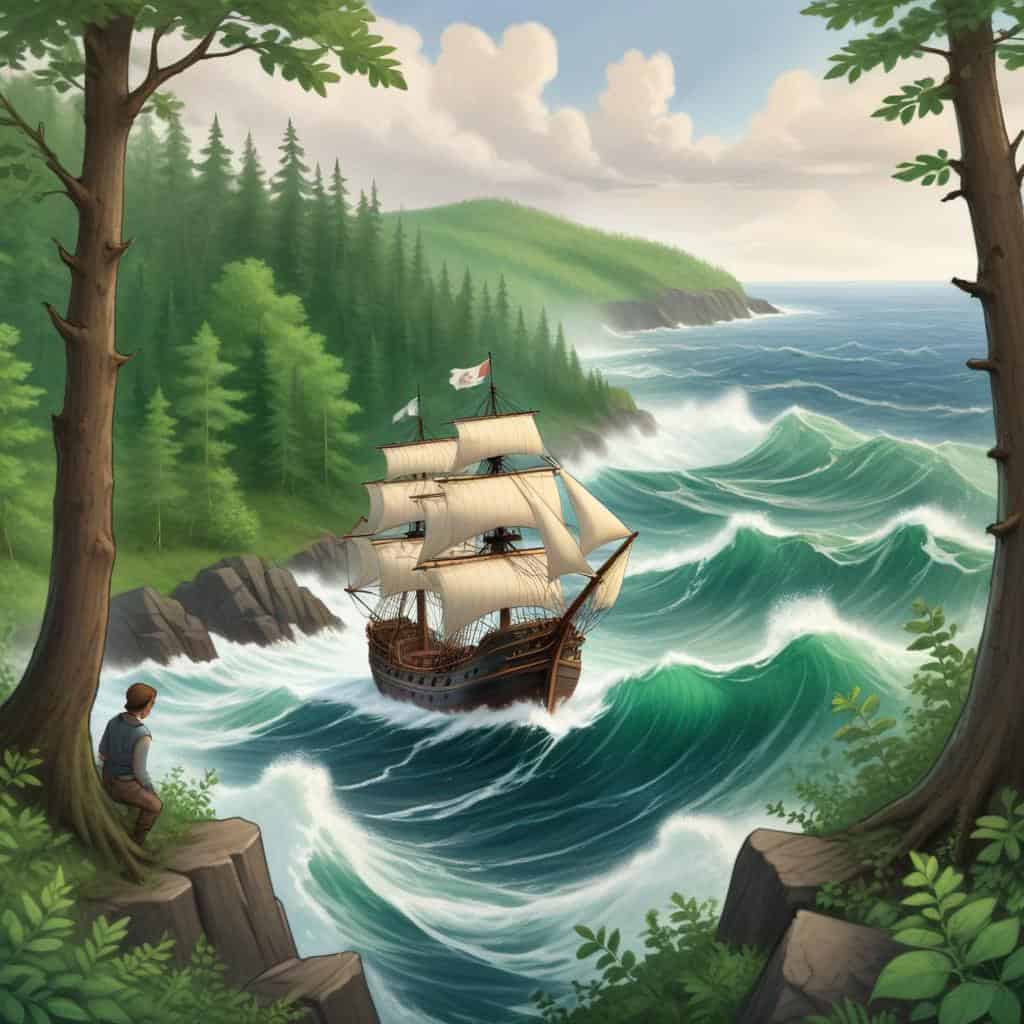
Legacy and Impact
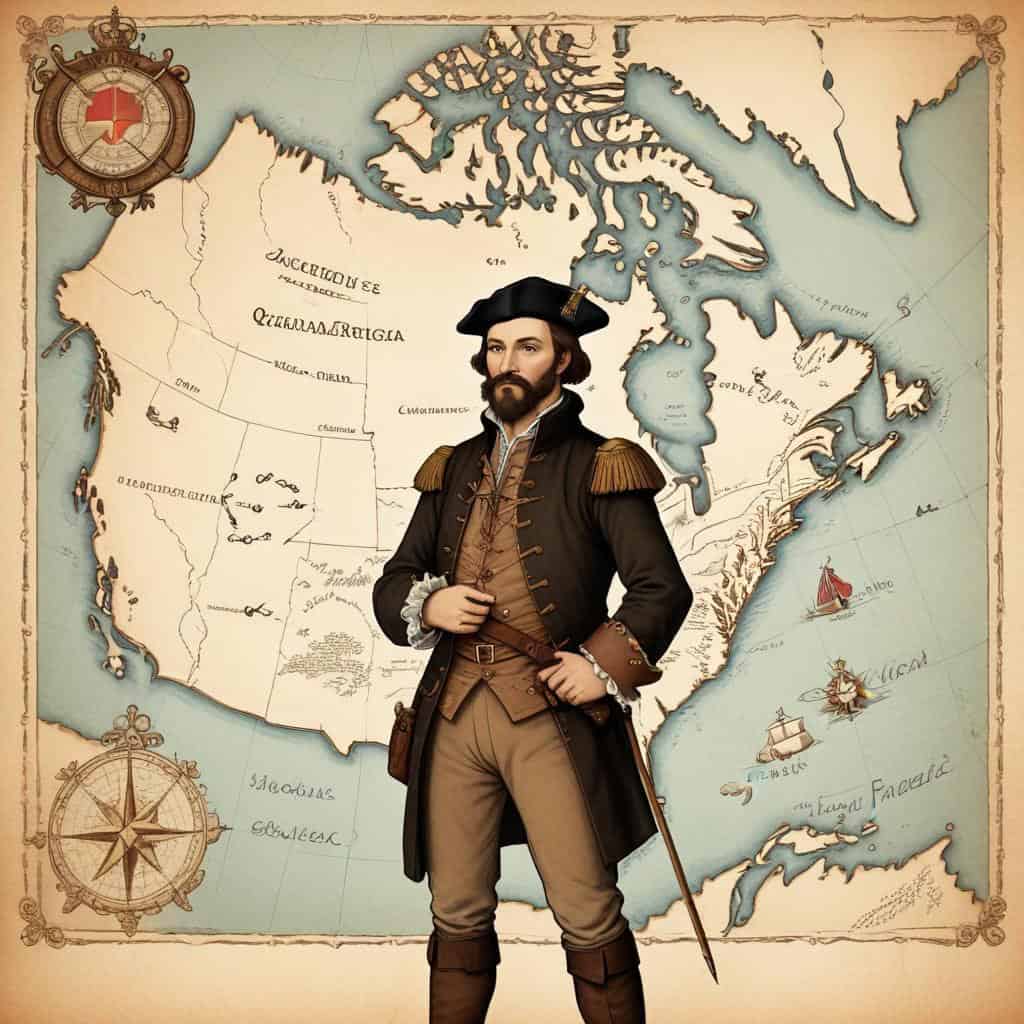
Return to France
Final Years and Death
Lesson Details & Resources
In a Nutshell
- Who: French explorer and navigator
- When: Lived: 1491 – 1557
- Known For: Jacques Cartier is most known for exploring and mapping the Gulf of Saint Lawrence and the shores of the Saint Lawrence River in Canada.
- Legacy: His most significant legacy is being the first European to describe and map parts of Canada's coast, paving the way for future exploration and settlement in the region.
Timeline of Jacques Cartier: The French Explorer’s Biography
Jacques Cartier is born in Saint-Malo, France
Cartier makes his first voyage to North America
Cartier reaches Newfoundland and explores the Gulf of St. Lawrence
Cartier returns to France and reports his findings to King Francis I
Cartier embarks on his second voyage to North America
Cartier reaches the site of present-day Quebec City and establishes a settlement called Charlesbourg-Royal
Cartier encounters hostility from the Iroquois and is forced to abandon Charlesbourg-Royal
Cartier returns to France and is appointed as the captain-general of the fleet for a third voyage to North America
Cartier explores the St. Lawrence River further and reaches the Lachine Rapids
Cartier returns to France and is unable to secure funding for another voyage
Jacques Cartier dies in Saint-Malo, France
Cartier's voyages lay the groundwork for French colonization of Canada
Cartier's explorations contribute to the mapping of North America
Cartier is credited with introducing corn and potatoes to Europe
Cartier's legacy as an explorer is celebrated in Canada and France
Cartier is honored with statues and memorials in Quebec City and Saint-Malo
Cartier's name is given to numerous landmarks and institutions in Canada
Cartier is remembered as a key figure in Canadian history and exploration
Vocabulary List
- Explorer
- Jacques Cartier was a French explorer who is known for exploring and mapping parts of Canada.
- Navigation
- Cartier used his skills in navigation to sail across the Atlantic Ocean and explore the St. Lawrence River.
- Cartography
- Cartier's expeditions helped improve the field of cartography by creating more accurate maps of the North American coastline.
- Indigenous
- During his explorations, Cartier encountered various indigenous peoples, including the Iroquois and the Huron.
- Trade
- Cartier was also interested in establishing trade relationships with the indigenous peoples he encountered in North America.
Key Facts
This is the information used in the fact matching game
- Jacques Cartier was a French explorer who is best known for exploring and mapping the St. Lawrence River in North America.
- Cartier made three voyages to North America between 1534 and 1542.
- During his second voyage, Cartier reached what is now Montreal, Canada.
- Cartier claimed the land now known as Canada for France.
- He was the first European to describe and map the Gulf of Saint Lawrence and the Saint Lawrence River.
- Cartier's explorations paved the way for French colonization of North America.
- He encountered and traded with the indigenous people of North America, including the Iroquois and Huron tribes.
- Cartier's voyages were funded by King Francis I of France.
- He named the area he explored 'Canada', derived from the Iroquois word for village or settlement.
- Cartier's expeditions were motivated by a desire to find a northwest passage to Asia and to discover riches in the New World.
- He encountered harsh winters and difficult conditions during his explorations.
- Cartier brought indigenous people back to France as captives, including the sons of a chief named Donnacona.
- His reports of a land rich in resources and potential for colonization sparked further interest in North America by the French.
- Cartier's reports also led to increased conflict between the French and indigenous peoples in North America.
- He was given the title of 'Captain General' and 'Chief Navigator' of France by King Francis I.
- Cartier's expeditions were instrumental in establishing French claims to North America.
- Despite his achievements, Cartier's reputation was tarnished by accusations of mistreatment of indigenous peoples and failure to find the desired riches.
- He died in 1557 in his hometown of Saint-Malo, France.
- Cartier's legacy as an explorer and navigator is still celebrated in Canada and France today.
Analysis & Significance
Major Accomplishments
Jacques Cartier is best known for his exploration of the St. Lawrence River and his discovery of Canada, which opened up new trade routes and expanded European influence in North America. He also claimed the land for France, laying the foundation for future French colonization efforts in the region.
Impact on the World
Cartier’s expeditions had a significant impact on the world by increasing European knowledge of the North American continent and contributing to the competition for colonial territories in the New World. His discoveries paved the way for further exploration and settlement, shaping the course of history in the Americas.
Enduring Legacy
Today, Jacques Cartier is remembered as a key figure in the Age of Exploration and the history of Canada. His name is synonymous with early French exploration in North America, and his legacy lives on in the cities, landmarks, and institutions named in his honor. Cartier’s expeditions continue to be studied and celebrated for their role in shaping the modern world.
Jacques Cartier: The French Explorer’s Biography Games


Take Your Learning Offline
Want a convenient, print-ready study guide for this lesson? Become a Memory Wizards Pro member to unlock the downloadable " Memory Scrolls" for this topic and our entire library!
- ✓ Complete Vocabulary Lists
- ✓ Key Facts & Timelines
- ✓ Beautifully Formatted for Print & Mobile