
Henry Hudson: A Legendary Explorer’s Biography
The fearless explorer who sought the Northwest Passage and discovered Hudson Bay.
How Do You Learn Best?
Learn by Reading
Immerse yourself in the 10-minute visual lesson for a comprehensive understanding of the topic.
Learn by Reviewing
Jump directly to the key facts, timeline, and vocabulary lists to build a solid foundation of details.
Learn by Doing
Challenge yourself! Jump straight into the interactive games to learn by trial, error, and discovery.
Henry Hudson: A Legendary Explorer’s Biography in 10 Minutes
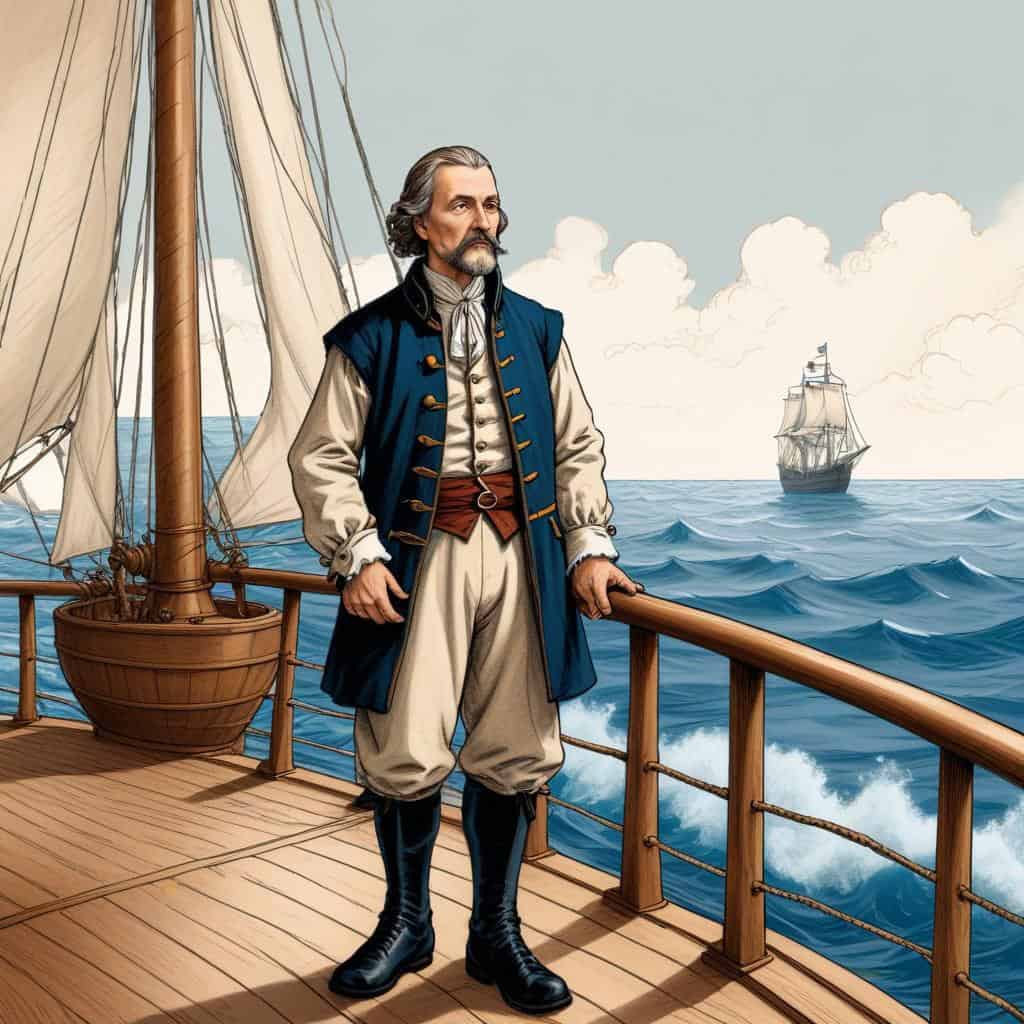
Introduction
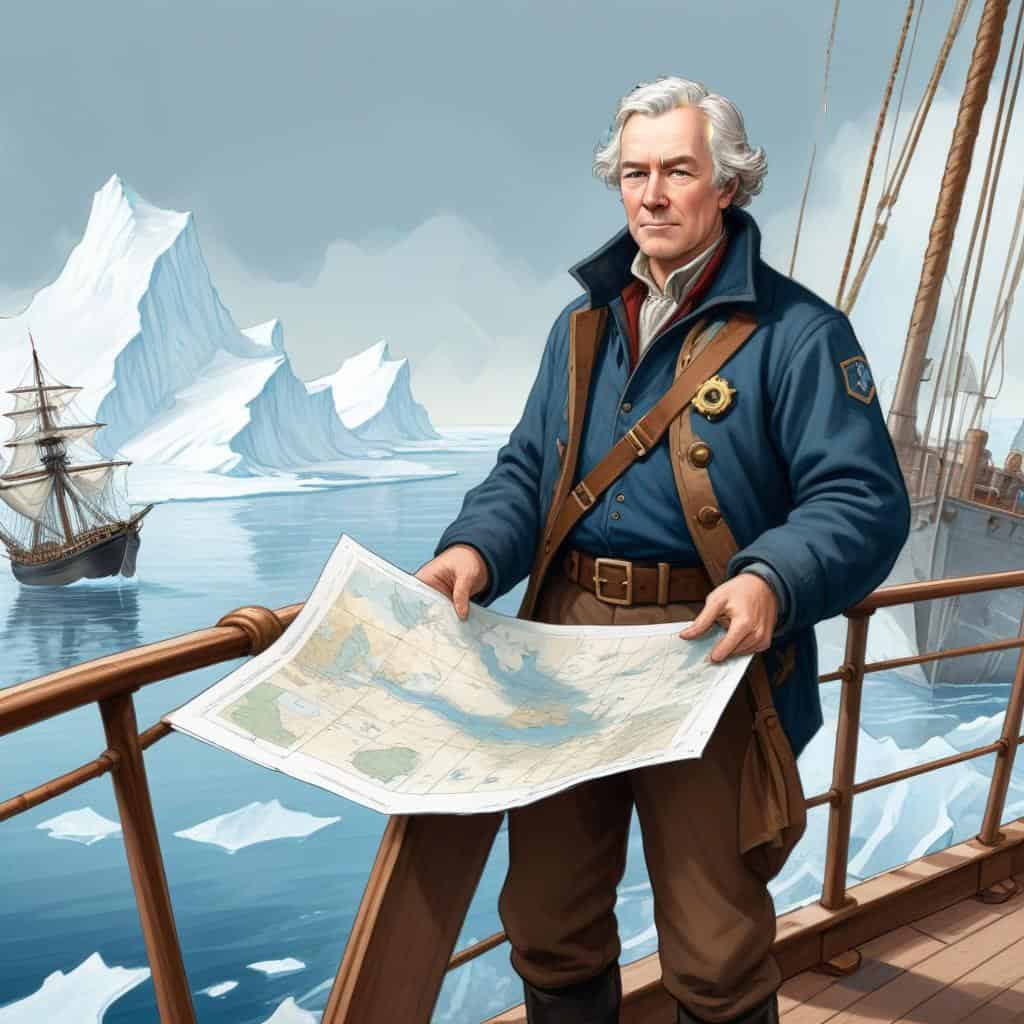
John Hudson
Robert Juet

Thomas Button
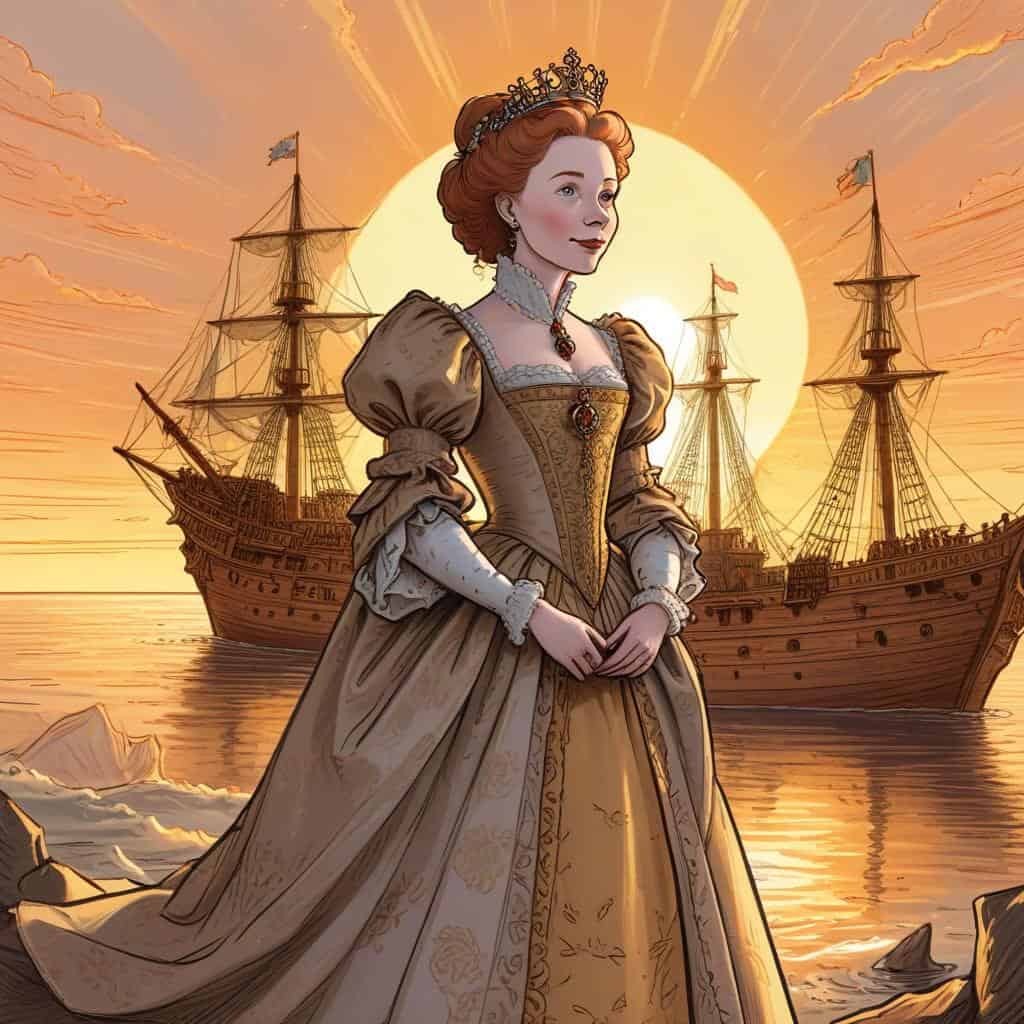
Queen Elizabeth I

The Early Life of Henry Hudson
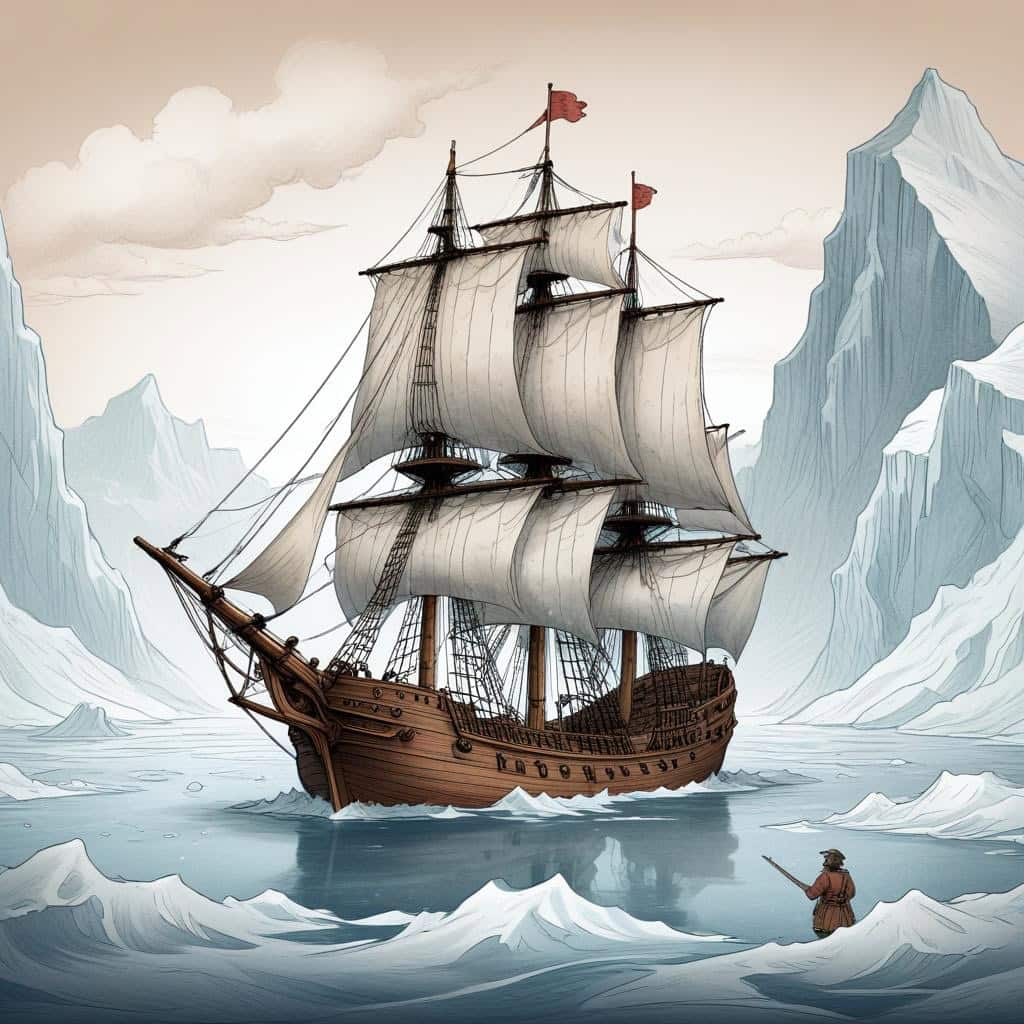
Hudsons First Voyage
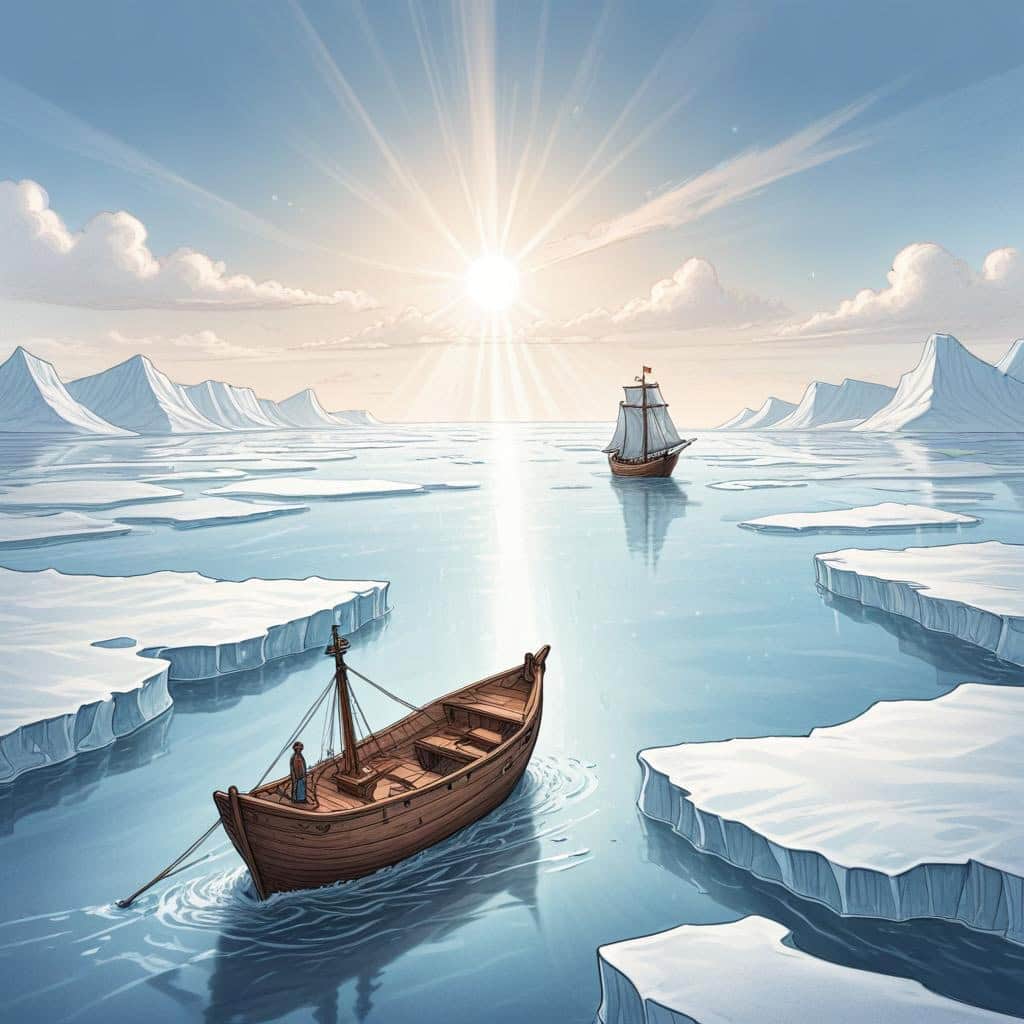
The Discovery of Hudson Bay
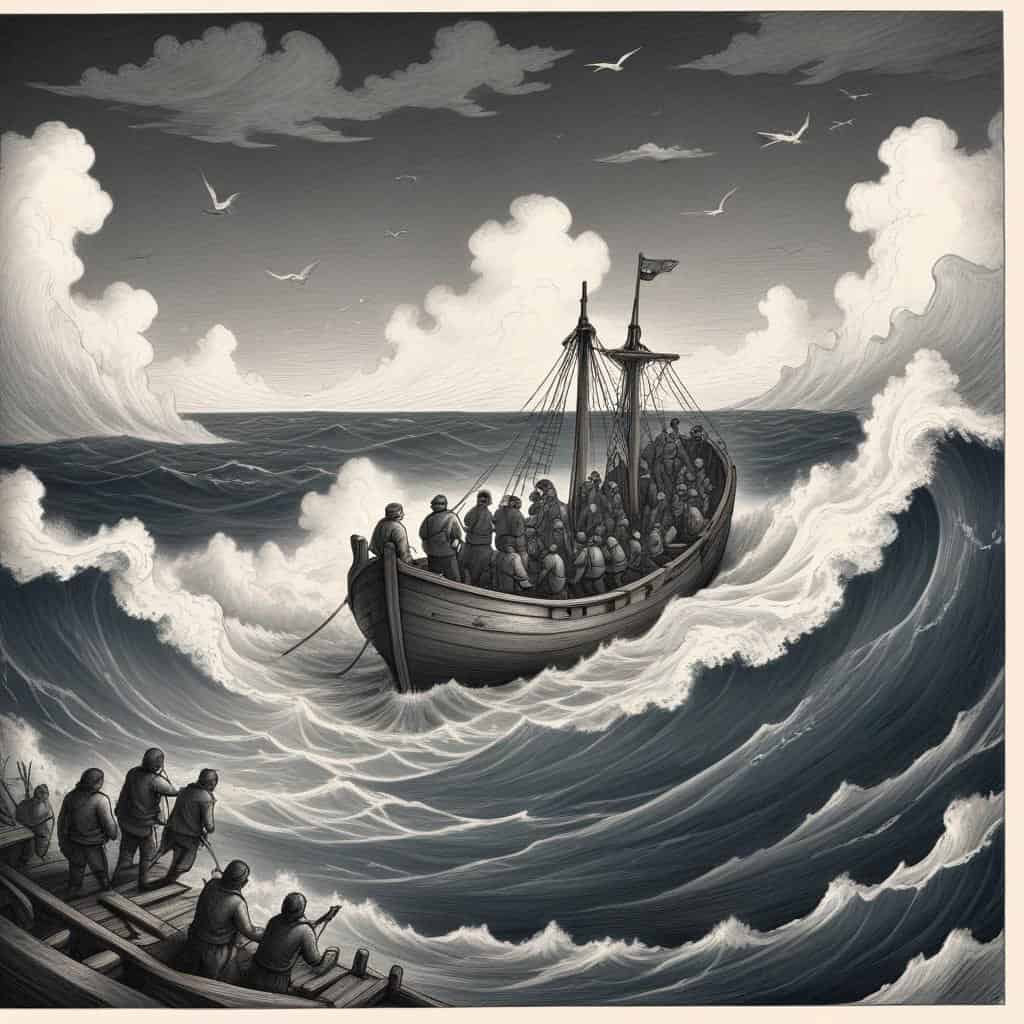
The Mutiny
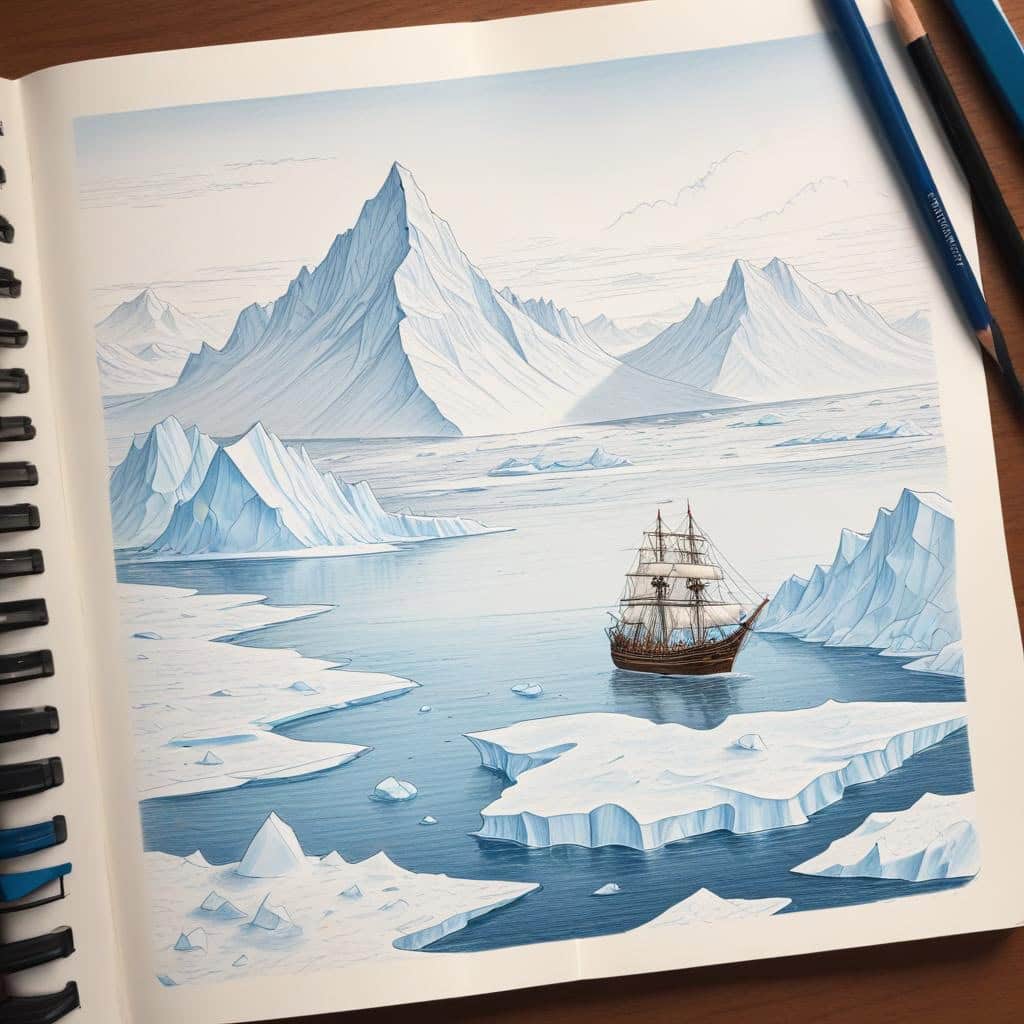
Hudsons Legacy
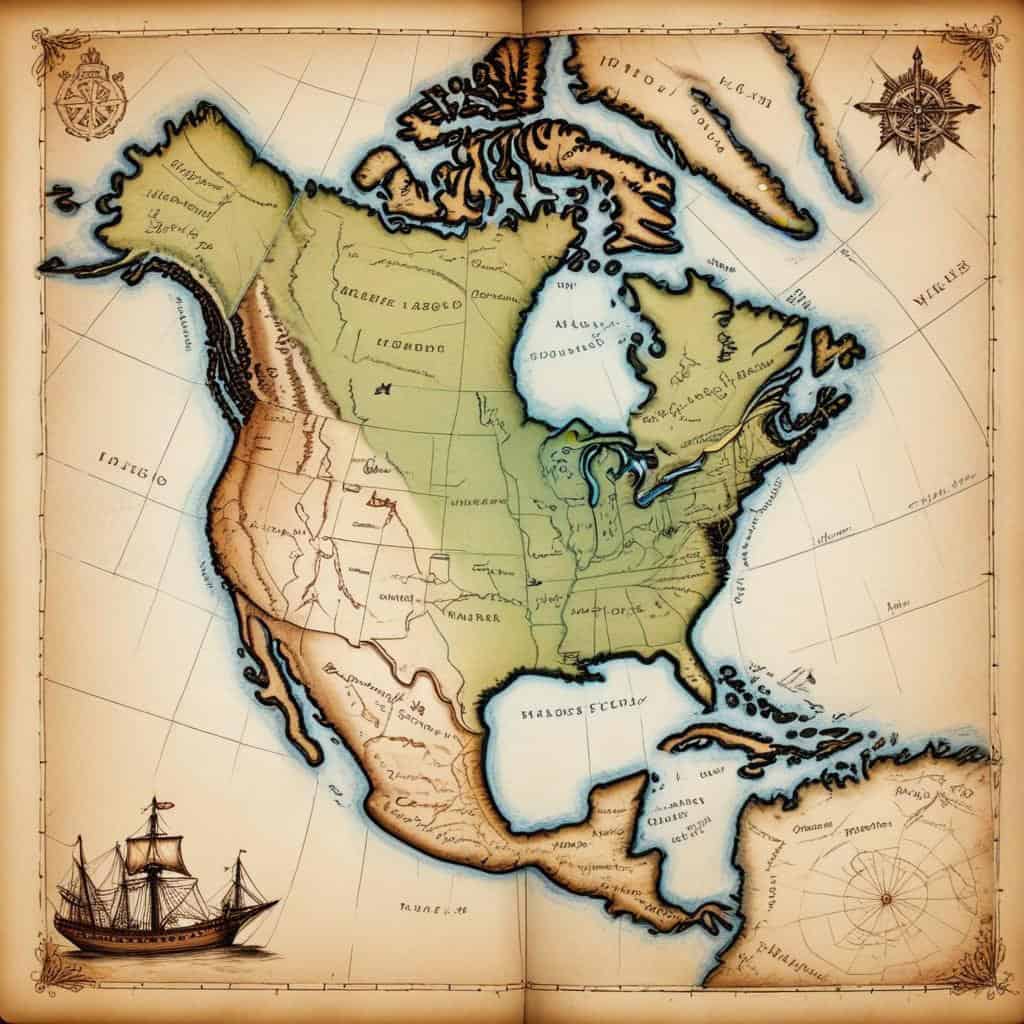
Impact on Exploration
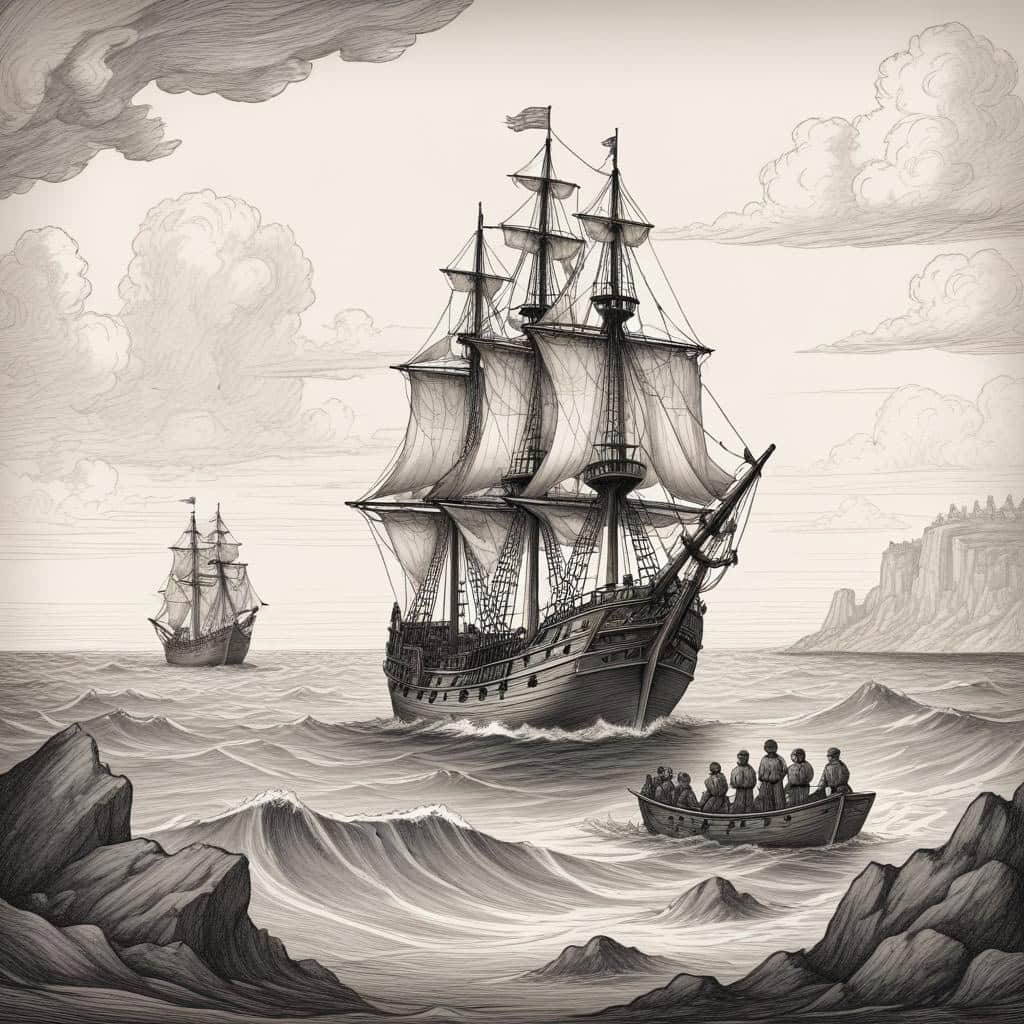
Controversy Surrounding Hudsons Fate
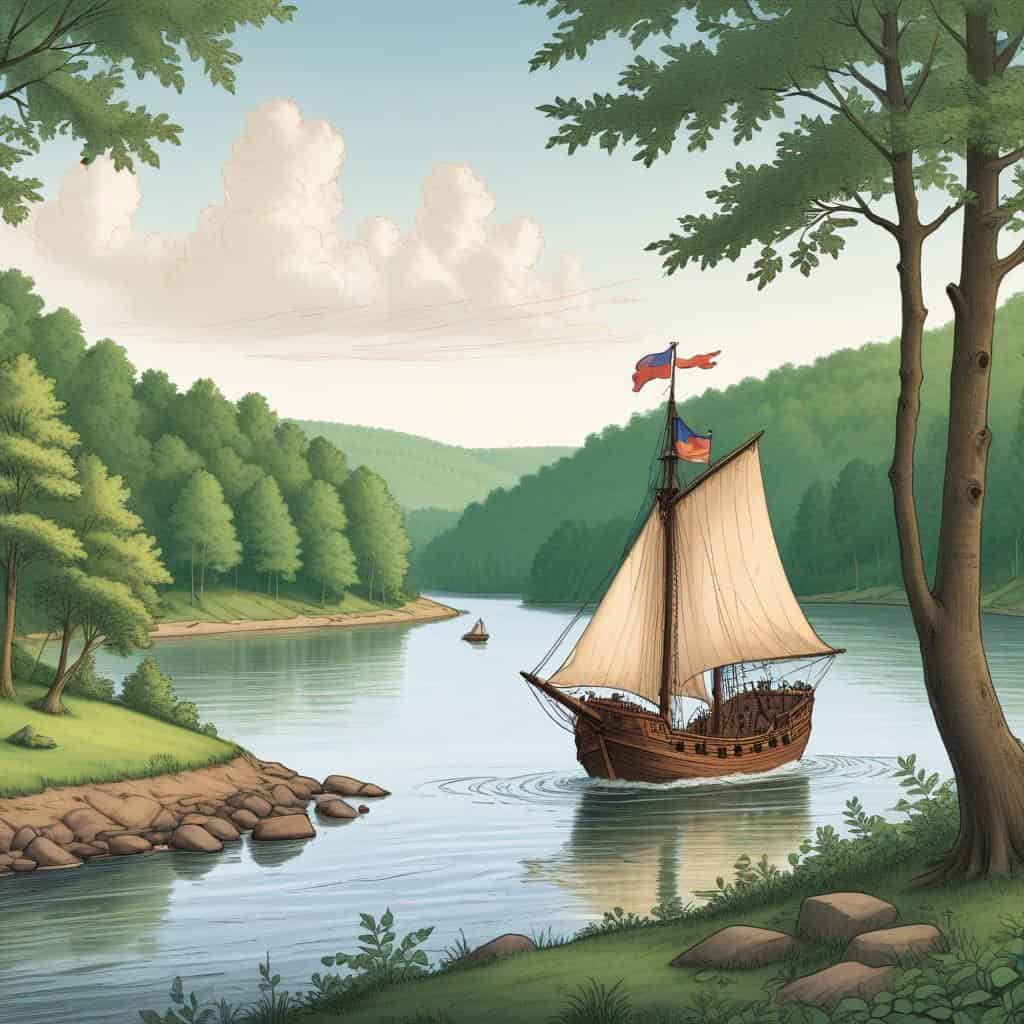
Exploring the Hudson River

Honoring Hudsons Memory
Remembering a Great Explorer
Lesson Details & Resources
In a Nutshell
- Who: Explorer and navigator
- When: Lived: 1565 – 1611
- Known For: Exploring and mapping the waterways of North America, particularly the Hudson River
- Legacy: Hudson's voyages laid the foundation for Dutch colonization of the region, and his name lives on in the Hudson River and Hudson Bay
Timeline of Henry Hudson: A Legendary Explorer’s Biography
Henry Hudson is born in England
Hudson makes his first voyage to the New World
Hudson explores the coast of Newfoundland and Labrador
Hudson makes his second voyage to the New World
Hudson explores the Hudson River and reaches present-day Albany, New York
Hudson's crew mutinies and he is set adrift in a small boat, never to be seen again
The Dutch East India Company hires Hudson to search for a Northeast Passage to Asia
Hudson explores the coast of Greenland and discovers the Hudson Strait
Hudson reaches present-day Hudson Bay, claiming it for England
Hudson spends the winter trapped in the ice of Hudson Bay
The crew of the Discovery mutinies and sets Hudson, his son, and seven others adrift in a small boat
Hudson and his companions are never heard from again
The Dutch establish New Amsterdam (later New York City) on the island of Manhattan
The Hudson River is named in honor of Henry Hudson
Hudson's discoveries lay the foundation for Dutch colonization of the New World
Hudson's voyages contribute to the growing knowledge of the geography of North America
Hudson's expeditions inspire further exploration and colonization of North America
Hudson's legacy as an explorer and navigator continues to be celebrated and remembered
Vocabulary List
- Explorer
- Henry Hudson was an English explorer who made several voyages in search of a Northwest Passage to Asia.
- Voyage
- Hudson's voyage in 1609 led to the exploration of the Hudson River in present-day New York.
- Navigation
- Hudson was skilled in navigation and was able to chart previously unexplored waters.
- Ship
- Hudson set sail on the ship Half Moon on his voyage in 1609.
- Exploration
- Hudson's exploration of the Hudson River helped to establish Dutch claims in the New World.
- Seafarer
- Henry Hudson was a renowned seafarer who made numerous voyages across the Atlantic Ocean.
- Cartography
- Hudson's maps and charts helped to advance the field of cartography in the early 17th century.
- Discovery
- Hudson's discovery of the Hudson River opened up new trade routes for European merchants.
- Expedition
- Hudson's expeditions in search of the Northwest Passage were funded by the Dutch East India Company.
- Arctic
- Hudson's final voyage in 1610 took him to the Arctic region, where his ship became trapped in ice.
- Northwest passage
- Henry Hudson's primary goal as an explorer was to find a navigable Northwest Passage through North America to Asia.
- New World
- Hudson's explorations in the New World laid the groundwork for future European colonization in North America.
- Merchant
- Hudson's voyages were often sponsored by merchants who hoped to find new trade routes and sources of wealth.
- Exploratory
- Hudson's exploratory missions were instrumental in expanding European knowledge of the Americas.
- Claimed
- The Dutch claimed the land along the Hudson River after Hudson's exploration of the region.
- Route
- Hudson's exploration of the Hudson River provided a new water route for trade between Europe and North America.
Key Facts
This is the information used in the fact matching game
- Henry Hudson was an English explorer and navigator.
- He made four voyages in search of a northwest passage to Asia.
- Hudson's first two voyages were for the Muscovy Company.
- His third voyage was for the Dutch East India Company.
- On his fourth voyage, Hudson sailed up what is now the Hudson River in New York.
- Hudson Bay in Canada is named after him.
- He disappeared during his final voyage in the Arctic in 1611.
- Hudson's crew mutinied against him on his fourth voyage.
- He was born around 1565 in England.
- Hudson married a woman named Katherine and had three sons.
- His discoveries laid the groundwork for Dutch colonization of the region.
- Hudson was known for his determination and courage in exploration.
- He worked for the Muscovy Company for several years before taking on other voyages.
- Hudson's voyages helped expand European knowledge of the North American continent.
- He was willing to take risks in order to achieve his goals.
- Hudson's fate remains a mystery, as he was never found after disappearing in the Arctic.
- He is considered one of the most important explorers of the Age of Exploration.
- Hudson's legacy lives on in the landmarks and regions named after him.
- His voyages inspired further exploration and colonization of North America.
- Hudson's expeditions helped pave the way for future European settlement in the Americas.
Analysis & Significance
Major Accomplishments
Henry Hudson is best known for his explorations of the Arctic and North American waterways in the early 17th century. His most notable achievement was the discovery of the Hudson River and Hudson Bay while searching for a northwest passage to Asia.
Impact on the World
Hudson’s voyages laid the groundwork for future exploration and colonization of North America. His discoveries opened up new trade routes and territories, shaping the course of European expansion in the New World. Hudson’s expeditions also inspired other explorers to venture into unknown waters in search of new lands and resources.
Enduring Legacy
Henry Hudson is remembered today as a pioneering explorer whose daring voyages helped to expand knowledge of the world and advance the Age of Exploration. His name is immortalized in the geographic features he discovered, and his legacy continues to inspire curiosity and discovery in the fields of geography and history.
Henry Hudson: A Legendary Explorer’s Biography Games


Take Your Learning Offline
Want a convenient, print-ready study guide for this lesson? Become a Memory Wizards Pro member to unlock the downloadable " Memory Scrolls" for this topic and our entire library!
- ✓ Complete Vocabulary Lists
- ✓ Key Facts & Timelines
- ✓ Beautifully Formatted for Print & Mobile