
How Do You Learn Best?
Learn by Listening
Start with the 3-minute audio summary to get the key facts and narrative highlights quickly.
Learn by Reading
Immerse yourself in the 10-minute visual lesson for a comprehensive understanding of the topic.
Learn by Reviewing
Jump directly to the key facts, timeline, and vocabulary lists to build a solid foundation of details.
Learn by Doing
Challenge yourself! Jump straight into the interactive games to learn by trial, error, and discovery.
Zimbabwe in 10 Minutes

Introduction
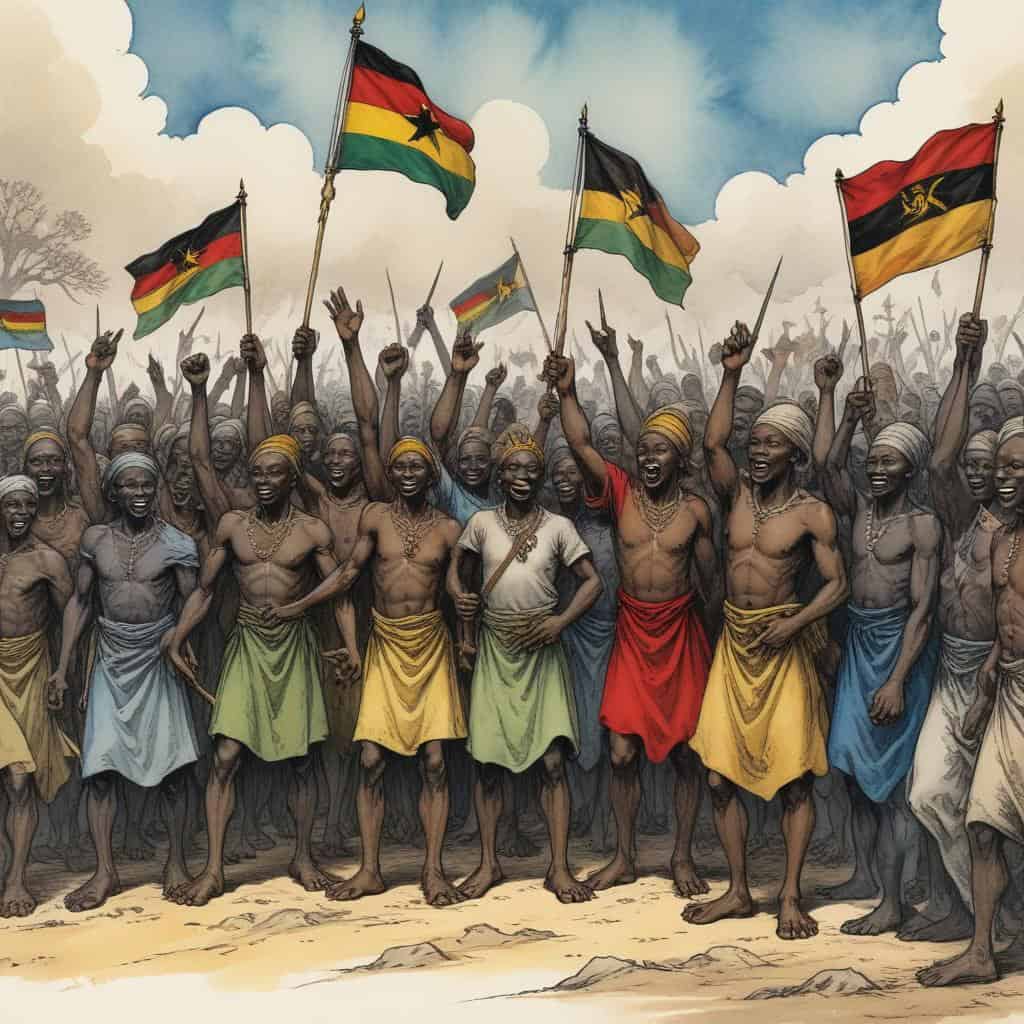
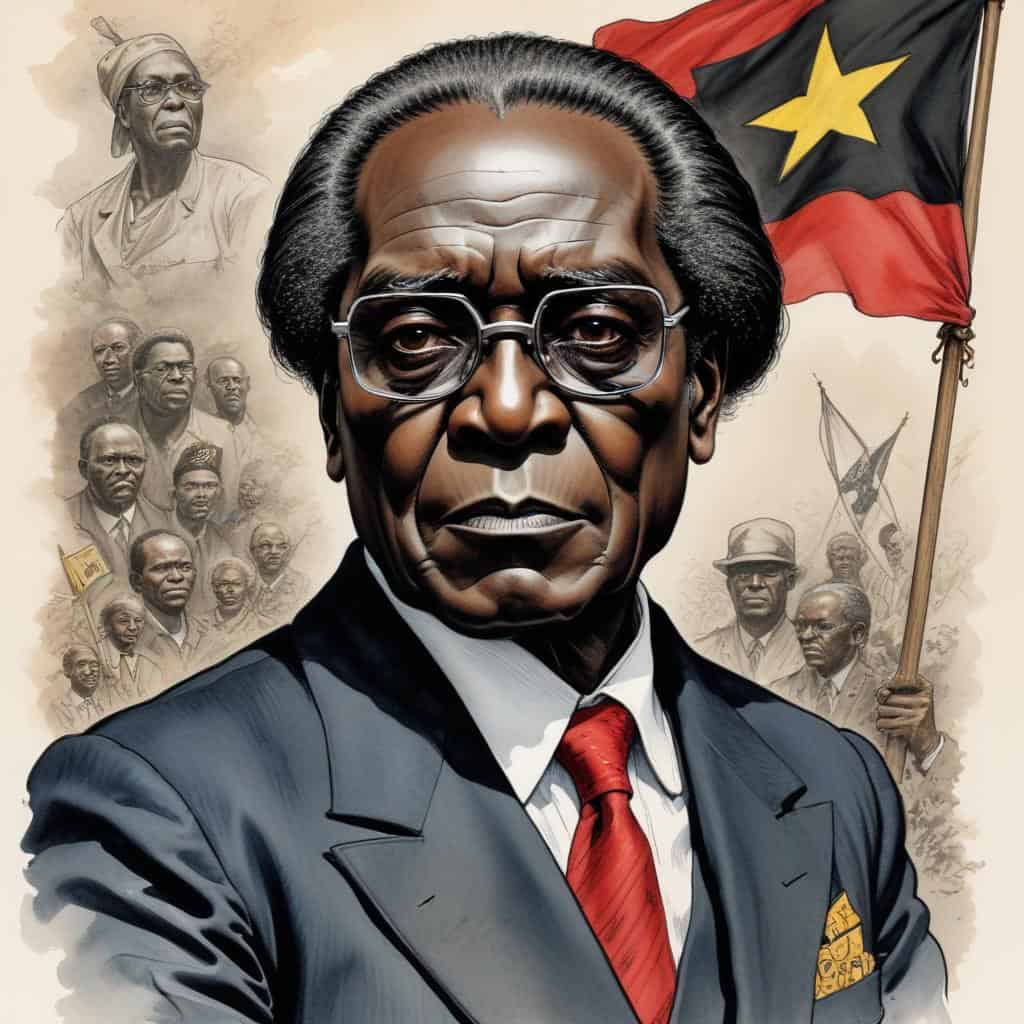
Robert Mugabe
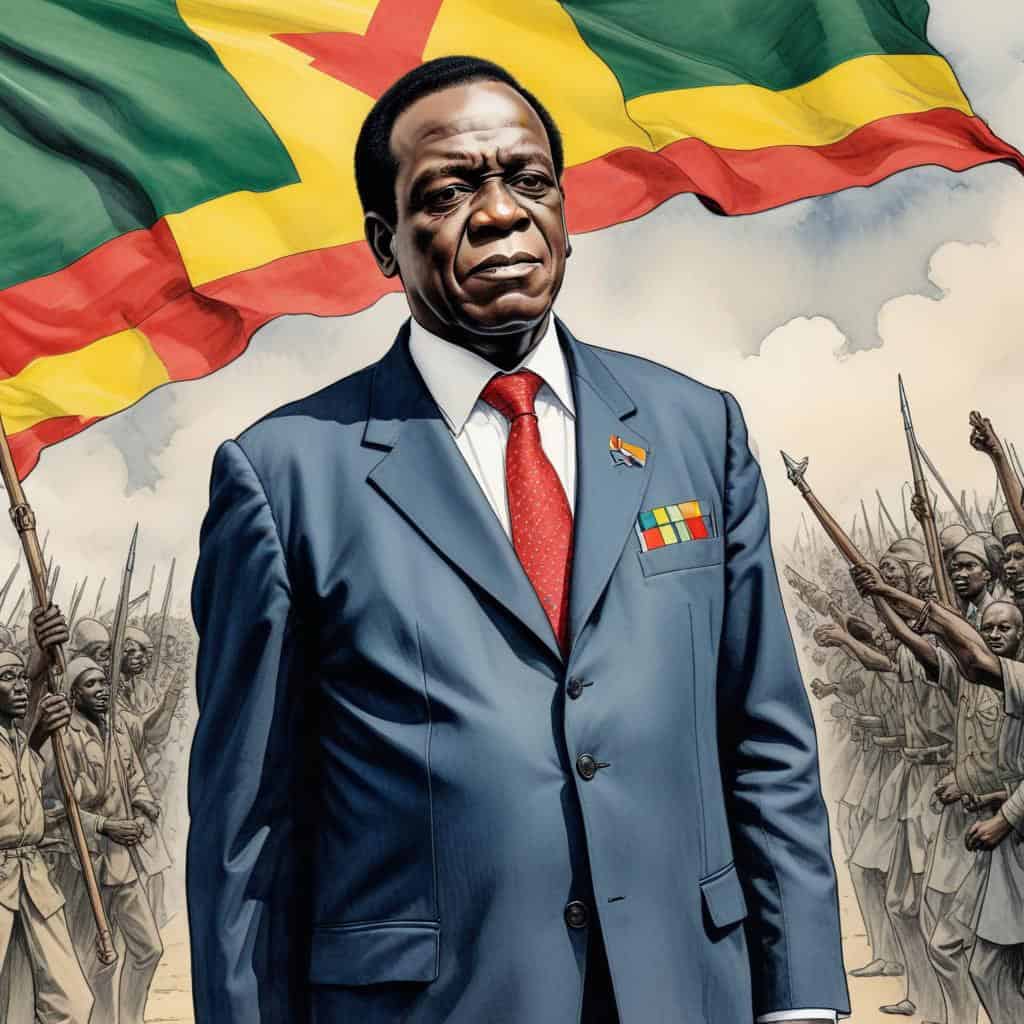
Emmerson Mnangagwa
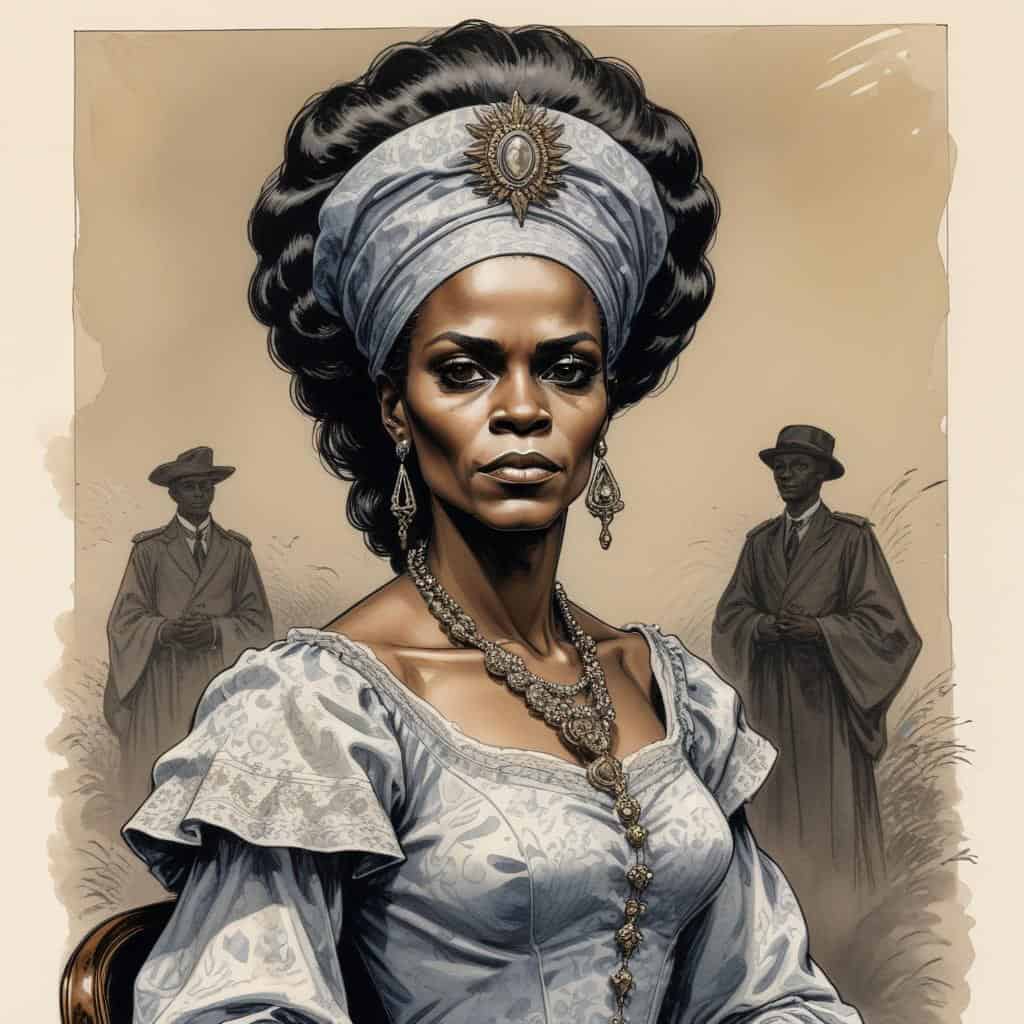
Grace Mugabe
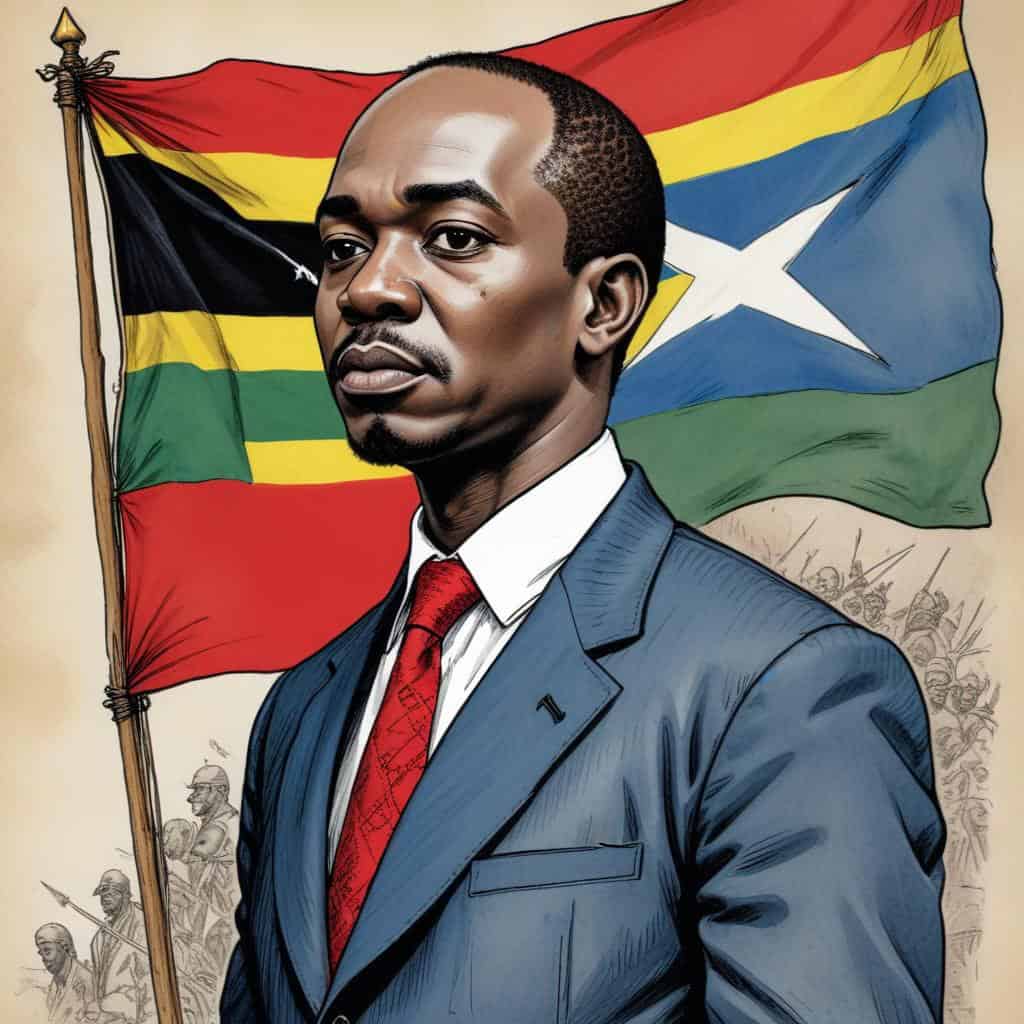
Nelson Chamisa
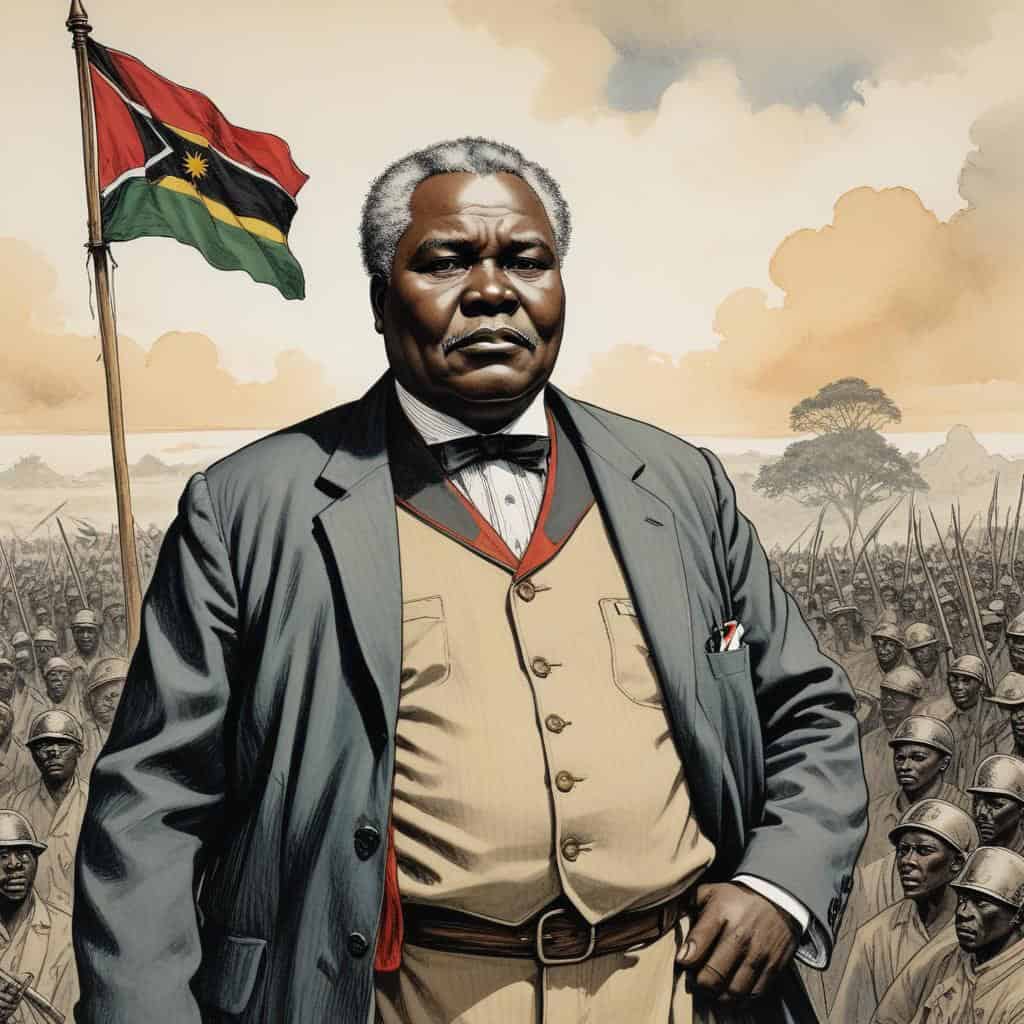
Joshua Nkomo
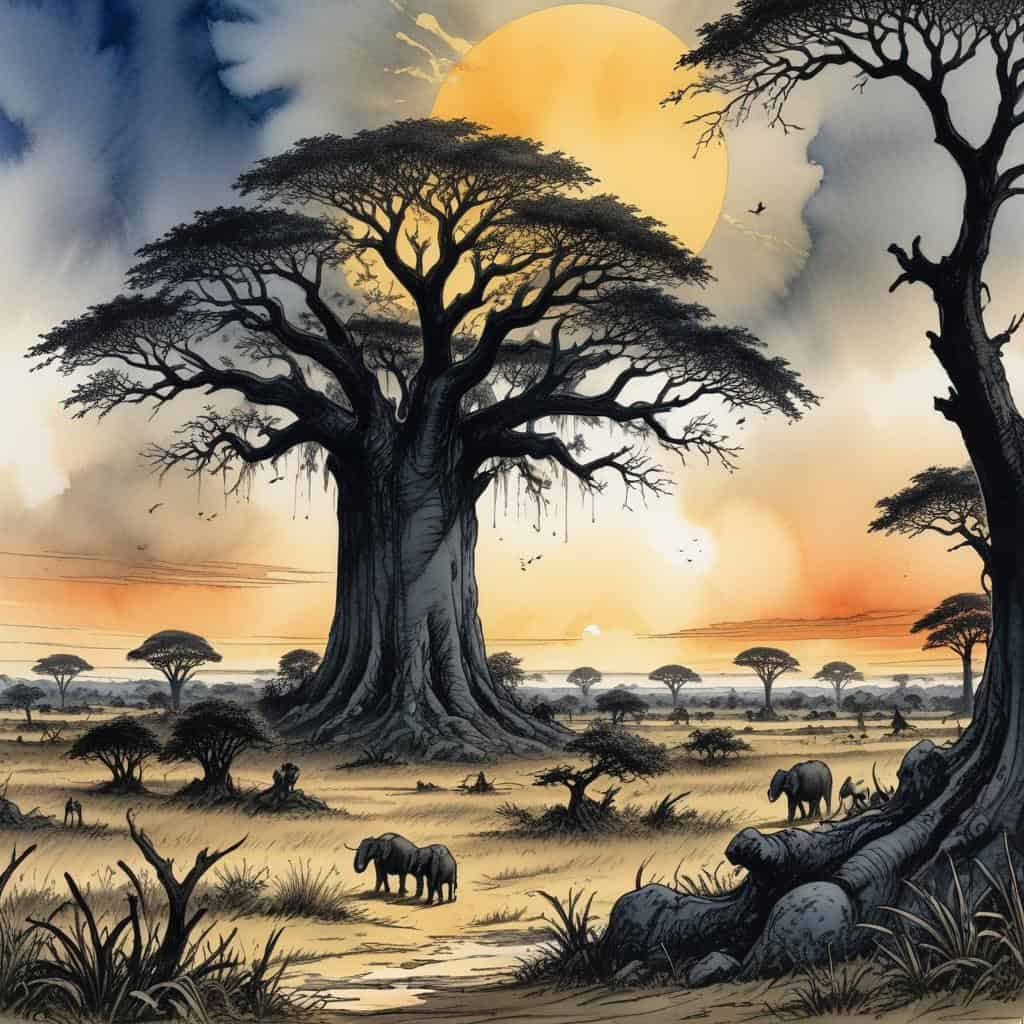
Zimbabwe in a Nutshell
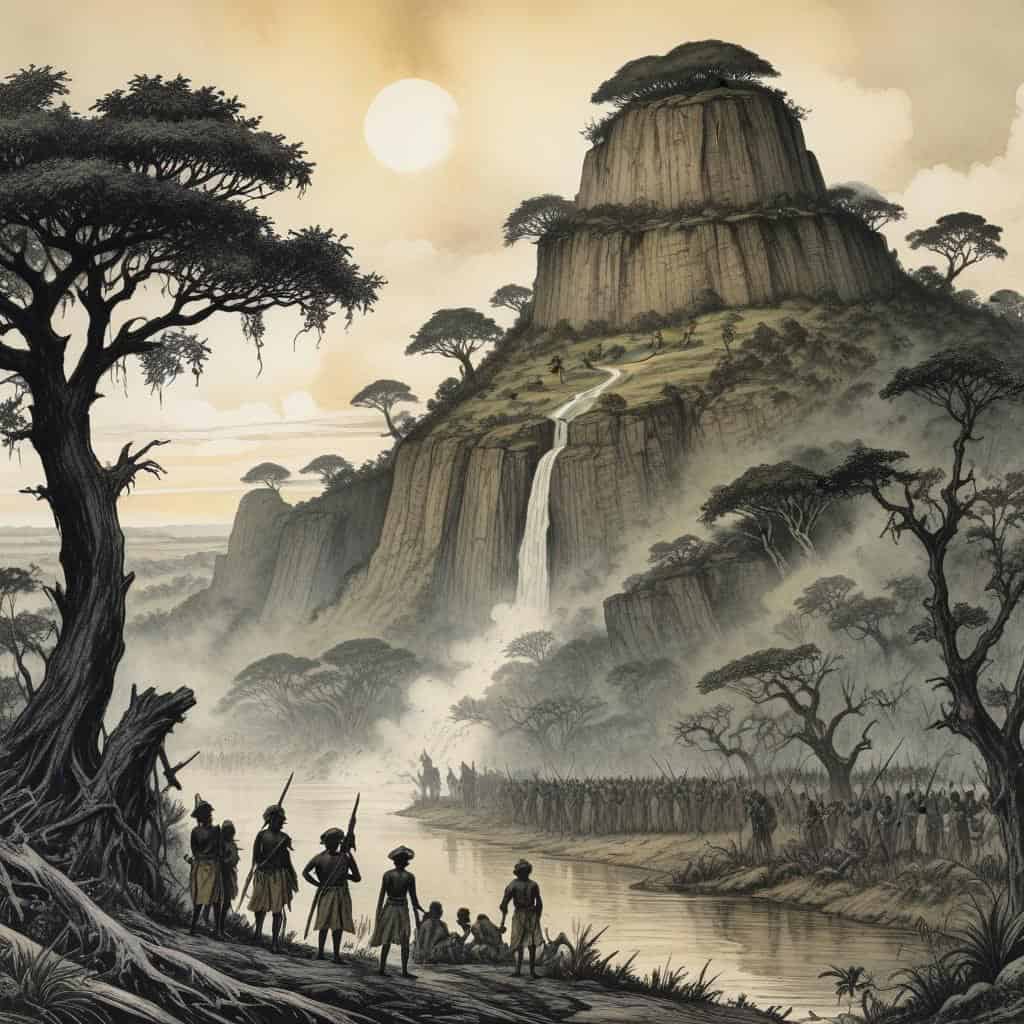
1. History of Zimbabwe
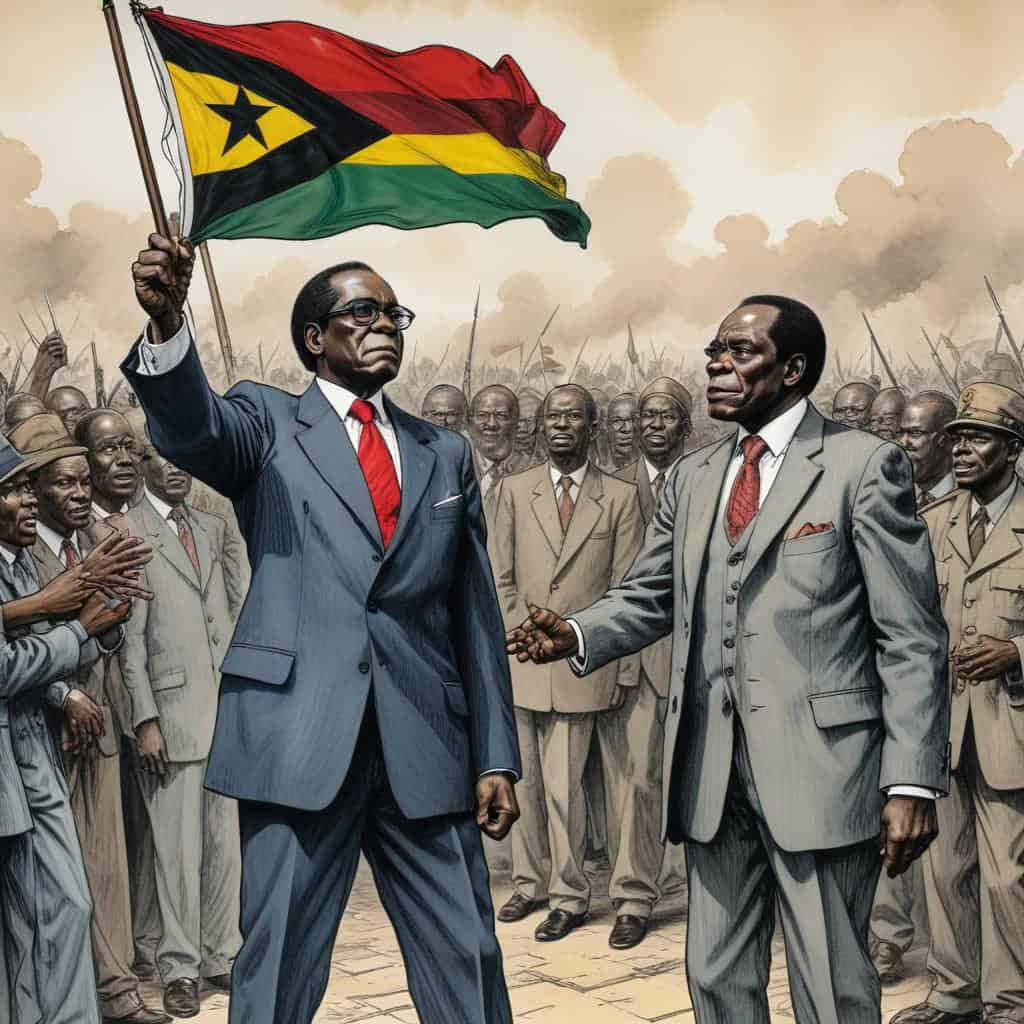
2. Political Climate
3. Economy

4. Natural Resources
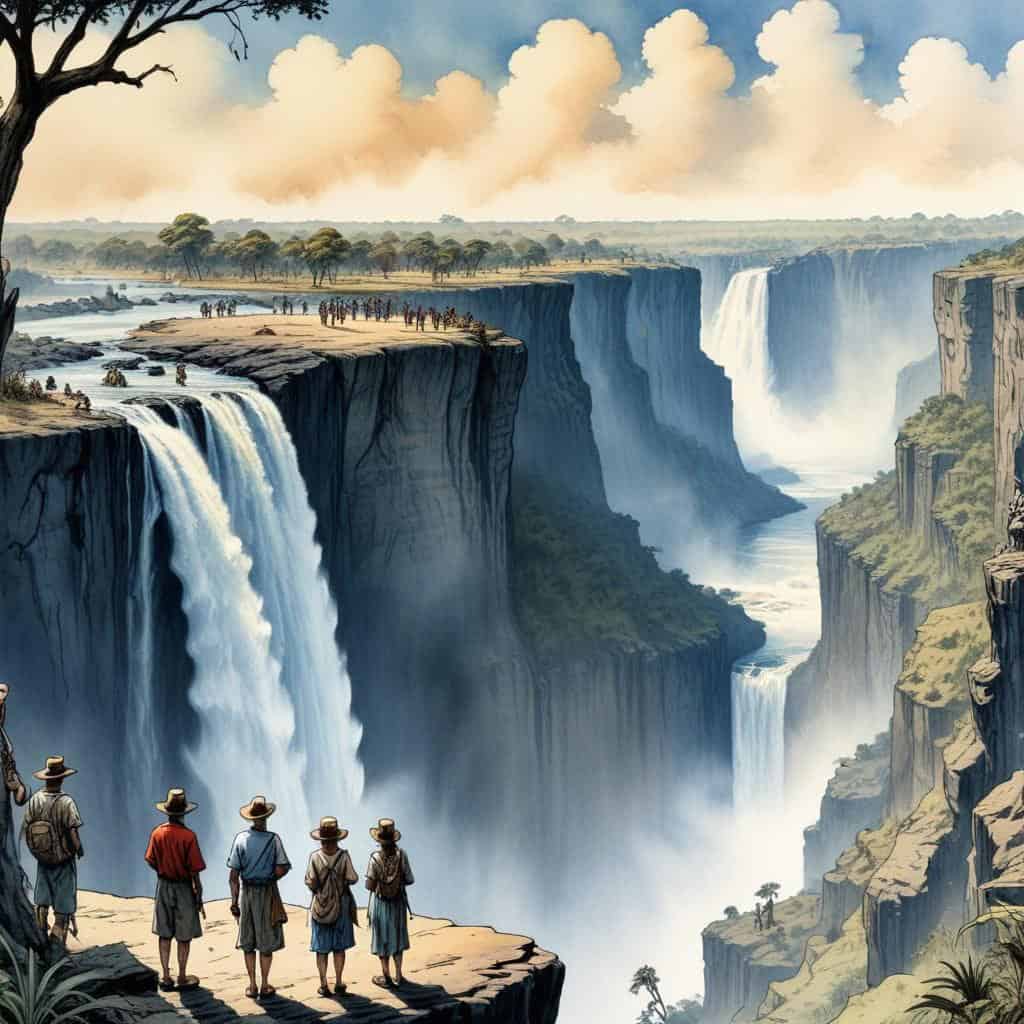
5. Tourism
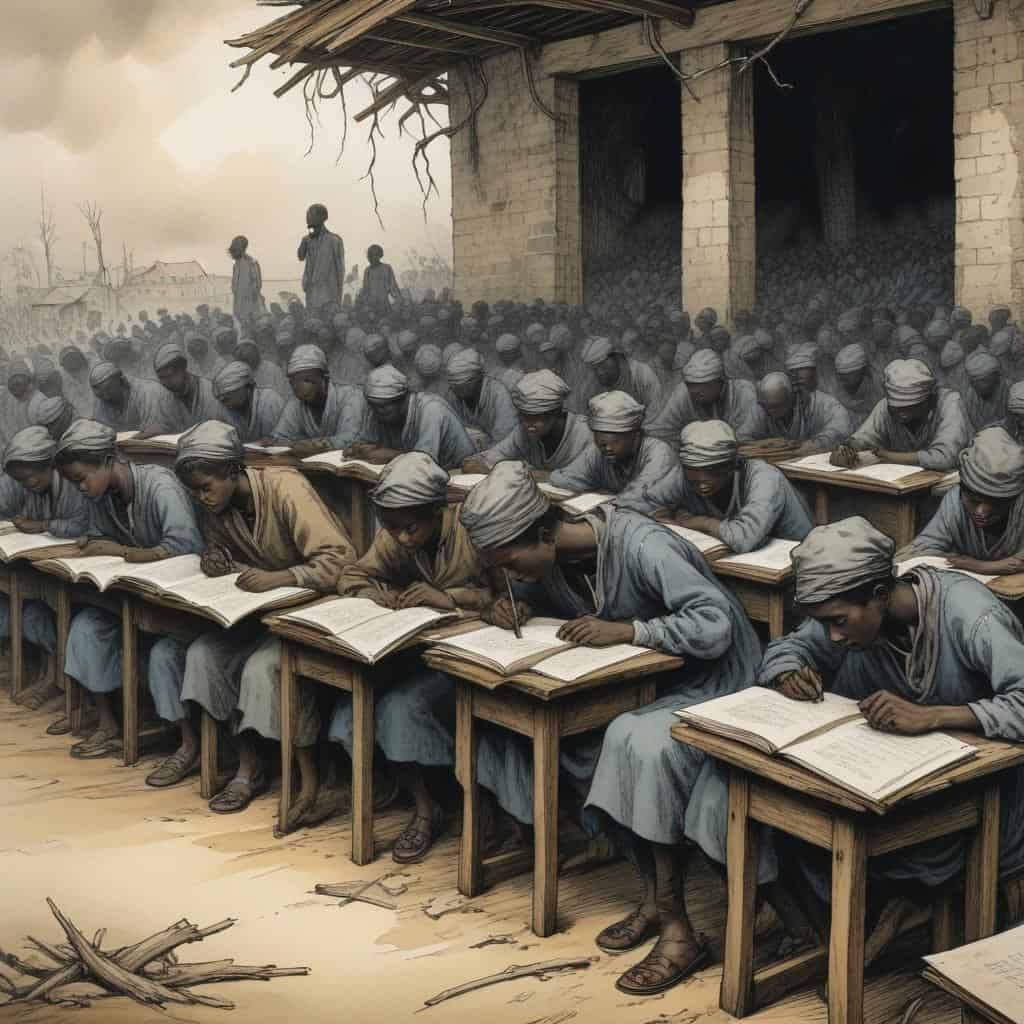
6. Education
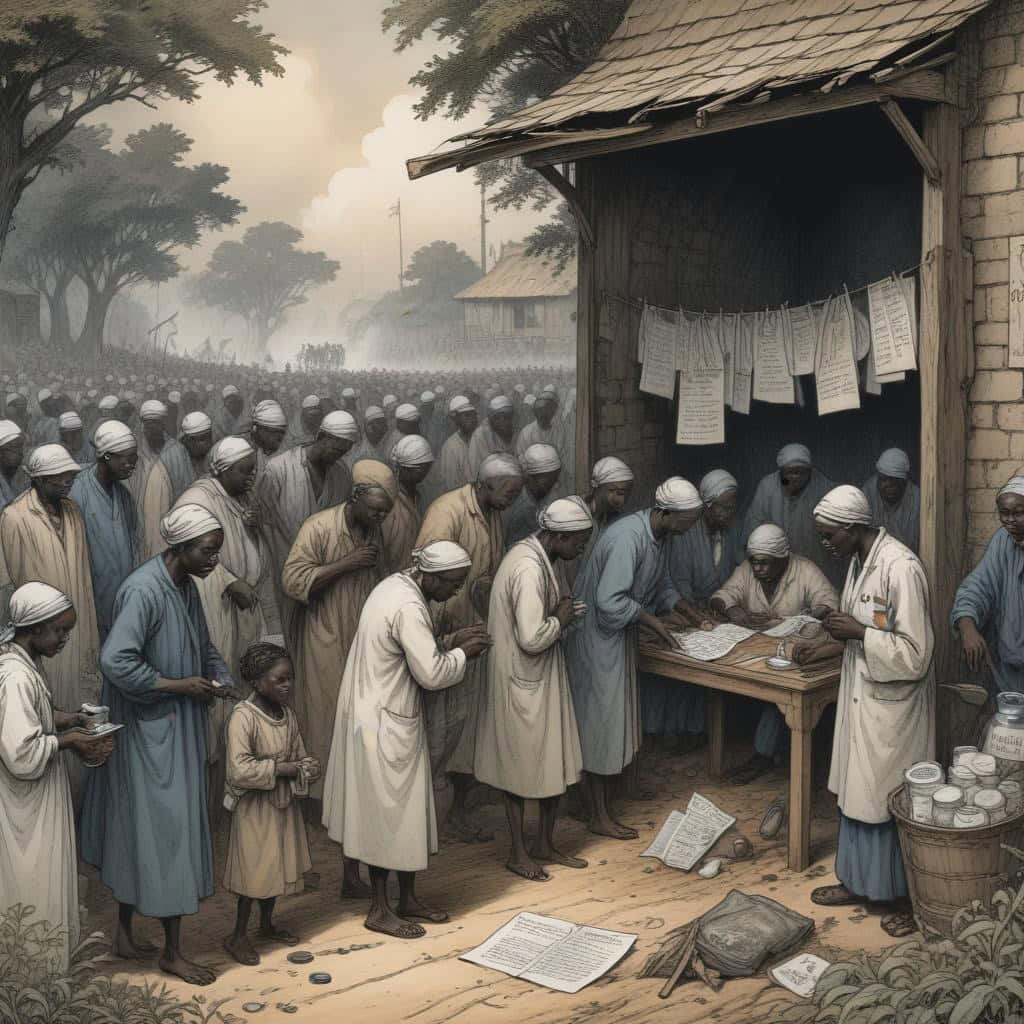
7. Healthcare

8. Culture

9. Wildlife Conservation
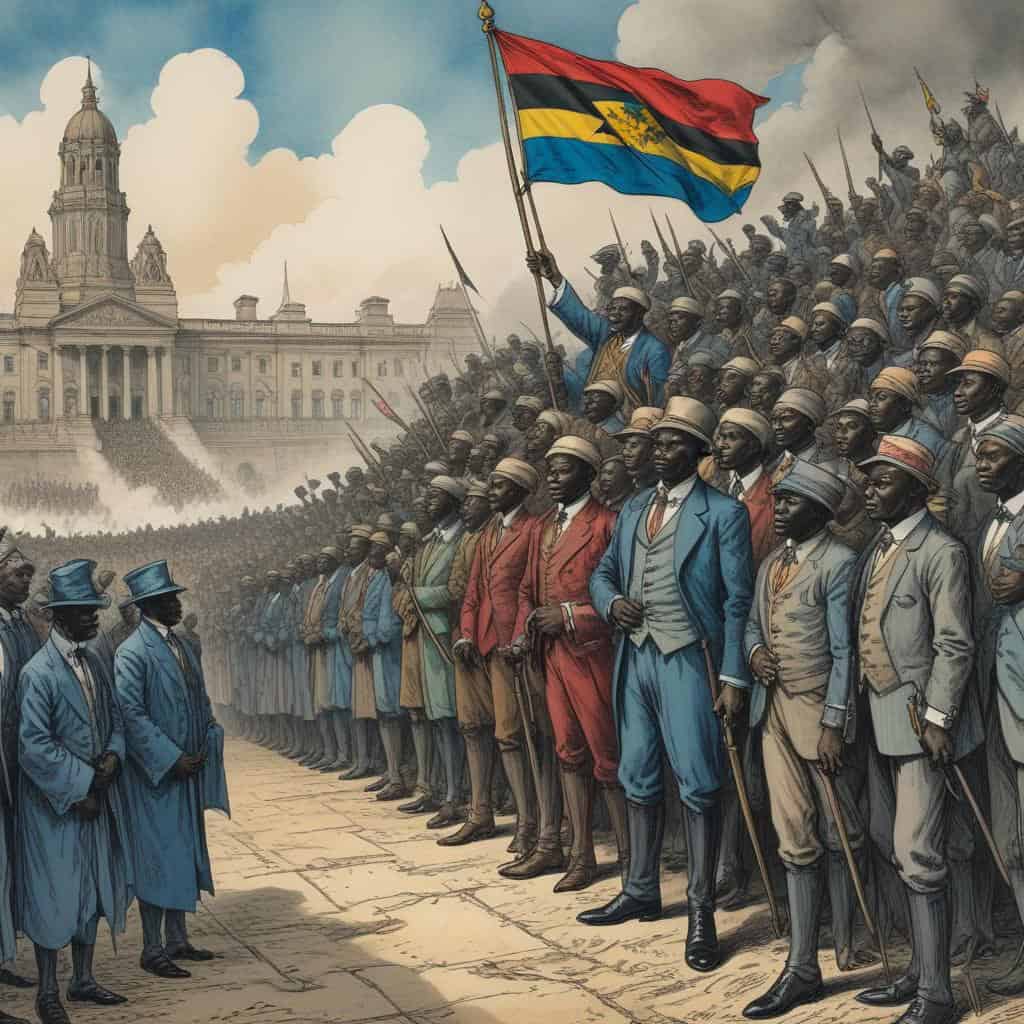
10. Future Outlook
Audio Library
As one of our featured lessons, this topic includes premium audio guides.
Unlock the Wizard's Cram Session
This powerful audio study guide is a Pro-exclusive feature. Upgrade to Memory Wizards Pro to access this and all of our premium learning tools.
Upgrade to ProIn a Nutshell
- Capital: Harare
- Population: Approx. 14.9 million (2021)
- Official Language: English, Shona, Sindebele
- Currency: Zimbabwean dollar (ZWL)
Breaking Down the Country
Natural Wonders
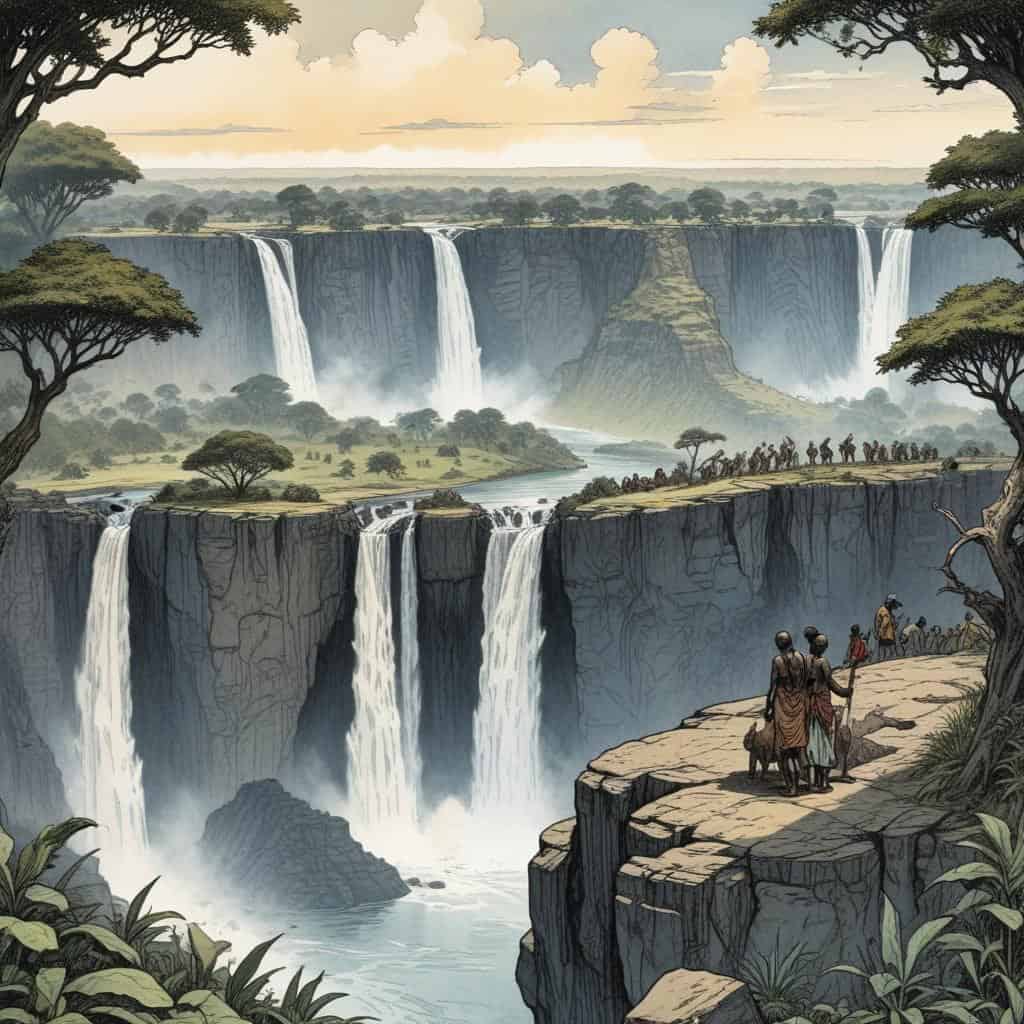
Zimbabwe boasts iconic landmarks like Victoria Falls, the Great Zimbabwe Ruins, and diverse wildlife in Hwange National Park.
Cultural Heritage
Explore the rich traditions of Zimbabwe through its music, art, and festivals that celebrate the country's vibrant history and customs.
Safari Adventures
Embark on thrilling safaris in Zimbabwe's renowned national parks, such as Mana Pools and Matobo Hills, for unforgettable wildlife encounters.
Timeline of Zimbabwe
Great Zimbabwe is built as a major medieval city in southern Africa
European exploration of the area begins with the arrival of Portuguese traders
British colonization of Southern Rhodesia begins
Southern Rhodesia gains self-governing status within the British Empire
Ian Smith declares Rhodesia's independence from Britain
Zimbabwe African National Union (ZANU) and Zimbabwe African People's Union (ZAPU) launch armed struggle against white minority rule
UN imposes sanctions on Rhodesia
ZANU and ZAPU form Patriotic Front to coordinate liberation war
Lancaster House Agreement leads to independence from Britain as Zimbabwe
Robert Mugabe becomes Prime Minister of Zimbabwe
Zimbabwe becomes a one-party state under ZANU-PF rule
Land redistribution program begins, leading to economic decline
Zimbabwean dollar is abandoned as official currency due to hyperinflation
Unity government formed between ZANU-PF and the Movement for Democratic Change (MDC)
Robert Mugabe resigns as President after military intervention
Emmerson Mnangagwa sworn in as President of Zimbabwe
Zimbabwe holds its first post-Mugabe elections
Cyclone Idai devastates eastern Zimbabwe
COVID-19 pandemic hits Zimbabwe, leading to economic challenges
Zimbabwe marks 41 years of independence
Vocabulary List
- Zimbabwe
- Zimbabwe is a landlocked country located in southern Africa.
- Harare
- Harare is the capital and largest city of Zimbabwe.
- Victoria Falls
- Victoria Falls is a waterfall located on the border between Zambia and Zimbabwe.
- Mugabe
- Robert Mugabe was the former president of Zimbabwe.
- Shona
- Shona is one of the main ethnic groups in Zimbabwe.
- Dollarization
- Zimbabwe adopted the use of foreign currencies due to hyperinflation, a process known as dollarization.
Key Facts
This is the information used in the fact matching game
- Zimbabwe was formerly known as Rhodesia.
- Victoria Falls, one of the largest waterfalls in the world, is located on the border between Zimbabwe and Zambia.
- Zimbabwe gained independence from British colonial rule in 1980.
- Zimbabwe used to have one of the highest rates of inflation in the world, reaching over 89.7 sextillion percent in 2008.
- The country's official language is English.
- Zimbabwe is home to the ruins of Great Zimbabwe, a UNESCO World Heritage site.
- Zimbabwe has a population of approximately 14.5 million people.
- The country is known for its rich biodiversity, with over 10 national parks and numerous wildlife reserves.
- Zimbabwe's economy relies heavily on agriculture, mining, and tourism.
- The country's currency is the Zimbabwean dollar, although foreign currencies such as the US dollar and South African rand are also commonly used.
- Zimbabwe has a high literacy rate, with over 90% of the population being able to read and write.
- Zimbabwe has a tropical climate, with a rainy season from November to March and a dry season from April to October.
- The country has a rich cultural heritage, with traditional music, dance, and art playing a significant role in society.
- Zimbabwe is known for its high-quality tobacco production, which is one of the country's major exports.
- Zimbabwe is home to the Matobo Hills, a UNESCO World Heritage site known for its unique rock formations and ancient cave paintings.
- The country has a diverse population, with various ethnic groups including the Shona, Ndebele, and Tonga.
- Zimbabwe has a well-developed education system, with free primary and secondary education provided by the government.
- Zimbabwe has faced political instability and economic challenges in recent years, leading to widespread poverty and unemployment.
- The country is known for its vibrant music scene, with genres such as Chimurenga and Mbira being popular both locally and internationally.
- Zimbabwe has a significant HIV/AIDS epidemic, with an estimated 1.3 million people living with the disease in 2020.
Why It Matters
Geopolitical Significance
Zimbabwe holds importance in the geopolitics of Southern Africa due to its strategic location and resources. It shares borders with South Africa, Botswana, Zambia, and Mozambique, making it a key player in regional politics and trade. Its political stability and relationships with neighboring countries impact the overall stability of the region.
Historical Importance
Zimbabwe has a rich history, particularly known for the Great Zimbabwe ruins, a UNESCO World Heritage site that showcases the country’s ancient civilization. The country’s struggle for independence from colonial rule and its post-independence challenges have shaped its identity and continue to influence its development.
Modern-Day Role
In the present day, Zimbabwe faces economic challenges, but it remains a key player in Southern Africa. Its agricultural sector, natural resources, and potential for tourism contribute to its role in the regional economy. The country’s political decisions and international relationships impact its future trajectory and that of the surrounding region.
Zimbabwe Games


Take Your Learning Offline
Want a convenient, print-ready study guide for this lesson? Become a Memory Wizards Pro member to unlock the downloadable " Memory Scrolls" for this topic and our entire library!
- ✓ Complete Vocabulary Lists
- ✓ Key Facts & Timelines
- ✓ Beautifully Formatted for Print & Mobile