
How Do You Learn Best?
Learn by Listening
Start with the 3-minute audio summary to get the key facts and narrative highlights quickly.
Learn by Reading
Immerse yourself in the 10-minute visual lesson for a comprehensive understanding of the topic.
Learn by Reviewing
Jump directly to the key facts, timeline, and vocabulary lists to build a solid foundation of details.
Learn by Doing
Challenge yourself! Jump straight into the interactive games to learn by trial, error, and discovery.
Zambia in 10 Minutes
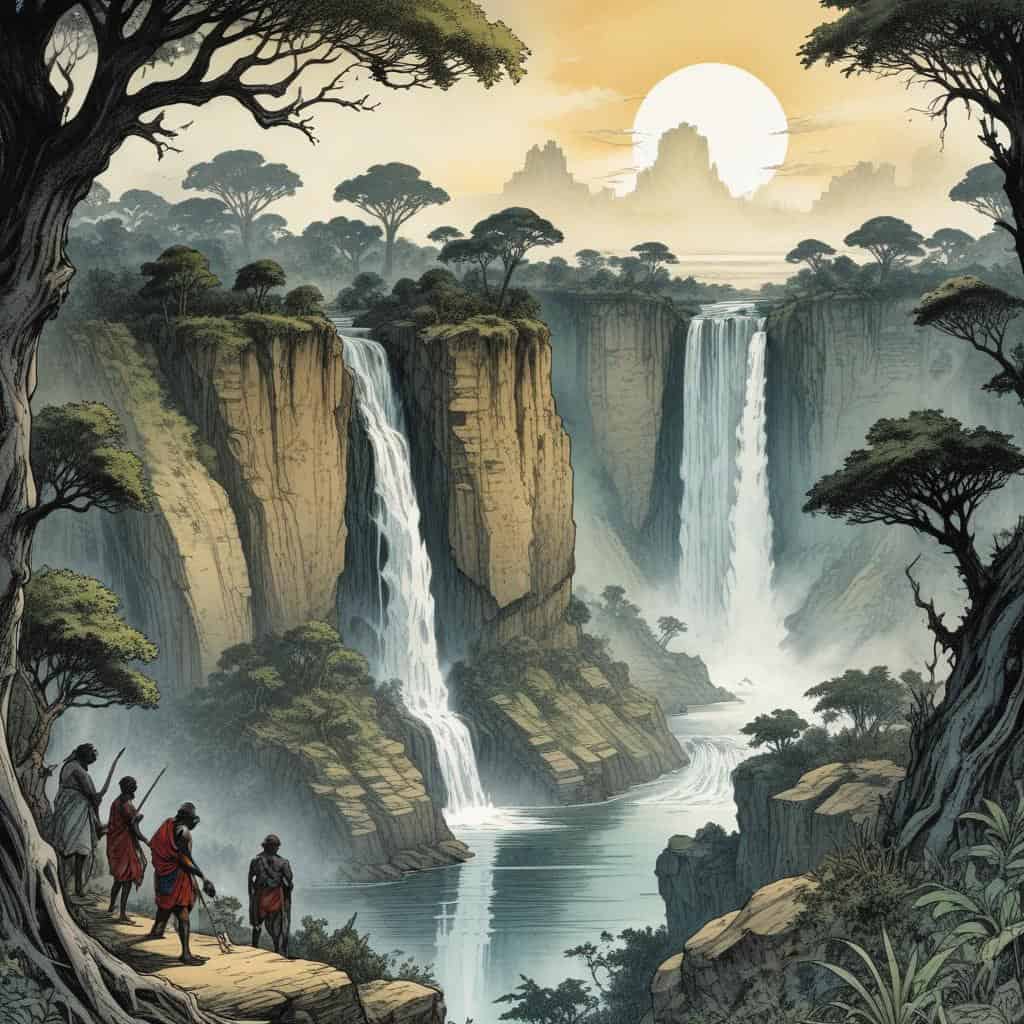
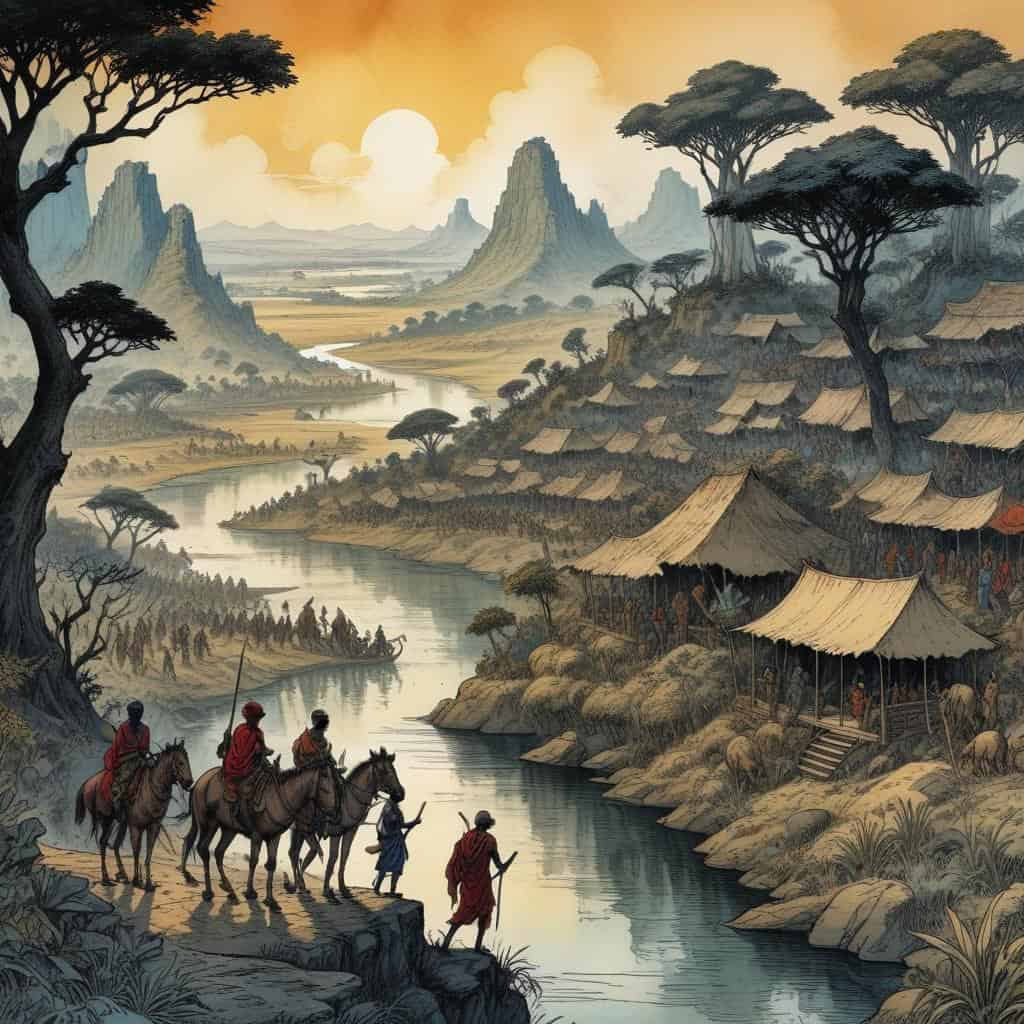
Introduction

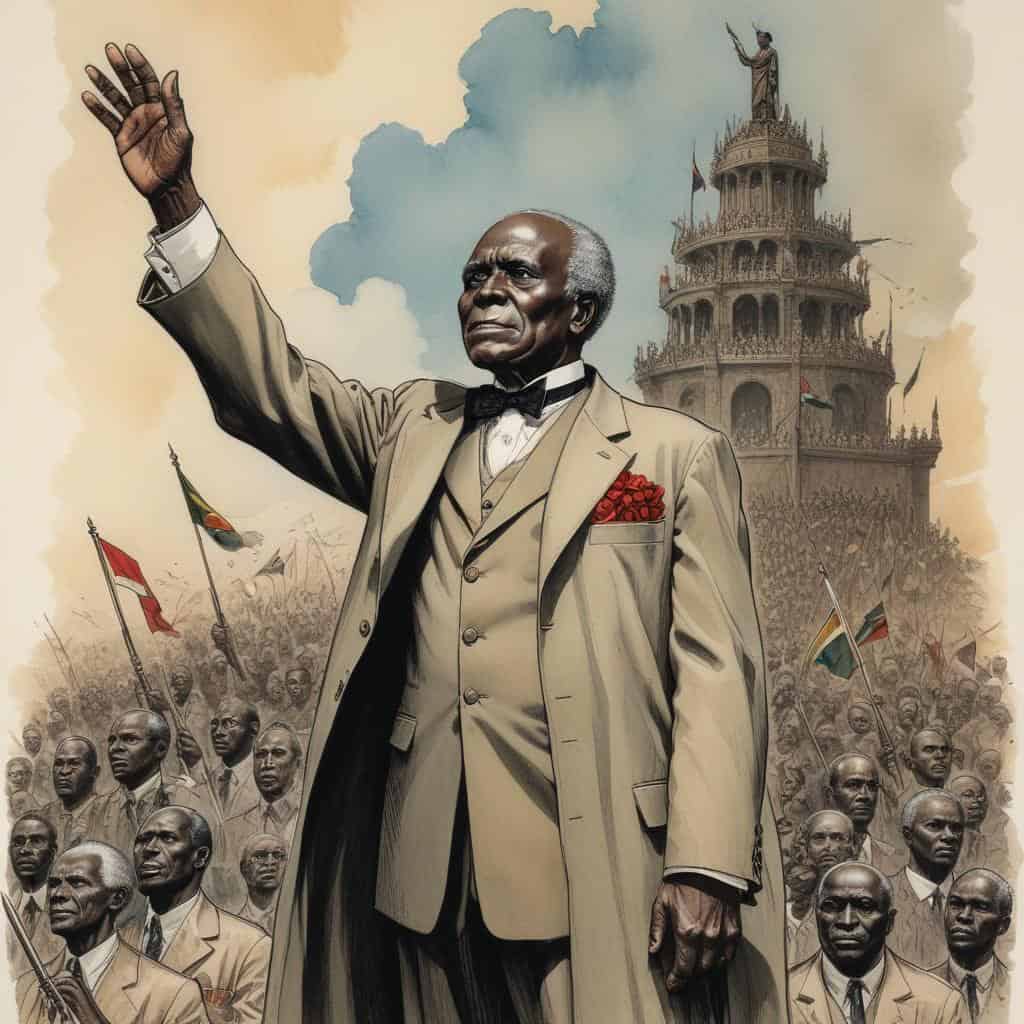
Kenneth Kaunda
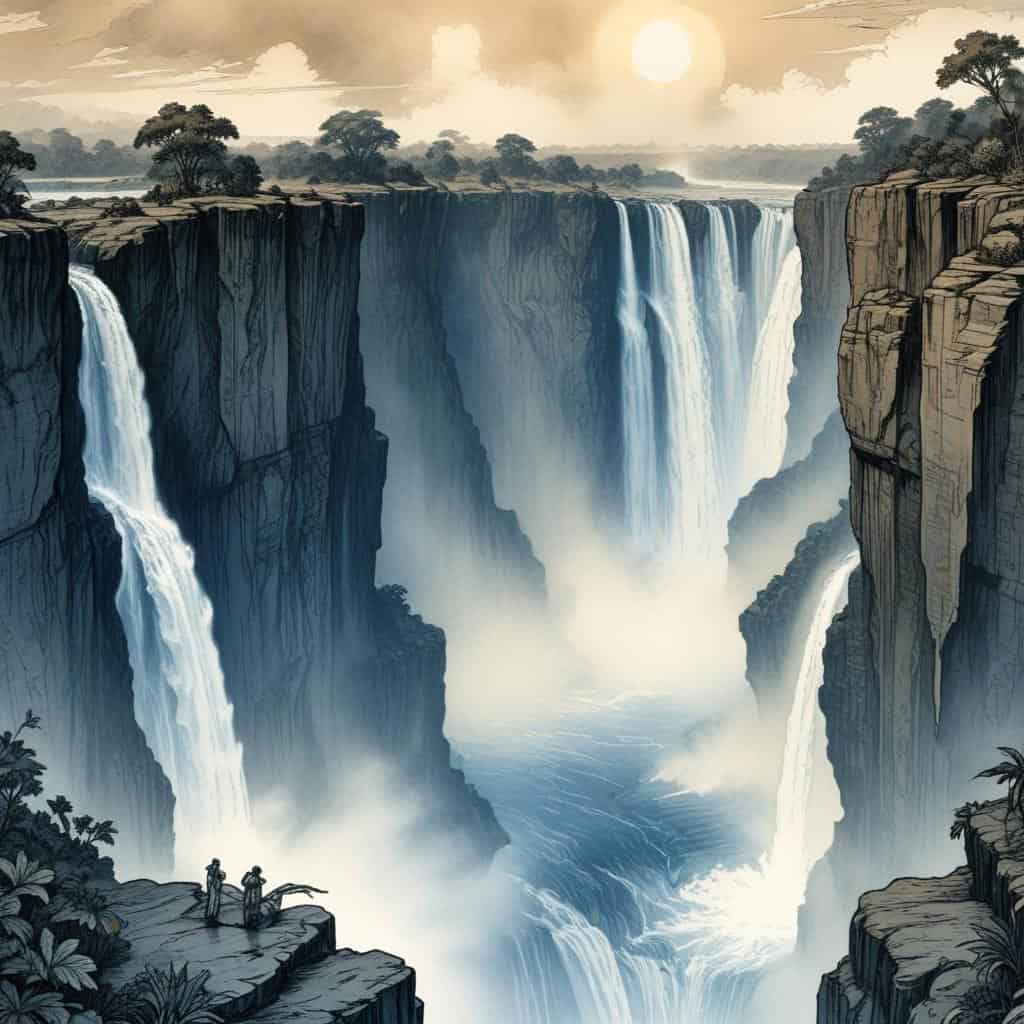
Victoria Falls

Dambisa Moyo
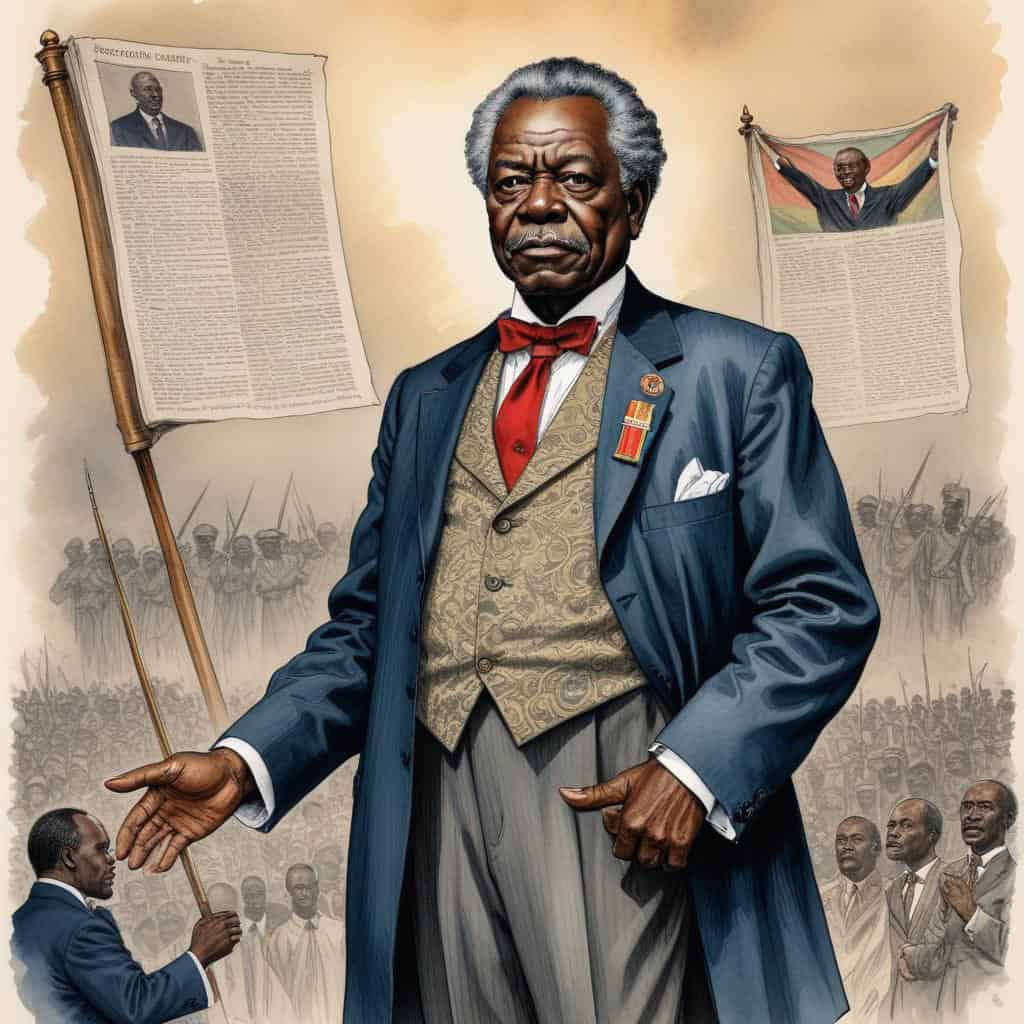
Michael Sata

South Luangwa National Park
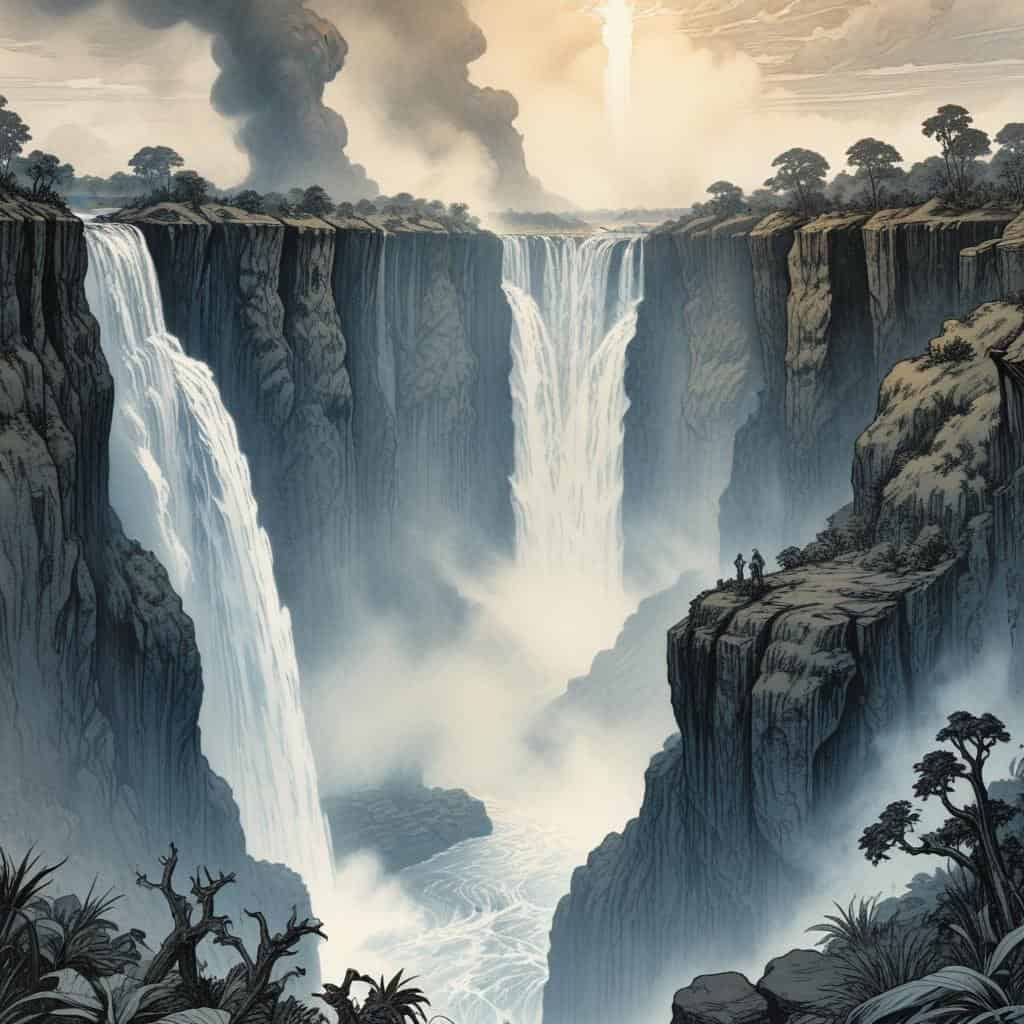
1. Victoria Falls
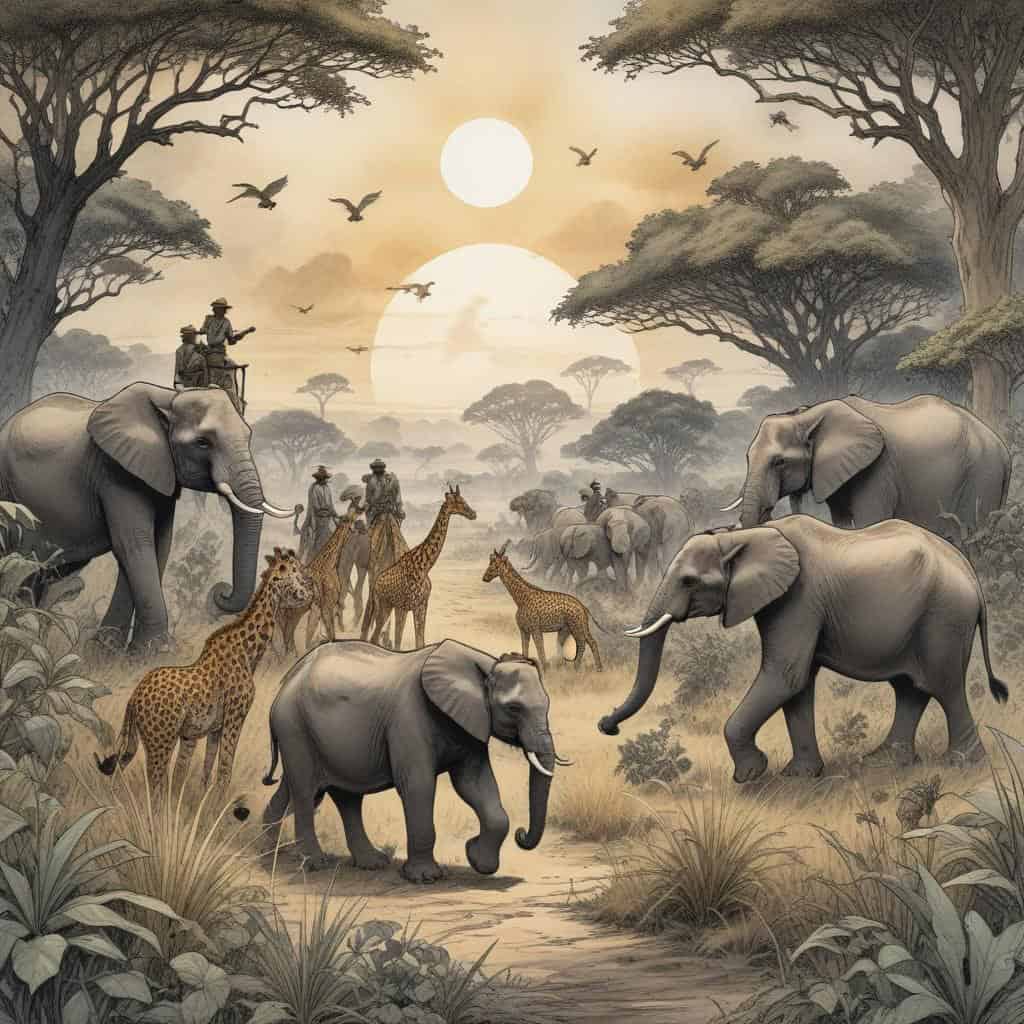
2. Wildlife Safari
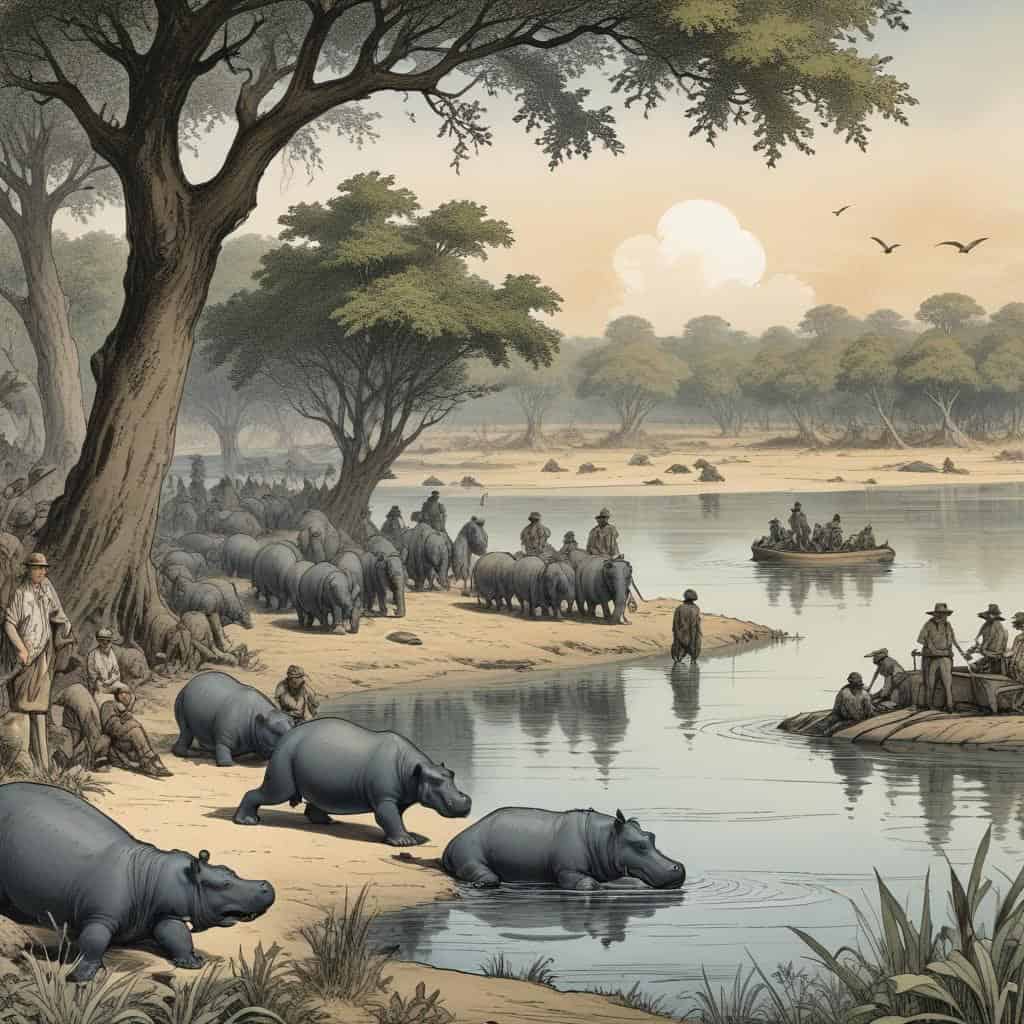
3. Lower Zambezi National Park
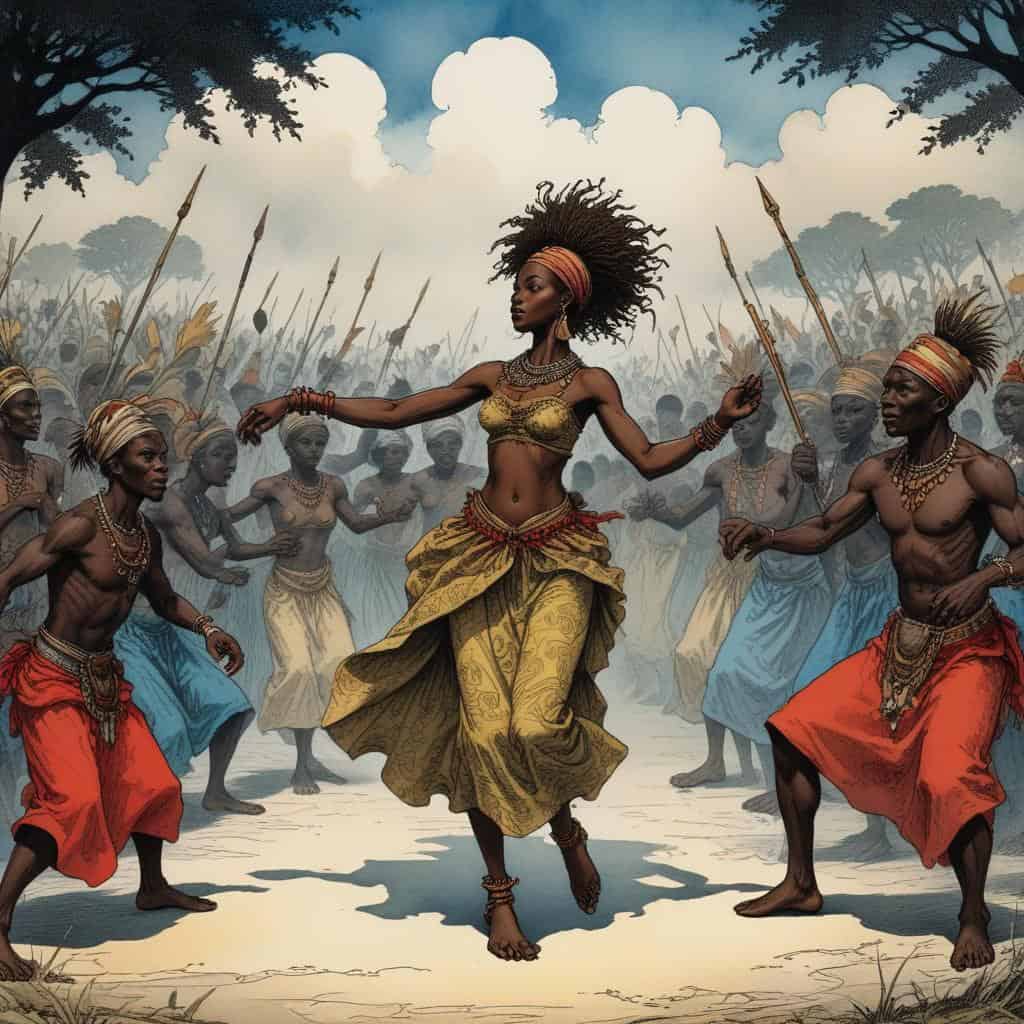
4. Traditional Culture
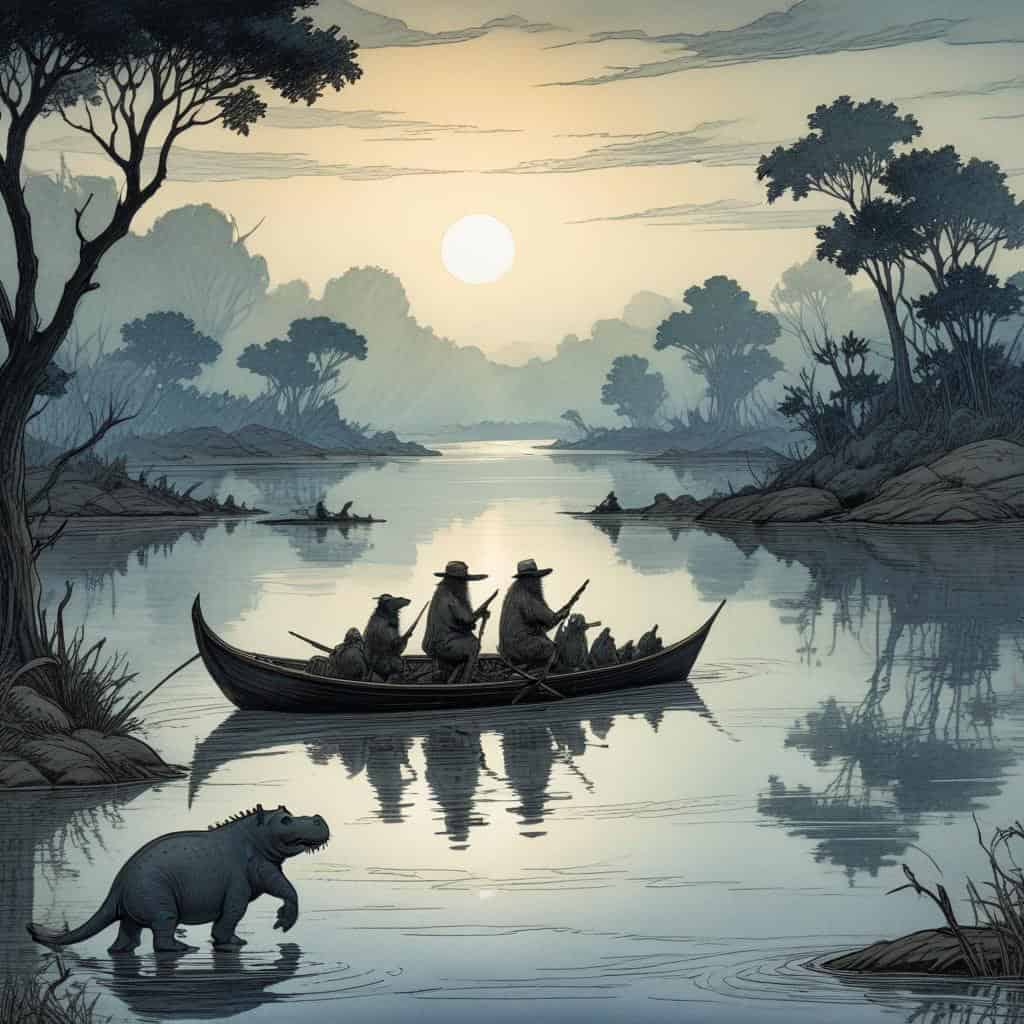
5. Lake Kariba
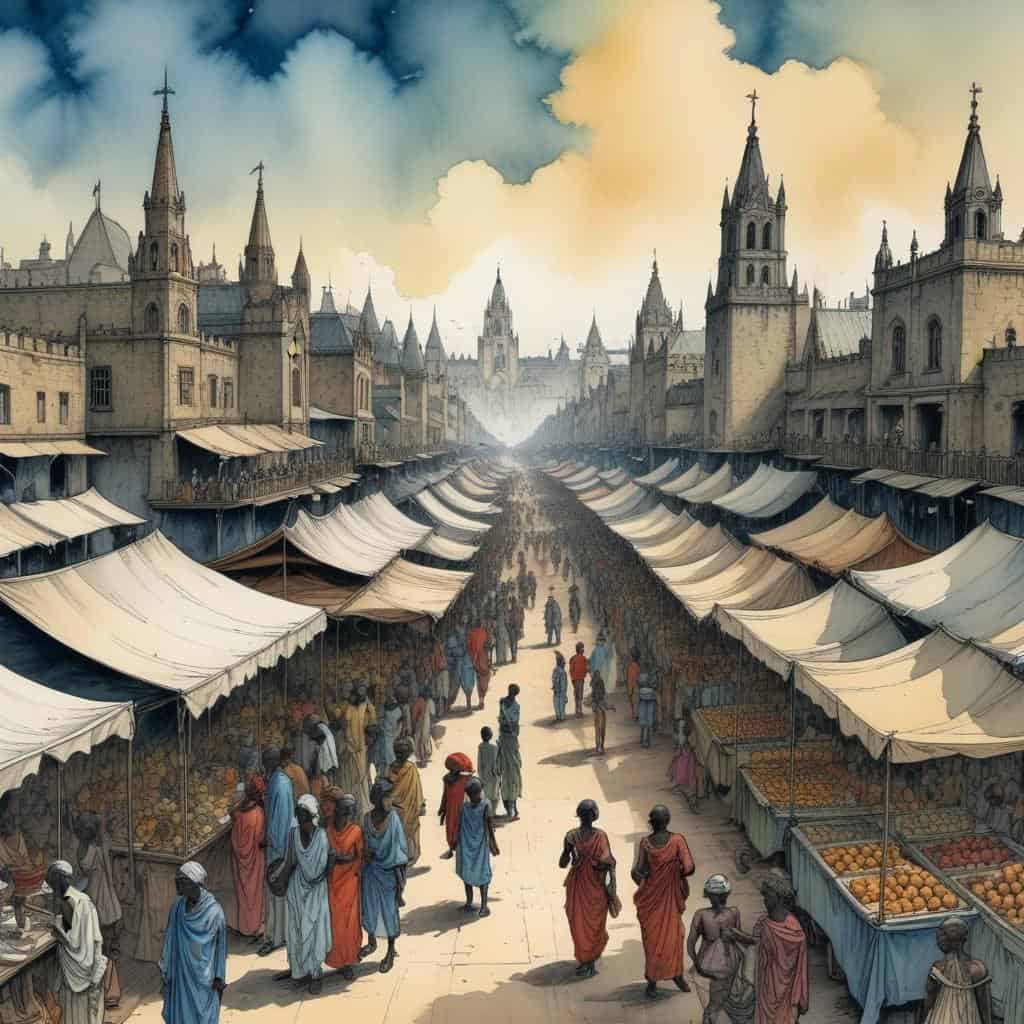
6. Lusaka
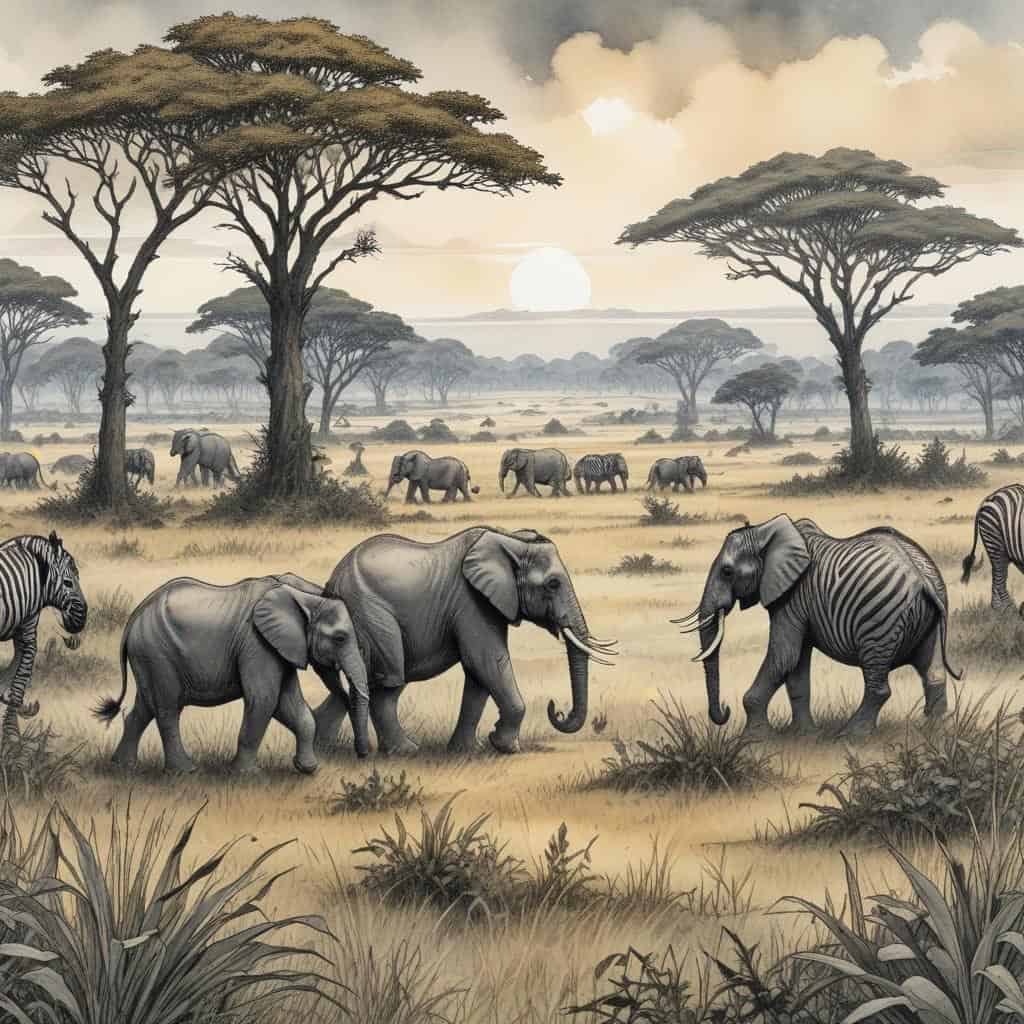
7. Kafue National Park
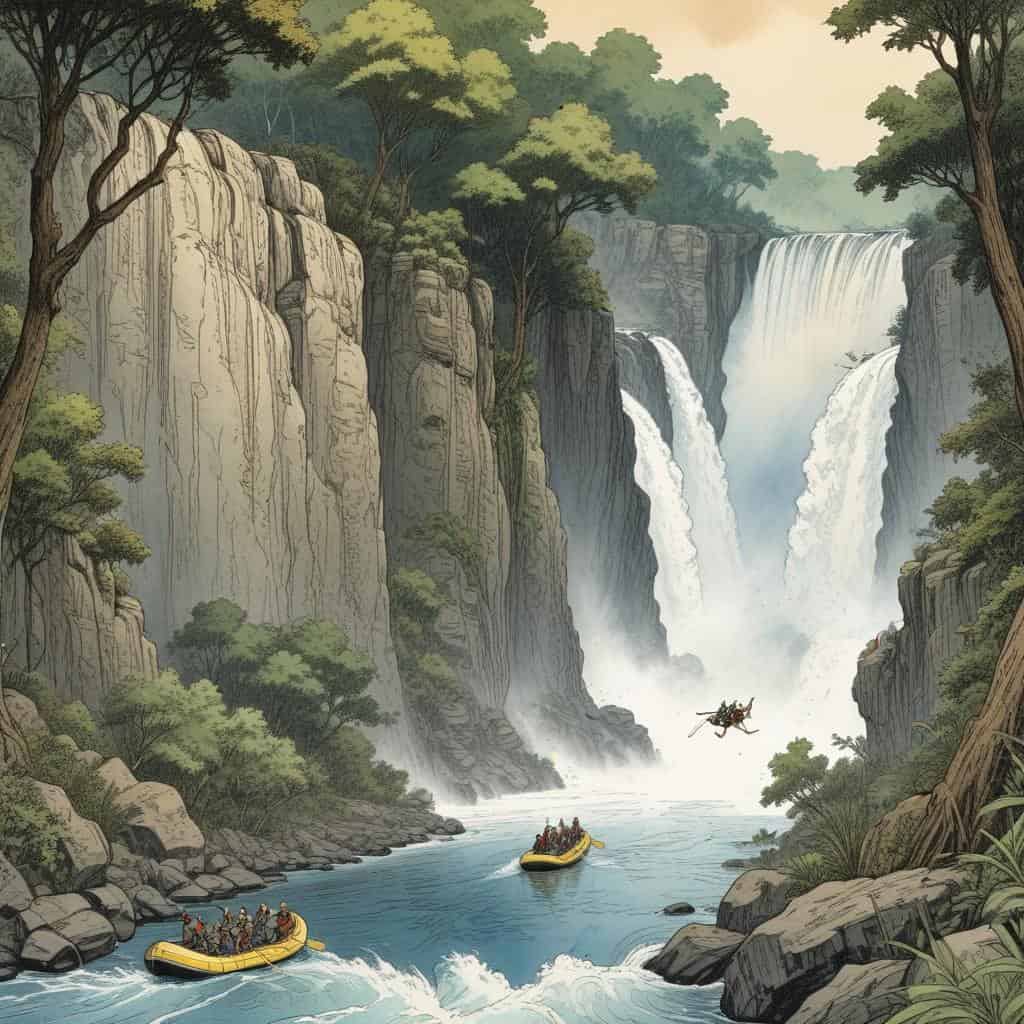
8. Adventure Activities
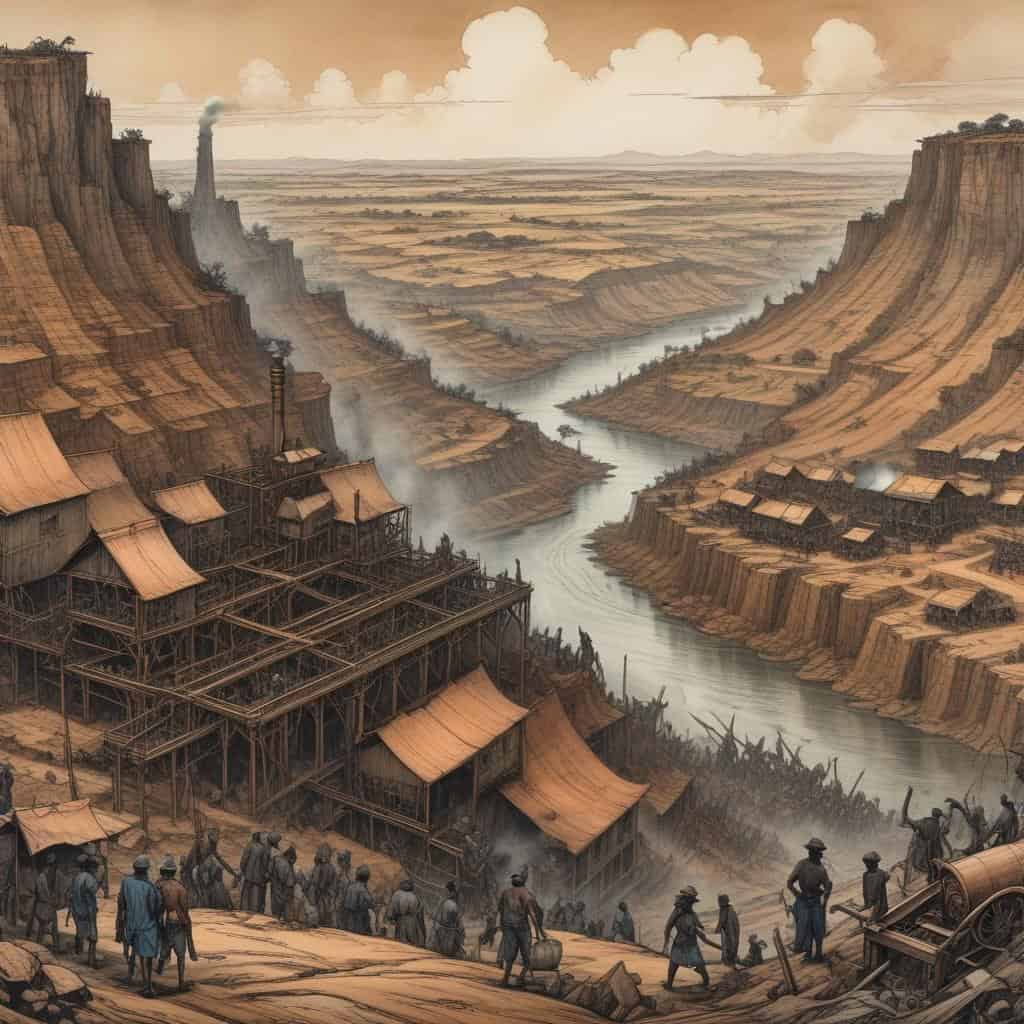
9. Copperbelt Region
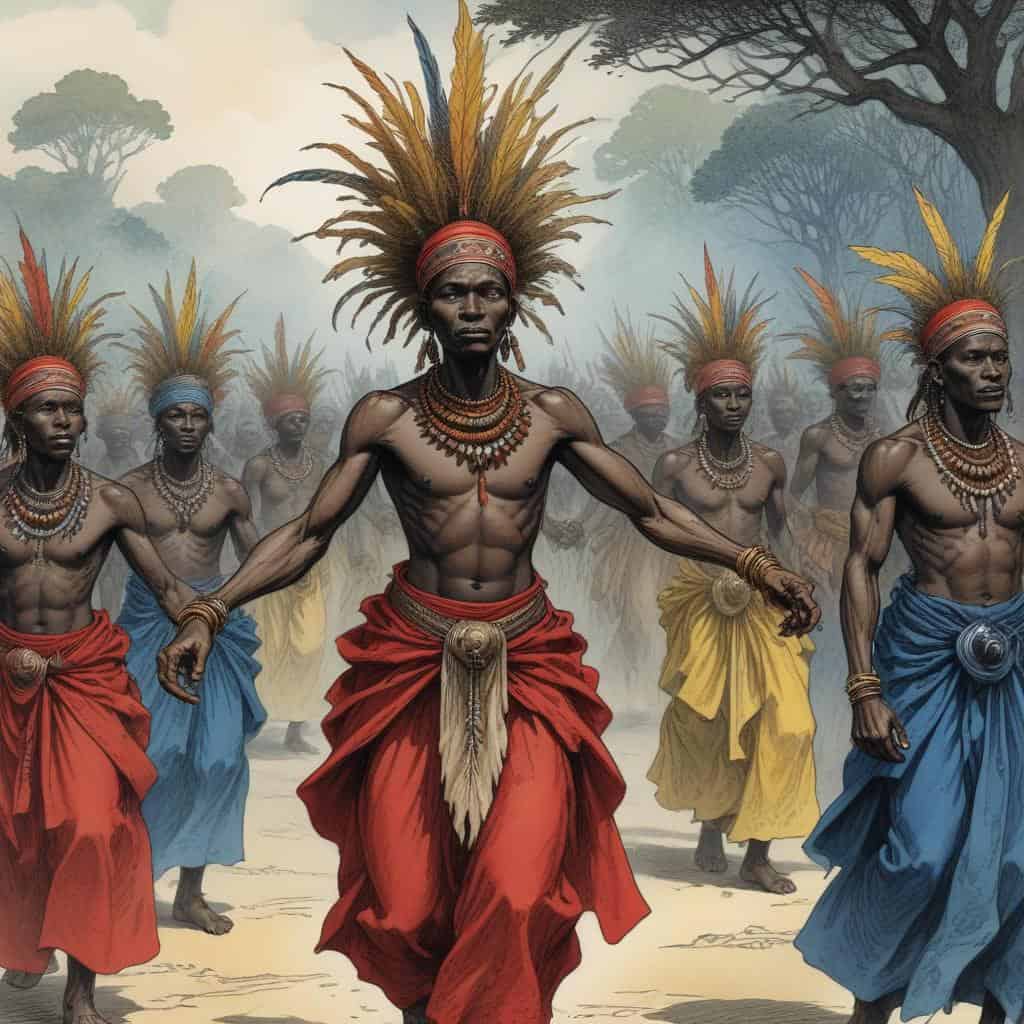
10. Traditional Festivals
Audio Library
As one of our featured lessons, this topic includes premium audio guides.
Unlock the Wizard's Cram Session
This powerful audio study guide is a Pro-exclusive feature. Upgrade to Memory Wizards Pro to access this and all of our premium learning tools.
Upgrade to ProIn a Nutshell
- Capital: Lusaka
- Population: Approx. 18.4 million (2021)
- Official Language: English
- Currency: Zambian kwacha (ZMW)
Breaking Down the Country
Geography & Wildlife
Zambia boasts diverse landscapes from the mighty Victoria Falls to the vast plains of the Zambezi River, home to a rich array of wildlife including elephants, lions, and hippos.
Cultural Heritage
Explore Zambia's vibrant culture influenced by over 70 ethnic groups, traditional ceremonies, music, dance, and the iconic art of the Tonga people.
Adventure & Safari
Embark on thrilling safaris through national parks like South Luangwa, Kafue, and Lower Zambezi, offering incredible wildlife encounters and unforgettable experiences.
Timeline of Zambia
British South Africa Company establishes control over the territory known as Northern Rhodesia
Northern Rhodesia becomes a British protectorate
United National Independence Party (UNIP) founded by Kenneth Kaunda
Northern Rhodesia gains independence from Britain, becomes the Republic of Zambia
Zambia adopts a socialist one-party state under President Kenneth Kaunda
Zambia hosts the All-Africa Games in Lusaka
Multi-party democracy introduced in Zambia
Frederick Chiluba elected as Zambia's second president
Zambia hosts the African Cup of Nations football tournament
Zambia's economy suffers due to falling copper prices and mismanagement
Levy Mwanawasa elected as Zambia's third president
Michael Sata elected as Zambia's fourth president
Zambia celebrates its 50th independence anniversary
Edgar Lungu elected as Zambia's sixth president
Zambia battles a cholera outbreak in Lusaka
Zambia's economy struggles with high debt levels and inflation
Zambia defaults on its debt payments, seeks restructuring
Zambia holds general elections, Hakainde Hichilema elected as president
Zambia celebrates its 57th independence anniversary
Zambia faces challenges with COVID-19 pandemic and economic recovery
Vocabulary List
- Zambia
- A landlocked country in southern Africa known for its diverse wildlife and stunning natural landscapes.
- Lusaka
- The capital and largest city of Zambia, located in the southern part of the country.
- Victoria Falls
- One of the most famous waterfalls in the world, located on the border between Zambia and Zimbabwe.
- Kwacha
- The currency of Zambia.
- Safari
- A popular activity in Zambia, where visitors can go on guided tours to see wild animals in their natural habitat.
- Copperbelt
- A region in Zambia known for its rich deposits of copper ore, which has been a major source of income for the country.
- Lake Tanganyika
- One of the largest and deepest lakes in the world, located in the northern part of Zambia.
- Mosi-oa-Tunya
- The local name for Victoria Falls, which means 'the smoke that thunders' in the Lozi language.
- Zambezi River
- A major river in southern Africa that flows through Zambia and several other countries.
- National Parks
- Zambia is home to several national parks and wildlife reserves, where visitors can see a wide variety of animals in their natural habitat.
Key Facts
This is the information used in the fact matching game
- Zambia is located in southern Africa and is known as the 'real Africa' due to its diverse wildlife and landscapes.
- Zambia gained independence from British colonial rule in 1964 and has been a democratic republic ever since.
- The official language of Zambia is English, but there are over 70 different languages spoken throughout the country.
- Victoria Falls, one of the largest waterfalls in the world, is located on the border between Zambia and Zimbabwe.
- Zambia is home to the Kafue National Park, one of the largest national parks in Africa and a popular destination for safari tours.
- The currency of Zambia is the Zambian kwacha, which is abbreviated as ZMW.
- The national dish of Zambia is nshima, a thick porridge made from maize meal, often served with meat and vegetables.
- Zambia is known for its copper production, which is a major contributor to the country's economy.
- Zambia has a population of over 17 million people, with the majority of the population living in urban areas.
- The flag of Zambia features an eagle, which represents freedom, the country's natural resources, and the people's ability to rise above their problems.
- Zambia has a tropical climate with a rainy season from November to April and a dry season from May to October.
- The capital city of Zambia is Lusaka, which is the largest city in the country and serves as the economic and political center.
- Zambia is landlocked, bordered by eight countries: Angola, Botswana, the Democratic Republic of the Congo, Malawi, Mozambique, Namibia, Tanzania, and Zimbabwe.
- Zambia is known for its traditional ceremonies, such as the Kuomboka ceremony of the Lozi people, which celebrates the relocation of the Litunga (king) to higher ground during the flood season.
- The Lower Zambezi National Park in Zambia is a UNESCO World Heritage Site and is home to a variety of wildlife, including elephants, lions, and hippos.
- Zambia has a high prevalence of HIV/AIDS, with an estimated 1.2 million people living with the disease in 2019.
- Zambia is known for its traditional art and crafts, including intricate wood carvings, colorful textiles, and vibrant beadwork.
- Zambia has a rich musical heritage, with popular genres including traditional drumming, kalindula (a type of dance music), and modern hip-hop and reggae.
- Zambia has a growing tourism industry, with attractions such as safari tours, river cruises, and cultural festivals drawing visitors from around the world.
- Zambia has a diverse range of wildlife, including elephants, lions, leopards, giraffes, and zebras, making it a popular destination for safari enthusiasts.
Why It Matters
Geopolitical Significance
Zambia’s central location in Southern Africa gives it strategic importance as a landlocked country bordered by eight nations. Its stability and relationships with neighboring countries impact regional politics, trade, and security, particularly in the Southern African Development Community (SADC).
Historical Importance
Zambia has a significant historical legacy as a former British colony known as Northern Rhodesia. It played a key role in the struggle against apartheid in South Africa and as a haven for anti-colonial movements. The country’s independence in 1964, led by Kenneth Kaunda, marked a turning point in African decolonization.
Modern-Day Role
Today, Zambia is a growing economy with a focus on mining, agriculture, and tourism. It faces challenges such as political instability, corruption, and poverty, but its democratic progress and natural resources position it as a key player in the region’s development and cooperation initiatives.
Zambia Games


Take Your Learning Offline
Want a convenient, print-ready study guide for this lesson? Become a Memory Wizards Pro member to unlock the downloadable " Memory Scrolls" for this topic and our entire library!
- ✓ Complete Vocabulary Lists
- ✓ Key Facts & Timelines
- ✓ Beautifully Formatted for Print & Mobile