
How Do You Learn Best?
Learn by Listening
Start with the 3-minute audio summary to get the key facts and narrative highlights quickly.
Learn by Reading
Immerse yourself in the 10-minute visual lesson for a comprehensive understanding of the topic.
Learn by Reviewing
Jump directly to the key facts, timeline, and vocabulary lists to build a solid foundation of details.
Learn by Doing
Challenge yourself! Jump straight into the interactive games to learn by trial, error, and discovery.
Uganda in 10 Minutes
Introduction
1. Murchison Falls National Park Rangers
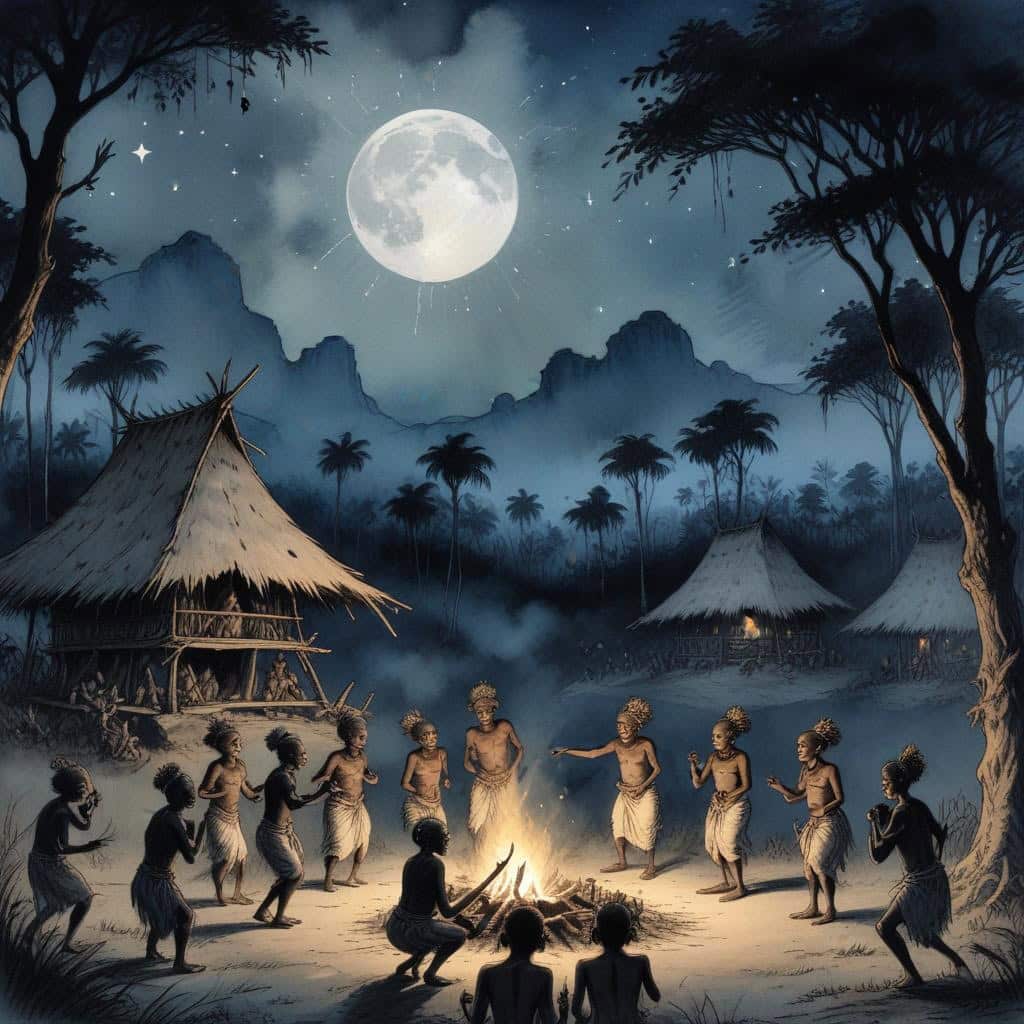
2. Batwa Pygmy Tribe
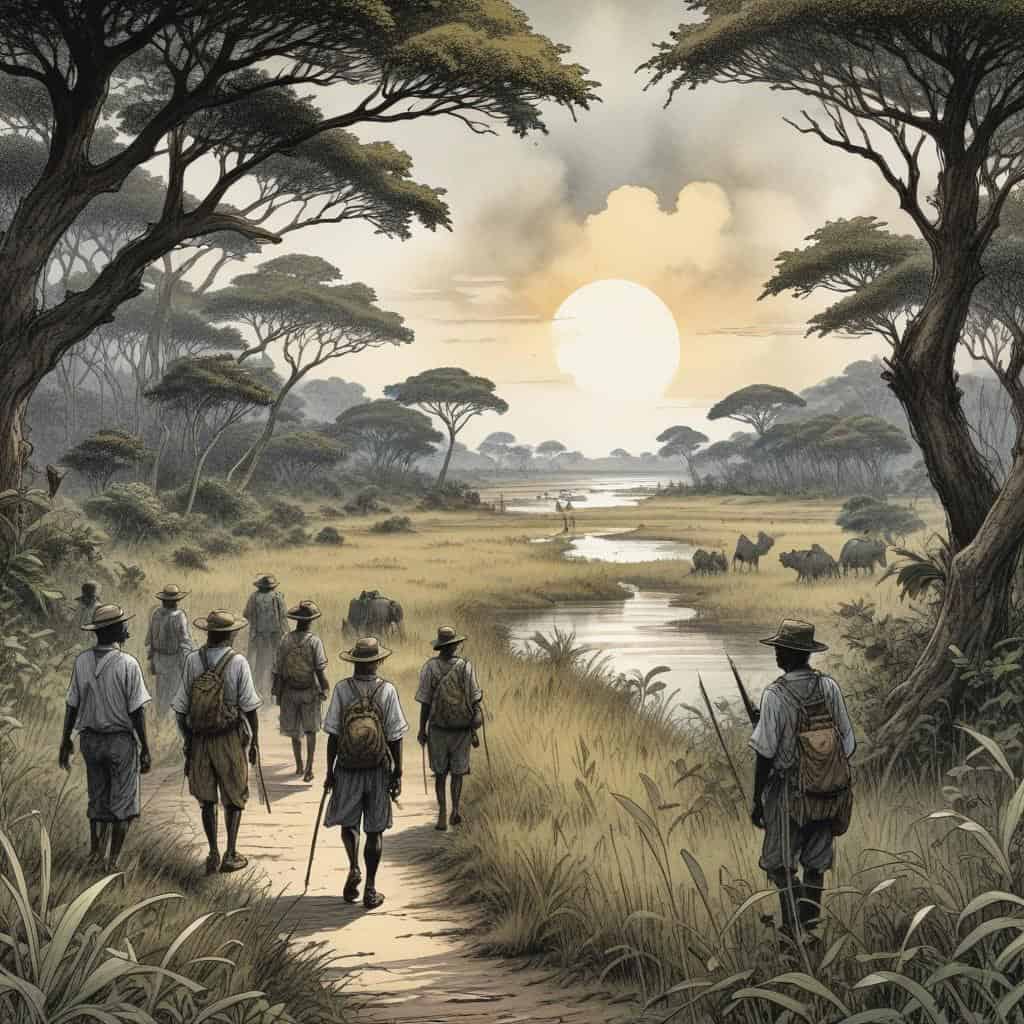
3. Queen Elizabeth National Park Tour Guides

4. Karamojong Nomadic Herders
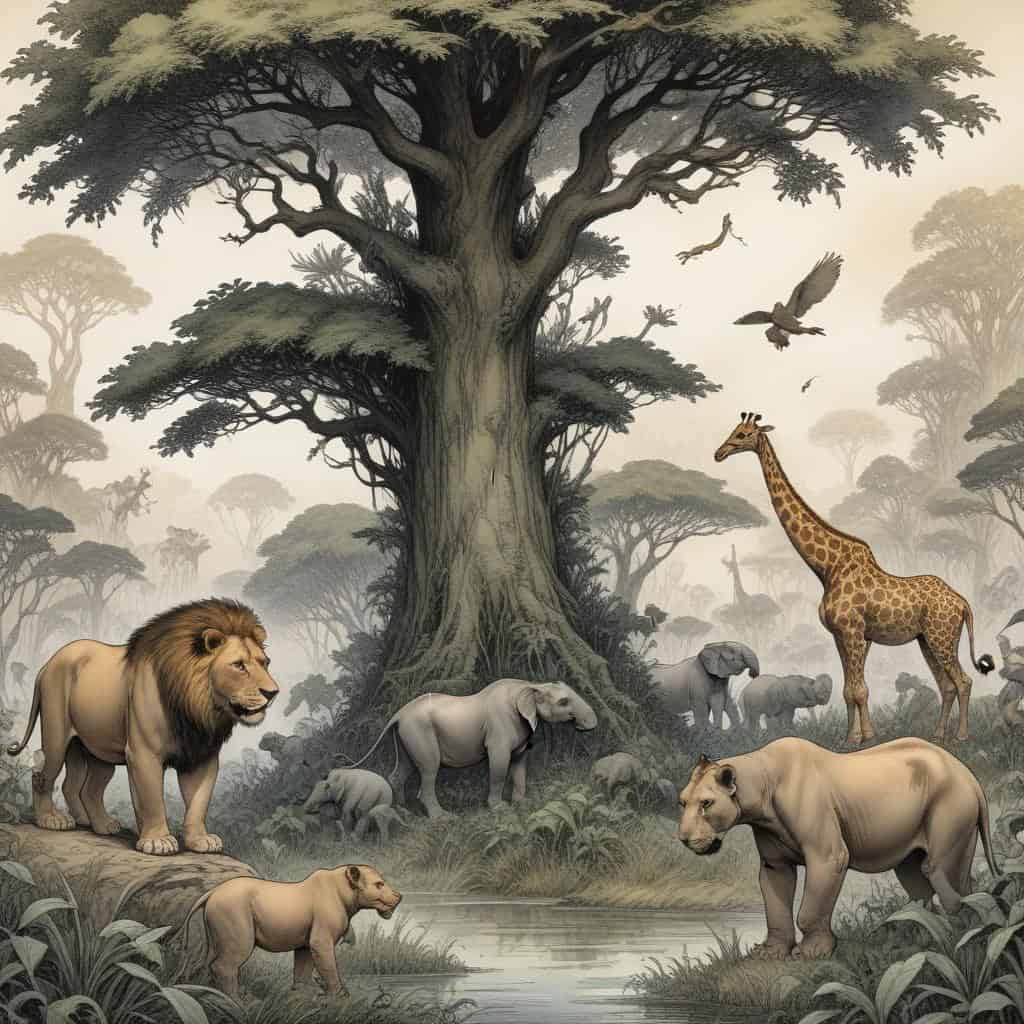
1. Breathtaking Wildlife
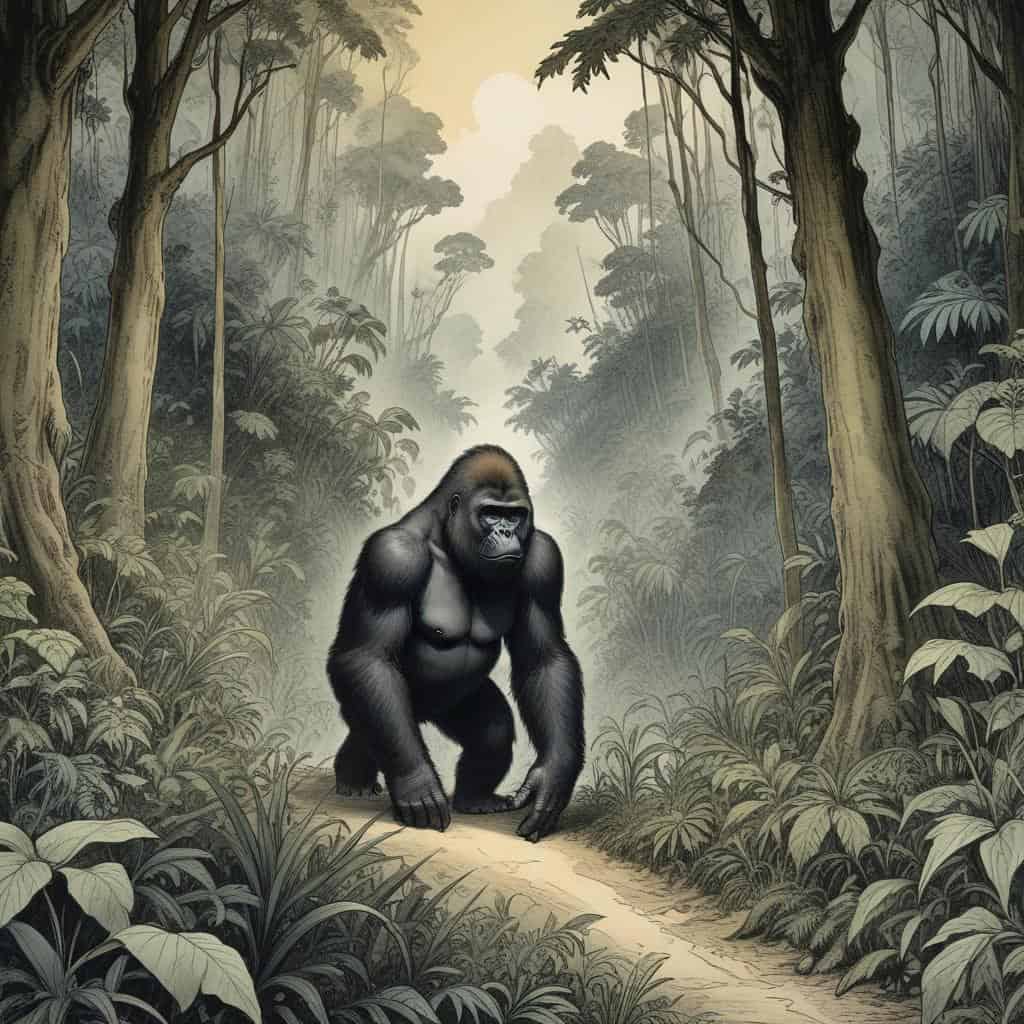
2. Gorilla Trekking
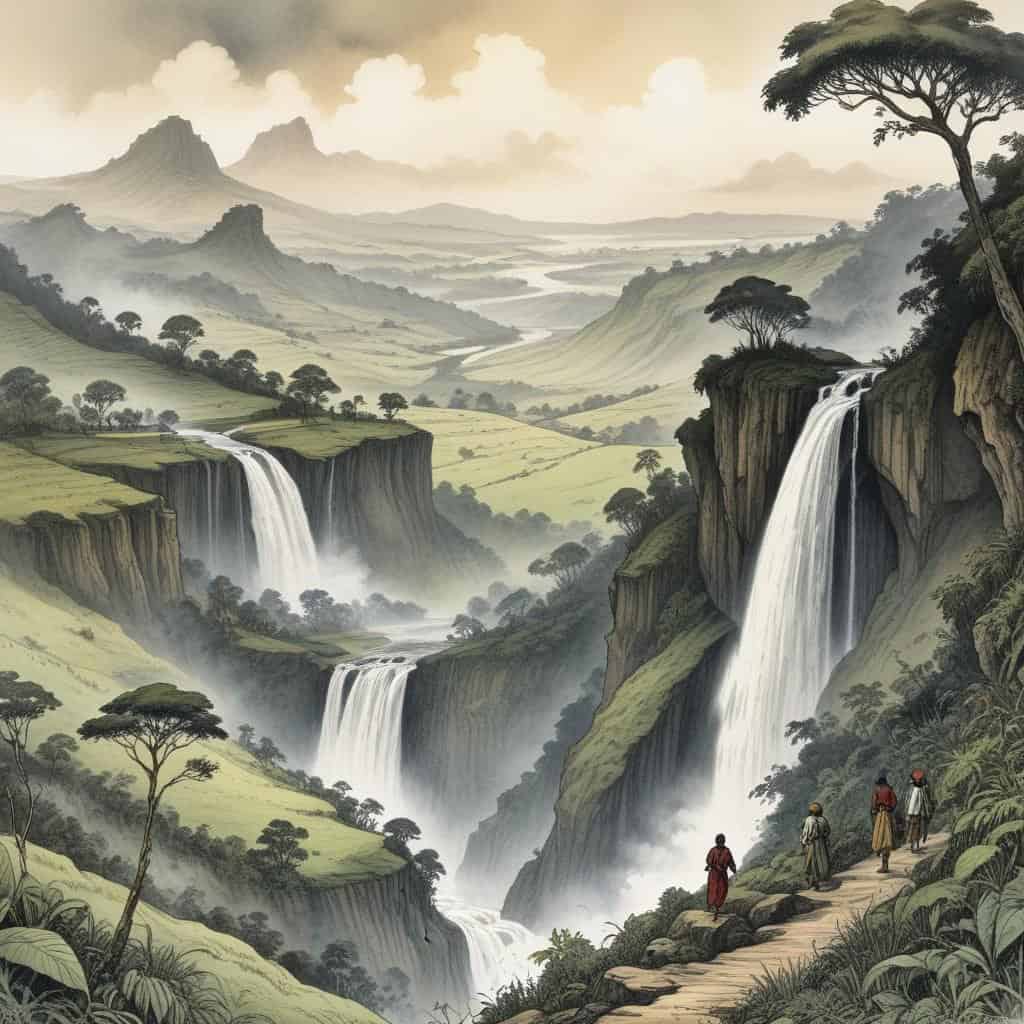
3. Beautiful Landscapes
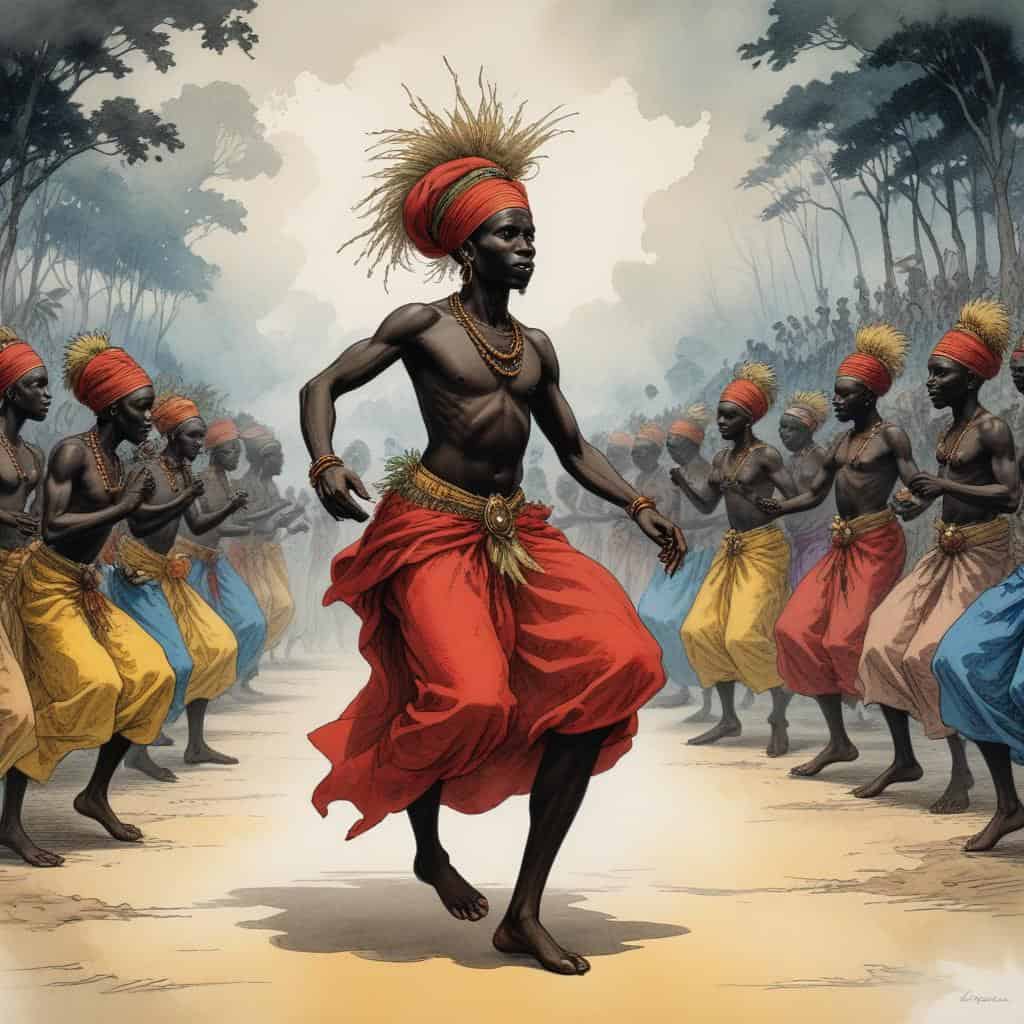
4. Vibrant Culture
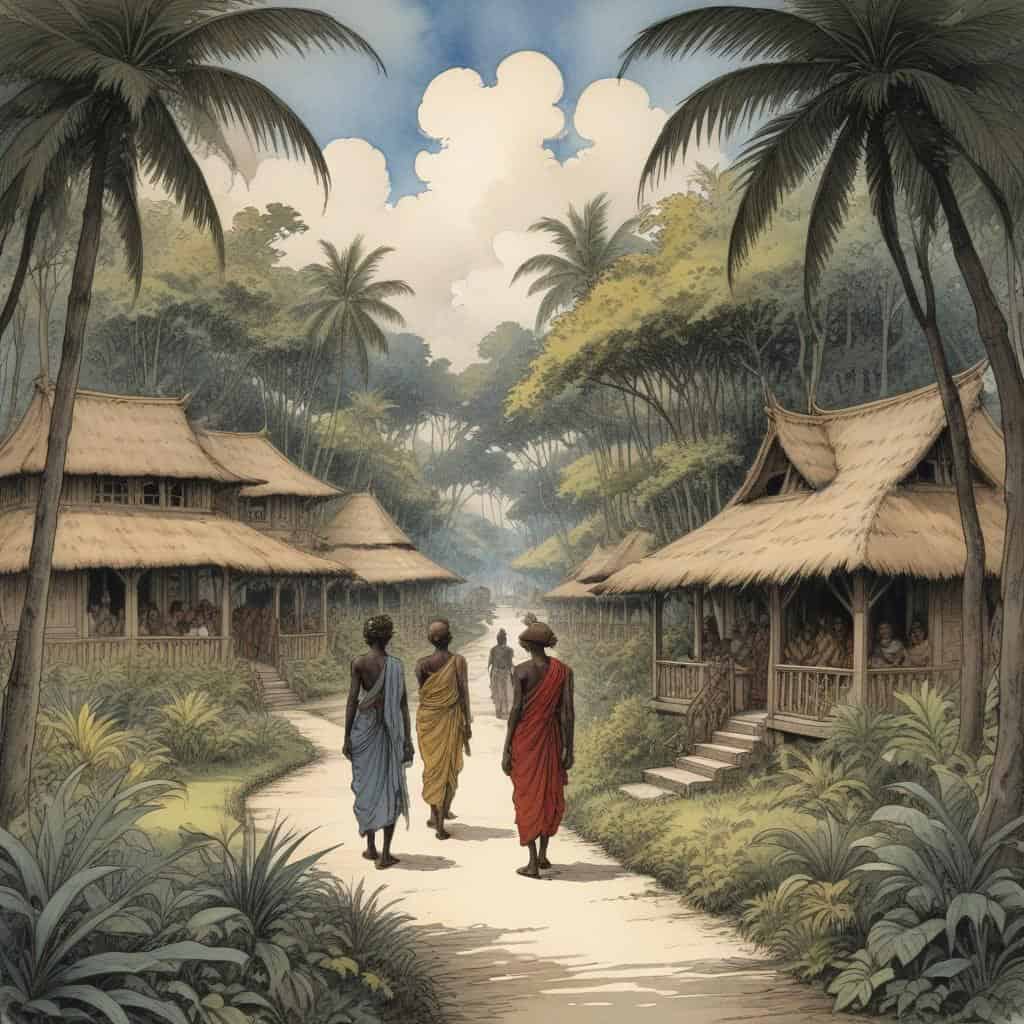
5. Warm Hospitality
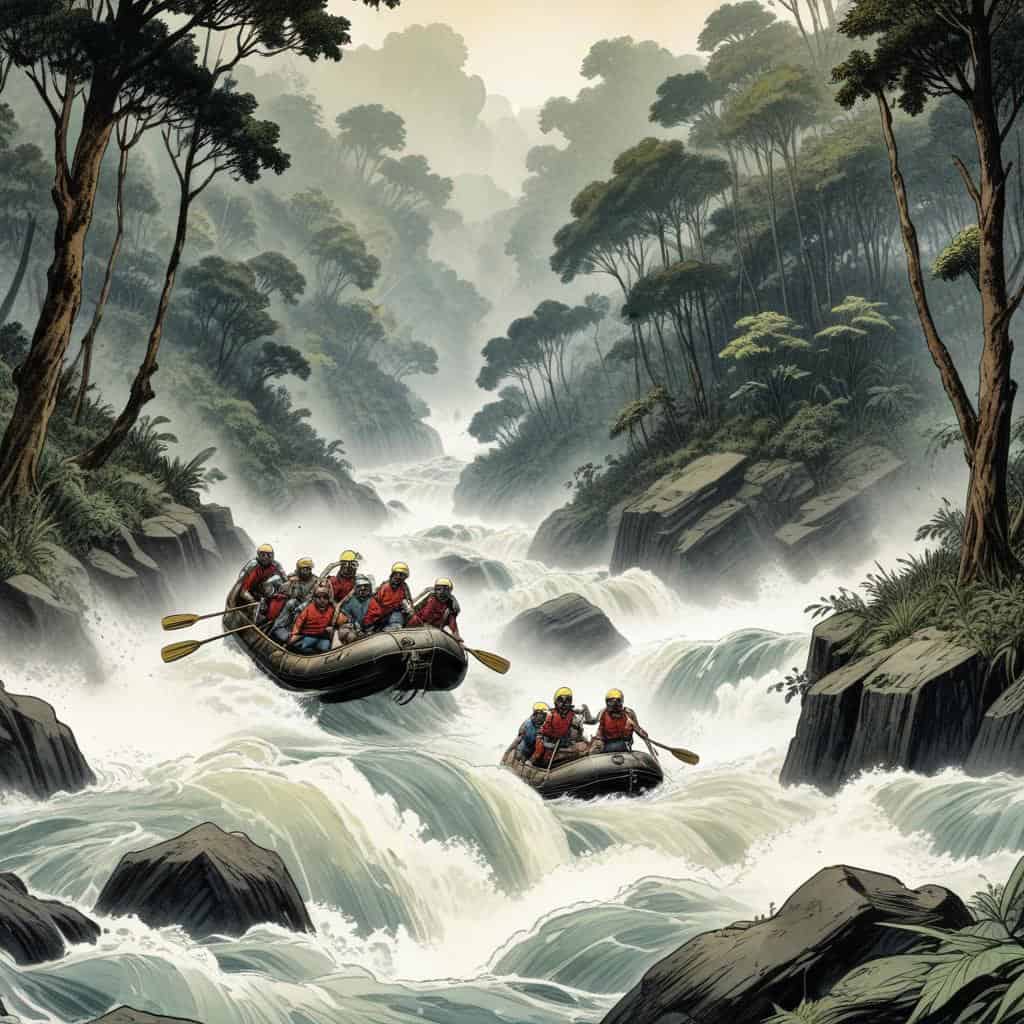
6. Adventure Activities
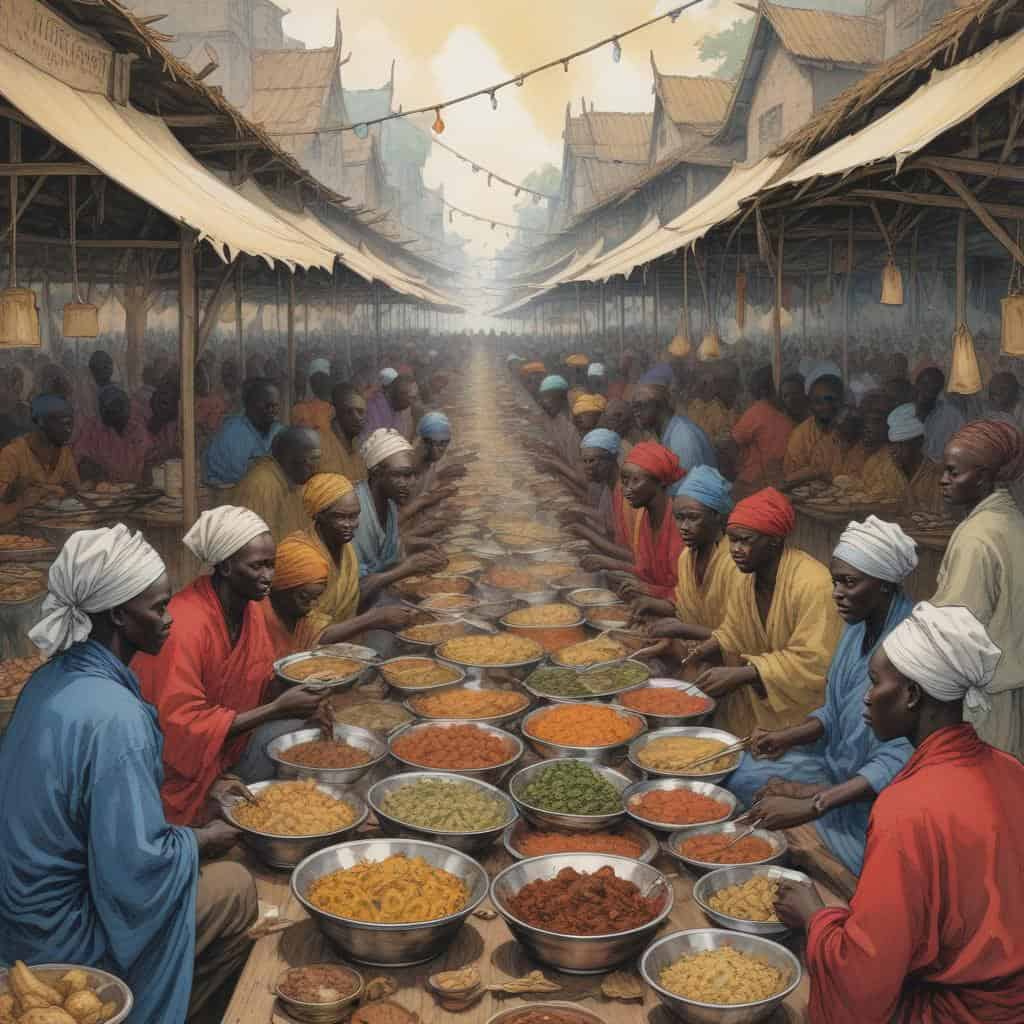
7. Delicious Cuisine
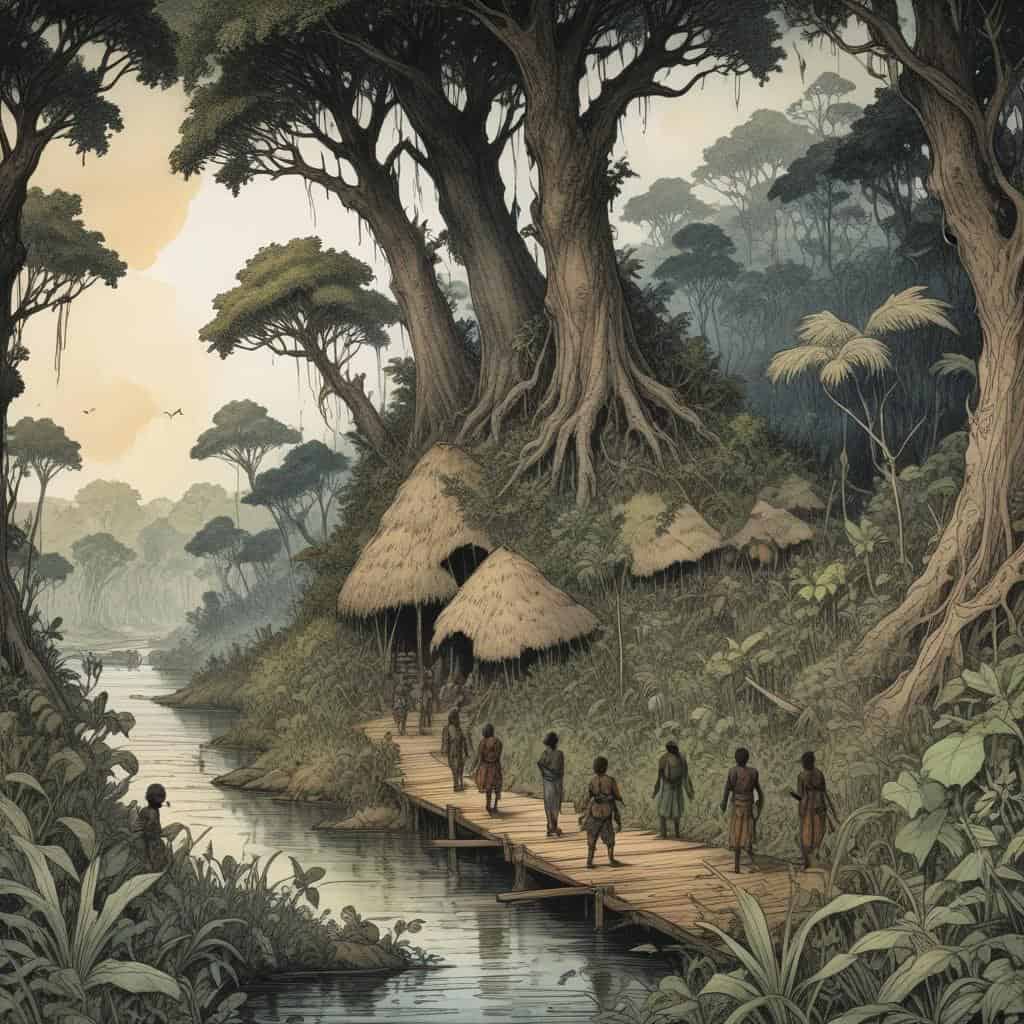
8. Eco-Tourism Initiatives
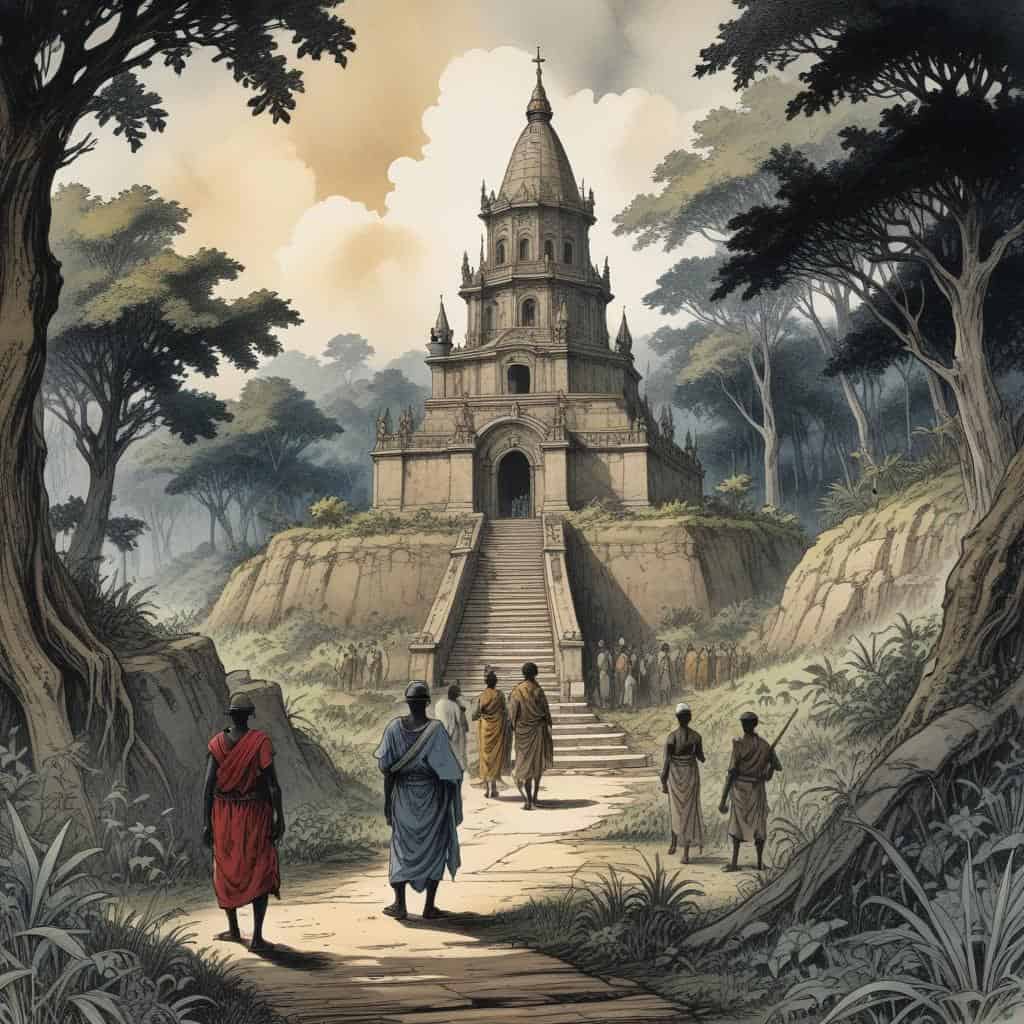
9. Historical Sites
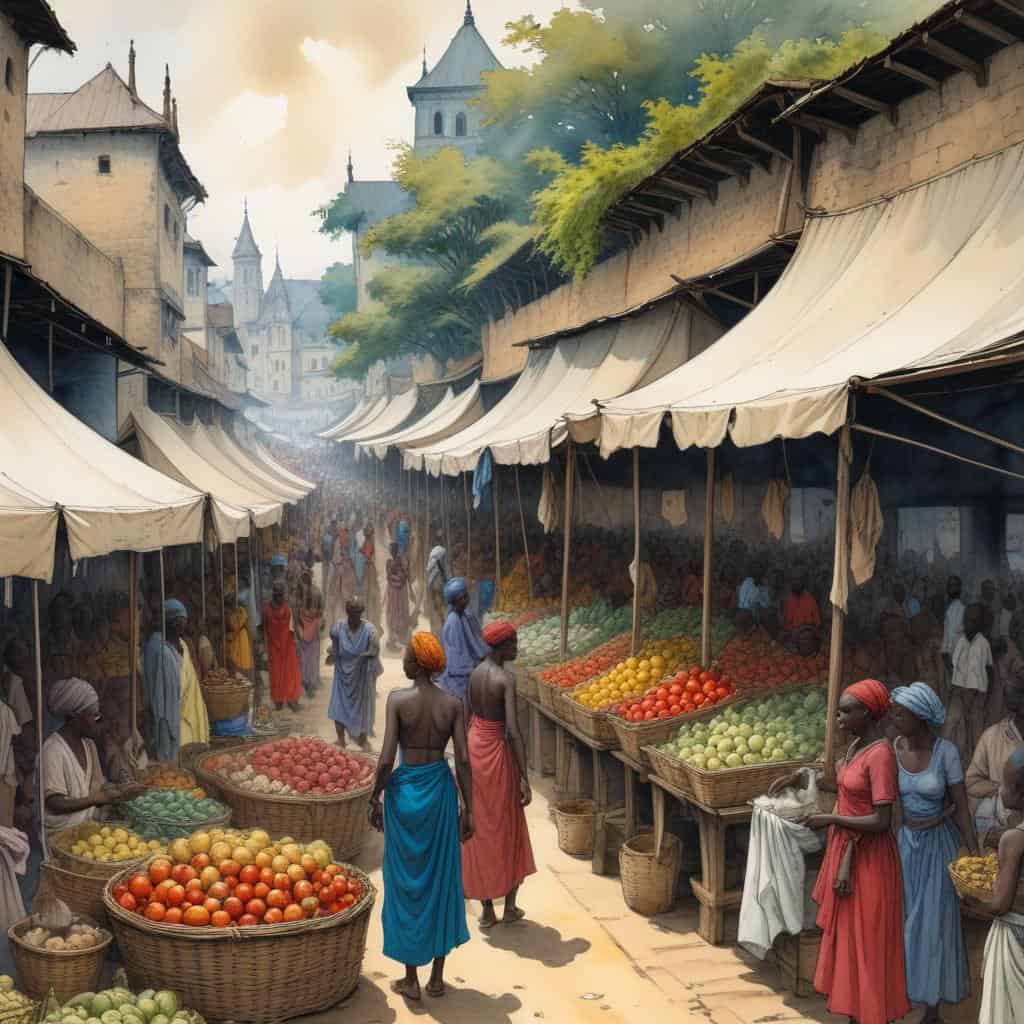
10. Vibrant Markets
Audio Library
As one of our featured lessons, this topic includes premium audio guides.
Unlock the Wizard's Cram Session
This powerful audio study guide is a Pro-exclusive feature. Upgrade to Memory Wizards Pro to access this and all of our premium learning tools.
Upgrade to ProIn a Nutshell
- Capital: Kampala
- Population: Approx. 45 million (2021)
- Official Language: English, Swahili
- Currency: Ugandan shilling (UGX)
Breaking Down the Country
Key Geography
Uganda is known for its diverse landscapes, from the snow-capped Rwenzori Mountains to the vast savannahs of Murchison Falls National Park.
Wildlife & Nature
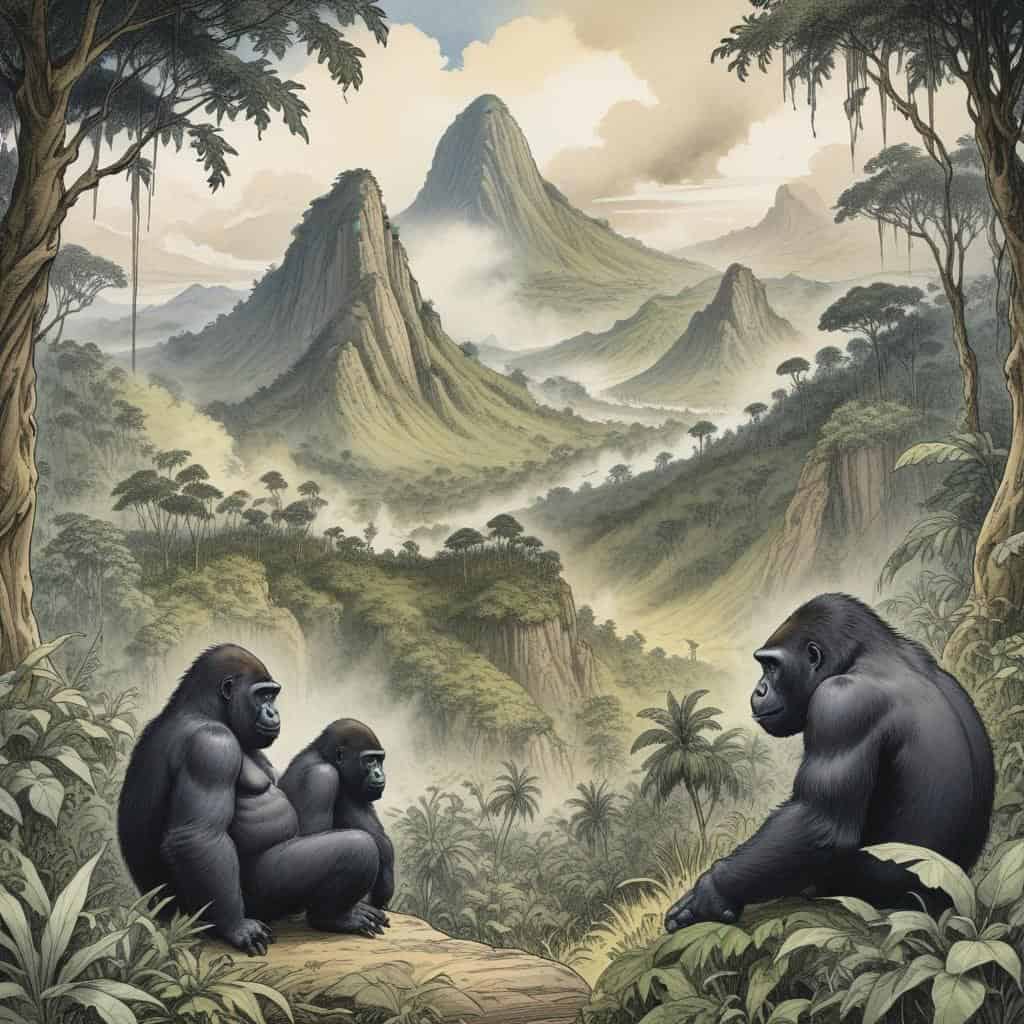
Home to the endangered mountain gorillas, Uganda offers unparalleled opportunities for wildlife viewing and eco-tourism experiences.
Cultural Heritage
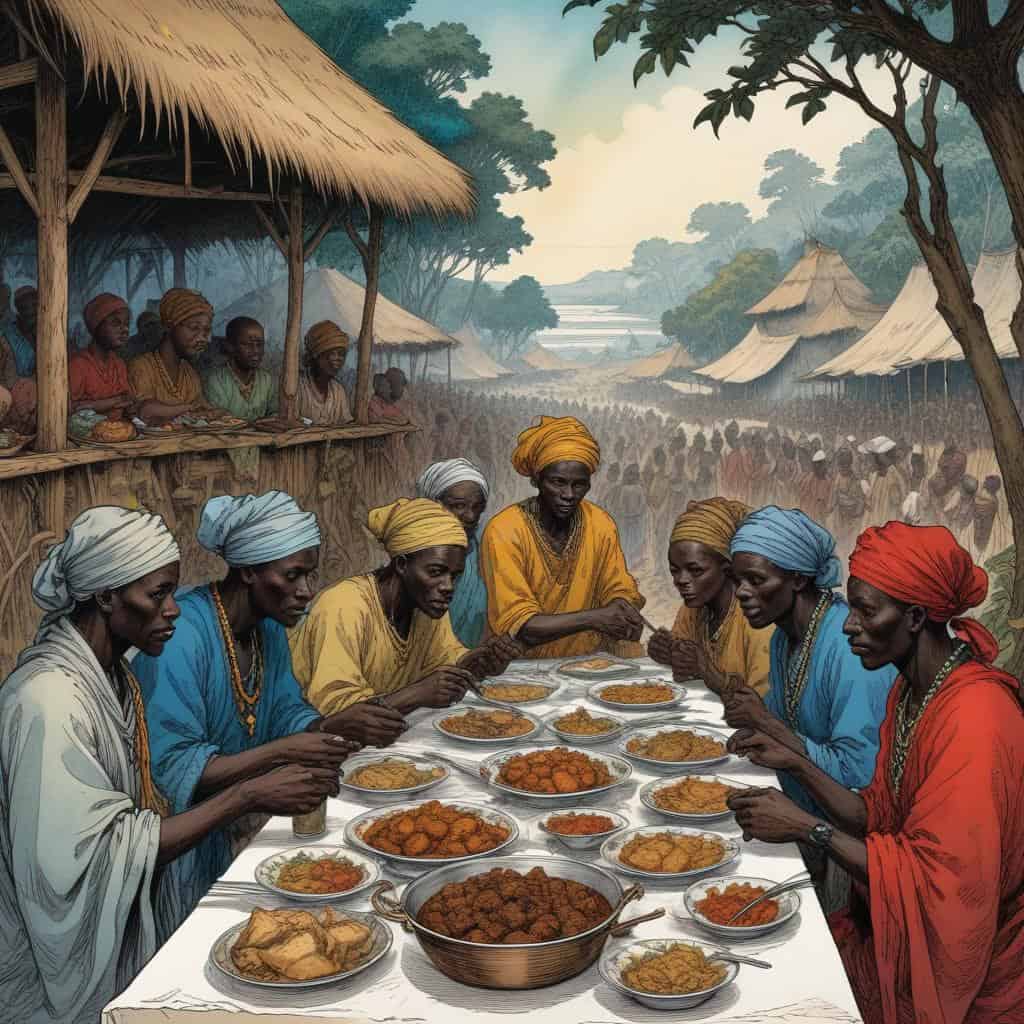
Experience the vibrant cultures of Uganda through traditional dances, music, crafts, and festivals that showcase the country's rich heritage.
Timeline of Uganda
Formation of Lake Victoria
Bantu migration into Uganda
Arrival of Arab traders on the East African coast
Kingdom of Buganda established
European explorers reach Uganda
British East Africa Company establishes presence in Uganda
Uganda becomes a British protectorate
Construction of the Uganda Railway begins
Uganda becomes independent from Britain
Idi Amin seizes power in a military coup
Uganda-Tanzania War
End of Idi Amin's regime
Museveni comes to power after a guerrilla war
Rwandan genocide leads to influx of refugees into Uganda
LRA insurgency in Northern Uganda
Uganda's first multi-party elections in decades
Discovery of oil reserves in Uganda
Passing of the Anti-Homosexuality Act
Opening of the Kampala-Entebbe Expressway
COVID-19 pandemic reaches Uganda
Vocabulary List
- Savanna
- The savanna landscape in Uganda is characterized by vast grasslands and scattered trees.
- Rift Valley
- Uganda's landscape includes the stunning Rift Valley, a geological feature formed by the shifting of tectonic plates.
- Plateau
- The western region of Uganda is dominated by a plateau landscape, with rolling hills and fertile valleys.
- Crater Lakes
- Uganda is home to numerous crater lakes, formed by volcanic activity and providing stunning scenery for visitors.
- Rainforest
- The southwestern part of Uganda is covered in lush rainforests, home to a rich diversity of plant and animal species.
Key Facts
This is the information used in the fact matching game
- Uganda is known as the 'Pearl of Africa' due to its stunning landscapes and natural beauty.
- Uganda is home to the Rwenzori Mountains, also known as the 'Mountains of the Moon', which are the highest mountain range in Africa.
- The country is located on the East African plateau, which is surrounded by mountains and valleys.
- Uganda has a diverse range of landscapes, including savannas, rainforests, mountains, and lakes.
- Queen Elizabeth National Park in Uganda is home to diverse wildlife, including elephants, lions, and hippos.
- The country is bisected by the Equator, with the southern hemisphere in the south and the northern hemisphere in the north.
- Lake Victoria, the largest lake in Africa and the second largest freshwater lake in the world, is located in Uganda.
- Uganda has over 50 protected areas, including national parks, game reserves, and forest reserves.
- The country is known for its lush green landscapes and fertile soil, making it ideal for agriculture.
- Bwindi Impenetrable National Park in Uganda is home to almost half of the world's population of mountain gorillas.
- The Kidepo Valley National Park in Uganda is one of the most remote and least visited national parks in the country.
- Uganda is located in the African Great Lakes region, which is known for its stunning landscapes and biodiversity.
- The country has over 1000 species of birds, making it a popular destination for birdwatchers.
- Uganda has a tropical climate, with temperatures ranging from 25-29 degrees Celsius throughout the year.
- The Nile River, the longest river in the world, starts in Uganda at Lake Victoria.
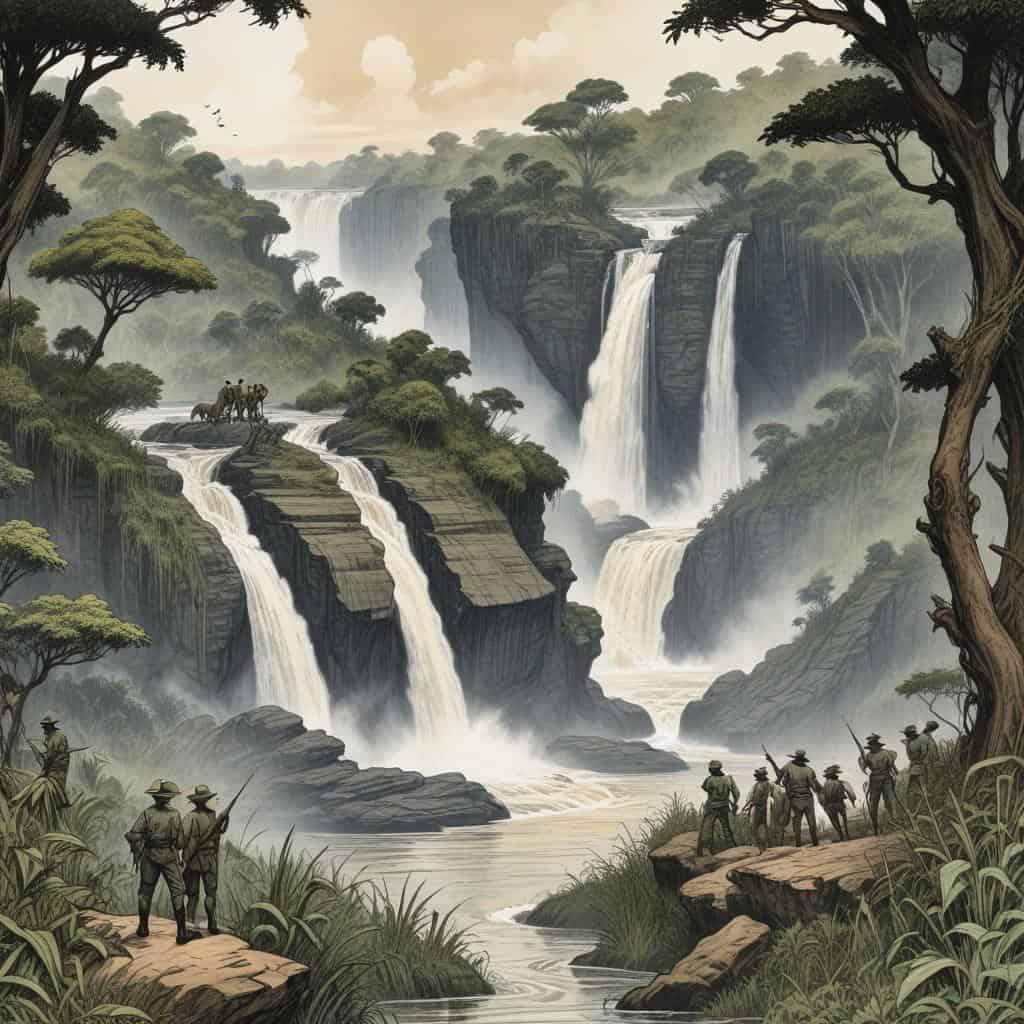
- Murchison Falls National Park in Uganda is home to the powerful Murchison Falls, where the Nile River forces its way through a narrow gorge.
- Uganda's landscape is dotted with numerous crater lakes, formed by volcanic activity thousands of years ago.
- The country has over 10 national parks, showcasing its diverse landscapes and wildlife.
- The Semliki Valley in Uganda is part of the Albertine Rift, a region known for its unique landscapes and biodiversity.
- Uganda is known for its stunning sunsets and sunrises, especially over the savannas and lakes.
Why It Matters
Geopolitical Significance
Uganda’s location in East Africa makes it a key player in regional politics and trade. Its borders touch multiple countries, including South Sudan, Kenya, and Tanzania, giving it influence over issues such as security and economic cooperation in the Great Lakes region.
Historical Importance
Uganda has a rich history dating back to ancient kingdoms like Buganda and Bunyoro. The arrival of European colonizers in the 19th century left a lasting impact on the country, leading to independence struggles and shaping its diverse cultural heritage.
Modern-Day Role
Today, Uganda plays a crucial role in peacekeeping efforts in Africa and hosts a large refugee population. Its growing economy, driven by sectors like agriculture and tourism, positions it as an emerging player in the global market.
Uganda Games


Take Your Learning Offline
Want a convenient, print-ready study guide for this lesson? Become a Memory Wizards Pro member to unlock the downloadable " Memory Scrolls" for this topic and our entire library!
- ✓ Complete Vocabulary Lists
- ✓ Key Facts & Timelines
- ✓ Beautifully Formatted for Print & Mobile