
How Do You Learn Best?
Learn by Listening
Start with the 3-minute audio summary to get the key facts and narrative highlights quickly.
Learn by Reading
Immerse yourself in the 10-minute visual lesson for a comprehensive understanding of the topic.
Learn by Reviewing
Jump directly to the key facts, timeline, and vocabulary lists to build a solid foundation of details.
Learn by Doing
Challenge yourself! Jump straight into the interactive games to learn by trial, error, and discovery.
Togo in 10 Minutes
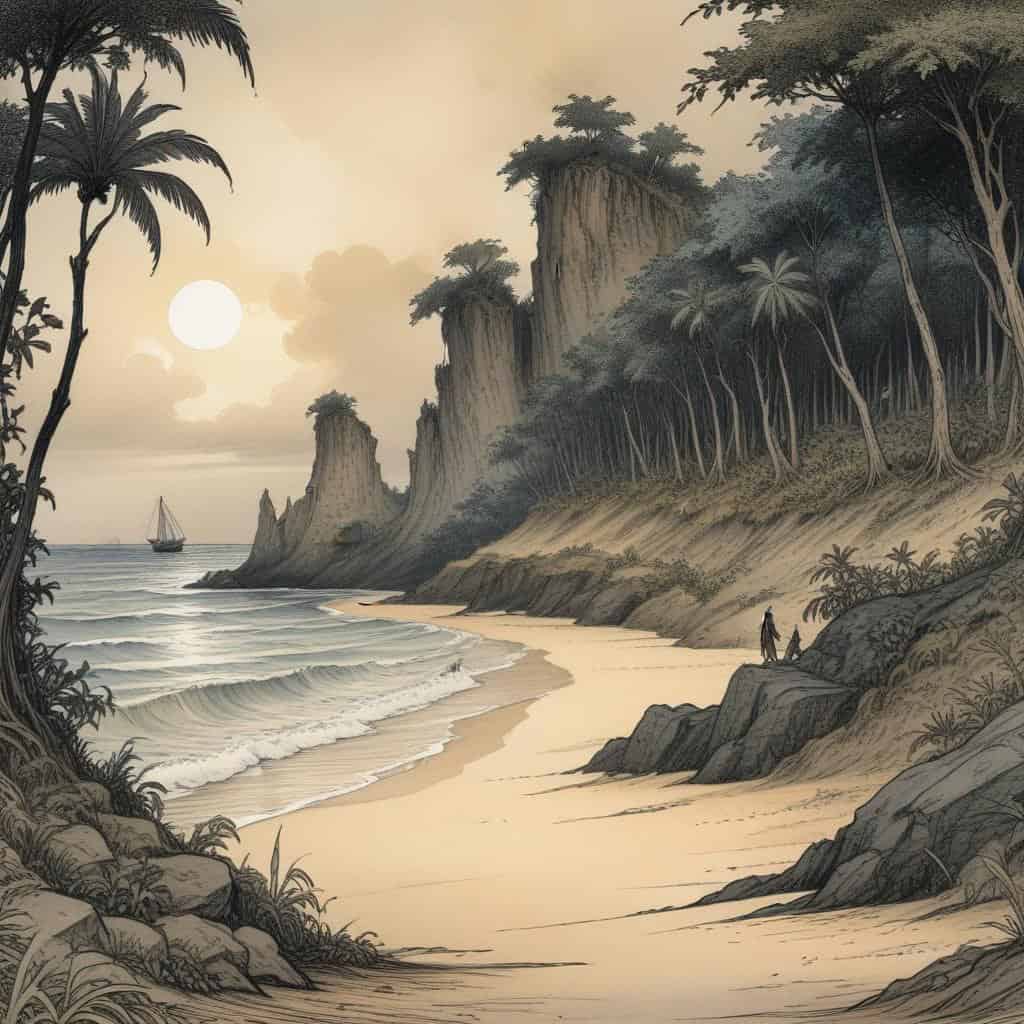
Introduction

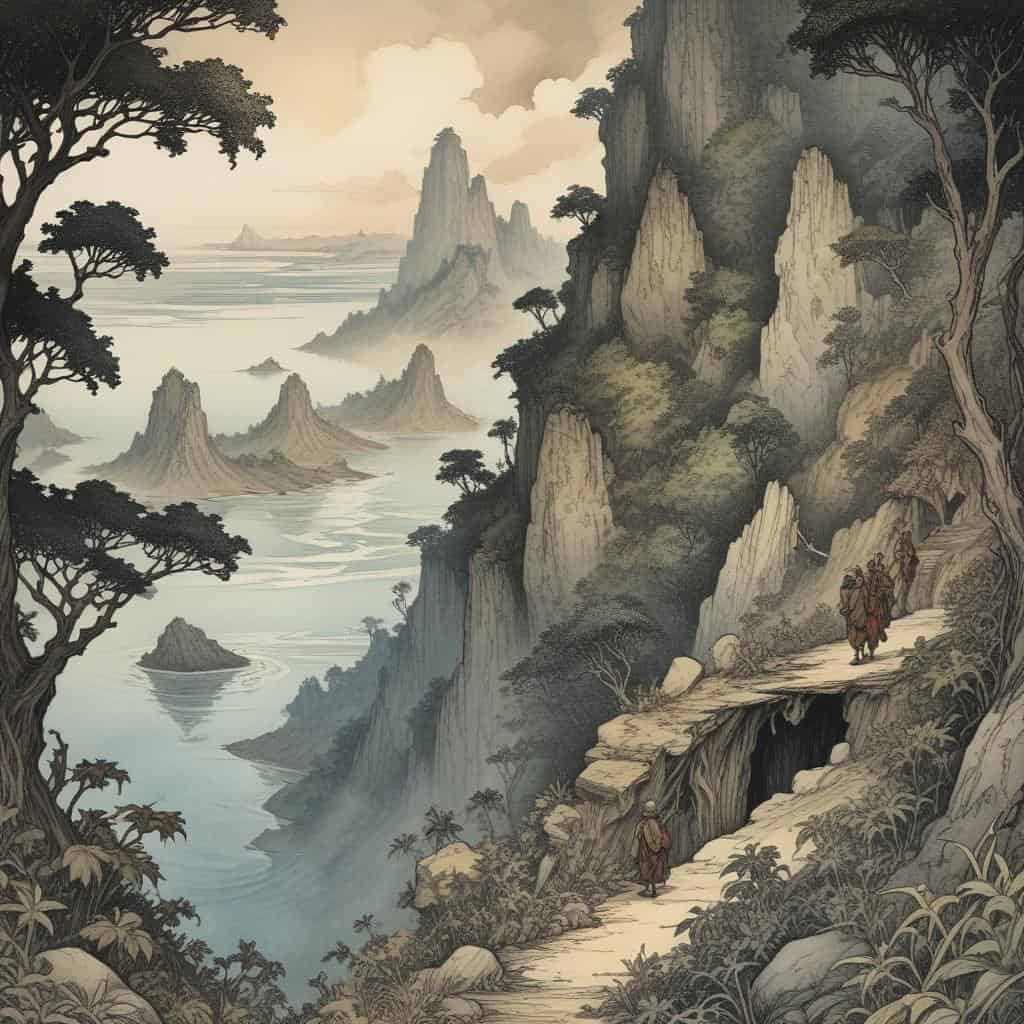

1. Togoan Farmers
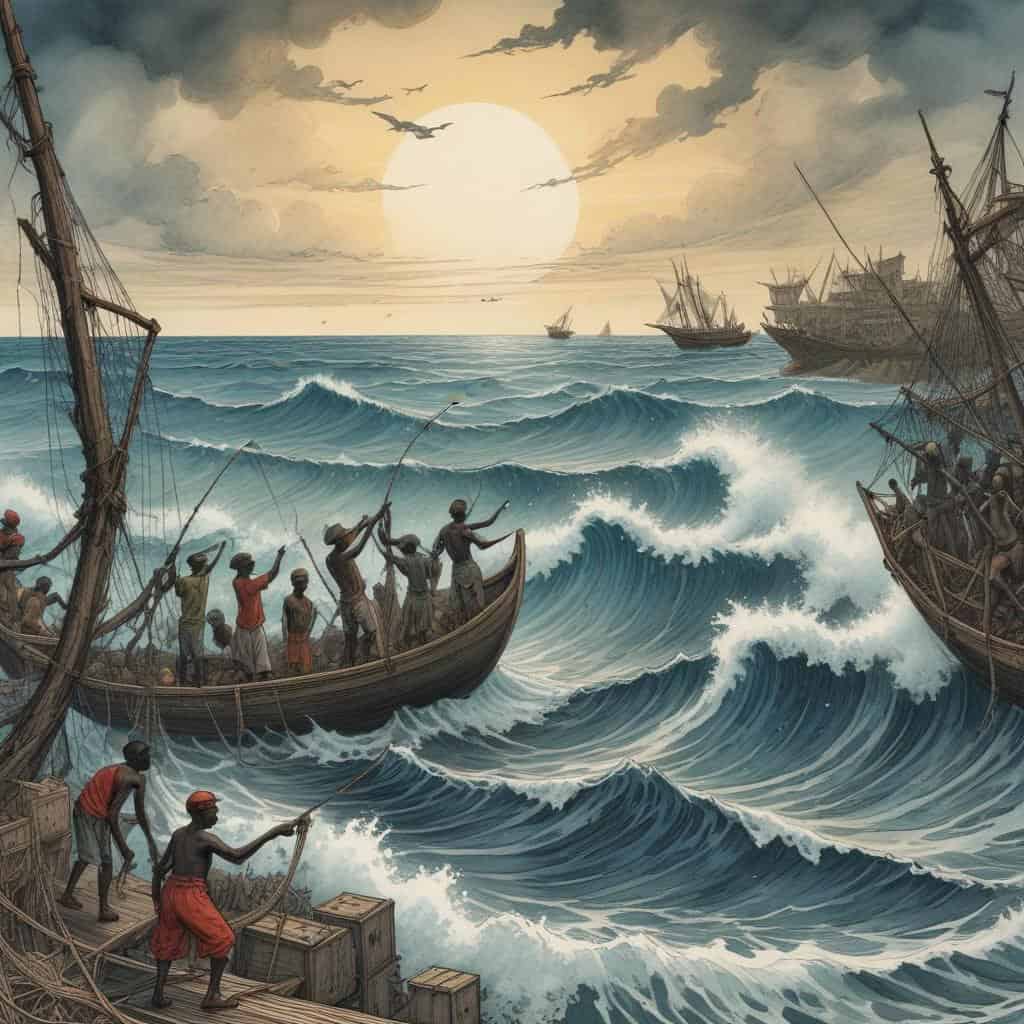
2. Togolese Fishermen
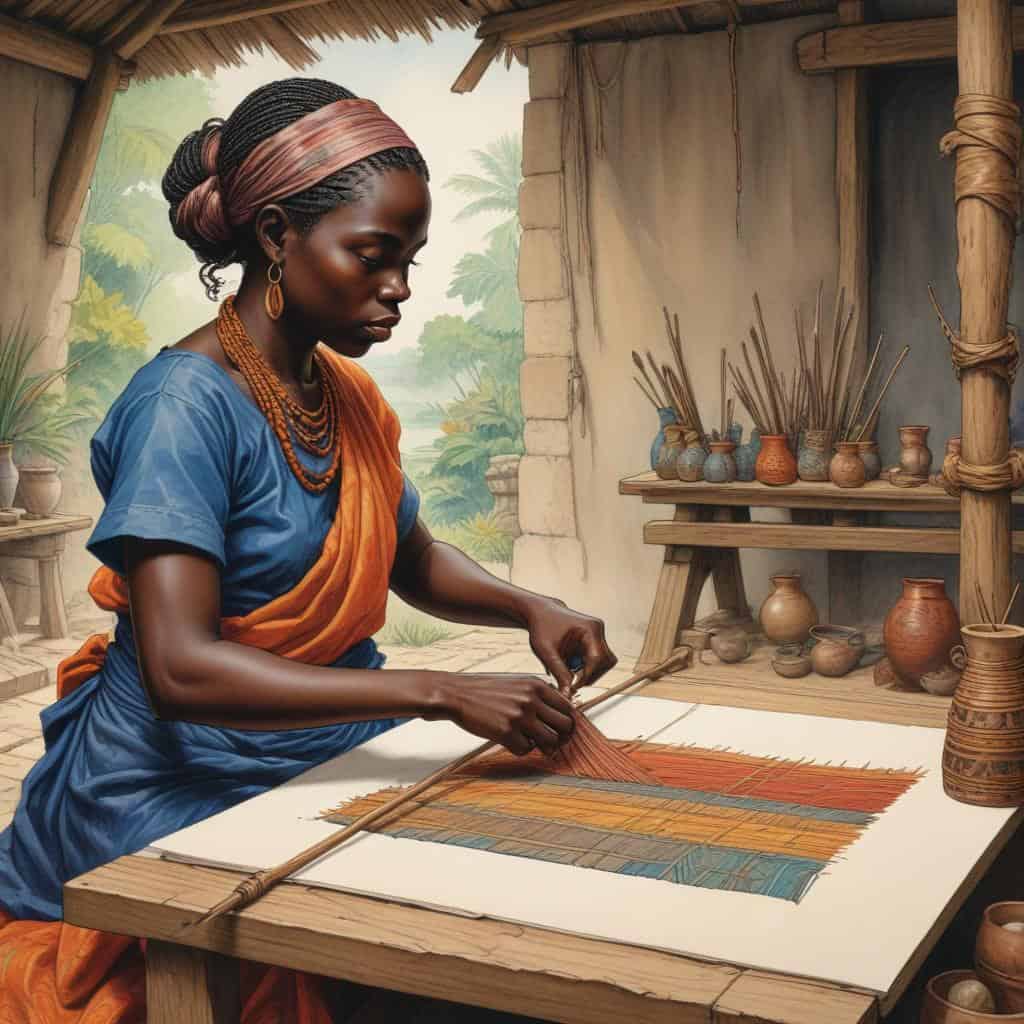
3. Togoan Artists

4. Togolese Guides

5. Togoan Wildlife Conservationists

1. Lush Landscapes

2. Historical Sites
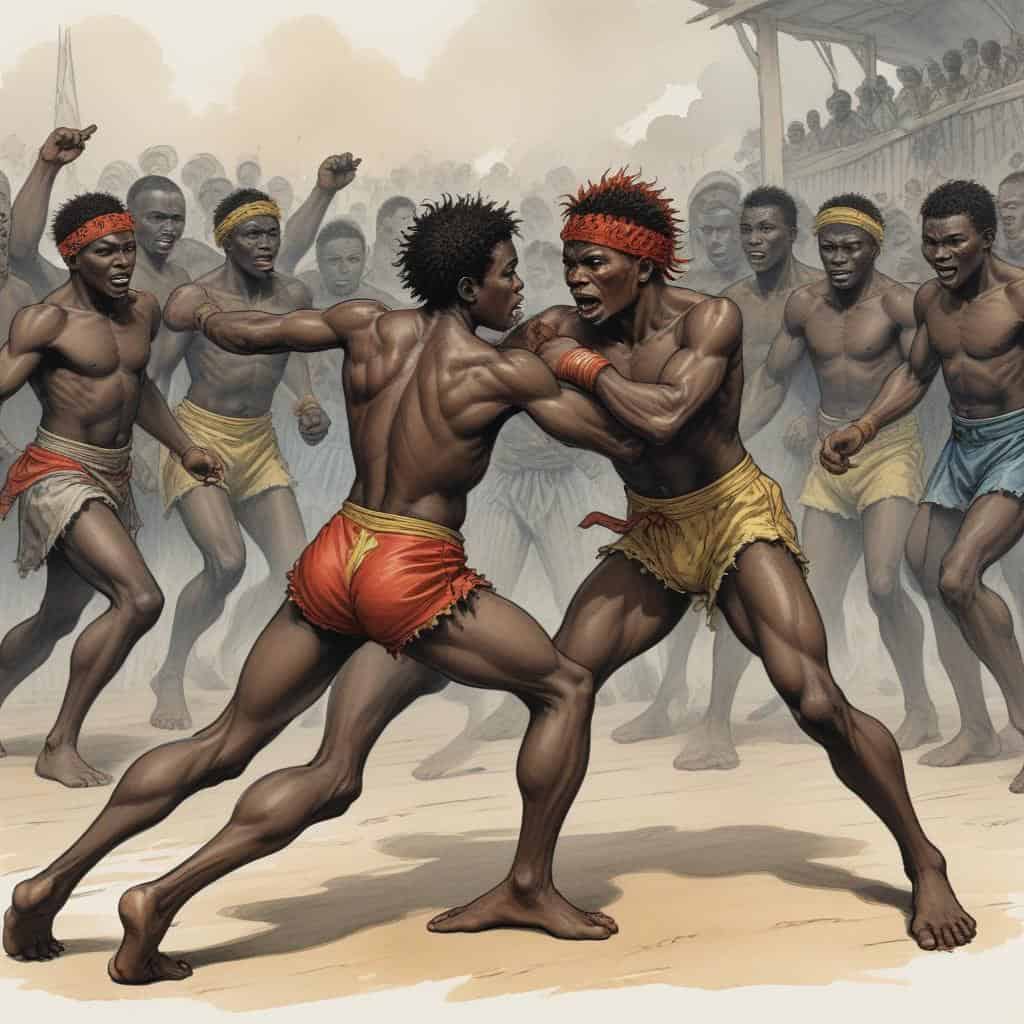
3. Vibrant Culture

4. Local Cuisine
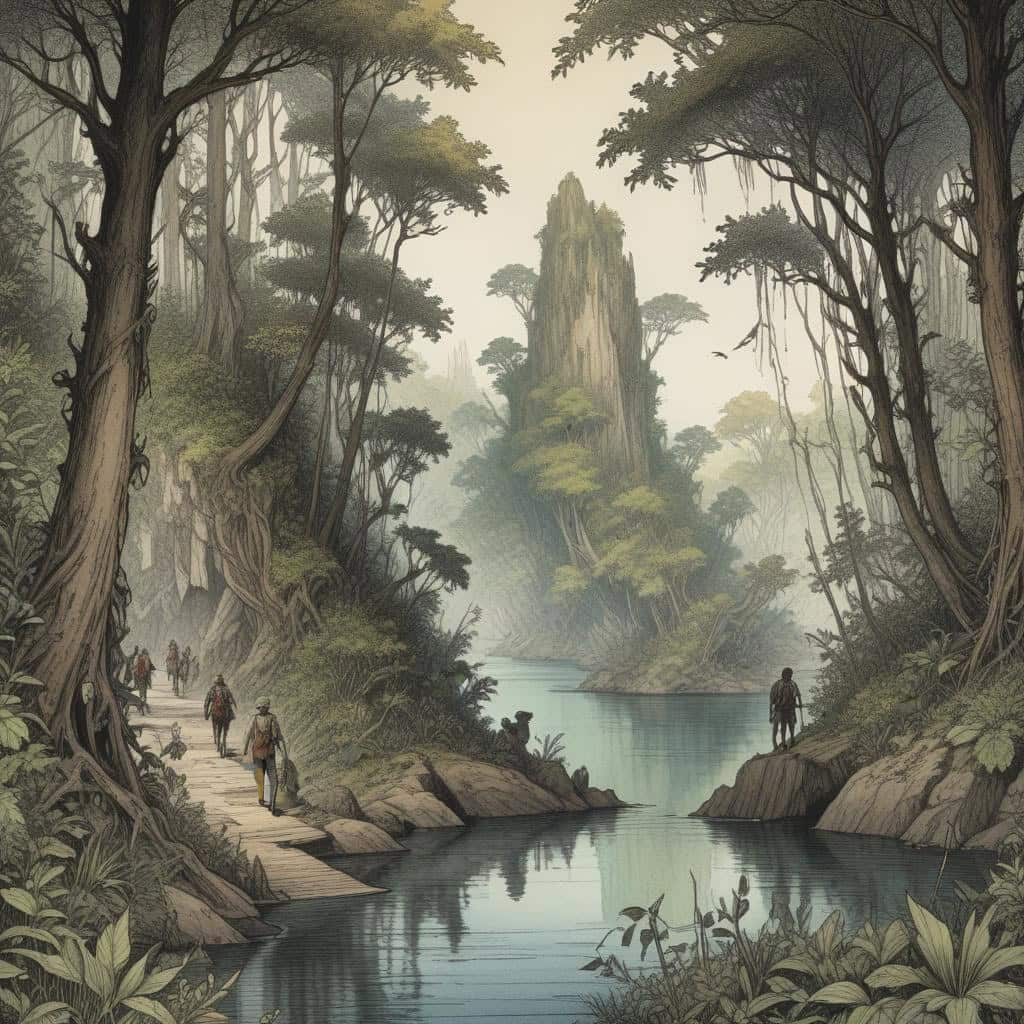
5. Outdoor Adventures
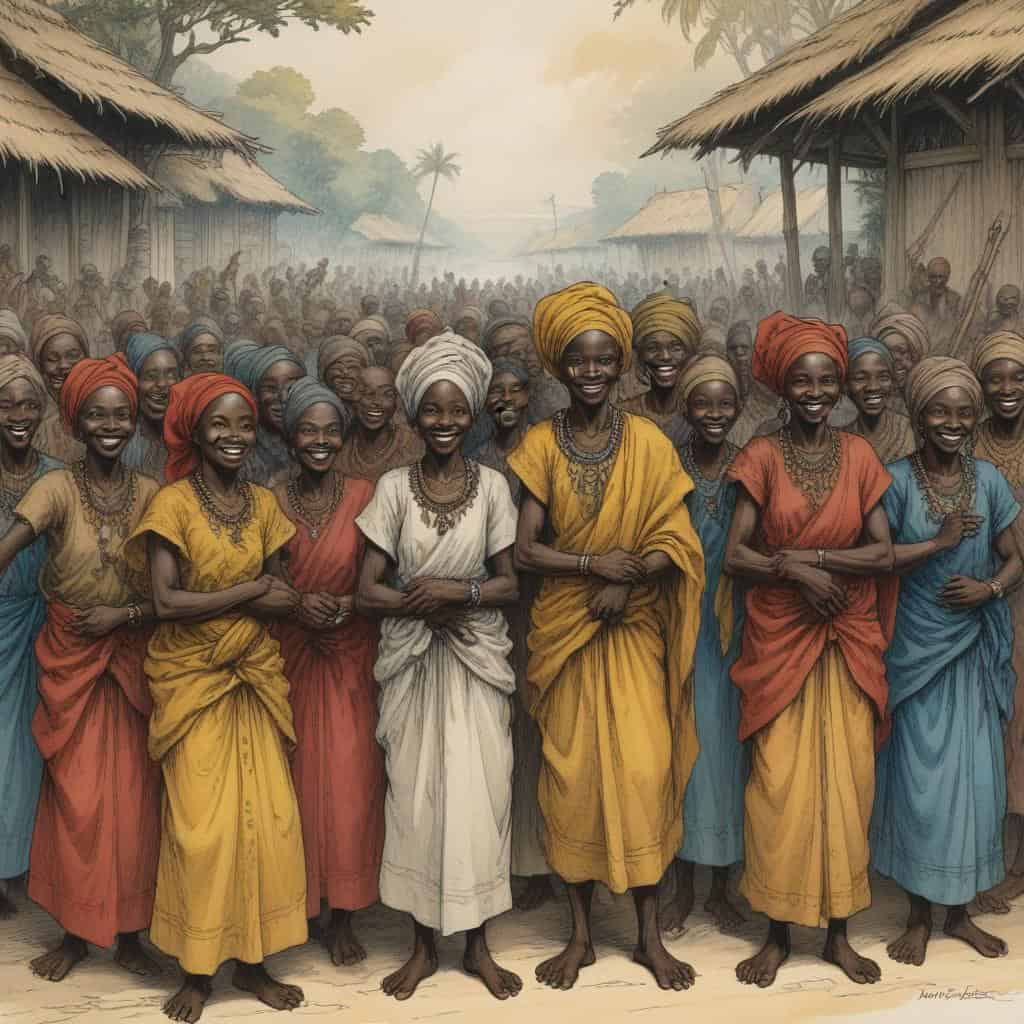
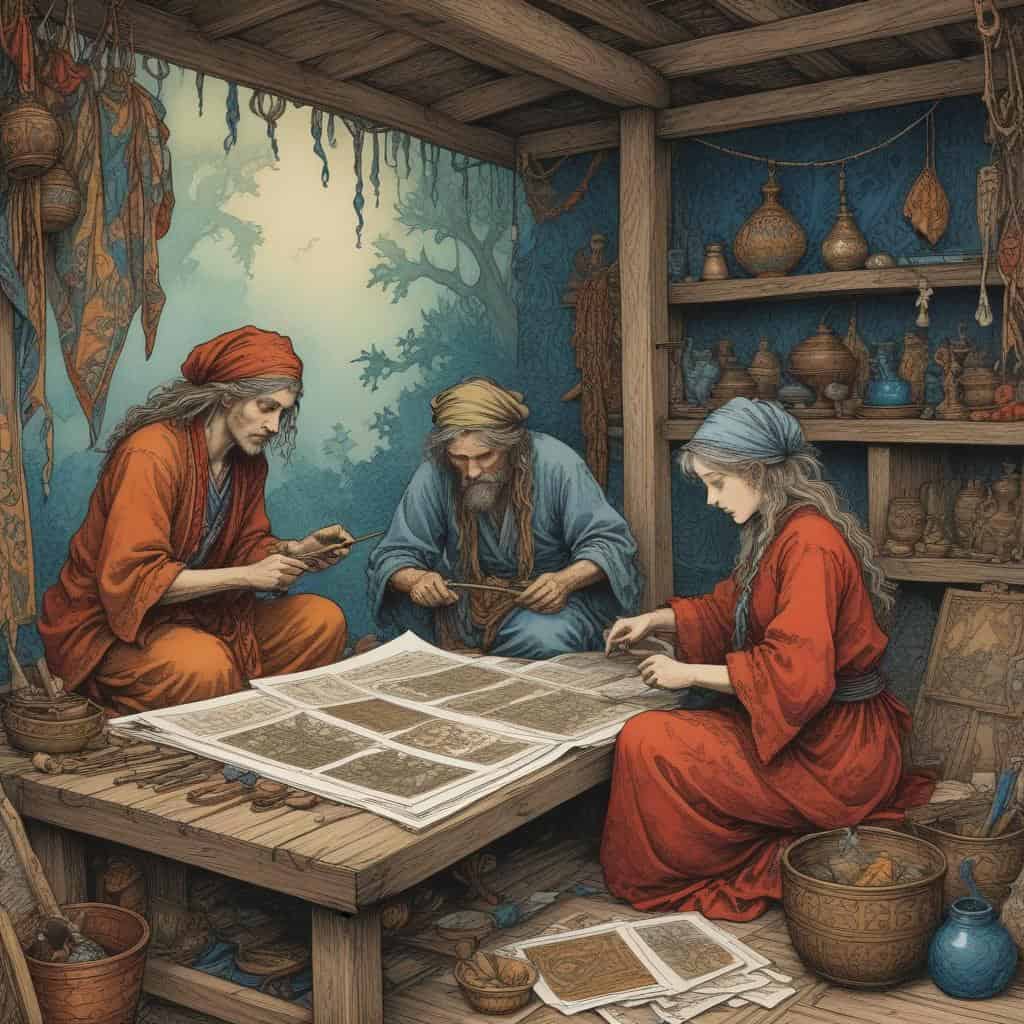
7. Arts and Crafts

8. Eco-Tourism Opportunities

9. Festive Atmosphere

10. Unforgettable Memories
Audio Library
As one of our featured lessons, this topic includes premium audio guides.
Unlock the Wizard's Cram Session
This powerful audio study guide is a Pro-exclusive feature. Upgrade to Memory Wizards Pro to access this and all of our premium learning tools.
Upgrade to ProIn a Nutshell
- Capital: Lomé
- Population: Approx. 8.6 million (2021)
- Official Language: French
- Currency: West African CFA franc (XOF)
Breaking Down the Country
Capital City
Lomé serves as the administrative, financial, and industrial heart of Togo, offering a blend of European and African cultures.
Vibrant Markets
Explore the bustling markets of Togo, such as the Grand Market in Lomé, to experience the lively atmosphere and unique local products.
Cultural Diversity
Discover the diverse ethnic groups and traditions that make up Togo's rich cultural tapestry, from the Ewe and Mina to the Kabye and Cotocoli.
Timeline of Togo
Togo is colonized by Germany
Togo becomes a French mandate territory after World War I
Togolese people begin to agitate for independence
Unrest and protests lead to the assassination of President Sylvanus Olympio
Military coup led by Gnassingbé Eyadéma takes place
Eyadéma becomes president and rules for over 30 years
Togo transitions to multi-party democracy
Violence erupts after disputed elections
Faure Gnassingbé, son of Eyadéma, becomes president
Discovery of oil offshore leads to economic growth
Togo celebrates 50 years of independence
Protests against the government erupt across the country
Togo hosts the Africa-Israel Summit
COVID-19 pandemic impacts Togo's economy and healthcare system
Togo receives international aid for COVID-19 response
Togo begins vaccination campaign against COVID-19
Togo launches National Development Plan for 2021-2025
Togo experiences economic growth and infrastructure development
Togo celebrates 60 years of independence
Togo continues to work towards sustainable development and social progress
Vocabulary List
- Savanna
- The savanna landscape in Togo is characterized by vast grasslands and scattered trees.
- Plateau
- The central part of Togo features a plateau landscape with flat-topped hills and valleys.
- Mangrove
- The coastal areas of Togo are dotted with mangrove forests, providing important habitats for various species.
- Volcano
- Mount Agou is the highest peak in Togo and is believed to be an extinct volcano.
- Rural
- Many Togolese people live in rural areas, surrounded by the country's diverse landscapes.
Key Facts
This is the information used in the fact matching game
- Togo is a small West African country bordered by Ghana, Benin, and Burkina Faso.
- The landscape of Togo is characterized by hills, plateaus, and valleys.
- The highest point in Togo is Mount Agou, which stands at 986 meters (3,235 feet) above sea level.
- Togo has a tropical climate, with a rainy season from April to July and a dry season from November to February.
- The country is home to several national parks and reserves, including Fazao-Malfakassa National Park and Keran National Park.
- Togo is known for its diverse wildlife, including elephants, hippos, and various species of monkeys and birds.
- The Mono River, which forms part of the border between Togo and Benin, is an important waterway in the region.
- The coastline of Togo is relatively short, stretching for just 56 kilometers (35 miles) along the Gulf of Guinea.
- The capital city of Togo, Lomé, is located on the Gulf of Guinea and is known for its bustling markets and colonial architecture.
- The Volta River, which flows through Togo, is an important source of water and hydroelectric power for the country.
- Togo is a predominantly rural country, with agriculture being the main source of income for much of the population.
- The landscape of Togo includes savannas, forests, and coastal plains, providing a diverse range of habitats for plants and animals.
- The country is prone to natural disasters such as flooding and landslides, particularly during the rainy season.
- Togo is home to several ethnic groups, each with its own traditions and cultural practices related to the landscape and natural environment.
- The landscape of Togo plays a significant role in the country's economy, providing resources such as timber, minerals, and agricultural land.
- Togo is part of the Dahomey Gap, a corridor of savanna that separates the forested regions of West Africa.
- The country has a diverse range of plant species, including palm trees, baobabs, and mangroves along the coast.
- The landscape of Togo has been shaped by human activity over centuries, including deforestation, agriculture, and urbanization.
- Togo is working to address environmental challenges such as deforestation and soil erosion through conservation efforts and sustainable land management practices.
- The landscape of Togo is a key part of the country's identity and heritage, with traditional beliefs and practices often centered around the natural environment.
Why It Matters
Geopolitical Significance
Togo’s location on the Gulf of Guinea in West Africa gives it strategic importance for trade and maritime activities. It borders Ghana, Benin, and Burkina Faso, making it a key player in regional politics and economic partnerships.
Historical Importance
Togo has a complex history of colonization by European powers, including Germany and France. Its fight for independence and the legacy of leaders like Sylvanus Olympio have shaped its national identity and development.
Modern-Day Role
Today, Togo plays a crucial role in regional stability and economic cooperation in West Africa. It continues to navigate challenges of governance and development while contributing to the cultural diversity of the continent.
Togo Games




Take Your Learning Offline
Want a convenient, print-ready study guide for this lesson? Become a Memory Wizards Pro member to unlock the downloadable " Memory Scrolls" for this topic and our entire library!
- ✓ Complete Vocabulary Lists
- ✓ Key Facts & Timelines
- ✓ Beautifully Formatted for Print & Mobile