
How Do You Learn Best?
Learn by Listening
Start with the 3-minute audio summary to get the key facts and narrative highlights quickly.
Learn by Reading
Immerse yourself in the 10-minute visual lesson for a comprehensive understanding of the topic.
Learn by Reviewing
Jump directly to the key facts, timeline, and vocabulary lists to build a solid foundation of details.
Learn by Doing
Challenge yourself! Jump straight into the interactive games to learn by trial, error, and discovery.
Sudan in 10 Minutes
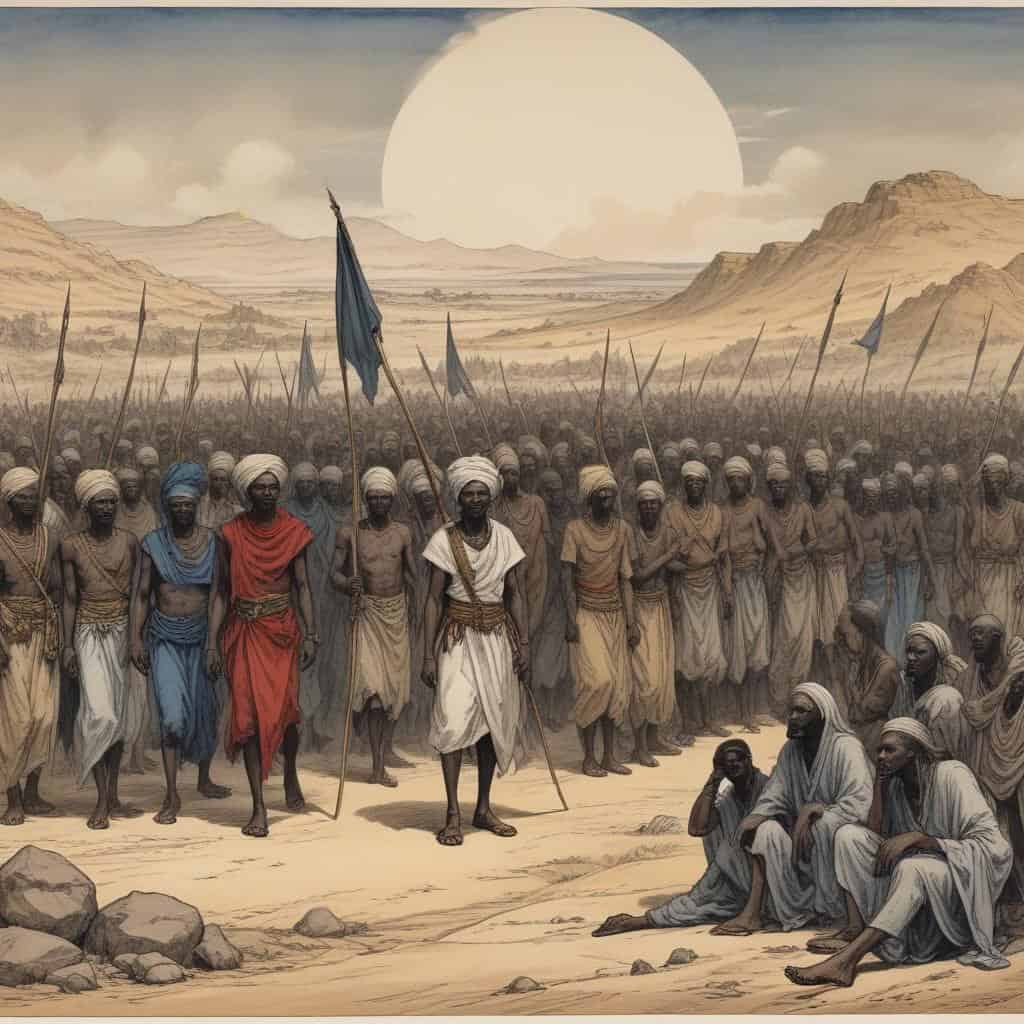
Introduction
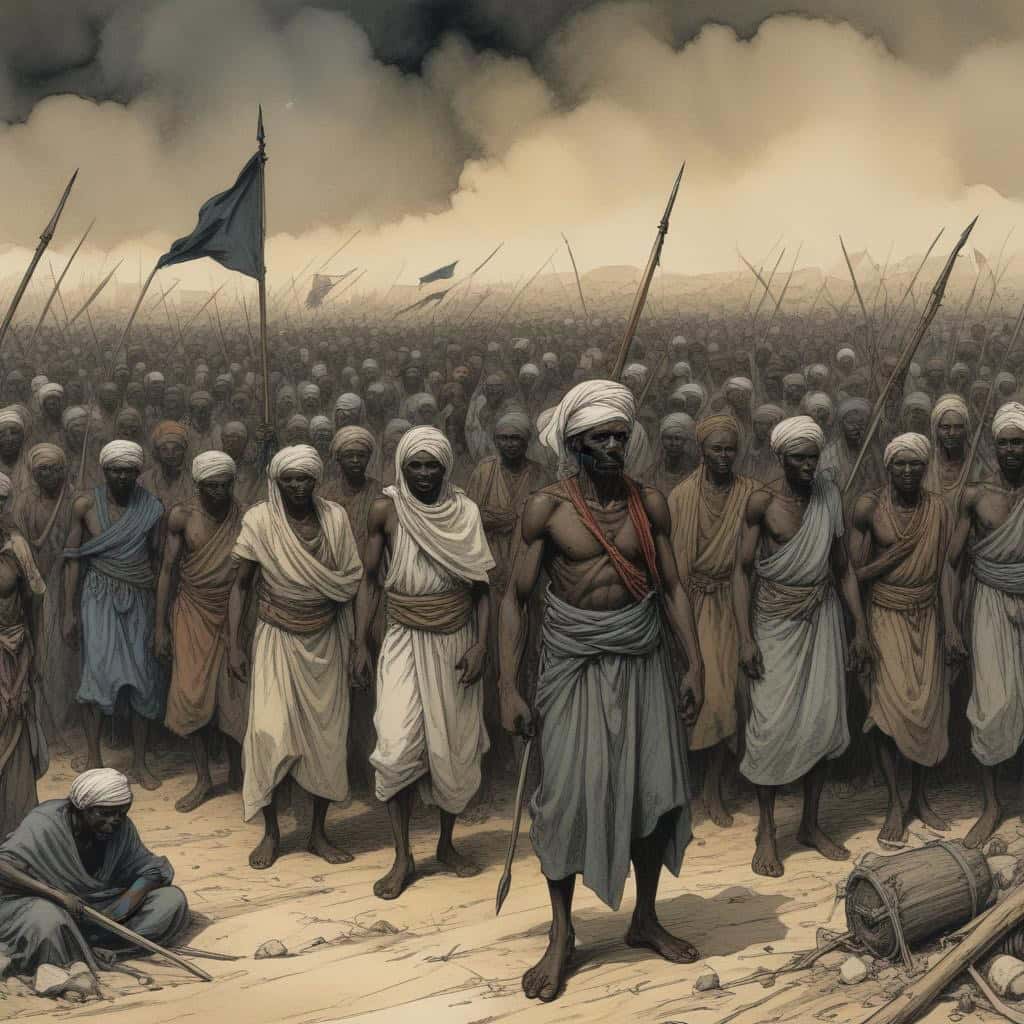
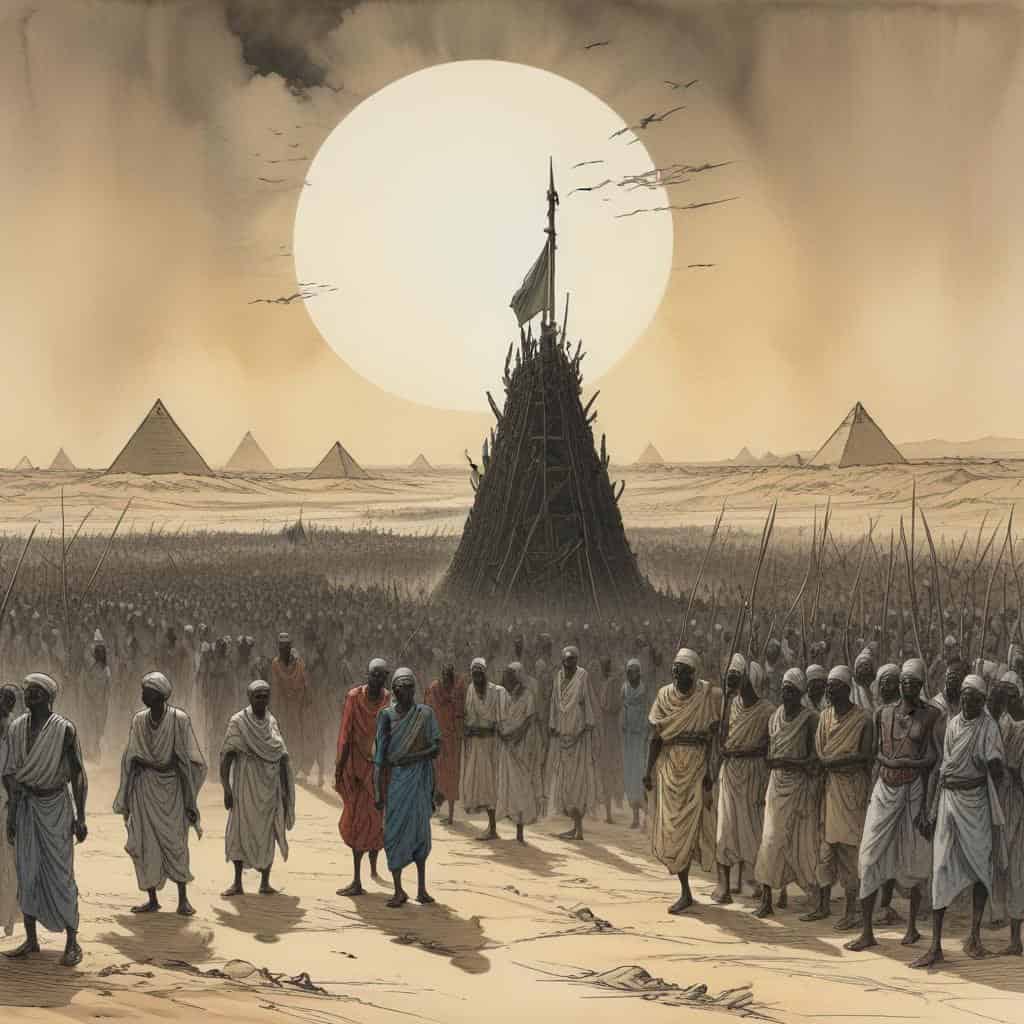
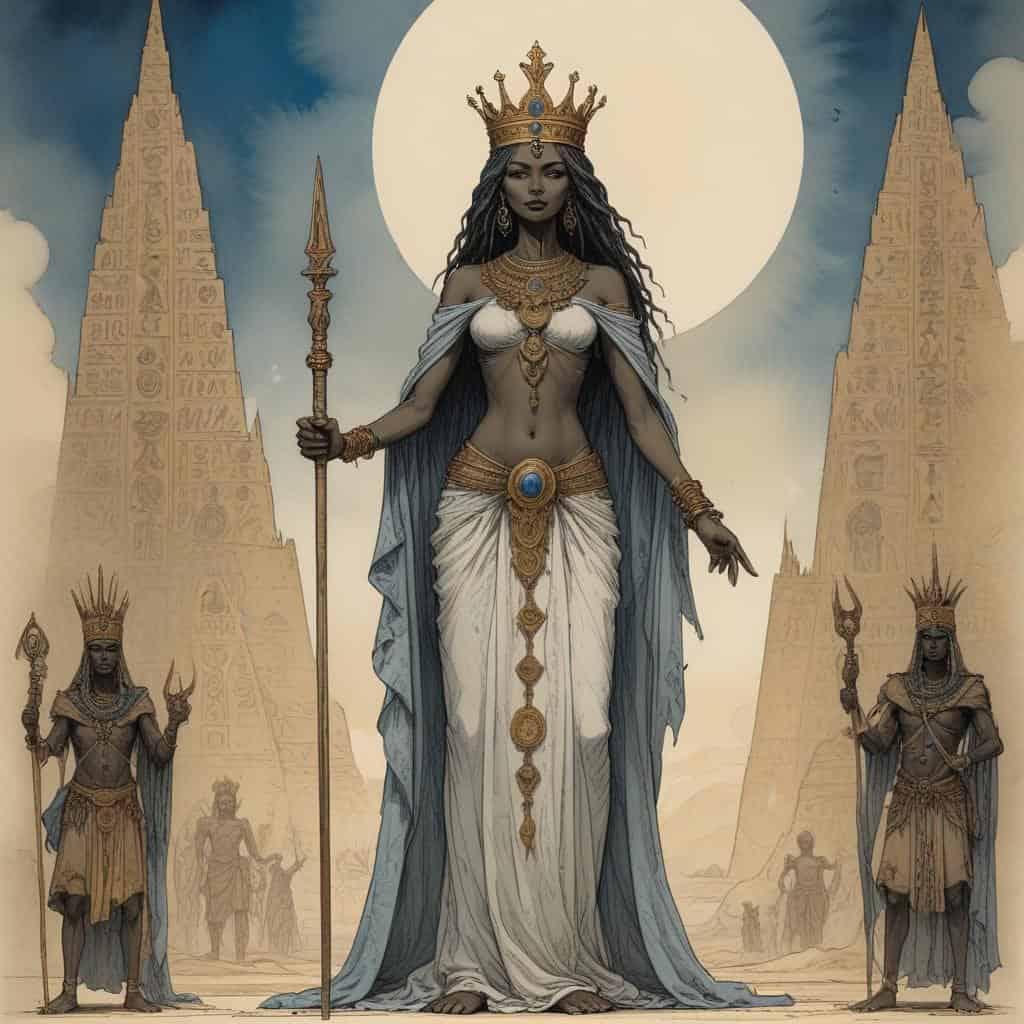
Queen Tiye
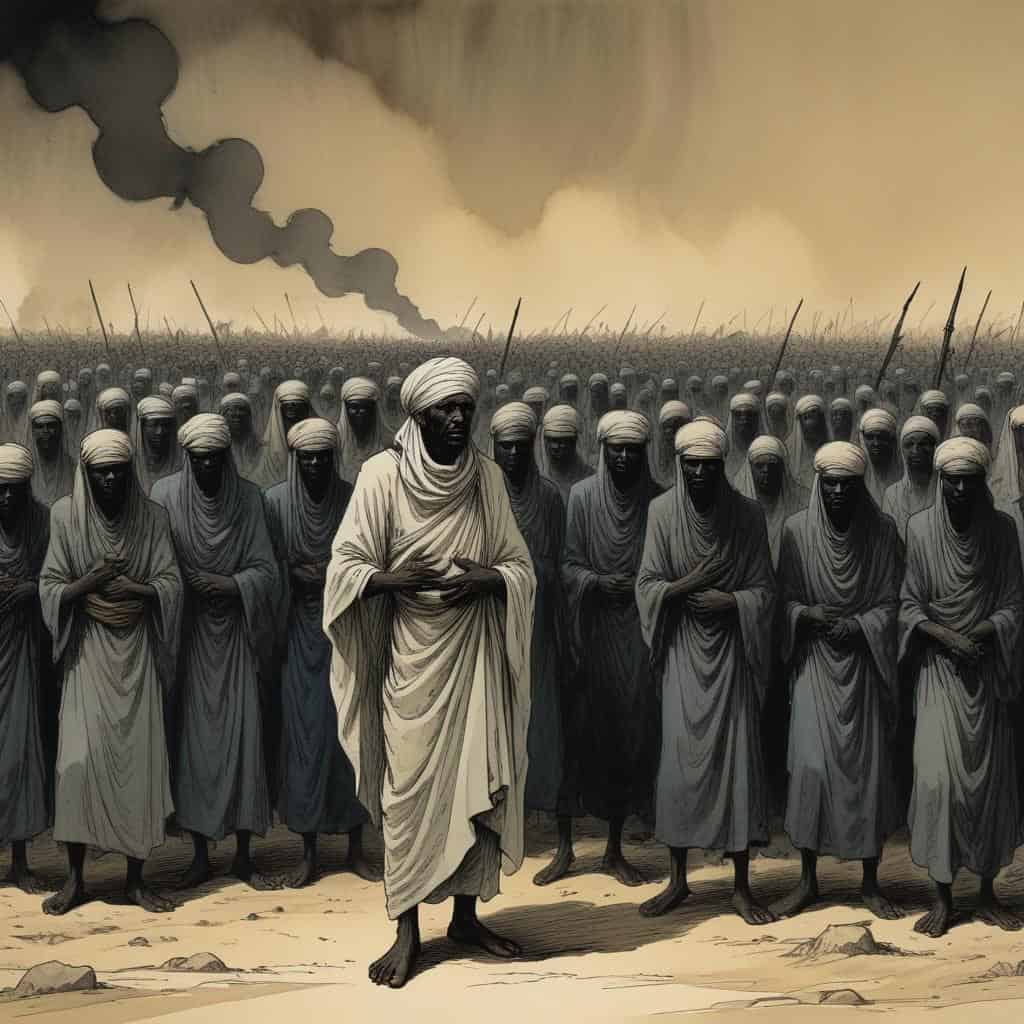
Al-Bashir
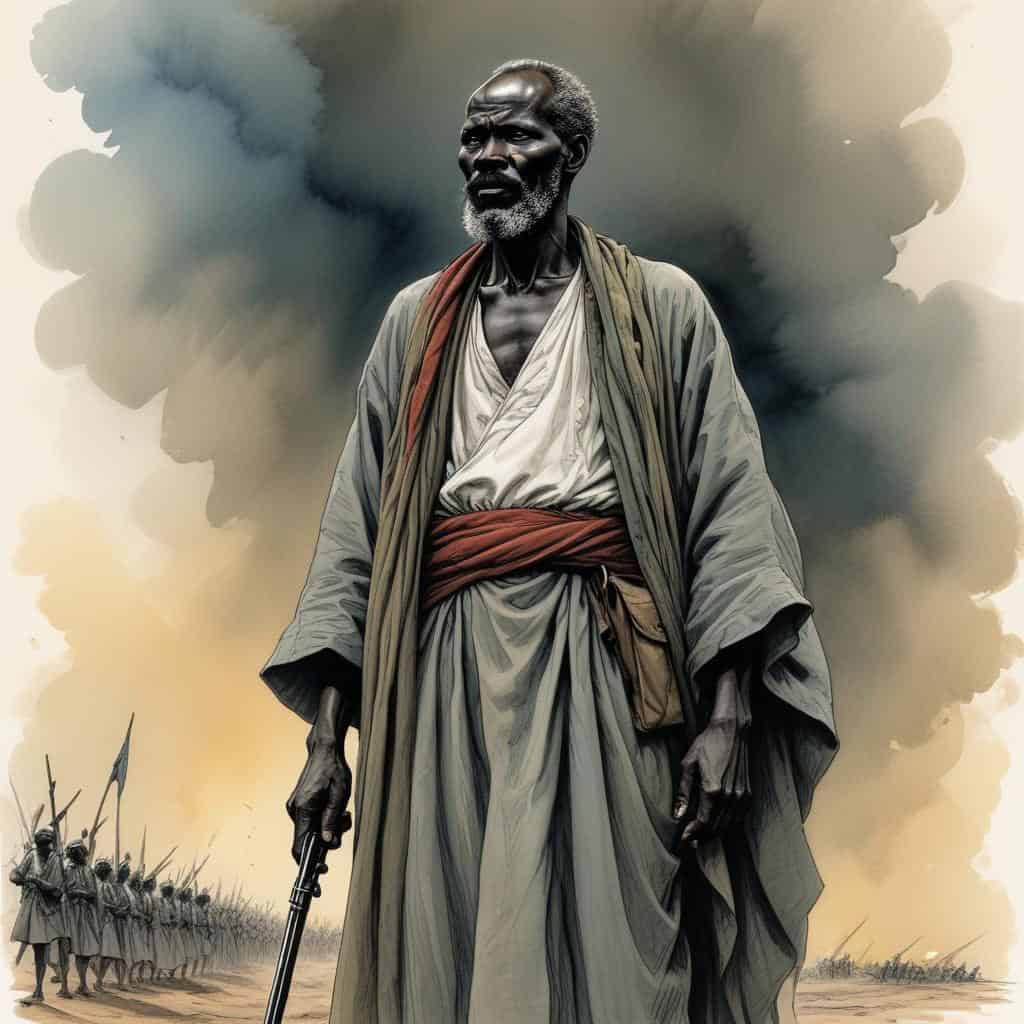
John Garang
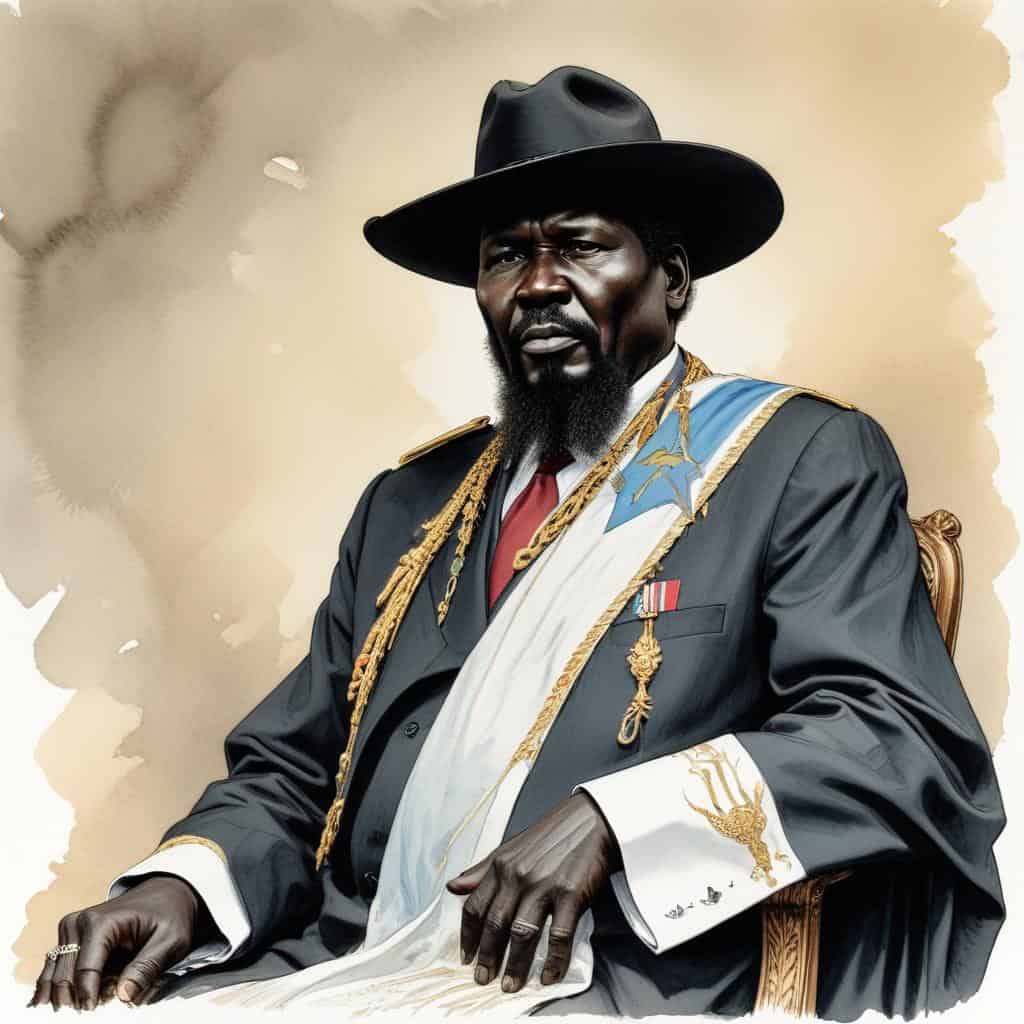
Salva Kiir
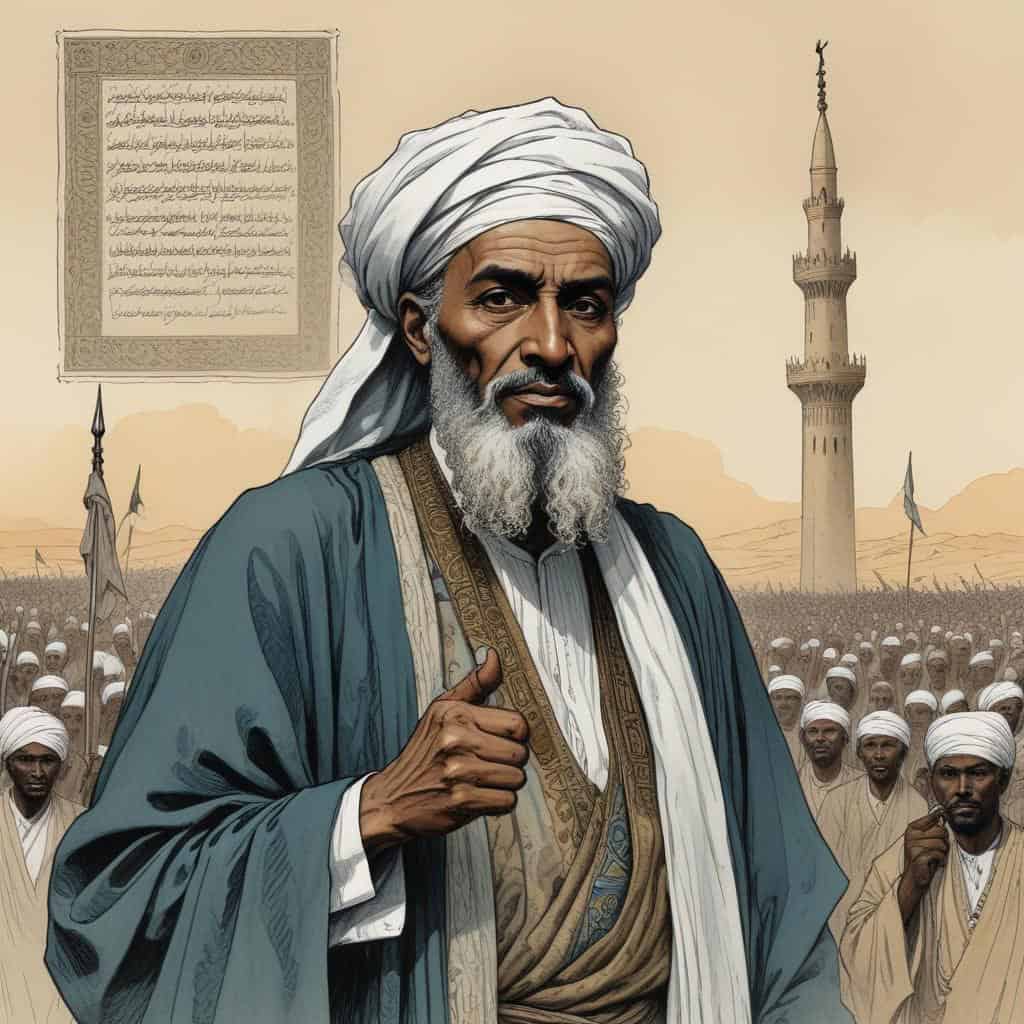
Dr. Hassan al-Turabi
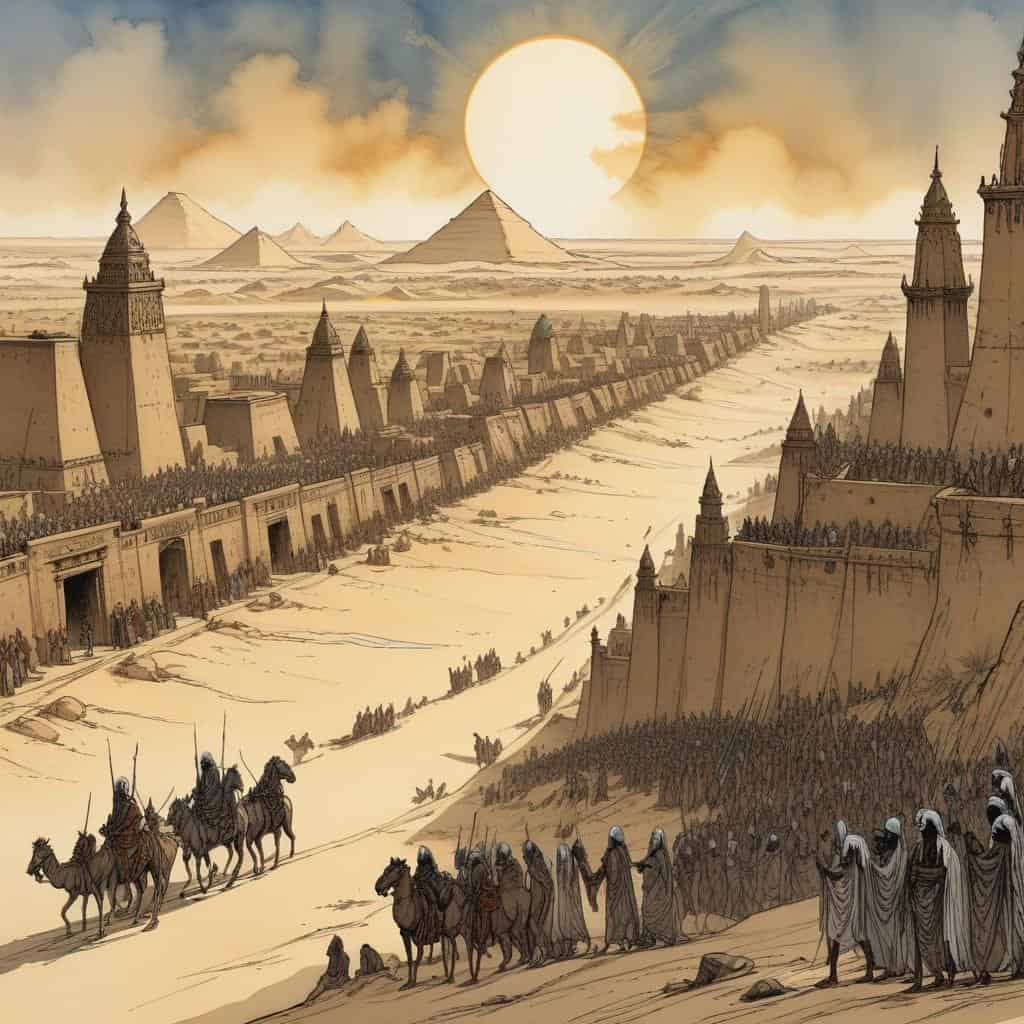
1. Ancient Nubia
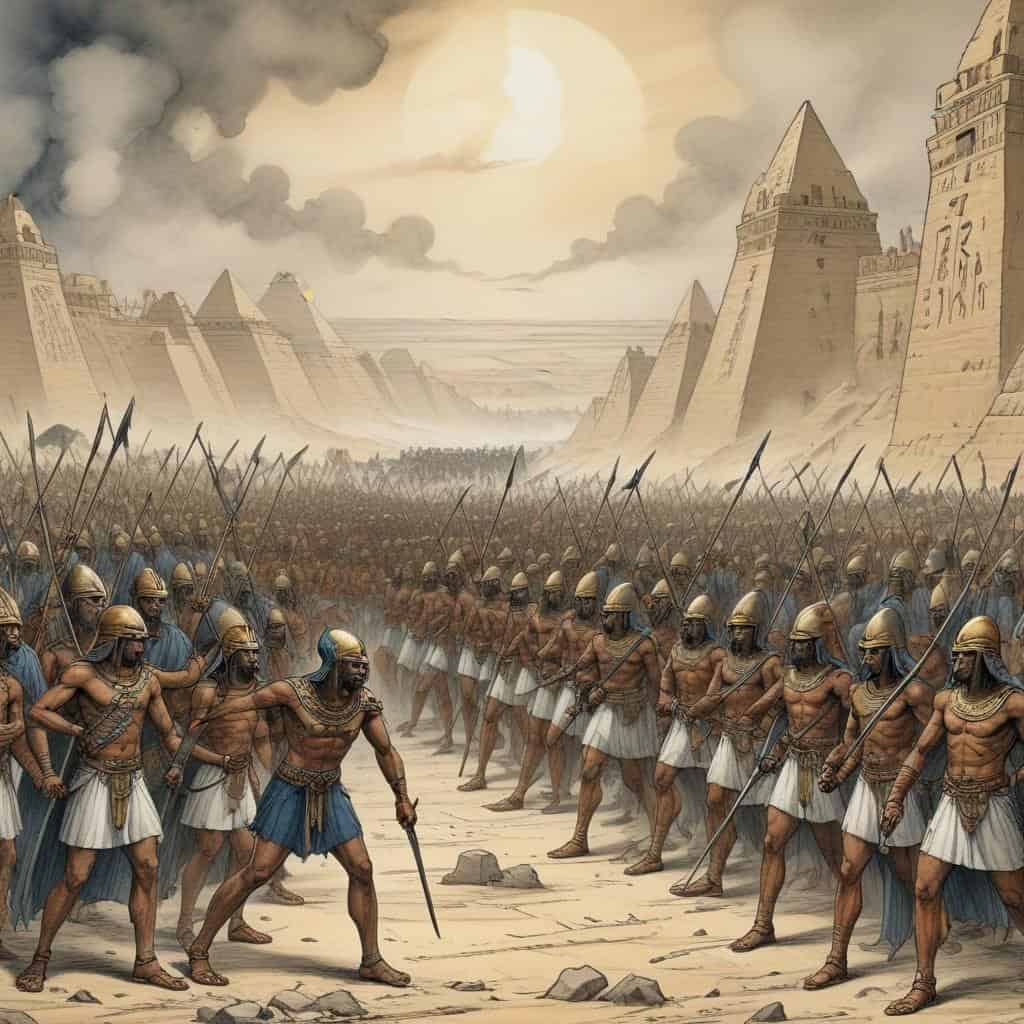
2. Egyptian Rule
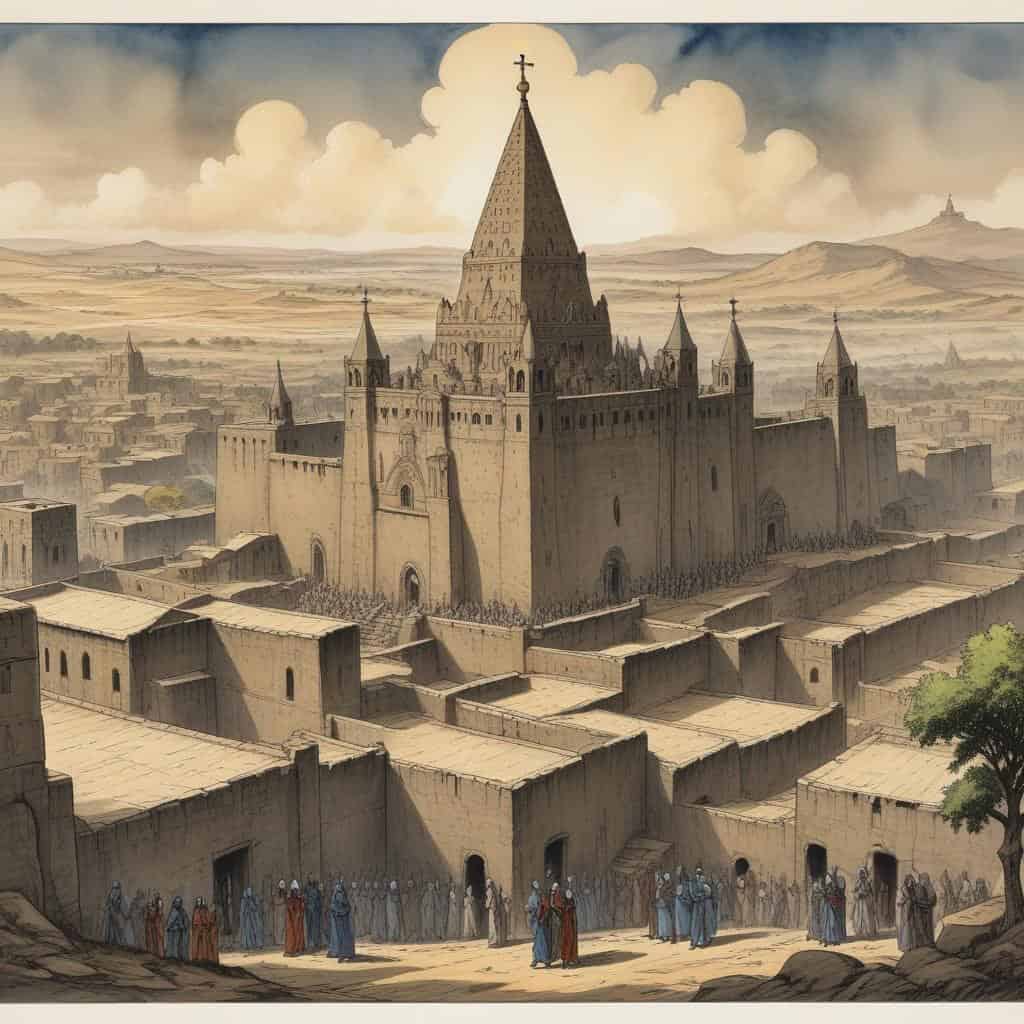
3. Christian Kingdom
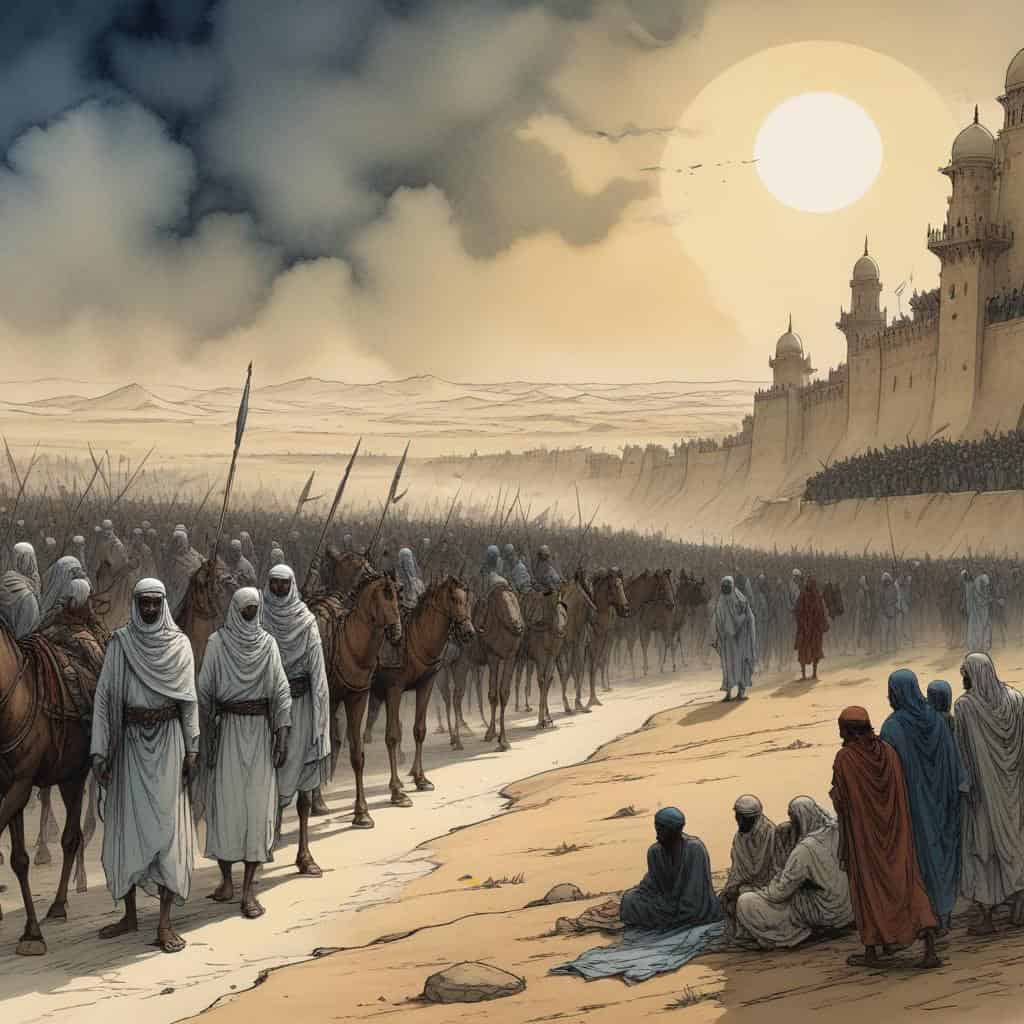
4. Islamic Conquest
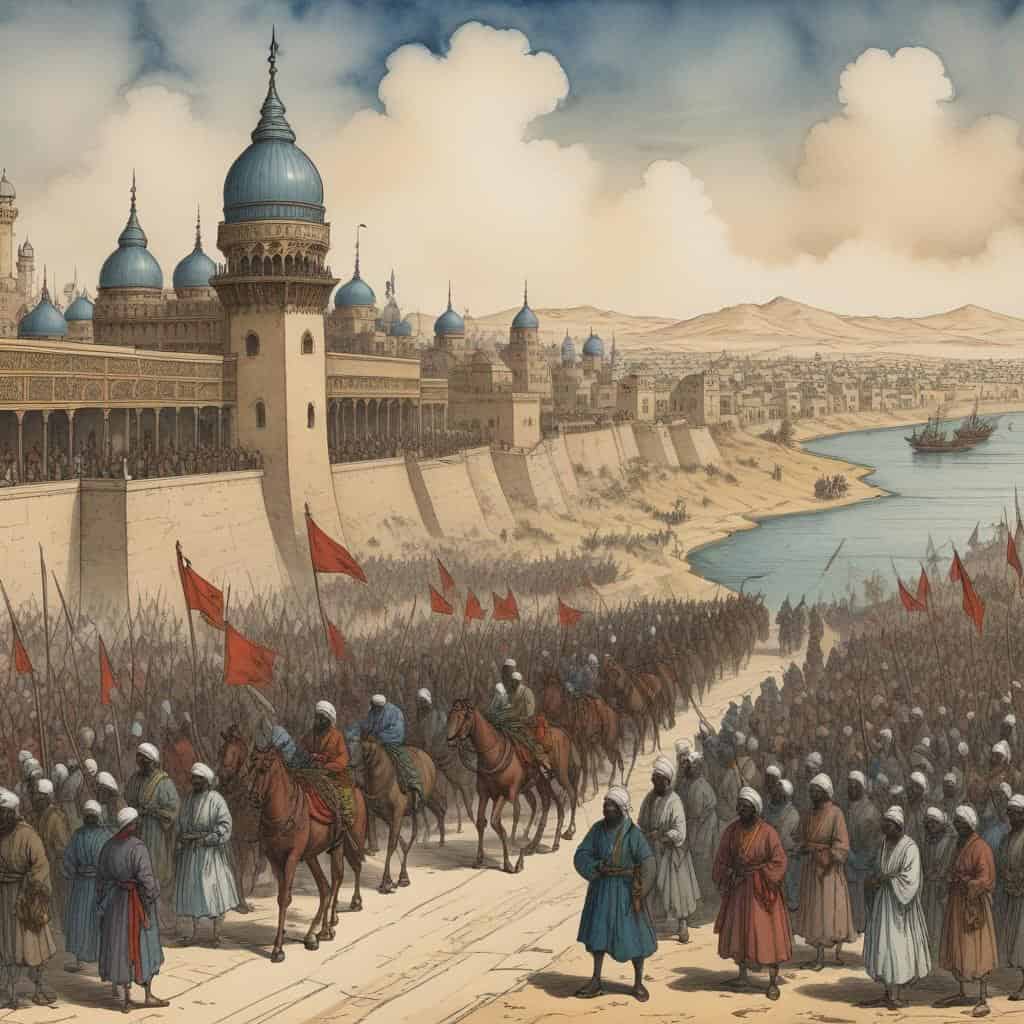
5. Ottoman Rule
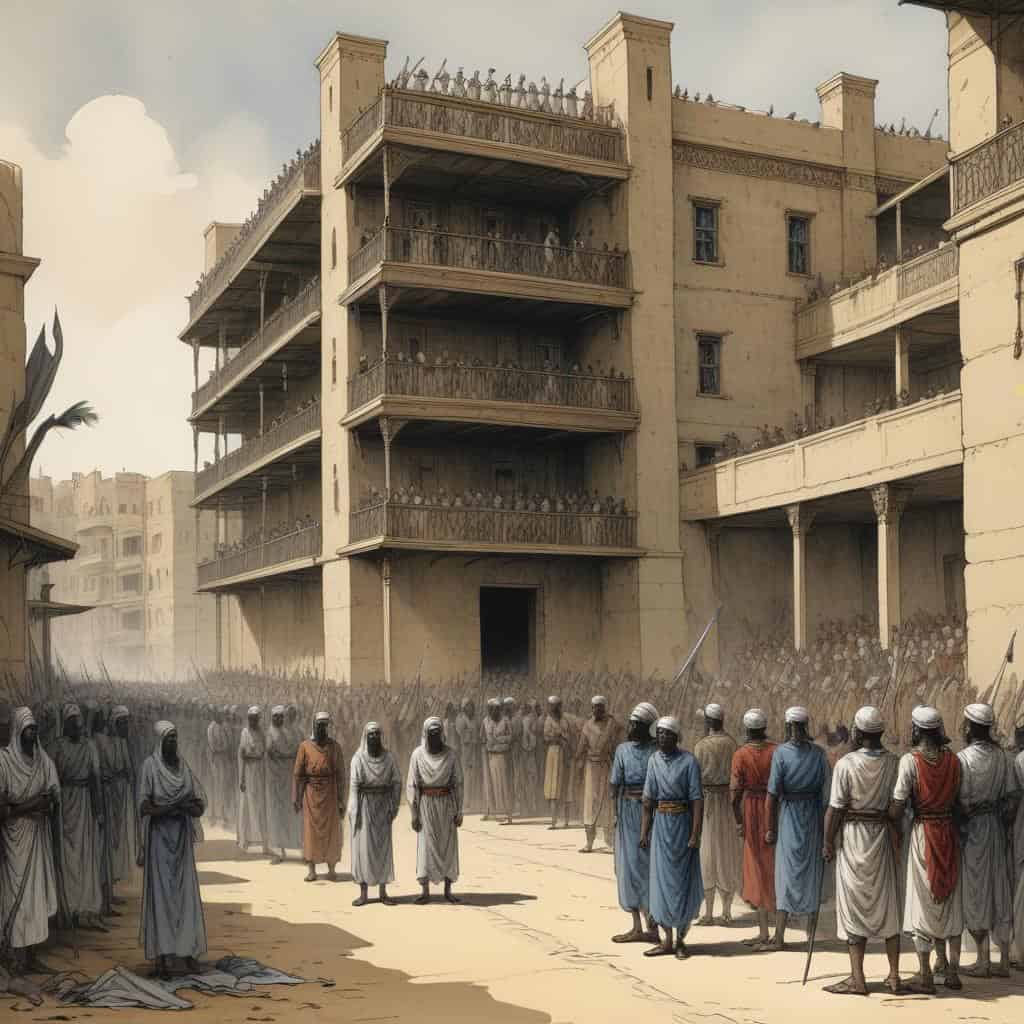
6. British-Egyptian Condominium
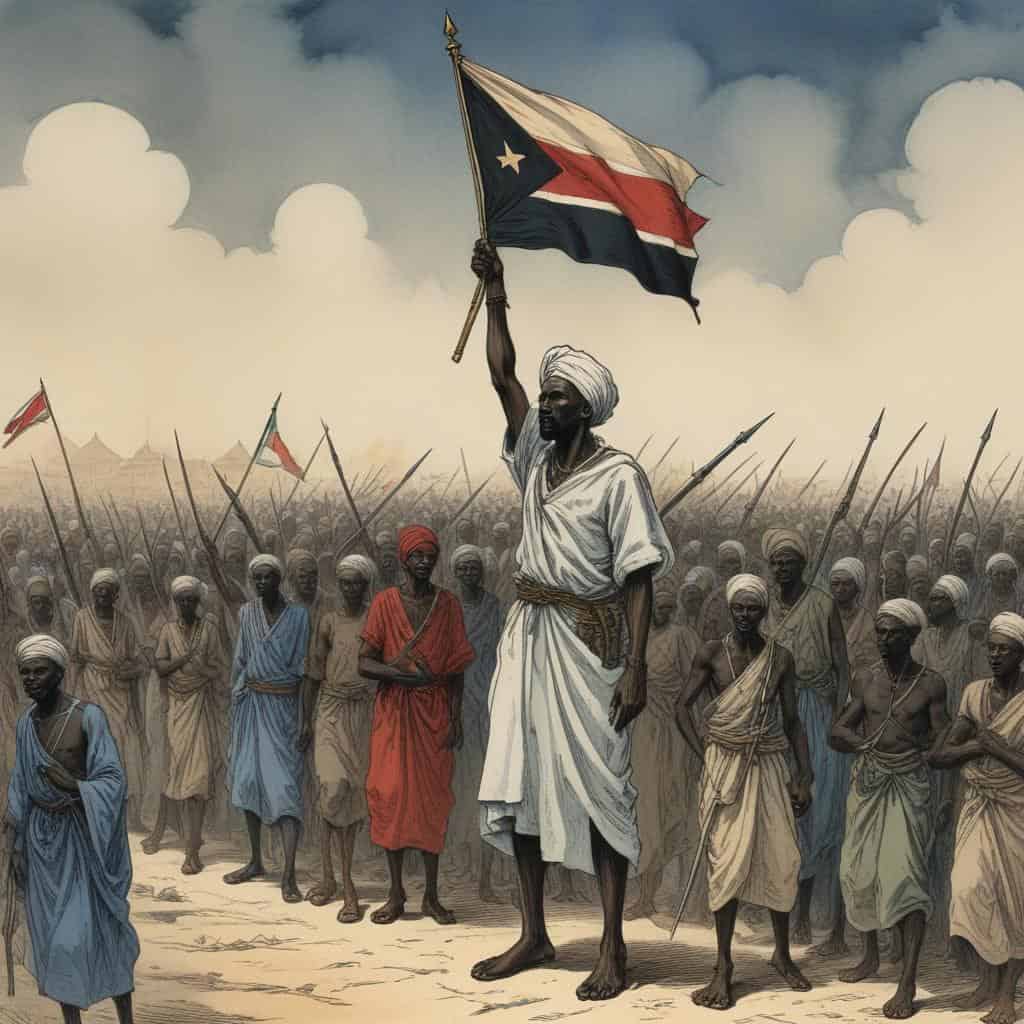
7. Independence
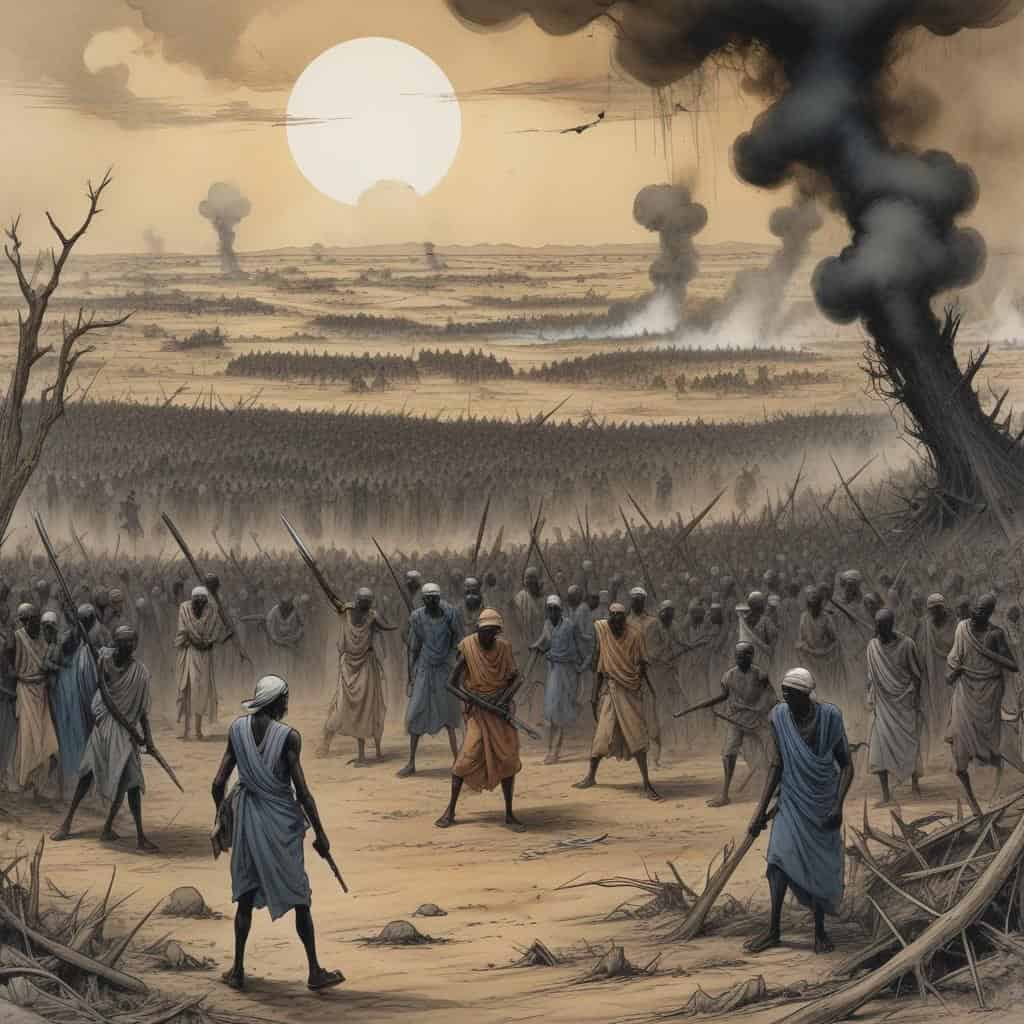
8. Second Sudanese Civil War
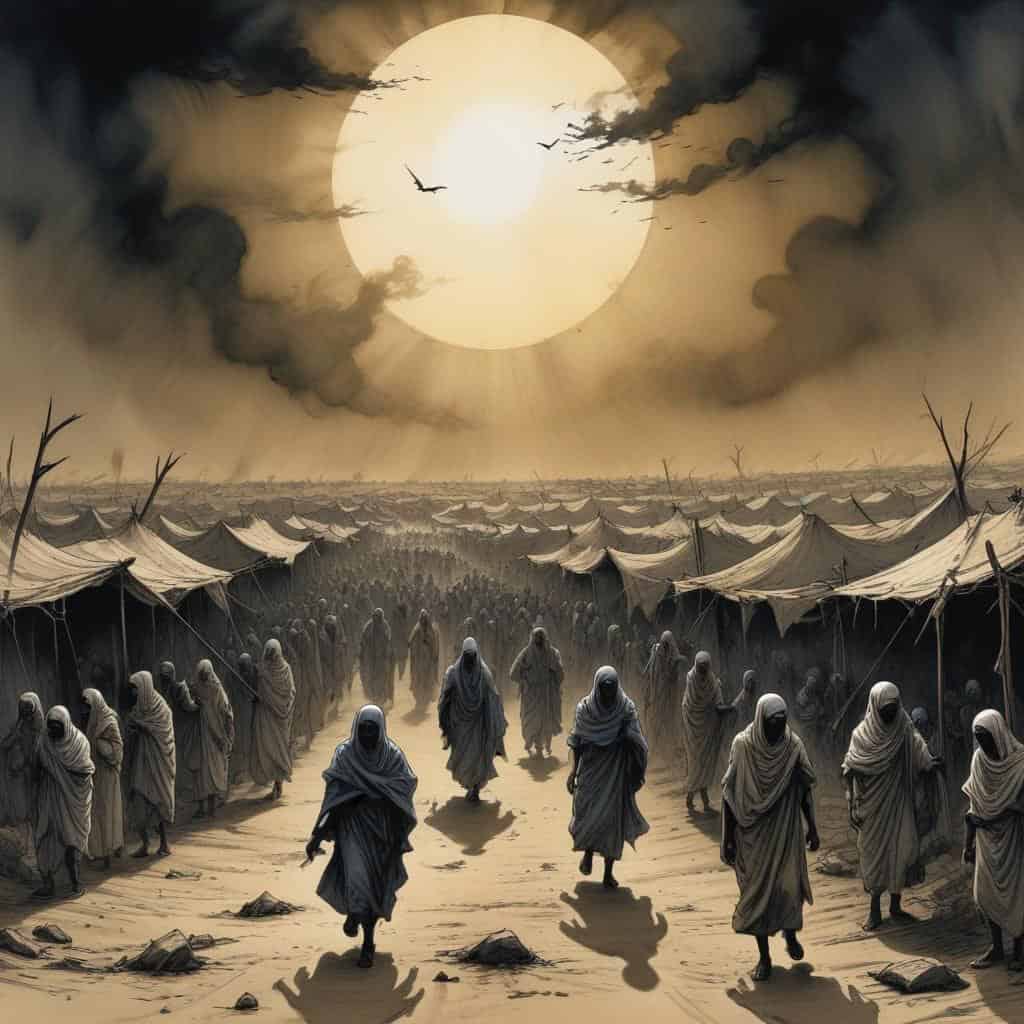
9. Darfur Conflict
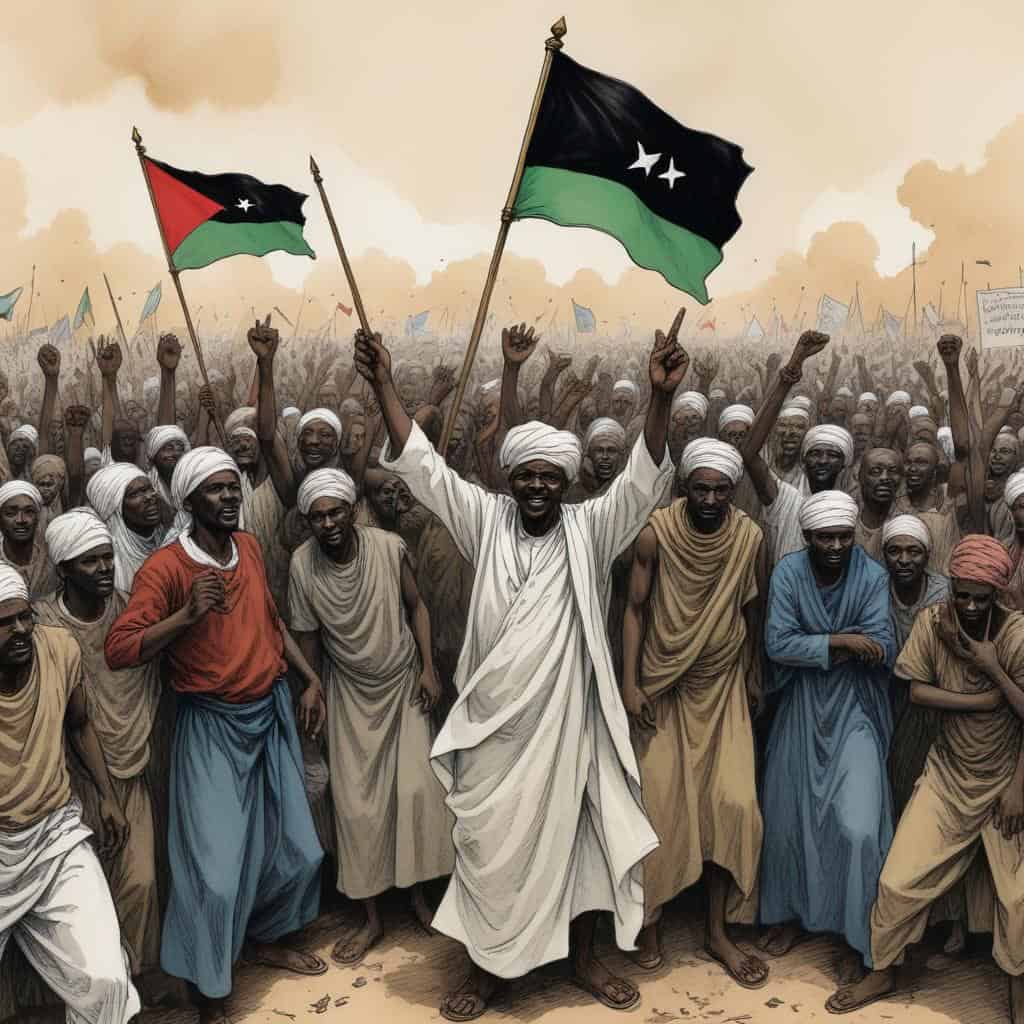
10. Recent Developments
Audio Library
As one of our featured lessons, this topic includes premium audio guides.
Unlock the Wizard's Cram Session
This powerful audio study guide is a Pro-exclusive feature. Upgrade to Memory Wizards Pro to access this and all of our premium learning tools.
Upgrade to ProIn a Nutshell
- Capital: Khartoum
- Population: Approx. 45 million (2023)
- Official Language: Arabic
- Currency: Sudanese pound (SDG)
Breaking Down the Country
Geographical Diversity
Sudan boasts a varied landscape, from the deserts of the north to the lush savannas of the south, offering a rich tapestry of natural beauty.
Ancient Civilization
Home to the ancient Kingdom of Kush, Sudan is a treasure trove of archaeological sites, such as the pyramids of Meroe and the temples of Soleb.
Cultural Fusion
Experience the vibrant blend of Arab, Nubian, and African influences in Sudanese music, dance, cuisine, and traditions, creating a unique cultural melting pot.
Timeline of Sudan
Nubian civilization flourishes in Sudan
Christianity spreads in Sudan
Islamic conquest of Sudan
Funj Sultanate established in Sudan
Ottoman-Egyptian rule over Sudan
Mahdist uprising against Ottoman-Egyptian rule
Anglo-Egyptian Condominium established in Sudan
Sudan gains independence from Britain and Egypt
First Sudanese Civil War begins
May Revolution in Sudan leads to military coup
Second Sudanese Civil War begins
Military coup led by Omar al-Bashir
Darfur conflict begins
Comprehensive Peace Agreement signed, ending Second Civil War
South Sudan gains independence from Sudan
Sudanese Revolution begins, leading to ousting of Omar al-Bashir
Transition to civilian rule in Sudan
Peace agreement signed with rebel groups in Sudan
United Nations ends peacekeeping mission in Darfur
Sudanese government signs normalization agreement with Israel
Vocabulary List
- Khartoum
- The capital city of Sudan where the Blue and White Nile rivers meet.
- Darfur
- A region in western Sudan that has been plagued by conflict and violence.
- Sudanese
- Referring to people or things from Sudan.
- Juba
- The capital city of South Sudan, which gained independence from Sudan in 2011.
- Nubian
- An ethnic group in Sudan known for their ancient civilization along the Nile River.
- Janjaweed
- Armed militia groups in Darfur accused of committing atrocities against civilians.
- Arabic
- The official language of Sudan, spoken by the majority of the population.
- Omdurman
- A city in Sudan located across the Nile River from Khartoum.
- Bashir
- Omar al-Bashir, the former president of Sudan who was ousted in 2019 after ruling for nearly 30 years.
- Sufi
- A mystical branch of Islam practiced by many Sudanese Muslims.
Key Facts
This is the information used in the fact matching game
- Sudan is the third largest country in Africa by land area.
- Sudan is home to over 200 different ethnic groups.
- The official language of Sudan is Arabic.
- Sudan has a population of over 41 million people.
- Sudan gained independence from Britain and Egypt in 1956.
- The capital city of Sudan is Khartoum.
- Sudan is bordered by Egypt, Libya, Chad, Central African Republic, South Sudan, Ethiopia, and Eritrea.
- The currency of Sudan is the Sudanese pound.
- Sudan has a predominantly Muslim population.
- The Nile River flows through Sudan.
- Sudan is known for its archaeological sites such as the ancient city of Meroe.
- Sudan is a member of the African Union and the United Nations.
- Sudan has a hot desert climate, with temperatures regularly exceeding 40°C (104°F).
- Sudan has faced civil wars and conflicts, particularly in the Darfur region.
- Sudan has a rich cultural heritage, with traditional music, dance, and cuisine.
- Sudan is a major producer of agricultural products such as sorghum, millet, and wheat.
- Sudan has significant natural resources, including oil, gold, and uranium.
- Sudan has a history of ancient civilizations, such as the Kingdom of Kush.
- Sudan has a high rate of child malnutrition, with over 2 million children under the age of five suffering from acute malnutrition.
- Sudan has a diverse wildlife population, including elephants, lions, and giraffes.
Why It Matters
Geopolitical Significance
Sudan is strategically located in northeastern Africa, bordering Egypt, Libya, Chad, Central African Republic, South Sudan, Ethiopia, Eritrea, and the Red Sea. Its position has made it a key player in regional politics, especially in relation to conflicts in neighboring countries and the flow of resources.
Historical Importance
Sudan has a rich history, with ancient civilizations like the Kingdom of Kush and the pyramids of Meroe. It has been a crossroads of trade, religion, and culture for centuries, leaving a legacy of diverse influences and traditions that continue to shape its identity today.
Modern-Day Role
Today, Sudan faces challenges of political instability, economic development, and social change. As one of the largest countries in Africa, it plays a crucial role in regional peace efforts, humanitarian aid, and international relations. Its future direction will have implications for the entire continent.
Sudan Games


Take Your Learning Offline
Want a convenient, print-ready study guide for this lesson? Become a Memory Wizards Pro member to unlock the downloadable " Memory Scrolls" for this topic and our entire library!
- ✓ Complete Vocabulary Lists
- ✓ Key Facts & Timelines
- ✓ Beautifully Formatted for Print & Mobile