
How Do You Learn Best?
Learn by Listening
Start with the 3-minute audio summary to get the key facts and narrative highlights quickly.
Learn by Reading
Immerse yourself in the 10-minute visual lesson for a comprehensive understanding of the topic.
Learn by Reviewing
Jump directly to the key facts, timeline, and vocabulary lists to build a solid foundation of details.
Learn by Doing
Challenge yourself! Jump straight into the interactive games to learn by trial, error, and discovery.
South Sudan in 10 Minutes
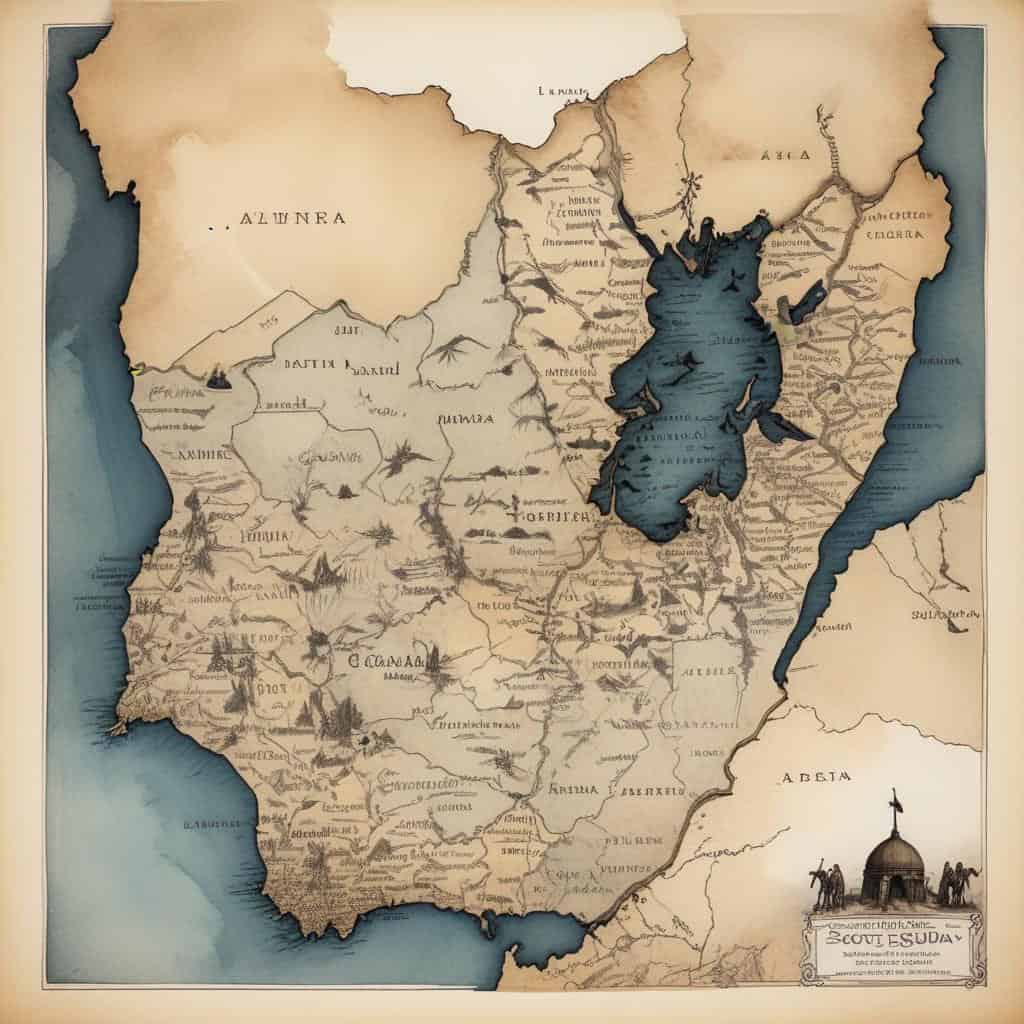
Introduction
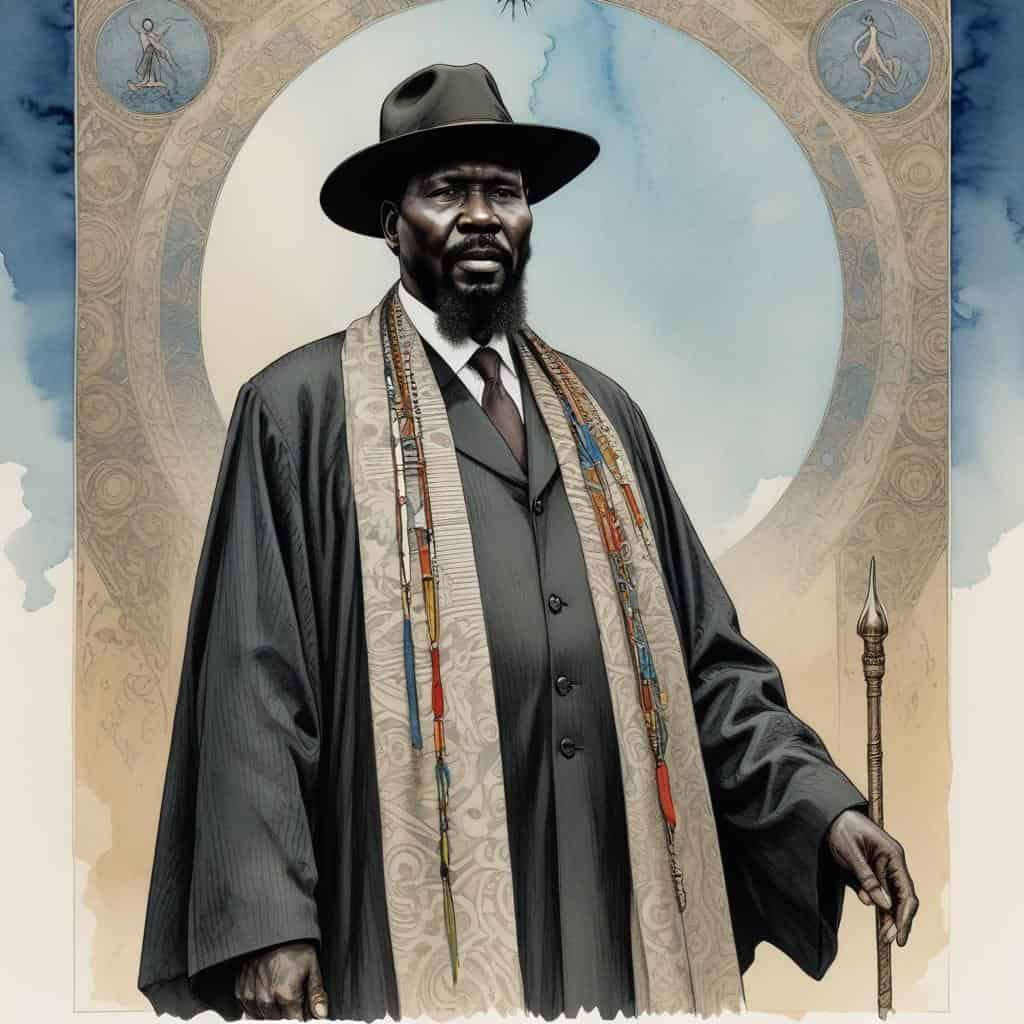
Salva Kiir
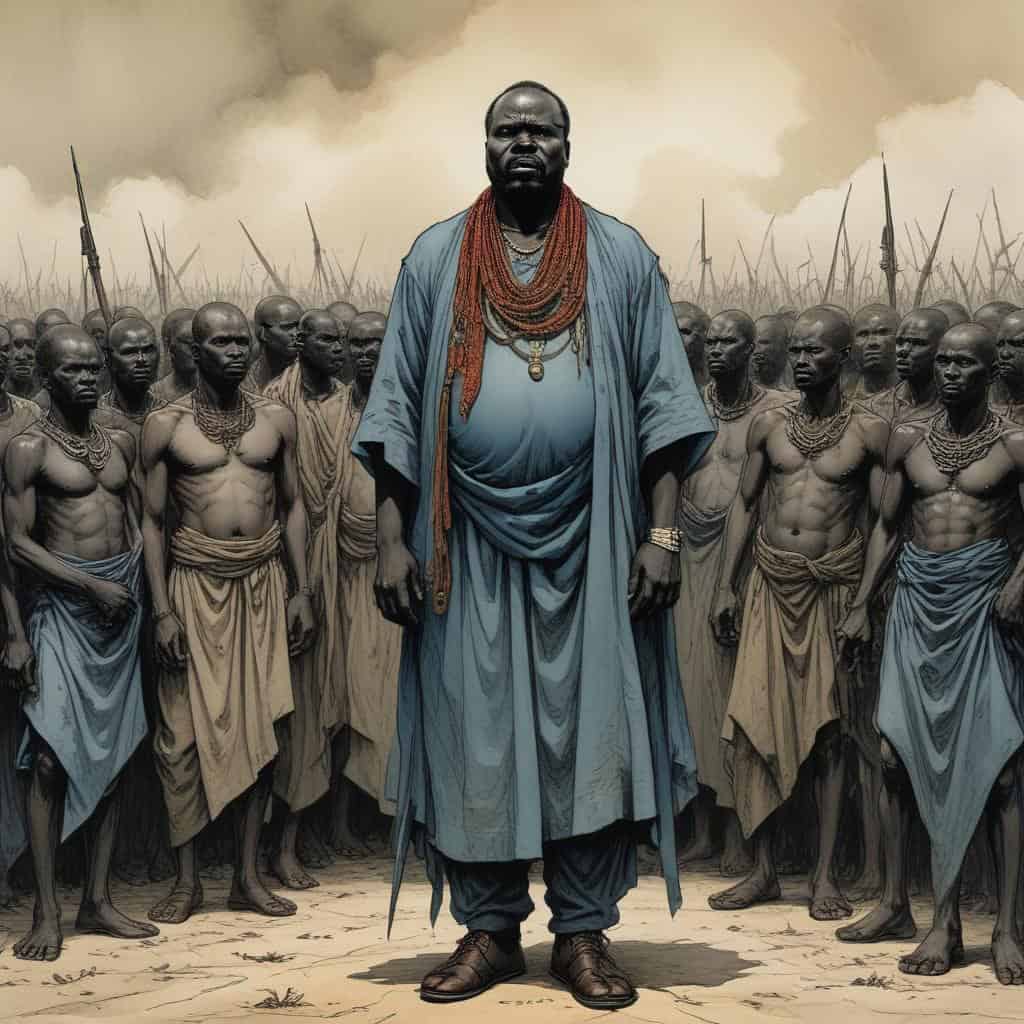
Riek Machar
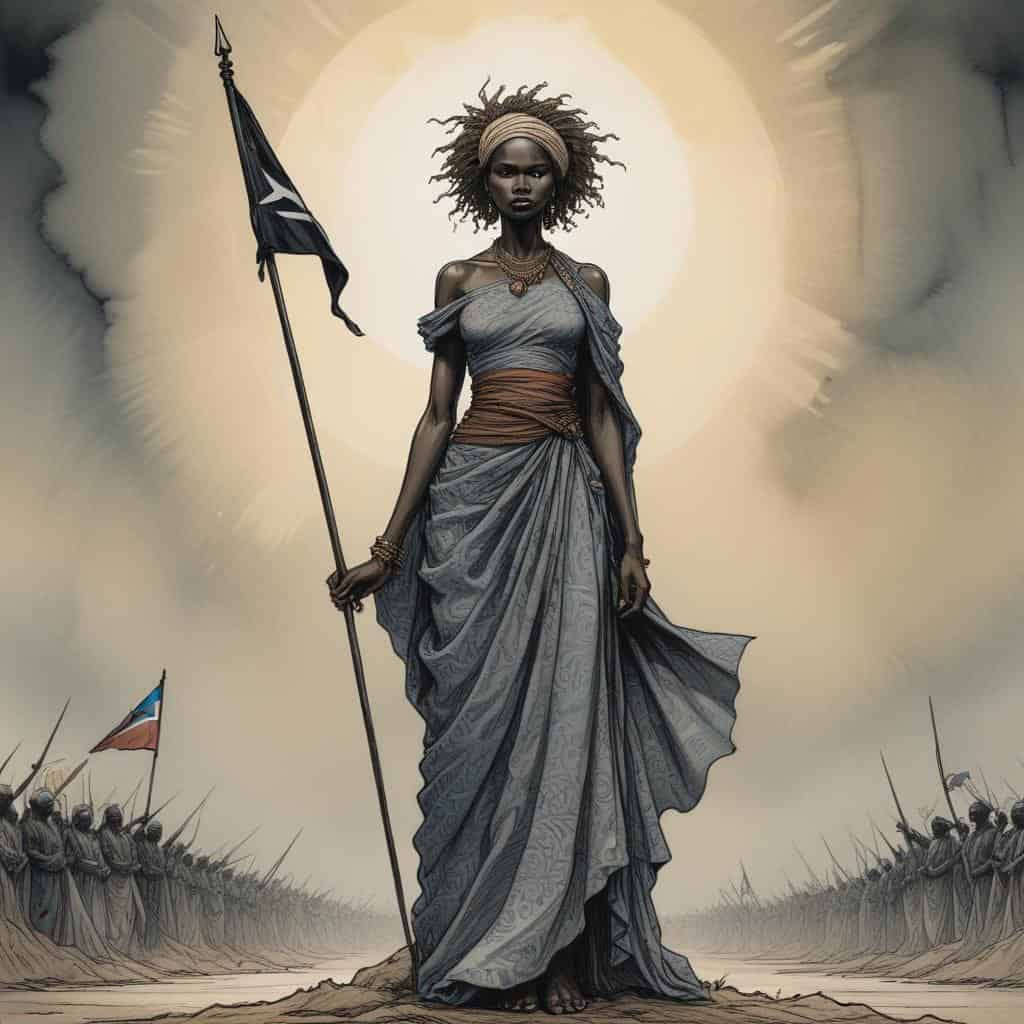
Rebecca Garang
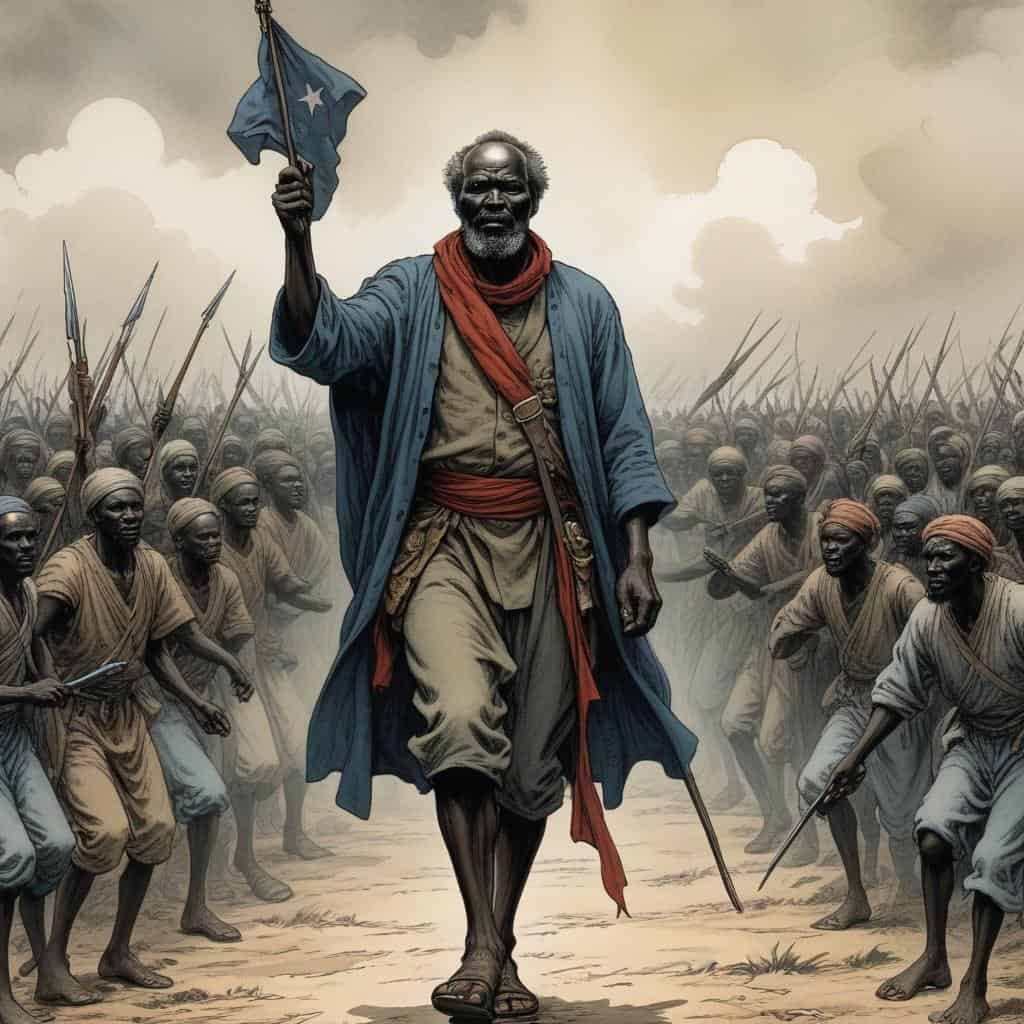
John Garang
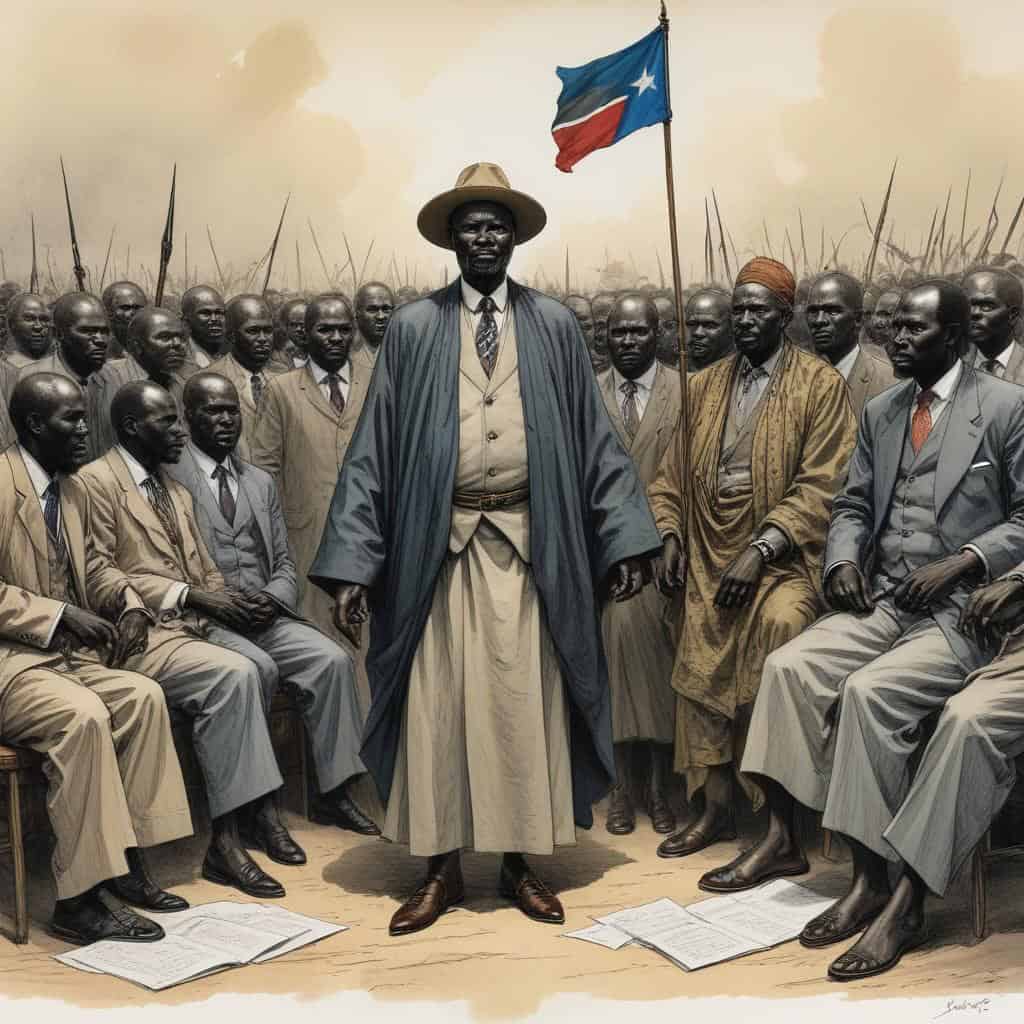
Taban Deng Gai
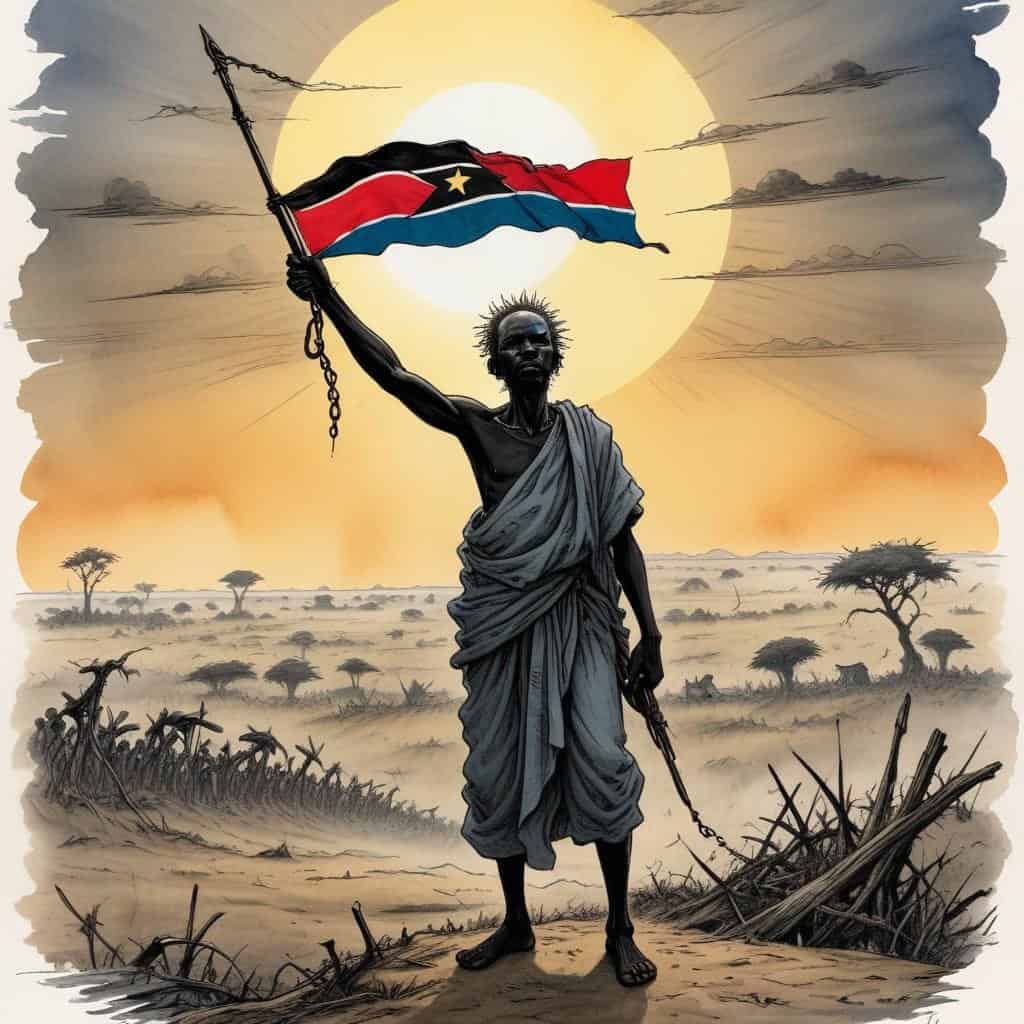
Independence from Sudan
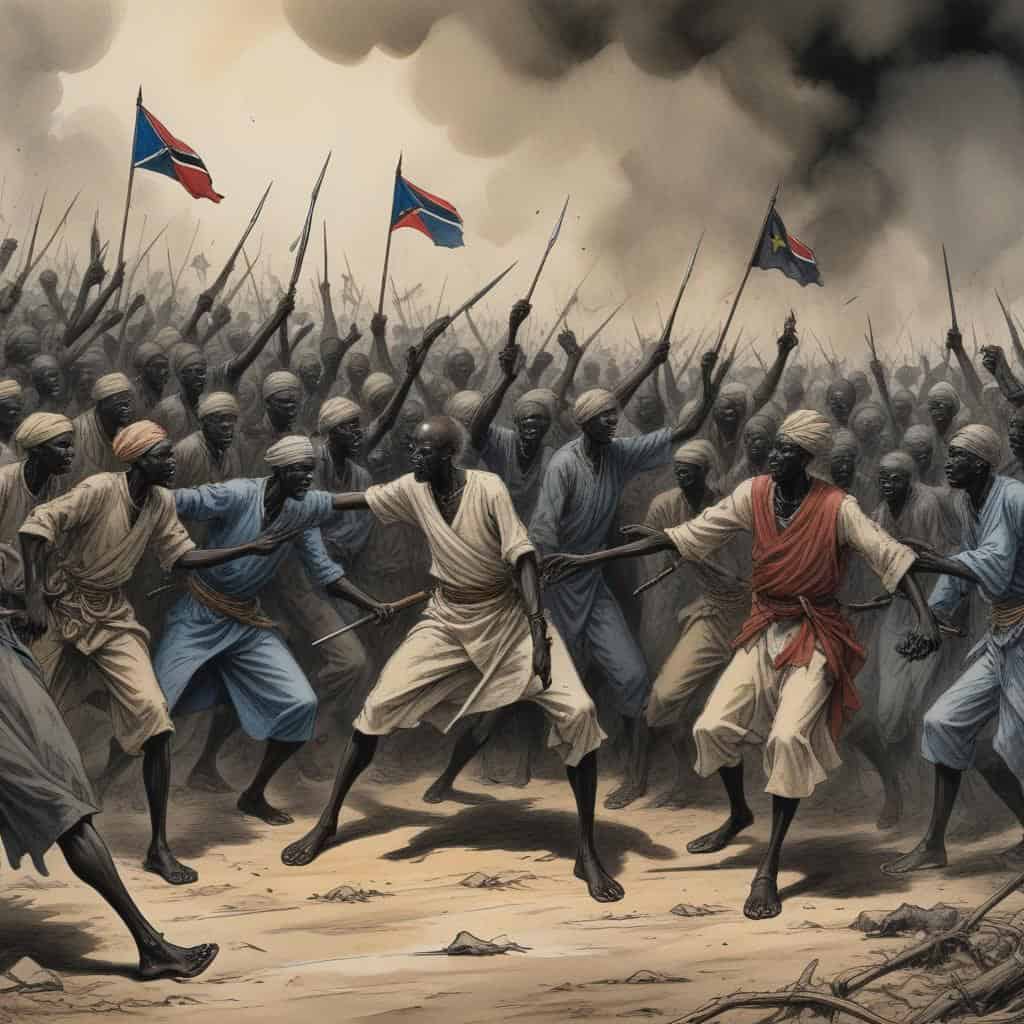
Political Instability
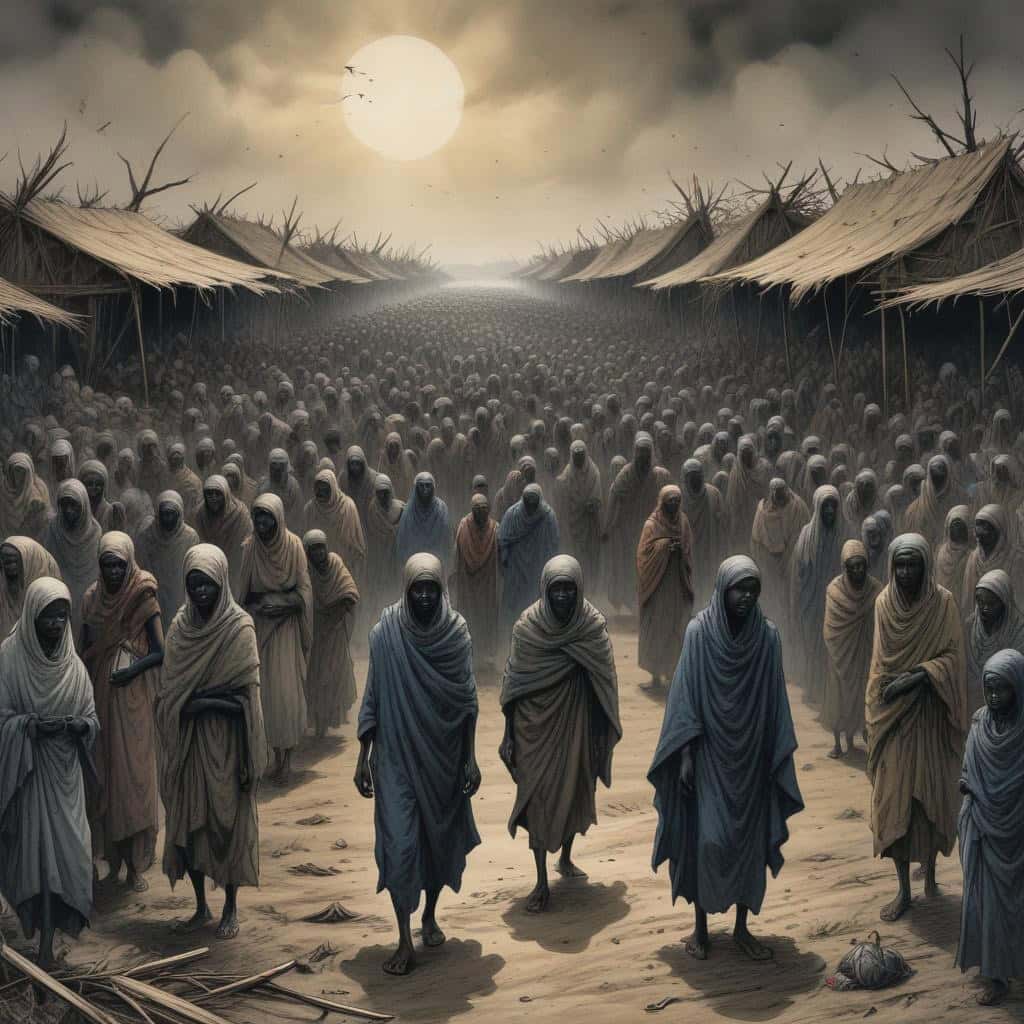
Humanitarian Crisis
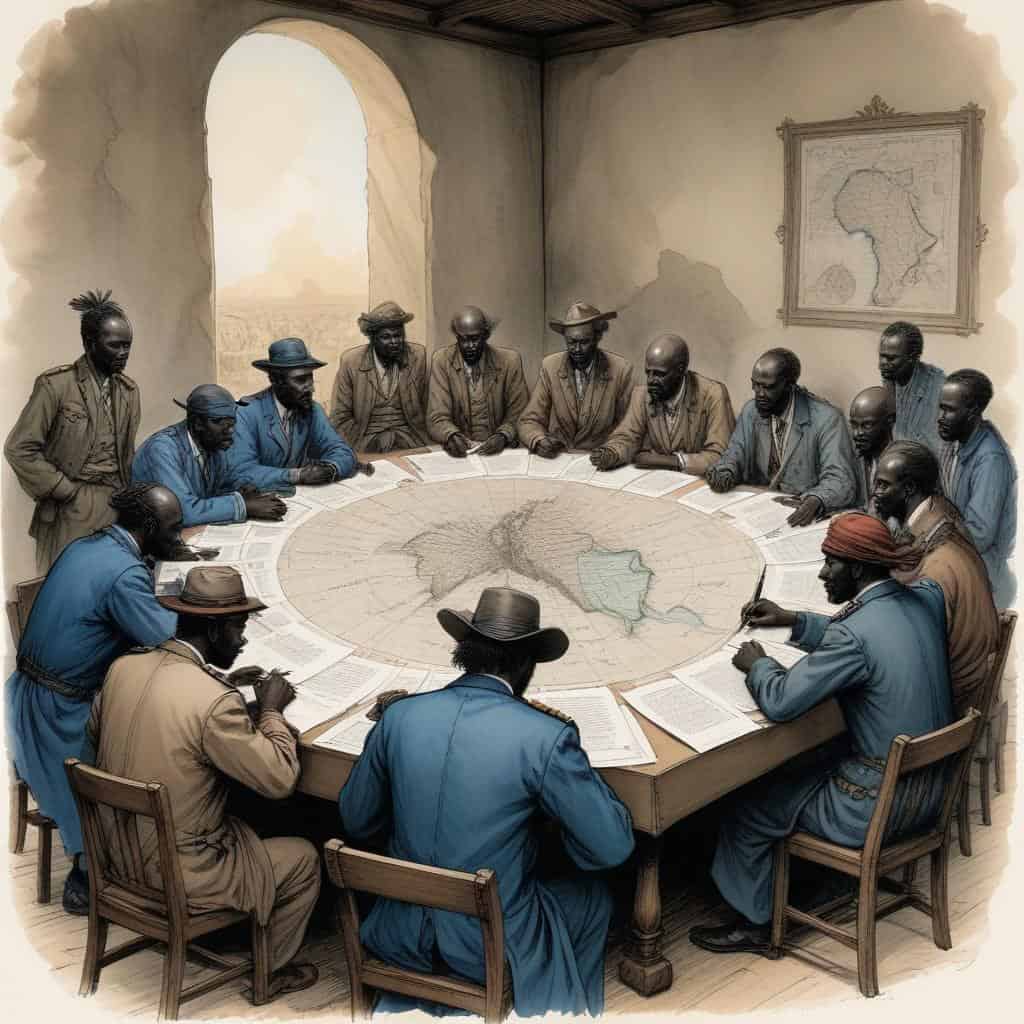
Peace Agreements
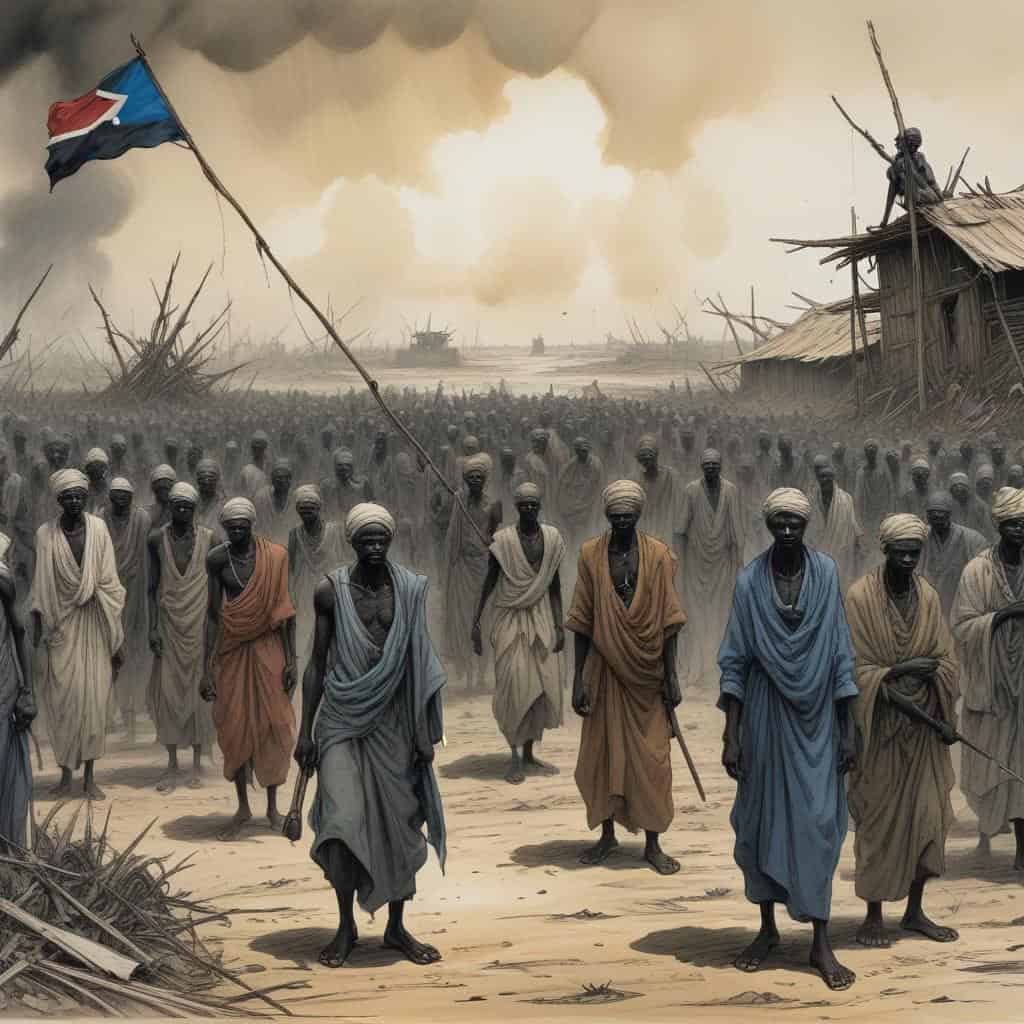
Economic Challenges
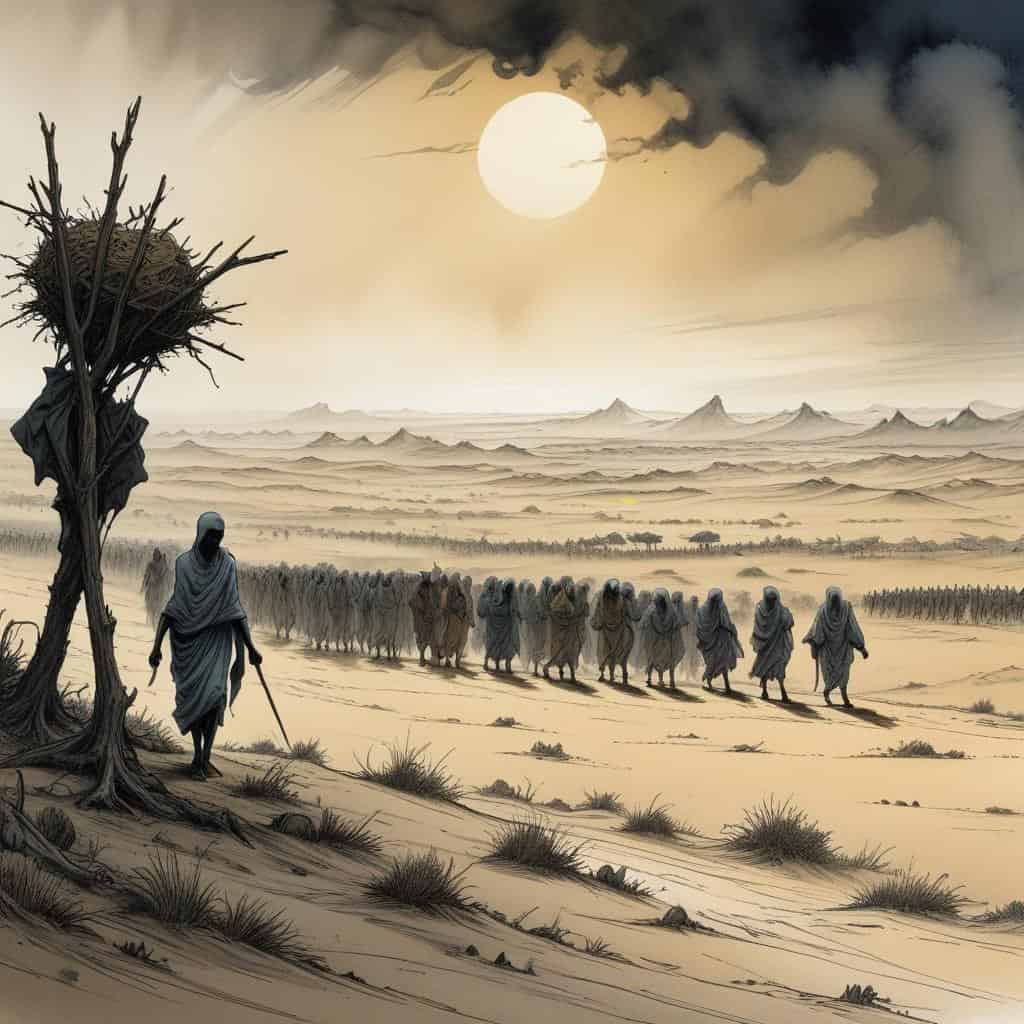
Refugee Crisis
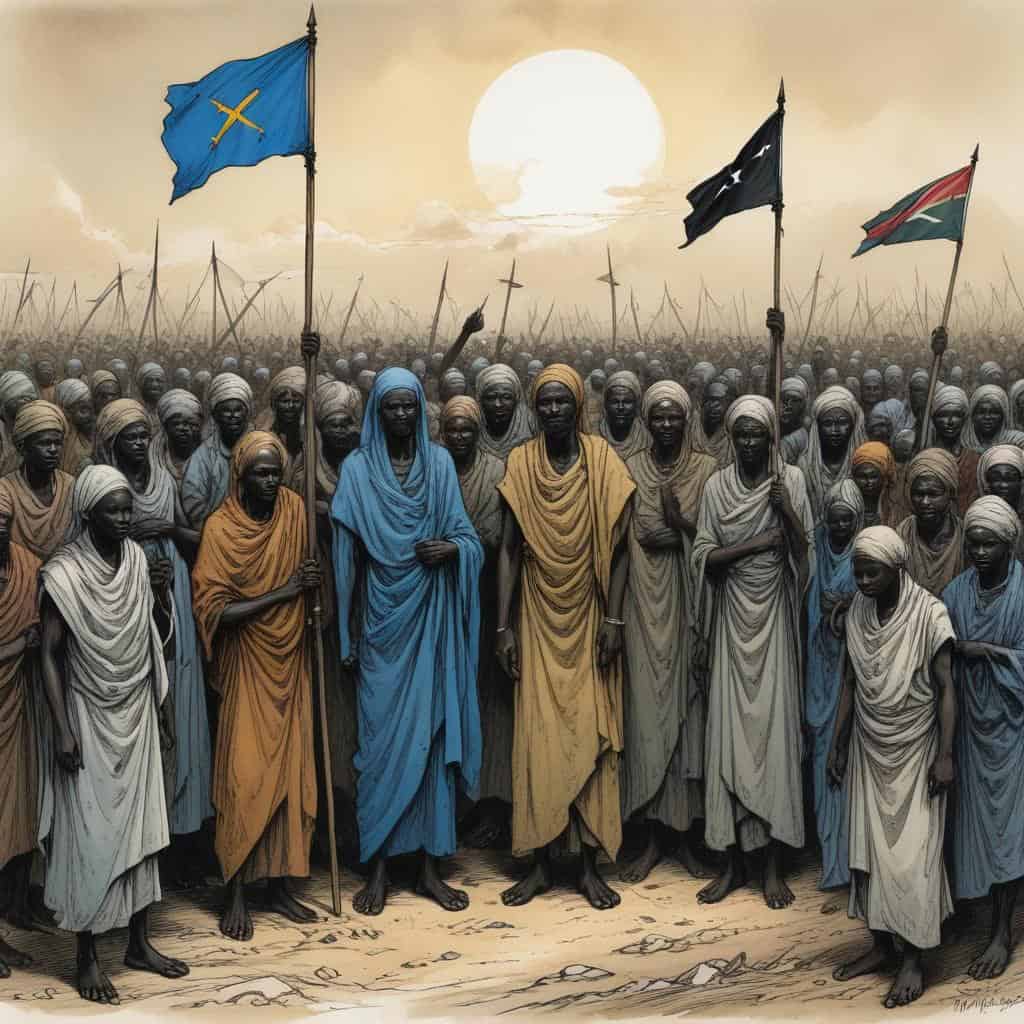
International Involvement
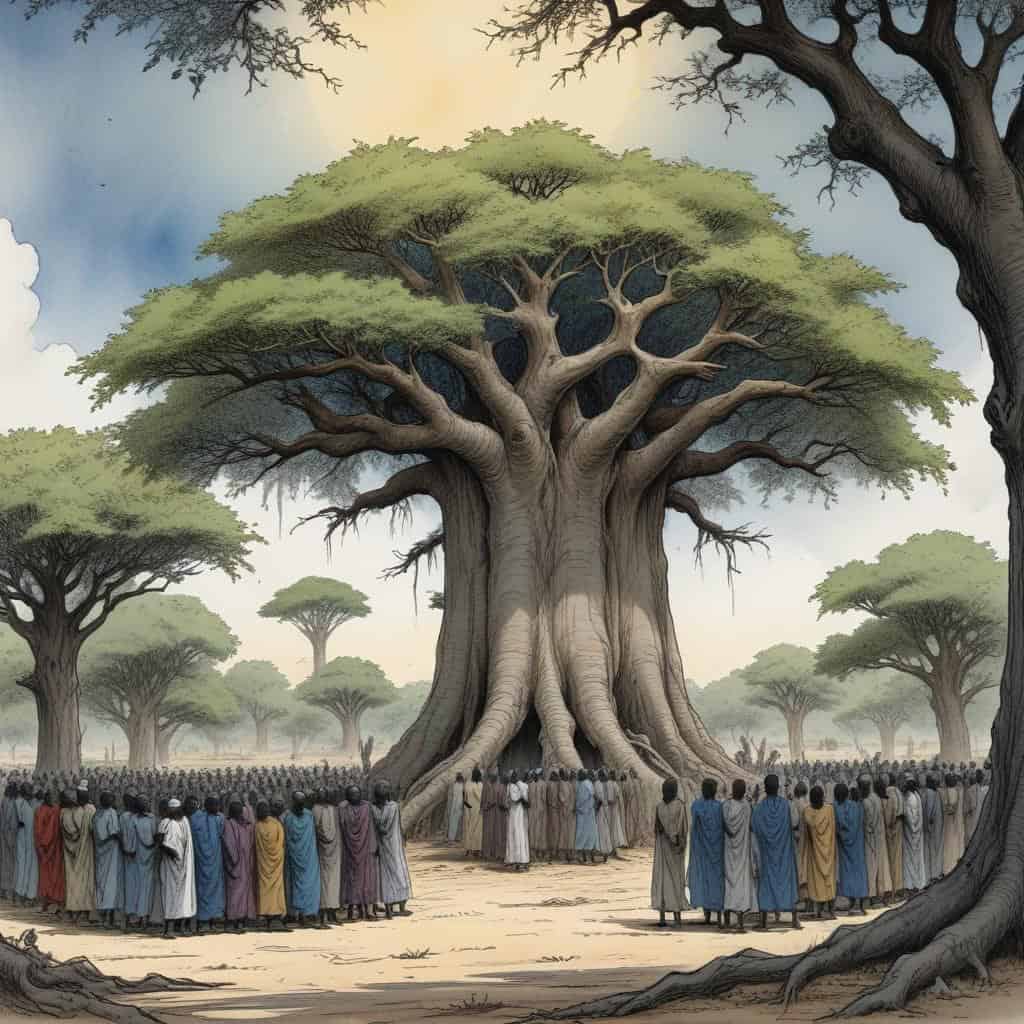
Reconciliation Efforts
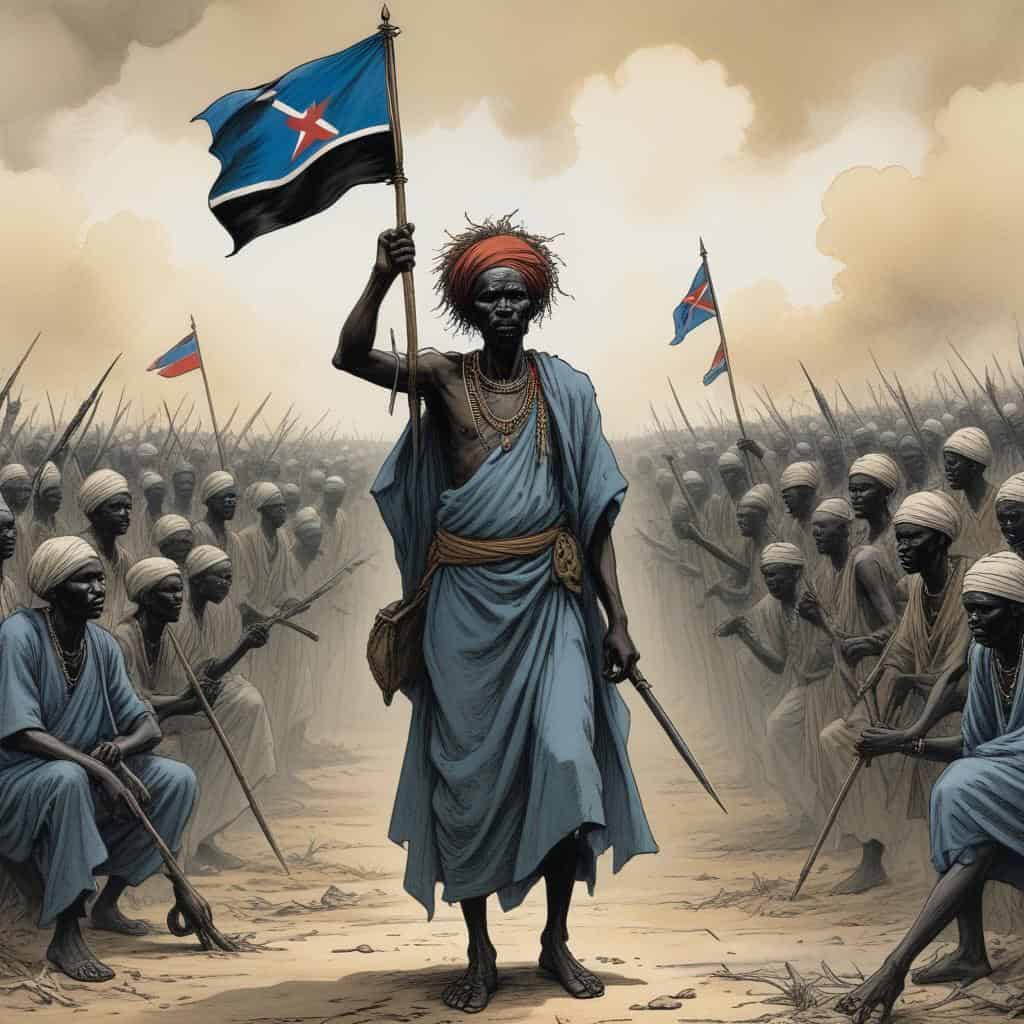
Future Challenges
Hopes for Peace
Audio Library
As one of our featured lessons, this topic includes premium audio guides.
Unlock the Wizard's Cram Session
This powerful audio study guide is a Pro-exclusive feature. Upgrade to Memory Wizards Pro to access this and all of our premium learning tools.
Upgrade to ProIn a Nutshell
- Capital: Juba
- Population: Approx. 11.1 million (2021)
- Official Language: English
- Currency: South Sudanese pound (SSP)
Breaking Down the Country
Geography & Climate
South Sudan is mainly covered by the vast swampy wetlands of the Sudd region and experiences a tropical climate with a long rainy season.
Cultural Diversity
South Sudan is home to over 60 ethnic groups, each with its own language, traditions, and way of life, contributing to a rich tapestry of diversity.
Challenges & Resilience
Despite facing ongoing challenges such as conflict and poverty, the people of South Sudan exhibit remarkable resilience and a strong sense of community.
Timeline of South Sudan
Sudan gains independence from Britain and Egypt
First Sudanese Civil War begins between the north and south
Addis Ababa Agreement signed, ending the First Sudanese Civil War
Second Sudanese Civil War begins between the north and south
Comprehensive Peace Agreement signed, ending the Second Sudanese Civil War
Referendum held in South Sudan, resulting in independence from Sudan
South Sudan officially declares independence
South Sudan admitted as a member of the United Nations
South Sudan and Sudan reach an agreement on oil export fees
Conflict erupts in South Sudan between government and rebel forces
Peace agreement signed between government and rebel forces
United Nations declares famine in parts of South Sudan
South Sudan government and rebels sign ceasefire agreement
South Sudan peace agreement signed in Ethiopia
Formation of the Revitalized Transitional Government of National Unity
United Nations warns of potential genocide in South Sudan
South Sudan marks 10 years of independence
Ceasefire agreement signed between government and rebel forces
South Sudan government and opposition forces begin peace talks
South Sudan celebrates Independence Day
Vocabulary List
- Juba
- Juba is the capital city of South Sudan.
- Dinka
- The Dinka people are one of the largest ethnic groups in South Sudan.
- SPLA
- The Sudan People's Liberation Army (SPLA) fought for the independence of South Sudan.
- Nile
- The Nile River flows through South Sudan.
- Referendum
- The referendum in 2011 resulted in the independence of South Sudan.
- UNMISS
- The United Nations Mission in South Sudan (UNMISS) works to maintain peace and security in the country.
- Tribal
- Tribal conflicts have been a major challenge in South Sudan.
- Inflation
- High inflation rates have affected the economy of South Sudan.
- Cattle
- Cattle herding is a traditional way of life for many communities in South Sudan.
- Refugees
- Many South Sudanese have been forced to flee their homes due to conflict and become refugees in neighboring countries.
Key Facts
This is the information used in the fact matching game
- South Sudan gained independence from Sudan in 2011.
- South Sudan is the youngest country in the world.
- It is one of the most ethnically diverse countries in Africa with over 60 different ethnic groups.
- The official languages of South Sudan are English and Arabic.
- South Sudan has one of the lowest literacy rates in the world, with only 27% of adults able to read and write.
- The country has been plagued by civil war since gaining independence in 2011.
- South Sudan has vast oil reserves, but the economy is heavily dependent on oil exports.
- The country has a tropical climate with a rainy season from April to October and a dry season from November to March.
- South Sudan is one of the poorest countries in the world, with over 80% of the population living below the poverty line.
- The capital city of South Sudan is Juba.
- The country has a population of around 11 million people.
- South Sudan is home to the Sudd, one of the largest wetlands in the world.
- The majority of the population practices Christianity, with about 60% of the population being Christian.
- South Sudan has a high maternal mortality rate, with 789 deaths per 100,000 live births.
- The country has been heavily affected by food insecurity, with over half of the population facing severe hunger.
- South Sudan has a rich cultural heritage, with traditional music, dance, and art playing an important role in society.
- The country has a high rate of child marriage, with 52% of girls being married before the age of 18.
- South Sudan has a high prevalence of HIV/AIDS, with an estimated 2.3% of the population living with the virus.
- The country has been ranked as one of the most dangerous places in the world for humanitarian workers.
- South Sudan is landlocked and relies on its neighbors for access to the sea.
Why It Matters
Geopolitical Significance
South Sudan holds strategic importance due to its location in East Africa, bordering countries like Sudan, Ethiopia, and Uganda. Its resources, including oil reserves, have attracted regional and international interests, impacting stability and alliances in the region.
Historical Importance
South Sudan’s history is marked by colonial rule, civil wars, and struggles for independence. The country’s journey to nationhood in 2011 symbolized a triumph over decades of conflict and oppression, highlighting the resilience and aspirations of its people.
Modern-Day Role
As the world’s youngest nation, South Sudan faces numerous challenges in nation-building, governance, and development. International aid and peacekeeping efforts are crucial in supporting the country’s stability and promoting sustainable growth for its citizens.
South Sudan Games


Take Your Learning Offline
Want a convenient, print-ready study guide for this lesson? Become a Memory Wizards Pro member to unlock the downloadable " Memory Scrolls" for this topic and our entire library!
- ✓ Complete Vocabulary Lists
- ✓ Key Facts & Timelines
- ✓ Beautifully Formatted for Print & Mobile